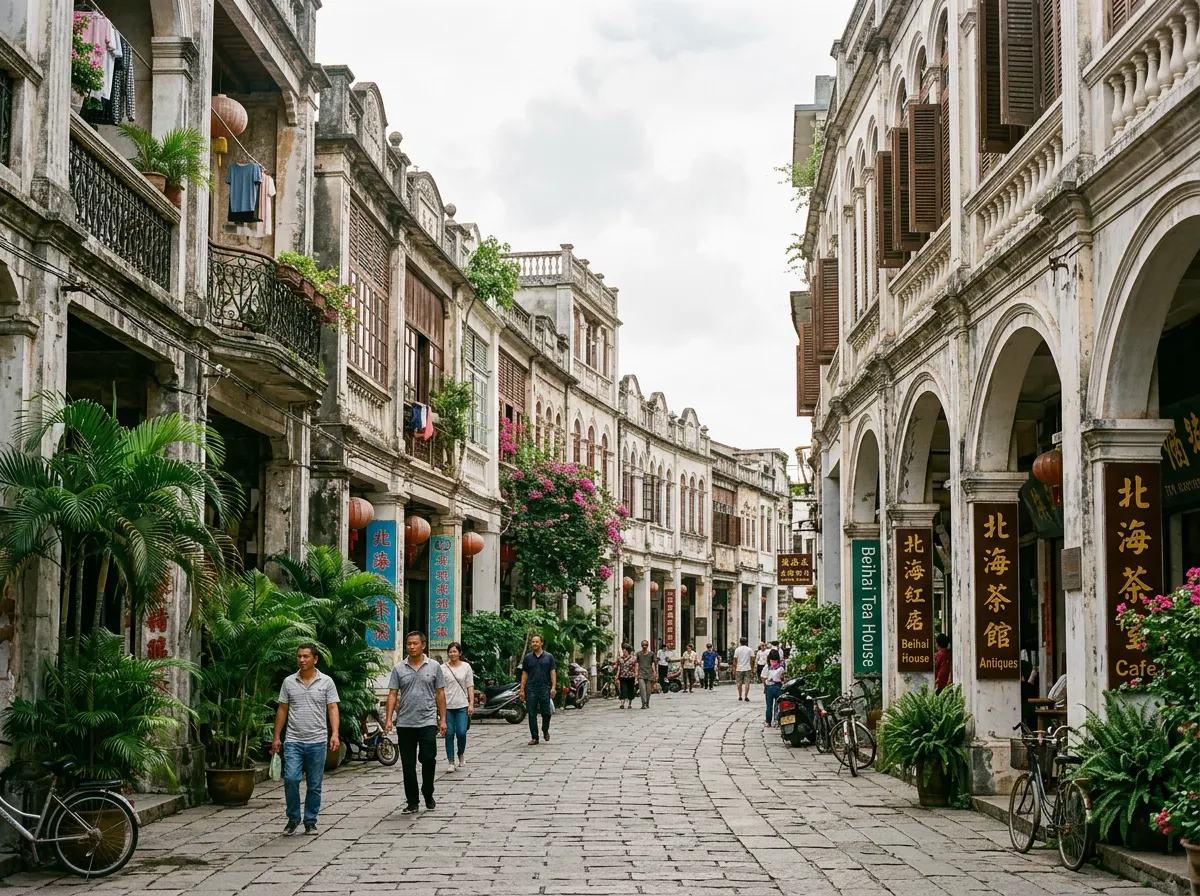
Beihai
Beihai (北海, Běihǎi) is Guangxi province's premier coastal city, sitting on the northern shore of the Gulf of Tonkin with a subtropical climate, 24 kilometers of white quartz sand beach, and a pace of life that feels a world away from China's inland megacities. It is famous for three things: Silver Beach (银滩, Yín Tān), one of the finest beaches in China with sand so fine and white it squeaks underfoot; Weizhou Island (涠洲岛, Wéizhōu Dǎo), China's largest volcanic island, ringed by basalt cliffs and banana plantations and home to a 19th-century Catholic church built by French missionaries; and the Old Street (老街, Lǎo Jiē), a 1.4-kilometer stretch of qilou (骑楼) arcade buildings from the colonial treaty-port era, now filled with pearl shops, seafood stalls, and the smell of grilled oysters. Beihai was forced open as a treaty port in 1876 after the Yantai Treaty, and the legacy of that period — British, French, and German consulate buildings, a missionary hospital, a Customs House — still stands in various states of preservation. Today Beihai is a domestic tourism magnet, but foreign visitors are still rare, making it one of the last genuinely relaxed Chinese coastal cities where you can walk a near-empty beach in the morning and eat freshly caught crab by the water at night. Two to three days is enough for the main sights; budget roughly ¥100-200 per day for mid-range comfort. The seafood is among the best value on the Chinese coast — fresh oysters, scallops, mantis shrimp, and the local specialty of crab vermicelli soup. From Beihai, you can take a day trip to the volcanic island of Weizhou (1.5 hours by ferry), visit the mangrove wetlands of Jintan, or hop on a HSR to Nanning (2 hours) and the wider Guangxi region.
Why Beihai in 2026.
Guangxi's southern coastal gem on the Gulf of Tonkin, famous for Silver Beach, volcanic Weizhou Island, and a 1.4-km colonial-era Old Street lined with qilou arcades and pearl shops. Best visited October-April for dry weather; summer is hot and humid with typhoon risk. Allow 2-3 days for the main sights, plus optional Weizhou Island overnight.
Quick Answer
Beihai (北海, Běihǎi) is Guangxi province's premier coastal city, sitting on the northern shore of the Gulf of Tonkin with a subtropical climate, 24 kilometers of white quartz sand beach, and a pace of life that feels a world away from China's inland megacities. It is famous for three things: Silver Beach (银滩, Yín Tān), one of the finest beaches in China with sand so fine and white it squeaks underfoot; Weizhou Island (涠洲岛, Wéizhōu Dǎo), China's largest volcanic island, ringed by basalt cliffs and banana plantations and home to a 19th-century Catholic church built by French missionaries; and the Old Street (老街, Lǎo Jiē), a 1.4-kilometer stretch of qilou (骑楼) arcade buildings from the colonial treaty-port era, now filled with pearl shops, seafood stalls, and the smell of grilled oysters. Beihai was forced open as a treaty port in 1876 after the Yantai Treaty, and the legacy of that period — British, French, and German consulate buildings, a missionary hospital, a Customs House — still stands in various states of preservation. Today Beihai is a domestic tourism magnet, but foreign visitors are still rare, making it one of the last genuinely relaxed Chinese coastal cities where you can walk a near-empty beach in the morning and eat freshly caught crab by the water at night. Two to three days is enough for the main sights; budget roughly ¥100-200 per day for mid-range comfort. The seafood is among the best value on the Chinese coast — fresh oysters, scallops, mantis shrimp, and the local specialty of crab vermicelli soup. From Beihai, you can take a day trip to the volcanic island of Weizhou (1.5 hours by ferry), visit the mangrove wetlands of Jintan, or hop on a HSR to Nanning (2 hours) and the wider Guangxi region.
| Worth visiting | Yes, if you want a Chinese beach destination that is not Sanya — less polished, more character, and genuinely historic. Weizhou Island alone justifies the detour. |
|---|---|
| Recommended days | 2-3 days (Beihai city + Silver Beach); 4-5 days if including Weizhou Island overnight |
| Best time to visit | October-December and March-May (avoid July-September — typhoon season and punishing humidity) |
| Daily budget | $25 (backpacker) / $75 (mid-range) / $180+ (luxury) |
| Family friendly | Yes — Silver Beach is shallow and safe for children, the Ocean Window aquarium is kid-oriented, and seafood restaurants accommodate families easily |
| Solo friendly | Yes — safe, walkable, and the seafood markets are perfect for solo grazers |
| Airport | Beihai Fucheng Airport (BHY) — 25 km east of the city, with direct flights from Shanghai (3h), Guangzhou (1.5h), Chengdu (2h), and seasonal flights from Southeast Asia. Airport shuttle bus ¥20 to the city center (40 min). |
| High-speed rail | Yes — Nanning (1.5h, ¥60-90), Guilin (4h, ¥140-180), Guangzhou (5h, ¥200-260). Beihai Railway Station is in the city center. |
| Language | Mandarin with a strong Cantonese-influenced local dialect (北海话); English is rare outside international-brand hotels |
| Currency | CNY (¥) — Alipay and WeChat Pay accepted at most shops and restaurants; cash still useful at seafood markets and small stalls |
| Time zone | China Standard Time (UTC+8) |
| Last updated | 2026-06-18 |
Want a Beihai plan built for you?
Jump to:
Silver Beach·Weizhou Island·Old Street·Food & Seafood·Getting Around·Where to Stay·Itineraries·Weather·Tips & Warnings·Emergency Contacts·FAQ
Why visit Beihai? Is it worth going?
Beihai is the quiet, historic northern cousin of Sanya, with better sand. Sanya on Hainan Island is China's most famous tropical beach destination — developed, expensive, and increasingly crowded with domestic resort tourism. Beihai is its quieter, more interesting northern cousin: a small coastal city (population roughly 1.7 million in the urban area) with a genuine historic core, a working fishing port, and a beach that is honestly better than anything Sanya has to offer. Silver Beach (银滩, Yín Tān) is 24 kilometers long, composed of exceptionally fine white quartz sand that sparkles in sunlight and makes a distinct squeaking sound under your feet — the quartz content is over 98%, among the highest of any beach in the world. The water is warm, the slope is gentle, and outside of the July-August domestic school holidays, you can walk for an hour and see maybe a dozen other people. The second reason to come is Weizhou Island (涠洲岛, Wéizhōu Dǎo). It is China's largest volcanic island, formed by eruptions roughly 7,000 years ago, and it is genuinely stunning: black basalt sea cliffs plunging into turquoise water, lava-tube caves you can walk through, coral reefs accessible by snorkeling directly from the beach, and a landscape of banana plantations punctuated by a Gothic Catholic church built by 19th-century French missionaries. The island is 25 kilometers across — you can bike around it in a day — and it feels like a different country from the mainland. The third reason is the Old Street (老街, Lǎo Jiē), a 1.4-kilometer stretch of qilou (骑楼) arcade buildings from the late 19th and early 20th centuries. Qilou are a distinctive Southeast Asian-Chinese hybrid architectural form: two or three stories tall, with the ground floor recessed behind a colonnaded arcade that provides shade and shelter from tropical rain. Beihai's Old Street is one of the best-preserved qilou streets in China, and walking it at dusk, with the old street lamps flickering on and the smell of grilled oysters drifting from side alleys, is the most atmospheric experience the city offers. Beihai is not a luxury destination. The infrastructure is adequate but not polished. English is scarce. The seafood is outstanding and cheap, but most restaurants have picture menus at best. This is a city for travelers who want a Chinese beach town that still feels like a real place rather than a resort compound.
What is the history of Beihai: from fishing village to treaty port to pearl capital?
Beihai's history falls into three distinct chapters, and understanding them transforms how you see the city. Chapter one: the pearl era. Long before Beihai was a city, the surrounding waters of the Gulf of Tonkin were famous across East Asia for Hepu pearls (合浦南珠, Hépǔ Nánzhū), harvested from the Pinctada maxima oyster. The Hepu pearl beds, centered on the area around modern-day Beihai, supplied the imperial courts of the Han dynasty (206 BCE-220 CE) and were so valuable that the region was designated Hepu Commandery specifically to administer the pearl trade. Pearl divers worked without equipment, holding their breath for minutes at a time, and the profession was dangerous enough that temples along the coast were built to honor divers who died. Beihai still calls itself the "Pearl City" (珠城, Zhū Chéng), and the pearl motif appears everywhere: on manhole covers, in the Beibuwan Square sculpture, on souvenir packaging. Whether the pearls sold on Old Street today are genuinely local is a separate question — most are freshwater cultured pearls from Zhejiang — but the heritage is real. Chapter two: the treaty-port era. In 1876, after the Yantai Treaty (烟台条约) between Britain and the Qing dynasty, Beihai was designated a treaty port (通商口岸, Tōngshāng Kǒu'àn), one of several Chinese coastal cities forcibly opened to foreign trade. The British established a consulate in 1885 in a handsome two-story colonial building that still stands; the French and Germans followed. A Customs House was built, a missionary hospital opened, and the Old Street qilou arcades were constructed to serve the foreign trading community. Beihai in the 1890s was a small but cosmopolitan port, with European merchants, Chinese traders, Vietnamese fishermen, and a steady flow of goods through the Gulf of Tonkin. The treaty-port period ended with the Japanese occupation in the late 1930s and the Chinese Civil War that followed, but the architectural legacy survived. Chapter three: the modern revival. After 1949, Beihai became a backwater fishing port, overshadowed by Nanning and the industrial cities of inland Guangxi. It was not until the 1990s that the city reinvented itself as a domestic tourism destination, leveraging Silver Beach and, later, Weizhou Island. The 2000s brought a real-estate boom — you will see apartment towers along the coast, many of them second homes for wealthy northerners fleeing winter cold — and the 2010s brought high-speed rail, connecting Beihai to Nanning in 2015 and to the national HSR network shortly after. Beihai today is a city in transition: part fishing port, part beach resort, part real-estate speculation, all held together by a climate that draws Chinese snowbirds from November to March.
What is the geography and climate of Beihai?
Beihai sits at roughly 21.5 degrees north latitude — about the same as Havana, Cuba — on a peninsula that juts into the Gulf of Tonkin (北部湾, Běibù Wān). The city is flat, low-lying, and surrounded by water on three sides: the gulf to the south, mangrove-lined tidal flats to the east, and the fishing-port waterfront to the west. Weizhou Island lies 36 kilometers to the south, visible from the mainland on clear days as a low dark silhouette on the horizon. The climate is subtropical maritime, which means warm year-round, humid summers, and mild winters. The key thing to understand is the rhythm of the seasons: October through December is the golden window — daytime highs of 23-29°C, low humidity, clear skies, and the sea still warm enough for swimming from the accumulated summer heat. January and February are the "cold" months — 14-20°C, which is cool for swimming but pleasant for walking and sightseeing, and this is when the snowbird migration from northern China peaks. March through May is warm (18-30°C) and generally pleasant, though April can bring intermittent rain. June through September is the long, sticky summer: 27-33°C, humidity above 85%, and the typhoon season. Beihai gets hit by one or two typhoons most years between July and September; they are usually weaker than the storms that batter Guangdong and Hainan further east, but they bring torrential rain and rough seas that shut down the Weizhou Island ferry for days at a time. The honest climate downside: the humidity is relentless from May through September. Clothes do not dry. Cameras fog up. The air feels like a warm wet towel on your face. If you are not comfortable with tropical humidity, do not come to Beihai in summer. Come in November, when the sky is blue, the breeze is dry, and the oysters are at their plumpest.
How to get to Beihai: flights, high-speed rail, and ferry connections
Beihai Fucheng Airport (BHY) is 25 kilometers east of the city center. It is a small regional airport handling domestic flights from Shanghai Pudong (3 hours, ¥600-1,200), Guangzhou (1.5 hours, ¥400-800), Chengdu (2 hours, ¥500-900), Chongqing (1.5 hours), and Kunming (1.5 hours), plus seasonal flights from Southeast Asian cities including Bangkok and Kuala Lumpur. The airport shuttle bus runs to the city center (¥20, 40 minutes, roughly every 30 minutes from 07:00-21:00). A DiDi or taxi costs ¥50-70 and takes 30-40 minutes. High-speed rail is the more common way to arrive. Beihai Railway Station (北海站) is right in the city center, a 10-minute walk from Beibuwan Square. Direct D-class trains serve Nanning East (1.5 hours, ¥60-90 second class), making Beihai an easy add-on to any Guangxi itinerary. From further afield: Guilin (4 hours, ¥140-180), Guangzhou South (5 hours, ¥200-260), and Guiyang (6 hours, ¥240-300). There is no direct HSR to Hanoi or Vietnam — the Nanning-Pingxiang border crossing is served by slower trains from Nanning. Buy tickets on the 12306 app (Chinese-only) or Trip.com (English) 3-7 days ahead. The Weizhou Island ferry departs from Beihai International Passenger Terminal (北海国际客运港), about 6 km south of the city center near Silver Beach. Ferries run 3-6 times daily depending on season and weather; the crossing takes 70 minutes on the fast ferry (¥240 one way as of June 2026) or 90 minutes on the slower ferry (¥150). Buy tickets via the official WeChat mini-program "涠洲岛船票" or through your hotel. The ferry is canceled in rough weather — if a typhoon is forecast, do not schedule a tight connection to a flight. During the October Golden Week and summer holidays, ferry tickets sell out 3-5 days in advance.
How to get around Beihai: buses, DiDi, bike share, and Weizhou Island transport
Beihai does not have a metro — it is a small city and does not need one. The bus network is the backbone of public transport: most routes cost ¥1-2, and the key routes for visitors are Bus 3 (Beihai Railway Station to Silver Beach, ¥2, every 10-15 minutes), Bus 5 (city center to Qiaogang Seafood Market and the ferry terminal), and Bus 17 (circular route through the Old Street area and Beibuwan Square). Route signage is Chinese-only. Pay with Alipay transport QR code or exact change. DiDi is widely available and inexpensive. A ride within the city center costs ¥8-15; from Beihai Station to Silver Beach is about ¥18-25; from the city center to the ferry terminal is about ¥12-18. Most drivers do not speak English — have your destination written in Chinese characters or enter it directly in the app. Shared electric scooters (Meituan yellow and Hello blue) are everywhere in the city center, costing ¥2 for the first 15 minutes plus ¥0.5 per additional 5 minutes. They are the best way to explore: Beihai is flat, the streets are wide, and scooting along the coast road between Silver Beach and the Old Street area with the sea breeze in your face is one of the city's simple pleasures. You need a Chinese phone number to register for the scooter apps. Taxis are abundant with a flagfall of ¥7 for the first 2 kilometers and ¥1.8 per kilometer after that. Insist on the meter — some drivers at the railway station and ferry terminal will try to negotiate a flat fare. A ride across the entire city should not exceed ¥40. On Weizhou Island: there are no DiDi or taxis. The island transport options are: rental electric scooters (¥60-80 per day, the best option — the island is 25 km across and scootering is the standard way to explore), tourist shuttle buses (¥20 per ride, ¥100 for a day pass covering the main scenic spots), and bicycles (¥30-40 per day from guesthouses, a good option in cooler months). The roads are paved but narrow, and there are almost no cars. Bring your passport to rent a scooter — operators are required to register foreign renters with the local police station.
What are the top attractions in Beihai, ranked and described?
1. Silver Beach (银滩, Yín Tān). Free. A 24-kilometer arc of white quartz sand on the Beibu Gulf, stretching from the Qiaogang area in the west to the Daguansha area in the east. The sand is the attraction: over 98% quartz content, fine as powdered sugar, so reflective in sunlight that it appears silver-white. When you walk on dry sand, it produces a high-pitched squeaking sound — a phenomenon called "singing sand" that occurs on only a handful of beaches worldwide. The water is warm (22-29°C depending on season), the slope is so gentle you can wade 50 meters out and still stand, and the beach is clean by Chinese standards. Facilities: public showers (¥10), changing rooms, beach-chair and umbrella rentals (¥30-50 per day), jet ski rentals (¥100-150 per 15 minutes), and parasailing (¥200-300). The beach is busiest in July and August and during the October Golden Week; come at 07:00 on a November morning and you might have a kilometer of sand entirely to yourself. The downside: the beachfront is backed by a line of mostly mediocre hotels and seafood restaurants, and the development is not attractive. Do not come here for a resort-town aesthetic. Come for the sand and the water. 2. Weizhou Island (涠洲岛, Wéizhōu Dǎo). ¥98 island entry ticket (buy at the ferry terminal or online). China's largest volcanic island and, in my opinion, the single best reason to make the trip to Beihai. The island was formed by multiple volcanic eruptions around 7,000 years ago, and the landscape is dramatic: black basalt cliffs on the southern coast, red volcanic soil in the interior, lava-tube caves you can walk through (the Crocodile Mountain Scenic Area has the best examples), and coral reefs in the shallow waters off the eastern beaches. The island is roughly 25 kilometers in circumference — you can circumnavigate it by scooter in about 2 hours with stops. Key spots: Crocodile Mountain (鳄鱼山, Èyú Shān) for the volcanic crater and sea-cliff views, the Catholic Church (天主教堂) in Shengtang Village, the Shiluokou (石螺口) and Dishuicun (滴水村) beaches for swimming and snorkeling, and the Wucai Tan (五彩滩) lava platforms where volcanic rock has been eroded into a patchwork of colors. Snorkeling gear rents for ¥50-80 per day from beach vendors; the reefs are not world-class but you will see tropical fish, sea urchins, and the occasional sea turtle. The island has roughly 1,500 permanent residents and dozens of guesthouses, ranging from basic farmhouse rooms (¥100-150) to boutique courtyard hotels (¥400-800). Stay overnight — the day-trippers leave on the 16:00 ferry and the island transforms into a quiet, star-lit place where the loudest sound is the surf. 3. Beihai Old Street (北海老街, Běihǎi Lǎo Jiē). Free. A 1.4-kilometer pedestrian-only street running roughly east-west just inland from the old port, lined with qilou (骑楼) arcade buildings dating from approximately 1883 to the 1920s. Qilou are a distinctive architectural hybrid that spread through Southeast Asian port cities in the colonial era: two or three stories, with the ground floor set back behind a covered arcade supported by columns, creating a shaded walkway that protects pedestrians from tropical sun and sudden rain. The Beihai version is well-preserved, with plaster facades decorated in a mix of Chinese motifs (phoenixes, dragons, flowers) and European neoclassical details (pilasters, pediments, arched windows). Today the ground floors are occupied by pearl shops, seafood-snack stalls, souvenir vendors, and a handful of small cafes and bars. It is touristy — embrace it. The street is at its best from 17:00 to 20:00, when the old street lamps come on, the temperature drops, and the oyster-grilling stalls in the side alleys fire up their charcoal. Allow 1-2 hours for a slow walk with snack stops. 4. Golden Bay Mangrove Forest (金海湾红树林, Jīnhǎi Wān Hóngshùlín). ¥105 combined ticket (wetland park + shuttle bus). A 2,000-hectare protected mangrove wetland on the eastern edge of Beihai, where the mangroves form dense green tunnels over tidal creeks and the mudflats teem with fiddler crabs, mudskippers, and wading birds. The park has elevated boardwalk trails through the mangroves, a small visitor center with exhibits on mangrove ecology, and scheduled demonstrations of traditional mudflat harvesting (the local fishermen wade into the mud at low tide and dig for clams and sandworms with hand tools). The best time to visit is at low tide — check tide tables online or ask at the park entrance — when the mangrove roots are fully exposed and the bird-watching is best. Bring insect repellent; the mangroves breed mosquitoes. Combine with Silver Beach (they are adjacent) for a nature-focused morning. 5. Weizhou Island Catholic Church (涠洲岛天主教堂). Free. Built between 1853 and 1880 by French missionaries from the Paris Foreign Missions Society, this Gothic Revival church in Shengtang Village is constructed from coral rock and volcanic stone quarried on the island, giving it a distinctive pinkish-grey color unlike any European church. The interior is simple — wooden pews, a painted altar, stained-glass windows added in the 1990s — but the setting is extraordinary: banana groves on three sides, the sea visible from the churchyard, and a small congregation of island Catholics who still attend Mass here on Sundays. The church survived the anti-religious campaigns of the Cultural Revolution because local villagers protected it. There is a small museum in the adjacent building with photographs of the early missionary period. Combine with a scooter loop of the island. 6. Beihai Underwater World (北海海底世界, Běihǎi Hǎidǐ Shìjiè). ¥148 as of June 2026. A large aquarium at the eastern end of Silver Beach, built around a 360-degree walk-through shark tunnel and a series of themed exhibit halls covering tropical reef fish, jellyfish, sea turtles, and a surprisingly detailed section on Beihai's Hepu pearl-farming heritage with live pearl-oyster displays. It is not on the level of the aquariums in Osaka or Singapore, but it is well-maintained, educational, and a solid rainy-day backup. Allow 1.5-2 hours. The pearl exhibition in particular is worth the visit: you learn how pearl oysters are seeded, how long they take to produce a pearl (2-3 years), and how to distinguish cultured from natural pearls. 7. Qiaogang Seafood Market (侨港市场, Qiáogǎng Shìchǎng). Not a formal attraction but the essential Beihai food experience. Qiaogang is a neighborhood developed in the 1970s to house ethnic Chinese refugees returning from Vietnam, and it retains a distinct Vietnamese-influenced food culture. The market itself is a wet market in the morning and a seafood feast zone by evening: you buy fresh seafood from the market stalls (crabs ¥40-80 per jin, shrimp ¥30-60, oysters ¥3-8 each, various reef fish ¥20-60) and take it to one of the surrounding restaurants where they cook it to order for ¥15-30 per dish. The restaurant owners speak Mandarin; pointing at seafood and holding up fingers for quantity works. A feast for two — three types of seafood, a vegetable dish, rice, and beer — costs roughly ¥120-200 total. 8. Former Consulates & Customs House. Free. Scattered around the Old Street area and the old port, the treaty-port-era foreign buildings are under-visited and worth seeking out. The British Consulate (1885) near the Old Street western end is the best preserved, now a small museum with period photos and exhibits on Beihai's treaty-port history. The French Consulate building (1887) is nearby but partially occupied and not open to the public — you can photograph the exterior. The German Consulate (1905) has been converted into a small cafe. The Customs House (1883) is a colonnaded neoclassical building that now houses a government office. None of these are major sights on their own, but together they tell the story of Beihai's brief, intense colonial chapter, and walking between them is a pleasant way to spend a late afternoon.
Where to stay in Beihai: neighborhoods and typical prices
The Silver Beach area (银滩片区) is the most popular choice for beach-focused visitors. Hotels cluster along the coast road (Yintan Avenue) running parallel to the beach, ranging from mid-range Chinese chains (Jinjiang Inn, GreenTree Inn, ¥200-400 per night) to the Crowne Plaza Beihai Silver Beach (¥800-1,200), the city's top international-brand hotel directly on the sand. Staying here puts you steps from the beach but a 15-20 minute DiDi ride from the Old Street and the city center. The beachfront hotels fill up in July-August and during Golden Week; book 1-2 weeks ahead for those periods. The Old Street / city center area is the best base if you prioritize walkability and atmosphere over beach access. The streets around Beibuwan Square and the Old Street have the densest concentration of budget and mid-range hotels (¥150-350), plus a handful of small boutique guesthouses in renovated qilou buildings on the quieter side streets off Old Street. The Old Street area puts you within walking distance of the consulate buildings, the night food stalls, and the city's best morning market (Nanwan Market, a 10-minute walk from the eastern end of Old Street). The trade-off: Silver Beach is a 20-minute bus or DiDi ride away. Qiaogang (侨港) is an interesting third option: a residential neighborhood with a strong Vietnamese-Chinese food culture, between the city center and Silver Beach and adjacent to the ferry terminal. Accommodation here is mostly small guesthouses and budget hotels (¥100-250), and the area has the best concentration of affordable seafood restaurants in Beihai. This is the best choice if your priority is food and you plan to take the ferry to Weizhou Island early in the morning. On Weizhou Island: accommodation ranges from basic farmhouse rooms (¥100-150, shared bathroom, fan only) to mid-range guesthouses (¥250-500, private bathroom, air conditioning, scooter rental included) to a few boutique courtyard hotels clustered around Dishuicun and Shiluokou villages (¥500-1,000). Book island accommodation at least a week ahead for weekends and holidays — the number of rooms is limited and the ferry capacity constrains supply. Most guesthouses will pick you up from the island ferry dock if arranged in advance. For backpackers, the Beihai Old Street International Youth Hostel (¥50-70 per dorm bed) is the most established option, in a converted qilou building on a side alley off Old Street. A second hostel near Silver Beach (Silver Beach Youth Hostel, ¥45-60 per dorm bed) is newer and closer to the water.
What to eat in Beihai: fresh seafood, sandworms, and Vietnamese-influenced snacks
Beihai's food is built on three pillars: fresh seafood from the Gulf of Tonkin, the Vietnamese-influenced cooking of the Qiaogang community, and a handful of local specialties you will not find anywhere else in China. The seafood is the headliner, and the Qiaogang model — buy it yourself from the wet market, take it to a cookshop next door — is the way to do it. Here is what to look for at the market stalls: flower crabs (花蟹, huā xiè), sweet-fleshed and plentiful from September to December, ¥40-80 per jin (500g); mantis shrimp (皮皮虾, pí pí xiā), ugly but delicious, best salt-and-pepper fried (椒盐, jiāo yán), ¥30-60 per jin; oysters (生蚝, shēng háo), small and intensely briny compared to Atlantic oysters, best grilled with garlic and vermicelli (蒜蓉粉丝烤生蚝), ¥3-8 each depending on size; groupers and snappers (石斑鱼, shí bān yú), steamed whole with ginger and scallions, ¥30-60 per fish; and sea urchin (海胆, hǎi dǎn), steamed with egg custard, ¥10-20 each when in season (spring and autumn). The local delicacy that divides visitors is sandworm (沙虫, shā chóng). These translucent, worm-like marine creatures live in the intertidal sand flats and are harvested by local fishermen at low tide. They are typically dried and then rehydrated and stir-fried with garlic and vegetables, or served in a clear broth. The flavor is mild and slightly sweet, the texture is slightly crunchy, and most Chinese visitors to Beihai consider them a must-try. I will be honest: they look exactly like earthworms, and the mental hurdle is significant. If you are adventurous, try them stir-fried — the garlic and chili disguise the appearance. If you are not, nobody will judge you. A sandworm dish costs ¥50-80 at most restaurants. Vietnamese influence shows up in Qiaogang (侨港), the neighborhood built for ethnic Chinese refugees from Vietnam in the 1970s. The signature dish here is Vietnamese-style rice noodle rolls (卷粉, juǎn fěn): thin steamed rice sheets wrapped around minced pork, wood-ear mushrooms, and shrimp, served with a sweet-tangy fish-sauce dip, shredded cucumber, and crushed peanuts. A plate of three costs ¥8-12. The Qiaogang breakfast stalls serving these from 06:00-10:00 are among the best cheap eats in Guangxi. Also from the Vietnamese tradition: iced coffee with condensed milk (越南冰咖啡, ¥10-15) — strong, sweet, and exactly what you want on a hot Beihai afternoon. Other local foods worth seeking out: shrimp paste (虾酱, xiā jiàng), a pungent fermented condiment used to flavor stir-fried vegetables; grilled squid stuffed with sticky rice (糯米鱿鱼筒, ¥15-25), a street-food specialty of the Old Street area; and coconut cake (椰子糕, yēzi gāo), a steamed dessert of coconut milk and glutinous rice flour, served chilled, ¥5-8 for a box. For vegetarians: Beihai is easier than inland Hunan but still requires attention. Seafood restaurants are naturally accommodating — steamed vegetable dishes, stir-fried greens (通菜, tōng cài — water spinach — is the local staple, ¥15-25), rice, and tofu are available everywhere. The Vietnamese noodle rolls can be ordered without meat (素卷粉, sù juǎn fěn, ¥6-8). Coconut cake is naturally vegan. The phrases "wǒ chī sù" (我吃素, I eat vegetarian) and "bùyào ròu" (不要肉, no meat) are essential. A printed vegetarian card in Chinese is recommended.
What are good itineraries for Beihai and Weizhou Island?
Weekend beach escape (2 days): Day 1 — Arrive by morning HSR or flight. Check in near Silver Beach. Afternoon on Silver Beach: swim, walk, rent a beach chair and do nothing. Evening: head to Qiaogang Seafood Market. Buy crabs, shrimp, and oysters from the market stalls, take them to a cookshop, eat with cold beer. Day 2 — Morning: visit Beihai Old Street before the tour groups arrive (by 08:30). Walk the full 1.4 km, photograph the qilou architecture, stop at a pearl shop to understand the Hepu pearl story. Late morning: the former British Consulate and the surrounding treaty-port buildings. Lunch: Vietnamese noodle rolls in Qiaogang. Afternoon: Golden Bay Mangrove Forest (2 hours, best at low tide). Evening: a final seafood dinner, then depart. Beihai + Weizhou Island (3-4 days): Day 1 — Settle in, Silver Beach, Qiaogang seafood dinner. Day 2 — Early ferry to Weizhou Island (take the 08:00 ferry). Rent a scooter at the dock. Morning loop of the volcanic scenic spots: Crocodile Mountain for the crater views, Wucai Tan for the eroded lava platforms. Lunch at a village restaurant (seafood noodles, ¥20-30). Afternoon: the Catholic Church, then snorkeling at Shiluokou Beach. Stay overnight on the island. Day 3 — Sunrise from the eastern cliffs (Wucai Tan is the best sunrise spot), then a slow morning exploring the banana-plantation interior by scooter. Afternoon ferry back to the mainland (14:00 or 16:00). Evening: one last seafood feast in Qiaogang. Day 4 — Old Street, treaty-port buildings, depart. This is the ideal Beihai trip. The island overnight is essential — the day-trippers miss the quiet evening and the early morning, which are the best parts. Beihai as part of a Guangxi loop (5-7 days): Fly into Nanning (1 day for the Guangxi Museum and Zhongshan Road food street), HSR to Beihai (1.5 hours). 2 days Beihai + 2 days Weizhou Island, then HSR to Guilin (4 hours) for 2-3 days of karst scenery and the Li River. Fly out of Guilin. This loop covers Guangxi's three distinct landscapes — the subtropical coast, the volcanic island, and the karst peaks — and makes a strong one-week trip.
What is the monthly weather and the best time to visit Beihai?
January: 14-19°C, cool, dry, the low season. The beach is too cold for swimming but perfect for walking. Snowbird season peaks — hotels are busier than you would expect but prices are reasonable. February: 15-20°C, similar to January but slightly warmer. Spring Festival crowds descend if the holiday falls this month — book everything in advance and expect higher prices. March: 18-23°C, warming up. Occasional rain. The start of the spring shoulder season. Good value — prices are low and crowds are thin. April: 22-27°C, warm and increasingly humid. Intermittent rain. The water is warm enough for swimming by mid-month. Qingming Festival (early April) brings a brief domestic travel spike. May: 25-30°C, hot, humid, the start of the summer rainy season. Thunderstorms are common but usually short. The Labour Day holiday (first week) makes the beach and ferry chaotic — avoid it. June: 27-32°C, fully summer. High humidity, frequent afternoon downpours. The Dragon Boat Festival falls in June some years. Hotel prices are lower than July-August. The sea is at its warmest. July: 28-33°C, peak summer, peak domestic tourism. The beach is packed with Chinese families on school holidays. Humidity above 85%. Typhoon risk begins. Ferry tickets to Weizhou Island sell out 3-5 days ahead. August: 27-32°C, similar to July. Typhoon season peaks — expect one or two storms affecting ferry schedules. The humidity is exhausting. I would not choose to visit in August, but if you must, book everything ahead and build buffer days into your itinerary. September: 26-31°C, still hot, still humid, typhoon risk continues through mid-month. Late September begins the transition to autumn — the humidity starts to drop and the crowds thin significantly. October: 23-29°C, the start of the golden window. The humidity breaks, the skies clear, the sea is still warm from the summer. BUT: the first week is the National Day Golden Week. Beihai is a major domestic holiday destination and every hotel on the mainland and the island sells out at inflated prices. If you come in October, come after October 7. November: 19-25°C, the single best month. Dry, sunny, mild, the sea still warm enough for a quick swim. No crowds. Low prices. The seafood is at its autumn peak — crabs are full, oysters are plump. This is when I would come. December: 15-21°C, cool, dry, the start of the snowbird season. Swimming is for the brave, but everything else — walking, eating, exploring — is comfortable. Christmas is not a public holiday in China and Beihai does not decorate for it.
What practical information do I need: visa, money, internet, and language?
Visa-free entry: As of June 2026, citizens of 45+ countries can enter China visa-free for up to 30 days. Confirm your eligibility with the nearest Chinese consulate before booking. Beihai is not in a special economic zone with separate entry rules — standard Chinese visa policy applies. Money: CNY (¥). ¥100 ≈ US$14 as of June 2026. Alipay and WeChat Pay are accepted at most shops, restaurants, hotels, and the Weizhou Island ferry ticket office. Link a foreign Visa or Mastercard in the app before you travel. Cash is still important in Beihai — seafood-market vendors, street-food stalls, scooter rental operators on Weizhou Island, and small guesthouses often prefer cash. ATMs at ICBC, Bank of China, and Agricultural Bank of China around Beibuwan Square accept foreign cards. Carry ¥300-500 in cash. Tipping is not customary. Internet and VPN: China blocks Google, Facebook, Instagram, WhatsApp, YouTube, X, and most Western sites. Install and test a VPN before arriving in China — ExpressVPN, Astrill, and Mullvad are the most reliable options as of mid-2026. A Chinese SIM card (¥100-200 for 30 days with 30-50 GB of data) from China Mobile or China Unicom at the airport or a Beibuwan Square service hall is recommended. The phone number is useful for DiDi registration and ferry ticket purchases. eSIM data-only plans (Airalo, Nomad) work but do not provide a Chinese phone number. Language: Mandarin is spoken everywhere, though the local Beihai dialect (北海话, Běihǎi huà) is a Cantonese-influenced variant that sounds nothing like standard Putonghua. English is rare outside the Crowne Plaza and a handful of Western-oriented cafes on Old Street. A translation app (Pleco, Baidu Translate) is essential. Key phrases: nǐ hǎo (你好, hello), xièxie (谢谢, thank you), duōshǎo qián (多少钱, how much), zhè ge (这个, this one — for pointing at seafood), wèishēngjiān zài nǎlǐ (卫生间在哪里, where is the bathroom). Save your hotel address, the ferry terminal, and "涠洲岛" (Weizhou Island) in Chinese characters on your phone.
What tips, warnings, and things should I avoid in Beihai?
1. WATCH THE FERRY WEATHER. The Weizhou Island ferry is canceled when winds exceed Force 6 on the Beaufort scale (roughly 40 km/h). This happens most often during typhoon season (July-September) but can occur in any month. Always check the ferry status the night before, and never book a same-day flight out of Beihai after a planned ferry return — build a buffer day. The WeChat mini-program "涠洲岛船票" shows real-time ferry status. 2. TYPHOONS ARE REAL. Beihai gets hit by one or two typhoons most years, typically July through September. The effects: ferry cancellations for 2-4 days, heavy rain, strong winds, and sometimes power outages in rural parts of Weizhou Island. Your hotel will advise on precautions. If a typhoon is forecast during your stay, get off the island immediately — once the ferry stops, you are stuck until the weather clears. Check the China Meteorological Administration typhoon tracker online. 3. SUMMER HUMIDITY IS BRUTAL. Not dangerous in the way Changsha's heat is dangerous — Beihai never reaches 38°C — but the 85%+ humidity from June through September means you will be perpetually damp. Clothes do not dry. Electronics fog. If you are prone to heat rash or simply hate humidity, come between October and April. 4. PEARLS ON OLD STREET ARE LARGELY NOT LOCAL. The "Hepu pearls" (南珠) sold in Old Street shops are almost entirely freshwater cultured pearls from Zhejiang province, not genuine Hepu saltwater pearls. Real Hepu pearls are extremely expensive (thousands of yuan for a single high-quality pearl) and sold through specialized dealers, not tourist shops. Buy pearl jewelry on Old Street if you like the look and the price (¥50-300 is typical for a necklace), but do not believe you are buying a genuine local product. 5. WEIZHOU ISLAND SCOOTER SCAMS. When renting a scooter on the island, photograph any existing damage before you ride away. Some operators will claim you caused pre-existing scratches and demand compensation. Reputable guesthouses can recommend honest rental operators — use their contacts rather than approaching touts at the ferry dock. 6. SILVER BEACH IS NOT CANCUN. The beach is beautiful but the beachfront development is functional at best, ugly at worst — a line of concrete hotels, seafood restaurants with plastic tables, and unfinished apartment towers from the real-estate boom. The water is clean but not Caribbean-clear. If you come expecting a tropical paradise, you will be disappointed. Come for a real Chinese beach town with real character, and you will leave happy. 7. THE OLD STREET AFTER 21:00 GETS SKETCHY AT THE EDGES. The main stretch is safe and well-lit, but the side alleys at the far eastern and western ends attract drinkers and the occasional aggressive tout after dark. Stay on the main pedestrian street after 21:00. 8. DO NOT EAT RAW SEAFOOD FROM MARKET STALLS. The seafood in Beihai is fresh and generally safe, but it is not sushi-grade. Eat it cooked. The garlic-grilled oysters, steamed fish, and salt-and-pepper shrimp are all cooked to order and safe. Raw oysters, sashimi-style fish, and marinated raw crab from market stalls carry a risk of food poisoning — skip them. 9. SWIM BETWEEN THE FLAGS AT SILVER BEACH. The designated swimming zones are marked with red and yellow flags and have lifeguards on duty (roughly 08:00-18:00 in summer, shorter hours in winter). The water is generally calm — the Gulf of Tonkin is shallow and protected — but rip currents can form near the headlands at either end of the beach. Stay in the flagged zones. 10. BOOK THE FERRY IN ADVANCE. During July-August, October Golden Week, and Spring Festival, Weizhou Island ferry tickets sell out 3-5 days ahead. The ferry caps daily visitors to the island, and during peak periods, tickets are released in batches on the WeChat mini-program. Ask your hotel to help with the booking or monitor the mini-program yourself. Do not leave the ferry booking until the day before during peak season — you will not get on.
What are the emergency contacts and health information for Beihai?
Police: 110. Ambulance: 120. Fire: 119. Traffic accident: 122. Tourist complaint hotline: 12301 (national). These numbers work from any phone. English-speaking operators exist in theory but Mandarin is the practical reality. Your hotel front desk is your best first call — they can translate and coordinate. Hospitals: Beihai People's Hospital (北海市人民医院) is the main public hospital, located in the city center near Beibuwan Square. It has an emergency department and some English-speaking doctors, particularly in the internal medicine department. The Beihai Traditional Chinese Medicine Hospital (北海市中医院) is a secondary option. For serious medical emergencies — major trauma, cardiac events, complicated fractures — evacuation to Nanning (1.5 hours by HSR) or Guangzhou (5 hours by HSR) may be necessary. Comprehensive travel insurance covering medical evacuation is essential. There are no international-standard private clinics in Beihai. On Weizhou Island: the island has a small health clinic (涠洲岛卫生院) in Nanwan Village that can handle minor injuries, cuts, and basic illnesses. For anything serious, you need to get back to the mainland — if the ferry is running, that means a 70-minute ferry ride plus a 30-minute transfer to Beihai People's Hospital. If the ferry is not running, you are dependent on a medical evacuation boat or helicopter, which is expensive and slow. This is the single biggest risk of staying overnight on the island — serious medical emergencies in bad weather are difficult to manage. Travelers with medical conditions should consider whether the island overnight is worth the risk. Tap water is not potable. Bottled water is ¥2-3 per bottle everywhere. Most hotels provide complimentary bottled water and a kettle. Air quality in Beihai is among the best of any Chinese city — consistently good to moderate thanks to the sea breeze and the absence of heavy industry. The annual average AQI is roughly 40-60. Sensitive visitors generally do not need a mask.
What is Weizhou Island and is it worth a day trip or overnight?
Weizhou Island (涠洲岛, Wéizhōu Dǎo) is China's largest volcanic island, lying 36 nautical miles south of Beihai in the Gulf of Tonkin. The island is roughly 24 km² of basalt cliffs, banana and cassava plantations, fishing villages, and a half-dozen small beaches. The volcanic geology gives the island distinctive black-and-red basalt cliffs, sea-stacks, and a coral-rich marine ecosystem that makes it one of the better snorkeling sites in mainland China. The main attractions: Dishui Danping (滴水丹屏), a sheer basalt cliff face where seawater has eroded the volcanic rock into vertical fluting that "drips" with mineral-rich water — the most photographed sight on the island. Wucai Tan (五彩滩), a flat rocky platform on the east coast where the sunrise over the South China Sea lights the volcanic rock in red and orange. Shiluokou (石螺口), the best swimming and snorkeling beach, with calm clear water and small coral patches close to shore. Weizhou Island's most distinctive cultural sight is the 19th-century Catholic church of Notre-Dame de la Consolation (天主教堂, Tiānzhǔ Jiàotáng), built in 1853 by French Catholic missionaries and made of local volcanic stone — it sits on the highest point of the island, with views over the South China Sea. Ferries run from Beihai International Passenger Terminal (北海国际客运港) to Weizhou Island, 1.5-2 hours each way. The standard day-trip itinerary requires the 07:30 ferry out and the 17:30 ferry back, giving you roughly 8 hours on the island. A day trip covers the main sights with a rented electric scooter (¥80-120/day, the standard transportation on the island). An overnight is more rewarding — the sunset and sunrise over the sea, the night sky without city light pollution, the empty beaches in the early morning. Most travelers stay in Nanwan Village (南湾, Nánwān), the main fishing village with guesthouses and seafood restaurants. Ferries may suspend in bad weather (typhoons, heavy fog) and in high season can sell out a day or two ahead. The peak season is June-October; the island is quieter but still beautiful November-May, with cooler water for swimming. The downsides: the island is heavily touristed during peak season, especially on weekends, when the beaches fill with domestic tourists. The accommodation is basic — most guesthouses are functional but not luxurious. The food is excellent (the freshest seafood you can find) but limited in variety — it is fish, crab, shrimp, oysters, and sea urchin for every meal. For travelers wanting a quiet tropical island experience, Weizhou is a reasonable choice that is much closer to most of China than Hainan. For travelers wanting world-class beaches and diving, Southeast Asia is the better destination.
What is Silver Beach and what makes it special?
Silver Beach (银滩) is Beihai's signature sight — a 24 km stretch of white quartz sand so fine it squeaks underfoot. The beach is the largest in Guangxi, with public access along almost its entire length. The water is calm and shallow, and the sand is firm enough for cycling. The beach is divided into several zones. The main public beach (free access) is in the center, near the Beihai Silver Beach Park (银滩公园). This is the busiest section, with hawkers selling coconuts, fresh fruit, snacks, and renting beach umbrellas (¥30-50) and lounger chairs (¥20-40). The eastern section near the Beihai Garden Expo Park is quieter and cleaner, and is the spot where most foreign travelers spend their beach time. The western section near the Haitian (海泰, Hǎitài) villa district is essentially empty, accessible only by a long walk or by bike. The far eastern section toward Weizhou Island ferry terminal is the most natural — no hotels, fewer vendors, more local fishing boats. The beach is best in the early morning (06:00-09:00) when temperatures are cooler and domestic tourists have not yet arrived, and in the late afternoon (16:00-18:30) when the sun is lower and the sunset over the Gulf of Tonkin lights up the water. Avoid midday in summer — temperatures reach 33-36°C and the sun is intense. The water is warm year-round (24-30°C) and the swimming season runs from May to November. The beach quality is real but the surrounding infrastructure is dated — the public changing rooms are basic, the vendors can be aggressive, and the commercial development along the beach front (mostly mid-range hotels) has not kept up with the modern resort experience in Sanya or Qingdao. For a clean, uncrowded, atmospheric Chinese beach experience, Silver Beach remains one of the best. For luxury resort living, Sanya is the right destination.
What is the Old Street (Lao Jie) and why is it worth a visit?
The Old Street (老街, Lǎo Jiē) — officially Zhuhai Road (珠海路) — is a 1.4-km stretch of well-preserved qilou (骑楼, arcade-style) buildings in central Beihai, dating from the late 19th and early 20th centuries when Beihai was a treaty port under the 1876 Yantai Treaty. The street's architecture is a distinctive blend of Chinese and Western styles — Chinese tile roofs and wooden beams combined with Western pediments, arched windows, and decorative ironwork. The covered arcades (qilou) sheltering the sidewalks are a feature of southern Chinese coastal cities, designed for protection from the subtropical sun and rain, and Beihai's Old Street has some of the best-preserved examples in China. The Old Street is lined with a mix of pearl shops (the primary commodity — Beihai is one of China's major pearl-cultivation centers and South Sea pearls are the local specialty), Chinese medicine shops selling herbs and traditional remedies, small teahouses, and seafood stalls and restaurants grilling oysters and shrimp on the sidewalk. The street is most atmospheric in the early morning (before the day-trippers arrive) and in the evening when the qilou arcades are lit by old-fashioned lamps and the stalls are busy. The historic buildings at the western end of the street include the former British Consulate, the former German Consulate, and the former Customs House — now converted into small museums or cultural centers. Walking the entire length takes 30-45 minutes. The pearl shops will offer free pearl testing demonstrations and may pressure you into a purchase — pearl prices vary wildly and the bargaining is intense. Be cautious about expensive pearl purchases; quality assessment requires expertise that casual visitors rarely have. The seafood stalls on the southern end of the street are the best casual dining — fresh oysters for ¥2-3 each, grilled scallops, mantis shrimp, and crab vermicelli soup. Eat at the stalls with the longest queue of locals. Allow 2-3 hours for a leisurely walk, snack stops, and a meal.
How do you get to Beihai and how does it connect to other Guangxi cities?
Beihai is well-connected by air and rail, with a small international ferry to Vietnam and Hainan. Beihai Fucheng Airport (BHY) has direct flights from most major Chinese cities (Beijing, Shanghai, Guangzhou, Shenzhen, Kunming, Xi'an, Chengdu, Hangzhou, Chongqing) plus seasonal international routes to Hanoi and Bangkok. The airport is 25 km from the city center, 30-40 minutes by taxi (¥80-100). High-speed rail is the more sustainable option: Beihai Railway Station has direct HSR from Guangzhou (5-6 hours), Nanning (2 hours), Guilin (4-5 hours), Kunming (8-9 hours), and other major cities. Trains are frequent and reliable — book on Trip.com 1-2 weeks ahead in peak season. From Beihai, the natural Guangxi destinations are: Nanning (2 hours HSR) — the Guangxi capital, with the Deti Bay scenic area and the Guangxi Museum; Guilin (4-5 hours HSR) — the karst landscape that defines southern China's image, with the Li River cruise to Yangshuo; Yangshuo (1 hour beyond Guilin) — the backpacker hub in the karst hills; Chongzuo (3 hours by bus) — the China-Vietnam border area with the Detian Waterfall; and Nanning's own Deti Bay (3-4 hours by bus from Beihai). For Vietnam overland, the Ha Tien-Vietnam border crossing is accessible via ferry from Beihai to Ha Long Bay area — but this requires careful planning and most travelers fly into Vietnam rather than overland through Beihai. A natural 7-10 day Guangxi itinerary: Beihai (3 days) → Nanning (1 day) → Guilin (2 days) → Yangshuo (2 days) → fly out from Guilin. Or in reverse: fly into Guilin, work south to Yangshuo, then Nanning and Beihai. The Guangxi coast (Beihai and surrounding islands) is less visited by international travelers than the karst landscape of Guilin, which is a shame — the coast has excellent food, relaxed pace, and tropical climate that makes it a great end to a Guangxi trip.
What is the pearl industry in Beihai and can visitors buy genuine pearls?
Beihai is one of China's three major pearl cultivation centers (along with Zhuji in Zhejiang and Zhanjiang in Guangdong), producing South Sea pearls from oyster farms in the warm waters of the Gulf of Tonkin. The local pearl industry dates from the 1950s and has grown into a multi-billion-yuan business. Beihai pearls range from the small, lustrous Akoya pearls to the larger white, gold, and silver South Sea pearls from Pinctada maxima oysters. Visitors encounter the pearl industry in two ways. First, on the Old Street — pearl shops line the street, offering necklaces, earrings, bracelets, and loose pearls in every size and color. The shops range from tourist-trap quality (low quality pearls sold at high tourist markup, bargain aggressively) to reputable dealers with export-quality pearls. The standard advice: never buy pearls on the Old Street without comparison shopping first, always ask for a certificate of authenticity, and be prepared to bargain hard. A South Sea pearl necklace that costs ¥800-1,500 at a Beihai shop might cost ¥3,000-5,000 at a reputable Beijing or Hong Kong jeweler, but most Beijing prices include certification and return policies that Beihai shops do not. Second, the Beihai Pearl Museum (北海珍珠博物馆) at the Silver Beach Park area — small but instructive, with exhibits on pearl cultivation, processing, and the local pearl industry. Allow 1 hour. For visitors who want genuine Beihai pearls: the most reliable options are the larger pearl showrooms outside the Old Street (ask your hotel concierge for recommendations) and the official Beihai Pearl Trading Center if you are buying in volume. For casual purchases, a single pearl or a small pendant (¥100-500) is a reasonable memento if you enjoy the shopping experience. For serious jewelry investment, buy from a reputable mainland or Hong Kong jeweler with certification, not from a tourist shop.
Top attractions
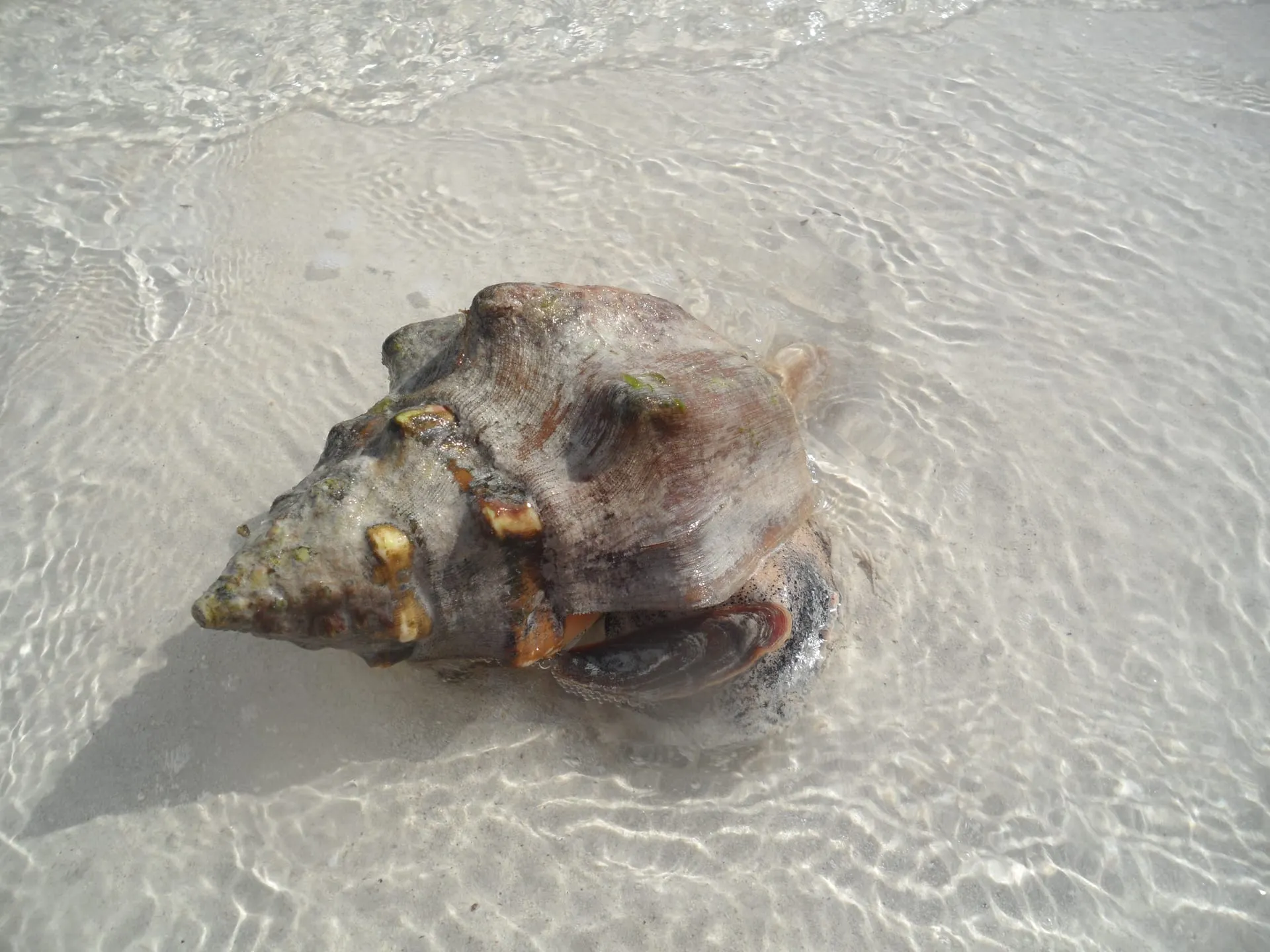
Silver Beach (银滩, Yín Tān)
A 24-km stretch of fine white quartz sand on the Beibu Gulf, consistently ranked among China's top beaches. The sand has a high quartz content that makes it glisten silver-white in sunlight and squeak when you walk on it. Free public access with lifeguards, showers, and beach-chair rentals (¥30-50/day).
Wikimedia Commons · CC-BY-SA
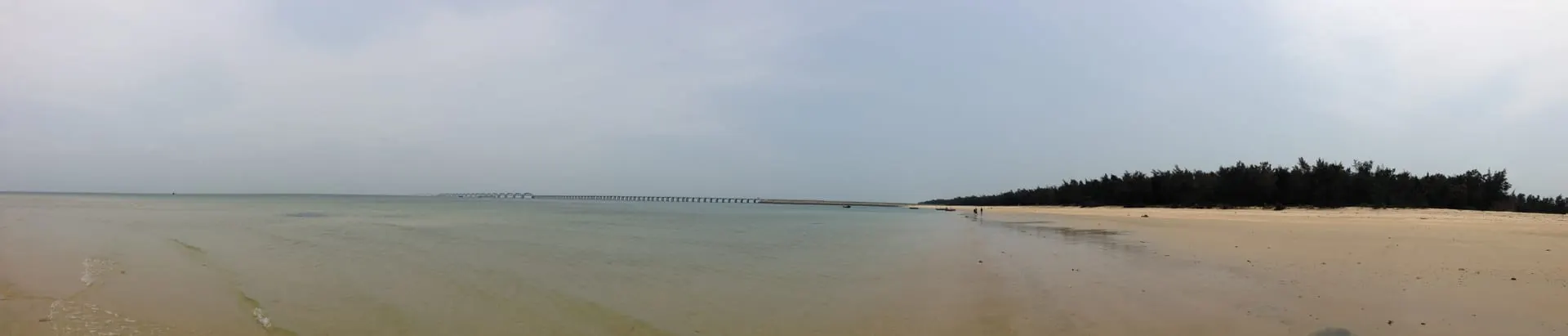
Weizhou Island (涠洲岛, Wéizhōu Dǎo)
China's largest volcanic island, 36 km south of Beihai in the Gulf of Tonkin. Formed by volcanic eruptions 7,000 years ago, the island has black basalt sea cliffs, lava-tube caves, coral reefs, banana plantations, and a 19th-century Gothic Catholic church. The ferry takes 70-90 minutes (¥150-240 one way). Island entry ticket ¥98 (essentially a mandatory park fee).
Wikimedia Commons · CC-BY-SA

Beihai Old Street (北海老街, Běihǎi Lǎo Jiē)
A 1.4-km pedestrian street lined with qilou (骑楼) arcade buildings — a hybrid Chinese-European architectural style brought to Southeast Asian treaty ports in the 19th century. Built between 1883 and the 1920s, the street is now a mix of pearl shops, souvenir stalls, seafood restaurants, and small cafes. Best visited at dusk when the old street lamps come on. Free.
Wikimedia Commons · CC-BY-SA
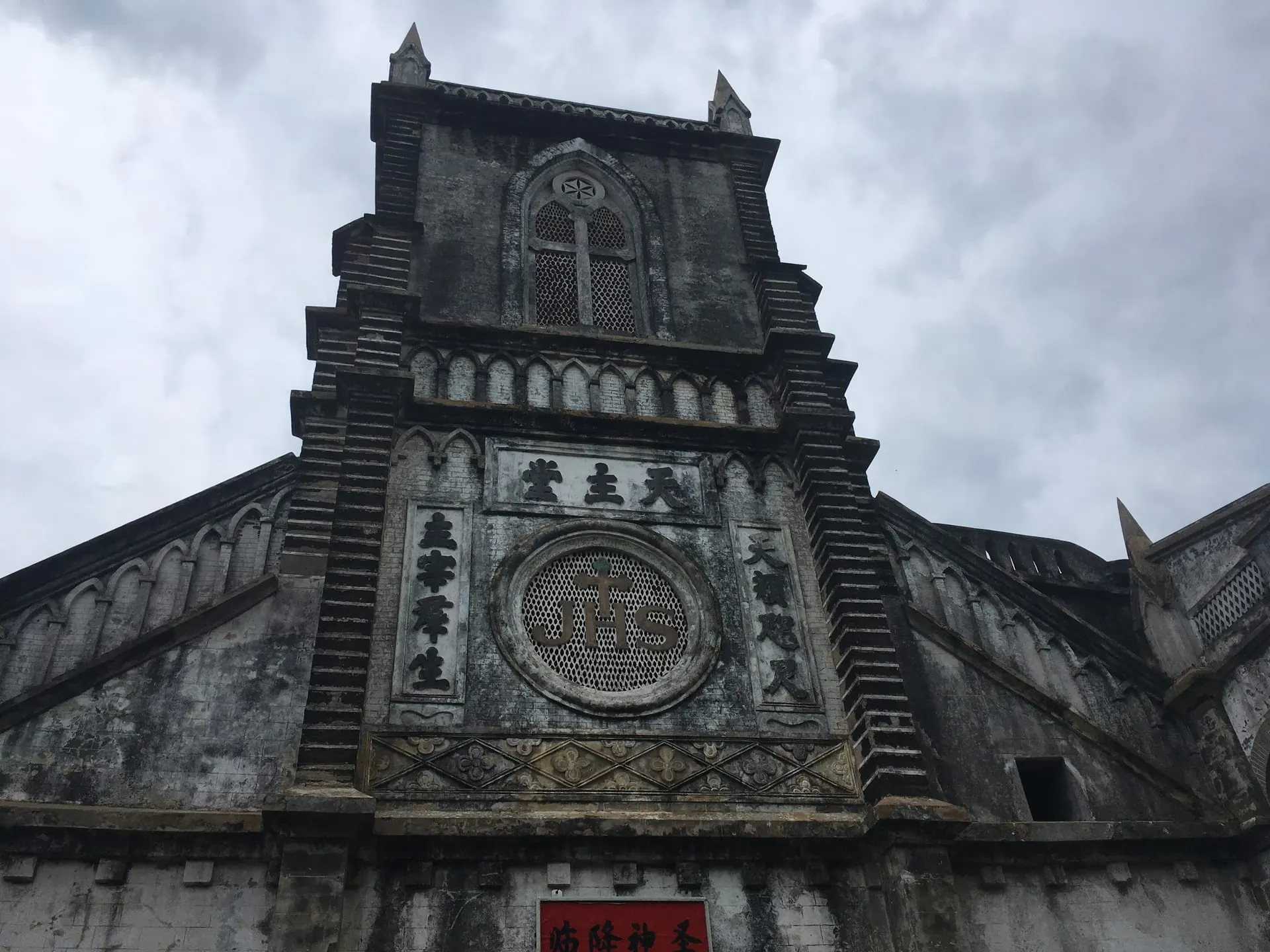
Weizhou Island Catholic Church (涠洲岛天主教堂, Wéizhōu Dǎo Tiānzhǔ Jiàotáng)
Built by French missionaries between 1853 and 1880 using coral rock and volcanic stone, this Gothic Revival church in Shengtang Village is a startling sight among banana groves. It survived the Cultural Revolution and still holds services for the island's small Catholic community. Free entry.
Wikimedia Commons · CC-BY-SA

Golden Bay Mangrove Forest (金海湾红树林, Jīnhǎi Wān Hóngshùlín)
A protected coastal wetland with 2,000 hectares of mangrove forest on the eastern edge of Beihai. Boardwalk trails wind through the mangroves; local fishermen demonstrate traditional net-casting and mudflat harvesting. ¥105 entry including the wetland park. Best at low tide when the mudflats are exposed and migratory birds feed.
Wikimedia Commons · CC-BY-SA
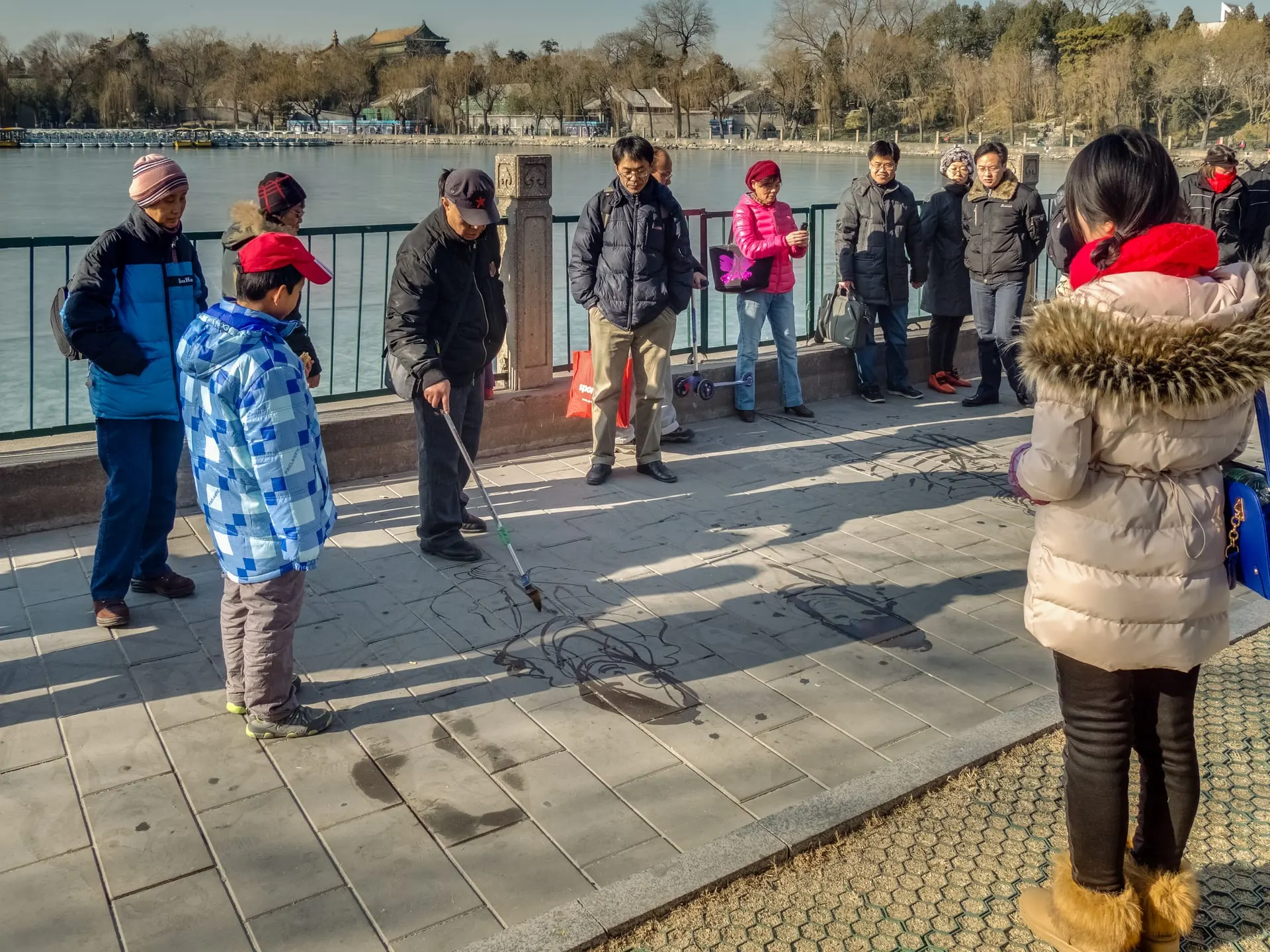
Beihai Underwater World (北海海底世界, Běihǎi Hǎidǐ Shìjiè)
A large aquarium on the eastern end of Silver Beach with a walk-through shark tunnel, tropical fish displays, and a pearl-exhibition hall explaining Beihai's famous Hepu pearl (南珠, Nánzhū) farming tradition. ¥148 as of June 2026. Good for families with children or rainy-day backup.
Wikimedia Commons · CC-BY-SA
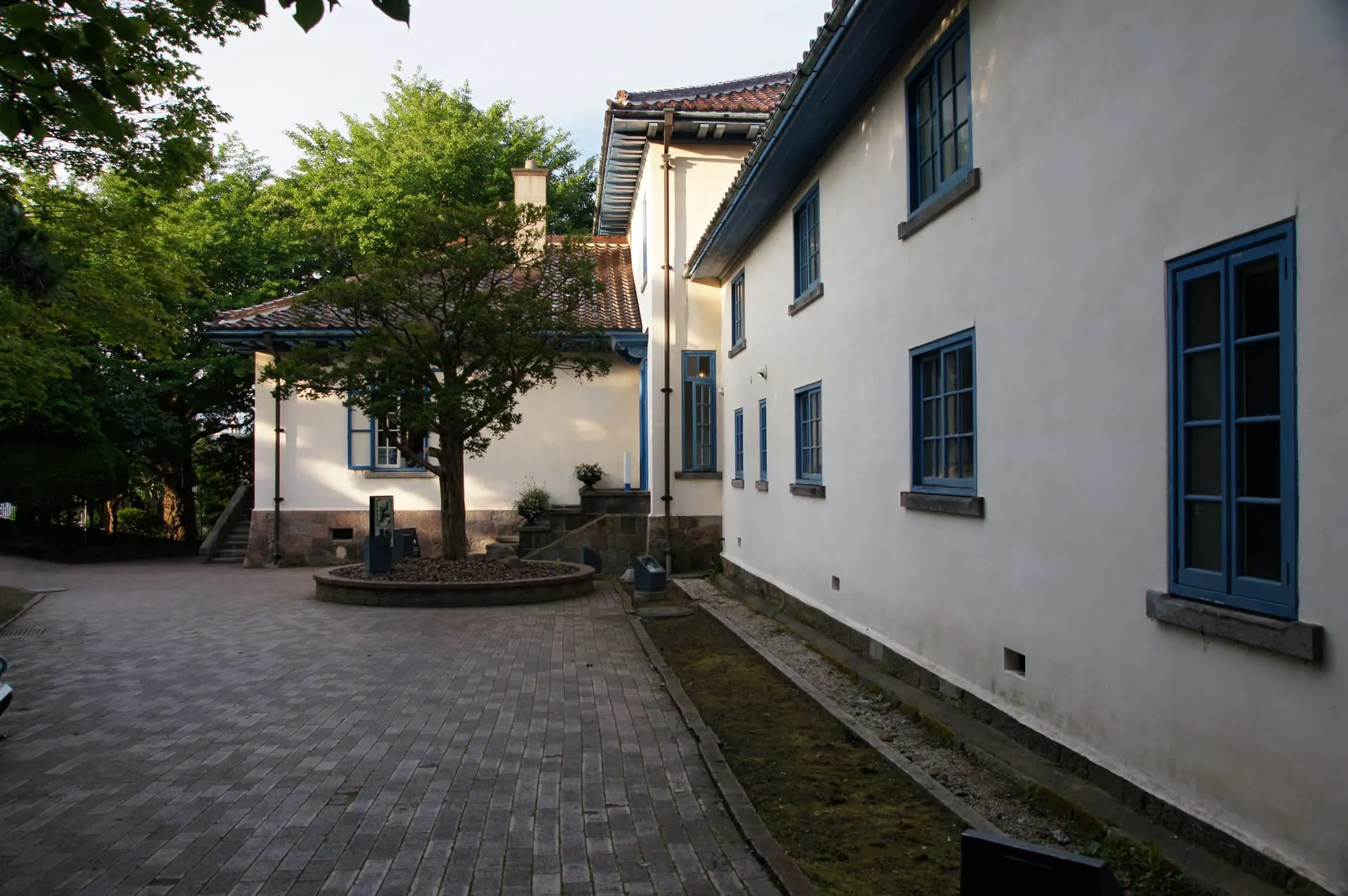
Former British Consulate (英国领事馆旧址, Yīngguó Lǐngshìguǎn Jiùzhǐ)
A two-story colonial building from 1885, one of the best-preserved treaty-port era structures in Beihai. Now a small museum with period photographs and exhibits on Beihai's treaty-port history. Free entry, tucked away near the Old Street area. The adjacent former French and German consulate buildings are less well preserved but still standing.
Wikimedia Commons · CC-BY-SA

Beibuwan Square (北部湾广场, Běibù Wān Guǎngchǎng)
The central plaza of modern Beihai, dominated by a large sculpture of a pearl and shells (a nod to Beihai's pearl-farming heritage). Surrounded by shopping malls, banks, and local restaurants. The square fills with locals in the evening for dancing, roller-skating, and street food. Free.
Wikimedia Commons · CC-BY-SA
STAY
Where to stay in Beihai
Pick a base that matches the trip you want — imperial-central for sightseeing, hutong belt for character, Chaoyang for nightlife, or Qianmen for budget.
Silver Beach Area (银滩片区, Yín Tān Piàn Qū)
The beachfront strip. Hotels from budget chains to the Crowne Plaza, seafood restaurants with sea views, and direct beach access. Best for beach-focused stays.
#silver-beach-areaOld Street / Downtown (老城/市中心, Lǎo Chéng / Shì Zhōngxīn)
The historic core around Beihai Old Street and Beibuwan Square. Qilou architecture, pearl shops, street food, and the consulate buildings. Best for walkability and atmosphere.
#old-street-downtownQiaogang (侨港, Qiáogǎng)
Vietnamese-Chinese neighborhood with the city's best seafood market and cookshop dining culture. Adjacent to the ferry terminal for Weizhou Island. Best for food-focused travelers.
#qiaogangWeizhou Island (涠洲岛, Wéizhōu Dǎo)
Volcanic island 36 km offshore, accessible by 70-90 minute ferry. Guesthouses, farm stays, and boutique courtyard hotels amid banana plantations. The island's quiet after the last day-trip ferry departs.
#weizhou-islandBeibuwan Square Area (北部湾广场, Běibù Wān Guǎngchǎng)
Modern commercial center with shopping malls, chain restaurants, banks, and the main bus hub. Convenient but charm-free. Best as a transport and errand base.
#beibuwan-square-area
ITINERARIES
Sample itineraries from Beihai
Three ready-made routes, from a 1-day imperial sprint to a 5-day deep dive. Copy the day-by-day plan and adapt to your own pace.
- 2 DAYS
Weekend Beach Escape (2 Days)
Silver Beach, Old Street, and a Qiaogang seafood feast — a quick coastal break.
- Weekend trips
- Beach lovers
- Food-focused travel
- Day 01
Morning
Arrive in Beihai, check in near Silver Beach
Afternoon
Swim and relax on Silver Beach
Evening
Qiaogang seafood market feast with cold local beer
- Day 02
Morning
Walk Beihai Old Street at 08:30, visit the British Consulate
Afternoon
Vietnamese noodle rolls in Qiaogang, then Golden Bay Mangrove Forest
Evening
Depart
- 4 DAYS
Beihai + Weizhou Island (4 Days)
The ideal Beihai trip: mainland sights plus an overnight on the volcanic island.
- First-time visitors
- Island & beach combo
- Nature lovers
- Day 01
Morning
Silver Beach arrival
Afternoon
Beach time
Evening
Qiaogang dinner
- Day 02
Morning
Ferry to Weizhou Island
Afternoon
Scooter loop: Crocodile Mountain, Wucai Tan, Catholic Church
Evening
Overnight on the island
- Day 03
Morning
Island sunrise
Afternoon
Snorkeling at Shiluokou, ferry back to Beihai
Evening
Farewell seafood dinner
- Day 04
Morning
Old Street and consulates
Afternoon
Depart
Evening
Departure lounge
- 7 DAYS
Guangxi Coastal Loop (7 Days)
Nanning urban culture, Beihai beach and island time, then Guilin karst scenery.
- Guangxi first-timers
- Longer trips
- Coast + karst combo
- Day 01
Morning
Fly into Nanning
Afternoon
Guangxi Museum
Evening
Zhongshan Road food street
- Day 02
Morning
HSR to Beihai (1.5h)
Afternoon
Silver Beach
Evening
Old Street dinner
- Day 03
Morning
Old Street and consulates
Afternoon
Qiaogang
Evening
Beihai night walk
- Day 04
Morning
Ferry to Weizhou Island
Afternoon
Scooter loop
Evening
Overnight on island
- Day 05
Morning
Sunrise and snorkeling
Afternoon
Ferry back
Evening
Beihai
- Day 06
Morning
HSR to Guilin (4h)
Afternoon
Li River cruise
Evening
Karst peaks
- Day 07
Morning
Guilin morning
Afternoon
Fly out of Guilin
Evening
Departure
BUDGET
What a Beihai trip costs
Per-person, per-day costs across three spending tiers. Excludes international flights and visa fees.
| Line item | Backpacker | Mid-range | Luxury |
|---|---|---|---|
| Budget hotel/hostel (per night) | $50 | $100 | $150 |
| Mid-range hotel (per night) | $200 | $325 | $450 |
| Luxury/international hotel (per night) | $600 | $900 | $1200 |
| Street food meal (per person) | $10 | $20 | $30 |
| Seafood feast at Qiaogang (for two, incl. beer) | $120 | $160 | $200 |
| Bus fare (per ride) | $1 | $1 | $2 |
| DiDi within city (typical trip) | $8 | $16 | $25 |
| Weizhou Island ferry (round trip) | $300 | $390 | $480 |
| Weizhou Island entry ticket | $98 | $98 | $98 |
| Weizhou Island scooter rental (per day) | $60 | $70 | $80 |
| Silver Beach chair + umbrella rental (per day) | $30 | $40 | $50 |
| Underwater World admission | $148 | $148 | $148 |
| Golden Bay Mangrove Forest admission | $105 | $105 | $105 |
| Sim card with data (30 days, 30-50 GB) | $100 | $150 | $200 |
| Total per day | $1830 | $2523 | $3218 |
$ USD per person per day, before international flights and visas. Last verified: Q3 2026.
STAY SAFE
Emergency contacts in Beihai
Save these three numbers before you board the plane. China uses different hotlines than most countries — there's no 911.
- POLICE
110
- AMBULANCE
120
- FIRE
119
- TOURIST HOTLINE
12301
- ENGLISH-SPEAKING ER
Beihai People's Hospital (北海市人民医院) — 0779-202-2345; some English-speaking doctors; for serious emergencies, evacuation to Nanning or Guangzhou may be necessary
Problems travelers hit in Beihai
- Why is my Alipay not working?You linked a foreign Visa or Mastercard to Alipay but every transaction is rejected at the merchant.
- My China visa was denied — what now?Your L visa application was refused at the Chinese consulate and your trip is in 2–4 weeks.
- My passport was lost or stolen in China — what do I do?Your passport is gone (theft or loss) and you're in mainland China without travel documents.
- Why can't I book on 12306 with my foreign card?You tried to book a high-speed rail ticket on 12306.cn and your foreign Visa/Mastercard is rejected at checkout.
- Why is my VPN not working in China?You arrived in China, opened your VPN, and it will not connect at all or connects but no traffic loads.
- Why can't I book a Tibet trip on my own?You try to book Lhasa flights and hotels yourself but the booking fails, or you're turned away at the Lhasa airport without a permit.
Book activities in Beihai
These are licensed tour operators and booking platforms we've vetted independently. Booking through these links may earn us a commission — see our affiliate disclosure. This never affects our editorial recommendations or the price you pay.
Frequently asked questions
Is Beihai worth visiting for foreign tourists?
How many days do I need in Beihai?
How do I get to Weizhou Island and how much does it cost?
What is the best time of year to visit Beihai?
Can I swim at Silver Beach?
What is there to do on Weizhou Island?
Show all 20 FAQs
Is Beihai family-friendly?
Can I use Alipay and WeChat Pay in Beihai?
What is the best seafood experience in Beihai?
Is Beihai safe for solo travelers?
What language do they speak in Beihai?
Do I need to book Weizhou Island accommodation in advance?
Can I visit Vietnam from Beihai?
What should I pack for Beihai?
Is Beihai a good place to buy pearls?
What is the single best thing to do in Beihai?
What is the best food in Beihai?
What is the Qiaogang Vietnamese neighborhood and is it worth visiting?
What are the best day trips from Beihai besides Weizhou Island?
Is Beihai safe for foreign tourists?
References

Related guides & destinations
Guide
How We Research 2026: NihaoVisit’s Methodology for China Travel Information
How NihaoVisit sources, verifies, and maintains 700+ pages of China travel information — our source hierarchy, fact-checking process, update
Guide
Fact-Checking Log 2026: Verified China Travel Information — NihaoVisit
A public log of fact-checking verification passes on NihaoVisit, showing what was verified, when, and against which sources — covering visa
Guide
Best Time to Visit China 2026: Month-by-Month Weather, Crowds, and Prices
The best time to visit most of China is April–May and September–October. Winter (Dec–Feb) is cold but cheap; summer (Jun–Aug) is hot and cro
Guide
VPN for China 2026: Which VPNs Work, eSIM Alternatives, and the Complete Pre-Trip Checklist
Most Western apps and websites are blocked in mainland China. A reliable VPN is essential for Google, Gmail, WhatsApp, Instagram, and most n
Guide
China SIM Card and eSIM Guide 2026: Stay Connected Without WeChat
A Chinese SIM or eSIM lets you use mobile data, maps, and ride-hailing without WiFi. Here is how to get one, the cost, and which provider to
Guide
Solo Female Travel in China 2026: Safety, Tips, and Real Experiences
China is one of the safer destinations for solo female travelers. Petty theft is rare, violent crime against tourists is extremely uncommon,