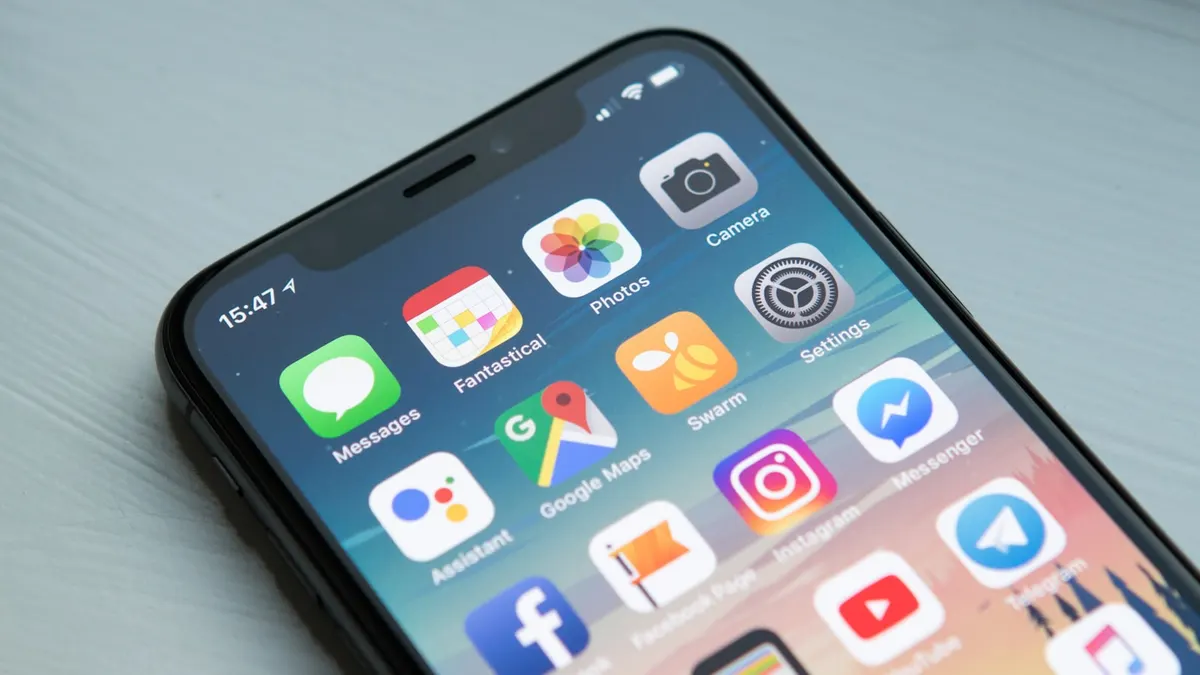
China Apps to Install Before Your Trip 2026: The Complete List
Most apps you use daily do not work in mainland China. Here are the Chinese apps you need to install before arrival — for payments, transport, food, maps, and communication.
Memorize these before anything else.
Quick Answer
Which apps should I install before traveling to China?
Install these 12 apps before arriving in mainland China: WeChat (messaging + payments), Alipay (payments), DiDi (ride-hailing), Amap (maps and transit), Pleco (Chinese dictionary), Dianping (restaurant reviews), Meituan (food delivery, tickets), Ctrip/Trip.com (travel booking), 12306 (high-speed rail tickets), Trainpal (English rail booking), and Baidu Maps (offline-friendly maps). Skip Google Maps, WhatsApp, and Instagram — they are blocked without a VPN.
Source: South China Morning Post
| Essential apps | 12 apps: WeChat, Alipay, DiDi, Amap, Pleco, Dianping, Meituan, 12306 |
|---|---|
| Messaging | WeChat (universal in China); WhatsApp/Telegram blocked |
| Maps | Amap (best for transit); Baidu Maps (alternative); Google Maps blocked |
| Payment | Alipay + WeChat Pay — both accept foreign credit cards |
| Food | Dianping (reviews); Meituan (delivery, tickets) |
| High-speed rail | 12306 app (English) or Trip.com; your passport is the ticket |
| Ride-hailing | DiDi English app; roughly 20-55 yuan for a 5 km ride |
| Connectivity | China Unicom HK eSIM; about 78 HKD for 3 days and 5 GB |
| Foreign card limits | About 3,000 yuan per transaction; about 40,000 yuan per month |
| Shared bike cost | About 1.5 yuan per 30 minutes for Meituan Bike and HelloBike |
| DiDi airport pickup | Designated zones at PVG, PEK, CAN; some airports route to remote lots |
| Last updated | 2026-06-19 |
| Last updated |
Which apps are essential for a China trip?
How does WeChat work for travelers?
WeChat is China’s super-app: messaging, social media, payments, and mini-programs for everything from hailing taxis to ordering food. Foreign users sign up with a home phone number and verify via SMS. To turn on payments, open Me > Services > Wallet, tap add card, and link Visa, Mastercard, Amex, JCB, or Discover. Identity verification needs a clear passport photo page and a selfie; review takes 1-3 days, and a rejection is usually a blurry or glare-affected photo. Once active, scan the blue-and-white QR codes at checkout (look for 微信支付 / WeChat Pay). Most hotels, restaurants, shops, and street vendors accept it. Mini-programs run inside WeChat without a separate download — DiDi, Meituan, shared bikes (HelloBike, Meituan Bike), museum bookings, and restaurant menus all live there. Your tour guide or hotel will likely add you to a WeChat group for updates, so install WeChat before you fly. Voice and video calls inside WeChat work on data and are free between WeChat contacts.
Which should I use: Alipay or WeChat Pay?
Both accept foreign credit cards and cover nearly every transaction. Alipay is the better tourist hub: it accepts Visa, Mastercard, Amex, JCB, Discover, and Diners, and its English interface is clearer. For foreign-linked cards, expect a per-transaction cap around 3,000 yuan and a monthly cumulative cap near 40,000 yuan — enough for hotels, meals, and rail. There is no fee for you; the merchant pays roughly 3%. WeChat Pay accepts the same card brands and the same caps, but its wallet menu is denser. WeChat is essential for messaging and the mini-programs that Alipay cannot reach. Use both, like most locals do. For a quick start without full card verification, open Alipay’s "Tour Pass" mini-program and prepay a balance in yuan — handy if your passport verification is still pending on arrival day.
What about maps and navigation?
Amap (Gaode Maps, 高德地图) is the best map app for China — accurate transit, an English interface, and live traffic. Toggle English in Settings > General. It shows metro lines, bus routes, and the numbered station exits, which matter: exits are lettered A/B/C/D, and the wrong exit can add a 10-minute walk. Baidu Maps is the solid alternative and sometimes has better coverage in smaller cities, but its English is weaker. Google Maps loads without a VPN, but the blue dot is often off by a block, transit is missing, and navigation drops out. Apple Maps works for basic walking and driving. Use Amap for metro, bus, ride-hailing (it launches DiDi in-app), and walking. Download the offline map for your city before you land; live data needs mobile data or Wi-Fi. For metro, Amap also reports live carriage crowding on some lines, so you can pick a less packed train car.
Which apps should I avoid downloading?
Avoid: free VPN apps from pop-up ads (many are scams or data harvesters), file-sharing and torrent apps (frequent malware), unofficial streaming apps (legal risk), and any app demanding contacts, microphone, and location with no clear reason. Get apps from the official Chinese app stores — Huawei AppGallery, Xiaomi GetApps, or the Tencent AppStore for Android, and the China-region App Store for iOS. The China App Store needs a Chinese Apple ID, which you create with a free email and a mainland address; switch your account region only if you plan to stay long. Do not sideload APKs from forums. For messaging, WhatsApp, Telegram, Signal, and iMessage-on-data are blocked or unreliable — WeChat is the default. If a stranger on WeChat sends a link to "install a free VPN" or a "discount app," skip it; those links are a common vector for account theft. Stick to the dozen apps above and you avoid most trouble.
How do I set up Alipay with a foreign card?
Set up Alipay before you fly — you need a stable home network for the card check. Download Alipay from your home App Store or Google Play (search "Alipay"), then open it and tap sign up. Enter your home phone number and the SMS code. Choose International User and pick your passport as the ID type. Upload a sharp, well-lit passport photo page and a selfie; the system auto-reads the MRZ, but a glare will trigger a 24-hour rejection. Once the account is live, go to Me > Bank Cards > Add Card. Type your Visa or Mastercard number, expiry, and CVV. Alipay may charge a refundable 1 yuan (sometimes in your home currency) and ask you to confirm the exact amount — this can take a few minutes. Card verification finishes in minutes to a few hours. Switch the app to English under Me > Settings > General > Language. When you pay, Alipay converts yuan to your card currency. Alipay adds no consumer fee, but your card issuer may add a foreign-transaction fee (0-3% on many US cards). Keep a backup card linked in case one is declined. Test with a 6 yuan coffee at a Luckin or a convenience store on day one.
How do I book high-speed rail tickets on 12306?
12306 is China Railway’s official booking site and app, and it is the cheapest place to buy tickets — no booking fee. Trip.com charges 20-60 yuan per ticket but offers a smoother English flow. On the 12306 app (set language to English), register with your passport number, full name exactly as printed, and nationality. Identity verification is automatic for most passports but can take up to 24 hours; if it fails, retype the name with no middle name and match the passport’s capitalization. Tickets open for sale about 15 days before departure at 08:00 local time, and popular routes sell out in minutes — set an alarm. Search by station name (for example Beijing South, Shanghai Hongqiao 上海虹桥), pick a G or D train, and choose second class (二等座) for value or first class for space. Enter every passenger’s passport number; one booking can hold several travelers. Pay with Alipay, WeChat Pay, or a foreign card through the gateway. You do not need a paper ticket: your passport is the ticket. At the station, scan your passport at the self-service gates (not all machines read foreign passports, so keep the manual channel in mind). Arrive 30-40 minutes early for a first-time ID check. If a train is sold out, tap the 候补 (waitlist) button; 12306 auto-assigns cancelled seats.
How do I get a Chinese phone number or data SIM?
You do not strictly need a Chinese number, but it removes friction. Three clean options. First, eSIM roaming: China Unicom Hong Kong sells a mainland-roaming eSIM that runs on your existing phone — a 3-day, 5 GB package costs about 78 HKD and you activate it before landing. This keeps your home number live for SMS. Second, a tourist SIM bought airside at Beijing PVG, Shanghai Pudong, or Guangzhou Baiyun: China Unicom counters sell a 30-day, 20-40 GB SIM for about 100-200 yuan; bring your passport. China Unicom is the most foreigner-friendly of the three carriers. Third, keep your home SIM and rely on hotel Wi-Fi plus a roam-like-home plan; data is slow but SMS for bank codes works. Avoid buying SIMs from street stalls — they need real-name registration that stalls without a Chinese ID. Note that SMS from foreign banks and Google often arrive late or fail on mainland numbers, so keep your home line active for two-factor codes. For most travelers the China Unicom HK eSIM is the best balance of price, speed, and setup time.
Can I use DiDi in English, and how does it price rides?
DiDi is China’s Uber equivalent and runs an English app called "DiDi — Greater China" on iOS and Android, downloadable from your home app store. The English app shows fare estimates, driver name and plate, and turn-by-turn directions to your destination. Link Alipay or WeChat Pay for cashless payment; cash is accepted in some cities but not all. Pricing is metered and lower than Western ride-hail: a 5 km ride in Shanghai runs about 20-35 yuan in a standard Express car (快车) and 35-55 yuan in a Comfort car (舒适型). Surge pricing (动态加价) kicks in during rush hour, rain, and around 23:00. A small pickup fee of a few yuan is added at booking. Avoid 黑车 (unlicensed taxis) that tout outside stations and airports — they overcharge and carry no insurance. For the airport, use the designated taxi queue or book DiDi to the official pickup point; some airports route DiDi to a remote lot, so check the app pin. You can also hail DiDi inside Amap or Alipay, which is handy if the standalone app is slow. Set your destination in Chinese characters or pick a landmark; the English app auto-translates both ways.
How do I use Meituan and Dianping without reading Chinese?
Dianping (大众点评) is China’s Yelp-plus — restaurant and hotel reviews, photos, and ratings on a 0-5 star scale. Meituan (美团) owns Dianping and adds food delivery, movie and attraction tickets, and group-buy discounts. Both are Chinese-first, so lean on three tools. First, the in-app camera translate: open Dianping, tap the camera icon near the search bar, and point it at a menu or listing — it overlays English. Second, use Pleco or Apple Live Text to copy-paste dish names. Third, sort by 评分 (rating) and 好评 (good reviews) and pick anything above 4.5 with 1,000+ reviews. For delivery, Meituan asks for an address in Chinese; copy it from your hotel booking or Amap and paste it in. Delivery fees run 3-8 yuan and most orders arrive in 30-40 minutes; drivers call or text via the app when they arrive — if you cannot take the call, the app shows a translated message. Use Meituan to buy tickets for the Forbidden City, the Great Wall cable cars, and local museums at a discount. Meituan and Dianping both accept Alipay and WeChat Pay.
Do I need a VPN in China in 2026?
Maybe less than you think. For payments, maps, rail, and food, the Chinese apps above work without a VPN. You need a VPN only if you want Google, Gmail, WhatsApp, Instagram, Facebook, YouTube, Telegram, or Western news sites. The Great Firewall blocks these, and a VPN tunnels around it. Reliability varies month to month: popular paid services such as Astrill, LetsVPN, and ExpressVPN work in waves — install two and alternate. Download and configure the VPN before you land; app stores inside China often do not list them, and the download sites are blocked. Free VPNs are risky: many harvest data or stop working. On hotel and cafe Wi-Fi, expect the VPN to drop and reconnect often; mobile data (4G/5G) is usually more stable for VPN traffic. A practical compromise: go without a VPN for the first day, rely on WeChat for messaging, and add one only if you need work email or social media. Using a VPN is a legal gray area for visitors; enforcement against tourists is effectively zero, but use mainstream paid services and avoid anything advertised on shady sites.
Which translation app works best offline in China?
Pleco is the offline Chinese dictionary every traveler should load. It runs fully offline, handles handwriting input (trace a character with your finger), and breaks down stroke order and components. The free bundle covers about 30,000 words; the paid OCR add-on (around 20 USD) lets you point the camera at a menu or sign and read it. Install it before landing. For full sentences, Baidu Translate (百度翻译) is the best on-network option: its Chinese-English quality beats Google Translate for local slang, menus, and place names, and it works without a VPN. Apple’s built-in Translate and iOS 17+ Live Text are surprisingly good for signs and menus — point the camera at text and tap translate. Google Translate needs a VPN in China, but you can pre-download the Simplified Chinese offline pack at home (about 250 MB) and use it after arrival; set this up before you fly or it will not download. For spoken exchanges, the Apple and Baidu voice modes handle back-and-forth well. Carry a screenshot of your hotel and destination in Chinese characters as a fallback — hand the phone to a driver or clerk when voice fails. Pair Pleco for words with Baidu for sentences and you cover almost every situation offline.
How do I pay at a restaurant with no English menu?
Most restaurants without English menus still take WeChat Pay or Alipay — the hard part is ordering, not paying. Three paths. One: look for a QR code sticker on the table. Scanning it with WeChat opens a mini-program menu; tap dishes with photos to add them, then submit. The app shows your table number and total. If the menu is Chinese-only, use Pleco OCR or Apple Live Text on the dish names, or tap items with appealing photos and trust the picture. Two: if there is no table QR, flag a waiter and point at dishes other tables are eating, or walk to the kitchen display and point. Three: open Dianping, find the restaurant, and browse the photo menu (相册) and "recommended dishes" (推荐菜) — the top three are usually what locals order. Pay at the end by scanning the cashier’s QR (blue WeChat / green Alipay) or, if the waiter brings a printed code, scan that. The app confirms the amount before you authorize. Tipping is not expected and may be refused. For street food and small stalls, have small cash ready — exact change in 10 yuan notes helps where the stall’s QR is personal rather than merchant and may not accept foreign cards.
What apps do I need for attraction and museum tickets?
Major Chinese attractions moved to real-name online booking, and walk-up tickets are often unavailable or cost more. Plan ahead. The Forbidden City, the Terracotta Army, the Shanghai Museum, and most UNESCO sites require advance reservation through an official WeChat mini-program or a ticketing account, usually 1-7 days ahead, with your passport number per visitor. Search the site name in WeChat, open its official account (look for the blue verified check), and tap ticket booking (预约/购票). The National Museum of China in Beijing releases slots seven days out at a set hour and sells out in minutes — set an alarm. Trip.com and Meituan resell many attraction tickets with an English interface and a small markup (10-30 yuan), which saves time if the official channel is Chinese-only. For the Great Wall, book the specific section (Badaling, Mutianyu, Jinshanling) — Mutianyu offers the best crowds-to-views ratio and has a toboggan ride down. Bring your passport to every attraction: it is your ticket, and gates scan it. Students with an ISIC card get discounts at many sites but must show the card plus passport. Free attractions still need a booking slot. Book popular sites for weekday mornings to dodge crowds and sellout risk.
How do I use shared bikes and metro apps in China?
Shared bikes are everywhere in Chinese cities and cost about 1.5 yuan per 30 minutes. The main fleets are Meituan Bike (yellow), HelloBike (blue), and Qingju (DiDi’s, teal). You do not need a separate app for each: Meituan Bike unlocks inside Meituan or Alipay, HelloBike inside Alipay, and Qingju inside DiDi. Scan the QR on the rear mudguard to unlock, ride, and park in a marked zone (还车区) — parking outside a zone adds a 2-5 yuan dispatch fee. Helmets are not provided; ride slowly on the right. For metro, Amap plans routes across lines and shows the fare and exit number, but you still pay at the gate. Three ways to pay: a single-journey QR from each city’s metro app (for example Shanghai Metro’s "Metro Daduhui" or Beijing’s Yikatong via Alipay), a transport card in Apple Wallet (Beijing and Shanghai support it), or a paper token from the machine (machines take 1 yuan coins and 5/10 yuan notes, and some take Alipay). The QR and wallet options skip ticket queues. A typical metro ride is 3-7 yuan depending on distance. Buses are 1-2 yuan and usually exact cash or QR only.
What is the difference between Trip.com, Ctrip, and Qunar?
Trip.com and Ctrip are the same company — Ctrip (携程) is the Chinese-market brand and Trip.com is its English-facing global brand. Same inventory, same prices, same bookings; use Trip.com for the English app and website. Qunar (去哪儿) is Ctrip’s budget-focused sister site, popular with Chinese students for cheap flights and hotels, but its interface is Chinese-only and its deals sometimes carry stricter cancellation rules. For a foreign traveler, Trip.com is the right default: English support, foreign-card payment, and 24/7 English chat. It also resells 12306 rail tickets for a 20-60 yuan fee when the official app is sold out or hard to use. Trip.com handles flights, hotels, attraction tickets, airport transfers, and some tours. One catch: Trip.com sometimes shows higher hotel rates than booking direct with the hotel WeChat account, so cross-check for longer stays. For domestic flights, Trip.com and the airline WeChat mini-programs usually match on price. Avoid third-party "cheap flight" apps in Chinese that you cannot read — refund disputes are hard to win in a language you do not speak.
How do I handle money if my card will not link to Alipay or WeChat?
If your card fails verification, you still have options. First, Bank of China and ICBC branches in major airports and city centers sell a prepaid UnionPay card or let you open a passbook account with a passport — usable for a few weeks. Second, withdraw cash from an ATM: Bank of China, ICBC, and China Merchants Bank ATMs accept foreign Visa/Mastercard and dispense 100 yuan notes; the per-withdrawal limit is usually 3,000 yuan with about a 30 yuan fee plus your bank’s charge. ATMs sit inside bank lobbies (safer) and some convenience stores. Third, carry cash as a fallback — 1,000-2,000 yuan in 100s covers a few days if apps fail. Fourth, ask a travel companion with a working Alipay to pay and reimburse them in cash or via your home payment app. Fifth, some hotels accept foreign cards directly for the room and let you charge meals and tickets to the room, settling on checkout. Cash is still accepted at most places, though small vendors and transit increasingly prefer QR. Keep your card issuer’s international support number handy in case of a fraud freeze, and tell your bank you will be in China before you fly.
Can I use Ele.me, and how does it differ from Meituan?
Ele.me (饿了么, "Are You Hungry?") is Alibaba’s food-delivery app and the main rival to Meituan. It lives inside Alipay, so if Alipay is already set up, you have Ele.me without a separate install. Coverage and delivery times are similar to Meituan in tier-1 and tier-2 cities; Meituan tends to win in smaller cities and on attraction tickets. Ele.me’s interface is Chinese-first, but the camera-translate trick works the same way. To order, set your address (paste it from your hotel booking or Amap), pick a restaurant, add dishes, and pay with Alipay. Delivery fees run 3-8 yuan and most orders arrive in 30-40 minutes; the driver calls or sends an in-app message at the door. Ele.me also runs grocery and medicine delivery in some cities. The practical rule: use whichever app has the restaurant you want. Search a dish or restaurant name in both Meituan and Ele.me (inside Alipay) and compare price and delivery time. For an English-heavy flow, Meituan is marginally easier; for tight Alipay integration, Ele.me wins. Neither takes cash to the driver — pay in-app.
How do I set up Alipay Tour Pass for short trips?
Alipay Tour Pass is a prepaid mini-program inside Alipay designed for short-stay visitors who do not want full KYC. Open Alipay, tap the search bar, and type "Tour Pass" or 境外游客. Upload your passport photo page, take a selfie, and load yuan from your Visa, Mastercard, or JCB card. Minimum load is 100 yuan and maximum is 3,000 yuan per top-up; the balance is good for 90 days. Tour Pass works at the same QR codes as full Alipay, including street vendors and DiDi. Limitations: Tour Pass cannot send peer-to-peer transfers, cannot top up your mobile, and a few high-end hotels refuse it. Use Tour Pass while your full Alipay verification is pending, or alongside your main wallet for small daily spend. When you leave China, request a refund inside the Tour Pass mini-program; refunds go back to the original card in 3-10 working days. Tour Pass does not require a Chinese phone number, which makes it useful for travelers whose foreign SIM blocks the SMS verification on a full Alipay account.
Which apps do I need for a domestic flight in China?
For domestic flights, the airline’s WeChat mini-program is often the cheapest and most reliable path. Air China, China Eastern, China Southern, Hainan Airlines, and Spring Airlines all run mini-programs inside WeChat that sell tickets at face value with no booking fee. Trip.com charges 20-50 yuan per ticket but adds English support and one-stop itineraries. Umetrip (航旅纵横) is the official CAAC app and shows real-time boarding gate, delay, and baggage belt info for any Chinese carrier — install it on flight day. For check-in, most airlines open mobile check-in 24 hours before departure; the boarding pass appears in the WeChat mini-program or the airline’s own app, and your passport is the ID at security. Allow 90 minutes for a domestic flight at major airports (Beijing Capital, Shanghai Pudong, Guangzhou Baiyun) and 60 minutes for regional airports. Carry-on liquid rules match international norms (100 ml containers in a 1-liter bag). Power banks must be under 100 Wh (about 27,000 mAh at 3.7V) and labeled; banks between 100 Wh and 160 Wh need airline approval.
How do I scan a Chinese QR code from a printed menu or poster?
Chinese QR codes are everywhere: restaurant menus, museum posters, bike locks, even handouts on the street. WeChat and Alipay both scan any QR by default; open the app, tap the small "+" or "Scan" icon at the top right, and point at the code. A red 微信支付 (WeChat Pay) or blue 支付宝 (Alipay) logo on the code tells you which wallet accepts it. Some codes are mini-program entry points — scanning a menu opens the ordering screen directly; scanning a museum sign opens the booking page. Risks: do not scan QR codes sent by strangers on WeChat (a common phishing vector that drains wallets in seconds), and avoid codes stuck on parking meters that route to personal accounts. To extract text from a screenshot, use Apple Live Text (long-press the QR or text in the photo) or Google Lens offline. If a code fails to scan, clean your camera lens, raise brightness to maximum, and hold steady 15-20 cm away. Restaurants often have a single QR per table; if it does not open a menu, you have scanned the merchant’s payment code instead — back out and try the menu code on the next sticker.
What is the China Unicom HK eSIM and how do I install it?
The China Unicom HK eSIM is the most popular data option for short-stay visitors because it keeps your home number active for SMS and bank codes. Buy it online from China Unicom Hong Kong before departure: a 3-day, 5 GB plan costs about 78 HKD; a 7-day, 10 GB plan about 138 HKD; a 15-day, 20 GB plan about 218 HKD. After payment, you receive a QR code by email. On iPhone: Settings > Cellular > Add eSIM > Use QR code. On Android (Pixel, Samsung): Settings > Network > SIMs > Add eSIM. The eSIM activates when you land and connect to a mainland China Unicom tower — turn airplane mode off after landing and wait 2-3 minutes. Speeds hit 50-150 Mbps on 5G in tier-1 cities; expect 10-30 Mbps in smaller towns. Hotspot tethering works on most plans but counts against the data cap. The plan auto-expires when the days run out; leftover data is not refunded. Note: Google services still need a VPN even with this eSIM; the eSIM provides data only, not Google reachability.
What is the cheapest way to get from the airport to my hotel?
Ranked from cheapest to most expensive. First, airport metro lines: Shanghai Maglev (50 yuan, 8 minutes to Longyang Road) connects to Metro Line 2; Beijing Capital Express Train (25 yuan, 20 minutes); Guangzhou Metro Line 3 (about 8 yuan to T1). Most metro trains accept Alipay QR codes directly at the gates — tap "Metro" inside Alipay and scan. Second, airport bus: 20-30 yuan, 60-90 minutes depending on traffic, runs to major railway stations. Third, DiDi: 80-180 yuan from Pudong to central Shanghai, 100-200 yuan from Capital to central Beijing, 90-150 yuan from Baiyun to central Guangzhou. Surge pricing roughly doubles the price at night and during rain. Fourth, official airport taxi queue: meter starts around 10-15 yuan with a 5-10 yuan pickup fee, plus a possible 10 yuan tunnel or expressway toll. Skip the unmarked touts in the arrivals hall; they overcharge 3-5x and carry no insurance. If you arrive after midnight, pre-book a DiDi or arrange hotel pickup, since metro and bus service ends around 22:30-23:00.
Frequently asked questions
Can I use Google Maps in China?
Do I need a Chinese phone number for these apps?
Can I order food delivery in English?
Are these apps safe to use with my credit card?
What if I cannot download these apps before arrival?
Which is the single most important app for a China trip?
Do I need both Alipay and WeChat?
Will these apps drain my phone battery?
Can I use Apple Pay or Google Pay in China?
How much mobile data do these apps use per day?
Can I install these apps on a rental or borrowed phone?
What if my Alipay or WeChat Pay identity verification is rejected?
Do these apps work in Hong Kong, Macau, and Taiwan too?
Can I top up Alipay or WeChat Pay with cash at a convenience store?
Will my hotel help me install and set up these apps?
How much does the China Unicom HK eSIM cost in 2026?
Can I use Apple Pay or Google Pay in mainland China?
Do I need Alipay Tour Pass in addition to a full Alipay account?
Which apps work in Hong Kong and Macau?
How do I get an e-invoice (fapiao) for expenses?
What happens if I lose my phone with Alipay and WeChat Pay installed?
References

Written by
NihaoVisit Editorial TeamIn-house editorial team (not individual bylined experts) · Primary-source research: official government portals + on-site verification · Quarterly content audits for visa, transport, and price accuracy
Real problems this guide solves
- Why is my Alipay not working?You linked a foreign Visa or Mastercard to Alipay but every transaction is rejected at the merchant.
- Why is my VPN suddenly slow or disconnected in China?Your VPN worked for the first 3 days and now it disconnects every 10 minutes, or pages load at dial-up speeds.
- I think I got scammed in China — what should I do?You've been overcharged, given fake money, or pressured into a tea ceremony / art student scam.
Decisions this guide informs
- Alipay or cash — which to use more?Default to Alipay in cities. Carry ¥500–¥1,000 cash for rural areas, taxis without QR codes, and as backup.
- Should I take HSR or fly between Beijing and Shanghai?Take HSR for Beijing-Shanghai — cheaper, more reliable, and ends in the city center. Fly only for routes over 1,500 km.
- Do I really need a VPN in China?Yes if you need any Western app daily; No if you can live without Gmail/Maps/WhatsApp for the trip duration.
Related guides & destinations
Guide
China Taxis vs DiDi 2026: Complete Ride-Hailing Guide for Foreigners
How to use DiDi and taxis in China. Covers English DiDi setup with a foreign credit card, taxi flag-fall rates by city, common scams and how
Guide
China Ride-Hailing 2026: DiDi, Amap, Meituan — Which to Use
A practical 2026 guide for foreign visitors comparing DiDi, Amap (Gaode), and Meituan for hailing rides in mainland China, covering English
Guide
China Translation Apps & Language Barrier Guide 2026
The best translation apps for China, how to communicate without Mandarin, and practical phrases that actually work in restaurants, taxis, an
Guide
China HSR Stations 2026: How to Navigate, Connect, and Catch Your Train
Chinese HSR stations are large, bilingual, and foreigner-friendly — scan your passport at security and the gate, find your waiting room on t
Guide
How to Use China Metro Systems 2026: Complete Foreigner Guide
A practical guide to navigating China’s world-class metro systems — payment methods, English signage, security checks, rush hour survival, a
Guide
Getting Around Chinese Cities 2026: Bikes, Buses, E-Bikes & Walking Guide
How to navigate Chinese cities beyond the metro — shared bikes, e-bikes, city buses, walking tips, and the rules of the road for pedestrians
Book activities in China Apps to Install Before Your Trip 2026: The Complete List
These are licensed tour operators and booking platforms we've vetted independently. Booking through these links may earn us a commission — see our affiliate disclosure. This never affects our editorial recommendations or the price you pay.