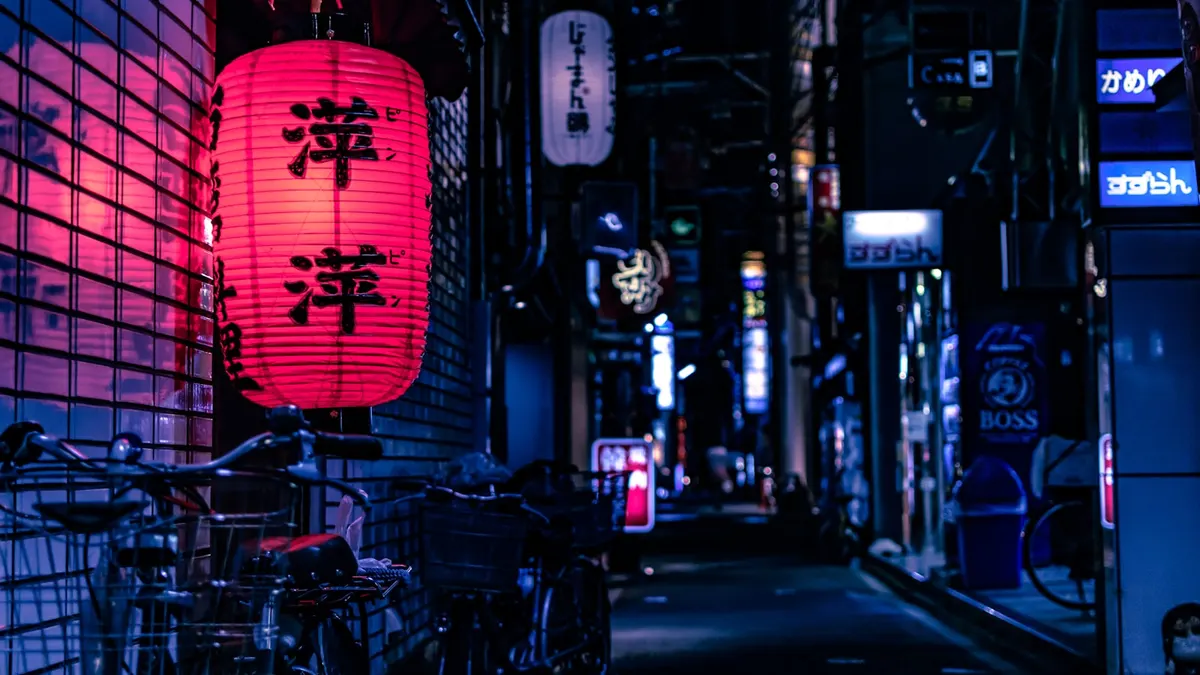
China vs Japan for Tourists 2026: Which Should You Visit?
China and Japan are neighboring Asian destinations with dramatically different experiences. Here is an honest comparison of cost, culture, ease of travel, food, and which is better for your travel style.
Memorize these before anything else.
Quick Answer
Should I visit China or Japan for my trip?
Choose China for scale, history, and value — the Great Wall, Terracotta Warriors, and pandas are bucket-list icons.
Source: UN World Tourism Organization
| Cost (mid-range, per day) | China: USD $80-150 | Japan: USD $150-250 |
|---|---|
| Visa requirements | China: 30-day visa-free for 38+ countries; Japan: 90-day visa-free for 68 |
| Ease of travel | Japan easier (English signs, IC cards, English menus); China requires more setup |
| Best for history | China (5,000 years vs Japan’s 1,500) |
| Best for food | Japan (more variety, more refined); China has regional depth |
| Currency (2026) | China: yuan (CNY, about 7 CNY = 1 USD); Japan: yen (JPY, about 150 JPY = 1 USD) |
| Payment | China: Alipay + WeChat Pay (cash rare); Japan: cash + IC cards (Suica/Pasmo) |
| Best rail pass | China: 12306 app for high-speed rail; Japan: 7-day JR Pass is ¥50,000 (worth it only for long routes) |
| Time zone | China: CST UTC+8 (one zone nationwide); Japan: JST UTC+9 |
| UNESCO sites (2026) | China: 59 sites; Japan: 26 sites |
| Voltage and plug | China: 220V Type A/C/I; Japan: 100V Type A (US chargers work but slower) |
| Internet | Japan: unrestricted; China: VPN needed for Google, YouTube, WhatsApp, Instagram |
| Last updated | 2026-06-10 |
| Last updated |
Is China cheaper than Japan for tourists?
Which is easier to travel in?
Japan is generally easier for first-time Asia travelers. English signage is widespread, train stations have English displays, restaurants often use picture menus or plastic food models, and IC cards (Suica, Pasmo, ICOCA) make transport effortless — tap one card across JR lines, metros, and buses. China requires more setup before arrival. Install WeChat and Alipay and link a foreign Visa or Mastercard, because cash is now rare and many vendors refuse it outright. Download a domestic map app (Amap or Baidu Maps) since Google Maps is blocked without a VPN. Install and test a VPN before landing for Gmail, Google, WhatsApp, Instagram, and YouTube. Once this setup is done, China is straightforward: metro systems are modern and cheap, high-speed rail is the best in the world, and major attractions are well-organized. The initial learning curve is the cost of admission. Japan trades higher cost for lower friction; China trades setup effort for far lower prices and bigger scale. If you want zero friction, pick Japan. If you want value and scale and do not mind two hours of app setup, pick China. For a stress-free first day, Japan needs almost nothing — land, buy an IC card or load Suica into Apple Wallet, grab cash from a 7-Eleven ATM, and ride the train with English signage. China needs a checklist: confirm Alipay and WeChat Pay work on airport Wi-Fi before you leave the terminal, open your VPN and test Gmail, screenshot your hotel address in Chinese for the taxi queue, and have Amap ready. Budget two hours on arrival for this setup. Once done, day two onward runs smoothly in both countries.
Which has better food?
Both are world-class, but they reward different appetites. Japan is famous for sushi, ramen, kaiseki, yakitori, and refined cuisine with global recognition — Tokyo holds more Michelin stars than any other city on earth. Chinese food has eight major regional cuisines (Cantonese, Sichuan, Jiangsu, Zhejiang, Fujian, Hunan, Anhui, Shandong) plus countless local variants, with bolder flavors and far more variety across 34 provinces. For Western palates, Japanese food is often more accessible: rice, noodles, grilled fish, and tempura feel familiar. For adventurous eaters, China offers more depth — Sichuan hot pot with numbing peppercorns, Cantonese dim sum carts, hand-pulled Xi’an noodles, Yunnan wild mushroom hot pots, and Beijing roast duck. Prices favor China: a filling local meal is ¥20-50, while a similar sit-down meal in Japan is ¥1,000-2,000. Both are Michelin-recognized globally. Food travelers who value range and boldness pick China; those who value precision, consistency, and seafood pick Japan. The honest answer is to visit both and eat your way through each. Street food is a category of its own. In China, night markets in Xi’an (Muslim Quarter), Chengdu (Jinli), and Beijing (Wangfujing) serve skewers, roujiamo meat buns, and hand-pulled noodles for ¥5-25 a portion. In Japan, depachika department-store food halls and standing sushi counters in Tsukiji Outer Market offer restaurant-quality bites at ¥500-1,500; true street food is rarer, found at festival stalls (yatai) and in markets like Osaka’s Kuromon. Both countries are safe to eat from street vendors — turnover is high and food is cooked to order. Bring tissues, as napkins are rarely provided in China, and carry a small coin purse in Japan for the change you will accumulate.
Which has better historical sites?
China has deeper ancient history — over 5,000 years versus Japan’s roughly 1,500 of recorded civilization. Famous Chinese sites include the Great Wall (multiple sections near Beijing), the Forbidden City, the Terracotta Warriors in Xi’an, the Mogao Caves in Dunhuang, and the ancient water towns of the Yangtze Delta. China had 59 UNESCO World Heritage sites as of 2026, including the Summer Palace, the Potala Palace in Lhasa, and the Fujian tulou earthen houses. Japan has more recent (Edo period and later) but excellently preserved sites: Kyoto’s 17 UNESCO temples and shrines, Himeji Castle, the historic villages of Shirakawa-go, and the gardens of Kanazawa. Japan has 26 UNESCO World Heritage sites. China offers longer historical depth and imperial scale; Japan offers more intact pre-modern atmosphere and better-preserved wooden architecture. Both reward repeat visits. For first-timers, the Terracotta Warriors and the Great Wall are singular; for atmosphere, Kyoto in autumn is hard to beat. Plan around crowds: the Forbidden City caps daily entries and requires advance booking on its WeChat mini-program; Kyoto’s top temples (Fushimi Inari, Kinkaku-ji) are best at 7am or after 4pm; and the Terracotta Warriors are quietest on weekday afternoons. Buy Forbidden City tickets up to 7 days ahead, and arrive at Fushimi Inari’s torii tunnels before sunrise for empty paths.
Should I visit both China and Japan on one trip?
Yes, if you have three or more weeks — combine them with 10-14 days in each. The two are well-connected by direct flights: Beijing to Tokyo (Narita or Haneda) is about 3 hours, Shanghai to Osaka (Kansai) is about 2.5 hours, and there are dozens of daily connections on Air China, ANA, JAL, China Eastern, and others. A popular itinerary is 10 days in China (Beijing, Xi’an, Shanghai) followed by 10 days in Japan (Tokyo, Kyoto, Osaka, with a day trip to Nara or Hiroshima). Book open-jaw flights — into Beijing and out of Tokyo, or into Shanghai and out of Osaka — to avoid backtracking. You must satisfy separate entry rules for each country, though both are visa-free for many Western passports for short tourism stays. Currency differs: Chinese yuan (CNY) versus Japanese yen (JPY). Exchange a small amount on arrival; ATMs at 7-Eleven (Japan) and Bank of China branches (China) accept foreign cards. A two-country trip works best with at least 21 days; less than that and you will shortchange both. Seasonal timing matters for a combined trip. Spring (April) gives cherry blossoms in Japan and mild weather in China. Autumn (October-November) gives Kyoto maples and Beijing’s clear, cool days — the best season for the Great Wall. Avoid stacking both countries during their peak domestic travel: China’s October 1-7 Golden Week and Japan’s early-May Golden Week and New Year. Trains and hotels book out months ahead and prices double. If you must travel then, lock accommodation 60-90 days out and buy rail tickets the moment sales open — 15 days ahead in China on 12306, and 30 days ahead in Japan for JR.
How do I pay for things in China vs Japan in 2026?
In Japan, cash is still king outside big hotels and chain stores, though IC cards (Suica, Pasmo, ICOCA) cover trains, convenience stores, and vending machines. Load yen at station machines. Credit cards work in mid-range restaurants, department stores, and hotels, but small ramen shops and rural inns often refuse them. Carry ¥20,000-30,000 in cash for a week. In China, the opposite is true: cash is rare and many vendors refuse it entirely. Set up Alipay and WeChat Pay before you land, link a foreign Visa or Mastercard (both supported since 2024), and complete passport identity verification inside each app. Alipay also offers a Tour Pass mini-program for short visits. Once linked, you scan QR codes at street stalls, taxis, metro gates, and museums — one app covers almost everything. Carry ¥500-1,000 cash only as backup for very small or rural vendors. Apple Pay works in both countries where contactless terminals exist, but in China it routes through UnionPay and is less reliable than Alipay. Japan’s 7-Eleven and post office ATMs take foreign cards; China’s Bank of China and ICBC ATMs do too, but you will rarely need them. A note on fees: Alipay and WeChat Pay add a 3% surcharge on foreign-card transactions, shown before you confirm, so you always see the yuan amount and the card total. Daily limits are generous (around ¥6,500 per transaction for verified users), enough for any tourist spend. Japan charges no surcharge for IC card use, but reloading via a foreign card in Apple Wallet can fail outside Apple Pay regions — load yen with cash at station machines to be safe. Refund leftover IC balance at a station counter before you fly; Japan deducts a small ¥220 handling fee.
How to
Install Alipay and WeChat
Download both from your home app store before flying. WeChat handles messaging and many merchant payments; Alipay is the broader payment app for tourists.
Link a foreign card
In Alipay, open Me > Bank Cards > Add Card and enter a Visa or Mastercard. A small verification charge is refunded. WeChat Pay links cards in Me > Services > Wallet > Cards.
Verify with passport
Both apps require real-name identity verification. Upload your passport photo page. Approval usually takes minutes to a few hours, so do this before you fly.
Scan to pay
At any vendor, open the Scan icon, point at the merchant QR code, and confirm the amount. For metro gates, use the Transport mini-program inside Alipay.
Which country has better trains and transit?
Both run world-class rail, but they differ in scale and ease. Japan’s Shinkansen reach 320 km/h and are famously punctual — the average delay is under one minute. The Tokyo to Kyoto run takes 2 hours 15 minutes for ¥14,170 one-way on the Nozomi. The 7-day Japan Rail Pass costs ¥50,000 after the October 2023 price hike, so it only pays off if you take multiple long Shinkansen trips; for a single Tokyo-Kyoto-Osaka loop, buy individual tickets. IC cards (Suica, Pasmo, ICOCA) cover all urban transit with one tap. China’s high-speed rail is the largest network on earth — over 47,000 km of track, with trains running at 350 km/h. Beijing to Shanghai is 4.5 hours for ¥553 second class; Beijing to Xi’an is about 5.5 hours for ¥515. Book on the official 12306 app or site using your passport number; tickets are electronic and you tap your passport at the gate. Metro systems in Beijing, Shanghai, Guangzhou, and Shenzhen are modern, cheap (¥3-10 per ride), and extensive. Japan wins on punctuality, cleanliness, and English signage; China wins on network size, speed, and price. For city-to-city trips under 1,000 km, both beat flying. The JR Pass break-even: a 7-day pass at ¥50,000 pays off only if you cross Honshu round-trip — Tokyo to Hiroshima and back, for example, or Tokyo-Kyoto plus a round trip to a side city. A simple Tokyo-Kyoto-Osaka one-way loop costs less buying single tickets. In China there is no national rail pass; just book point-to-point on 12306, where second-class fares are low enough that a pass would barely save money. Taxis: Tokyo starts at ¥500 and a 20-minute ride can hit ¥3,000; Beijing starts at ¥13 and the same distance is ¥40-60, or use DiDi for upfront fares shown in-app before you book.
How to
Register on 12306
Download the 12306 app (China Railway) or visit 12306.cn. Create an account with your passport number and exact name as printed on the passport.
Search and book
Enter origin and destination stations in Chinese or pinyin, pick a train, and select your seat class (second class is fine for most trips).
Pay in-app
Pay with Alipay or WeChat Pay inside 12306. You receive an e-ticket linked to your passport — no paper ticket needed.
Tap passport at the gate
At the station, go through security and the ticket check by scanning your passport at the automated gate. Arrive 30-40 minutes early for first-timers.
Do I need a VPN in China, and is the internet restricted in Japan?
Japan has no internet restrictions — Google, WhatsApp, Instagram, YouTube, and Gmail all work normally on hotel Wi-Fi or a local SIM. Buy an eSIM (Ubigi, Airalo) or rent pocket Wi-Fi at the airport for data. China blocks many Western services through the Great Firewall. Without a VPN you cannot reach Google (Search, Maps, Gmail, Translate), YouTube, Facebook, Instagram, WhatsApp, Telegram, X (Twitter), or most Western news sites. Install and test a VPN before you land — Astrill, LetsVPN, and ExpressVPN are the most reliable in 2026, though none is fully stable during sensitive dates. Expect slower speeds and occasional dropouts, especially on mobile data. Some travelers route around this with a roaming eSIM or SIM from Hong Kong or Singapore, which sidesteps the firewall entirely. For navigation, download Amap (Gaode) or Baidu Maps, which work without a VPN and are more accurate in China than Google Maps ever was. For translation, Microsoft Translator and Baidu Translate work without a VPN; Google Translate needs one unless you download offline packs. If your work depends on Gmail or Slack, a VPN is non-negotiable. Sensitive dates: connectivity degrades during the annual National People’s Congress in early March and around October 1 (National Day). During these windows even working VPNs slow to a crawl. Hotel Wi-Fi in China requires a one-time SMS or passport login at many properties, and speed is often capped. A roaming Hong Kong SIM sidesteps all of this. For calls, WeChat voice and video work without a VPN and are how most Chinese people call each other; international VoIP apps like Skype need a VPN.
How to
Install the VPN at home
Download Astrill, LetsVPN, or ExpressVPN before flying. App stores inside China often block VPN apps, so this step must happen at home.
Test the connection
Connect and open Gmail or YouTube to confirm it works. Save the support email in case you need help reactivating after landing.
Carry a backup
Install a second VPN from a different provider. During political events or sensitive dates, one provider may fail while another works.
Consider a Hong Kong eSIM
A roaming eSIM routed through Hong Kong or Singapore avoids the firewall for Google, WhatsApp, and Instagram without any VPN.
What is the language barrier like in each country?
English is more widely spoken and signed in Japan than in China, though neither is easy for English-only travelers. In Japan, major train stations, airports, and tourist information centers have English signage and staff who speak basic English. Picture menus and plastic food models bridge most restaurant gaps. In major cities, hotel and attraction staff usually manage English. Outside Tokyo, Kyoto, and Osaka, English thins out fast. In China, English is far less common on the street and even at some attractions. Younger people in Beijing, Shanghai, and Shenzhen may speak some English, but taxi drivers, market vendors, and rural hotel staff rarely do. Bring a translation app: Google Translate (with a VPN) or Baidu Translate (no VPN) handles voice and photo translation well. Learn a few phrases — "ni hao" (hello), "xie xie" (thanks), "duoshao qian" (how much) — they go a long way. Save your destinations in Chinese characters to show taxi drivers. Japan rewards travelers who learn basic etiquette phrases; China rewards travelers who prepare screenshots and translation apps before each outing. Useful Mandarin to save on your phone: "qing wen, xi shou jian zai na li" (where is the toilet), "wo yao dian cai" (I want to order), "bu la" (not spicy), "da bao" (takeout). Useful Japanese: "sumimasen" (excuse me, used to get attention), "arigatou gozaimasu" (thank you, polite), "eigo no menyuu arimasu ka" (do you have an English menu), "o-kaikei onegaishimasu" (the bill, please). Showing a saved screenshot of your hotel address in the local script beats any pronunciation attempt for taxi drivers.
What are the biggest cultural differences tourists notice?
The differences are sharper than most travelers expect. Tipping: Japan considers it rude or confusing — do not tip anyone, ever. China does not tip either, though high-end hotels and tour guides sometimes expect it from Westerners; in most cases the bill is the bill. Personal space: Japan is formal and reserved, with quiet voices, strict queuing, and no phone calls on trains. China is louder and more crowded; pushing in queues and loud phone conversations are common, and personal space is smaller. Shoes come off indoors in both countries, especially in homes, ryokans, and some temples. Cash handling: in Japan, place money in the small tray at registers rather than handing it over directly. In China, you will not handle cash at all. Etiquette at temples: bow quietly in Japan and never photograph monks without asking; in China, incense is burned and photography is usually allowed outside main halls. Drinking: Japan has izakaya culture and vending machines selling beer on most streets; China has baijiu (a strong grain spirit) at banquets, and beer is cheap and common. Both value politeness, but Japan expresses it through restraint and China through warmth and hospitality. Neither is better — they are simply different. A few practical etiquette points: in Japan, do not eat while walking (eat standing at the stall or step aside), do not stick chopsticks upright in rice (it resembles funeral rites), and bow slightly when thanking. In China, finishing every grain can imply the host did not feed you enough — a small leftover is polite at a banquet; tap the table with two fingers when someone pours your tea as a quiet thank-you; and never write names in red ink, which signals a severed relationship. Both countries appreciate modest dress at temples — cover shoulders and knees. Photography of military sites, border areas, and some airports is restricted in China; when in doubt, ask.
Should I book tours or travel independently in each country?
Japan is one of the world's easiest countries for independent travel. Trains are punctual, signage is bilingual, hotels and ryokans have English websites, and the JR Pass plus IC cards handle every logistics question. Most first-timers do Tokyo, Kyoto, and Osaka independently with no guided tours. The exceptions are food tours in Tokyo (¥8,000-15,000 for a 3-hour Tsukiji or Shinjuku crawl) and a guided Kyoto temple walk on the first day to learn the layout. China is more mixed. Beijing, Shanghai, and Xi'an are easy independently with Alipay, 12306, and a few translation apps. But the Great Wall at Jinshanling or Mutianyu, the Terracotta Warriors, and Zhangjiajie benefit from a guide or a small-group tour (¥600-1,200 per person for a day) to handle tickets, transport, and the relentless touts. Skip the lowest-cost group tours (¥200-300); they cram 30 people onto a bus and run a 90-minute shopping stop. Book direct with operators like China Highlights, WildChina, or local agencies recommended on TripAdvisor with at least 500 four- and five-star reviews. Independent travelers save 30-50% versus tour packages, but the time cost is real: pre-booking Forbidden City tickets, navigating 12306, and arranging airport transfers in a second language adds up. For first-time China visitors, a hybrid works best: travel independently in cities, book 2-3 guided day tours for the headline attractions, and use DiDi instead of public transport on chaotic arrival days.
How to
Decide your comfort level
If you have traveled independently in Southeast Asia or Europe, do Tokyo, Kyoto, Beijing, and Shanghai on your own. If this is your first Asia trip, pick one guided day in each country to start.
Book Wall and Warriors in advance
Jinshanling and Mutianyu Great Wall sections need shuttle bus or private transfer bookings 3-5 days ahead. The Terracotta Warriors require a timed entry slot plus return shuttle from Xi'an.
Skip ultra-cheap tours
Group tours under ¥400 in China almost always include a forced shopping stop. Pay ¥700+ for small-group day tours (6-12 people) from operators with verified reviews.
How do I handle money, ATMs, and currency exchange?
In Japan, withdraw yen from 7-Eleven, Lawson, or Japan Post ATMs using a foreign Visa, Mastercard, or Amex. The 7-Eleven ATM fee is ¥110 per transaction for amounts over ¥10,000, and your home bank may add another ¥200-400 in foreign-transaction fees. Set a travel-friendly debit card (Wise, Revolut, Charles Schwab) and you can withdraw up to ¥80,000 per transaction at market rates. Avoid independent currency exchange counters in tourist areas — their rates are 5-8% worse than ATM withdrawals. In China, you will rarely touch an ATM once Alipay and WeChat Pay are set up. Bank of China and ICBC ATMs accept foreign Visa and Mastercard at most branches, with a ¥20-30 fee per withdrawal and a ¥2,500-3,000 limit per transaction. For both countries, carry a backup debit card from a different network (one Visa, one Mastercard, ideally one Plus/Cirrus). Notify your bank of travel dates to avoid frozen cards. Carry ¥10,000-20,000 in yen cash and ¥500-1,000 in yuan cash as backup. Use a money belt for the first day, then split cash between wallet and a zipped inner pocket. Avoid airport exchange counters in both countries: rates are 10-15% worse than city rates.
What are the best day trips from the major cities?
Both capitals and main cities unlock great side trips within 1-3 hours. From Tokyo: Kamakura (¥1,490, 56 minutes on the JR Yokosuka Line) for the Great Buddha and Hase-dera; Nikko (¥2,400 via Tobu Railway, 2 hours) for Toshogu shrine; and Hakone (¥2,470 Romancecar, 85 minutes) for Mt. Fuji views and onsen. From Kyoto: Nara (¥720, 48 minutes) for the giant bronze Buddha and free-roaming deer; Arashiyama (¥240, 17 minutes) for the bamboo grove and monkey park; and Osaka (¥410, 15 minutes on the Shinkansen, 30 minutes on regular trains) for street food at Dotonbori. From Beijing: the Great Wall at Mutianyu (¥40 entry + ¥120 round-trip shuttle, 1.5 hours) or Jinshanling (¥65, 2 hours, more strenuous); the Ming Tombs at Changping (¥100, 1 hour); and the Summer Palace (¥60, 30 minutes by subway). From Shanghai: the water town of Zhujiajiao (¥160 combined ticket, 1 hour); Suzhou classical gardens (¥90, 25 minutes by high-speed train); and Tongli (¥100, 1 hour). Book Great Wall and Terracotta Warriors transport 3-5 days ahead in high season (April-October), and start early — by 10am the Wall parking lots are full.
Which is better for first-time visitors with limited Chinese or Japanese?
Japan is the more forgiving of the two for travelers with no language skills. English menus, picture displays, and plastic food models appear in restaurants across Tokyo, Kyoto, and Osaka. Train announcements repeat in English and Japanese. Hotel concierges handle bookings, restaurant reservations, and ticket printing. A translation app is rarely needed beyond menus. China rewards more preparation. Outside luxury hotels and metro stations, English signage is rare. Learn or screenshot 10-15 phrases ("hello," "thank you," "how much," "where is the bathroom," "I want to order," "not spicy," "takeout," "the bill please," "taxi please," "help"). Save your hotel address, taxi destination, and the nearest metro station in Chinese characters — a screenshot beats any pronunciation attempt. Use Baidu Translate (no VPN required) for menus and signs. Most Chinese people in service jobs will pull out their phone and use the same app to help you. Both countries are navigable without the language; Japan just makes it easier on day one, while China becomes easy after a few hours of app setup. Travelers who have learned basic Mandarin handle China far better than travelers with no Japanese tackle Japan — but for first-timers with no preparation, Japan is the lower-friction pick.
Frequently asked questions
Which is safer for tourists?
Which is better for first-time Asia travelers?
Can I use credit cards in both countries?
What is the best time to visit each?
Which is better for families with kids?
Which is cheaper, China or Japan?
Do I need a visa for China vs Japan?
Which has better food, China or Japan?
Can I combine China and Japan in one trip?
How many days do I need in China vs Japan?
Can I drink tap water in China and Japan?
Which is better for solo female travelers?
Do I need vaccinations for China or Japan?
Can I use my phone in China and Japan?
What plug type and voltage do China and Japan use?
How do I get from the airport in Beijing vs Tokyo?
Is tipping expected in China and Japan?
Which is more vegetarian and vegan friendly?
What are the common scams tourists face in China?
Which is better for hiking and outdoor activities?
References
- UN World Tourism Organization (UNWTO)
- Japan National Tourism Organization (JNTO)
- Wikipedia — China
- BBC News — China
- Japan National Tourism Organization
- China Tourism — official site
- JNTO and CNTO — comparative travel guides
- UNESCO World Heritage Centre
- Wikipedia — Visa policy of China
- China National Immigration Administration

Written by
NihaoVisit Editorial TeamIn-house editorial team (not individual bylined experts) · Primary-source research: official government portals + on-site verification · Quarterly content audits for visa, transport, and price accuracy
Real problems this guide solves
- Why is my Alipay not working?You linked a foreign Visa or Mastercard to Alipay but every transaction is rejected at the merchant.
- Why is my VPN suddenly slow or disconnected in China?Your VPN worked for the first 3 days and now it disconnects every 10 minutes, or pages load at dial-up speeds.
- I think I got scammed in China — what should I do?You've been overcharged, given fake money, or pressured into a tea ceremony / art student scam.
Decisions this guide informs
- Alipay or cash — which to use more?Default to Alipay in cities. Carry ¥500–¥1,000 cash for rural areas, taxis without QR codes, and as backup.
- Should I take HSR or fly between Beijing and Shanghai?Take HSR for Beijing-Shanghai — cheaper, more reliable, and ends in the city center. Fly only for routes over 1,500 km.
- Do I really need a VPN in China?Yes if you need any Western app daily; No if you can live without Gmail/Maps/WhatsApp for the trip duration.
Related guides & destinations
Guide
Best Time to Visit China 2026: Month-by-Month Weather, Crowds, and Prices
The best time to visit most of China is April–May and September–October. Winter (Dec–Feb) is cold but cheap; summer (Jun–Aug) is hot and cro
Guide
How We Research 2026: NihaoVisit’s Methodology for China Travel Information
How NihaoVisit sources, verifies, and maintains 700+ pages of China travel information — our source hierarchy, fact-checking process, update
Guide
China with Kids 2026: Family-Friendly Travel, Tickets, and Safety
How to travel China with children: booking child train and flight tickets, finding family-friendly hotels, navigating stroller-friendly attr
Guide
China Shopping Guide 2026: Tax Refunds, Markets, and What to Buy
How to shop in China as a foreign visitor: instant tax refunds at the airport, where to find authentic goods, how to spot counterfeits, and
Guide
China Business Etiquette 2026: Meetings, Banquets, and WeChat
Doing business in China as a foreigner: meeting protocols, business card etiquette, banquet customs, WeChat relationship-building, and gift-
Guide
China Travel Statistics 2026: Inbound Tourism by the Numbers
132.5 million inbound visitors in 2025, 38+ visa-free countries, $50–$300+ daily budgets, 47,000 km of HSR, and a top-10 Global Peace Index
Book activities in China vs Japan for Tourists 2026: Which Should You Visit?
These are licensed tour operators and booking platforms we've vetted independently. Booking through these links may earn us a commission — see our affiliate disclosure. This never affects our editorial recommendations or the price you pay.