nihaovisit

Comparison

Kunming vs Dali 2026: Yunnan Gateway or Old Town Bliss?

Kunming is Yunnan's transport hub — a modern Chinese city at 1,900m with eternal spring weather. Dali is the reward 2 hours northwest: an ancient Bai-minority town between Erhai Lake and the 4,000m Cangshan range. Kunming is where you land. Dali is where you stay. Most Yunnan itineraries spend 1 night in Kunming and 3+ in Dali. Here is why.

Comparison·Updated 2026-07-15
8axes compared
8FAQ answered
3related comparisons
71+comparisons live
12 langstranslated
2026rates verified

TL;DR verdict

Quick Answer

Kunming vs Dali: which should you pick?

For most travelers, Kunming is the safer pick — but the other side wins on the axes that matter most.

For most travelers, Kunming is the safer pick — but the other side wins on the axes that matter most for Kunming.

Side-by-side comparison

KunmingDali
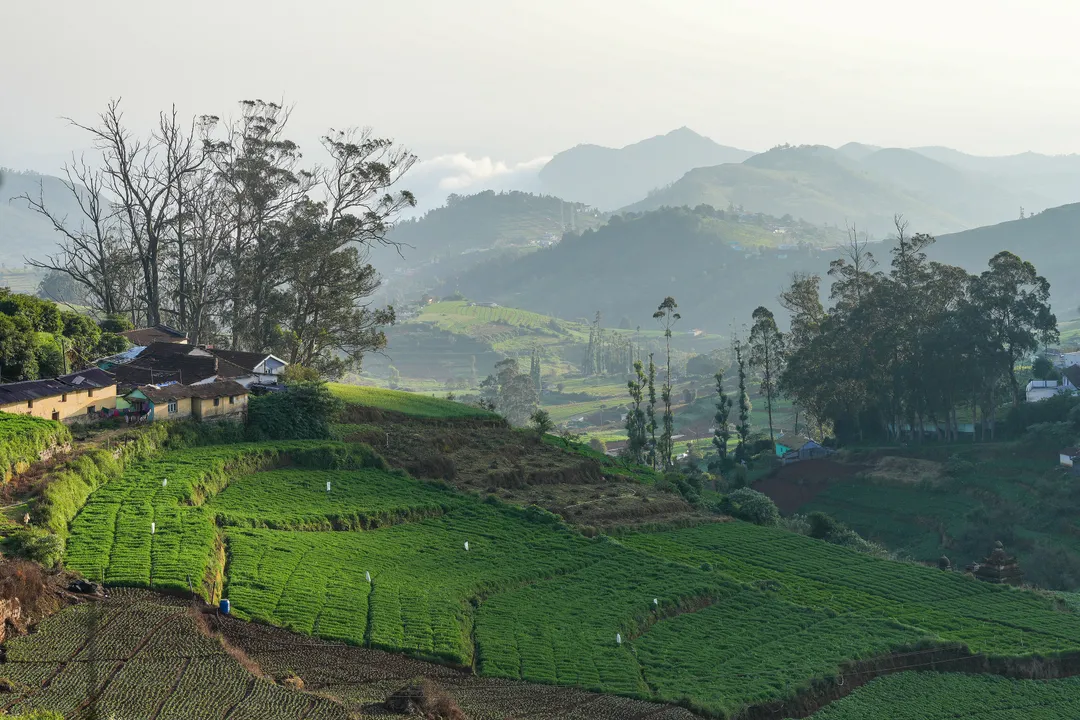
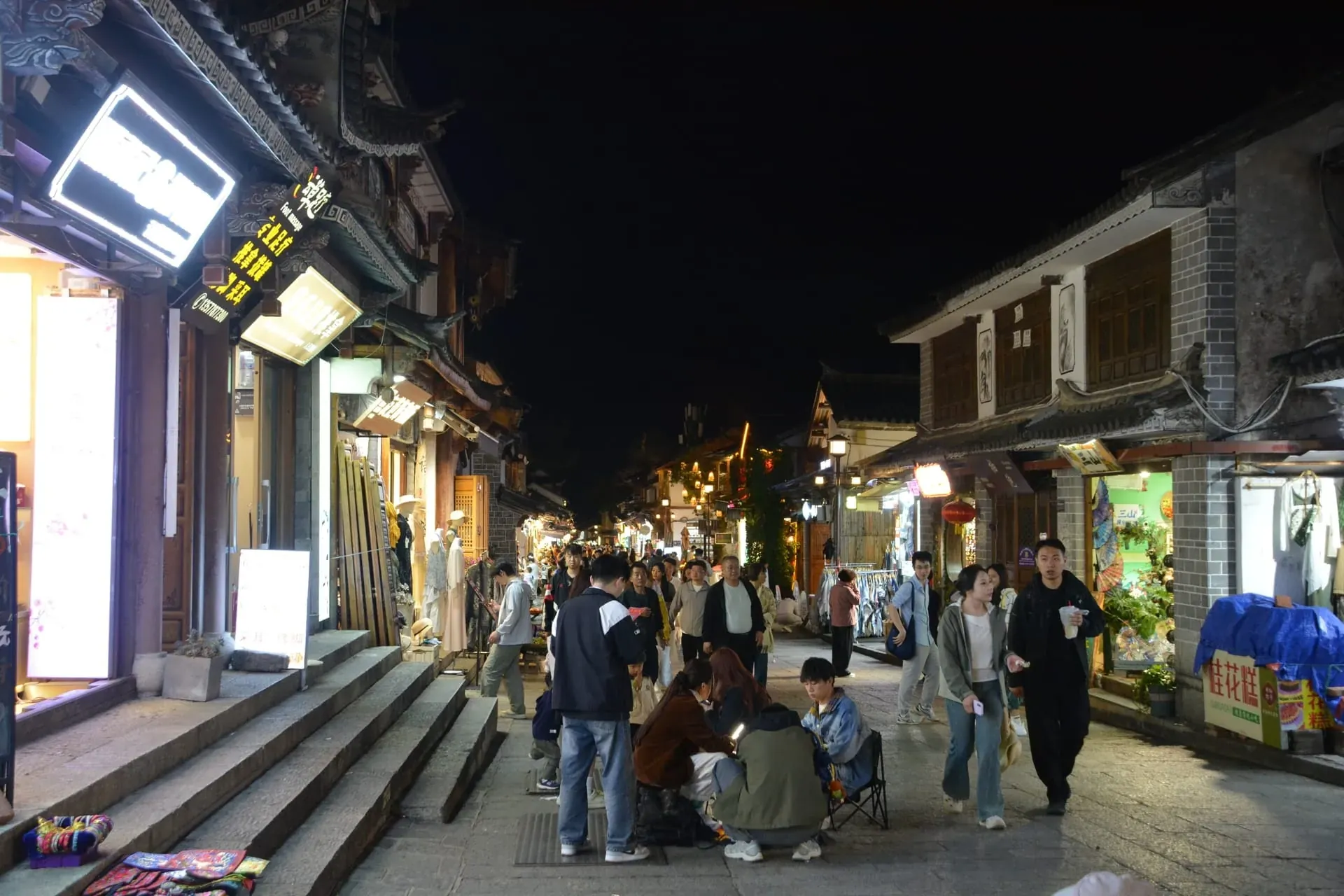
VibeA modern Chinese provincial capital (6M people) with parks, shopping malls, and a pleasant climate. Green Lake Park (翠湖公园, Cuìhú Gōngyuán) is the best people-watching spot — seniors dancing, erhu (二胡) players, tea drinkers.A 1,200-year-old Bai minority town inside Ming-era walls, facing Erhai Lake (洱海) and backed by Cangshan Mountain (苍山). Slower, artsier, more touristy in the old town, genuinely rural 5 km outside it.
SceneryGreen Lake and Western Hills (西山) are pleasant city escapes. Stone Forest (石林, Shílín, 1.5 hr east) is the main natural attraction — limestone karst formations, ¥130 entry.Erhai Lake is a 250 km² high-altitude lake you can bike around. Cangshan's 19 peaks hit 4,122m with cable car access. The scenery is world-class and right there — no day trips needed.
FoodCrossing-the-Bridge Rice Noodles (过桥米线, guòqiáo mǐxiàn) originated here — ¥20–40 for a bowl that arrives in components you assemble yourself. Wild mushroom hotpot (菌子火锅) June–October. Steam pot chicken (汽锅鸡).Bai minority cuisine: grilled fish with sour-and-spicy sauce (酸辣鱼), rush-root dishes, Yunnan ham (云南火腿), and the local rushan (乳扇, grilled milk fan) — a unique cheese-like snack. Less variety than Kunming.
AccessibilityKunming Changshui Airport (KMG) has direct international flights (Bangkok, Singapore, Kuala Lumpur) and connections to all Chinese cities. HSR hub for Yunnan. Easy to get to.Dali Airport has limited flights. Most travelers arrive by HSR from Kunming (2 hr, ¥145 second class). Reliable and scenic — the line passes lakes and mountains — but you cannot fly in directly.
Expat-friendlinessLarger expat community, more English in restaurants and hotels, easier access to Western groceries and pharmacies. The most livable Chinese city for long-term foreign residents.Small but established expat scene around the old town. Enough English to get by. The foreigner-friendly infrastructure is thinner but the community is tighter. Good for travelers, harder for residents.
Cost (mid-range / day)¥300–500 ($40–70). Hotels ¥150–300. Meals ¥25–50. Stone Forest day trip ¥200–300. Very affordable.¥350–550 ($50–80). Old town hotels ¥200–500. Meals ¥30–60. Erhai bike rental ¥30/day. Both are cheap by Chinese standards.
Best seasonYear-round. Average 15–20°C. "Spring City" is not marketing — Kunming genuinely has one of the world's most stable, pleasant climates. Light jacket needed year-round.March–May (spring blossoms) and September–November (autumn clarity). Summer is the rainy season (June–August, 60% of annual rain). Winter is mild (5–15°C) but can be gray.
Day tripsStone Forest (1.5 hr, ¥130), Dongchuan Red Land (东川红土地, 3 hr drive — one of China's most photogenic landscapes), Jiuxiang Caves (1.5 hr).Shaxi Old Town (沙溪古镇, 1.5 hr) is a quieter, better-preserved version of Dali — and still under the radar. Xizhou (喜洲) for Bai architecture (30 min). Zhoucheng (周城) for tie-dye workshops.

Weighted score bars

Bar length reflects the per-axis evidence length; the winner of each axis is highlighted in terra-cotta.

Vibe

Dali wins

Kunming

Dali

Scenery

Dali wins

Kunming

Dali

Food

Kunming wins

Kunming

Dali

Accessibility

Kunming wins

Kunming

Dali

Expat-friendliness

Kunming wins

Kunming

Dali

Cost (mid-range / day)

Kunming wins

Kunming

Dali

Best season

Kunming wins

Kunming

Dali

Day trips

tie

Kunming

Dali

Final score

62vs38

Based on 8 weighted axes. Kunming edges ahead by 3 of 8.

Pros

  • International arrivals (the airport you fly into)
  • Travelers who appreciate modern Chinese city life
  • Foodies wanting Yunnan culinary range
  • Long-term expats (best foreigner infrastructure in Yunnan)

Cons

  • Scenery-first travelers (Erhai + Cangshan are immediate)
  • Slow travelers who want to park for 4–7 days
  • Photographers chasing mountain-lake landscapes
  • Bai minority culture enthusiasts

Why travelers pick each side

Here's who each destination suits best — pick the side that matches your trip.

Choose Kunming if you are

Kunming

Top reasons to pick this side

  • International arrivals (the airport you fly into)
  • Travelers who appreciate modern Chinese city life
  • Foodies wanting Yunnan culinary range

Choose Dali if you are

Dali

Top reasons to pick this side

  • Scenery-first travelers (Erhai + Cangshan are immediate)
  • Slow travelers who want to park for 4–7 days
  • Photographers chasing mountain-lake landscapes

The verdict

Kunming is better for

  • International arrivals (the airport you fly into)
  • Travelers who appreciate modern Chinese city life
  • Foodies wanting Yunnan culinary range
  • Long-term expats (best foreigner infrastructure in Yunnan)
  • Anyone continuing south to Xishuangbanna or Vietnam

Dali is better for

  • Scenery-first travelers (Erhai + Cangshan are immediate)
  • Slow travelers who want to park for 4–7 days
  • Photographers chasing mountain-lake landscapes
  • Bai minority culture enthusiasts
  • Cyclists (Erhai loop is one of China's best rides)

Frequently asked questions

Kunming or Dali — where should I spend more time?
Dali. Spend 1 night in Kunming (arrive, see Green Lake, eat guoqiao mixian, sleep) then head to Dali for 3–4 nights. Kunming is a pleasant city but it's not a destination the way Dali is. The math changes if you want the Stone Forest — add a second night in Kunming.
Is Kunming worth visiting?
As a transit city, yes — one night is right. As a destination, not really unless you have a specific interest (mushroom hotpot season, the Stone Forest, or the Dongchuan Red Land). It is a comfortable, livable city but it lacks the punch of Dali, Lijiang, or Shangri-La. I use Kunming to sleep, eat well, and catch the morning HSR west.
How do I get from Kunming to Dali?
HSR from Kunming South to Dali: 2 hours, ¥145 second class ($20). Trains run every 30–60 minutes from 6am to 9pm. The Dali HSR station is 20 min by taxi (¥30) or bus 8 (¥2) from the old town. Flying is possible (45 min, ¥300–600) but rarely worth it given the HSR convenience.
How many days in Dali?
3 days minimum. Day 1: old town orientation + Cangshan cable car. Day 2: Erhai Lake bike loop (full day, rent e-bike ¥50–80, the full 120 km loop takes 8–10 hours with stops). Day 3: Shaxi Old Town day trip. Add a fourth day for Xizhou village or just slow mornings with lake views.
Is Dali too touristy?
The old town's main streets (Foreigner Street, Renmin Road) are touristy — souvenir shops, drum circles, the works. But walk 10 minutes in any direction and Dali gets real fast. The villages around Erhai (Caicun, Xizhou, Zhoucheng) still feel authentic Bai community. The key is to use the old town as a base and spend your days outside it.
Is the Stone Forest worth the day trip from Kunming?
Yes — if you have not seen karst landscapes before. ¥130 entry as of June 2026. It takes 3–4 hours to walk the main loop. The formations are impressive but the site is very developed (paved paths, tour groups, souvenir stalls everywhere). If you are going to Guilin or Yangshuo, those karst landscapes are more dramatic and less theme-park feeling.
What is the altitude like in Dali?
Dali old town is at 1,970m (6,460 ft). Erhai Lake is at 1,972m. Most people notice slightly thinner air but do not get altitude sickness. Cangshan cable car tops out at 3,900m — some people feel it there. Kunming is at 1,900m. Both are moderate by Yunnan standards (Lijiang is 2,400m, Shangri-La is 3,200m).
Can I do Kunming and Dali in winter?
Yes — but bring layers. Daytime: 10–18°C, sunny and pleasant. Nights: 0–5°C in both cities. Most budget hotels in Dali do not have central heating (common across southern China). Bring thermal underwear for sleeping. The payoff: winter has the clearest skies and fewest tourists. Erhai against snow-dusted Cangshan in January is stunning.

12 related comparisons

Editor-curated, then same-category, then the rest of the catalog.

Chengdu vs Xi'an

Chengdu for slow-paced food and panda travel, Xi'an for ancient Silk Road history. Both are essential for a 10–14 day China route — pick based on whether food or history ranks higher for you.

Shanghai vs Shenzhen

Shanghai for historic Bund + international food scene, Shenzhen for tech-themed travel and the Pearl River Delta gateway. Both are 20M+ megacities with excellent transit.

Beijing vs Hong Kong

Beijing for imperial China depth, Hong Kong for English-friendly infrastructure and the Pearl River Delta. Different visa rules, different vibes.

Shanghai vs Hong Kong

Shanghai for bigger skyline and inland China access; Hong Kong for English-first infrastructure, food variety, and visa simplicity. Both are major financial hubs.

Chengdu vs Guilin

Chengdu for Sichuan food + panda base, Guilin for the most iconic Chinese landscape. Different trip archetypes — choose based on whether you prefer urban food or natural scenery.

Beijing vs Chengdu

Beijing for imperial history + Great Wall, Chengdu for food + pandas + slower pace. Both are essential — choose based on your first-trip priority.

Hong Kong vs Singapore

Hong Kong for Cantonese food + Pearl River Delta access; Singapore for English-first + ASEAN gateway. Both are 90-day visa-free for most Westerners.

Shanghai vs Hangzhou

Shanghai for the Bund, skyline, and international buzz. Hangzhou for West Lake, tea plantations, and a slower pace just 45 minutes away by HSR. Many travelers do both.

Xi'an vs Nanjing

Xi'an for the Terracotta Army and Silk Road history. Nanjing for the Ming city wall, Sun Yat-sen's mausoleum, and a calmer ancient capital. Both are essential for China history.

Beijing vs Shanghai

Beijing for the iconic China checklist — Great Wall, Forbidden City, Temple of Heaven. Shanghai for a gentler entry with better English, international food, and walkable neighborhoods. Most first-timers start in Beijing; nervous or food-focused travelers should start in Shanghai.

Guilin vs Zhangjiajie

Guilin for the classic Chinese landscape painting come to life — karst peaks reflected in the Li River, bamboo rafts, and rice terraces. Zhangjiajie for the dramatic, otherworldly sandstone pillars that inspired Avatar's floating mountains. Both are UNESCO-listed; choose by the kind of scenery you want.

Xi'an vs Beijing

Beijing for the political center, Great Wall, and imperial grandeur. Xi'an for the Terracotta Army, Silk Road, and 3,000 years of continuous history. Most first-timers do both — but if you only have time for one, here's how to choose.

Quick facts — Kunming vs Dali

Side-by-side reference for the 5 metrics travelers weigh most.

MetricKunmingDali
Axes compared8 axes · winner: Kunming
FAQ answered8 of the most-asked questions
Wikipedia reference
Categorycity · 70+ comparisons live
Last verified2026 rates · editor-reviewed monthly

Still deciding?

Tell us your travel dates and priorities — we'll help you choose and send a personalized plan within 24 hours.