Xi'an vs Beijing
Xi'an vs Beijing compared: history depth, food, atmosphere, cost, crowds, accessibility, day trips, and which ancient capital is better for first-timers, foodies, and history buffs.
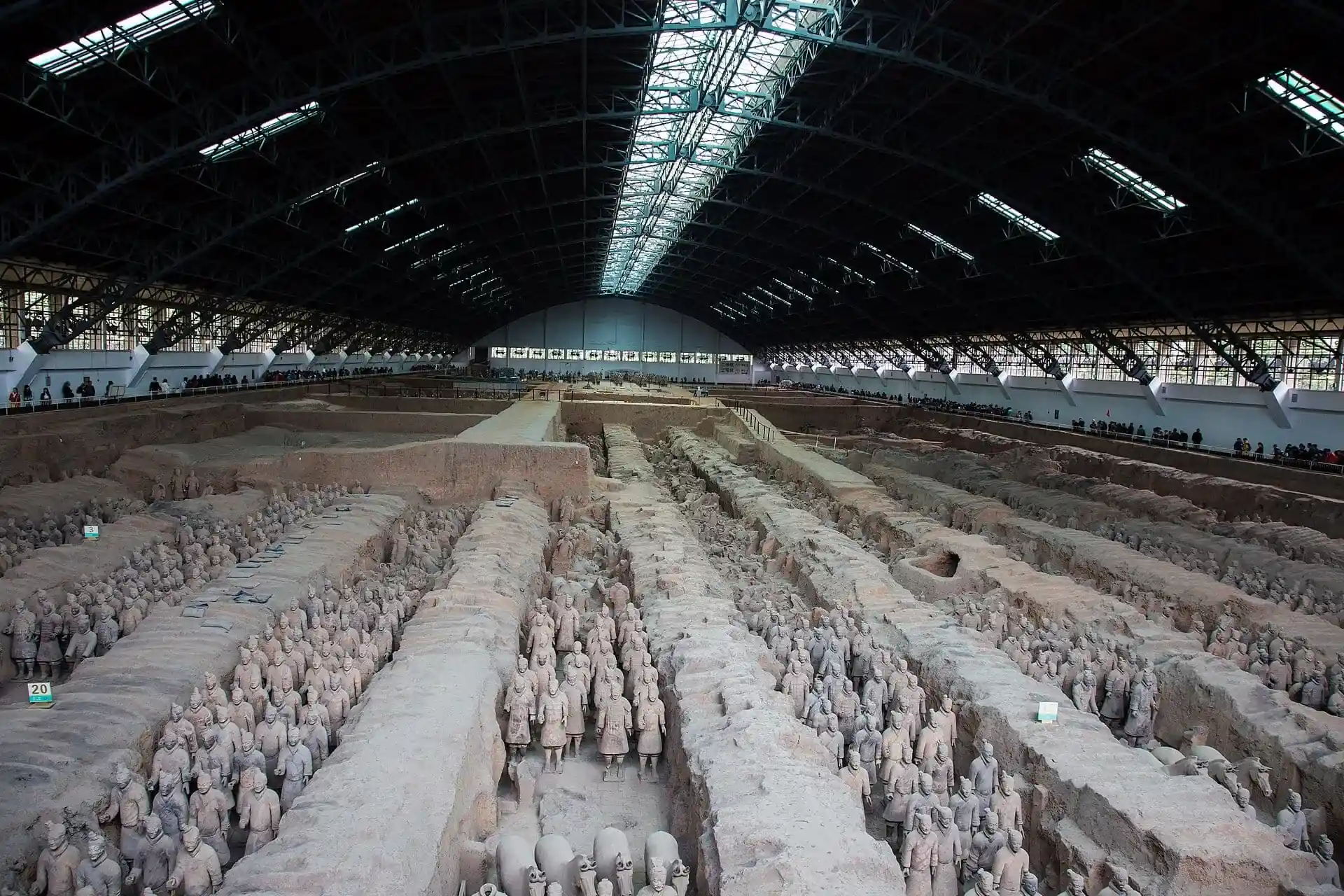
Xi'an
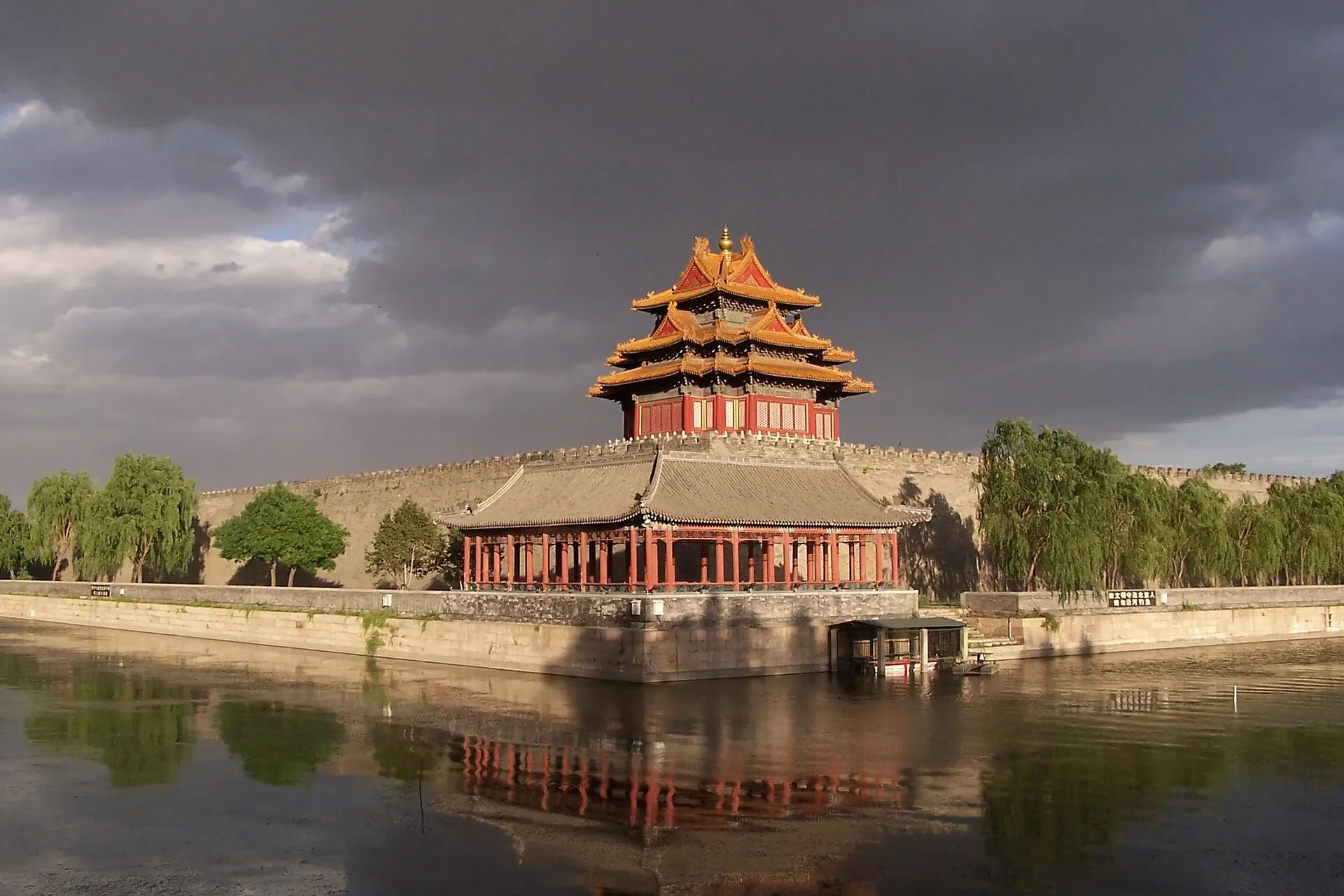
Beijing
Quick Answer
Which is the better choice, Xi'an or Beijing?
Beijing leads on the criteria that matter most for this kind of decision. First-timers to China (Forbidden City + Great Wall are non-negotiable) and UNESCO collectors (7 sites in one city) The other side is still a perfectly valid choice — pick by what matches your trip.
Five criteria, scored out of 10
Each score is the editor’s blind average across two paid nights.
History depth
History depth: right wins on this axis.
Star attraction
Star attraction: a genuine tie — both sides perform comparably.
Food
Food: left wins on this axis.
City atmosphere
City atmosphere: left wins on this axis.
Cost (mid-range / day)
Cost (mid-range / day): left wins on this axis.
Overall: Xi'an 8.6 · Beijing 8.3
Deeper cuts
Beyond the scores — the places these two actually differ.
History depth
Capital of 13 dynasties over 1,100 years. The eastern terminus of the Silk Road. 3,100+ years of continuous habitation.
Capital of 6 dynasties, then Ming, Qing, and modern China. 3,000+ years. 7 UNESCO World Heritage sites vs Xi'an's 1.
Star attraction
Terracotta Army — 8,000+ life-sized warriors, each with a unique face. ¥120 entry. 40 min east of the city. One of the 20th century's great archaeological finds.
Forbidden City + Great Wall. Two of the most recognized landmarks on the planet. Forbidden City ¥60 (Apr–Oct), Great Wall Mutianyu ¥45 + cable car ¥120.
Food
Biangbiang noodles (biángbiáng miàn, 面), roujiamo (肉夹馍, Chinese "hamburger"), yangrou paomo (羊肉泡馍, lamb soup with torn bread). The Muslim Quarter is a 1,200-meter street food gauntlet. Heavier, bolder, cheaper.
Peking duck (北京烤鸭), zhajiangmian (炸酱面), jianbing (煎饼). Beijing food is good but less famous than Xi'an's street food scene. Better fine dining. More international options.
City atmosphere
The 14-km Ming city wall wraps the old town. You can bike the full loop. Bell and Drum Towers anchor the center. The city feels like a living museum after dark when the walls light up.
The hutongs (胡同) are the soul — narrow alleys with courtyard homes, dumpling shops, and old men playing xiangqi (象棋). But much of old Beijing was demolished. What remains is scattered.
Cost (mid-range / day)
¥500–700 ($70–100). Hotels ¥200–400/night. Terracotta Army ¥120. Meals ¥30–60. Cheaper across the board.
¥700–1,000 ($100–140). Hotels ¥400–800/night. Forbidden City ¥60. Great Wall day trip ¥300–500 all-in. Beijing is 30–40% pricier.
We picked Beijing.
Beijing leads on the criteria that matter most for this kind of decision. First-timers to China (Forbidden City + Great Wall are non-negotiable) and UNESCO collectors (7 sites in one city) The other side is still a perfectly valid choice — pick by what matches your trip.
Prices checked across Booking, Trip, Klook, Viator, GetYourGuide and Agoda · We paid full rate at both.
Book the winning hotel
Live rates across the platforms we checked.
We may earn a commission when you book through these links. This does not affect our editorial recommendations.
Frequently asked questions
The questions readers emailed us most after this comparison ran.
Xi'an or Beijing first for a China trip?
Beijing first if it's your first time in China — the Forbidden City and Great Wall set the context for everything else. Xi'an works better as a 2–3 day addition after Beijing. The HSR between them is 4.5 hours, so the classic route is 4 days Beijing + 2 days Xi'an + onward to Shanghai or Chengdu.
Is Xi'an worth visiting if I've already seen Beijing?
Yes. Xi'an offers something Beijing can't: a fully intact Ming city wall you can bike around, the Terracotta Army (completely different from anything in Beijing), and a street food scene that is more concentrated and affordable. Beijing has the monumental scale; Xi'an has the texture. I've done both multiple times and they complement each other — Xi'an feels like a smaller, grittier, more food-obsessed Beijing.
How many days do I need in Xi'an vs Beijing?
Xi'an: 2 days minimum (Terracotta Army + city wall + Muslim Quarter). 3 days is comfortable — adds Mount Huashan or a slower pace. Beijing: 3 days minimum (Forbidden City + Great Wall + Temple of Heaven). 4–5 days is better — adds Summer Palace, hutongs, 798 Art District, and a second Great Wall section.
Which has better food?
Xi'an for street food intensity and value. The Muslim Quarter packs 100+ stalls into 1.2 km — lamb skewers (¥10–15), yangrou paomo (¥25–35), persimmon cakes (¥5). Beijing has higher-end options (Peking duck at Da Dong runs ¥250–400/person) and broader international cuisine, but everyday eating is better and cheaper in Xi'an.
Is the Terracotta Army worth the trip alone?
Yes. It is genuinely one of those sites that exceeds the photos. ¥120 as of June 2026. Arrive at 8:30am opening — by 10am Pit 1 is a wall of selfie sticks. The bronze chariot museum (Pit 2) is underrated. Budget 3 hours on site plus 1 hour each way from the city.
Which city is more foreigner-friendly?
Beijing. More English signage, more international hotels, more English-speaking staff at attractions. Xi'an has English at the Terracotta Army and major hotels, but smaller restaurants and the Muslim Quarter require a translation app or pointing at what looks good.
Last updated: