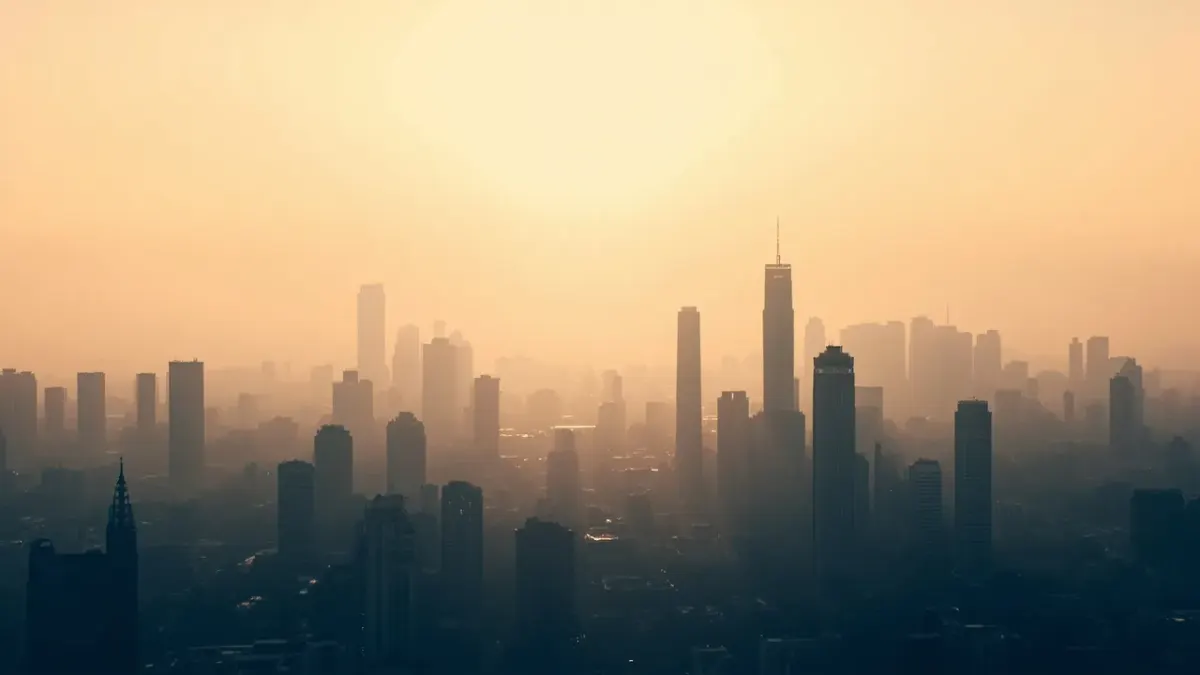
Fuzhou
Fuzhou is the capital of Fujian Province, a 7-million-population port city on the southeast coast of China. It is one of China's oldest continuously inhabited cities (2,200+ years) and the historic maritime gateway to the Fujian tulou, the massive rammed-earth communal buildings of the Hakka people that are a UNESCO World Heritage site. The city itself features the Three Lanes and Seven Alleys (三坊七巷), a 1,000-year-old district of Ming-Qing merchant houses; the 1,000-year-old Drum Mountain (鼓山); and a distinctive Fujianese cuisine famous for soup dumplings (鱼丸, fish balls) and seafood. Plan 2-3 days for Fuzhou, plus 2-3 days for the Yongding or Nanjing tulou. Best from October to May; summers are hot and humid. Fly into Fuzhou Changle International Airport (FOC).
Why Fuzhou in 2026.
Capital of Fujian Province on China's southeast coast, a 2,200-year-old port city and the historic gateway to the Fujian tulou earth buildings of Yongding and Nanjing. Fuzhou is a leafy, subtropical city with deep Min-nan and Min-dong cultural roots, a famous lacquerware tradition, and a slower pace than the eastern megacities.
Quick Answer
Fuzhou is the capital of Fujian Province, a 7-million-population port city on the southeast coast of China. It is one of China's oldest continuously inhabited cities (2,200+ years) and the historic maritime gateway to the Fujian tulou, the massive rammed-earth communal buildings of the Hakka people that are a UNESCO World Heritage site. The city itself features the Three Lanes and Seven Alleys (三坊七巷), a 1,000-year-old district of Ming-Qing merchant houses; the 1,000-year-old Drum Mountain (鼓山); and a distinctive Fujianese cuisine famous for soup dumplings (鱼丸, fish balls) and seafood. Plan 2-3 days for Fuzhou, plus 2-3 days for the Yongding or Nanjing tulou. Best from October to May; summers are hot and humid. Fly into Fuzhou Changle International Airport (FOC).
| Best time to visit | October to May; spring and autumn for mild weather |
|---|---|
| Daily budget | $30 (backpacker) / $85 (mid-range) / $220+ (luxury) |
| Language | Mandarin; Fuzhou dialect (Min Dong, mutually unintelligible with Mandarin) |
| Currency | CNY (¥) — Alipay/WeChat Pay universal |
| Time zone | China Standard Time (UTC+8) |
| Last updated | 2026-06-14 |
Want a Fuzhou plan built for you?
Why visit Fuzhou?
Fuzhou is one of China's most underrated major cities. The standard tourist circuit (Beijing, Shanghai, Xi'an, Chengdu, Guilin) skips it entirely, which is a mistake. Fuzhou is a 2,200-year-old port city with a distinct culture, a famous cuisine, and a leafy, livable downtown. The climate is subtropical — warm, wet, and green year-round — and the pace is noticeably slower than Shanghai or Guangzhou. The local Fuzhou dialect is one of the most distinctive in China, mutually unintelligible with Mandarin, and the city's cultural traditions (lacquerware, paper umbrellas, jasmine tea) are unique to coastal Fujian. The two big reasons most travelers come to Fuzhou are the Fujian tulou (土楼) — the massive rammed-earth communal buildings of the Hakka people — and the city's deep historical and cultural sites. The tulou, scattered through the mountains of southwestern Fujian, are some of the most unusual and striking traditional architecture on earth: circular or square earthen forts, some 600+ years old, three to four stories tall, housing entire clans of up to 400 people. The largest, Chengqi Lou in Yongding, has 400 rooms. The Tianluokeng cluster in Nanjing — nicknamed "four dishes and one soup" (四菜一汤) for the arrangement of four round and one square tulou — is the most photographed. Fuzhou is also the home of one of China's most important naval and maritime histories. The Fuzhou Navy Yard, founded in 1866, was one of China's first modern shipyards and the birthplace of the late-Qing Self-Strengthening Movement. The Fuzhou Naval Academy trained some of China's most important early-modern reformers. The Mawei Shipbuilding Museum is a worth visiting for anyone interested in Chinese maritime history. For travelers already visiting the Fujian region, Fuzhou pairs naturally with Xiamen (1.5 hours HSR), Quanzhou (1 hour HSR, also a UNESCO World Heritage site), and Wuyishan (3 hours HSR, the famous Danxia landscape). Fuzhou also makes a good base for a 7-10 day "Fujian tulou + coastal cities" trip.
What is the history of Fuzhou: 2,200 years of maritime trade?
Fuzhou is one of the oldest continuously inhabited cities in China, founded in 202 BCE as the Ye (冶) county by the Han dynasty. The city grew as a major port during the Tang and Song dynasties, when Fujian's tea, lacquerware, and porcelain were exported throughout East and Southeast Asia. The Song-dynasty Arab traveler and merchant William of Rubruck noted Fuzhou as one of the world's great ports, and the city had a substantial Arab, Persian, and Southeast Asian trading community. The tombs and inscriptions of Tang-era foreign merchants in Fuzhou are a major historical resource. The Song-dynasty minister Zhang Yicheng built the city's first major harbor works in 1080 CE, and the city's famous 鼓山 (Drum Mountain) and 乌塔 (Black Pagoda) date from the same era. The Ming dynasty closed the maritime trade routes (the so-called "haijin" 海禁 sea ban) and Fuzhou's fortunes declined until the port was reopened in the 16th century. The city then became one of the first five treaty ports opened to foreign trade by the 1842 Treaty of Nanking, with British, French, and American concessions along the Min River. The 19th century was a period of dramatic transformation. The Fuzhou Navy Yard (福州船政局) was founded in 1866 by Zuo Zongtang as one of China's first modern industrial enterprises, with French and Belgian engineers. The Fuzhou Naval Academy trained generations of late-Qing and early-Republican naval officers, including the famous reformer Yan Fu, who translated Darwin, Adam Smith, and John Stuart Mill into Chinese. The Sino-French War (1884) saw the French fleet destroy the Fuzhou fleet in the Battle of Fuzhou, a major humiliation that accelerated the Self-Strengthening Movement. The 20th century was turbulent. Fuzhou was occupied by the Japanese from 1941 to 1945, and the city was a frontline of the early stages of the Chinese Civil War. It fell to the Communists in 1949. The city has since grown into a major industrial and port city, with special economic zone status. The 1990s and 2000s brought rapid modernization, including a new downtown with high-rises, a metro (opened 2016), and the Fuzhou-Changle Airport expressway. Today Fuzhou is a 7-million-population city with a strong maritime economy, a vibrant tea and seafood culture, and one of the most liveable environments of any Chinese provincial capital. It is consistently ranked in the top 10 of China's "happiest cities" surveys, and the local dialect and customs remain strong.
What is the geography and climate of Fuzhou: subtropical, hilly, and green?
Fuzhou sits on the lower Min River (闽江) about 50 km from the Taiwan Strait, with the 旗山 (Flag Mountain) to the west and 鼓山 (Drum Mountain) to the east. The city is built on a series of small hills and river terraces, with the old city center on the north bank of the Min River and a series of newer districts on both banks. The Min River estuary opens to the East China Sea and Taiwan Strait, and the city's port is one of the largest in China. The climate is humid subtropical, with hot, wet summers and mild, damp winters. Summer (June-September) is the high season for rainfall, with frequent typhoons in July and August, temperatures of 28-35°C, and humidity often above 80%. Winter (December-February) is mild (5-15°C) and damp, with occasional frost. Spring (March-May) and autumn (October-November) are the most pleasant, with temperatures of 15-25°C and lower humidity. The annual rainfall is around 1,300 mm, with the most rain in May-June. The climate supports a famous tea tradition. Fuzhou is the home of 茉莉花茶 (jasmine tea, mòlìhuāchá), one of China's most famous export teas. The jasmine flowers are grown in the Fuzhou suburbs, with the tea base (typically Fujian green tea) scented by repeated layering with fresh jasmine blossoms over several weeks. The result is a delicate, fragrant tea that's a Fujian signature. Fuzhou jasmine tea was a major export during the Tang and Song dynasties and is still a daily drink in Fuzhou households. The humid climate also supports lush vegetation. Fuzhou is one of China's "forest cities" (森林城市), with over 40% of the city covered by trees. The banyan trees (榕树, róngshù) of Fuzhou are a city symbol — the city is nicknamed 榕城 (Banyan City) — and the oldest specimens are several hundred years old.
How to get to Fuzhou
The main gateway is Fuzhou Changle International Airport (FOC), 50 km east of the city center on the coast. The airport has direct flights to Beijing (2.5 hours), Shanghai (1.5 hours), Guangzhou (1.5 hours), Shenzhen (1.5 hours), Chengdu (2.5 hours), Kunming (3 hours), Hong Kong (1.5 hours), and Taipei (1.5 hours). International connections include Bangkok, Singapore, Kuala Lumpur, Seoul, and Tokyo. A taxi from the airport to the city center is ¥150-200; the airport express bus (¥30) takes 60 minutes. Fuzhou is a major high-speed rail hub. From Shanghai, HSR takes 3-3.5 hours; from Hangzhou, 2.5 hours; from Xiamen, 1.5 hours; from Shenzhen, 4 hours; from Beijing, 7-8 hours. Fuzhou Station (福州站) is the central station, on the metro Line 1. Fuzhou South Station (福州南站) is a newer, larger HSR station on the south side of the city. For the tulou day trip, take a high-speed train from Fuzhou to Nanjing (Fujian) station (1.5 hours, ¥100), then hire a car for the day. The Tianluokeng cluster is 20 minutes by car from Nanjing station. For Yongding, take the HSR to Longyan (2 hours, ¥150), then a 1-hour car ride. Most travelers visit the tulou with a private driver or a group tour, since the public transport to the individual tulou villages is limited.
Where to stay and the best neighborhoods
Fuzhou is a medium-sized city with a clean, modern downtown. The most central base is Gulou District (鼓楼区), the old commercial core that contains the Three Lanes and Seven Alleys, the Drum Mountain base, and most of the historical sites. International chain hotels (Shangri-La, Hilton, Marriott) cluster here, with rooms from ¥500-1,200/night. Mid-range Chinese-brand hotels (Jinjiang, Hanting, Atour) cost ¥250-450/night. Budget hostels (Ming Hostel, Fuzhou International Youth Hostel) are ¥80-150/night, mostly in the alleys around the Three Lanes district. Taijiang District (台江区) is the older riverfront commercial area, just south of Gulou, with a more local feel. The night market, the Zhongting Street food scene, and the Fuzhou specialty restaurants are concentrated here. It's a great choice for food-focused travelers. Hotels are slightly cheaper than Gulou. Cangshan District (仓山区) is across the Min River to the south, with the university area, the Fuzhou South HSR station, and a more suburban feel. Hotels here are typically business-oriented. The 烟台山 (Yantaishan, Yantai Hill) area is a historic district of 19th-century European-style buildings, with a slowly reviving café and boutique scene. For the tulou, the most atmospheric option is to stay overnight in one of the tulou villages themselves. The Tianluokeng and Yongding clusters have a few small guesthouses inside restored tulou, ¥300-800/night, with the chance to see the villages after the day-trippers leave. Most travelers stay in the larger Yongding or Nanjing county towns (¥200-500/night) and visit the tulou from there. A neighborhood-by-neighborhood quick guide: - **Gulou District (鼓楼区)**: Old city, Three Lanes, Drum Mountain, restaurants. Best for first-time visitors. - **Taijiang District (台江区)**: Riverfront, night market, food scene. Best for foodies. - **Cangshan District (仓山区)**: South of the river, universities, Yantaishan. Best for a local feel. - **Jin'an District (晋安区)**: Northern industrial and residential area. Best for budget travelers and longer stays. - **Tianluokeng / Yongding / Nanjing**: Tulou villages, 200-250 km southwest. Best for tulou trips.
What are the top attractions in Fuzhou: Three Lanes, Drum Mountain, and the tulou?
The Three Lanes and Seven Alleys (三坊七巷) is the cultural heart of Fuzhou, a 1,000-year-old district of narrow lanes (3 north-south, 7 east-west) lined with Ming and Qing dynasty merchant houses. The district was home to 400+ prominent officials, scholars, and merchants over the centuries, including Lin Zexu (the 19th-century anti-opium commissioner), Yan Fu (the translator of Adam Smith and Darwin), and Shen Baozhen (the founder of the Fuzhou Navy Yard). The district has been restored to pedestrian-only use and is now a mix of tea houses, lacquerware shops, Fujian cuisine restaurants, and small museums in the former merchant houses. The most famous houses are: the Lin Zexu Memorial Museum (¥5), the Yan Fu Former Residence (¥15), and the 二梅书屋 (Er Mei Book House, ¥15). Allow 3-4 hours for a leisurely visit, or 1.5-2 hours for the highlights. Drum Mountain (鼓山) is the 1,000-m peak on the eastern edge of Fuzhou, with the 1,000-year-old Yongquan Temple (涌泉寺) — the oldest surviving wooden monastery in coastal China. The temple complex has 25 halls, 4,700+ Buddha statues, and a 1,000-year-old iron kettle. The mountain has 7 different hiking trails; the most popular is the 7-km loop from the temple to the summit, with calligraphy stones and panoramic views. The cable car (¥30 one way) is an option for those who prefer not to hike. Allow a half day; many Fuzhou locals come for a morning hike and a lunch of vegetarian temple food. The Fujian Tulou are the headline attraction for many travelers. These massive rammed-earth communal buildings are unique to the Hakka people of southwestern Fujian. The largest and most impressive cluster is in Yongding, including the famous Chengqi Lou (承启楼, "Succeeding Tranquility Building") — a 400-room, 4-story circular tulou built in 1709, the largest of its kind, with up to 800 residents at peak occupation. The Nanjing cluster is the most photogenic, with the Tianluokeng (田螺坑) "four dishes and one soup" arrangement: four round tulou around one square tulou. Other famous tulou in Yongding include the Zhenchun Lou ("rising phoenix") and the Fuyu Lou. A tulou day trip from Fuzhou typically visits 2-3 tulou, takes 8-10 hours round trip (3-4 hours driving each way), and costs ¥600-1,200 for a private car. The most efficient option is an overnight stay in the tulou village, with one full day for the visit. Both Yongding and Nanjing have small inns and restored-tulou guesthouses. For maritime history, the Mawei Shipbuilding Museum (船政文化博物馆) is a 30-minute drive south of the city center, on the site of the original 1866 Fuzhou Navy Yard. The museum covers the founding of the yard, the Self-Strengthening Movement, the Fuzhou Naval Academy, and the 1884 Sino-French War. Allow 2-3 hours. The site is also home to the 罗星塔 (Luoxing Pagoda), a 7-story Qing-era pagoda on a hill at the mouth of the Min River. For a half-day outing, the Xichan Temple (西禅寺) is a 1,000-year-old Buddhist temple in western Fuzhou, famous for its 60-m porcelain pagoda — a 1990 modern construction using over 100,000 porcelain pieces, a striking white structure. The temple has plum blossoms in February and a famous vegetarian restaurant. ¥20 entry. The 鼓岭 (Guling) is a hill station 20 km east of Fuzhou, a 19th-century European summer resort at 800 m elevation, with restored 19th-century villas and summer hiking.
What local food should I try in Fuzhou: Fujian cuisine, fish balls, and jasmine tea?
Fujian cuisine (闽菜, Mǐncài) is one of China's eight great culinary traditions, characterized by light, soupy, seafood-forward dishes with an emphasis on umami and broth. The signature is the Fuzhou 佛跳墙 (fó tiào qiáng, "Buddha Jumps the Wall"), a 30-ingredient luxury soup with shark fin, abalone, sea cucumber, dried scallops, and ginseng — so named because the smell is said to be so good it makes a Buddhist monk jump the wall to taste it. The dish is a famous banquet offering, ¥500-1,500 per person for a proper serving. More accessible everyday Fuzhou food: - **鱼丸 (yúwán, fish balls)**: The signature Fuzhou snack. Made from eel or mackerel meat, ground and mixed with sweet potato starch, formed into small balls, and served in a clear broth. The texture is bouncy and the flavor is delicate. Found at every Fuzhou breakfast stall. ¥10-20 per bowl. - **肉燕 (ròuyàn, meat swallows)**: A Fuzhou specialty — thin wrappers made from pork, filled with pork and spices, served in broth. Similar to wonton but with a unique texture. - **锅边糊 (guōbiān hú, "pot-edge paste")**: A Fuzhou breakfast — rice-flour paste cooked at the edge of a pot of seafood broth, served with oysters, clams, and shrimp. - **海蛎饼 (hǎilìbǐng, oyster pancakes)**: Deep-fried savory pancakes with oysters and vegetables. - **捞化 (lāohuà, "pulled rice noodles")**: Fuzhou-style rice noodles in a rich seafood broth. - **荔枝肉 (lìzhīròu, "lychee pork")**: Bite-sized pieces of pork fried and sauced to resemble lychee fruit. Sweet-and-sour. - **醉糟鸡 (zuì zāo jī, drunk red yeast chicken)**: A Fuzhou cold dish of poached chicken marinated in red yeast wine. For tea, the Fuzhou specialty is 茉莉花茶 (jasmine tea). The most famous brand is 春伦 (Chunlun), founded in 1865. The tea is sold everywhere in Fuzhou, from supermarket shelves to high-end tea houses. A good jasmine tea is ¥100-300/100g. Visit the 春伦茉莉花茶文化园 (Chunlun Jasmine Tea Cultural Park) in Cangshan district for a tour and tasting (¥80). For street food, the best night market in Fuzhou is 达明路美食街 (Daming Road Food Street) in Gulou district, with hundreds of stalls serving Fujian specialties. The 中亭街 (Zhongting Street) night market in Taijiang district is another good option. The 三坊七巷 (Three Lanes) area has many high-end Fujian restaurants, including several specializing in Buddha Jumps the Wall at moderate prices (¥150-300 per person). A few classic Fuzhou restaurants: - **聚春园 (Jùchūn Yuán)**: The most famous Fuzhou restaurant, founded in 1865, famous for Buddha Jumps the Wall. Several locations; the original is near the Three Lanes. ¥200-500 per person for a tasting menu. - **老福州 (Lǎo Fúzhōu)**: A second well-regarded chain, slightly more affordable. - **同利肉燕 (Tónglì Ròuyàn)**: A 100+ year-old shop specializing in meat swallows and fish balls. Multiple locations. - **安泰楼 (Āntài Lóu)**: A historic Fuzhou restaurant near the Three Lanes, classic Fujian cuisine. ¥80-150 per person. For Japanese food, Fuzhou has a large Japanese expat community (because of the Japanese-owned factories in Fuzhou) and excellent Japanese restaurants in the city. For Western food, the 烟台山 (Yantaishan) area has a slowly growing café and bakery scene.
What is a good 1- to 3-day itinerary for Fuzhou?
**1-Day Itinerary — Fuzhou City Highlights (Sunday pace)** Morning: 8:30 AM start at the Three Lanes and Seven Alleys (3 hours). Walk the lanes, visit the Lin Zexu Memorial Museum, Yan Fu Former Residence, and Er Mei Book House. Stop at a tea house for 茉莉花茶. Lunch: 12 PM lunch at 安泰楼 for 佛跳墙 (a single-person serving is ¥80-150) or 聚春园 for the full tasting menu. Afternoon: 2 PM taxi to Drum Mountain (30 min, ¥50). Visit Yongquan Temple and the calligraphy stones. Optional cable car to the summit. Return by 5 PM. Evening: 6 PM dinner at 达明路美食街 for 鱼丸, 肉燕, 锅边糊, and 海蛎饼. End the night at a tea house in the Three Lanes. **2-Day Itinerary — Fuzhou + Mawei Maritime** Day 1: As above. Day 2: Morning at the Mawei Shipbuilding Museum (2-3 hours, ¥30), then a walk up 罗星塔 (Luoxing Pagoda) for river views. Lunch in the Mawei area. Afternoon: 鼓岭 (Guling) hill station (1-hour drive), 19th-century European villas, hiking. Return to Fuzhou for dinner. **3-Day Itinerary — Fuzhou + Tianluokeng Tulou** Days 1-2: As above. Day 3: Take the 7:30 AM HSR from Fuzhou Station to Nanjing (Fujian) station (1.5 hours, ¥100). Hire a car at Nanjing station (¥400-500 for the day, or pre-book a driver). Visit the Tianluokeng "four dishes and one soup" cluster (¥90 entry), then the Taxia tulou village (¥50), and the Yunshuiyao ancient path (¥50). Lunch at a local restaurant in Taxia — try the local 鸭汤 (duck soup). Return to Fuzhou by 7 PM. Alternative: spend the night in a tulou guesthouse in Tianluokeng or Yunshuiyao (¥300-800) for a more atmospheric experience. The evening and early morning in the tulou villages are magical, with mist over the rice paddies and the earthen walls lit by lanterns.
What practical information do inbound travelers need?
**Visas.** As of 2026, citizens of 38+ countries (most of EU, UK, Australia, New Zealand, South Korea, Japan, Malaysia, Singapore, Thailand) can enter China visa-free for 30 days. US and Canadian citizens need a tourist (L) visa. No special permit is needed for Fujian, including the tulou region. The tulou villages are open to foreign visitors; the border regions of Fujian (across from Taiwan) are unrestricted. **Money and payments.** Alipay and WeChat Pay cover 95% of city transactions. The Alipay Tour Pass feature allows foreign credit card top-up. International credit cards are accepted in international hotels and large restaurants. ATMs at Bank of China, ICBC, and China Merchants Bank accept international cards. Cash is useful for the tulou villages and night markets, though most vendors have moved to mobile payment. **Language.** Mandarin is the official language, but the local Fuzhou dialect (Min Dong) is mutually unintelligible with Mandarin — it is one of the most distinct Chinese dialects, with roots in the Tang-dynasty court language. Most Fuzhou residents are bilingual in Mandarin and Fuzhou dialect, with Mandarin used in business and education. English is not widely spoken outside international hotels and large restaurants. The museums and major attractions have English captions. Download Pleco and Google Translate (offline Chinese pack) before arrival. The Min Nan dialect (spoken in Xiamen, Quanzhou) is related to Fuzhou dialect but not the same. **Customs for visiting the tulou.** The tulou are living villages, with active Hakka communities. Most tulou are still occupied, with a few restored for tourism. Visitors should: - **Ask before photographing residents or entering a tulou**. Many tulou have a "tourist fee" of ¥5-20 for entry; pay it. The fee is shared among the residents. - **Do not touch the wooden structures or move any objects**. The tulou are 100-600+ years old and the wood is original. - **Stay on the marked paths**. The interior courtyards often have wells, water tanks, and ancestral halls that are private. - **Accept tea (茶) when offered** by a resident. Refusing is impolite. The Hakka are known for hospitality. - **Do not smoke indoors**. The tulou are made of wood, rammed earth, and bamboo, and fire risk is real. **Transport within Fuzhou.** Fuzhou has 5 metro lines. Line 1 (north-south) and Line 2 (east-west) cross at the central Nanjimen station. The metro is clean, modern, and English-marked. Buses are extensive but not English-marked. Taxis (¥10 flag fall) and DiDi work with Alipay. The airport is on Line 2; the Fuzhou Station is on Line 1. A taxi from the airport to the city center is ¥150-200; the airport express bus is ¥30. **Best time to visit.** October to May, with October-November and March-May the best months. The plum blossoms at Xichan Temple bloom in February. The 茉莉花茶 (jasmine tea) harvest is in May. Summer (June-September) is hot (30-35°C), humid, and prone to typhoons in July and August. The "typhoon season" generally brings 3-5 named storms to the Fujian coast each summer, with most impact in July and August. Winter is mild (5-15°C) and damp, with occasional frost in the tulou mountain areas. The Fuzhou spring (March-April) is one of China's rainiest periods.
What are the most frequently asked questions?
Most inbound travelers ask about tulou logistics, whether Fuzhou justifies a stop, how to combine it with Xiamen, and which tulou cluster to choose. The most useful next steps: plan at least one night in a tulou village for the atmospheric experience, combine with 2-3 days in Xiamen (1.5 hours HSR) and 1-2 days in Quanzhou (1 hour HSR, also a UNESCO site), and reserve a Fuzhou jasmine tea tasting. The 7-day Fujian circuit is Fuzhou → Quanzhou → Xiamen → Nanjing tulou → Yongding tulou → Wuyishan (return).
What is there beyond Fuzhou: Quanzhou, Wuyishan, and the Xiamen coastal route?
A complete Fujian trip is much more than Fuzhou. The province is compact (124,000 km²) and connected by an excellent HSR network, with Fuzhou as a natural hub. The other three major destinations are Quanzhou, Xiamen, and Wuyishan, each with its own character and must-sees. Quanzhou (泉州) is 1 hour southwest of Fuzhou by HSR and was the starting point of the maritime Silk Road. The city was the world's largest port in the 12th-13th centuries, with 100,000+ Arab, Persian, and Southeast Asian traders living in the foreign quarter. UNESCO recognized Quanzhou as a World Heritage site in 2021, for the "Historic Monuments and Sites of Ancient Quanzhou (Zayton)." The most notable sites are: the 千年古刹开元寺 (Kaiyuan Temple, 1,000+ years old, with two famous Tang-era stone pagodas); the 清净寺 (Qingjing Mosque, China's oldest surviving mosque, 1,000+ years old); the 洛阳桥 (Luoyang Bridge, a Song-era stone bridge over the sea, one of China's engineering marvels); the 海上丝绸之路博物馆 (Maritime Silk Road Museum); the 西街 (West Street, one of China's oldest commercial streets); and the 蟳埔村 (Xunpu Village, the unique shell-wearing women's culture, with elaborate "簪花围" headdresses). Quanzhou has its own distinctive food (面线糊, miànxiàn hú, "noodle paste soup," is the local breakfast; 土笋冻, tǔsǔn dòng, a jelly from sea worms, is the most famous snack). Plan 1-2 days in Quanzhou. Xiamen (厦门) is 1.5 hours southwest of Fuzhou by HSR and is Fujian's most touristed city, a coastal island of 4 million with a strong café and boutique scene, the famous Gulangyu Island (鼓浪屿, UNESCO World Heritage site for its 19th-century colonial architecture and 1,000+ historical buildings), and the Nanputuo Temple (南普陀寺) at the foot of a mountain. Xiamen has a different feel from Fuzhou — more international, more artsy, more expensive. The beaches are decent but not as good as Sanya. The 厦门大学 (Xiamen University) campus is one of China's most beautiful. The 沙茶面 (shāchā miàn, satay noodles) is the local specialty. Plan 2-3 days in Xiamen, with a day trip to Gulangyu Island. Wuyishan (武夷山) is 3-4 hours north of Fuzhou by HSR, the famous Danxia landscape (UNESCO World Heritage site) on the border of Fujian and Jiangxi. The mountain is a tea-growing region famous for 武夷岩茶 (Wǔyí yánchá, "Wuyi rock tea"), the oolong tea category that includes the famous 大红袍 (Dà Hóng Páo, "Big Red Robe"). The Danxia landscape is dramatic, with steep red sandstone cliffs cut by a winding river. The classic activity is the 9-bend-stream bamboo raft (九曲溪竹筏), a 2-hour boat ride through the gorges. The Wuyi rock tea tasting is the highlight for tea lovers — visit the tea plantations in the Tianyoufeng area and the tea factories in the Xingcun town. Plan 2 days in Wuyishan, or 1 day as a long side trip from Fuzhou. For a complete Fujian circuit, the 7-10 day route is: 2 days Fuzhou (Three Lanes, Drum Mountain, Mawei Museum), 1 day Quanzhou (Kaiyuan Temple, Maritime Museum, Xunpu Village), 2-3 days Xiamen (Gulangyu, Nanputuo, coastal road), 2 days Nanjing/Yongding tulou (Tianluokeng, Taxia, overnight in a tulou guesthouse), 1-2 days Wuyishan (Danxia, bamboo raft, tea). The route can be done entirely by HSR, with the exception of the tulou which requires a private car or group tour. Add an extra day in Quanzhou for a more relaxed pace, or skip Xiamen if you prefer a quieter trip.
What are Fujian lacquerware and traditional crafts?
Fujian is one of China's most important traditional craft regions, anchored by three centuries-old traditions. They are 脱胎漆器 (tuōtāi qīqì, "bodiless lacquerware"), 寿山石雕 (shòushān shí diāo, "Shoushan stone carving"), and 软木画 (ruǎnmù huà, "cork painting"). All three are national intangible cultural heritage items and have dedicated museums in Fuzhou. Fujian bodiless lacquerware is a uniquely Fujian craft, distinct from the Japanese lacquerware and the Beijing carved lacquerware. The technique involves shaping a clay or plaster model, layering silk and lacquer over it (30-50 layers), and then dissolving the inner clay to leave a hollow, lightweight lacquer body. The process takes 3-6 months per piece, and the resulting items are light, durable, and richly colored. The most famous pieces are vases, bowls, plates, and decorative panels with carved landscapes, flowers, and figures. The craft originated in the Fuzhou area in the late-Ming dynasty (17th century) and was a major Fujian export during the Qing dynasty. The Fuzhou Lacquerware Museum (¥15) has a good collection, and the 福建省工艺美术大厦 (Fujian Arts and Crafts Building) in central Fuzhou has a high-end shop with one-of-a-kind pieces (¥500-50,000). Shoushan stone carving uses the famous Shoushan stone, a waxy, semi-translucent soapstone mined in the northern suburbs of Fuzhou. The stone comes in over 100 colors and textures, with the most prized being 田黄石 (tiánhuáng shí, "field yellow stone"), a yellow-orange variety so valuable that it is sometimes called "the stone of the emperor." A small 田黄 piece (1-2 cm) can sell for ¥10,000-100,000+. The carving tradition dates from the Song dynasty and is still active, with the 寿山石雕博物馆 (Shoushan Stone Carving Museum) and the 寿山村 (Shoushan village, the source) both worth a half-day. The stone is sold in dedicated shops in central Fuzhou. Cork painting (软木画) is a uniquely Fuzhou craft that uses thin slices of cork (imported from Europe) cut into shapes and arranged into landscapes, buildings, trees, and figures. The pieces look like miniature three-dimensional paintings. The craft was invented in 1914 by a Fuzhou woodcarver and is still practiced in a few workshops in the city. The 福州西园软木画博物馆 (Fuzhou Xiyuan Cork Painting Museum) has a small collection and a working workshop. Most pieces are ¥100-1,000. Other notable Fujian crafts include: 惠安石雕 (Huian stone carving, the granite sculptures of Hui'an women, a UNESCO Intangible Cultural Heritage); 永春佛手 (Yongchun Buddha's hand, a citrus fruit shaped like a hand); 安溪铁观音 (Anxi Tieguanyin, the famous oolong tea from Anxi County, 1.5 hours west of Fuzhou); and 建瓯笋干 (Jian'ou bamboo shoot, a famous dried bamboo product). For a craft-focused traveler, a day trip to Anxi for tea and Hui'an for stone carving is a rewarding add-on.
What are the Fujian tulou: Hakka culture, architecture, and daily life?
The Fujian tulou (福建土楼, "Fujian earthen buildings") are the most distinctive traditional residential architecture in China, and the most well-known example of Hakka (客家) material culture. The Hakka are a Han Chinese sub-ethnicity, often described as "guest people" (the literal meaning of "Hakka"), whose ancestors migrated south from the central plains over the past 1,500 years. They settled in the mountainous regions of southern China — Fujian, Guangdong, Jiangxi, Taiwan, and overseas — and developed a distinct language (Hakka, mutually unintelligible with Mandarin), cuisine, customs, and architecture. The Fujian tulou are the Hakka's most well-known contribution to Chinese architecture, and a UNESCO World Heritage site since 2008. The tulou are massive rammed-earth communal buildings, typically 3-4 stories tall, with thick earthen walls (1-2 m at the base, tapering to 0.5-1 m at the top), internal wooden galleries on each floor, a central open courtyard, an ancestral hall at the rear, and a single large entrance. The circular and square floor plans are the most common, but octagonal and other shapes exist. The largest tulou — Chengqi Lou (承启楼, "Succeeding Tranquility Building") in Yongding — has 4 stories, 400 rooms, and could house up to 800 residents at peak occupation. The buildings are constructed by ramming layers of earth, lime, sand, sticky rice, and bamboo strips into wooden forms, then drying each layer before adding the next. The walls are extremely durable — many tulou have stood for 600+ years with only minor maintenance. The tulou served multiple purposes. Primarily, they were defensive: the thick earthen walls, the single entrance (often with iron-reinforced doors and a water supply inside), and the elevated position on hilltops or in river valleys made them nearly impregnable. They were also communal: the entire clan lived in the building, with the head of the clan's family on the bottom floor, the second-generation families on the second floor, and so on. The central courtyard served as a shared space for cooking, washing, ceremonies, and children's play. The ancestral hall at the rear housed the clan's ancestral tablets and was used for weddings, funerals, and major ceremonies. The buildings also symbolized clan solidarity, with the circular tulou in particular representing the unity and equality of the clan members. The UNESCO World Heritage site "Fujian Tulou" includes 46 tulou in 4 clusters: Yongding (永定, the most famous, with Chengqi Lou), Nanjing (南靖, with Tianluokeng's "four dishes and one soup"), Hua'an (华安), and Yongchun (永春). The most visited clusters are Nanjing (Tianluokeng) and Yongding (Chengqi Lou). Other notable tulou, not in the UNESCO listing, include the Hekeng tulou cluster in Longyan and the Meilin tulou in Pinghe. There are estimated to be over 3,000 tulou still standing in Fujian, most in the southwestern mountain prefectures of Longyan and Zhangzhou. Visiting the tulou is best done as an overnight experience. The Tianluokeng and Yongding clusters have small guesthouses in restored tulou, and the larger county towns (Nanjing, Yongding) have standard hotels. The most atmospheric option is a guesthouse in the smaller, less-touristed tulou (e.g., Taxia or Hekeng), where visitors can stay with a Hakka family, eat Hakka home cooking, and experience the tulou after the day-trippers have left. The most photogenic times are early morning (mist over the rice paddies, lit lanterns) and evening (lit from within). The Hakka people are welcoming to foreign visitors, and the welcome ceremony at Tianluokeng (with long-table banquets and traditional performances) is a highlight. The Hakka culture that surrounds the tulou is also distinctive. The Hakka language (客家话) is a distinct Chinese language, mutually unintelligible with Mandarin and Cantonese, with roots in the central plains Chinese of the Han dynasty. Hakka food is distinctive too: 客家盐焗鸡 (Hakka salt-baked chicken, a whole chicken wrapped in paper and baked in a salt crust), 客家酿豆腐 (Hakka stuffed tofu, tofu pockets filled with pork and vegetables), 梅菜扣肉 (pork belly braised with preserved mustard greens), and 擂茶 (léichá, "pounded tea," a tea-and-herb drink pounded in a mortar). The Hakka folk songs (客家山歌) and the Hakka wedding ceremonies (with elaborate red bridal gowns and clan-wide celebrations) are living traditions preserved in the tulou villages.
What is Fuzhou jasmine tea: history, production, and tasting?
Fuzhou jasmine tea (福州茉莉花茶, Fúzhōu mòlìhuāchá) is one of China's most famous teas and a defining element of Fuzhou's cultural identity. The tea is a green tea base scented by layering with fresh jasmine blossoms over several weeks, absorbing the jasmine fragrance into the tea leaves. The result is a delicate, fragrant tea that is the signature of Fuzhou and one of the most recognized Chinese teas internationally. The history of Fuzhou jasmine tea dates back over 1,000 years. The tea was already a major product of the Fuzhou region during the Song dynasty, and the Ming and Qing dynasties saw the tea become a major export, especially to Southeast Asia, Europe, and the Americas. The 1840s-1860s were the peak of the export trade, with thousands of tons of jasmine tea shipped annually from Fuzhou's Mawei port. The tea was especially popular in the British market, where it was sold as "Mo-li-chen-cha" and was a fashionable drink among the Victorian middle class. The 20th century brought a decline as the export market shifted to other Chinese teas, but the domestic market remained strong, and the tea has experienced a renaissance in the 2010s-2020s. The production of jasmine tea is a precise craft. The tea base is typically a Fujian green tea, harvested in late March-April (the spring "first flush") and stored until the jasmine flowers bloom. The jasmine flowers (Jasminum sambac) are harvested in late May-September, picked in the early morning when the buds are still closed, and brought to the tea factories where they open in the evening. The tea is layered with fresh jasmine flowers in 10-20 cm thick layers, with 5-10 cm of flowers between each layer. The mixture is left for 12-24 hours, then the flowers are removed. The process is repeated 5-7 times, with each "scenting" (窨花, yùnhuā) adding more fragrance. The highest-quality teas use 7+ scentings, with the final product containing no flowers and a deep, balanced jasmine aroma. The best jasmine teas from Fuzhou have a delicate, pure jasmine aroma, a clear yellow-green liquor, a sweet, smooth flavor, and a long-lasting aftertaste. The top grades — 春伦 (Chunlun, "Spring Ethics"), 闽榕 (Minrong), and 绿雪芽 (Lüxuya, "Green Snow Bud") — are highly regarded. Prices range from ¥100-300/100g for good commercial grades to ¥1,000-5,000/100g for premium hand-crafted teas. The 春伦茉莉花茶文化园 (Chunlun Jasmine Tea Cultural Park) in Cangshan district is the best place to learn about the tea, with a museum, a tea-making demonstration, and a tasting room. ¥80 entry. The 福建茶叶博物馆 (Fujian Tea Museum) in Fuzhou has a broader overview of Fujian's tea history. Fujian province as a whole is China's most important tea region, with 6 of China's 10 most famous teas: 武夷岩茶 (Wuyi rock tea, including 大红袍 Dà Hóng Páo, "Big Red Robe"), 安溪铁观音 (Anxi Tieguanyin), 福鼎白茶 (Fuding white tea, including 白毫银针 "White Hair Silver Needle" and 白牡丹 "White Peony"), 政和白茶 (Zhenghe white tea), 永春佛手 (Yongchun Buddha's hand), and 福州茉莉花茶 (Fuzhou jasmine tea). For a serious tea-focused trip, the 7-10 day Fujian tea route covers: 2 days Fuzhou (jasmine tea), 1 day Anxi (Tieguanyin), 2 days Wuyishan (rock tea, including the Tianyoufeng tea gardens and the Xingcun tea factory), 1 day Fuding (white tea), 1 day Zhenghe (white tea), 1 day Yongchun (Buddha's hand). The route is most rewarding in May-June (jasmine harvest) or September-October (rock tea and oolong harvest).
What is Fuzhou's maritime heritage: the Fuzhou Navy Yard and Self-Strengthening Movement?
Fuzhou's role in Chinese maritime history is one of the most important in the country. The 福州船政局 (Fuzhou Navy Yard, also called Foochow Arsenal or Mawei Shipyard), founded in 1866 by Zuo Zongtang and managed by Shen Baozhen, was one of China's first modern industrial enterprises and the birthplace of the late-Qing Self-Strengthening Movement (洋务运动, yángwù yùndòng). The yard was built on the south bank of the Min River at Mawei, 30 minutes south of central Fuzhou, and was designed to produce modern steamships for the Chinese navy. The yard recruited French and Belgian engineers to design the facilities, including a shipbuilding dock, a foundry, a machine shop, and a naval academy. The first ship built at the yard — the 船政一号 (Chuánzhèng No. 1, "Naval Administration No. 1") — was launched in 1869. Over the next 40 years, the yard built 40+ ships, including ironclad gunboats, cruisers, transports, and torpedo boats. The yard also produced machine tools, telegraph equipment, and modern weapons. The Fuzhou Naval Academy (船政学堂) was founded in 1866 alongside the yard and was the first modern naval academy in China. The academy trained several generations of Chinese naval officers, marine engineers, and modern scientists, including the famous reformer Yan Fu (严复, 1854-1921), who translated Darwin, Adam Smith, John Stuart Mill, and Montesquieu into Chinese. Other famous graduates included the first Chinese captains of modern steamships, the founders of China's first telegraph and railroad systems, and the key officers of the late-Qing Beiyang Fleet. The academy's motto was "自强之道,以育人才为本" ("The way to self-strengthening starts with cultivating talent"), and its graduates were instrumental in the late-Qing reforms. The yard's most famous moment was the Sino-French War (1884-1885). On August 23, 1884, the French fleet under Admiral Courbet sailed into the Min River and destroyed the Fuzhou fleet in the Battle of Fuzhou (also called the Battle of Mawei), in a single afternoon. The French sank or burned 11 Chinese ships and destroyed the Fuzhou Navy Yard itself. The defeat was a national humiliation that accelerated the late-Qing reform movement and led to the establishment of the modern Beiyang Fleet under Li Hongzhang. The Fuzhou Navy Yard was rebuilt after the war and continued to operate until 1926. The Mawei Shipbuilding Museum (船政文化博物馆, ¥30) is on the original site of the Fuzhou Navy Yard and is one of Fuzhou's most important museums. The museum has detailed exhibits on the founding of the yard, the Self-Strengthening Movement, the naval academy, the Sino-French War, and the graduates who went on to reform China. Allow 2-3 hours. The 罗星塔 (Luoxing Pagoda, ¥5), a 7-story Qing-era pagoda on a hill at the mouth of the Min River, is a 15-minute walk from the museum and is the traditional maritime landmark of Fuzhou. The 船政格致园 (Ship Administration Science Park) on the same site has working reconstructions of some of the original shipyard tools and a small boat-ride on the Min River. The Mawei visit is a half-day trip from central Fuzhou (30 minutes by metro to Mawei Station, then a 15-minute walk to the museum). The museum is most rewarding for travelers interested in 19th-century Chinese history, the late-Qing reform movement, and the origins of modern China. Combine with a walk along the Min River and a visit to the Luoxing Pagoda for a full half-day.
What is Fuzhou night life, modern culture, and the Yantai Shan revival?
Fuzhou is not a major nightlife capital, but a slowly emerging arts and music scene centers on 烟台山 (Yantaishan) and the 闽江夜游 (Min River night cruise). The atmosphere is more laid-back than the major Chinese cities, and the local Fuzhou character is warm, easygoing, and focused on family and food. The 烟台山 (Yantaishan, "Yantai Hill") area in the southern part of Gulou district is the city's most interesting cultural neighborhood. The area was the foreign concession in the late 19th and early 20th centuries, with 17+ foreign consulates and 30+ Western-style buildings. The area has been gradually restored over the past decade, with the 烟台山历史文化风貌区 (Yantaishan Historical Cultural District) now a walkable, café-filled area with restored 19th-century architecture, contemporary art galleries, design studios, and a few boutique hotels. The most notable buildings are: the 仓山影剧院 (Cangshan Theater, 1903), the 石厝教堂 (Stone House Church, 1856), the 福建协和大学旧址 (Fujian Union University Old Site, 1916), and the 烟台山公园 (Yantaishan Park). The 烟台山 area is one of Fuzhou's most photogenic districts, especially in late afternoon when the colonial-era buildings glow in the warm light. The contemporary art and design scene is small but growing. The 唯美客 (Weimeike, "V-Make") creative park in the Taijiang district is a former factory converted to galleries, design studios, and event spaces. The 福州海峡文化艺术中心 (Fuzhou Cross-Strait Culture and Art Center, ¥80-300) is a striking contemporary building designed by the Norwegian firm Snøhetta, with concert halls, exhibition spaces, and a riverside park. The 福建大剧院 (Fujian Grand Theater) hosts regular performances of opera, ballet, and classical music. The 福州大学 (Fuzhou University) and 福建师范大学 (Fujian Normal University) have active arts and music programs, with free public performances during the academic year. The Min River night cruise (闽江夜游, ¥80-150) is one of the most relaxing ways to experience Fuzhou. The 1-2 hour cruise takes in the central Fuzhou skyline, the Fuzhou Yangtze River bridge (a striking cable-stayed bridge), the Zhongzhou Island, and the historical waterfront. The boats have food and drink service. The cruise is most atmospheric at sunset, when the city lights up and the river reflects the buildings. The boats depart from the central piers in Gulou and Taijiang districts, and reservations are recommended on weekends. The 鼓岭 (Guling) hill station is a 19th-century European summer resort 20 km east of Fuzhou, at 800 m elevation. The area has restored 19th-century European villas (the most famous is the 加德纳庄园, "Gardner Estate," now a museum), hiking trails through pine forests, and the cooler summer climate that made it popular with British and American missionaries and diplomats in the 19th century. The Guling is a 1-hour drive from central Fuzhou and is a popular weekend destination. The 鼓岭 cable car (¥30) is a scenic option. The Guling is most atmospheric in summer (when the temperature is 5-10°C cooler than central Fuzhou) and in autumn. For food-focused night life, the 达明路美食街 (Daming Road Food Street) in Gulou district is the most famous night market, with hundreds of stalls serving Fujian snacks, with a lively, young atmosphere. The 中亭街 (Zhongting Street) in Taijiang is more traditional. The 福州老街 (Fuzhou Old Street) area near the Three Lanes has a quieter, more historic atmosphere with tea houses and Fujian restaurants. The 福州酒吧 (Fuzhou bars) scene is concentrated in the Taijiang and Gulou areas, with a few rooftop bars at the 5-star hotels. The most atmospheric are: 鼓西 (Guxi) and 烟台山 (Yantaishan) for craft beer and cocktail bars.
What practical Fuzhou travel tips should I know: language, money, and local insights?
Fuzhou is a relatively easy Chinese city to navigate, with good English signage at major attractions, a clean metro, and a generally friendly local population. That said, knowing some local tips will enhance the experience. Language: The local Fuzhou dialect is mutually unintelligible with Mandarin. Most Fuzhou residents are bilingual in Mandarin and Fuzhou dialect, with Mandarin used in business and education. English is not widely spoken outside international hotels, large restaurants, and the major tourist sites. The Three Lanes and Seven Alleys, the Drum Mountain, and the Mawei Museum have English captions. The Fuzhou metro is bilingual in Mandarin and English. The metro announcements are in Mandarin, Fuzhou dialect, and English. The most useful Chinese phrases: 你好 (nǐhǎo, hello); 谢谢 (xièxiè, thank you); 这个多少钱 (zhège duōshǎo qián, how much is this?); 我要去___ (wǒ yào qù ___, I want to go to ___); 不要辣 (búyào là, no spicy); 洗手间在哪里 (xǐshǒujiān zài nǎlǐ, where is the bathroom?); 支付宝 (zhīfùbào, Alipay); 微信支付 (wēixìn zhīfù, WeChat Pay); 好吃 (hǎochī, delicious). The local Fuzhou food is mild and not spicy, but the local tea culture is strong — the 八宝茶 (eight treasure tea) is the regional specialty. Money: Alipay and WeChat Pay are universal. The Alipay Tour Pass (for foreign credit cards) works at any Alipay or WeChat Pay QR code. International credit cards are accepted in international hotels and large restaurants. Bank of China, ICBC, and China Merchants Bank ATMs accept international Visa, Mastercard, Plus, and Cirrus. Cash (CNY) is recommended as backup. The 5-star hotels in Gulou and Taijiang accept credit cards. The 1-2 star hotels and hostels are mostly cashless but accept cash. Cultural insights: (1) The 鱼丸 (yúwán, fish balls) is the local signature — try them at 同利肉燕 or 老福州. (2) The 燕皮馄饨 (yànpí húntún, "swallow skin wontons") are a Fuzhou specialty, with thin wrappers made from pork. (3) The 海蛎饼 (hǎilìbǐng, oyster pancakes) are best at the 达明路 night market. (4) The 佛跳墙 is a special-occasion dish; the full version is expensive but a single-person portion is sometimes available. (5) The 茉莉花茶 (jasmine tea) is the local tea; 春伦 (Chunlun) is the most famous brand. (6) The 福建博物院 (Fujian Museum) has the best collection of Fujian history; free entry. (7) The 烟台山 (Yantaishan) is the most photogenic district. (8) The 闽江夜游 (Min River night cruise) is a great evening activity. (9) The tulou are 2-3 hours away by HSR + car; plan at least one overnight. (10) The local climate is humid — bring a light jacket in winter and rain gear year-round. Travelers with specific interests: (1) For 19th-century maritime history, focus on the Mawei Museum. (2) For Qing imperial history, focus on the Three Lanes and Seven Alleys. (3) For Hakka cultural history, focus on the tulou. (4) For Chinese tea culture, focus on the Chunlun Jasmine Tea Cultural Park and the Wuyi Mountain rock tea origin. (5) For Chinese craft traditions, focus on the Fuzhou Lacquerware Museum and the Shoushan Stone Carving Museum. (6) For Fujian cuisine, focus on the Three Lanes and Taijiang areas. (7) For hiking, the Drum Mountain has several trails. (8) For a coastal beach, the 福州海滨 (Fuzhou Beach) is a 1-hour drive east. (9) For a complete Fujian circuit, plan 7-10 days including Quanzhou, Xiamen, and the tulou. (10) For a tea-focused trip, plan 5-7 days including the Wuyi Mountain rock tea origin. For travelers considering a longer Fujian trip, the 7-day Fujian circuit is: 2 days Fuzhou, 1 day Quanzhou, 2 days Xiamen, 2 days Nanjing/Yongding tulou. The 10-day circuit adds 2 days in Wuyishan for the rock tea. The 14-day grand circuit adds 2 days in Fuding for white tea and 1 day in Wuyi for additional hiking. All of these can be done by HSR + chartered cars for the tulou, with public transit available for the major cities.
What are Fuzhou festivals, seasonal events, and the subtropical climate rhythm?
Fuzhou has a rich calendar of festivals and seasonal events that reflect the city's maritime, religious, and cultural heritage. The most important are the religious festivals of the coastal Fujian culture, the tea festivals, the tulou festivals, and the modern music and arts events. The most important cultural festival is the 妈祖 (Māzǔ, "Mazu") birthday celebration, held on the 23rd day of the 3rd lunar month (typically late April). Mazu is the Chinese goddess of the sea, and Fuzhou is one of her most important cultural centers. The largest celebration is at the 妈祖庙 (Mazu Temple) in the 闽江 (Min River) area, with 100,000+ devotees attending the ceremonies. The festival includes traditional Fujian opera performances, dragon boat races, and a Mazu parade through the streets. The 湄洲岛 (Meizhou Island) Mazu Temple in Putian (1.5 hours south of Fuzhou) is the original Mazu temple, and the celebration there is even larger. The festival is one of the most important religious events in coastal Fujian. The 福州国际漆艺双年展 (Fuzhou International Lacquer Art Biennale) is held biennially in even-numbered years, with exhibitions of contemporary lacquer art from China, Japan, Korea, and Southeast Asia. The festival includes exhibitions, workshops, and an international lacquer art fair. The festival is the most important lacquer art event in Asia, with 100+ artists from 20+ countries participating. The Fuzhou Lacquerware Museum hosts the main exhibition. The festival is the best time to visit for travelers interested in lacquer art and craft. The 福州茉莉花茶文化节 (Fuzhou Jasmine Tea Cultural Festival) is held in May each year, with tea tastings, tea-making demonstrations, and a tea fair. The festival is centered on the Chunlun Jasmine Tea Cultural Park, with 50+ tea companies exhibiting. The festival is the most important tea event in Fujian, and the best time to taste the new season's jasmine tea. The festival is the most aromatic event of the year, with the fresh jasmine fragrance filling the tea factories and exhibition halls. The 福建土楼文化节 (Fujian Tulou Cultural Festival) is held in the Tianluokeng tulou cluster in late November or early December, with traditional Hakka dance, music, and craft demonstrations. The festival is the most important Hakka cultural event in Fujian, and the best time to visit the tulou for cultural travelers. The 福建客家 (Hakka) communities from across Fujian, Guangdong, Jiangxi, and the Taiwan region attend the festival, with traditional costume parades, long-table banquets, and the famous Hakka folk songs. Seasonal highlights: (1) Spring (March-May): The plum blossoms at Xichan Temple bloom in February-March; the tea harvest begins in March; the Mazu Birthday is in late April; the temperatures are mild (15-25°C) and the humidity is moderate. The Fuzhou International Lacquer Art Biennale is in even years. (2) Summer (June-September): Hot and humid (28-35°C); typhoon season begins in July; the jasmine tea harvest is in May-September; the beaches at Pingtan Island are popular; the summer tourism is heavy. Avoid the peak of typhoon season (July-September) for the most reliable weather. (3) Autumn (October-November): The most comfortable season; temperatures 18-25°C, low humidity, the autumn leaves turn gold in the Drum Mountain; the Tulou Cultural Festival is in late November. (4) Winter (December-February): Mild and damp (5-15°C); occasional frost; the plum blossoms begin in February; the Fuzhou spring festival (Chinese New Year) is the most important family event; the tulou villages are quiet and atmospheric. For travelers planning a trip, the most rewarding times are: (1) Late March to mid-May for the spring greenery, the tea harvest, the Mazu Birthday, and the mild weather. (2) Mid-October to mid-November for the autumn leaves, the Tulou Cultural Festival, and the most comfortable temperatures. (3) Early February for the plum blossoms at Xichan Temple. Avoid the July-September typhoon season unless specifically interested in the summer experience. The 福州春节 (Fuzhou Spring Festival, late January-February) is the most important family event, with the entire city decorated with red lanterns, traditional New Year markets, and temple fairs. The Spring Festival is a wonderful time to experience the local culture, but most shops and restaurants close for 3-7 days, and the transportation is crowded. Travelers who want a quiet experience should avoid the Spring Festival, while those who want the full cultural experience should plan around the dates.
What is Fuzhou for the food traveler: a deep culinary guide?
Fujian cuisine is one of China's eight great culinary traditions, and Fuzhou is the capital of the tradition. The local Fuzhou-style Fujian cuisine (福州菜, Fúzhōu cài) is distinct from the southern Minnan style (Xiamen, Quanzhou), with a focus on light, soupy, seafood-forward dishes and a unique tradition of soups and broths. A deep food exploration of Fuzhou is one of the most rewarding ways to experience the local culture. The 10 most essential Fuzhou dishes (in order of must-try): (1) 鱼丸 (yúwán, fish balls), the local signature, made from eel or mackerel with sweet potato starch, served in clear broth; (2) 佛跳墙 (fó tiào qiáng, Buddha Jumps the Wall), the famous luxury soup with shark fin, abalone, sea cucumber, and 30+ ingredients; (3) 肉燕 (ròuyàn, meat swallows), thin wrappers made from pork, filled with pork and spices; (4) 锅边糊 (guōbiān hú, "pot-edge paste"), the breakfast classic, rice-flour paste cooked at the edge of a pot of seafood broth; (5) 海蛎饼 (hǎilìbǐng, oyster pancakes), deep-fried savory pancakes with oysters; (6) 荔枝肉 (lìzhīròu, "lychee pork"), bite-sized pork fried and sauced to resemble lychee fruit; (7) 醉糟鸡 (zuì zāo jī, drunk red yeast chicken), poached chicken marinated in red yeast wine; (8) 捞化 (lāohuà, "pulled rice noodles"), Fuzhou-style rice noodles in seafood broth; (9) 太平燕 (tàipíng yàn, "peace swallow"), the Fuzhou equivalent of wonton soup, served at celebrations; (10) 蛏滑 (chēnghuá, razor clam soup), a Fuzhou specialty in clear broth. Beyond these 10, the Fuzhou cuisine has dozens of other distinctive dishes. The most rewarding lesser-known dishes: (1) 肉松 (ròusōng, meat floss), the Fuzhou-style shredded dried pork, a popular souvenir; (2) 光饼 (guāngbǐng, Fuzhou-style sesame bread), a traditional flatbread; (3) 春卷 (chūn juǎn, spring rolls), the Fuzhou version is small and delicate; (4) 沙茶面 (shāchā miàn, satay noodles), popular in southern Fujian; (5) 海蛎煎 (hǎilì jiān, oyster omelette), a Fujian classic; (6) 鱼丸汤 (yúwán tāng, fish ball soup), the daily breakfast; (7) 八宝饭 (bābǎo fàn, eight treasure rice), a sticky rice dessert with red bean paste and dried fruits; (8) 礼饼 (lǐbǐng, "ritual cake"), a traditional Fuzhou wedding cake; (9) 蛏干 (chēng gān, dried razor clam), a flavoring ingredient; (10) 红糟 (hóng zāo, red yeast rice wine lees), a Fuzhou flavoring. The Fujian tea tradition is also essential to the food experience. The most important Fujian teas: (1) 福州茉莉花茶 (Fuzhou jasmine tea), the local signature; (2) 武夷岩茶 (Wuyi rock tea), including 大红袍 (Big Red Robe); (3) 安溪铁观音 (Anxi Tieguanyin, the famous oolong); (4) 福鼎白茶 (Fuding white tea), including 白毫银针 (White Hair Silver Needle) and 白牡丹 (White Peony); (5) 政和白茶 (Zhenghe white tea), another white tea; (6) 永春佛手 (Yongchun Buddha's hand). A tea tasting is a must-do in Fuzhou. The 春伦茉莉花茶文化园 (Chunlun Jasmine Tea Cultural Park, ¥80) and the 武夷山 (Wuyishan, 3 hours by HSR) are the most important destinations. The Fuzhou seafood is exceptional, thanks to the Fujian coast. The most prized fish are 大黄鱼 (large yellow croaker, a Fuzhou specialty), 石斑鱼 (grouper), 黄瓜鱼 (cucumber fish), 鲈鱼 (perch), and 带鱼 (hairtail). The most prized shellfish are 鲍鱼 (abalone), 海参 (sea cucumber), 蛤 (clam), 蛏 (razor clam), and 牡蛎 (oyster). The Fuzhou seafood restaurants are concentrated in the Taijiang district, with the 海鲜坊 (seafood plazas) and the 闽江 (Min River) waterfront restaurants. The 冰镇 (bingzhèn, "ice-chilled") preparation (sashimi-style raw fish or shellfish on ice) is a Fuzhou specialty. For a deep Fuzhou food experience, the recommended itinerary is: Day 1 同利肉燕 (breakfast, 鱼丸 and 肉燕) → 三坊七巷 (lunch at 安泰楼 for 佛跳墙) → 闽江夜游 (dinner cruise) → 茉莉花茶 (at a tea house). Day 2 锅边糊 (breakfast at a street stall) → 老福州 (lunch, classic Fuzhou banquet) → 烟台山 (afternoon café) → 达明路夜市 (dinner). Day 3 春伦茉莉花茶文化园 (morning tea tour) → 聚春园 (lunch, 佛跳墙 tasting) → 仓山 (afternoon walk, with dinner at a Taijiang seafood restaurant). For a 1-day Fuzhou food tour (the most rewarding 1-day activity in the city): breakfast at 同利肉燕 (鱼丸 and 肉燕), morning jasmine tea at a tea house, lunch 佛跳墙 at 安泰楼 or 聚春园, afternoon oyster pancakes at a street stall, dinner 荔枝肉 and seafood at 老福州 or a Taijiang restaurant. For travelers who want to learn Fuzhou cooking, the 福建烹饪学校 (Fujian Culinary School) and the 福州烹饪学校 (Fuzhou Culinary School) both offer short courses in Fujian cuisine, with English-language options in peak season. The 福建菜文化博物馆 (Fujian Cuisine Cultural Museum, ¥30) has a comprehensive overview of the regional cuisine. For food souvenirs, the 福州茉莉花茶 (Fuzhou jasmine tea), 福建肉松 (Fujian meat floss), 蛏干 (dried razor clams), 光饼 (Fuzhou sesame bread), and 老酒 (yellow wine, similar to Shaoxing) are the most distinctive and transportable.
Top attractions
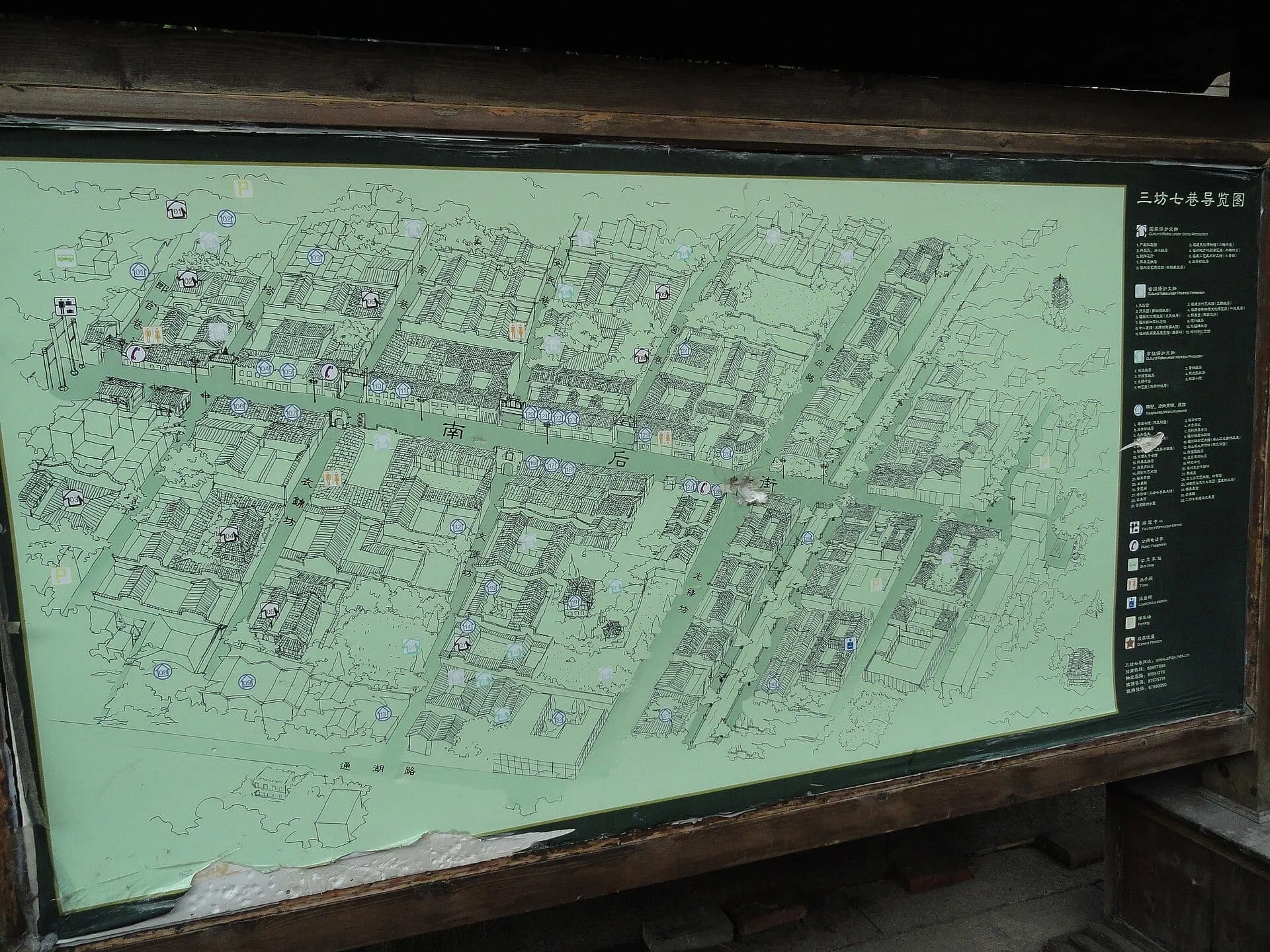
Three Lanes and Seven Alleys (三坊七巷)
A 1,000-year-old district of narrow lanes and Ming-Qing merchant houses in central Fuzhou. Birthplace of Lin Zexu, Yan Fu, and the 19th-century Fuzhou Navy. Now a pedestrian-only heritage zone with tea houses, lacquerware shops, and Fujian cuisine restaurants. Free entry to the alleys; some mansion museums ¥15-30.
Wikimedia Commons · CC-BY-SA
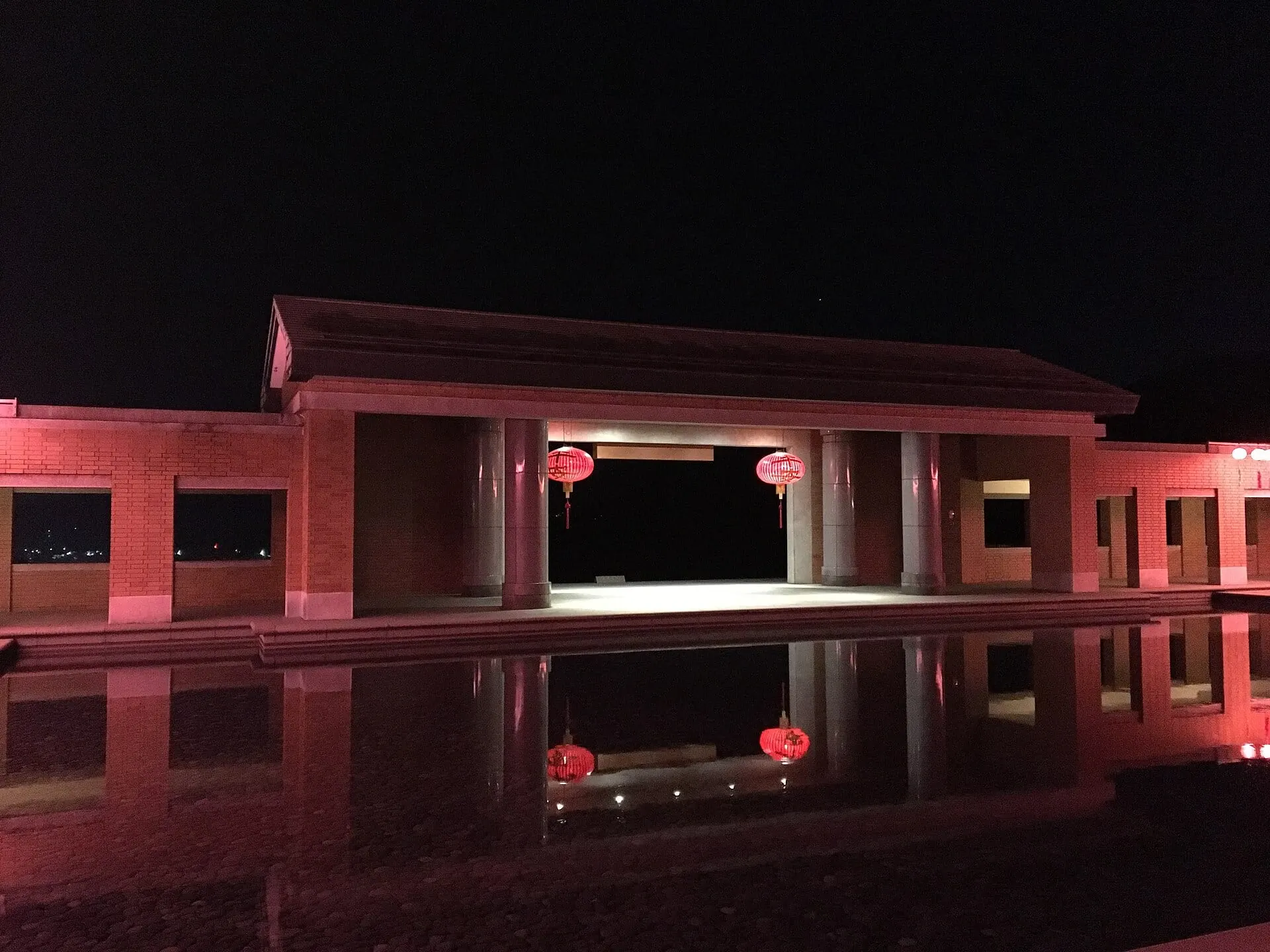
Drum Mountain (鼓山)
A 1,000-m peak on the eastern edge of Fuzhou, with the 1,000-year-old Yongquan Temple (涌泉寺), the oldest surviving wooden monastery in coastal China. Hiking, calligraphy stones, and panoramic views. ¥10 entry to the temple; cable car ¥30 one way.
Wikimedia Commons · CC-BY-SA
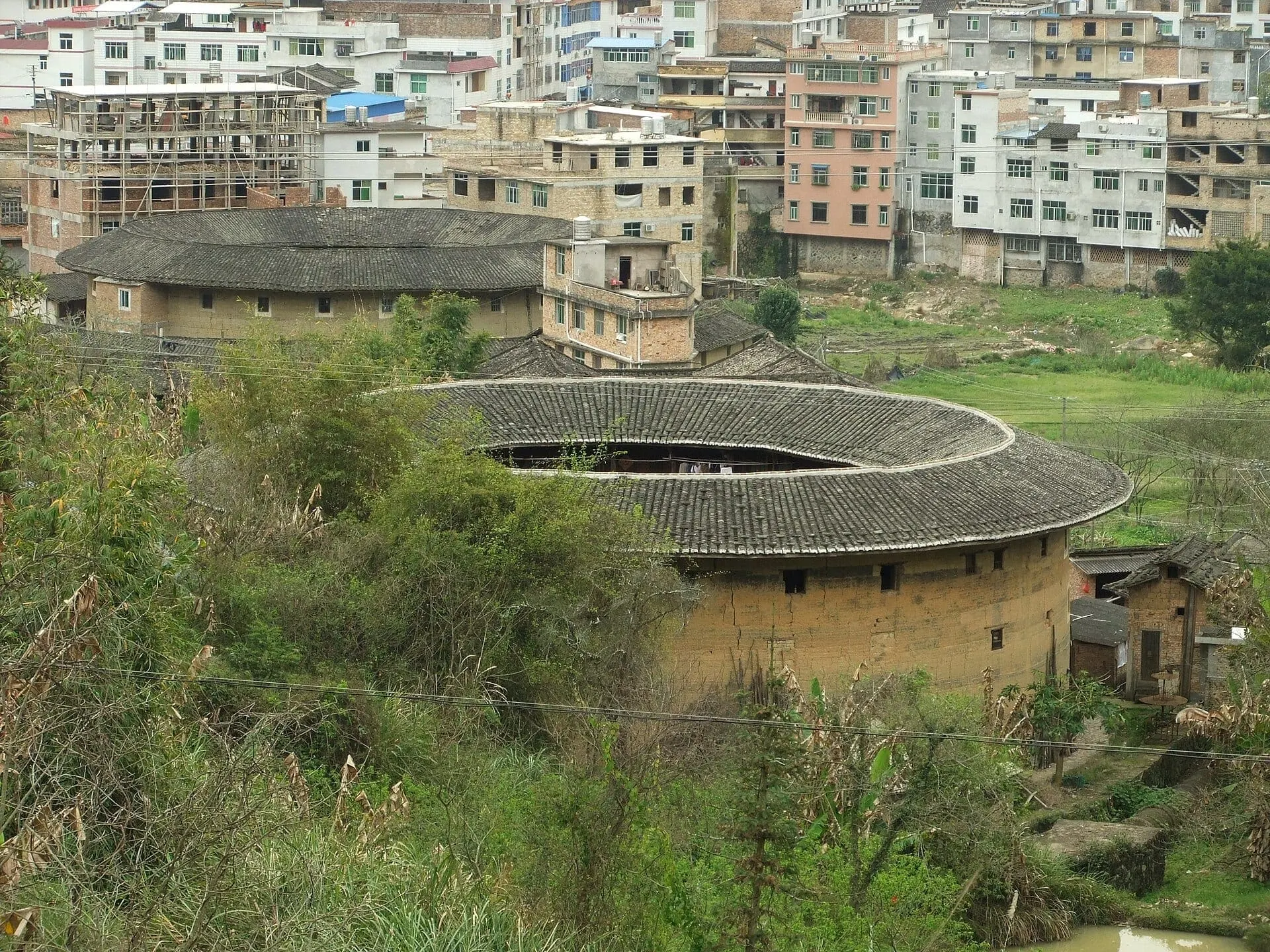
Fujian Tulou — Yongding Cluster (永定土楼)
Massive rammed-earth communal buildings of the Hakka people, some 600+ years old, the largest with up to 400 rooms. UNESCO World Heritage site. 250 km southwest of Fuzhou. ¥50-90 per tulou.
Wikimedia Commons · CC-BY-SA
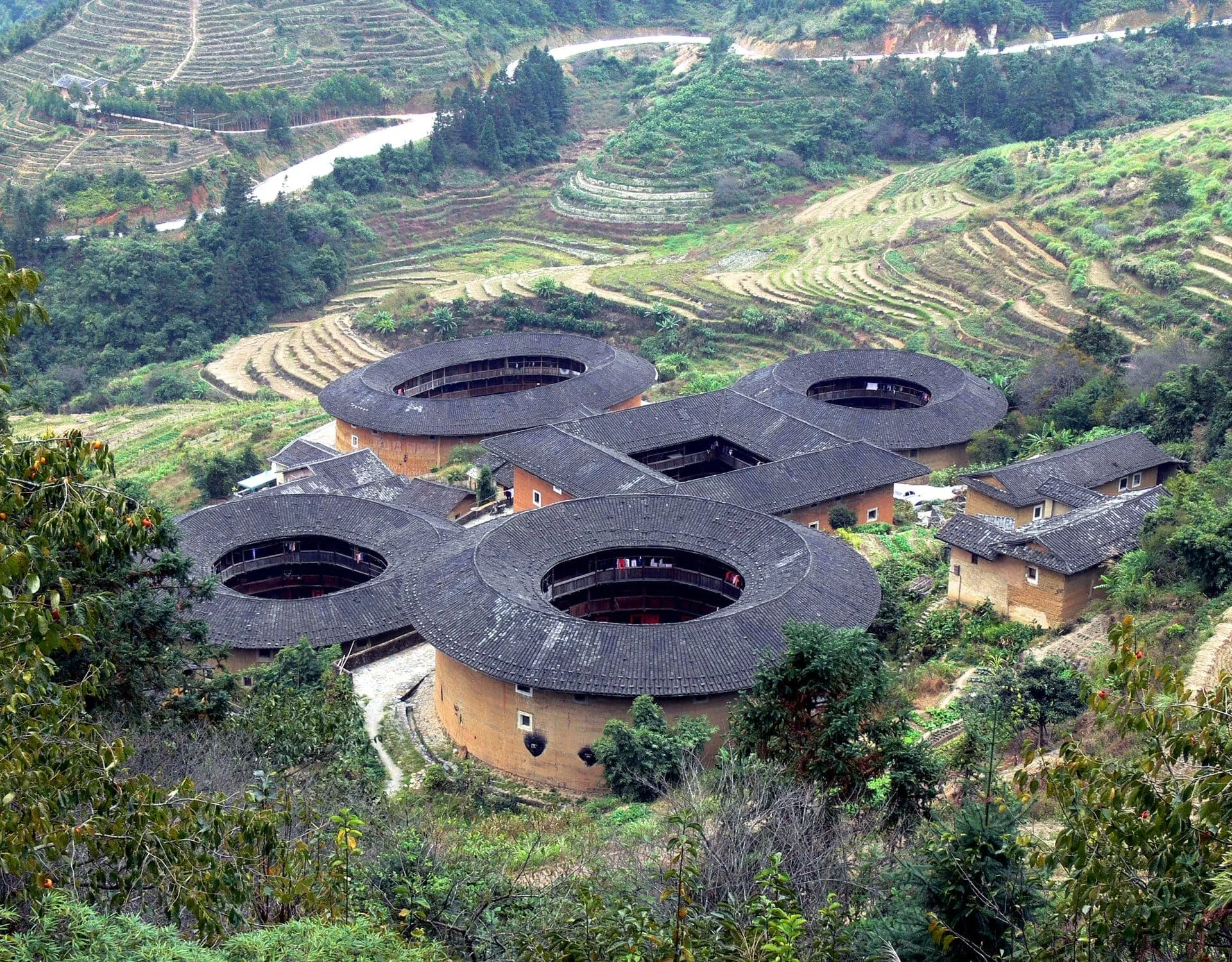
Fujian Tulou — Nanjing Cluster (南靖土楼)
Tianluokeng ("four dishes and one soup") tulou cluster, the most photographed arrangement of tulou in Fujian. 200 km southwest of Fuzhou, slightly closer than Yongding. ¥90 entry.
Wikimedia Commons · CC-BY-SA
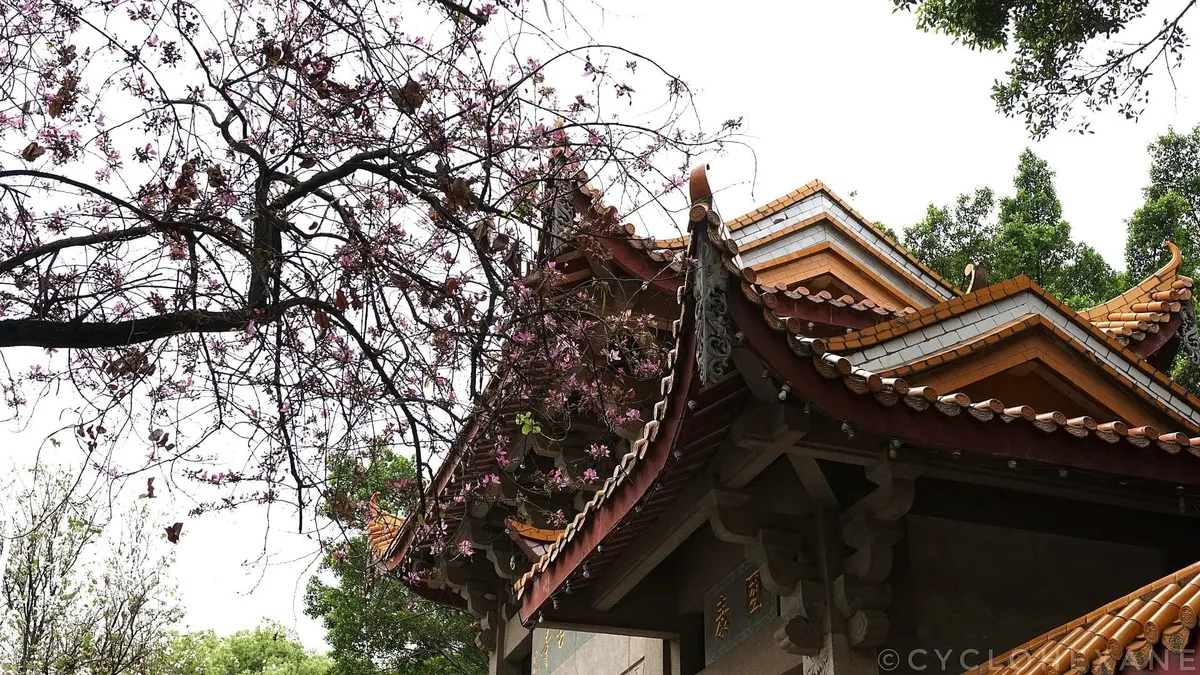
Xichan Temple (西禅寺)
A 1,000-year-old Buddhist temple in western Fuzhou, with a 60-m porcelain pagoda built in 1990 using over 100,000 porcelain pieces. ¥20 entry. Beautiful plum blossoms in February.
Wikimedia Commons · CC-BY-SA
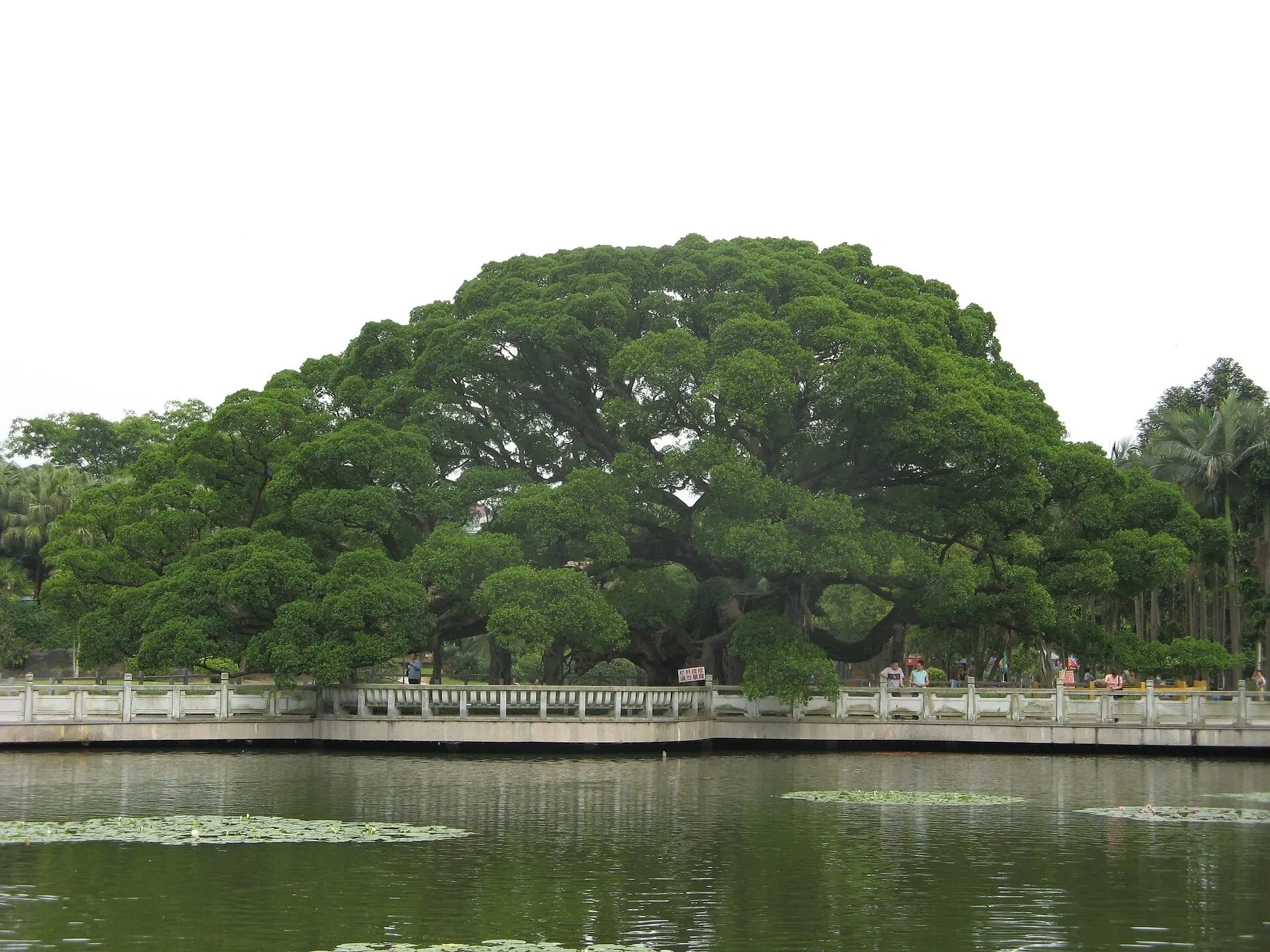
Fuzhou National Forest Park / Gushan (鼓山)
The 3,000-hectare Gushan (Drum Mountain) forest park surrounds the Drum Mountain temple complex, with hiking trails, tea terraces, and the famous Fuzhou jasmine tea gardens. Free to walk; some sections ¥5-10.
Wikimedia Commons · CC-BY-SA
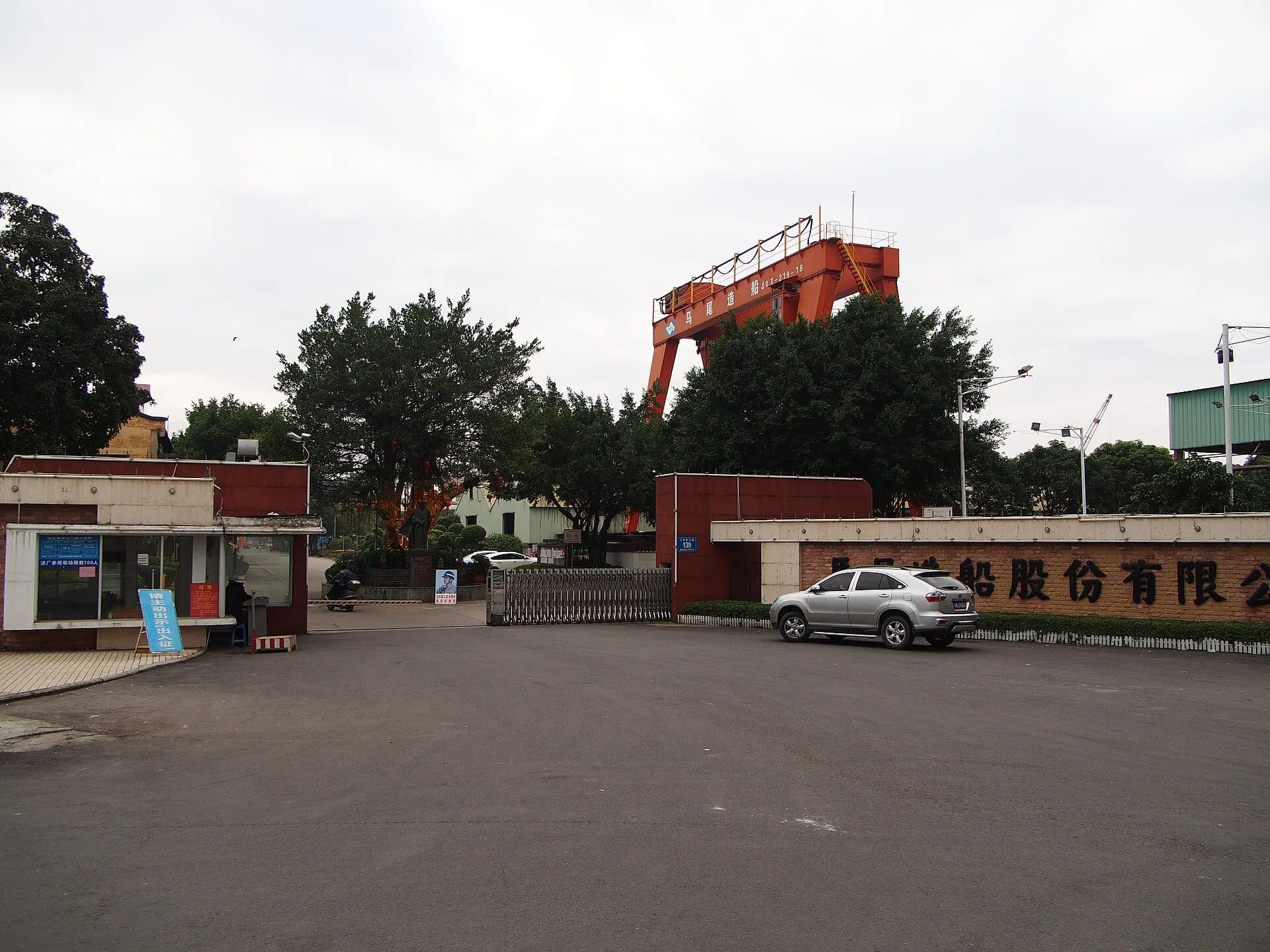
Mawei Shipbuilding Museum (船政文化博物馆)
On the site of the Fuzhou Navy Yard, founded in 1866 as one of China's first modern shipyards. The museum covers the late-Qing Self-Strengthening Movement, the Fuzhou-based naval academy, and the 1884 Sino-French War. ¥30 entry.
Wikimedia Commons · CC-BY-SA
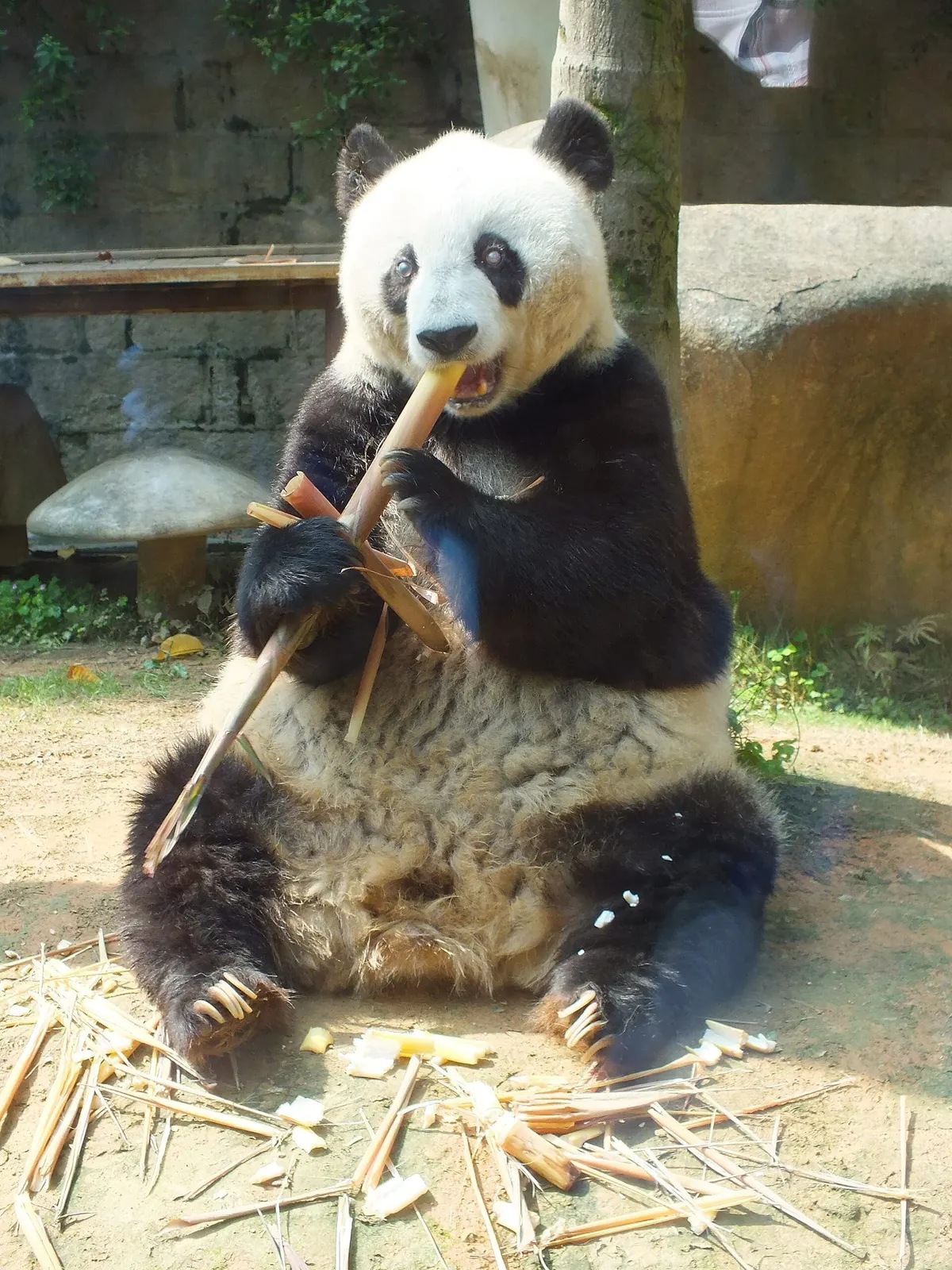
Fuzhou Panda World / Jinjishan Panda Center (福州熊猫世界)
A small but well-maintained panda research center in northern Fuzhou. ¥30 entry. Kids love it.
Wikimedia Commons · CC-BY-SA
STAY
Where to stay in Fuzhou
Pick a base that matches the trip you want — imperial-central for sightseeing, hutong belt for character, Chaoyang for nightlife, or Qianmen for budget.
Gulou (鼓楼)
Old city core with Three Lanes and Seven Alleys, Drum Mountain base, and international hotels
#gulouTaijiang (台江)
Riverfront food district with night markets, Zhongting Street, and Fuzhou speciality restaurants
#taijiangCangshan (仓山)
University district south of the Min River with Yantaishan colonial architecture and cafe scene
#cangshanYantaishan (烟台山)
Restored 19th-century foreign concession area with galleries, boutiques, and Min River views
#yantaishan
ITINERARIES
Sample itineraries from Fuzhou
Three ready-made routes, from a 1-day imperial sprint to a 5-day deep dive. Copy the day-by-day plan and adapt to your own pace.
- 1 DAY
Fuzhou City Highlights
A packed one-day tour of central Fuzhou covering the Three Lanes, Drum Mountain, and the night market.
- First-time visitors
- Short transit stops
- Business travellers with one free day
- Day 01
Morning
Three Lanes and Seven Alleys (3 hours) — walk the lanes, visit Lin Zexu Memorial Museum and Yan Fu Former Residence, stop for jasmine tea.
Afternoon
Drum Mountain (鼓山) — cable car to Yongquan Temple, hike to calligraphy stones, panoramic city views. Lunch at the temple vegetarian canteen.
Evening
Daming Road Night Market (达明路美食街) for fish balls, oyster pancakes, and meat swallows. End with a tea house in the Three Lanes.
- 2 DAYS
Fuzhou + Mawei Maritime
Add a half-day at the Mawei Shipbuilding Museum and Guling hill station for maritime history and cooler air.
- History buffs
- Weekend breaks
- Travellers interested in 19th-century China
- Day 01
Morning
Three Lanes and Seven Alleys — morning walk, mansion museums, jasmine tea tasting.
Afternoon
Drum Mountain hike or cable car to Yongquan Temple.
Evening
Dinner at Daming Road Night Market, Min River night cruise.
- Day 02
Morning
Mawei Shipbuilding Museum (船政文化博物馆) — 2-3 hours covering the 1866 Navy Yard and 1884 Sino-French War. Walk up Luoxing Pagoda for river views.
Afternoon
Guling (鼓岭) hill station — 19th-century European villas at 800 m elevation, pine-forest hike. Return by 5 PM.
Evening
Dinner in Yantaishan area — restored colonial buildings, cafe-bars, and Fujian-Western fusion restaurants.
- 3 DAYS
Fuzhou + Tianluokeng Tulou Overnight
The full Fuzhou experience with an overnight stay in a Hakka tulou village — the most atmospheric way to see the earthen buildings.
- Cultural travellers
- Photographers
- Architecture enthusiasts
- Day 01
Morning
Three Lanes and Seven Alleys (3 hours) — all three lanes, Lin Zexu Memorial Museum, Yan Fu Former Residence.
Afternoon
Drum Mountain cable car and Yongquan Temple hike. Lunch at temple canteen.
Evening
Daming Road Night Market, tea house, Min River evening walk.
- Day 02
Morning
7:30 AM HSR from Fuzhou Station to Nanjing (Fujian) station (1.5 hours, ¥100). Hire car at station (¥400-500). Visit Tianluokeng "four dishes and one soup" tulou cluster (¥90).
Afternoon
Taxia tulou village (¥50), Yunshuiyao ancient path with 200-year-old banyan trees. Lunch at Taxia — try local duck soup.
Evening
Check into tulou guesthouse (¥300-800). Hakka home-cooked dinner. Walk the village after dark — earthen walls lit by lanterns, mist over rice paddies.
- Day 03
Morning
Sunrise over the tulou — the best light of the trip. Breakfast at the guesthouse. Visit 1-2 more remote tulou (Hekeng or Meilin) if time allows.
Afternoon
Return to Nanjing station, HSR back to Fuzhou (arrive by 3 PM). Afternoon: Xichan Temple (西禅寺) or Fuzhou Panda World.
Evening
Final dinner at An Tai Lou (安泰楼) for a classic Fujian banquet — try Buddha Jumps the Wall single-person portion. Pick up jasmine tea as a souvenir.
BUDGET
What a Fuzhou trip costs
Per-person, per-day costs across three spending tiers. Excludes international flights and visa fees.
| Line item | Backpacker | Mid-range | Luxury |
|---|---|---|---|
| Hostel bed (per night) | $10 | $30 | $80 |
| Mid-range hotel / 5-star (per night) | $25 | $60 | $150 |
| Local meal (per person) | $3 | $8 | $25 |
| Fancy dinner (per person) | $10 | $25 | $80 |
| Metro / bus ride | $0.5 | $1 | $5 |
| DiDi across town | $3 | $5 | $10 |
| Attraction entries (per site) | $4 | $8 | $15 |
| Drum Mountain cable car (return) | $8 | $8 | $10 |
| Tulou day trip (HSR + car + entry) | $50 | $80 | $180 |
| Jasmine tea tasting | $5 | $15 | $40 |
| Daily total (excluding accommodation) | $30 | $60 | $150 |
| Total per day | $148.5 | $300 | $745 |
$ USD per person per day, before international flights and visas. Last verified: Q3 2026.
STAY SAFE
Emergency contacts in Fuzhou
Save these three numbers before you board the plane. China uses different hotlines than most countries — there's no 911.
- POLICE
110
- AMBULANCE
120
- FIRE
119
- TOURIST HOTLINE
12301
- ENGLISH-SPEAKING ER
Fujian Provincial Hospital (福建省立医院) — 134 Dongjie, Gulou District, +86 591 8755 7768
Problems travelers hit in Fuzhou
- Why is my Alipay not working?You linked a foreign Visa or Mastercard to Alipay but every transaction is rejected at the merchant.
- My China visa was denied — what now?Your L visa application was refused at the Chinese consulate and your trip is in 2–4 weeks.
- My passport was lost or stolen in China — what do I do?Your passport is gone (theft or loss) and you're in mainland China without travel documents.
- Why can't I book on 12306 with my foreign card?You tried to book a high-speed rail ticket on 12306.cn and your foreign Visa/Mastercard is rejected at checkout.
- Why is my VPN not working in China?You arrived in China, opened your VPN, and it will not connect at all or connects but no traffic loads.
- Why can't I book a Tibet trip on my own?You try to book Lhasa flights and hotels yourself but the booking fails, or you're turned away at the Lhasa airport without a permit.
Book activities in Fuzhou
These are licensed tour operators and booking platforms we've vetted independently. Booking through these links may earn us a commission — see our affiliate disclosure. This never affects our editorial recommendations or the price you pay.
Frequently asked questions
How many days do I need in Fuzhou?
Is Fuzhou safe for tourists?
Do I need a Chinese visa to visit Fujian?
What is the best time of year to visit Fuzhou?
What are the Fujian tulou and which cluster is best?
How do I get to the Yongding tulou from Fuzhou?
Show all 20 FAQs
Is Fuzhou a good destination for families with children?
What is the difference between Fuzhou and Xiamen?
What is 佛跳墙 (Buddha Jumps the Wall)?
How can I pay in Fuzhou without Alipay or WeChat Pay?
What is the Fuzhou dialect and can I get by with Mandarin?
What should I pack for Fuzhou in summer vs winter?
Are the tulou still inhabited or are they just museums?
What is the best 7-day Fujian itinerary?
When is the best time to visit Fuzhou?
How do I get from Fuzhou Changle Airport to the city?
What is the best Fuzhou food I should try?
Can I do a day trip to the Hakka tulou from Fuzhou?
Is Fuzhou a good destination for families?
How do I pay in Fuzhou without a Chinese bank account?
References

Related guides & destinations
Guide
How We Research 2026: NihaoVisit’s Methodology for China Travel Information
How NihaoVisit sources, verifies, and maintains 700+ pages of China travel information — our source hierarchy, fact-checking process, update
Guide
Fact-Checking Log 2026: Verified China Travel Information — NihaoVisit
A public log of fact-checking verification passes on NihaoVisit, showing what was verified, when, and against which sources — covering visa
Guide
Best Time to Visit China 2026: Month-by-Month Weather, Crowds, and Prices
The best time to visit most of China is April–May and September–October. Winter (Dec–Feb) is cold but cheap; summer (Jun–Aug) is hot and cro
Guide
VPN for China 2026: Which VPNs Work, eSIM Alternatives, and the Complete Pre-Trip Checklist
Most Western apps and websites are blocked in mainland China. A reliable VPN is essential for Google, Gmail, WhatsApp, Instagram, and most n
Guide
China SIM Card and eSIM Guide 2026: Stay Connected Without WeChat
A Chinese SIM or eSIM lets you use mobile data, maps, and ride-hailing without WiFi. Here is how to get one, the cost, and which provider to
Guide
Solo Female Travel in China 2026: Safety, Tips, and Real Experiences
China is one of the safer destinations for solo female travelers. Petty theft is rare, violent crime against tourists is extremely uncommon,