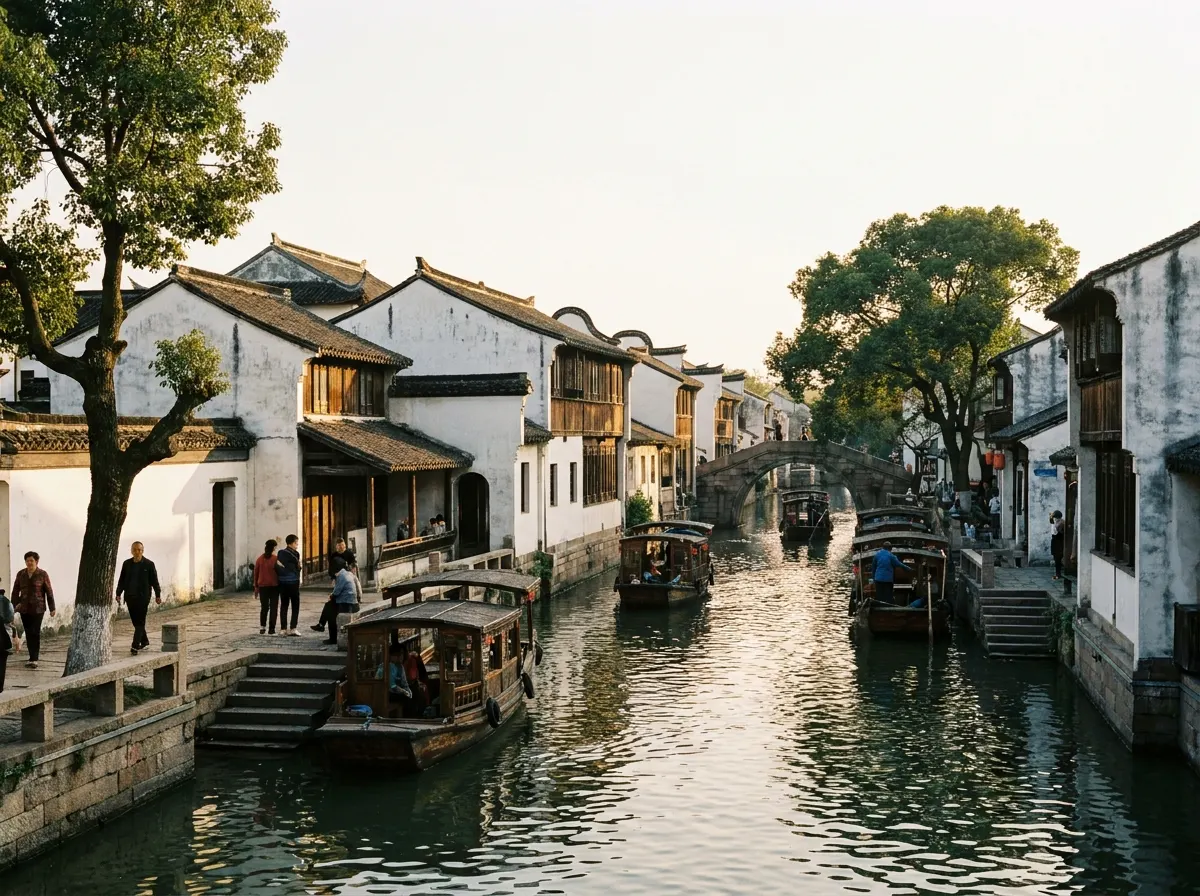
Shaoxing
Shaoxing (绍兴, Shàoxīng) is a mid-sized city in northern Zhejiang province, about 1.5 hours south of Hangzhou by high-speed rail, and one of China's oldest continuously inhabited cities — its name appears in historical records from the 5th century BCE. It is a classic Jiangnan (江南, Jiāngnán — "south of the Yangtze") water town: a network of canals, stone arch bridges, whitewashed buildings with black-tiled roofs, and narrow flagstone lanes. But unlike the famous water towns near Shanghai (Zhouzhuang, Wuzhen, Xitang), Shaoxing is not primarily a tourist set — it is a working city of 5 million people where the canals are part of daily life, not a backdrop for selfies. Three things define Shaoxing: wine, literature, and water. It is the birthplace of Shaoxing wine (绍兴酒, Shàoxīng jiǔ), China's most famous huangjiu (黄酒, yellow rice wine), produced here for over 2,000 years and exported worldwide. It is the hometown of Lu Xun (鲁迅, Lǔ Xùn, 1881-1936), modern China's most important writer, whose childhood home and school are preserved as a sprawling scenic zone. And it is a city of water — more than 10,000 stone bridges (yes, ten thousand) cross its canals, earning it the nickname "City of Bridges" (桥乡, Qiáo Xiāng). Shaoxing deserves 2 days for the city and can serve as a base for day trips into the Zhejiang countryside. Budget roughly ¥95-260 per day for mid-range comfort. The honest downside: Shaoxing's attractions are scattered and the city lacks the compact, postcard-perfect ancient core of a Wuzhen or Zhouzhuang. The reward is a genuine Jiangnan city that has not been turned into a theme park.
Why Shaoxing in 2026.
A canal-laced water town in Zhejiang, home of Shaoxing yellow wine, Lu Xun's childhood, and the elegant, scholarly culture of the Jiangnan region — quieter and more authentic than its famous neighbors.
Quick Answer
Shaoxing (绍兴, Shàoxīng) is a mid-sized city in northern Zhejiang province, about 1.5 hours south of Hangzhou by high-speed rail, and one of China's oldest continuously inhabited cities — its name appears in historical records from the 5th century BCE. It is a classic Jiangnan (江南, Jiāngnán — "south of the Yangtze") water town: a network of canals, stone arch bridges, whitewashed buildings with black-tiled roofs, and narrow flagstone lanes. But unlike the famous water towns near Shanghai (Zhouzhuang, Wuzhen, Xitang), Shaoxing is not primarily a tourist set — it is a working city of 5 million people where the canals are part of daily life, not a backdrop for selfies. Three things define Shaoxing: wine, literature, and water. It is the birthplace of Shaoxing wine (绍兴酒, Shàoxīng jiǔ), China's most famous huangjiu (黄酒, yellow rice wine), produced here for over 2,000 years and exported worldwide. It is the hometown of Lu Xun (鲁迅, Lǔ Xùn, 1881-1936), modern China's most important writer, whose childhood home and school are preserved as a sprawling scenic zone. And it is a city of water — more than 10,000 stone bridges (yes, ten thousand) cross its canals, earning it the nickname "City of Bridges" (桥乡, Qiáo Xiāng). Shaoxing deserves 2 days for the city and can serve as a base for day trips into the Zhejiang countryside. Budget roughly ¥95-260 per day for mid-range comfort. The honest downside: Shaoxing's attractions are scattered and the city lacks the compact, postcard-perfect ancient core of a Wuzhen or Zhouzhuang. The reward is a genuine Jiangnan city that has not been turned into a theme park.
| Worth visiting | Yes — Shaoxing offers a more authentic Jiangnan water-town experience than the famous tourist water towns, with the added depth of Lu Xun's literary legacy and the world's best huangjiu. |
|---|---|
| Recommended days | 2 days |
| Best time to visit | March-May and September-November. Spring brings green willows along the canals and moderate temperatures. Autumn is dry and crisp. Avoid July-August (hot and humid) and Chinese public holidays. |
| Daily budget | $30 (backpacker) / $95 (mid-range) / $260+ (luxury) |
| Family friendly | Yes — the Lu Xun scenic zone, canal walks, and wine culture are engaging for all ages. The city is flat, walkable, and safe. |
| Solo friendly | Yes — excellent for solo exploration. The literary and culinary attractions work perfectly for solo travelers. |
| Airport | Hangzhou Xiaoshan International Airport (HGH) — 40 km west of Shaoxing, about 1 hour by taxi (¥150-200) or 30 minutes by HSR from Hangzhou East to Shaoxing North. |
| High-speed rail | Yes — Shaoxing North station (绍兴北站) serves Hangzhou (20 min), Shanghai (1.5h), Ningbo (40 min), Nanjing (2h). Shaoxing Station (绍兴站, conventional rail) is in the city center. |
| Language | Mandarin with Wu dialect (吴语, locally called Shaoxinghua). English is rare outside major hotels and the Lu Xun scenic zone. |
| Currency | CNY (¥) — Alipay and WeChat Pay widely accepted. Cash useful for canal-side food stalls and small wine shops. |
| Time zone | China Standard Time (UTC+8) |
| Last updated | 2026-06-18 |
Want a Shaoxing plan built for you?
Jump to:
Lu Xun Native Place·Shen Garden·Bridges & Canals·Shaoxing Wine·East Lake·Food·Where to Stay·Itineraries·Weather·Tips·Emergency Contacts·Orchid Pavilion & Calligraphy·Canals & Bridges of Cangqiao·Yellow Rice Wine Museum·Literary Figures·FAQ
Why visit Shaoxing? Is it worth going instead of Wuzhen or Zhouzhuang?
Shaoxing is a Jiangnan water town that has not been turned into a theme park. The famous water towns near Shanghai — Wuzhen (乌镇), Zhouzhuang (周庄), Xitang (西塘) — are beautiful but heavily commercialized, with entry fees, staged performances, and streets designed for tourist consumption rather than local life. Shaoxing is different: it is a real city of 5 million people where the canals happen to be the historic core, not a museum. The Bazi Bridge neighborhood has no ticket office, no souvenir stalls, no costume-rental shops — just narrow lanes, whitewashed houses, and residents living their lives along the water. Three reasons to choose Shaoxing: First, the literary heritage. Lu Xun is modern China's most important writer — his stories defined how a generation of Chinese people thought about their country — and walking through his childhood home, the Baicao Garden he described so vividly, and the Sanwei Study where he studied as a boy is a genuinely moving literary pilgrimage. Second, Shaoxing wine (绍兴酒, Shàoxīng jiǔ). This is the world capital of huangjiu (yellow rice wine), China's traditional fermented rice wine — a complex, savory, umami-rich drink that is to Chinese cuisine what sake is to Japanese or wine is to French. You can tour working wineries, taste vintages, and drink huangjiu in the canalside restaurants where it has been served for centuries. Third, the city is a living museum of Jiangnan architecture: more than 10,000 stone bridges, whitewashed houses with swooping black-tile roofs, willow-lined canals, and flagstone lanes that have not been sanitized for tourists. The honest downside: Shaoxing's attractions are scattered across the city — Lu Xun's home in the center, East Lake to the east, Orchid Pavilion to the southwest, Anchang to the northwest — and the city's modern areas (concrete apartments, wide roads, shopping malls) sit awkwardly beside the historic canals. You need to seek out the beautiful parts; they do not present themselves in a single compact district like Wuzhen's scenic core. If you want a one-stop, postcard-perfect water town experience, Wuzhen is easier. If you want a real Jiangnan city with literary depth, wine culture, and living canals, Shaoxing is better.
Who was Lu Xun and why is Shaoxing his city?
Lu Xun (鲁迅, Lǔ Xùn, 1881-1936) is the most important writer in modern Chinese literature. Born Zhou Shuren (周树人, Zhōu Shùrén) in a declining scholar-official family in Shaoxing, he studied at the Sanwei Study, left for Japan to study medicine, and then — in a famous moment of revelation — abandoned medicine for literature after seeing a slide show of Chinese spectators watching a compatriot's execution during the Russo-Japanese War. He decided that China's problem was not physical illness but spiritual and intellectual numbness, and that literature was the cure. His stories — "A Madman's Diary" (狂人日记, Kuángrén Rìjì, 1918), "The True Story of Ah Q" (阿Q正传, Ā Q Zhèngzhuàn, 1921), "My Old Home" (故乡, Gùxiāng, 1921), and many others — are set in Shaoxing and its surrounding villages. They depict a society trapped by tradition, hypocrisy, and self-deception, written in a precise, unsparing vernacular Chinese that revolutionized the language. Every Chinese student reads Lu Xun; his phrases have entered the national vocabulary; his face (severe, mustachioed, intense) is among the most recognizable in China. Shaoxing preserves Lu Xun's world. The Lu Xun Native Place scenic zone includes his family home (a large, multi-courtyard Qing-dynasty compound — the Zhous were wealthy before they declined), the Baicao Garden (百草园, Hundred-Plant Garden) where he played as a child and described in loving detail in his essay "From Baicao Garden to Sanwei Study" (从百草园到三味书屋), and the Sanwei Study (三味书屋), the private school where he studied the Confucian classics under the strict teacher Mr. Shou. The study room is preserved exactly as Lu Xun described it — small desks, inkstones, calligraphy brushes, and a sense of the rigid classical education he both mastered and rebelled against. The Lu Xun Memorial Hall (鲁迅纪念馆, Lǔ Xùn Jìniànguǎn) inside the complex is an excellent museum with English signage covering his life, works, and legacy. The experience of walking through Lu Xun's childhood spaces while his words echo in your memory is one of the most powerful literary tourism experiences in China. Even if you have not read Lu Xun, the complex is a beautifully preserved slice of late-Qing Jiangnan life.
What is Shaoxing wine and why is it China's most famous huangjiu?
Shaoxing wine (绍兴酒, Shàoxīng jiǔ) is the most celebrated variety of huangjiu (黄酒, yellow rice wine), a traditional Chinese fermented rice wine with a history stretching back over 2,000 years. It is made from glutinous rice, wheat, and water from the Jianhu Lake (鉴湖, Jiàn Hú) — the lake's mineral-rich water is considered essential to the wine's character — fermented with a unique combination of mold cultures (麦曲, mài qū — wheat koji) and yeast. The wine is aged in clay jars for years or decades, developing a deep amber color, a complex aroma of nuts, caramel, and dried fruit, and a savory umami depth that is unlike any Western wine or sake. Shaoxing wine is categorized by sugar content: yuanhong (元红, dry, the traditional style), jiafan (加饭, semi-dry, the most common and versatile — this is what "Shaoxing wine" usually means), shanniang (善酿, semi-sweet), and xiangxue (香雪, sweet, dessert-style). The alcohol content is typically 14-18%. In Chinese cooking, Shaoxing wine is the essential cooking wine — it appears in more Chinese recipes than any other ingredient except soy sauce and ginger. But the best Shaoxing wines are drinking wines, served warm (heated to about 38-45°C in a small pewter or ceramic pot) and sipped from tiny cups alongside food. Where to experience Shaoxing wine: Guyue Longshan Winery (古越龙山酒厂). The largest and most famous Shaoxing wine producer, with a visitor center offering tours of the production facilities, the aging cellars (stacks of clay jars, some decades old), and a tasting room. ¥50 for the tour and tasting. The shop sells the full range, from ¥30 cooking wine to ¥3,000+ vintage jiafan. Nu'er Hong (女儿红, Dìnǚ'ér Hóng — "Daughter's Red"). A legendary Shaoxing wine tradition: when a daughter was born, a family would bury jars of huangjiu in the ground, to be dug up and served at her wedding 18-25 years later. Daughter's Red is now a brand specializing in aged jiafan, and their visitor center tells this story alongside tastings. ¥40 for a tasting flight of three ages (5-year, 10-year, 15-year). Canal-side wine shops. The streets around the Lu Xun Native Place and along the canals near Bazi Bridge have small, family-run wine shops where you can sit at a wooden table by the water and drink huangjiu by the pot (¥20-50 per pot) with simple snacks — boiled peanuts, marinated tofu, smoked fish. These are not tourist traps; they are where locals drink. The wine is served warm in a pewter pot with tiny ceramic cups. The atmosphere — a stone bridge overhead, willows trailing in the canal, the afternoon light on whitewashed walls — is pure Jiangnan. A practical note: huangjiu is deceptively smooth. It drinks easily, especially warm, and the alcohol (14-18%) is higher than most beer. Pace yourself. Locals drink it in small cups over a long meal, not in shots.
How to get to Shaoxing: flights, high-speed rail, and connections from Hangzhou?
Shaoxing is 60 km southeast of Hangzhou, and most visitors arrive via Hangzhou. By air: Hangzhou Xiaoshan International Airport (HGH) is the nearest major airport, about 40 km west of Shaoxing. Direct international flights serve most Asian capitals and some European cities. From HGH to Shaoxing: take the airport shuttle bus to Hangzhou East Railway Station (¥20, 40 minutes), then HSR to Shaoxing North (20 minutes, ¥25-35). Alternatively, a taxi directly from HGH to Shaoxing city center takes about 1 hour (¥150-200). By high-speed rail: Shaoxing North station (绍兴北站, Shàoxīng Běi Zhàn) is the HSR station, about 12 km north of the city center. Direct G- and D-class trains serve Hangzhou East (20 minutes, ¥25-35 — this is effectively a commuter route with trains every 10-15 minutes), Shanghai Hongqiao (1.5 hours, ¥95-140), Ningbo (40 minutes, ¥45-65), Nanjing South (2 hours, ¥130-180), and Beijing South (5.5 hours, ¥500-600). From Shaoxing North to the city center: taxi (¥35-45, 25 minutes) or bus BRT1 (¥4, 40 minutes to the Lu Xun Native Place). Shaoxing Station (绍兴站) is the older conventional-rail station, conveniently located in the city center near the Lu Xun Native Place. It serves slower K- and T-class trains, including overnight sleepers from Beijing (14 hours). For most travelers, Shaoxing North HSR is the better option. Getting around Shaoxing: The city has a single metro line (Line 1, opened 2022) connecting Shaoxing to Hangzhou's metro network — you can take Hangzhou Metro Line 5 to Guniangqiao station, transfer to Shaoxing Line 1, and reach the city center (Lu Xun Native Place station). This is a slow but scenic option (about 2 hours from central Hangzhou, ¥10-15). Within Shaoxing, DiDi is the most practical option (¥10-25 within the city), metered taxis are common (flagfall ¥8), and buses (¥2) cover all major routes but are Chinese-only. The historic center — Lu Xun Native Place, Shen Garden, Bazi Bridge — is walkable as a cluster. East Lake, Orchid Pavilion, and Anchang require DiDi or bus.
Where to stay in Shaoxing: canal-side guesthouses, city-center hotels, or the historic quarter?
The area around the Lu Xun Native Place (鲁迅故里) is the best base for first-time visitors. It is the most walkable part of the city, with the Lu Xun complex, Shen Garden, and the Bazi Bridge neighborhood all within 15-20 minutes on foot. Mid-range hotels cluster here — Atour (亚朵, ¥300-450), Ji Hotel (全季, ¥250-350), and Jinjiang Inn (锦江之星, ¥180-280). Several small guesthouses in restored Qing-dynasty buildings offer canal-view rooms (¥250-500) — the Xianheng Hotel (咸亨酒店), named after the wine shop in Lu Xun's stories, is the most atmospheric, with traditional architecture and a courtyard garden, from ¥500. The Bazi Bridge neighborhood and surrounding canal-side lanes have a few small guesthouses in converted traditional homes. These are the most atmospheric option — waking up to the sound of a boatman poling down the canal, looking out your window at a stone bridge that has stood since the Song dynasty — but they are small (3-8 rooms), often family-run, and may not be listed on international booking platforms. Book through Trip.com or Ctrip with the "accepts foreign guests" filter. Rooms are ¥180-350. For convenience: The area around Shaoxing Station (the old city-center station) has a cluster of budget and business hotels (¥150-350) with good transport links. The new city center around Shimao Plaza (世茂广场) has the most modern hotels, including an international-brand Pullman (¥500-800), with shopping malls and chain restaurants — comfortable but lacking character. For backpackers: Shaoxing has a few youth hostels near the Lu Xun Native Place with dorm beds at ¥50-70. The Shaoxing Old Town Youth Hostel (绍兴老城青年旅舍) is the most established, in a converted traditional building with a canal-side location. A practical note: as of June 2026, all hotels in Shaoxing must register foreign guests with the Public Security Bureau. Most mid-range and above hotels can do this without issues. Budget guesthouses in the canal-side lanes sometimes struggle — confirm when booking.
What to eat in Shaoxing: stinky tofu, huangjiu cuisine, and Jiangnan flavors?
Shaoxing's food is Jiangnan cuisine (江南菜, Jiāngnán cài) — the refined, subtly flavored cooking of the Yangtze Delta, emphasizing fresh river fish, seasonal vegetables, and the region's famous condiments (Shaoxing wine, Zhejiang vinegar, soy sauce). The flavors are delicate compared to Sichuan or Hunan — sweet, savory, and umami-forward, with an emphasis on the natural taste of the ingredients. The dishes you must try: Shaoxing stinky tofu (绍兴臭豆腐, Shàoxīng chòu dòufu). Different from the Changsha version — Shaoxing stinky tofu is fried golden (not black), with a crisp exterior and a soft, custardy interior, served with a sweet-savory chili sauce and pickled cabbage. The aroma is strong but not overwhelming, and the flavor is mild and creamy. ¥10-15 per serving. The best stalls are on Lu Xun Middle Road (鲁迅中路) near the Lu Xun Native Place — look for long queues. Drunken chicken (醉鸡, zuì jī). Poached chicken marinated in Shaoxing wine, ginger, and salt, served cold. The wine permeates the meat, giving it a delicate, aromatic, slightly sweet flavor. The chicken is silky-tender and the dish is refreshing in warm weather. ¥35-58. A Shaoxing classic. Braised pork with Shaoxing wine (绍兴酒焖肉, Shàoxīng jiǔ mèn ròu). Pork belly slow-braised in Shaoxing wine, soy sauce, and rock sugar until the fat is translucent and the meat collapses. Similar to Dongpo pork (东坡肉) but with a more pronounced wine flavor. ¥48-68. West Lake vinegar fish (西湖醋鱼, Xīhú cù yú). A Hangzhou classic that is equally at home in Shaoxing: a whole grass carp poached and served with a glossy, sweet-sour sauce made from Zhenjiang vinegar, sugar, and ginger. The sauce is ladled over the fish at the table. ¥68-108. An acquired taste — the sauce is much sweeter and milder than Western sweet-and-sour. Preserved vegetables with bamboo shoots (霉干菜烧笋, méigāncài shāo sǔn). Shaoxing is famous for méigāncài (霉干菜), a fermented, dried mustard green with a deep, savory, almost smoky flavor. Stir-fried with fresh bamboo shoots and a little pork, it is one of the most characteristic local dishes. ¥25-40. Drunken crab (醉蟹, zuì xiè). Raw freshwater crabs marinated in Shaoxing wine, ginger, and salt for several days. The wine "cooks" the crab chemically, and the result is intensely savory, briny, and wine-scented. An adventurous dish, even for Chinese diners — the texture is soft and gelatinous. ¥68-128 depending on season and crab size. Not for everyone, but a genuine Shaoxing specialty. Where to eat: The area around the Lu Xun Native Place has the densest concentration of restaurants, from historic institutions to street stalls. Xianheng Restaurant (咸亨酒店, Xiánhēng Jiǔdiàn) is the most famous — the wine shop from Lu Xun's stories, now a large restaurant serving classic Shaoxing dishes in a traditional courtyard setting. It is touristy and priced accordingly (¥80-150 per person), but the atmosphere and the literary connection justify a meal. For more local, less expensive food, the lanes off Jiefang Road (解放路) north of the Lu Xun complex have family-run restaurants where you will eat better for less (¥40-80 per person). The night market near the Bazi Bridge sells street food until late — stinky tofu, fried rice cakes, braised snacks, and warm huangjiu.
What are good 1-day, 2-day, and 3-day itineraries for Shaoxing?
One-day sprint: Start at the Lu Xun Native Place at 08:30 (free, 2-3 hours). Visit his family home, the Baicao Garden, the Sanwei Study, and the Lu Xun Memorial Hall — the museum's English signage makes this accessible even without prior knowledge. Mid-morning: walk 10 minutes south to Shen Garden (¥40, 1 hour). Read the Lu You-Tang Wan poems carved on the wall, walk through the rock gardens and pavilions. Lunch at Xianheng Restaurant — order drunken chicken, braised pork with Shaoxing wine, and a pot of warm jiafan. Afternoon: walk 15 minutes east to the Bazi Bridge (free). Cross the 800-year-old stone bridge, wander the canal-side lanes, photograph the whitewashed houses reflected in the water. Late afternoon: take a black-awning boat ride at East Lake (¥50 entry + ¥50 boat, 1.5 hours) — the sheer cliffs and narrow gorges are most beautiful in late-afternoon light. Dinner of stinky tofu and street snacks near the Lu Xun complex. End with warm huangjiu at a canal-side wine shop. Two-day plan (recommended): Day 1 as above but at a more relaxed pace. Add a visit to the Former Residence of Qiu Jin (¥10, 30 minutes) and a longer walk through the Bazi Bridge neighborhood — the lanes south of the bridge toward Tashan Park (塔山公园) are particularly atmospheric. Day 2: morning at the Guyue Longshan Winery for a tour and tasting (¥50, 1.5 hours), followed by the Nu'er Hong visitor center for a vertical huangjiu tasting (¥40, 1 hour). Lunch: drunken crab and preserved vegetables with bamboo shoots at a canal-side restaurant. Afternoon: half-day trip to Anchang Ancient Town (40 minutes by bus 118 or ¥40 taxi). Walk the 1.7 km canal, cross the stone bridges, browse the cured-meat shops, visit the small museums (¥50 pass). Return to Shaoxing by late afternoon. Dinner at a back-lane restaurant off Jiefang Road. Final warm huangjiu at a Bazi Bridge wine shop. Three-day plan: Days 1-2 as above. Day 3: morning trip to Orchid Pavilion (兰亭, Lántíng, ¥80, 14 km southwest, 40 minutes by DiDi). Walk through the bamboo groves, visit the goose pool, see the Lantingji Xu calligraphy stele, and try writing calligraphy with a brush and ink at the calligraphy museum (free with entry). Lunch at a countryside restaurant near Lanting — the mountain vegetables and free-range chicken are a contrast to the city food. Afternoon: return to Shaoxing for a free afternoon — revisit favorite spots, buy huangjiu to take home, walk the canals one more time. If you are interested in Buddhism, substitute Lanting with a trip to the Keyan Scenic Area (柯岩风景区, ¥100, a large park with a 1,300-year-old Buddha carved into a cliff) or the ancient Dayu Mausoleum (大禹陵, Dà Yǔ Líng, ¥50, the legendary tomb of Yu the Great, the founder of the Xia dynasty). The three-day plan lets you absorb Shaoxing's pace — slow, scholarly, wine-warmed — rather than rushing through sights.
What is the weather like in Shaoxing and when should I visit?
Shaoxing has a humid subtropical climate typical of the Yangtze Delta — mild winters, hot humid summers, and glorious springs and autumns. Spring (March-May): 10-26°C, the best season alongside autumn. March can be cool and rainy; April brings warm days, green willows along the canals, and blossoming magnolias and peach trees. May is warm and lush, with comfortable humidity. Spring rain (the "plum rain" — 梅雨, méiyǔ — typically arrives in late May or June) can be persistent but is usually a light drizzle that adds to the Jiangnan atmosphere rather than ruining it. Summer (June-September): 24-38°C, hot, humid, and long. July and August are punishing — daytime highs of 35-38°C with humidity above 80%. The canals provide some cooling, but walking the city in summer is draining. Plan indoor activities (museums, wineries, long lunches) in the midday heat. The advantage of summer: the lotus flowers bloom in the canals and ponds, and the evening canal-side wine shops are at their most atmospheric. Autumn (October-November): 12-25°C, the best season. October is the consensus best month — dry, crisp, clear skies, the osmanthus trees in Shen Garden blooming with their intoxicating fragrance. Mid-Autumn Festival (dates vary) is celebrated with moon-viewing, osmanthus cakes, and warm huangjiu. Avoid National Day (October 1-7) when domestic tourism spikes. Winter (December-February): 1-10°C, cold and damp. There is no central heating in many traditional buildings, and the damp cold penetrates. On the positive side: the canals steam in the cold morning air (beautiful for photography), the city is quiet, hotel prices drop, and warm huangjiu in a canal-side wine shop is at its most comforting. Snow is rare but possible — Shaoxing under a light dusting of snow, with white roofs and quiet canals, is extraordinarily beautiful.
What practical information do I need: language, money, internet, and getting around?
Language: English is rare in Shaoxing. The Lu Xun Memorial Hall has good English signage. Major hotels have some English-speaking staff. Outside these, expect zero English — restaurants have Chinese-only menus, taxi drivers do not speak English, and canal-side wine shop owners communicate in gestures. A translation app (Pleco, Baidu Translate) with offline Chinese is essential. Save your hotel address, dish names, and useful phrases in Chinese characters. Useful phrases: "yī bēi huángjiǔ" (一杯黄酒, one cup of yellow wine), "yī hú jiāfàn" (一壶加饭, one pot of jiafan wine), "wēn de" (温的, warm — to specify warm huangjiu), "chòu dòufu" (臭豆腐, stinky tofu), "zuì jī" (醉鸡, drunken chicken), "Lǔ Xùn Gùlǐ zài nǎlǐ?" (鲁迅故里在哪里? — Where is the Lu Xun Native Place?). Money: Alipay and WeChat Pay are widely accepted in the city center, hotels, larger restaurants, and the Lu Xun complex. Carry ¥200-400 in cash for canal-side wine shops, street food stalls, and small guesthouses. ATMs at ICBC and Bank of China branches on Jiefang Road accept foreign cards. Internet: Standard China restrictions apply — install and test a VPN before arriving. WiFi is standard in hotels and guesthouses. A Chinese SIM card (¥100-200 for 30 days) gives the most reliable connectivity. 4G coverage is good throughout the city. Getting around: DiDi is the most practical option for most visitors — rides within the city cost ¥10-25. Metered taxis (flagfall ¥8) are common. The historic center — Lu Xun Native Place, Shen Garden, Bazi Bridge — is walkable as a cluster (15-20 minutes between sites). Shaoxing Metro Line 1 connects to Hangzhou's metro network but serves limited areas within Shaoxing itself. For East Lake (6 km east), Orchid Pavilion (14 km southwest), and Anchang (12 km northwest), DiDi or bus is required.
What tips, warnings, and things should I avoid in Shaoxing?
1. HUANGJIU IS STRONGER THAN IT TASTES. Warm jiafan wine is smooth, slightly sweet, and dangerously easy to drink. At 14-18% alcohol, three pots equal a bottle of wine. Pace yourself — locals sip one pot over a long meal, not multiple pots in an hour. 2. THE LU XUN NATIVE PLACE GETS CROWDED. The complex is free, which means Chinese tour groups descend in waves from about 09:30. Arrive at opening (08:30) for the quietest experience. The museum is indoor and air-conditioned; save it for the midday heat. 3. THE XIANHENG RESTAURANT IS A TOURIST INSTITUTION. Xianheng (咸亨酒店) is the wine shop from Lu Xun's stories and a genuine piece of literary history, but the restaurant today is a large, expensive tourist operation. Eat there once for the atmosphere and the connection, then eat elsewhere for better food at lower prices. The family-run restaurants on the lanes off Jiefang Road are better. 4. THE BAD BRIDGES ARE MORE INTERESTING THAN THE GOOD ONES. Bazi Bridge (八字桥) is the most famous, but Shaoxing has 10,000+ bridges, and the unnamed stone arch bridges in the residential lanes south and east of Bazi Bridge are quieter, more photogenic, and free of any other visitors. Walk without a map — if you see a canal and a bridge, walk toward it. 5. ANCHANG IS BETTER THAN THE FAMOUS WATER TOWNS. Wuzhen, Zhouzhuang, and Xitang are more polished but feel like film sets. Anchang is a real town where people live, work, and hang their laundry over the canal. The 1.7 km main street has shops, but they serve locals — hardware stores, barbers, noodle shops — alongside the cured-meat vendors and tourist stalls. Go in the morning (before 10:00) for the most authentic experience. 6. DON'T DRINK THE CANAL WATER. This should go without saying, but the canals are beautiful and not clean. Do not touch the water, do not eat food that has been washed in canal water (restaurants use tap water), and wash your hands after a canal-side meal. 7. HUANGJIU IS BEST BOUGHT AT THE SOURCE. The Guyue Longshan and Nu'er Hong wineries sell the same wines you find in the city shops, but at the winery you can taste before buying, the selection is complete, and the prices are fair. A 10-year aged jiafan in a decorative clay bottle (¥80-150) makes an excellent gift or souvenir. The shops near the Lu Xun Native Place sell the same wines at higher prices — buy at the wineries. 8. THE BLACK-AWNING BOATS ARE WORTH IT. The wupeng boats (乌篷船) at East Lake are the classic Shaoxing experience — a low, narrow wooden boat, poled by a boatman standing at the stern, gliding through narrow cliff passages and under stone bridges. The boatmen sing local folk songs if tipped (¥20-50). It is touristy, and it is worth every yuan. Do the boat ride at East Lake (¥50, 20 minutes) rather than the shorter canal rides in the city center. 9. AVOID THE SHAOXING WINE MUSEUM IF PRESSED FOR TIME. The Shaoxing Wine Museum (绍兴黄酒博物馆) near the Lu Xun Native Place is a small, dated museum with limited English signage. The winery tours at Guyue Longshan and Nu'er Hong are much better for actually understanding and tasting huangjiu. 10. WARM HUANGJIU IS THE AUTHENTIC WAY TO DRINK IT. Locals drink huangjiu warm, heated in a pewter pot and poured into tiny ceramic cups. Cold huangjiu is an acceptable alternative in summer, but the aroma and flavor are much more expressive when warm. Order "wēn de" (温的, warm) at wine shops. If the wine is served cold, ask them to warm it — every wine shop has a water bath for this purpose.
What are the emergency contacts and health information for Shaoxing?
Police: 110. Ambulance: 120. Fire: 119. Traffic accident: 122. These numbers work from any phone. English-speaking operators are theoretically available but Mandarin is standard. Your hotel front desk is your best first call in any emergency. Tourist complaint hotline: 12301 (China National Tourism Administration). Medical facilities: Shaoxing People's Hospital (绍兴市人民医院) on Zhongxing North Road is the main medical facility with emergency services and some English-speaking staff in the VIP wing. Shaoxing Second Hospital (绍兴第二医院) near the Lu Xun Native Place also treats foreign patients. For serious medical emergencies, transfer to Hangzhou (30 minutes by HSR + 30 minutes by taxi to the hospital) or Shanghai (1.5 hours by HSR). Comprehensive travel insurance covering medical evacuation is essential. Tap water is not potable. Bottled water is widely available (¥2-3 per bottle). Most hotels and guesthouses provide a kettle and complimentary bottled water. Air quality in Shaoxing is moderate — similar to other Yangtze Delta cities. AQI typically ranges from 50-100. Better than Beijing or Xi'an, comparable to Shanghai. The mountain air around Lanting and the countryside is noticeably cleaner than the city center.
What is the story behind the Orchid Pavilion and the Lantingji Xu calligraphy?
The Orchid Pavilion (兰亭, Lán Tíng) is the most sacred site in the history of Chinese calligraphy. On the third day of the third lunar month in 353 CE, the calligrapher Wang Xizhi (王羲之, Wáng Xīzhī, 303-361 CE) gathered 41 scholars, friends, and family members at a pavilion beside a winding stream southwest of Shaoxing. The men sat along the bank, floated ceramic cups of wine down the stream, and composed poems. When a cup stopped in front of a guest, that person had to compose a poem before drinking — or drink as a forfeit. By the end of the afternoon, 26 poems had been written. Wang Xizhi was asked to write a preface (序, xù) to the collection, and he composed the Lantingji Xu (兰亭集序, Lántíngjí Xù, Preface to the Orchid Pavilion Collection) in his finest running-script calligraphy, supposedly in one continuous, inspired burst. The Lantingji Xu is universally regarded as the supreme masterpiece of Chinese calligraphy. The text is a meditation on time, friendship, and the impermanence of human gatherings: "The land here is high and low, the trees are dense and open, the stream reflects our shadows, and we pour one cup after another." But beneath the elegance is a melancholy — Wang notes that future generations will look back on this day and not know who was here. The calligraphy is famous for its variation: each character is written slightly differently from the others, with no two strokes identical, and yet the whole has a flowing, organic unity. The text runs for 324 characters in 28 lines; only the first 20 lines survived in Tang-dynasty copies, but even that fragment is revered as the highest achievement of the brush. The original Lantingji Xu was lost. It passed through several imperial collections and was reportedly buried with the Tang emperor Tang Taizong (who so loved the work that he ordered a posthumous copy, the Shiqu Yueling version, to be made and revered in his tomb). What survives are Tang-dynasty copies by imperial calligraphers, Song-dynasty printed rubbings, and modern facsimile editions. The most famous copy is the Shenlong version (神龙本, attributed to Feng Chengsu of the Tang), now in the Palace Museum in Beijing. What you see at the Orchid Pavilion today: The site is a museum complex 14 km southwest of Shaoxing, set in a bamboo-shaded valley with a recreated winding stream, pavilions, and the famous Goose Pool (鹅池, É Chí) — a rectangular pond where Wang Xizhi is said to have watched geese, the source of his celebrated brush technique. The Lanting Calligraphy Museum (兰亭书法博物馆) displays stone stelae of the Lantingji Xu in various historical rubbings, an evolution of Chinese calligraphy from Han seal script through Tang regular script, and exhibits on the brush-and-ink tradition. The Calligraphy Pavilion (书法亭) hosts seasonal calligraphy events where visitors can try writing with a brush and ink on rice paper. A large stone stele in the central courtyard displays the Lantingji Xu in full, with 18 later emperors' commentaries carved around its base. For foreign visitors who have never read Chinese, the value of the Orchid Pavilion is partly historical and partly atmospheric. The site is where calligraphy became a literary art, not just a functional skill. The pavilion, the stream, the bamboo, and the geese are the founding images of a tradition that shaped East Asian visual culture for 1,700 years. The Calligraphy Museum has English interpretation panels explaining the evolution of brush techniques and the calligraphic styles (seal, clerical, regular, running, cursive). Allow 2 hours. Getting there: DiDi from Shaoxing city center takes about 40 minutes and costs ¥50-70. Bus 3 (¥2) from Jiefang Road near the Lu Xun Native Place takes about 50 minutes. The site is open 08:00-17:00 (last entry 16:30). Entry is ¥80. Allow 1.5-2 hours. The countryside around Lanting is green and quiet; pair the visit with a countryside lunch at one of the farm-to-table restaurants near the parking lot (free-range chicken, mountain vegetables, bamboo shoots — ¥40-60 per person). The combined Lanting + Keyan Scenic Area (柯岩风景区, ¥100, a large park with a 1,300-year-old Buddha carved into a cliff, the ancient quarrying site that produced the stone for many Song-dynasty projects, and a beautiful Jianhu Lake) makes a satisfying full day out of the city. Practical tip: If you visit during the Dragon Boat Festival (fifth day of the fifth lunar month, usually May-June), the Orchid Pavilion hosts a recreation of the 353 CE drinking-party, with scholars in period dress floating cups down the stream. The annual Orchid Pavilion Calligraphy Festival (兰亭书法节, around the third lunar month) draws calligraphers from across China and is the most atmospheric time to visit — but also the most crowded.
How do the canals and bridges of Shaoxing define the city, and what is Cangqiao Straight Street?
Shaoxing is often called the "Venice of the East," but the label is misleading. Venice is a fantasy of stone palaces rising from water; Shaoxing is a working Jiangnan city where the canals are the historic core, not a backdrop. The comparison that fits better is Bruges or Amsterdam: a place where the water is not decoration but infrastructure, woven into the city's daily life for over a thousand years. The canal system: Shaoxing sits on a flat alluvial plain at the southern edge of the Yangtze Delta, and its canals (河, hé) are natural waterways that have been widened, connected, and managed for over 2,000 years. The city has more than 190 km of navigable canals inside the main urban area — more than Venice, though narrower. The canals once carried goods, sewage, drinking water (in some places), and the daily commute; they still do, though the goods are now mostly vegetables and construction materials. The biggest canals — the main east-west channel near the Lu Xun Native Place, the north-south channel along Jiefang Road, the ring canal at the city's edge — are wide enough for working cargo boats. The smaller ones in the residential neighborhoods are 2-4 meters across, with stone steps descending from whitewashed houses for residents to wash vegetables, fetch water (historically), and load small boats. The bridges: Shaoxing is nicknamed the "City of Bridges" (桥乡, Qiáo Xiāng) because of more than 10,000 stone bridges — yes, ten thousand, a number that sounds inflated until you walk the neighborhoods and see one every 100 meters. Most are simple stone slab bridges (单步桥, dānbù qiáo), one or two arches wide enough for a single pedestrian. Others are eight-arch stone bridges (八孔石桥, bākǒng shíqiáo) — long, low, undulating spans that are masterpieces of Song and Ming engineering. The most famous is Bazi Bridge (八字桥, Bāzì Qiáo), built in 1256 during the Southern Song, with ramps sloping down in four directions to form the shape of the Chinese character 八 (bā, "eight"). It sits at the junction of three canals, and from a small platform at its center you can see water flowing in three different directions. Bazi Bridge is the icon, but the unnamed bridges are where the city lives. Walk south from Bazi Bridge along the canal for 200 meters and you enter a maze of lanes — lanes just wide enough for two people to pass, paved with worn flagstones, lined with whitewashed houses whose second-floor windows lean out over the water. Almost every lane crosses a bridge. Almost every bridge has a small shrine, a stone stele recording its construction date, or a pair of carved stone lions guarding its entrance. Most are 100-400 years old. None of them are famous. All of them are photogenic. Cangqiao Straight Street (仓桥直街, Cāngqiáo Zhíjiē): This is the most atmospheric single street in Shaoxing — a 1.5 km flagstone lane that runs along the east bank of a canal, lined with Qing-dynasty shopfronts. The name means "Warehouse Bridge Straight Street," referring to the imperial granaries that once stood here. Today the street is a mix of small shops (wine shops, teahouses, paper stores, knife sharpeners, bamboo-ware sellers), family homes, and a few tourist-oriented cafés. The buildings are mostly two-story, with wooden latticework on the upper floor, sloping black-tile roofs, and stone steps descending from the back doors directly into the canal. The street is most atmospheric in the early morning (residents washing vegetables in the canal, opening shutters, sweeping the flagstones) and at dusk (lanterns come on, wine shops set out their pewter pots, the canal reflects the warm light). What to do on Cangqiao Straight Street: Walk the full length end to end, which takes about 30 minutes at a relaxed pace. Stop at one of the canal-side wine shops (酒坊, jiǔfáng) for a pot of warm jiafan huangjiu (¥20-40) and a plate of boiled peanuts (盐水花生, yánshuǐ huāshēng, ¥10). Browse the paper stores (笔店, bǐdiàn) for calligraphy brushes and rice paper — the prices are better than at the Orchid Pavilion museum shop. Look for the small ancestral hall (宗祠, zōngcí) near the southern end, a quiet courtyard with carved stone and faded Qing-era calligraphy. If you are in Shaoxing in autumn, look for the osmanthus trees (桂花, guìhuā) at the northern end — they bloom in October and perfume the entire street. A practical warning: the flagstone streets are uneven and can be slippery in the rain. Wear flat shoes with grippy soles. The street floods in heavy summer downpours (the canals are only a meter or two below street level), and the southern end in particular gets water over the stones. The best time to walk the street is in the early morning, before the day-trippers arrive and after the shop shutters have been thrown open.
What is the China Yellow Rice Wine Museum, and what should I know about wupeng boat culture?
The China Yellow Rice Wine Museum (中国黄酒博物馆, Zhōngguó Huángjiǔ Bówùguǎn), also called the Shaoxing Yellow Wine Museum, is the national museum dedicated to huangjiu — China's traditional fermented rice wine. It sits a few hundred meters east of the Lu Xun Native Place, in a modern building (opened 2007) designed to evoke a traditional wine cellar. The museum is small (three floors) but informative, and the entry ticket (¥30) is redeemable against wine purchases in the attached shop. Allow 1-1.5 hours. What the museum covers: Floor 1 covers the 2,000+ year history of Chinese huangjiu, from oracle-bone inscriptions referring to fermented rice drinks through the Han dynasty, the maturation of the craft during the Tang and Song, the rise of Shaoxing as the national capital of yellow wine during the Ming and Qing, and the modern industry. Floor 2 covers the production process in detail — the glutinous rice, the wheat koji (麦曲, mài qū, a fermentation starter made from roasted wheat), the Jianhu Lake water, the winter brewing season (huangjiu is traditionally brewed in winter when ambient temperatures favor slow fermentation), the clay jar aging, the grading by age (1-year, 3-year, 5-year, 10-year, 20-year, 50-year). Floor 3 is the tasting room and shop, with a flight of 4-6 wines (¥50-80) and a comprehensive selection of bottles, gift sets, and decorative clay jars for sale. The English signage is uneven. The history floor (1) is reasonably well-translated, with panels on the Song-dynasty wine shops, the imperial tribute wines, and the export of Shaoxing wine via the Grand Canal. The production floor (2) is mostly Chinese with photographs — useful for visualizing the process even without language. The tasting room (3) speaks the universal language of wine. The shop is well-stocked and the staff are accustomed to foreign visitors, though most do not speak English. The wines are priced at 10-15% below city-center retail. A point of clarification: the China Yellow Rice Wine Museum is distinct from the Guyue Longshan and Nu'er Hong wineries. The museum is the national-level heritage and educational center. The wineries are commercial operations with their own visitor experiences. For a comprehensive understanding, do both: the museum for context, the winery for the production-scale experience and a deeper tasting. Wupeng boat culture: The black-awning boat (乌篷船, wūpéng chuán) is Shaoxing's well-known vessel — a low, narrow, flat-bottomed wooden boat, about 3-4 meters long and 1 meter wide, with a curved black bamboo awning stretched over a frame at the front, poled by a boatman standing at the stern using a single oar (or two, one in each hand) braced against a shoulder yoke. The design is over 1,000 years old and is uniquely suited to Shaoxing's canals: the low profile slips under the stone arch bridges, the narrow beam threads the residential canal-side lanes, the flat bottom sits in shallow water, and the standing-poling technique allows the boatman to push off the canal bottom and maneuver in tight spaces without an oar sweep that would damage the stone embankments. Wupeng boats were once the workhorses of Shaoxing — transporting goods, ferrying people, hauling wine jars from the Jianhu Lake wineries to the city, taking children to school, carrying farmers to their fields across the water. Every family that lived on a canal owned a boat, and every neighborhood had a boat-builder. The boatmen (船夫, chuánfū) of Shaoxing were famous for their skill: standing on a moving narrow boat while poling, singing local folk songs (called 船歌, chuángē, "boat songs"), and navigating the cramped canal mazes by memory. Today, wupeng boats are primarily a tourist experience, but a vivid one. There are two main places to ride: East Lake (东湖, Dōng Hú): The classic experience. ¥50 entry to the lake, ¥50 for a 20-30 minute boat ride shared with 3-5 other passengers. The boat weaves through the narrow cliff passages cut by Song-dynasty quarrymen, under stone arch bridges, and across the open lake. The boatman sings if tipped (¥20-50). The cliffs are the dramatic element — sheer rock faces rising 20-30 meters on either side, the water dark green and still, the only sound the splash of the pole and the boatman's song. Best light: late afternoon, when the cliffs glow. City-center canals: Shorter rides (¥30-50 per boat for 20 minutes, for 1-2 passengers) on the canals around the Lu Xun Native Place and Bazi Bridge. Less dramatic than East Lake but more intimate — the boat slips past the back doors of residents, under the low stone arch bridges, into the small side canals. The boatman may or may not sing. The atmosphere is quieter and more local. A few practical notes: the boats are stable but low. You step down about half a meter from the dock into the boat, then sit on a flat wooden plank running across the width. Life jackets are typically not provided. The ride is smooth in calm weather but can be choppy if it has been raining. Wear shoes you can get slightly wet (a small amount of canal water often splashes in). In winter, bring a warm layer — the boats are open and the water-side air is cold. A historical note: Lu Xun wrote about the wupeng boatmen in several of his essays, most famously in "From Baicao Garden to Sanwei Study," where he describes the pleasure of watching the canal traffic as a child. The wupeng boat is, in this sense, part of the literary landscape of Shaoxing — not just a tourist attraction, but a living artifact of the world Lu Xun depicted.
What literary and cultural figures are connected to Shaoxing beyond Lu Xun?
Shaoxing's reputation as a literary city rests on more than Lu Xun. Over 2,500 years, the city has produced an extraordinary density of writers, calligraphers, revolutionaries, and scholars — a density that has no real parallel in China. The list is long; the people below are the most significant for a foreign visitor trying to understand the city. Wang Xizhi (王羲之, 303-361 CE): The "Sage of Calligraphy" (书圣, Shūshèng), born in what is now Shaoxing (then called Kuaiji, 会稽). Wang is to Chinese calligraphy what Shakespeare is to English literature: a foundational figure whose influence defines the entire tradition. The Orchid Pavilion gathering of 353 CE and the Lantingji Xu preface are the well-known moments. Wang's family was itself a calligraphy dynasty — his son Wang Xianzhi (王献之) is considered his artistic equal, and seven members of the family were well-known calligraphers. The Wang family tomb cluster is preserved near Lanting. Wang Xizhi is buried at the Lanting area, and his tomb is a quiet site visited by calligraphy enthusiasts from across East Asia. Lu You (陆游, 1125-1210): The Southern Song poet whose love story with his cousin Tang Wan (唐婉) is the most famous tragic romance in Chinese literature, and the reason Shen Garden is a destination. Lu You and Tang Wan were married, deeply in love, and Lu's mother — displeased with Tang Wan — forced Lu to divorce her. Both remarried. Years later, by chance, they met again at Shen Garden (a private estate owned by a third party). Each wrote a poem on the garden wall: Lu's "Chai Tou Feng" (钗头凤, Hairpin Phoenix), and Tang Wan's reply of the same name. The poems are heartbroken and read as one of the great love-letters of world literature. Tang Wan died soon after; Lu lived to 85 and visited Shen Garden repeatedly, writing dozens of later poems about her. The two poems are carved on a stone stele in the garden today, and the garden still has the original wall position marked. The garden has an evening performance (¥80, the Shen Garden Yue Opera) that dramatizes the story — a touristy but moving experience for anyone who has read the poems. The love poems are arguably the single most famous example of a Song-dynasty ci (词) couplet exchange in Chinese literature, and the Shen Garden wall is a kind of secular shrine. Qiu Jin (秋瑾, 1875-1907): China's most famous female revolutionary and feminist, often called "China's Joan of Arc." Qiu was born into a wealthy Shaoxing family, married against her will to a local merchant, left her husband and children to study in Japan, and in Tokyo became radicalized by the anti-Manchu revolutionary movement. She returned to China disguised as a man, founded the feminist journal China Women's Journal (中国女报), and plotted an uprising in Zhejiang that was betrayed. She was arrested, refused to recant, and was beheaded at age 31. Her last poem, written the night before her execution, is one of the most quoted modern Chinese poems. Her childhood home, a modest courtyard south of the Lu Xun Native Place, is preserved as a museum (¥10, photographs, her poetry manuscripts, the sword she famously posed with in a photograph wearing male revolutionary dress). Qiu Jin is a feminist icon in contemporary China — her face appears on stamps, her poems are taught in schools, and her story is required reading. Xu Wei (徐渭, 1521-1593): A Ming-dynasty painter, calligrapher, and poet who is now considered one of the greatest Chinese painters of all time. Xu was born in Shaoxing, lived a life of poverty and mental illness, and is best known for his free-splashed ink-paintings of grapes, bamboo, and flowers — works that look modern even today, with bold, gestural brushwork that anticipated the literati painting tradition of the following 400 years. His former residence is a small museum in the city center, and his work is held in major museums in Beijing, Taipei, and the United States. Wang Yangming (王阳明, 1472-1529): The Ming-dynasty philosopher whose school of Mind (心学, Xīnxué) became the second great Confucian tradition after Zhu Xi's school of Principle (理学, Lǐxué). Wang Yangming was appointed magistrate of Kuaiji (Shaoxing) and later buried in the city after a long career as a general and philosopher. His tomb is on a hillside in southern Shaoxing, accessible by a 30-minute climb from the bus terminal. Wang Yangming's thought — that knowledge and action are unified, that moral intuition is innate — is one of the foundational philosophies of modern East Asia and is undergoing a major revival in contemporary Chinese intellectual life. His tomb is a quiet, rarely visited site. Fan Li and Xi Shi: A 5th-century BCE couple who are part of the Four Beauties of ancient China legend. Fan Li (范蠡) was a minister of the state of Yue (centered on Shaoxing); Xi Shi (西施) was a legendary beauty from the Shaoxing region whom Fan Li (or his king) used as a diplomatic weapon — sending her to the enemy state of Wu to distract its king, weakening it so Yue could defeat it. After the victory, Fan Li and Xi Shi retired to a life of merchant wealth, becoming a symbol of strategic wisdom and partnership. Several sites in Shaoxing are associated with the story, including Xi Shi's former residence. The "Beauty of Shaoxing" is a recurring cultural motif, and Xi Shi is one of the four most famous women in Chinese history. Dayu Mausoleum (大禹陵, Dà Yǔ Líng): The legendary tomb of Yu the Great, the founder of the Xia dynasty (c. 2070 BCE) and the mythological figure credited with taming China's floods and establishing the hereditary kingship model. Yu is one of the founding figures of Chinese civilization, and his mausoleum complex on the southern edge of Shaoxing (¥50) is a major pilgrimage site for officials and history enthusiasts. The site includes a large earthen mound (the traditional tomb), a memorial hall with Ming- and Qing-dynasty stelae, and the Yu the Great ancestral temple. The annual Yu the Great Worship Ceremony on the 20th day of the fourth lunar month draws thousands of descendants who claim Yu as their ancestor — a tradition that has continued, in some form, for over 2,000 years. The takeaway: Shaoxing is not a one-writer town. The literary and cultural density — calligraphers, poets, revolutionaries, philosophers, painters, legendary beauties, and the mythological founder of dynastic China — over 2,500 years is the reason the city feels like a living museum. Walking the canals, you are walking through a landscape that produced a disproportionate share of the Chinese figures every educated Chinese person knows by name. The small memorials and museums scattered through the city — Lu You's Shen Garden, Qiu Jin's home, Xu Wei's residence, Wang Yangming's tomb, the Dayu Mausoleum — are not tourist props; they are the actual places where these figures lived, worked, and are buried.
Top attractions
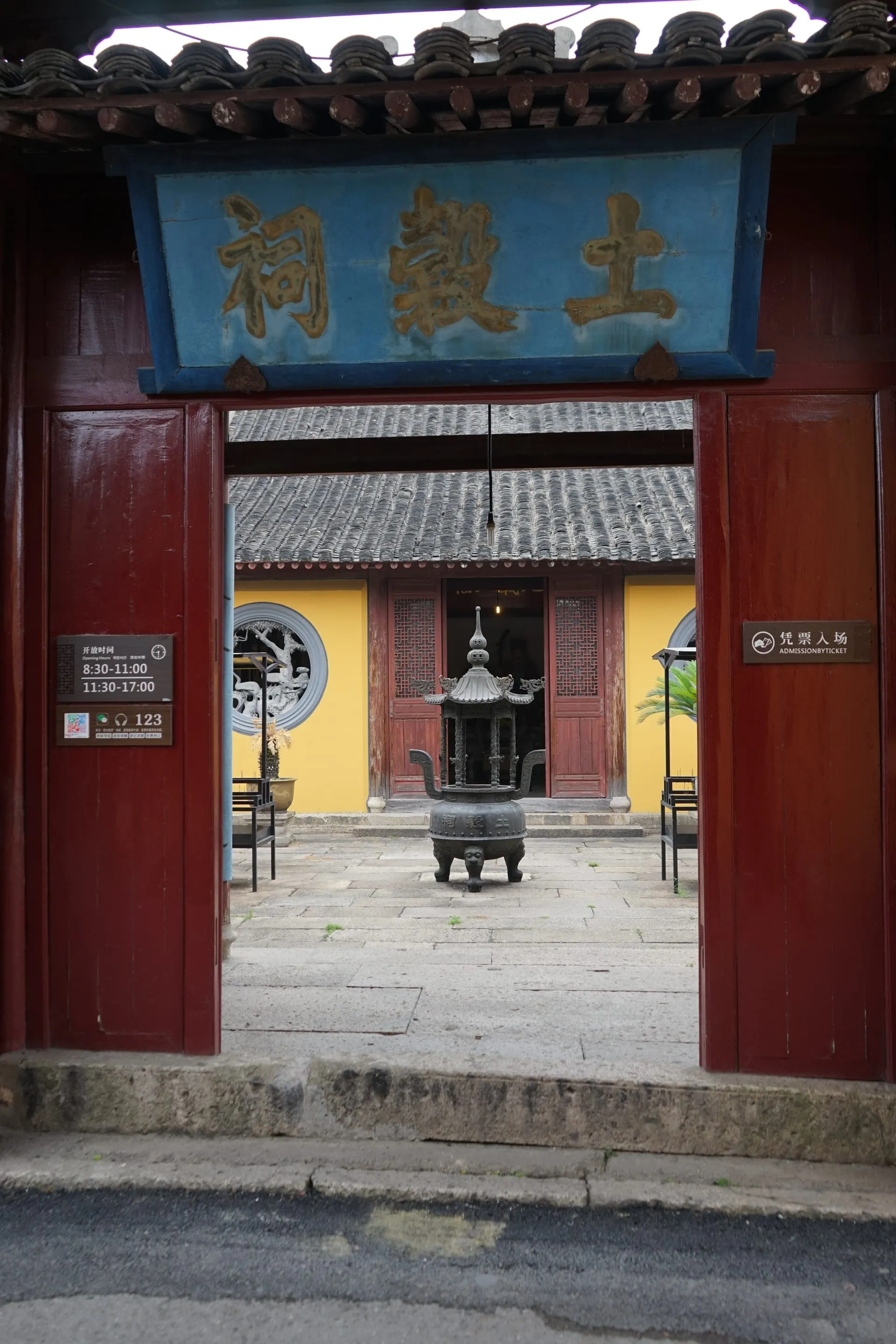
Lu Xun Native Place (鲁迅故里, Lǔ Xùn Gùlǐ)
A large pedestrian scenic zone in the city center preserving Lu Xun's childhood home, the family's Baicao Garden (百草园), and the Sanwei Study (三味书屋, Sānwèi Shūwū) where he studied as a child. The buildings are original Qing-dynasty structures, and the zone includes a well-curated Lu Xun museum with English signage. Free entry — real-name registration (passport) required. Allow 2-3 hours. The surrounding streets sell Shaoxing wine, stinky tofu, and Lu Xun souvenirs.
Wikimedia Commons · CC-BY-SA
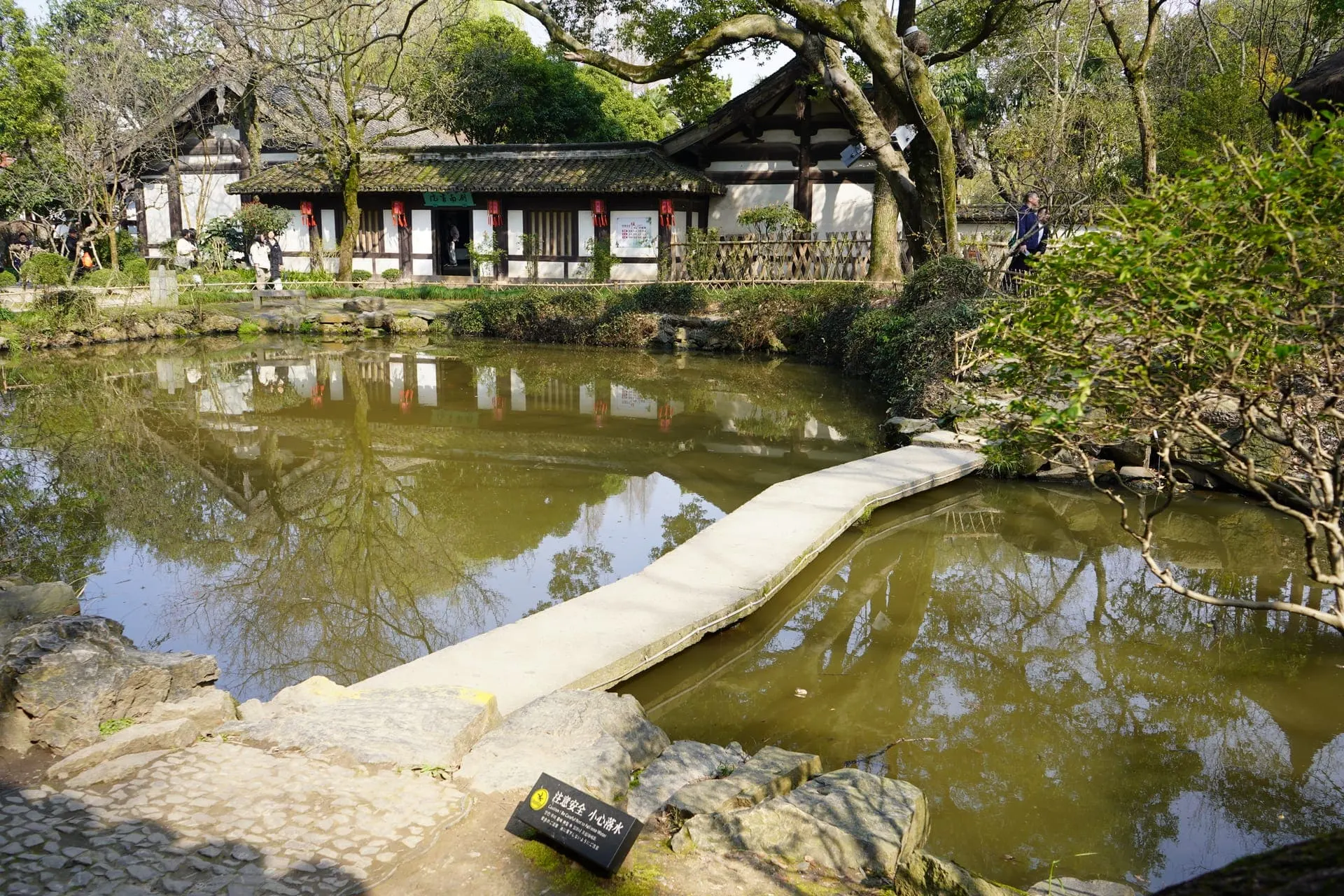
Shen Garden (沈园, Shěn Yuán)
A 12th-century private garden famous for its connection to the Southern Song poet Lu You (陆游, Lù Yóu) and his tragic love story with his cousin Tang Wan. The two poems they wrote to each other on the garden wall in 1155 are carved into a stone stele — one of the most romantic and melancholy sites in Chinese literature. The garden itself is a classic Jiangnan composition: ponds, rockeries, winding corridors, and fragrant osmanthus trees. ¥40 during the day, ¥80 for the evening performance of the Lu You-Tang Wan story (a local Yue opera show).
Wikimedia Commons · CC-BY-SA
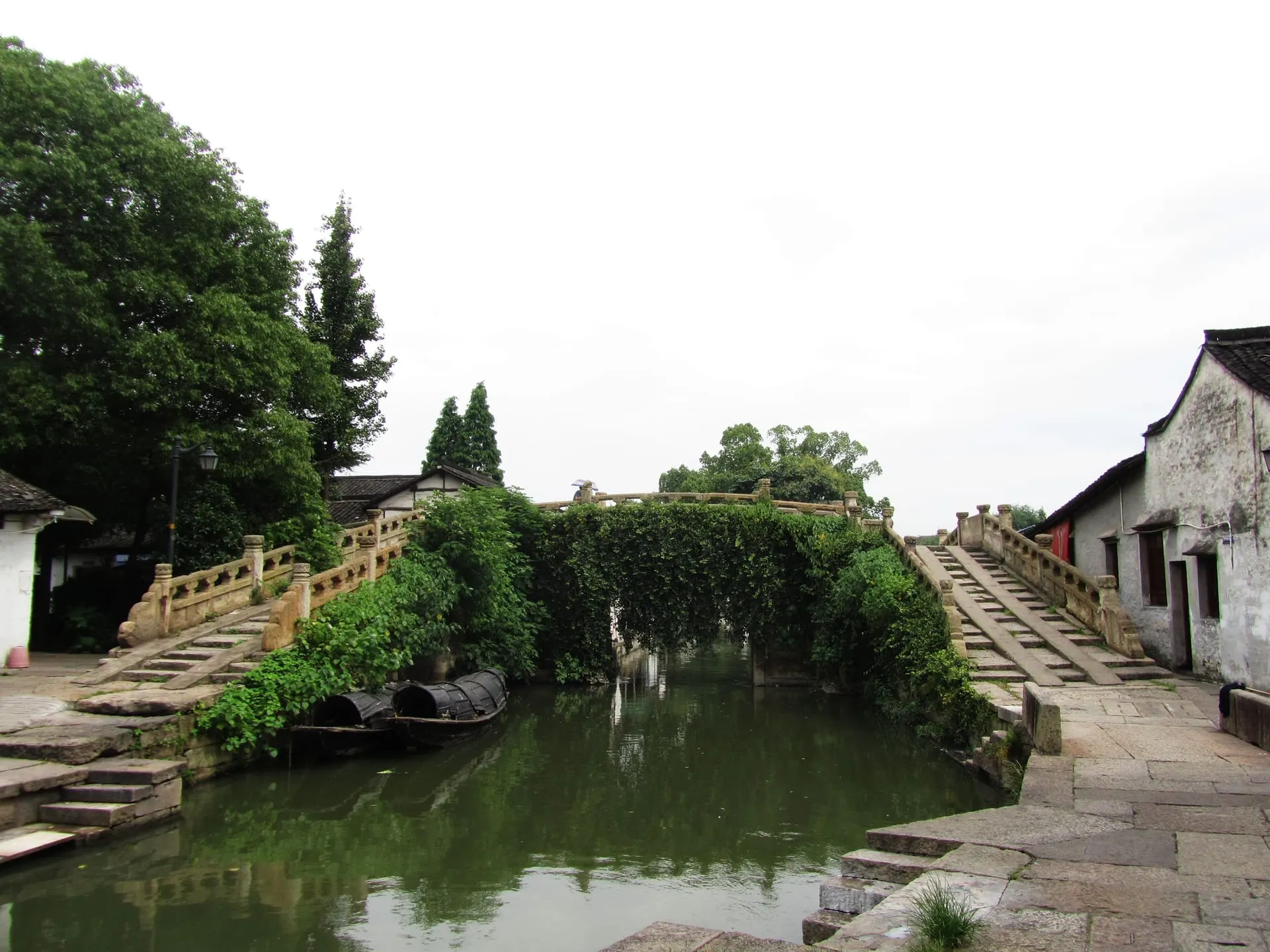
Bazi Bridge (八字桥, Bāzì Qiáo)
The most beautiful ancient bridge in Shaoxing, built in 1256 during the Southern Song dynasty. Its name means "Eight-Character Bridge" because its shape, with ramps sloping down in four directions, resembles the Chinese character 八 (bā). It is a stone-beam bridge spanning a canal junction, with original Song-dynasty stonework still visible. The surrounding neighborhood — narrow lanes, whitewashed houses, residents washing vegetables on the canal steps — is the most atmospheric residential area in Shaoxing. Free, always open, best at dawn or late afternoon.
Wikimedia Commons · CC-BY-SA
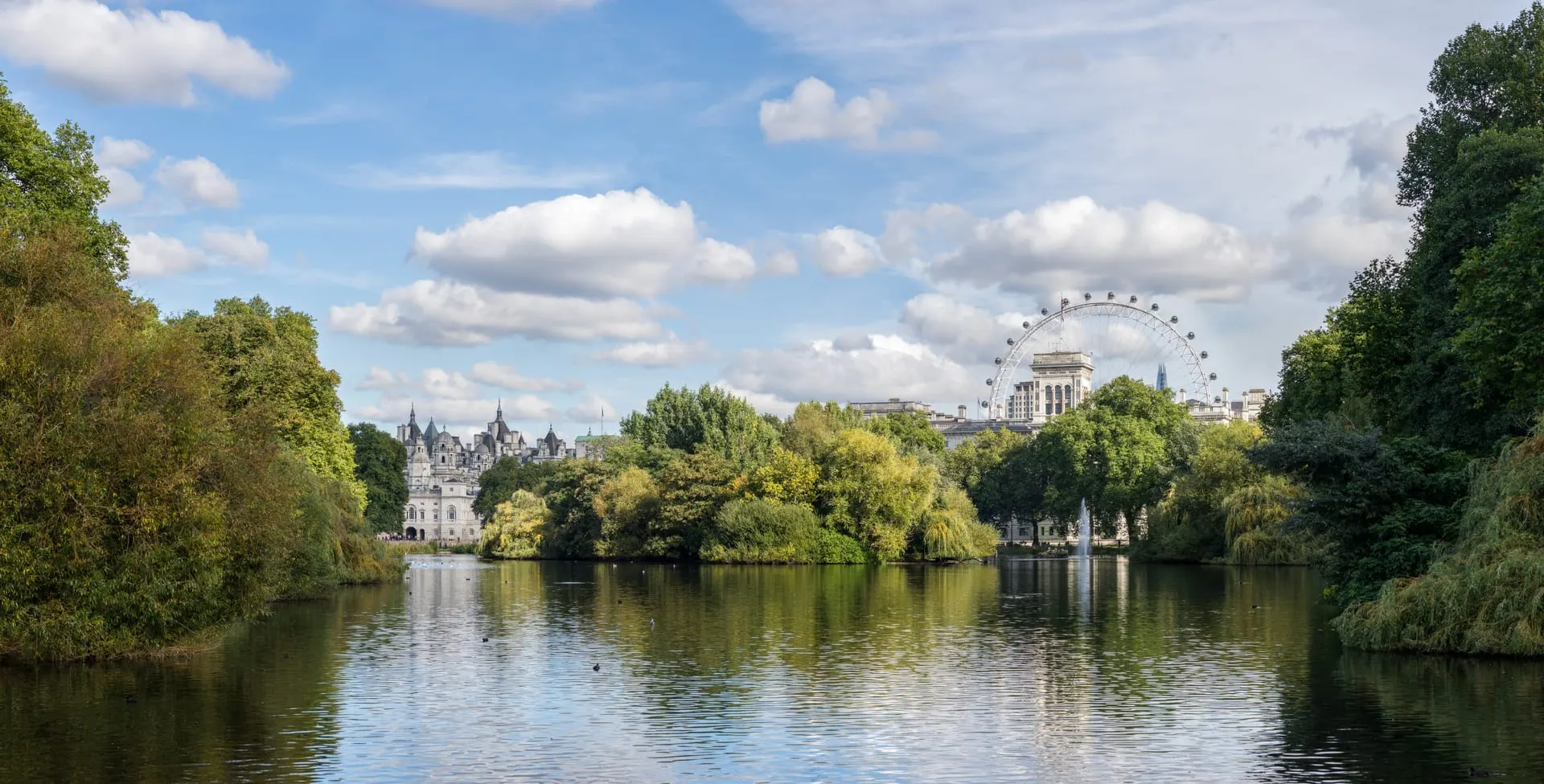
East Lake (东湖, Dōng Hú)
A former quarry turned scenic lake, about 6 km east of the city center. Since the Han dynasty, stone was cut from the cliffs here, creating sheer rock faces, narrow gorges, and deep pools that were later landscaped into a classical garden. The highlight is a ride on a traditional black-awning boat (乌篷船, wūpéng chuán) — a low, narrow wooden boat poled by a boatman standing at the stern — through the narrow cliff passages and under stone arch bridges. The boatmen sing local folk songs if tipped. ¥50 entry, ¥50 for the boat ride. Allow 1.5-2 hours.
Wikimedia Commons · CC-BY-SA
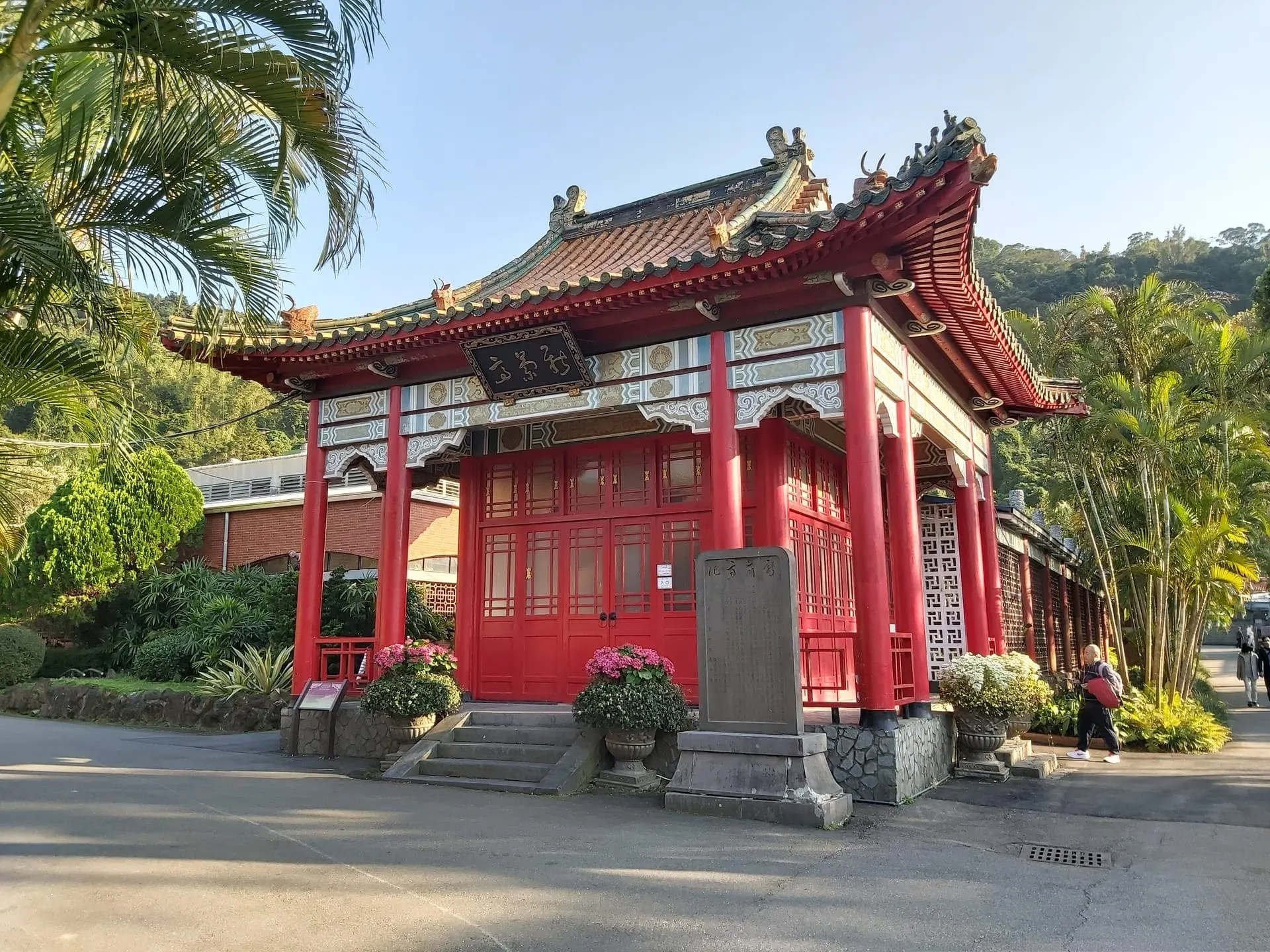
Orchid Pavilion (兰亭, Lán Tíng)
The site of the most famous gathering in Chinese calligraphy history. In 353 CE, the calligrapher Wang Xizhi (王羲之, Wáng Xīzhī) invited 41 scholars to a drinking party here along a winding stream. They floated cups of wine down the stream and composed poems — Wang wrote the preface in his own hand, creating the Lantingji Xu (兰亭集序, Preface to the Orchid Pavilion Collection), the most celebrated piece of calligraphy in Chinese history. The site today includes the goose pool (鹅池, É Chí), Wang's favorite subject, pavilions, bamboo groves, and a calligraphy museum. ¥80. About 14 km southwest of the city center. Allow 2 hours.
Wikimedia Commons · CC-BY-SA
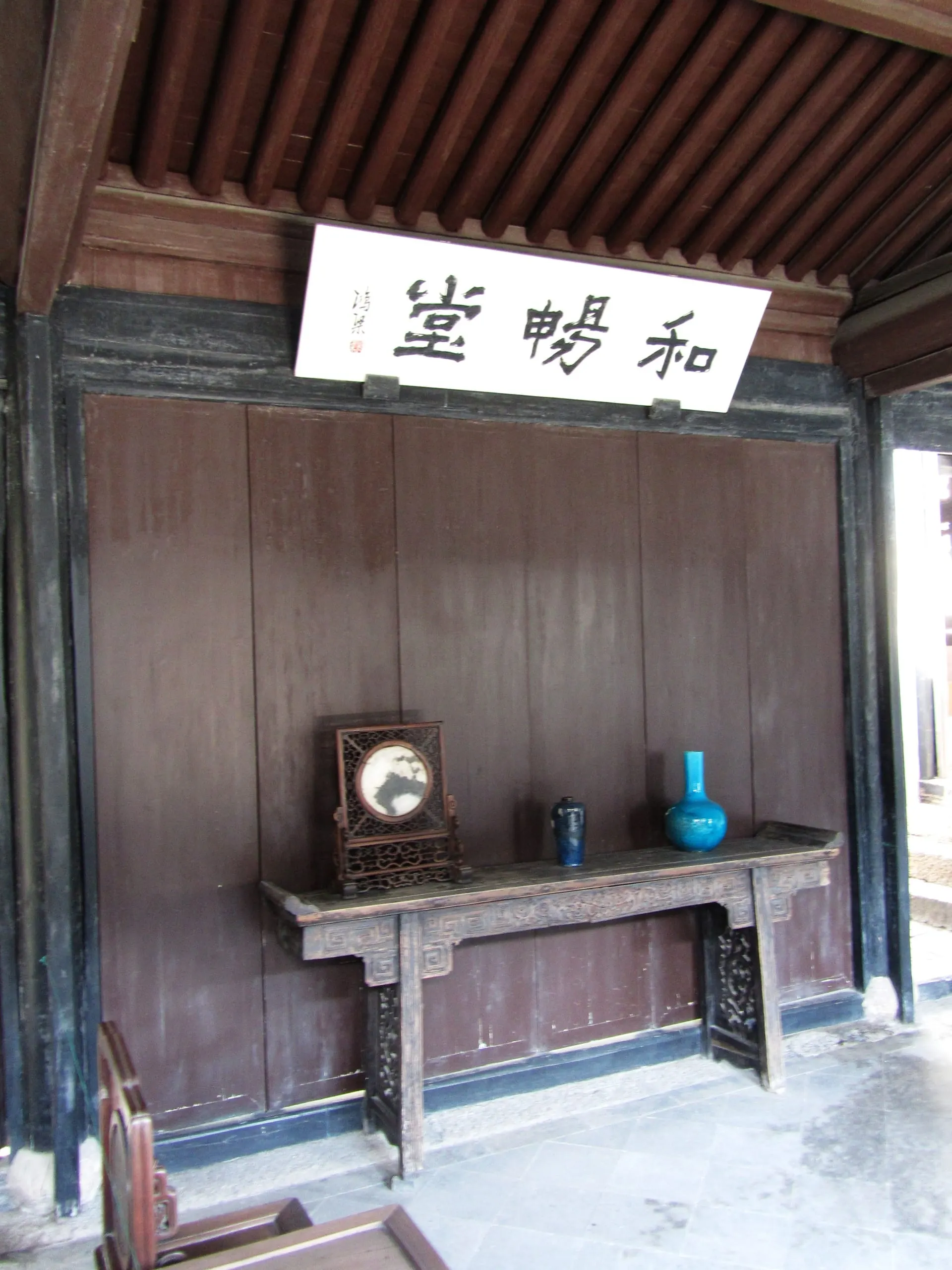
Former Residence of Qiu Jin (秋瑾故居, Qiū Jǐn Gùjū)
The childhood home of Qiu Jin (1875-1907), China's most famous female revolutionary and feminist. Qiu Jin studied in Japan, advocated for women's education and rights, and was executed by the Qing government at age 31 for her role in an anti-Qing uprising. Her home is a modest Qing-dynasty courtyard with original furniture, her poetry manuscripts, photographs, and the sword she famously posed with. A quieter, more intimate site than the Lu Xun complex. ¥10. About 1 km south of the Lu Xun Native Place.
Wikimedia Commons · CC-BY-SA
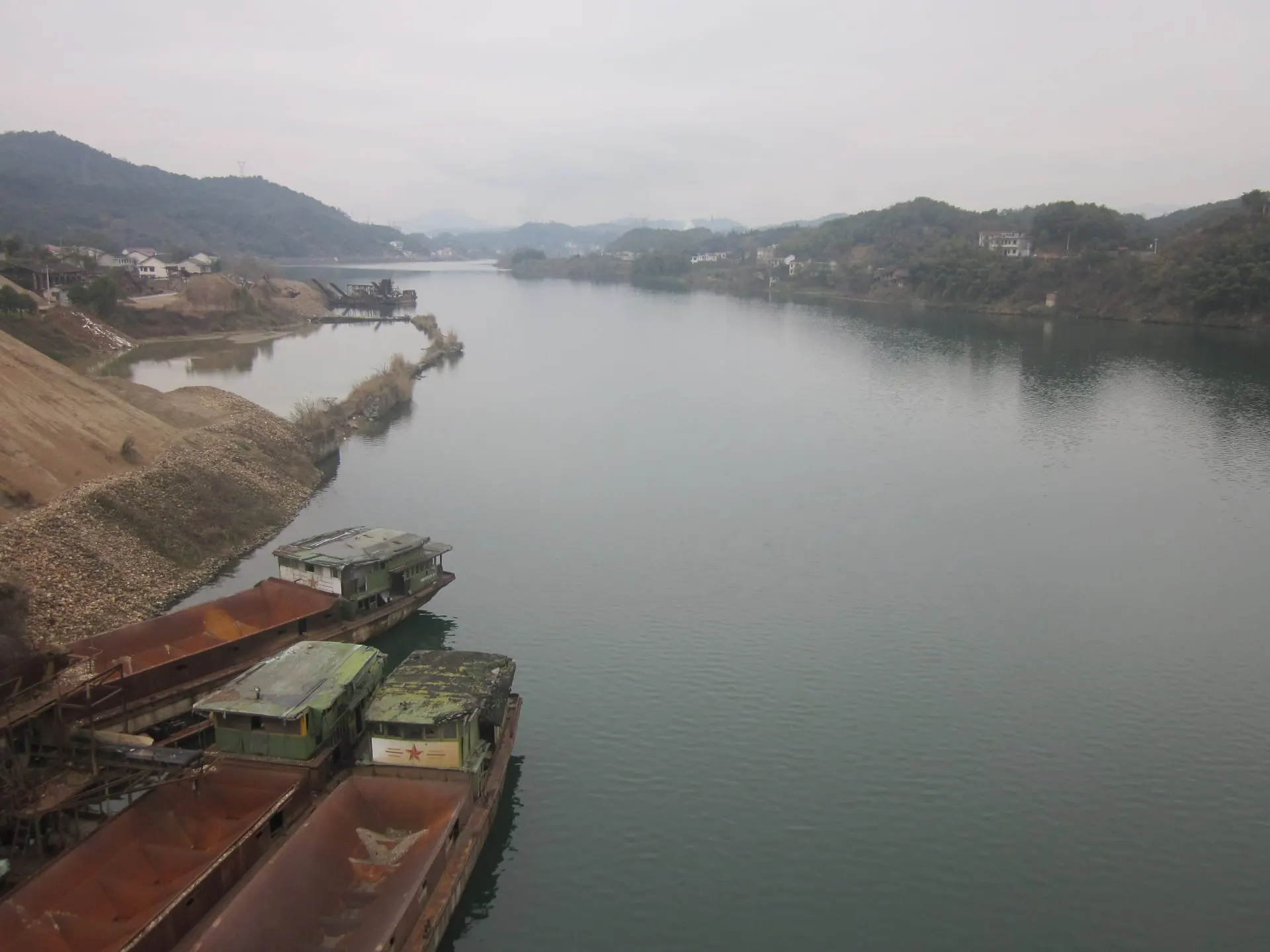
Anchang Ancient Town (安昌古镇, Ānchāng Gǔzhèn)
A well-preserved canal town about 12 km northwest of Shaoxing, founded during the Northern Song dynasty. Anchang is a living water town rather than a fully tourist-oriented one — the 1.7 km main canal is lined with Ming and Qing shopfronts, stone bridges, and covered walkways, but the businesses serve locals as much as tourists. The town is famous for its cured meats (腊味, làwèi) and traditional wedding procession performances. Free entry to the town; ¥50 for a pass to the small museums inside (money museum, bank museum, folk custom museum). Less crowded than the famous water towns near Shanghai. Allow half a day. Bus 118 from Shaoxing city center (¥3, 40 minutes) or taxi (¥40-50).
Wikimedia Commons · CC-BY-SA
STAY
Where to stay in Shaoxing
Pick a base that matches the trip you want — imperial-central for sightseeing, hutong belt for character, Chaoyang for nightlife, or Qianmen for budget.
Lu Xun Native Place Area
The historic and tourist center — Lu Xun complex, Shen Garden, Xianheng Restaurant, and the densest concentration of restaurants and shops
#lu-xun-areaBazi Bridge & Canal Lanes
The most atmospheric residential area — 800-year-old stone bridge, narrow canal-side lanes, whitewashed houses, and local wine shops
#bazi-bridgeEast Lake Area
The eastern edge of the city with the former quarry lake, black-awning boat rides, and quieter residential streets
#east-lakeAnchang Ancient Town
A living canal town 12 km northwest — Ming-Qing shopfronts, stone bridges, cured meats, and a 1.7 km canal
#anchangLanting Countryside
The Orchid Pavilion and surrounding hills 14 km southwest — bamboo groves, calligraphy history, and mountain scenery
#lanting
ITINERARIES
Sample itineraries from Shaoxing
Three ready-made routes, from a 1-day imperial sprint to a 5-day deep dive. Copy the day-by-day plan and adapt to your own pace.
- 1 DAY
One-Day Shaoxing Highlights
A packed day covering Lu Xun, Shen Garden, Bazi Bridge, East Lake, and a canal-side wine shop. Best suited for a day trip from Hangzhou.
- Day-trippers from Hangzhou
- Transit visitors
- Tight schedules
- Day 01
Morning
Arrive at Lu Xun Native Place by 08:30 (free). Visit the family home, Baicao Garden, Sanwei Study, and Lu Xun Memorial Hall (2-2.5 hours). Walk 10 minutes south to Shen Garden (¥40, 1 hour) — the Lu You-Tang Wan love poems and the classical gardens.
Afternoon
Lunch at Xianheng Restaurant — drunken chicken, braised pork with Shaoxing wine, warm jiafan. Walk to Bazi Bridge (15 min) — cross the bridge, wander the canal-side lanes (1 hour). Late afternoon: taxi to East Lake (15 min, ¥50 entry + ¥50 boat). Black-awning boat ride through the cliffs (20 min), walk the lakeside path.
Evening
Return to the Lu Xun area. Street food: stinky tofu, fried rice cakes. Warm huangjiu at a canal-side wine shop near Bazi Bridge. Depart by 20:00 (last HSR to Hangzhou around 21:30).
- 2 DAYS
Two-Day Shaoxing Experience (Recommended)
The ideal Shaoxing visit: literary sites, canal walks, winery tour and tasting, and a half-day trip to Anchang Ancient Town. Two nights lets you experience the evening canal atmosphere.
- First-time visitors
- Culture and food enthusiasts
- Weekend trips from Shanghai/Hangzhou
- Day 01
Morning
Lu Xun Native Place (08:30-11:00). Then Shen Garden (11:00-12:00).
Afternoon
Lunch at Xianheng or a back-lane family restaurant. Afternoon: Bazi Bridge and canal-side lane walk (13:30-15:30) — cross the bridge, wander south toward Tashan Park, photograph the whitewashed houses. Visit the Former Residence of Qiu Jin (¥10, 30 min). Late afternoon: East Lake for the black-awning boat ride (16:00-17:30, best light).
Evening
Dinner near the Lu Xun complex. Canal-side wine shop near Bazi Bridge — warm jiafan, boiled peanuts, marinated tofu. Walk the lantern-lit streets after dark.
- Day 02
Morning
Guyue Longshan Winery tour and tasting (¥50, 1.5 hours, opens 09:00). Then Nu'er Hong visitor center for a vertical huangjiu tasting (¥40, 1 hour). Buy wine to take home at the winery shop (better prices than city-center shops).
Afternoon
Lunch near the winery or return to the city. Afternoon: half-day trip to Anchang Ancient Town (bus 118 or DiDi, 40 min). Walk the 1.7 km canal, cross the stone bridges, browse the cured-meat shops, visit the small museums (¥50 pass). Return to Shaoxing by 16:30.
Evening
Final dinner — try drunken crab if in season (autumn-spring). One more pot of warm huangjiu at a Bazi Bridge wine shop. Walk the canals one more time.
- 3 DAYS
Three-Day Shaoxing Deep Dive
Three days adds Orchid Pavilion, the calligraphy tradition, and time to explore the surrounding countryside or Keyan Scenic Area. A relaxed, scholarly pace.
- Slow travelers
- Literature and calligraphy enthusiasts
- Cultural deep dives
- Day 01
Morning
Lu Xun Native Place (08:30-11:00). Shen Garden (11:00-12:00).
Afternoon
Lunch. Bazi Bridge and canal-side lane walk (13:30-15:30). Qiu Jin Former Residence (¥10). Late afternoon: East Lake boat ride (16:00-17:30).
Evening
Dinner. Canal-side wine shop — warm huangjiu. Lantern-lit streets.
- Day 02
Morning
Guyue Longshan Winery (09:00-10:30). Nu'er Hong tasting (11:00-12:00).
Afternoon
Lunch. Anchang Ancient Town (13:30-16:30) — canal walk, stone bridges, cured meats, small museums.
Evening
Return to Shaoxing. Dinner at a back-lane restaurant off Jiefang Road — local, cheaper, better. Final canal walk.
- Day 03
Morning
DiDi to Orchid Pavilion — Lanting (09:00-11:30, ¥80). Walk the bamboo groves, visit the goose pool, see the Lantingji Xu calligraphy stele. Try writing calligraphy at the museum. Lunch at a countryside restaurant near Lanting.
Afternoon
Option A: Keyan Scenic Area (柯岩, ¥100) for the 1,300-year-old cliff Buddha and the Jianhu Lake scenery. Option B: Dayu Mausoleum (大禹陵, ¥50) for the legendary tomb of Yu the Great. Option C: free afternoon — revisit favorite spots, buy huangjiu and méigāncài to take home, walk the canals one more time.
Evening
Final dinner. One last pot of warm jiafan. Depart by evening HSR to Hangzhou or Shanghai.
BUDGET
What a Shaoxing trip costs
Per-person, per-day costs across three spending tiers. Excludes international flights and visa fees.
| Line item | Backpacker | Mid-range | Luxury |
|---|---|---|---|
| Accommodation (per night) | $8 | $40 | $120 |
| Attractions (Shen Garden + East Lake + boat) | $20 | $20 | $20 |
| Winery tours and tastings | $7 | $13 | $20 |
| Meals (per day) | $10 | $25 | $60 |
| Local transport (per day) | $3 | $8 | $20 |
| Huangjiu (wine shop, per pot) | $4 | $7 | $20 |
| Anchang day trip (transport + entry) | $10 | $18 | $35 |
| Lanting day trip (transport + entry) | $15 | $25 | $45 |
| Total per day | $77 | $156 | $340 |
$ USD per person per day, before international flights and visas. Last verified: Q3 2026.
STAY SAFE
Emergency contacts in Shaoxing
Save these three numbers before you board the plane. China uses different hotlines than most countries — there's no 911.
- POLICE
110
- AMBULANCE
120
- FIRE
119
- TOURIST HOTLINE
12301 (China National Tourism Administration hotline)
- ENGLISH-SPEAKING ER
Shaoxing People's Hospital (绍兴市人民医院) — emergency services with some English-speaking staff in the VIP wing. For serious conditions, transfer to Hangzhou (30 min HSR + taxi) or Shanghai (1.5h HSR).
Problems travelers hit in Shaoxing
- Why is my Alipay not working?You linked a foreign Visa or Mastercard to Alipay but every transaction is rejected at the merchant.
- My China visa was denied — what now?Your L visa application was refused at the Chinese consulate and your trip is in 2–4 weeks.
- My passport was lost or stolen in China — what do I do?Your passport is gone (theft or loss) and you're in mainland China without travel documents.
- Why can't I book on 12306 with my foreign card?You tried to book a high-speed rail ticket on 12306.cn and your foreign Visa/Mastercard is rejected at checkout.
- Why is my VPN not working in China?You arrived in China, opened your VPN, and it will not connect at all or connects but no traffic loads.
- Why can't I book a Tibet trip on my own?You try to book Lhasa flights and hotels yourself but the booking fails, or you're turned away at the Lhasa airport without a permit.
Book activities in Shaoxing
These are licensed tour operators and booking platforms we've vetted independently. Booking through these links may earn us a commission — see our affiliate disclosure. This never affects our editorial recommendations or the price you pay.
Frequently asked questions
Is Shaoxing better than Wuzhen or Zhouzhuang?
How many days do I need in Shaoxing?
How do I get from Hangzhou to Shaoxing?
What is the difference between huangjiu and baijiu?
Can I visit a Shaoxing wine winery?
What should I buy in Shaoxing?
Show all 20 FAQs
Is Shaoxing suitable for elderly travelers?
What is the connection between Lu Xun and Shaoxing?
How do I drink Shaoxing wine properly?
Can I take a black-awning boat ride in Shaoxing?
Is Shaoxing family-friendly?
How does Shaoxing compare to Suzhou?
What is the best time of day to photograph Shaoxing?
Can I combine Shaoxing with Hangzhou?
Do I need a guide for Shaoxing?
What is Shaoxing best known for?
How do I get to Shaoxing?
How long should I plan for Shaoxing?
What is the yellow rice wine tasting experience?
Is Shaoxing worth visiting in winter?
References

Related guides & destinations
Guide
How We Research 2026: NihaoVisit’s Methodology for China Travel Information
How NihaoVisit sources, verifies, and maintains 700+ pages of China travel information — our source hierarchy, fact-checking process, update
Guide
Fact-Checking Log 2026: Verified China Travel Information — NihaoVisit
A public log of fact-checking verification passes on NihaoVisit, showing what was verified, when, and against which sources — covering visa
Guide
Best Time to Visit China 2026: Month-by-Month Weather, Crowds, and Prices
The best time to visit most of China is April–May and September–October. Winter (Dec–Feb) is cold but cheap; summer (Jun–Aug) is hot and cro
Guide
VPN for China 2026: Which VPNs Work, eSIM Alternatives, and the Complete Pre-Trip Checklist
Most Western apps and websites are blocked in mainland China. A reliable VPN is essential for Google, Gmail, WhatsApp, Instagram, and most n
Guide
China SIM Card and eSIM Guide 2026: Stay Connected Without WeChat
A Chinese SIM or eSIM lets you use mobile data, maps, and ride-hailing without WiFi. Here is how to get one, the cost, and which provider to
Guide
Solo Female Travel in China 2026: Safety, Tips, and Real Experiences
China is one of the safer destinations for solo female travelers. Petty theft is rare, violent crime against tourists is extremely uncommon,