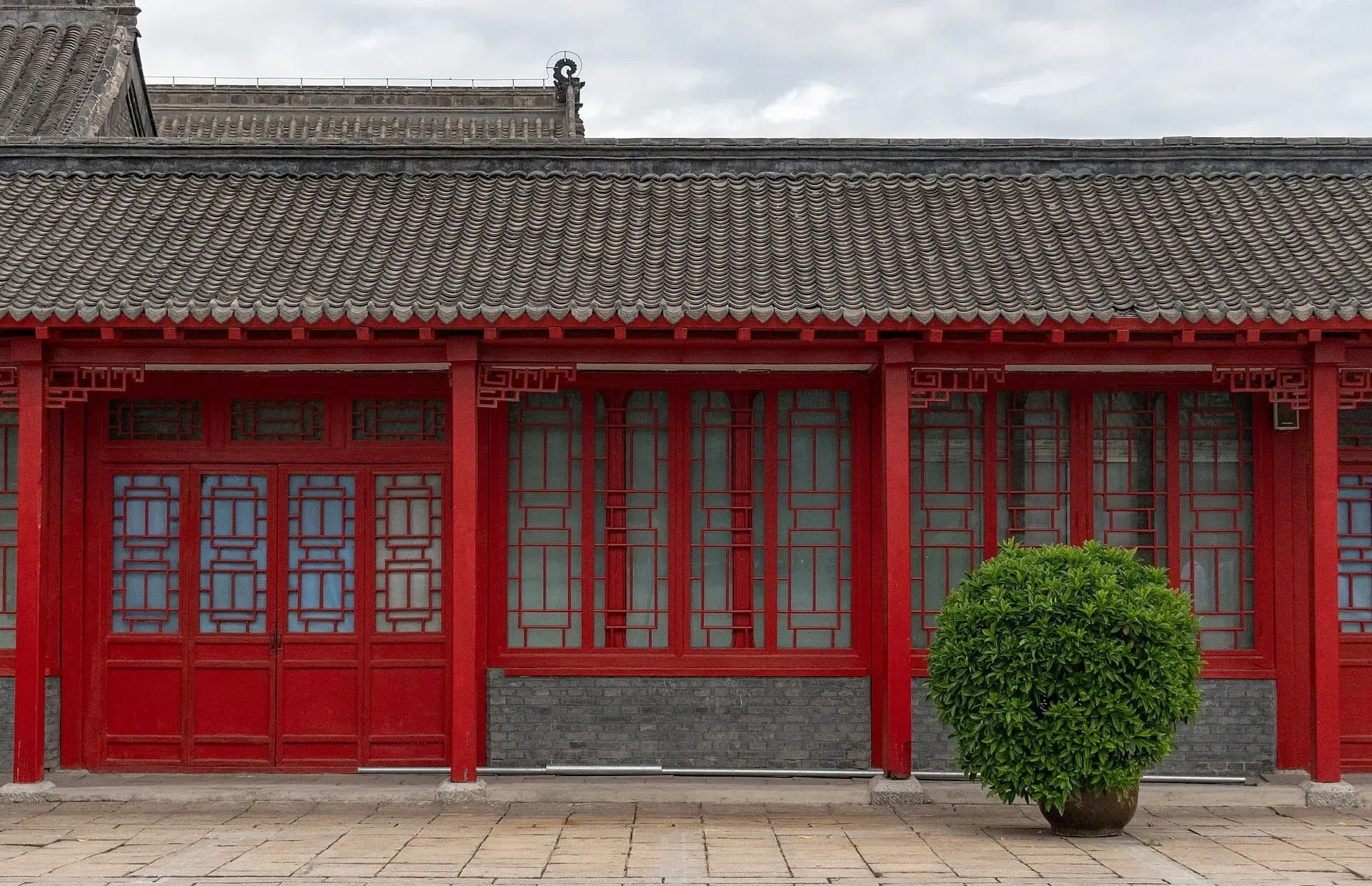
Shenyang
Capital of Liaoning Province in northeast China, the former imperial capital of the Manchu Qing dynasty (the Mukden Palace, UNESCO World Heritage site), and the industrial heart of the old Manchurian heavy-industry belt. Shenyang is a cold, hearty city with deep Manchu heritage, an emerging arts and music scene, and easy access to the DPRK border region and the Changbai Mountain nature reserve.
Quick Answer
What is the best time to visit Shenyang and how much should I budget?
Shenyang is best visited in May to October; September-October for autumn colors; winter (Dec-Feb) for snow and ice festivals for 3 days. Daily budgets range from $30–960, and the city is visa-free for most nationalities.
Top attractions
All 8 sites →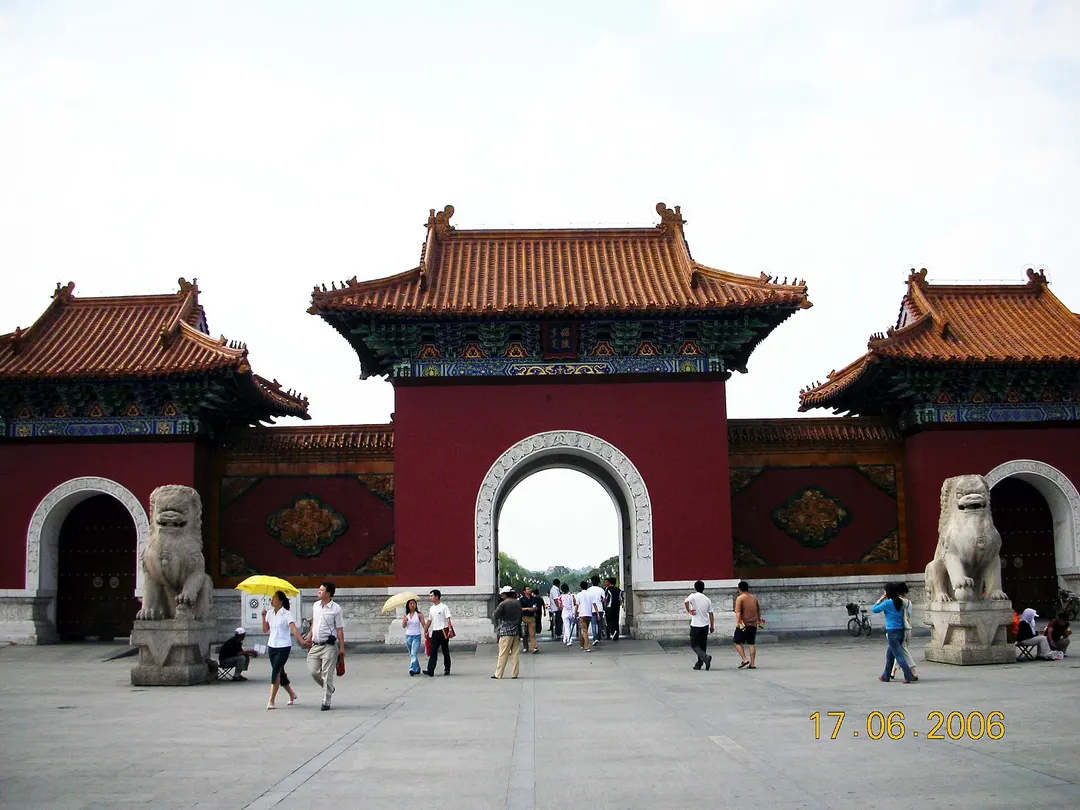
Mukden Palace / Shenyang Imperial Palace (沈阳故宫)
The imperial palace of the early Qing dynasty (1625-1912), b…
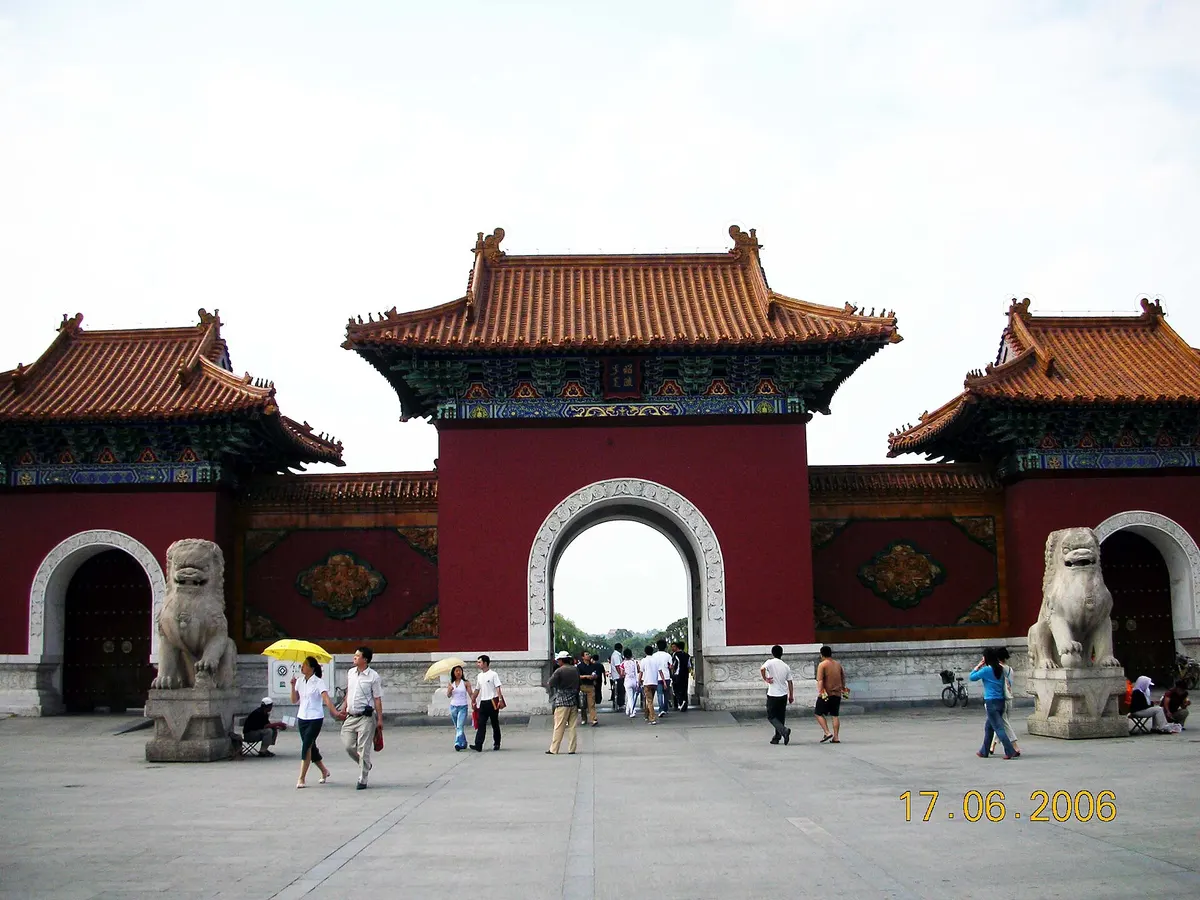
Qing Zhao Tombs (清昭陵 / 北陵公园)
The mausoleum of Hong Taiji, the second Qing emperor and fou…
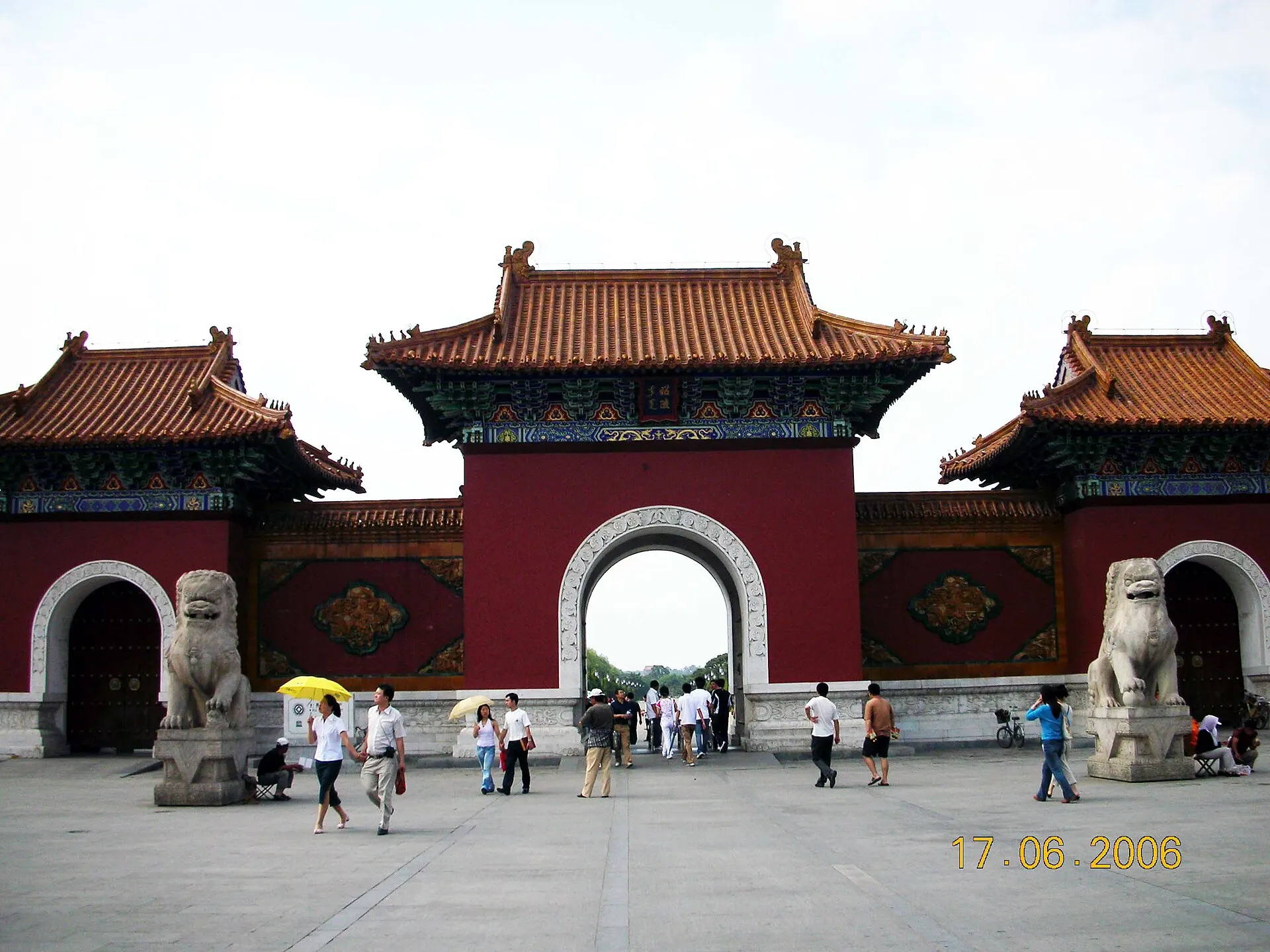
Qing Fu Tombs (清福陵 / 东陵公园)
The mausoleum of Nurhaci, founder of the Later Jin dynasty a…
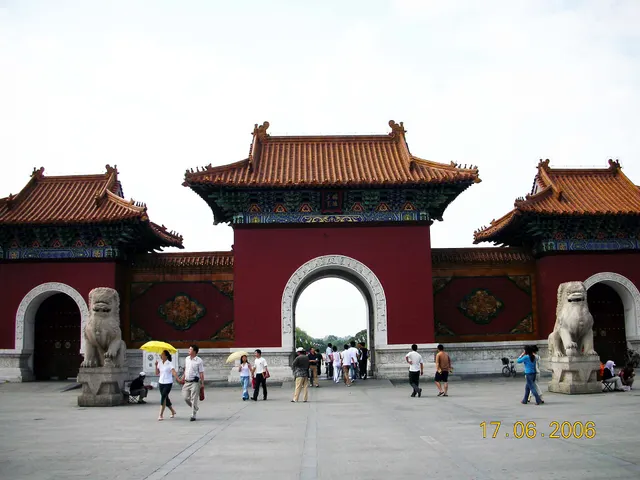
9.18 Historical Museum (九一八历史博物馆)
Free museum on the site of the 1931 Mukden Incident, where t…
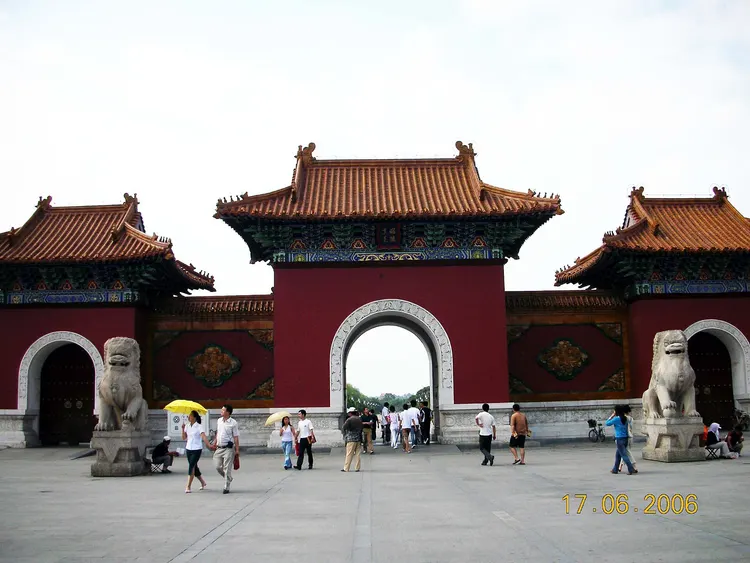
Marshal Zhang's Mansion (张氏帅府)
The 1916-1931 residence of Zhang Zuolin and his son Zhang Xu…
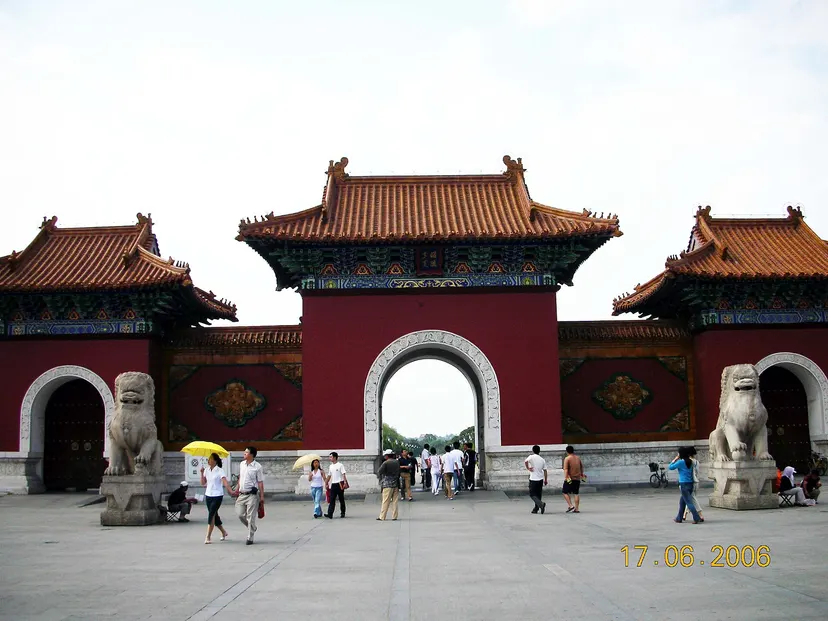
Liaoning Provincial Museum (辽宁省博物馆)
Free provincial museum with one of China's best collections …
Shenyang Botanical Garden (沈阳植物园)
A 2,000-hectare botanical garden in the eastern suburbs, wit…
All 8 sites
Museums · parks · temples
Plan your trip
Everything you need to know before you go.
Payment for foreigners
Alipay + WeChat Pay setup for foreign cards
Internet & VPN
What's blocked · 4 VPNs tested · eSIM guide
Getting around Shenyang
Metro · DiDi in English · Airport Express
What to eat
Local dishes · street food · regional specialties
Avoiding crowds
Skip Golden Week · book top sights in advance
Day trips from Shenyang
Nearby cities and attractions by HSR
Useful tools
Cost breakdown
Real prices from our July 2026 audit. All in USD per person.
| Category | Backpacker | Mid-range | Luxury |
|---|---|---|---|
| Hotel (per night) | $2–$4 | $7–$13 | $18–$39 |
| Food (3 meals) | $1–$2 | $3–$5 | $9–$15 |
| Transport (metro + taxi) | $0–$1 | $1–$2 | $3–$6 |
| Attractions | $1–$1 | $2–$3 | $5–$9 |
| Total | $4–$7 | $13–$24 | $35–$69 |
Ready-made itineraries
All routes →
Book your Shenyang trip
We may earn a commission when you book through these links. This does not affect our editorial recommendations.
Shenyang FAQ
How many days do I need in Shenyang?
Plan 2-3 full days for the city itself: one day for the Mukden Palace, Zhongjie, and the central city; one day for the Qing Zhao Tombs (Beiling Park) and the Qing Fu Tombs; and one day for the Marshal Zhang's Mansion, the 9.18 Historical Museum, and the Liaoning Provincial Museum. Add 1-2 days for a Dalian side trip (3 hours HSR east, the Bohai Sea coast) or a Harbin side trip (3 hours HSR north, the Ice and Snow Festival in winter). For a comprehensive Northeast trip, plan 7-10 days covering Shenyang, Dalian, Changchun, and Harbin.
How cold does it get in Shenyang in winter?
Very cold. Average January high is -7°C, average low is -19°C, and daily lows of -25 to -30°C are common. The wind chill can bring perceived temperatures down to -35 to -40°C. The cold is dry, with low humidity, which is easier to dress for than damp cold (the damp cold of Shanghai, say). Snow cover is reliable from late November through March. The city has a centralized heating system (集中供暖) that runs from early November to late March, with hot radiators in every building. Indoor temperatures are typically 22-25°C, with very low humidity. Layered clothing, a heavy-duty down jacket (rated to -30°C), thermal underwear, waterproof insulated boots, and a fur-lined hat are essential.
Do I need a Chinese visa to visit Liaoning?
It depends on your passport. As of 2026, citizens of 38+ countries (most of EU, UK, Australia, New Zealand, South Korea, Japan, Malaysia, Singapore, Thailand) can enter China visa-free for 30 days. US and Canadian citizens need a tourist (L) visa. Liaoning is an open destination for foreigners — Shenyang, Dalian, Dandong, and the Changbai Mountain nature reserve are all open without special permits. Travel across the North Korean border is restricted; the Chinese side of the border (Dandong's Yalu River) is open, but the North Korean side requires a special visa and most travelers view the border from China only.
What is the best time of year to visit Shenyang?
May to October, with September-October the best months. September-October has the autumn colors in Beiling Park, the clearest weather, and the most pleasant temperatures (10-20°C). Summer (June-August) is warm (25-32°C) and pleasant for outdoor activities. Winter (November-March) is the most authentic local experience and offers the Shenyang Ice Festival, hot springs, and the famous Dongbei winter food. The cold is severe but the experience is unique. Spring (March-April) is the windy season, with dust storms from the Gobi possible in April.
Is the Mukden Palace worth visiting if I have already been to the Forbidden City?
Yes — the Mukden Palace is distinctly different from the Forbidden City and offers a unique perspective on Qing history. The palace was built 100+ years before the Forbidden City's construction was complete, and the architecture has Manchu, Tibetan, and Mongolian elements not found in Beijing. The palace is smaller, more concentrated, and has a more intimate feel. The Chongzheng Hall's octagonal shape and the palace's use of yellow琉璃 (liúlí, glazed tile) and colorful绘画 (huìhuà, painting) is unique. The Qing Zhao and Fu Tombs are also very different from the Beijing Ming Tombs and the Eastern and Western Qing Tombs. For Qing history buffs, the Mukden Palace is essential.
What is the 9.18 Historical Museum and is it worth a visit?
The 9.18 Historical Museum (九一八历史博物馆) is a free museum built on the site of the September 18, 1931 Mukden Incident, the Japanese sabotage operation that triggered the invasion of Manchuria and the 15-year Japanese occupation of northeast China. The museum is one of China's most powerful war memorials, with detailed exhibits on the Japanese occupation, the Chinese resistance (including the Manchurian Anti-Japanese United Army, the predecessors of the PLA's northeast forces), and the post-war trials. The English captions are extensive. Allow 2-3 hours. The museum is most powerful for travelers interested in 20th-century history, and essential for understanding the relationship between China and Japan.
How many days do I need here?
Allow at least 3 days for the highlights. 4–5 days lets you add nearby sites and a day trip. A week lets you see everything at a relaxed pace.
When is the worst time to visit?
Golden Week (October 1–7) — domestic tourists travel en masse. Also avoid Spring Festival (late Jan/Feb) and Labor Day (May 1–5). Summer (July–August) is hot, humid, and crowded.