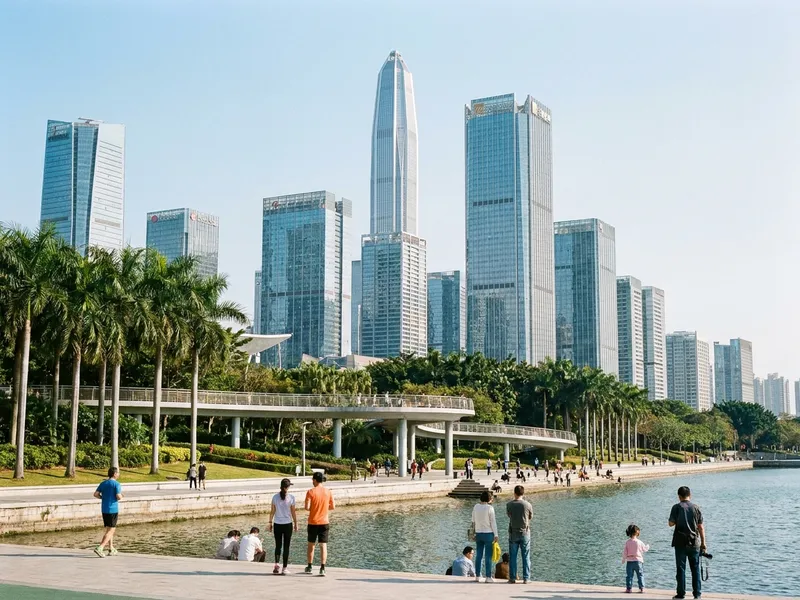
Shenzhen
Shenzhen (深圳, Shēnzhèn) is the youngest megacity in China — a fishing village of 30,000 when it was named China's first Special Economic Zone in 1980, now a city of 18 million and the global capital of hardware, electronics, and tech startups (Huawei, Tencent, DJI, and BYD are all headquartered here). For travellers, Shenzhen is four things: an electronics-shopping mecca (Huaqiangbei is the world's largest electronics market), a contemporary art and design hub (OCT-LOFT, Sea World Culture and Arts Center), a beach and coastal escape (Dameisha, Xichong, and the Dapeng Peninsula), and the easiest day trip to Hong Kong of any mainland city — the high-speed train reaches West Kowloon in 15 minutes, and three land-border crossings are open daily. Plan 2–3 days for the city, a day for a Hong Kong side trip. The best months are October to December (warm, dry, clear); summer is hot and humid with typhoon risk. As of 2026, citizens of 45+ countries enter China visa-free for up to 30 days; Shenzhen is also a 144-hour visa-free transit zone.
Why Shenzhen in 2026.
China's Silicon Valley and a 1980 fishing-village turned megacity of 18 million. Shenzhen is a futuristic tech capital, a shopping paradise, a beach-escape gateway, and the world's most convenient Hong Kong side trip — all wrapped in one subtropical boomtown.
Quick Answer
Shenzhen (深圳, Shēnzhèn) is the youngest megacity in China — a fishing village of 30,000 when it was named China's first Special Economic Zone in 1980, now a city of 18 million and the global capital of hardware, electronics, and tech startups (Huawei, Tencent, DJI, and BYD are all headquartered here). For travellers, Shenzhen is four things: an electronics-shopping mecca (Huaqiangbei is the world's largest electronics market), a contemporary art and design hub (OCT-LOFT, Sea World Culture and Arts Center), a beach and coastal escape (Dameisha, Xichong, and the Dapeng Peninsula), and the easiest day trip to Hong Kong of any mainland city — the high-speed train reaches West Kowloon in 15 minutes, and three land-border crossings are open daily. Plan 2–3 days for the city, a day for a Hong Kong side trip. The best months are October to December (warm, dry, clear); summer is hot and humid with typhoon risk. As of 2026, citizens of 45+ countries enter China visa-free for up to 30 days; Shenzhen is also a 144-hour visa-free transit zone.
| Best time to visit | October–December and March–April for comfortable temperatures and low rainfall. Avoid July–August (typhoon season) and Chinese New Year (crowded, many shops closed). |
|---|---|
| Daily budget | $50 (backpacker) / $130 (mid-range) / $400+ (luxury) |
| Language | Mandarin and Cantonese widely spoken; English in tech hubs, hotels, and Shekou expat area |
| Currency | CNY (¥) — Alipay and WeChat Pay accept foreign Visa/Mastercard; Hong Kong dollars accepted near the border |
| Time zone | UTC+8 (China Standard Time, same as Hong Kong) |
| Last updated | 2026-06-18 |
Want a Shenzhen plan built for you?
Jump to:
OCT-LOFT·Huaqiangbei·Shenzhen Bay·Hong Kong Side Trip·Getting Around·Where to Stay·Ping An Centre·Shekou·Theme Parks·Shopping·Dafen Village·Mangroves & Coastal Parks·Border Crossings & Greater Bay Area·Skyscrapers & SEZ History·FAQ
Why should I visit Shenzhen?
Shenzhen is China's most futuristic city and the single best place to understand the country's breakneck modernisation. A fishing village of 30,000 people in 1980, it is now a city of 18 million and the world capital of hardware, drones, and electric vehicles — the city that built the iPhone, the DJI drone, and a million blinking LED toys. For travellers, the appeal is fourfold. First, Huaqiangbei, the world's largest electronics market, is a gadget lover's paradise that has to be seen to be believed — 20 floors of components, finished products, and everything in between. Second, Shenzhen has quietly become one of China's most interesting contemporary-art cities, anchored by the OCT-LOFT creative park and the Sea World Culture and Arts Center. Third, it has beaches and coastline that are genuinely good — the Dapeng Peninsula offers surfing, swimming, and a 600-year-old fortress within an hour of the city centre. Fourth, and most practically, it is the easiest mainland-China gateway to Hong Kong: the high-speed train reaches West Kowloon in 15 minutes, and you can cross the border on foot at Luohu, Futian, or Liantang. Shenzhen rewards travellers who come for the tech, stay for the art, and use it as the perfect Greater Bay Area base.
What is the history of Shenzhen — from fishing village to megacity?
Shenzhen's story is the most dramatic urban transformation in human history. Before 1980, what is now Shenzhen was a collection of fishing and farming villages in Bao'an County, with a population of about 30,000, a single muddy main street, and an economy based on oysters and lychees. In 1980, Deng Xiaoping designated it as China's first Special Economic Zone (SEZ), an experiment in market economics — foreign investment was welcomed, private enterprise was encouraged, and a sleepy border town became the laboratory for China's economic reforms. The population exploded as migrants poured in from across China seeking factory jobs and entrepreneurial opportunity. By 2000, Shenzhen had 7 million people. By 2020, it had 18 million and a GDP larger than Portugal's. Today it is the headquarters of Huawei (telecoms), Tencent (WeChat, gaming), DJI (drones), and BYD (electric vehicles), and it has the highest per-capita GDP of any Chinese city. The speed of the transformation is hard to overstate: the average age is 32, and almost nobody over 40 was born in Shenzhen. The city's motto, inscribed at the Shenzhen Museum, is "Time is money, efficiency is life" — the defining slogan of China's reform era, first posted on a Shenzhen construction site in 1981.
What is the geography and climate of Shenzhen?
Shenzhen sits on the east bank of the Pearl River Delta, directly north of Hong Kong's New Territories, on the coast of the South China Sea. The city occupies a narrow strip of coastal plain backed by low mountains (the highest peak, Wutong Mountain, rises to 943 metres), with a 260-km coastline of bays, beaches, and mangroves. The climate is humid subtropical: hot, wet summers (June–September, 30–35°C) with frequent afternoon thunderstorms and typhoon risk peaking in July–September; short, mild winters (December–February, 12–20°C) that are the most pleasant season for visitors; and warm, humid springs (March–May) with increasing rain. The best months for outdoor activities are October, November, March, and April — comfortable temperatures, low humidity, and clear skies. Typhoons typically affect the city 2–4 times per year between June and October; the city has excellent warning systems and infrastructure, but outdoor plans can be disrupted for a day or two. The air quality is generally better than Guangzhou and the northern cities, thanks to the coastal breezes and the 100% electric bus and taxi fleet.
How do I get to Shenzhen and get around?
Shenzhen Bao'an International Airport (SZX) handles direct flights from major Asian hubs and a growing number of intercontinental routes. It is connected to the city by Metro Line 11 (¥8, 30 minutes to Futian) and taxi (¥100–150, 40 minutes). More commonly, international visitors arrive via Hong Kong International Airport (HKG) and cross the border: the airport ferry to Shekou Port (30 minutes, ¥200, no HK immigration needed if transiting), or the airport bus/taxi to the Shenzhen Bay or Futian border crossings. Shenzhen is also a major high-speed rail hub: Guangzhou is 30 minutes, Hong Kong West Kowloon is 15 minutes, and Xiamen, Changsha, and Guilin are within 3–4 hours. The Shenzhen Metro is modern, clean, and extensive — 16 lines, 300+ stations, all with English signage, fares ¥2–14. Pay via Alipay/WeChat QR code at the gates. DiDi works via the app or inside Alipay/WeChat; metered taxis are ¥12 flagfall + ¥2.6/km. Shenzhen pioneered China's bike-share culture — Meituan (yellow) bikes are everywhere at ¥1.5/30 min.
Where should I stay in Shenzhen?
The best base for first-time visitors is Futian (福田), the central business district. It is well-connected to the airport (Line 11), the Hong Kong border crossings (Futian Port, Lok Ma Chau), and the major sights, with the densest concentration of international hotels — the Shangri-La, Park Hyatt, Ritz-Carlton, and Four Seasons are all here. For a more atmospheric stay, head to Nanshan and Shekou (南山·蛇口), the expat-friendly district with the Sea World dining hub, OCT-LOFT creative park, and the Shenzhen Bay waterfront — the Marriott and Hilton are well located here. Luohu (罗湖), the original SEZ core and the traditional shopping district, has budget-to-mid-range hotels and the Luohu/Lo Wu border crossing to Hong Kong. For a beach getaway, the Dapeng Peninsula (大鹏半岛) has resort hotels and guesthouses near Dameisha and Xichong beaches, about an hour from the centre. Budget travellers are well served by hostels in the Futian and OCT-LOFT areas, with dorm beds from ¥60–100. Book ahead during the Canton Fair (April and October) when Shenzhen hotels fill with spillover from Guangzhou.
What are the top attractions and experiences in Shenzhen?
The essential Shenzhen experiences span tech, art, and coast. Start at OCT-LOFT, a converted factory complex of galleries, design shops, and cafes that is the city's creative soul — plan 2–3 hours for a leisurely wander, best on a weekend afternoon when the T Street food market is in full swing. Huaqiangbei, the world's largest electronics market, is a gadget lover's fever dream — allow 2–3 hours, bring cash for bargaining, and know that the best finds are on the upper floors where wholesalers deal. The Ping An Finance Centre observation deck (541 metres, ¥200) offers the best skyline view, best on a clear day when Hong Kong's mountains are visible to the south. Shenzhen Bay Park's 15-km coastal promenade is the city's best walk — rent a bike, go at sunset, and watch the Hong Kong skyline glow across the water. Dafen Oil Painting Village is a unique art experience — thousands of artists producing reproduction and original paintings in a single neighbourhood. For beaches, Dameisha is the most accessible (40 minutes from Futian), while Xichong offers surf and a more laid-back vibe. The Dapeng Fortress, a 600-year-old Ming-Qing walled village, is the city's best historical site and a quieter counterpoint to the modern skyline.
What food should I eat in Shenzhen?
Shenzhen's food scene reflects its identity as a migrant city — you will find excellent versions of every Chinese regional cuisine, from Cantonese dim sum to Sichuan hotpot, Hunanese stir-fry to Dongbei dumplings. The local Cantonese foundation means fresh seafood is the city's strongest suit: the seafood restaurants along the Shekou waterfront and the Yantian seafood street (near Dameisha) serve tanks of live fish, crab, shrimp, and shellfish cooked to order. Cantonese morning tea (zao cha, 早茶) — pushcarts of har gow, siu mai, char siu bao, and egg tarts — is the essential Shenzhen breakfast, best at longstanding dim sum halls. For street food, the Dongmen (东门) pedestrian area in Luohu is the city's busiest food district, with hundreds of stalls selling grilled skewers, oyster omelettes, sugarcane juice, and the local speciality of Chaoshan beef hotpot. The Shekou Sea World area has the best concentration of international restaurants — Korean BBQ, Japanese ramen, Italian, and craft beer. The OCT-LOFT area has the best cafe and brunch scene. For a splurge, the high-end Cantonese restaurants in Futian's luxury hotels serve exquisite dim sum and seafood. Budget ¥100–200 per person for a generous dinner, ¥30–60 for a street-food crawl.
What is a good itinerary for Shenzhen?
A standard Shenzhen visit is 2–3 days, easily combined with Hong Kong. Day 1 — the city: morning at Huaqiangbei electronics market (2–3 hours for browsing, allow extra if actually shopping), afternoon at OCT-LOFT creative park and the adjacent OCT Harbour, sunset walk or bike rental at Shenzhen Bay Park with Hong Kong skyline views, dinner and drinks at Shekou Sea World. Day 2 — art and heights: morning at Dafen Oil Painting Village (watch the artists, commission a piece), afternoon at Ping An Finance Centre observation deck and Lianhuashan Park (Deng Xiaoping statue, city panorama), evening at Dongmen food street for a street-food crawl. Day 3 — coast or Hong Kong: either a beach morning at Dameisha or Xichong plus Dapeng Fortress, or a Hong Kong day trip (15-minute HSR to West Kowloon, then Victoria Peak, dim sum in Central, Star Ferry, and the Temple Street Night Market, returning via the Futian border). For a 4-day Greater Bay Area swing, add Guangzhou (30-minute HSR) for a day of Cantonese history and food. Build in buffer time for electronics shopping — Huaqiangbei is addictive.
How do I visit Hong Kong from Shenzhen?
Shenzhen is the easiest mainland city from which to visit Hong Kong, with four convenient crossing options. The fastest is the high-speed rail from Futian Station or Shenzhen North Station to Hong Kong West Kowloon — 15 minutes, ¥75, trains every 15–30 minutes, immigration cleared at the HK station. Second fastest: the MTR East Rail Line from Futian (Lok Ma Chau) or Luohu (Lo Wu) border crossings into Hong Kong's MTR network — 45–60 minutes to Central Hong Kong, clear immigration at the border (open 6:30 AM–10:30 PM at Luohu, 6:30 AM–10:30 PM at Futian/Lok Ma Chau). Third: the Shenzhen Bay Port (深圳湾口岸), a combined immigration facility for both sides, connected to Hong Kong by bus (B2P to天水围, then MTR). Fourth: the Liantang/Heung Yuen Wai crossing, the newest and least crowded, with a bus connection to Fanling MTR. For a day trip, take the 8:00 AM HSR from Futian, return by 10:00 PM (last HSR around 10:50 PM); bring your passport and ensure you have the necessary Hong Kong entry permissions (most Western passport holders get 90 days visa-free). The border formalities are straightforward — follow the signs for "Foreign Passports" and expect a 10–20 minute queue at peak times.
What practical information do I need: visa, money, connectivity?
As of 2026, China's unilateral visa-free policy covers 45+ countries for stays up to 30 days for tourism. Shenzhen is also a 144-hour (6-day) visa-free transit zone, meaning citizens of 54 countries can visit Shenzhen (and the broader Guangdong region) without a visa when arriving and departing via different international airports or ports with an onward ticket. Check en.nia.gov.cn for the current eligible list. Money: CNY (¥) is the currency; ¥100 ≈ US$14. Alipay and WeChat Pay accept foreign Visa and Mastercard — link your card before arriving, top up the balance, and scan QR codes everywhere. Hong Kong dollars are accepted near the border crossings but at poor rates; use RMB. ATMs at Bank of China and ICBC accept foreign cards. Connectivity: a Chinese SIM (China Mobile or Unicom, ¥100–200/month, with passport at the airport or a carrier shop) is the best option; hotel WiFi is available but often requires a Chinese phone number for login. Google, Gmail, Facebook, Instagram, WhatsApp, and YouTube are blocked — install and test a VPN before arrival. Apple Maps works in Shenzhen but is patchy; Amap (Gaode) or Baidu Maps have the best coverage. Tap water is not potable; drink bottled or boiled water. English is spoken at international hotels, the airport, Shekou, and major tourist restaurants; a translation app (Pleco, Baidu Translate) helps elsewhere.
What is Huaqiangbei and how do I navigate it?
Huaqiangbei (华强北) is the world's largest electronics marketplace — not a single building but an entire multi-block district in Futian dedicated to the sale of electronic components, finished products, and accessories. The anchor is the SEG Electronics Tower, a 20-floor skyscraper of stalls selling everything from resistors and LEDs to drones, phones, and laptops. Surrounding it are specialised malls: the Huaqiang Electronics World for components and tools, the SEG Communication Market for phones and tablets, the Mingtong Digital Mall for accessories, and the LED International Trading Centre for lighting. Navigating Huaqiangbei is an experience in itself: the ground floors of each building are polished retail with display models, while the upper floors are dense warrens of wholesalers, repair stalls, and component bins where the real action happens. Tips: bring cash (some wholesalers prefer it), know the Chinese name or a photo of what you want, and be prepared to bargain — the first price on consumer goods is typically 20–30% above the real price. For electronic components, prices are fixed and close to wholesale. The best days are weekdays, when all stalls are open; many close on Sundays. The closest metro is Huaqiang North (Line 2) or Huaqiang Road (Line 1). Allow at least 2 hours for a serious browse; electronics enthusiasts can lose a whole day.
What is OCT-LOFT and why is it Shenzhen's creative heart?
OCT-LOFT (华侨城创意文化园) is a sprawling complex of former electronics factories in the Nanshan district, converted since 2004 into Shenzhen's main creative and cultural quarter. It is the heart of the city's contemporary identity beyond tech — a 15-hectare campus of galleries, design studios, independent bookshops, craft-beer bars, coffee roasters, and restaurants, with an active programme of exhibitions, markets, and the annual OCT-LOFT Jazz Festival (October). The architecture keeps the industrial bones — exposed brick, steel beams, high ceilings — while the programming is all contemporary art, design, and food. The T Street (T街) creative market runs every weekend, with local designers selling clothing, jewellery, ceramics, and prints. Key venues: the OCT Contemporary Art Terminal (OCAT, a major contemporary-art museum), the B10 Live music venue (indie and experimental), and the Old Heaven Books (a cult independent bookshop). For a visitor, OCT-LOFT is a 2–3 hour wander, best on a weekend afternoon when the market and cafes are buzzing. It is the single best place to feel Shenzhen's creative energy, and it pairs naturally with dinner and drinks at the nearby OCT Harbour or Shekou Sea World. The contrast with Huaqiangbei's hardware intensity — art and electronics in the same city, on the same day — is what makes Shenzhen fascinating.
What are the beaches near Shenzhen and are they worth visiting?
Shenzhen has a genuine beach scene on the Dapeng Peninsula (大鹏半岛), a mountainous coastal area about an hour east of the city centre that juts into the South China Sea. The peninsula has several good beaches, and while they are not Bali or Thailand, they are the best accessible coastline in the Pearl River Delta. Dameisha (大梅沙) is the most popular and accessible — a 1.8-km crescent of golden sand with lifeguarded swimming zones, beachfront seafood restaurants, and the Dameisha Outlets shopping complex. It gets crowded on summer weekends but is pleasantly quiet on weekdays. ¥30 in summer, free in winter. Xichong (西冲) is the surfer's beach — a 4-km stretch of white sand on the eastern side of the peninsula, with more consistent waves, a laid-back surf-camp scene, and basic guesthouses and barbecue joints rather than resorts. ¥20 entry. There are smaller, quieter beaches in between (Dongchong, Jinshawan, Judiaosha) for those willing to explore. The water is warm enough for swimming from May to October. Beyond the beaches, the Dapeng Fortress (大鹏所城), a 600-year-old Ming-Qing walled village with cobbled lanes and courtyard houses, is the cultural highlight of the peninsula. A beach-and-fortress day trip from central Shenzhen is one of the best ways to escape the city for a day — rent a DiDi or join a tour, and aim for a weekday for the best experience.
How does Shenzhen fit into a larger China itinerary?
Shenzhen is a natural add-on to any Greater Bay Area or southern China itinerary and is often paired with Hong Kong and/or Guangzhou. The classic routing: fly into Hong Kong, spend 3 days there, then cross to Shenzhen for 2–3 days (or do Shenzhen first, then Hong Kong). Add Guangzhou (30 minutes by HSR) for a 3-city Pearl River Delta swing of 7–10 days. A longer southern loop: Hong Kong → Shenzhen → Guangzhou → Guilin/Yangshuo (HSR from Guangzhou, 2.5 hours) → back to Hong Kong for departure. For a first-time China grand tour (Beijing → Xi'an → Shanghai), Shenzhen is less essential than the big three, but it works well as a bookend with Hong Kong: start in Beijing (3 days), Xi'an (2 days), Shanghai (3 days), then fly to Hong Kong (3 days) with a Shenzhen day trip or 2-day side trip. For tech and business travellers, Shenzhen is often the primary destination, with Hong Kong as the leisure add-on. The 15-minute HSR between the two makes it trivially easy to stay in one and day-trip the other — stay in Hong Kong for the international feel and day-trip Shenzhen for the tech and art, or stay in Shenzhen for value and day-trip Hong Kong for the sightseeing.
What mistakes do first-time visitors commonly make in Shenzhen?
The most common mistake is treating Shenzhen as nothing more than a Hong Kong suburb or a transit point and missing the genuinely interesting things the city offers. Spend at least two full days — one for the tech and art (Huaqiangbei, OCT-LOFT, Ping An Centre), one for the coast or Hong Kong. Second, going to Huaqiangbei on a Sunday — many stalls are closed; go Monday to Saturday. Third, overlooking the beaches and the Dapeng Peninsula — they are a genuine escape and one of Shenzhen's best features. Fourth, assuming everything is fake or knockoff — yes, Huaqiangbei has plenty of counterfeit goods, but Shenzhen is also the birthplace of DJI, OnePlus, and some of the world's most innovative hardware. Fifth, not bringing enough time for Huaqiangbei — it is vast, and casual browsing can easily turn into a three-hour deep dive. Sixth, skipping OCT-LOFT in favour of only malls and electronics — Shenzhen's art scene is small but excellent and gives the city its soul. Seventh, not having a VPN installed before arriving — Shenzhen's tech-forward reputation does not extend to unrestricted internet access. Finally, treat Shenzhen as the start of a Greater Bay Area swing, not as a standalone 4-day destination — it shines brightest when paired with Hong Kong and/or Guangzhou.
What is the Ping An Finance Centre and is the observation deck worth it?
The Ping An Finance Centre (平安金融中心) is the architectural icon of modern Shenzhen — a 599-metre, 115-floor megatall skyscraper in the heart of Futian that ranks among the five tallest buildings in the world. It was completed in 2017 and houses offices for many of China's largest financial institutions, including the namesake Ping An Insurance. The building's design — a tapered stainless-steel facade inspired by a giant coiled belt — has become the visual shorthand for Shenzhen's skyline in the same way the Empire State Building represents New York or the Burj Khalifa represents Dubai. For visitors, the headline attraction is the Free Sky observation deck on the 116th floor (541 metres above ground) — one of the highest observation decks on the planet. The view on a clear day is genuinely spectacular: the entire Shenzhen skyline stretches to the north and west, the mountains of Hong Kong's New Territories are visible to the south, the Pearl River Delta opens up to the west, and on the very clearest days you can see Hong Kong's Victoria Harbour and the distant mountains of Lantau Island. The deck has floor-to-ceiling glass walls, an outdoor sky-walk section (subject to weather), and an open-air platform with thick glass floors where you can look straight down 599 metres to the street below — not for the vertigo-prone. There is also a small multimedia exhibit about the building's construction. Tickets are ¥200 for the basic observation deck experience, with premium packages (including the sky-walk and faster elevator access) for more. It is best visited on a clear day between October and March, when humidity is low and visibility is at its best — summer haze often obscures the view. Allow 90 minutes to two hours including security and the elevator ride. The Sky Bar on the 115th floor is open to ticket-holders for a coffee or cocktail with the view, and is genuinely one of the highest bars in the world. The practical downsides: ticket queues at peak times (weekends, holidays) can be 30–60 minutes; the elevator ride, while fast, is shared with hundreds of other visitors; and outside the deck there is not much else to do at the building itself. Combine it with a visit to the adjacent Shenzhen Municipal Government building (an unusual open-and-transparent ground-floor design), the Civic Center metro interchange, and the walk to Lianhuashan Park across the major intersection for a coherent Futian-CBD morning. The Ping An Centre is at the intersection of Metro Lines 1, 2, and 3 at Shixia station, making it easy to reach from anywhere in the city.
What is Shekou and why is it the expat heart of Shenzhen?
Shekou (蛇口, literally "Snake Mouth," named for its coastal geography) is a peninsula in the south-western Nanshan district that is, by some distance, the most international and expat-friendly corner of Shenzhen. Its modern identity dates to 1979, when the China Merchants Group, a state-owned shipping company, negotiated one of the first foreign-investment deals in post-1978 China — a 25-year lease on 2.14 square kilometres of Shekou land to develop as a special industrial zone. The area became a testbed for market reforms even before the formal designation of the Shenzhen Special Economic Zone in 1980, and it has carried that experimental, outward-looking character ever since. Today it is home to a large international community, the headquarters of major multinationals, and the densest concentration of English-speaking restaurants, bars, schools, and services in mainland China outside Beijing and Shanghai. The symbolic heart of Shekou is Sea World (海上世界), a dining and entertainment complex built around a permanently docked cruise ship called the Minghua (明华). The ship is the literal centrepiece — surrounded by an open plaza of restaurants, bars, and nightclubs, with the ship itself housing a seafood restaurant, a craft-beer pub, and event space. On weekends the plaza fills with a cosmopolitan crowd of locals and foreigners, with live music spilling out from the bars. The Sea World area is also home to the Sea World Culture and Arts Center (SWCAC, 海上世界文化艺术中心), a striking glass-and-steel building designed by Fumihiko Maki that hosts contemporary art exhibitions, design shops, and a rooftop terrace with sea views. The SWCAC is the single best venue in Shenzhen for serious contemporary art outside OCT-LOFT. Beyond Sea World, Shekou rewards exploration. The Shekou Industrial Zone — the original factory area — has been progressively redeveloped into creative-park clusters similar in spirit to OCT-LOFT but smaller. The coastal promenade runs from Sea World south along the bay, with views across to the new Qianhai free-trade zone (a sister area across the harbour to Hong Kong's Yuen Long). The Shekou Foreigners' Street is a pedestrian lane of craft stalls, foreign-style pubs, and small restaurants; touristy and kitschy, but a fun evening stop. The neighbourhood also has the best Western-style supermarkets (including Ole, Sam's Club, and City Shop), which is heaven for self-catering travellers missing familiar ingredients. Shekou is well connected: Metro Line 2 to Sea World or Shekou Port, the ferry terminal to Hong Kong airport and Macau at Shekou Port, and the Shenzhen Bay border crossing a short drive west. For an evening, plan dinner at Sea World, a craft beer at one of the pubs around the Minghua, a sunset walk along the coastal promenade, and a late-night cocktail at one of the rooftop bars in the new developments along the harbour. It is the part of Shenzhen that most rewards a leisurely, district-by-district exploration.
What are Shenzhen's theme parks and are they worth visiting?
Shenzhen has three major theme parks clustered in the Nanshan and Longgang districts. Collectively they draw more visitors each year than any other cluster of theme parks in China, and they offer a uniquely Shenzhen take on the genre. Window of the World (世界之窗) is the most famous and most landmark. Opened in 1994, it is a 48-hectare park of miniaturised reproductions of 130+ world landmarks — the Eiffel Tower, the Taj Mahal, the Pyramids of Giza, the Leaning Tower of Pisa, the Sydney Opera House, and many more — built at roughly 1:1, 1:3, or 1:5 scale. Some are walkable (you can climb inside the Pyramids replica), some are viewable from outside, and many are accompanied by cultural performances in costume. The park is open-air, has nightly laser-and-fountain shows, and is best visited in the cooler months when the outdoor walking is comfortable. Tickets are around ¥220, half-price for children and seniors. It is kitsch, but genuinely fun and a great half-day out, especially for families and anyone interested in the global theme-park genre. Allow four to five hours. Splendid China Folk Village (锦绣中华·民俗村) sits next door to Window of the World and is often combined with it on a combined ticket. Splendid China itself is a 30-hectare miniature park of Chinese landmarks — the Great Wall, the Forbidden City, the Mogao Caves, the Potala Palace, the Leshan Buddha, and many more — at miniature scale with informative signage. The Folk Village half of the park is a separate area showcasing the architecture, crafts, and performing arts of China's 56 ethnic minority groups, with authentic-style houses, daily dance performances, and craft demonstrations. It is one of the best introductions to the diversity of Chinese minority cultures in a single afternoon. Combined tickets with Window of the World offer a small discount and are the standard way to visit both. Happy Valley (欢乐谷) is Shenzhen's modern thrill-ride park, in the OCT (Overseas Chinese Town) district near OCT-LOFT. Opened in 2003, it is a mid-sized park with nine themed zones, several roller coasters (including the country's first looping coaster), water rides, family attractions, and strong Halloween and summer festival programming. It is comparable to a mid-tier Six Flags or Cedar Fair park, with shorter queues than its international equivalents. Tickets run ¥250–350 depending on the season; weekday visits are best. Allow a full day, and combine it with dinner at OCT Harbour after. Other family-friendly options worth mentioning: OCT Bay (华侨城欢乐海岸) is a waterfront entertainment and shopping complex adjacent to Happy Valley with restaurants, an outdoor light show at night, and a small amusement area for younger children. The Shenzhen Safari Park (深圳野生动物园) is a large zoo near Xili that also features animal shows and a walk-through section. Window of the World and Splendid China are the most well-known and the most uniquely Shenzhen; Happy Valley is the most thrilling; OCT Bay is the most relaxed evening option.
Where should I shop in Shenzhen beyond Huaqiangbei?
While Huaqiangbei dominates Shenzhen's shopping reputation, the city has several other shopping districts and styles worth understanding — from luxury malls and high-end Chinese fashion to traditional markets and design-led boutique strips. Coastal City (海岸城) and the surrounding Houhai (后海) area in Nanshan is Shenzhen's newest upmarket shopping district, anchored by the Coastal City mall — a modern shopping centre with international luxury brands (Gucci, Prada, Louis Vuitton), contemporary Chinese fashion, Apple and electronics flagships, and a well-curated food court. It is the closest Shenzhen gets to Hong Kong's Pacific Place or Shanghai's IAPM. The surrounding Houhai blocks have smaller boutique malls, restaurants, and the Houhai metro interchange — easy to combine with an OCT-LOFT evening. Coastal City is the natural choice if you want one full-service luxury mall experience in Shenzhen. Dongmen (东门) in Luohu is the city's oldest and busiest shopping pedestrian street — a kilometre of dense retail running through the heart of the original SEZ. It is the opposite end of the spectrum from Coastal City: crowded, chaotic, loud, and aimed at the mass market. The best things here are fast-fashion, cosmetics, accessories, sports shoes, and street food. Bargaining is expected at the smaller stalls. It is one of the densest concentrations of retail in China and a great place to feel the city's energy even if you do not buy anything. Combine a Dongmen visit with the nearby Luohu Commercial City (a multi-floor mall of small stalls selling clothes, watches, leather goods, and souvenirs — also bargainable) and the Luohu border crossing to Hong Kong. The MixC (万象城) in Luohu is Shenzhen's premier large-format department-store-and-mall complex — anchored by a high-end supermarket, a cinema, and 200+ shops ranging from luxury to mid-range. It is the upscale answer to Dongmen, popular with Shenzhen's middle class and a useful one-stop for anything from cosmetics to electronics to local souvenirs. There is a second MixC at Qianhai, near the Qianhai free-trade zone. The Yifang Centre and Raffles City in Futian are similar mid-to-upscale mall complexes in the central CBD. COCO Park (可可公园) is a Futian nightlife-and-dining mall popular with young locals and international residents — more about restaurants, bars, and cafes than serious shopping, but a useful evening anchor in the central CBD. The surrounding Shopping Park (购物公园) area has additional restaurants, the boxcar-themed Container Street food court, and one of Shenzhen's best concentrations of late-night eateries. For a unique Shenzhen-specific shopping experience, the Dameisha and Xichong beach areas have small weekend markets selling beach gear, sarongs, shell jewellery, and local snacks. The Shenzhen Book City Centre (深圳书城中心城) in Futian is one of the largest bookstores in the world — a useful stop for English-language books, design magazines, and Chinese souvenirs. For Chinese tea, the older teahouses around Luohu and the dedicated tea markets in the Bao'an district offer a fascinating window into the Chinese tea tradition, though the prices are higher than the wholesale markets in Anhua or Yunnan. The OCT-LOFT creative park hosts regular weekend markets with local designer clothing, jewellery, ceramics, and prints — the best place to find one-of-a-kind Shenzhen-designed items.
What is Dafen Oil Painting Village and how do I visit it?
Dafen Oil Painting Village (大芬油画村) is one of Shenzhen's most unusual and most visited cultural attractions. It is a small district in the Longgang area that, by some estimates, produces the majority of the world's oil-painting reproductions. It is the kind of place that surprises even seasoned China travellers, and it rewards a couple of hours of unhurried wandering. The village's story starts in 1989, when a Hong Kong painter named Huang Jiang set up a small studio here with a dozen students, taking advantage of the cheap rents in what was then a rural village on the edge of Shenzhen. The business model was simple: hire local villagers, teach them to reproduce Western masterpieces by hand, and sell the results to overseas wholesalers at a fraction of the cost of an original. The idea caught on. By the mid-2000s, Dafen had thousands of painters, hundreds of galleries, and an output measured in millions of paintings a year — so many that the village has been called "the world's largest oil-painting village," supplying framed reproductions to IKEA and similar retailers worldwide and producing replicas of Van Gogh, Monet, da Vinci, and Chinese masters for global export. Today the village is a dense grid of narrow streets, with galleries on the ground floors of every building and artists working on paintings on every upper floor — you can walk into any open studio and watch them at work, with the smell of linseed oil and turpentine in the air. The painters are astonishingly fast: a competent copyist can produce a recognisable Van Gogh Starry Night in two or three days. Some specialise in one artist (you will find galleries with walls of nothing but Monet water lilies), others in Chinese ink-painting fusion works, and an increasing number are producing original art alongside the reproductions. The visitor experience is roughly this. From the main entrance, walk the central spine street and duck into galleries to browse — there is no pressure to buy and most galleries welcome browsers. Stop in a working studio and watch a painter at work; many are happy to chat through a translation app and pose for photos with their current piece. The higher floors of the larger buildings are where the more interesting art is — reproductions on the ground floor, originals and bespoke commissions upstairs. Prices for a good-quality reproduction start around ¥100–300 depending on size, and you can commission a custom portrait, a pet portrait, or a reproduction of any image you bring (printed or on a USB). Allow ¥500–2000 for a meaningful purchase. Beyond the galleries, Dafen has developed a small ecosystem of art cafes, frame shops, and a museum (the Dafen Art Museum) covering the village's history. The food scene is unremarkable — there are basic cafes and noodle shops, but you will eat better elsewhere. Plan two to three hours, ideally on a weekday when the artists are working at full pace; weekends can be very crowded. To reach Dafen, take Metro Line 3 to Dafen Station, then walk 10 minutes east through the village — the galleries start immediately as you exit the metro. Combine Dafen with a morning visit to the nearby Dafen commercial area or a half-day trip from central Shenzhen, ideally with a hired car or DiDi since it is a 30–40 minute drive from Futian.
How do I plan a day trip from Shenzhen to Hong Kong, Macau, or Guangzhou?
Shenzhen's position at the centre of the Greater Bay Area makes it one of the best bases in China for multi-city day trips. Three great options — Hong Kong, Macau, and Guangzhou — are all reachable in under two hours by HSR or ferry, and each offers a dramatically different experience. Hong Kong is the obvious first choice, and the easiest to execute as a day trip because of the 15-minute HSR connection. The recommended route is to catch an early train from Futian or Shenzhen North Station to West Kowloon (around 8:00 AM, ¥75, immigration cleared at the HK station before boarding the train), then spend the day exploring Hong Kong Island and Kowloon. A classic one-day itinerary: ride the Peak Tram up to Victoria Peak for the skyline view, descend to Central for a dim sum brunch at a tea restaurant (Lin Heung, Tim Ho Wan, or Luk Yu Tea House are classics), walk through the Mid-Levels and the Central waterfront, take the Star Ferry across the harbour to Tsim Sha Tsui, visit the Tsim Sha Tsui Promenade and Avenue of Stars for the view back to Hong Kong Island, then explore Mong Kok and the Temple Street Night Market before catching the last HSR back around 10:30 PM. This works whether you stay in Shenzhen and day-trip or stay in Hong Kong and day-trip Shenzhen — both are equally easy. Macau is the second option and a slightly longer day trip, but well worth it for the unique blend of Portuguese and Chinese culture. The ferry from Shekou Port (Metro Line 2 to Shekou Port) takes about 70 minutes and runs frequently through the day (¥120–180 one-way). The Macau ferry terminal is in the centre of the Macau Peninsula, walkable to the historic centre. A one-day Macau itinerary: walk through Senado Square and the pastel-painted Portuguese colonial streets of the historic centre (a UNESCO World Heritage Site), visit the Ruins of St Paul's, climb to the Fortaleza do Monte for the view, then take a taxi to the Cotai Strip for a glimpse of the giant casino-resorts (the Venetian, Parisian, MGM). Lunch is the highlight — try a Portuguese egg tart (pastel de nata) at Lord Stow's or a Macanese restaurant for the unique Afro-Portuguese-Chinese fusion cuisine (minchi, bacalhau, African chicken). The last ferry back to Shekou runs around 9:00 PM; check the schedule in advance and book a return ticket the same morning. Note that you need to clear both Chinese and Macau immigration at the Shekou terminal — bring your passport and any required visa for Macau (most Western passport holders get 30 days visa-free). Guangzhou is the third option and arguably the most underrated. The HSR from Shenzhen North or Futian to Guangzhou South takes 30 minutes (¥50–75), with trains every 10–15 minutes, and Guangzhou South connects directly to the city metro. A one-day Guangzhou itinerary: morning at the Chen Clan Ancestral Hall (a stunning Qing-dynasty ancestral temple and folk-art museum), a walk around Shamian Island (a leafy former colonial concession with European architecture), lunch at a Cantonese dim sum institution (such as Tao Tao Ju, Dian Du De, or Panxi), afternoon at Yuexiu Park (the Five Rams Sculpture, the Zhenhai Tower, the Ming-era city wall), then a sunset ride up Canton Tower for the view. Return to Shenzhen on any of the many late-evening trains. Guangzhou is a slower, older, more traditionally Cantonese city than Shenzhen — worth visiting for the food alone. For travellers with limited time, the practical recommendation is to pick Hong Kong for the most polished single-day experience, Macau for the most unusual cultural mix, and Guangzhou for the best food. With two days you can do two of the three; with three days, you can comfortably pair Shenzhen with all three — a Hong Kong-HSR day, a Macau-ferry day, and a Guangzhou-HSR day, with a Shenzhen day sandwiched in between. The Greater Bay Area is, in many ways, the most concentrated and varied urban tourism experience in the world, and Shenzhen is its natural base.
How does Ping An Tower compare to the observation decks at CTF Finance Centre and the Shenzhen Bay observation area?
Shenzhen now offers three distinct high-altitude viewing experiences within the central Futian district, and choosing between them is one of the most common planning questions for first-time visitors. Each offers a different angle on the city, a different ticket price, and a different mood — the comparison matters more than the absolute height. The Ping An Finance Centre (平安金融中心) at 599 metres is the city's tallest and most well-known skyscraper, completed in 2017 in the heart of Futian. Its headline attraction is the Free Sky observation deck on the 116th floor at 547 metres above ground — one of the highest enclosed observation decks on the planet. The view is genuinely spectacular on a clear day: the entire Shenzhen skyline stretches to the north and west, the mountains of Hong Kong's New Territories are visible to the south, the Pearl River Delta opens to the west, and on the very clearest afternoons you can see Hong Kong's Victoria Harbour and the distant peaks of Lantau Island. The deck has floor-to-ceiling glass walls, an outdoor sky-walk section (subject to weather closure), and an open-air platform with thick glass floors where you can look straight down 599 metres to the street below. Tickets are ¥200 for the basic experience, with premium packages for the sky-walk and faster elevator access; a Sky Bar on the 115th floor serves coffee and cocktails. The Ping An Centre is best visited on a clear day between October and March; summer haze often caps the view. Allow 90 minutes to two hours, including security and the elevator ride. The nearest metro is Shixia (Lines 1, 2, and 3 interchange). The CTF Finance Centre (华润中心, China Resources Headquarters) is the city's second megatall skyscraper, completed in 2017 at 592 metres — just seven metres shorter than Ping An but visually distinct. It sits at the southern edge of the Futian CBD, a short walk from the Convention and Exhibition Center and the border crossing approach to Lok Ma Chau. The headline attraction is Sky100 (天空100), an indoor observation deck on the 100th floor at 439 metres. Sky100 is, in many respects, a more polished visitor experience than Ping An's Free Sky — the elevator ride has multimedia content about Shenzhen's rise from fishing village to megacity, the deck itself is air-conditioned and weatherproof (so it works on hazy days when Ping An's view is limited), and the perspective is more centred on the city itself rather than on the mountains to the south. Tickets run around ¥150–200. Sky100 is the better choice for travellers who want a guaranteed view regardless of weather, for families with young children (more enclosed, less vertigo-inducing), and for anyone interested in the city's modern history — the multimedia elements explain the Special Economic Zone story well. The third option is the Shenzhen Bay observation area (深圳湾观景台), a free outdoor viewing platform along the Shenzhen Bay Park coastal promenade in the Houhai district, looking south across Shenzhen Bay to the Hong Kong skyline. It is not a skyscraper observation deck at all — it is a ground-level promenade — but the views of the Hong Kong mountains, the Shenzhen Bay Bridge, and the dense skyline of the Nanshan tech corridor make it one of the most photogenic vantage points in the city, especially at sunset when the Hong Kong side glows orange. The Houhai section of the park runs from the Sea World ferry terminal east to the Shenzhen Bay Sports Center, and the best photo spot is the curve just east of the Shenzhen Bay Bridge approach. Allow 90 minutes to two hours, ideally late afternoon so you catch daylight, sunset, and the lights coming on across the bay. There is no ticket — the park is free — and the nearest metro is Houhai (Lines 2 and 11) or Keyuan (Line 2). The Shenzhen Bay observation area pairs naturally with dinner at Shekou Sea World, which is a short walk or DiDi ride west. For travellers with limited time, the practical recommendation is to pick one skyscraper observation deck (Ping An if you want height and clear weather, Sky100 if you want a guaranteed view) and combine it with a sunset walk on the Shenzhen Bay promenade. The three vantage points together give a complete sense of Shenzhen — vertical scale from above, horizontal scale from the bay, and the mountains-and-sea geography that shapes the whole city. The skyscraper cluster in central Futian is itself a piece of modern history that helps visitors understand the city's larger story. The Special Economic Zone designation of 1980 — Deng Xiaoping's bold experiment in market economics, applied to a fishing village of 30,000 people in Bao'an County — transformed Shenzhen into a laboratory for Chinese economic reform. Foreign investment was welcomed, private enterprise was encouraged for the first time since 1949, and tax incentives drew manufacturing giants from Hong Kong, Japan, and the United States. By 1990 the population had passed 1 million; by 2000 it had reached 7 million; by 2020 it had reached 18 million. The GDP grew faster than any other city in human history, surpassing Hong Kong's in 2018 to become the Greater Bay Area's largest economy. That economic transformation is now anchored in a cluster of technology headquarters that makes Shenzhen the closest thing Asia has to Silicon Valley. Huawei (华为), the world's largest telecoms-equipment maker and a global leader in 5G infrastructure, is headquartered in the Bantian tech corridor in Longgang district, about 45 minutes by metro from central Futian. The Bantian corridor is also home to ZTE, BYD Electronics, and dozens of component suppliers. Tencent (腾讯), the social-media and gaming giant behind WeChat and QQ, is headquartered in the Tencent Binhai Mansion (腾讯滨海大厦) in Nanshan, a striking twin-tower complex near the Shenzhen Bay Bridge — the building is recognisable by its interconnected rooftop skybridge. BYD (比亚迪), the world's largest electric-vehicle maker by sales in 2023 and 2024, has its global headquarters in Pingshan New District in the north-east of the city. DJI (大疆), the world's dominant consumer-drone maker, is headquartered in Nanshan near Tencent. These four companies — Huawei, Tencent, BYD, DJI — are not just headquartered in Shenzhen; they are largely Shenzhen-created. Huawei was founded in the city in 1987 by Ren Zhengfei, a former PLA engineer. Tencent was founded in 1998 by Pony Ma and four co-founders in a small office in Nanshan. BYD was founded in 1995 by Wang Chuanfu, a battery chemist, and grew into a vertically integrated EV and battery giant. DJI was founded in 2006 by Frank Wang in his dorm room at the Hong Kong University of Science and Technology, just across the border, and incubated in Shenzhen's hardware ecosystem. The combined market capitalisation of these four firms exceeds US$1.5 trillion — more than the GDP of most countries. None of them existed in 1980. The OCT Tower (OCT-LOFT area) is a smaller but symbolically important structure: it represents Shenzhen's investment in creative industries and contemporary culture alongside pure technology. Beyond the four giants, Shenzhen's tech ecosystem includes hundreds of publicly listed hardware companies, the world's densest concentration of electronics manufacturing supply chains (centred on Huaqiangbei for components and the Bao'an and Longgang districts for assembly), and a generation of newer champions — DJI in drones, OnePlus in smartphones, Anker in charging accessories, Insta360 in 360-degree cameras, and Shein in fast fashion, are all Shenzhen-headquartered. The Shenzhen Stock Exchange, which sits in a striking inverted-pyramid building in central Futian, lists more technology companies than any other exchange in China after Shanghai. For travellers, the practical effect of this concentration is that Shenzhen offers something genuinely rare: the chance to visit the headquarters buildings of globally important tech companies, browse the electronics supply chain that built them, and understand the city that made them possible — all within a single metro ride of each other. Combine a Ping An Finance Centre visit (the symbol of Shenzhen's financial maturity) with a Tencent Binhai Mansion photo stop from the Shenzhen Bay Park, and a visit to the OCT Tower (华侨城大厦), a 300-metre twisted tower near OCT-LOFT that opened in 2021 and houses the headquarters of the Overseas Chinese Town Group. The OCT Tower's distinctive silhouette — a 45-degree twist along its height — has become one of Shenzhen's newest architectural icons, and its proximity to the OCT-LOFT creative park makes it a natural pairing with the contemporary art scene. The Bantian tech corridor in northern Longgang, where Huawei's leafy 2-square-kilometre campus sprawls across former farmland, is the symbolic origin point of modern Shenzhen — every global champion traced back to a humble workshop here.
Top attractions
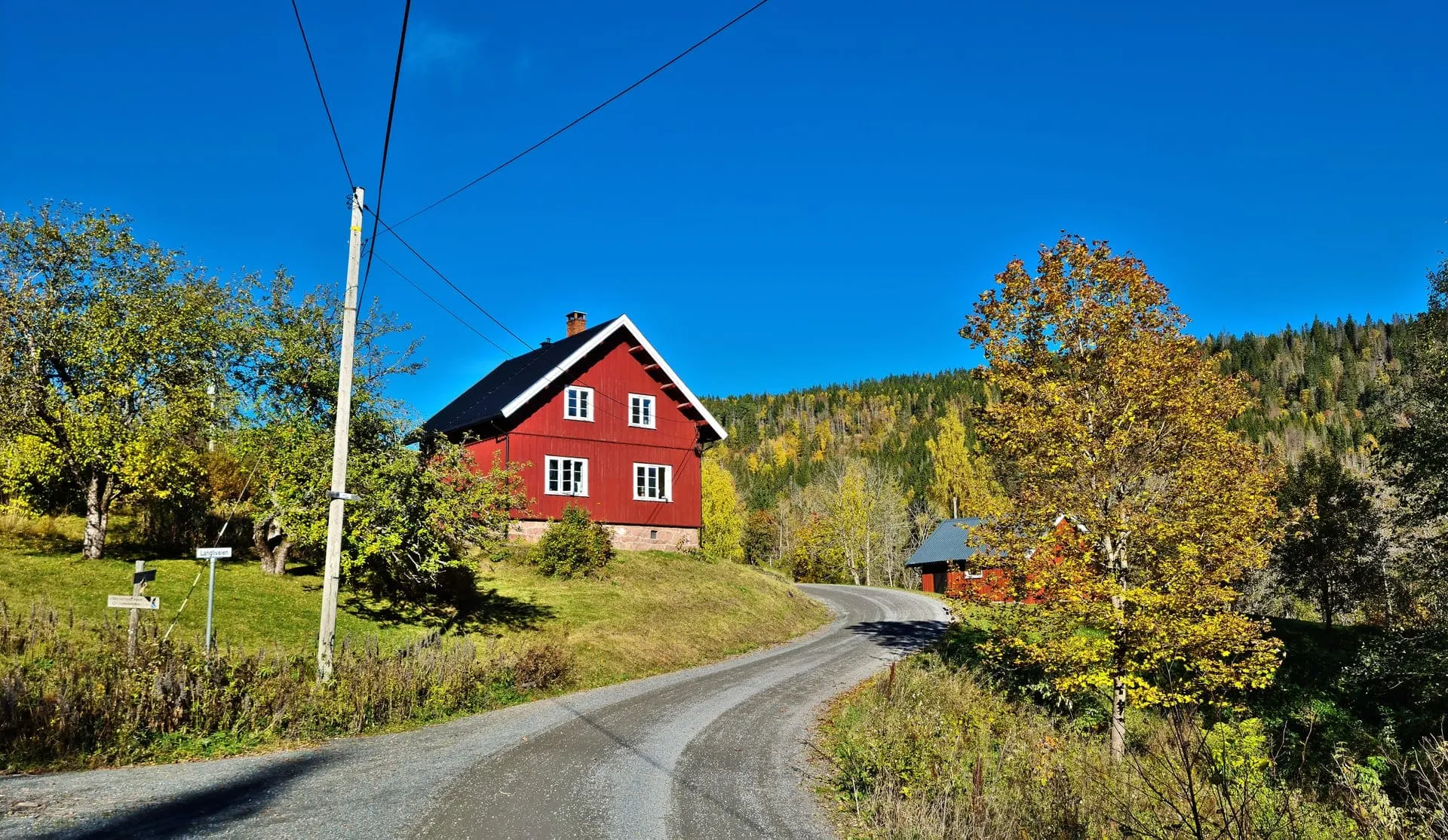
OCT-LOFT Creative Culture Park
A converted 1980s electronics factory complex turned into Shenzhen's creative heart — 200+ galleries, design studios, cafes, and bookstores. The T Street food alley and the annual OCT-LOFT Jazz Festival are highlights. Free entry.
Wikimedia Commons · CC-BY-SA
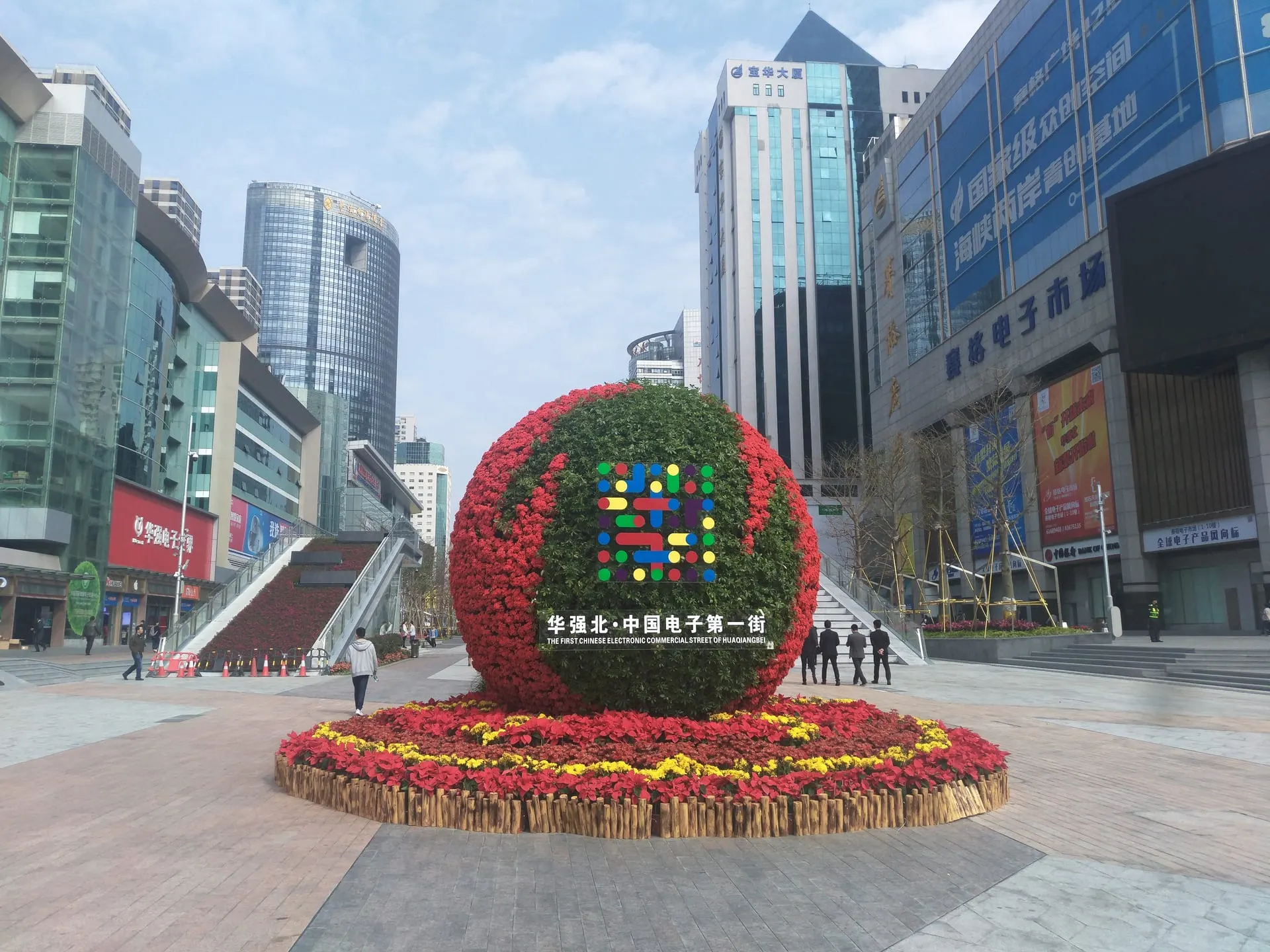
Huaqiangbei Electronics Market
The world's largest electronics marketplace — a multi-block district of skyscrapers and malls selling every component, gadget, and device imaginable. The SEG Electronics Tower alone has 20 floors. Free to browse; bring your bargaining skills.
Wikimedia Commons · CC-BY-SA
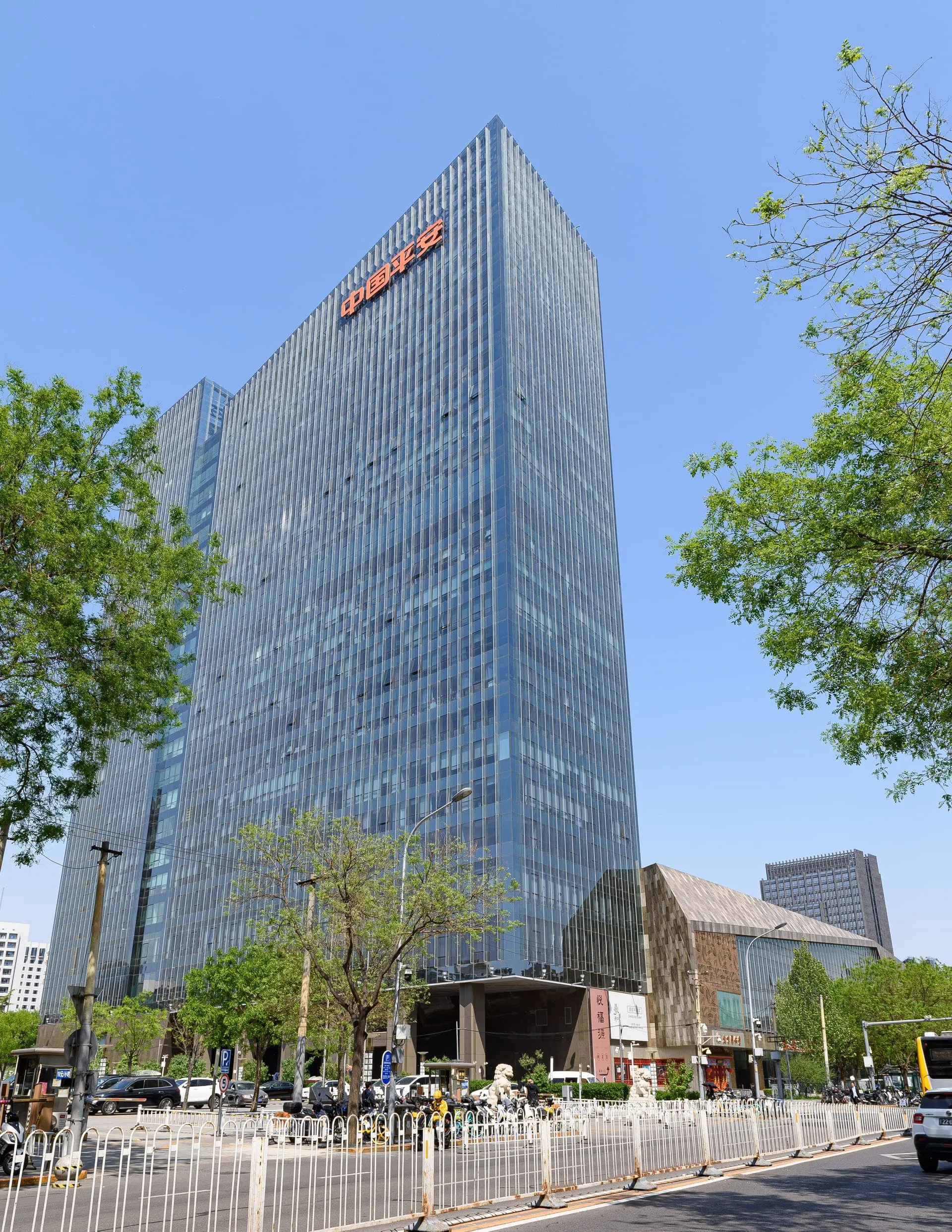
Ping An Finance Centre
The world's 4th-tallest building at 599 metres, with an observation deck at 541 metres offering 360-degree views of Shenzhen, the Pearl River Delta, and Hong Kong's New Territories. ¥200; best on clear days October–March.
Wikimedia Commons · CC-BY-SA
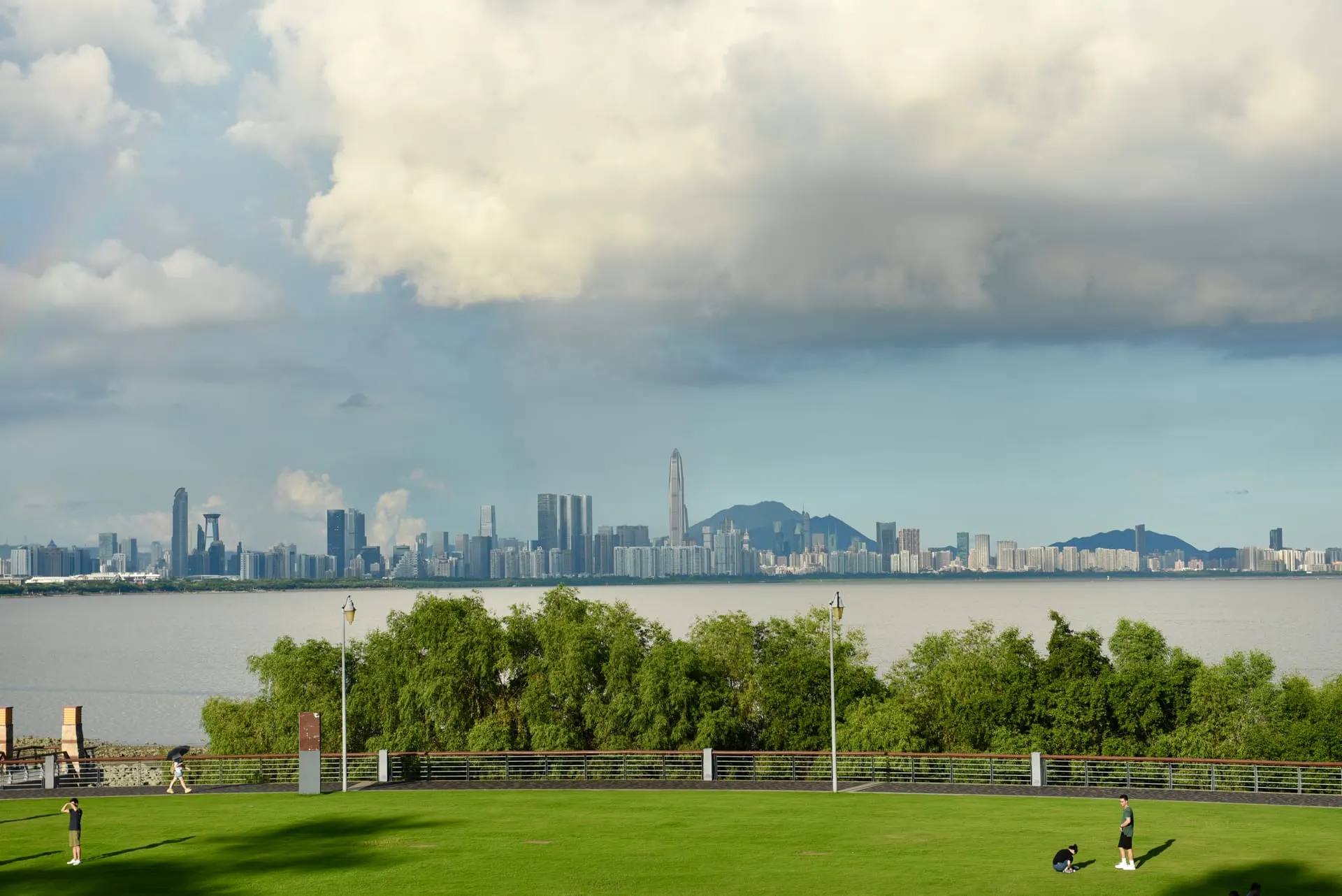
Shenzhen Bay Park
A 15-km coastal promenade and park stretching from Futian to Shekou, with dedicated cycling lanes, mangroves, and views of the Hong Kong skyline across the bay. Best at sunset. Free.
Wikimedia Commons · CC-BY-SA
Dafen Oil Painting Village
A village of thousands of artists producing reproduction and original oil paintings. Watch artists at work, commission a portrait or a replica masterpiece, and browse the galleries. Free entry.
Wikimedia Commons · CC-BY-SA
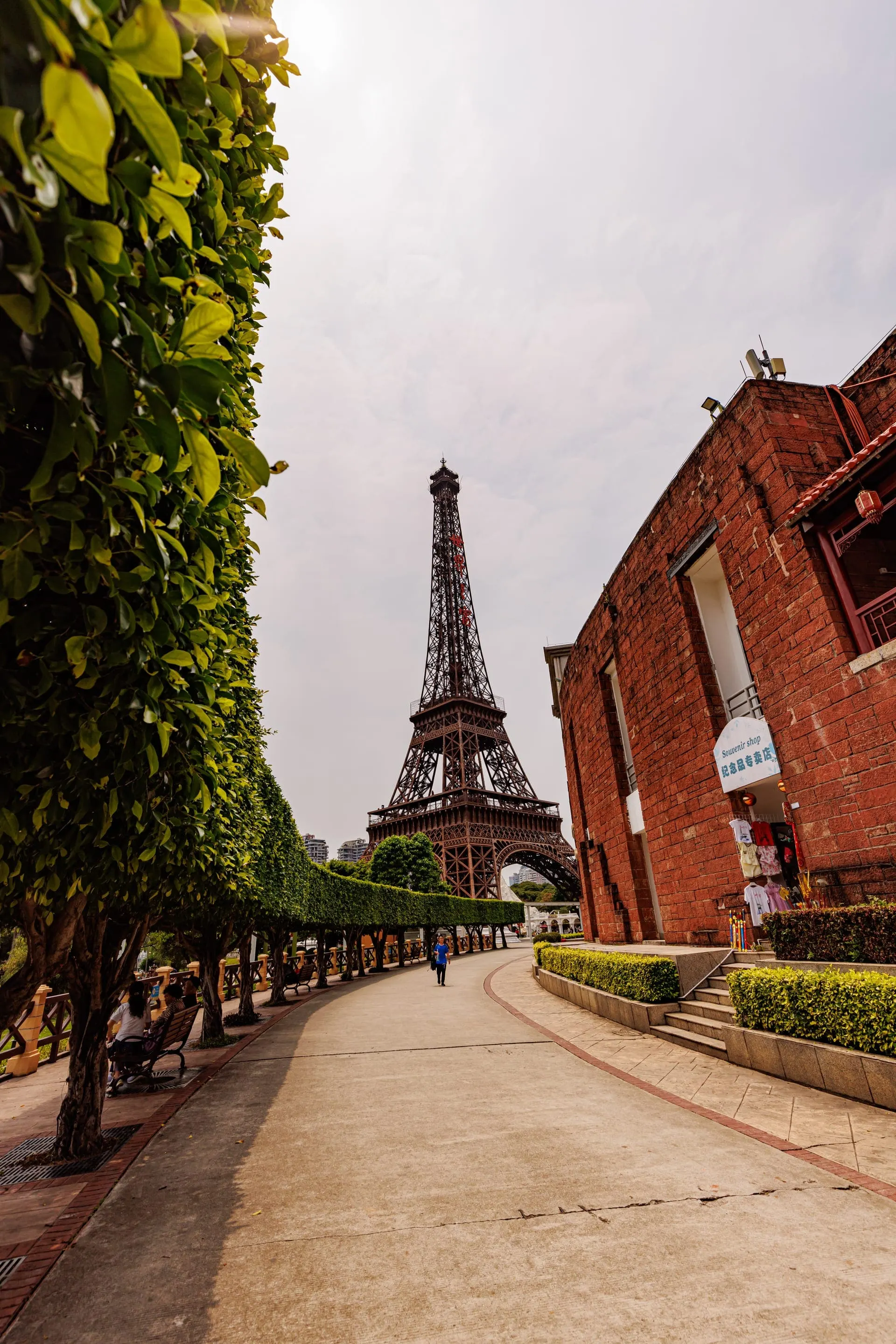
Window of the World
A 48-hectare theme park with miniature replicas of global landmarks — the Eiffel Tower, Taj Mahal, Pyramids, and 130+ others. Kitschy, fun, and surprisingly popular with Chinese tourists. ¥220.
Wikimedia Commons · CC-BY-SA
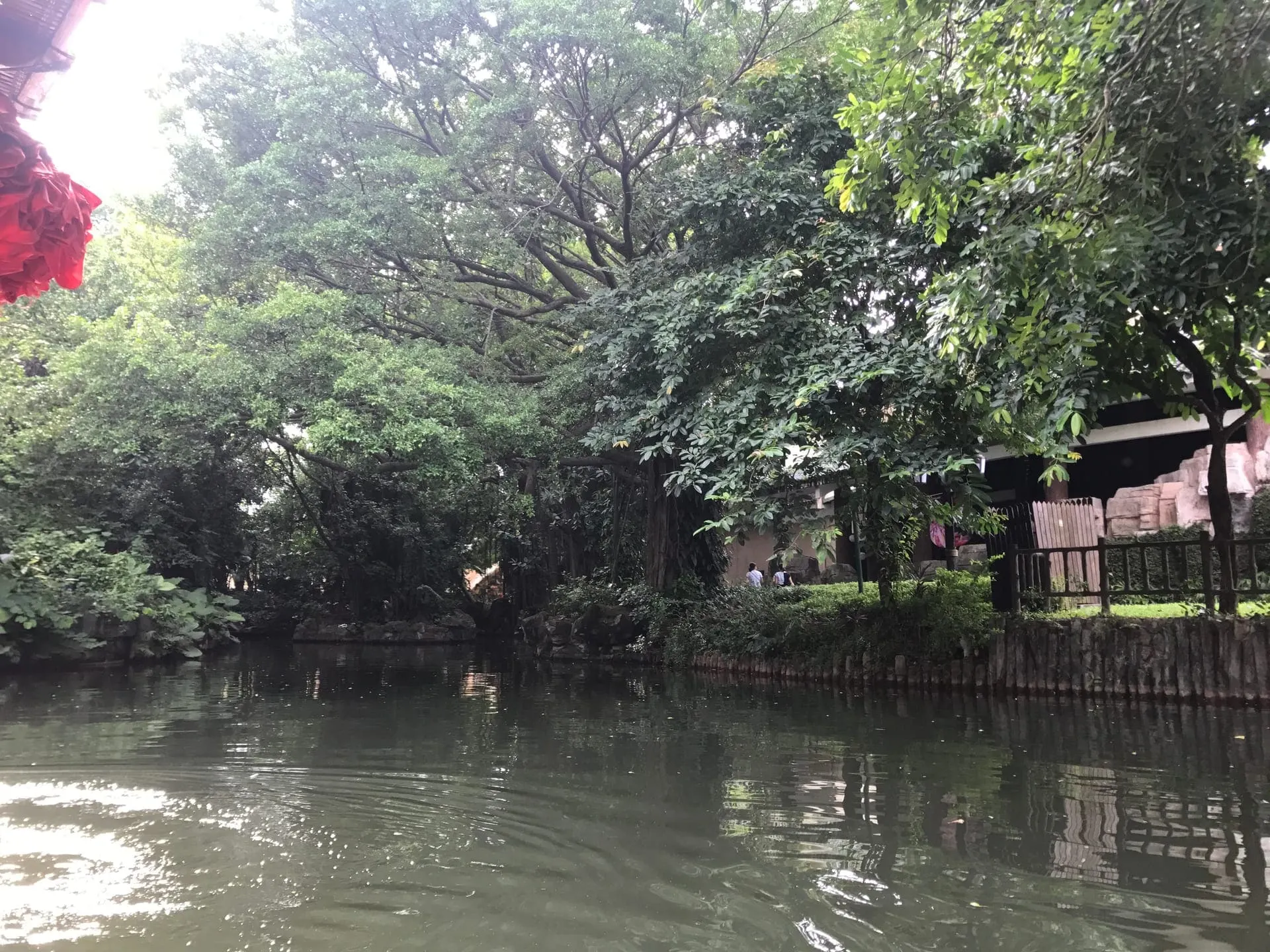
Splendid China Folk Village
A miniature park of China's famous landmarks (Great Wall, Forbidden City, etc.) plus a folk culture village with live performances of minority dances and crafts. ¥220; combined ticket with Window of the World available.
Wikimedia Commons · CC-BY-SA
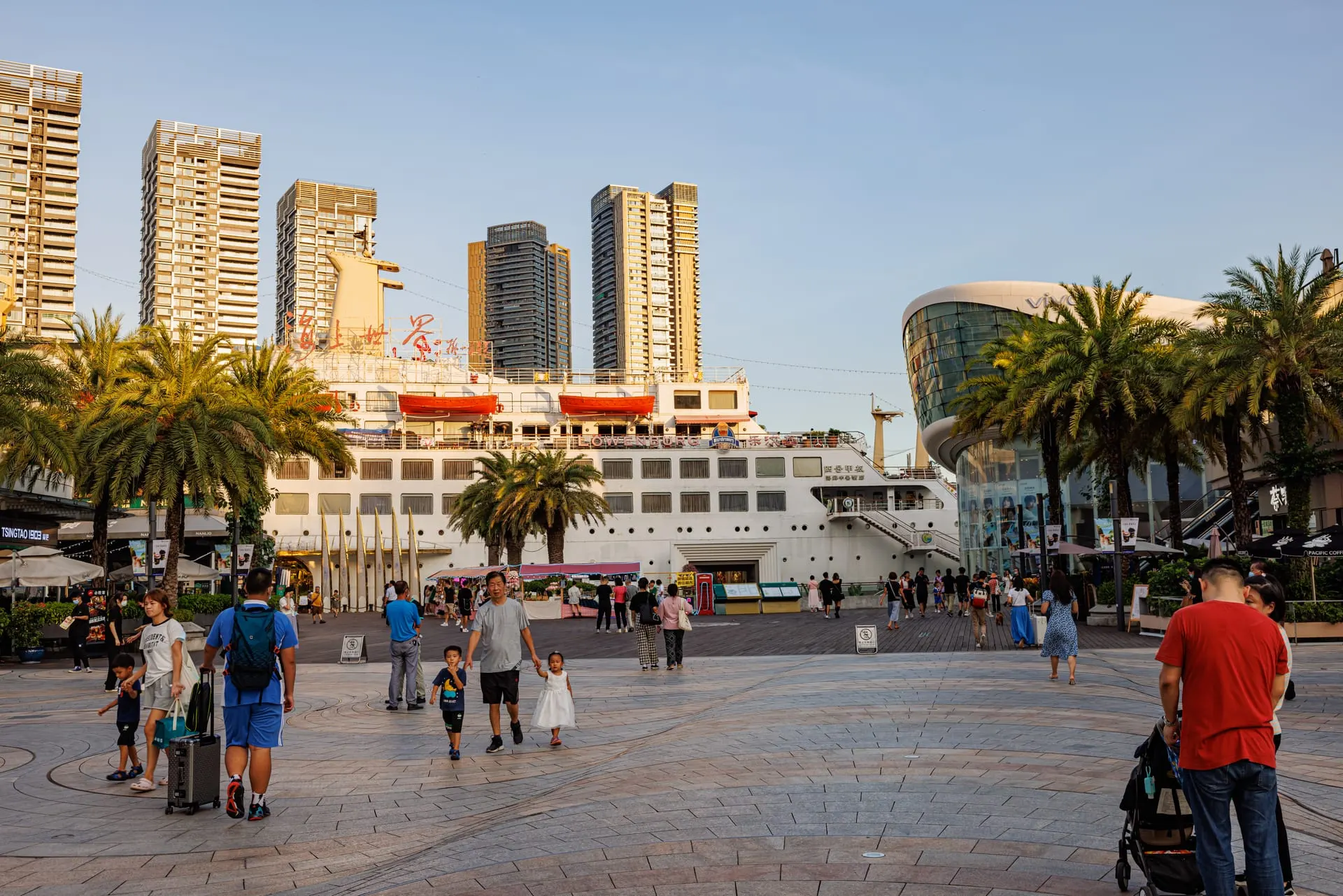
Shekou Sea World
An expat-friendly dining and entertainment hub built around a docked cruise ship (the Minghua). Restaurants, bars, live music, and international supermarkets. The main gathering spot for Shenzhen's foreign community.
Wikimedia Commons · CC-BY-SA
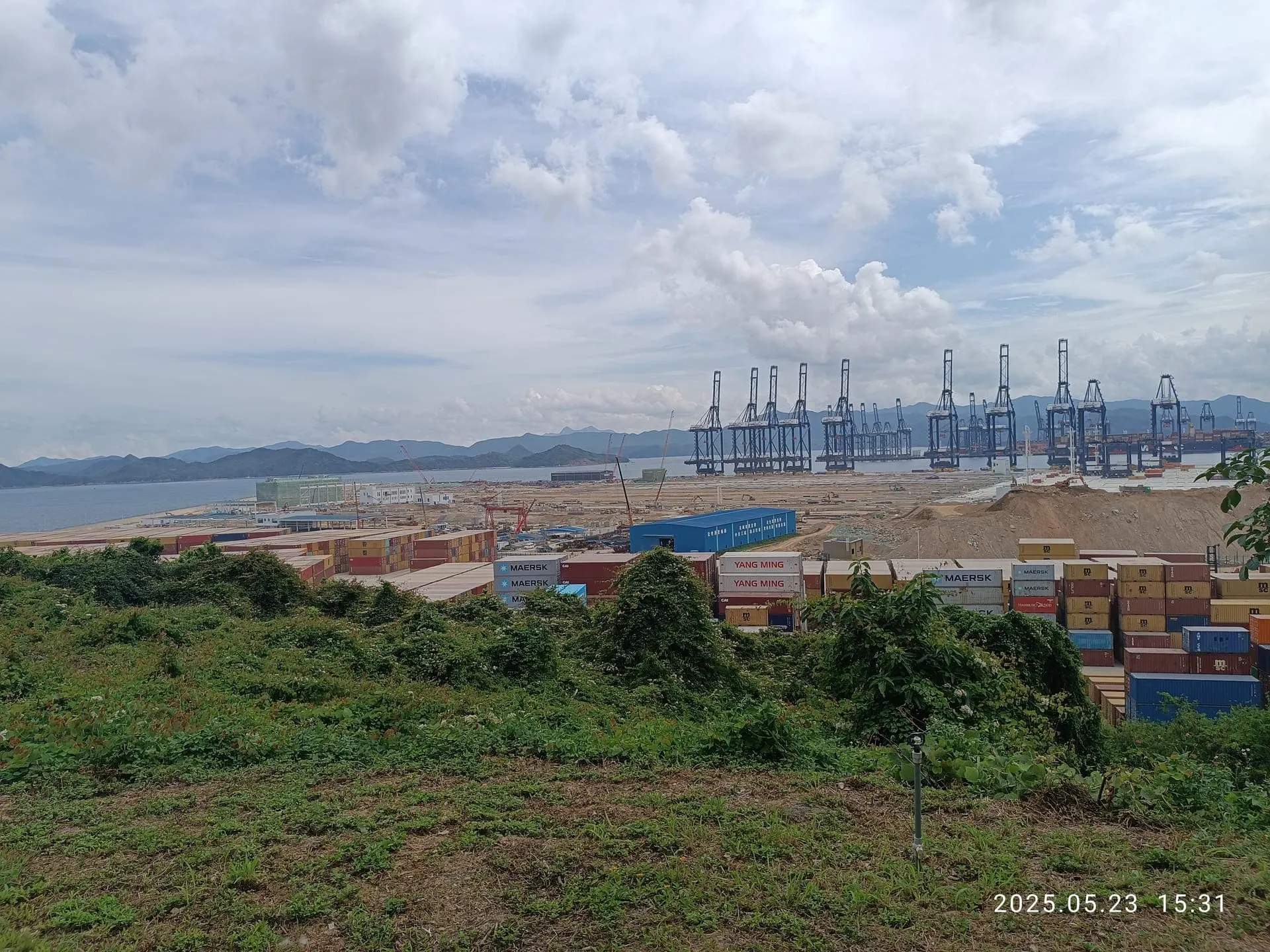
Dameisha Beach
Shenzhen's most popular public beach — 1.8 km of golden sand on the Dapeng Peninsula, with swimming, jet-skiing, and a beachfront promenade of seafood restaurants. ¥30 in summer; free in winter. 40 minutes from central Futian.
Wikimedia Commons · CC-BY-SA
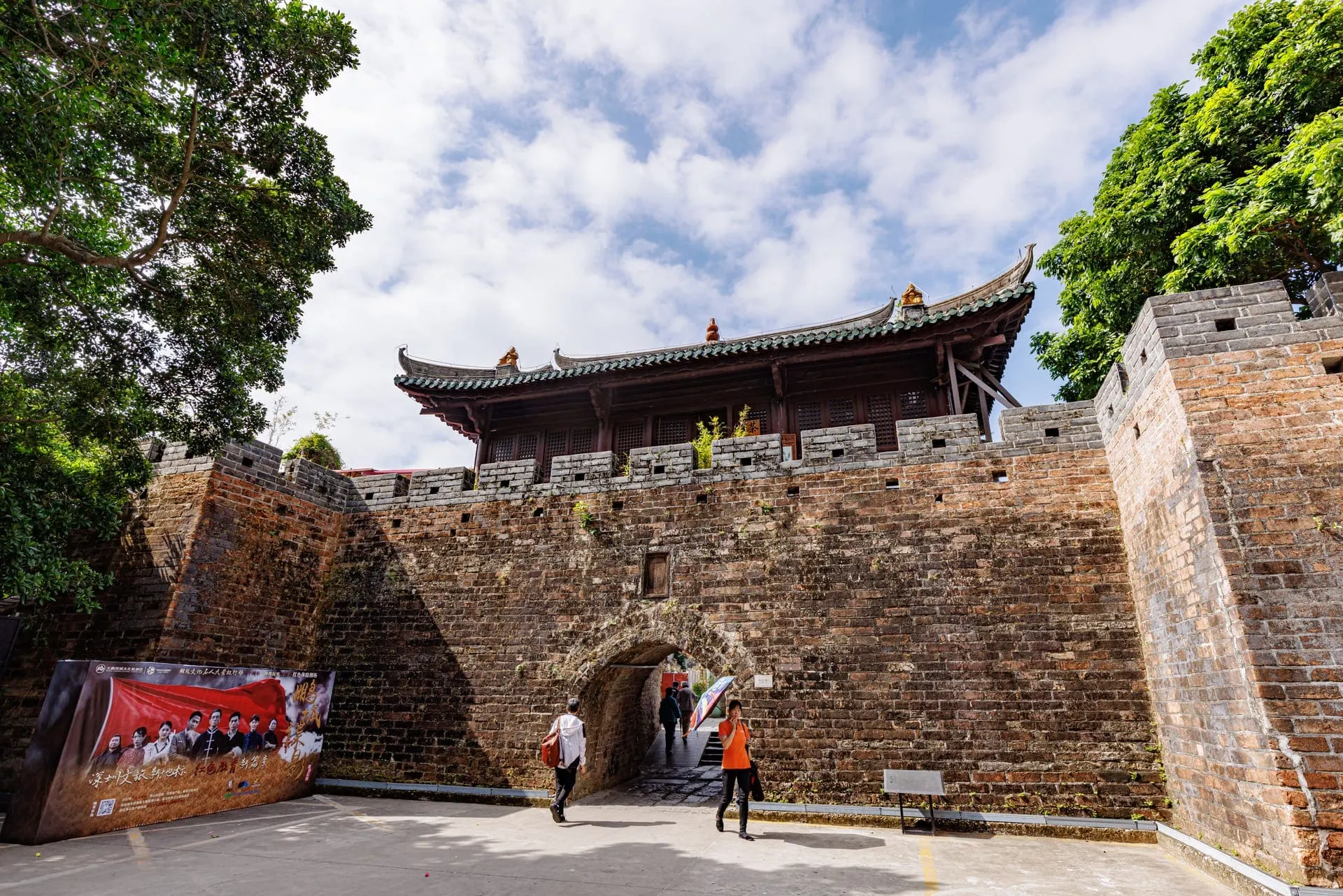
Dapeng Fortress
A 600-year-old Ming-Qing walled village on the Dapeng Peninsula, with original stone gates, cobbled alleys, traditional courtyard houses, and a coastal setting. Often overlooked by international visitors. ¥20.
Wikimedia Commons · CC-BY-SA
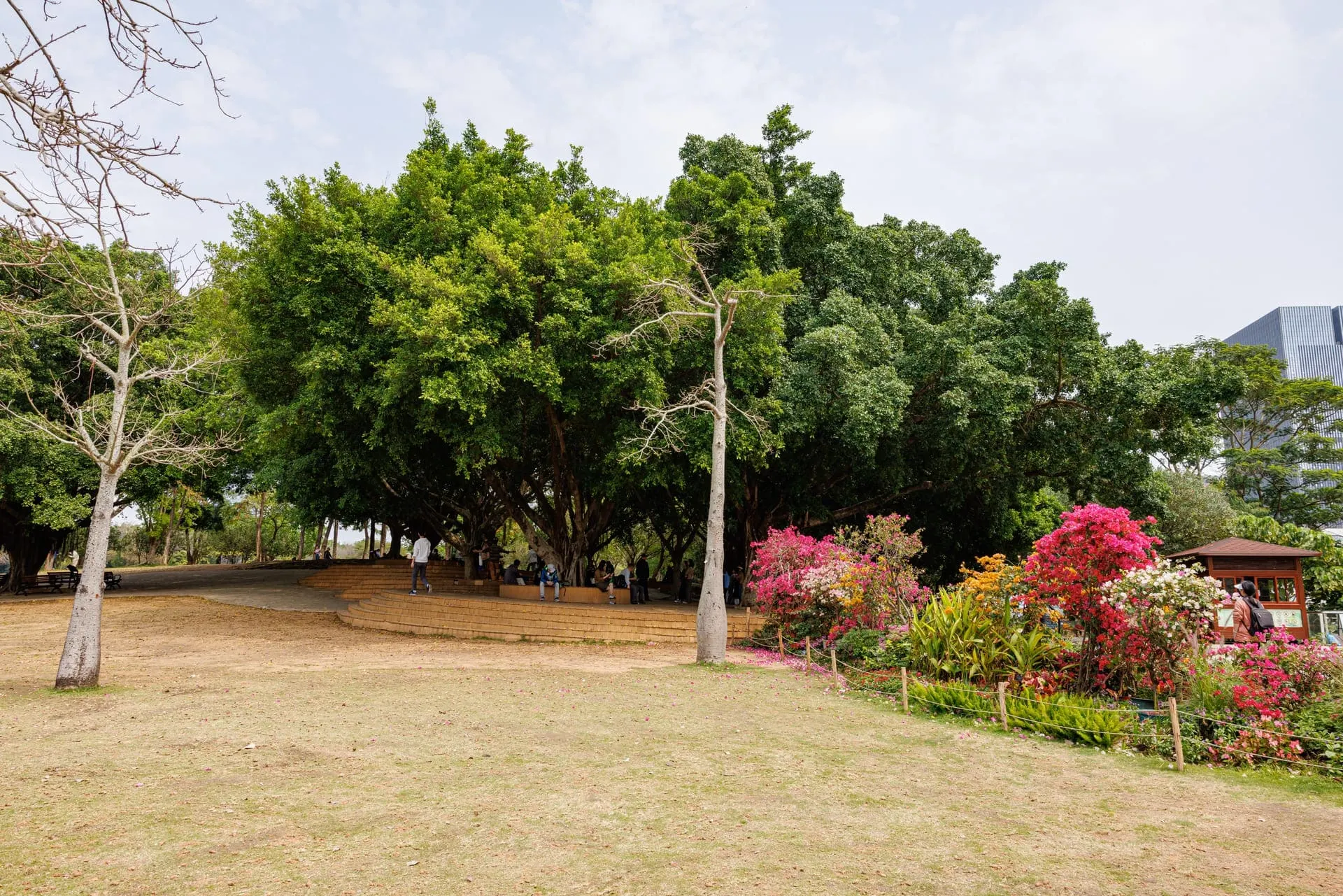
Lianhuashan Park
A 150-hectare hilltop park in central Futian with the famous bronze statue of Deng Xiaoping striding forward, panoramic city views, and a kite-flying lawn. The symbolic heart of Shenzhen. Free.
Wikimedia Commons · CC-BY-SA
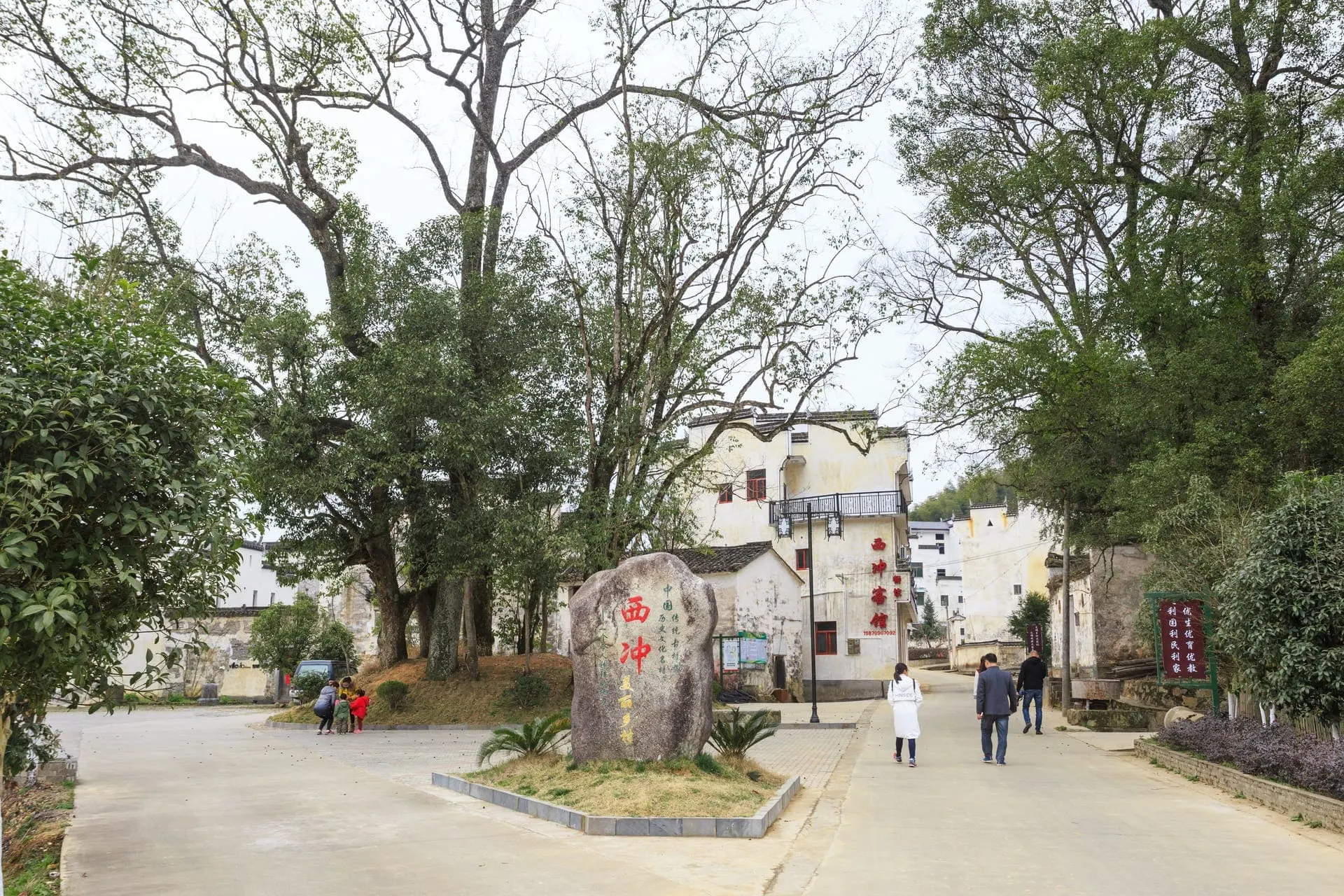
Xichong Beach
Shenzhen's best surf beach, on the eastern Dapeng Peninsula — a 4-km crescent of white sand with consistent waves and a laid-back surf-camp vibe. Less developed than Dameisha. ¥20.
Wikimedia Commons · CC-BY-SA
STAY
Where to stay in Shenzhen
Pick a base that matches the trip you want — imperial-central for sightseeing, hutong belt for character, Chaoyang for nightlife, or Qianmen for budget.
Futian (福田)
CBD and commercial heart. Shangri-La, Park Hyatt, Ritz-Carlton. Adjacent to Hong Kong border at Lok Ma Chau.
#futianNanshan & Shekou (南山·蛇口)
Tech hub by day, expat dining by night. Sea World complex, OCT-LOFT creative park. Marriott, Hilton.
#nanshan-shekouLuohu (罗湖)
Original SEZ core. Traditional shopping at Dongmen, border crossing to HK at Luohu/Lo Wu. Budget to mid-range.
#luohuDapeng Peninsula (大鹏半岛)
Beach escape. Resort hotels, surfing at Xichong, Dapeng Fortress ancient town. Best for a coastal getaway.
#dapeng
ITINERARIES
Sample itineraries from Shenzhen
Three ready-made routes, from a 1-day imperial sprint to a 5-day deep dive. Copy the day-by-day plan and adapt to your own pace.
- 1 DAY
Shenzhen in One Day
Tech, art, and a Hong Kong skyline view — the essential Shenzhen sprint.
- Layovers
- Hong Kong side trips
- Business travellers with one free day
- Day 01
Morning
OCT-LOFT creative park, Dafen Oil Painting Village
Afternoon
Shenzhen Bay Park coastal walk, Ping An Finance Centre observation deck
Evening
Seafood dinner at Shekou Sea World, OCT Harbour nightlife
- 3 DAYS
Classic 3-Day Shenzhen
Urban exploration, coastal escapes, and a Hong Kong day trip.
- First-time visitors
- Greater Bay Area explorers
- Tech and art enthusiasts
- Day 01
Morning
Huaqiangbei electronics market, Shenzhen Museum
Afternoon
Ping An Finance Centre, Lianhuashan Park (Deng Xiaoping statue)
Evening
Shekou Sea World dinner, OCT Harbour waterfront bars
- Day 02
Morning
Day trip to Hong Kong (15 min HSR) — Central, Victoria Peak, dim sum
Afternoon
Star Ferry, Tsim Sha Tsui promenade, Mong Kok markets
Evening
Return to Shenzhen via Futian border (open until 10:30 PM)
- Day 03
Morning
Wutong Mountain morning hike (moderate, 3-4h round trip)
Afternoon
Dameisha Beach or Xichong Beach for swimming and relaxation
Evening
Dapeng Fortress (600-year-old Ming-Qing walled village) sunset, farewell seafood dinner
- 4 DAYS
4-Day Greater Bay Explorer
Shenzhen, Guangzhou, and Hong Kong — the Pearl River Delta trio.
- Regional explorers
- Multi-city trips
- Long weekends
- Day 01
Morning
OCT-LOFT, Dafen Village, Huaqiangbei
Afternoon
Ping An Centre, Shenzhen Bay Park
Evening
Shekou dinner
- Day 02
Morning
HSR to Guangzhou (30 min), Chen Clan Ancestral Hall
Afternoon
Shamian Island, Canton Tower
Evening
Pearl River cruise, return to Shenzhen
- Day 03
Morning
HSR to Hong Kong (15 min), Victoria Peak
Afternoon
Central, Star Ferry, Tsim Sha Tsui
Evening
Temple Street Night Market, return to Shenzhen
- Day 04
Morning
Dapeng Fortress, beach morning
Afternoon
Last shopping at OCT Harbour or Luohu Commercial City
Evening
Depart
BUDGET
What a Shenzhen trip costs
Per-person, per-day costs across three spending tiers. Excludes international flights and visa fees.
| Line item | Backpacker | Mid-range | Luxury |
|---|---|---|---|
| Hotel (per night) | $15 | $65 | $230 |
| Meals (per day) | $10 | $30 | $90 |
| Local transport | $3 | $10 | $25 |
| Attractions | $10 | $25 | $60 |
| Total per day | $38 | $130 | $405 |
$ USD per person per day, before international flights and visas. Last verified: Q3 2026.
STAY SAFE
Emergency contacts in Shenzhen
Save these three numbers before you board the plane. China uses different hotlines than most countries — there's no 911.
- POLICE
110
- AMBULANCE
120
- FIRE
119
- TOURIST HOTLINE
12301 (China National Tourism Administration hotline)
- ENGLISH-SPEAKING ER
Shenzhen United Family Hospital (深圳和睦家医院) — English-speaking, +86 755 2381 6888, Nanshan. Also: HKU-Shenzhen Hospital (香港大学深圳医院) +86 755 8691 3333, Futian, has English-speaking international medical center.
Problems travelers hit in Shenzhen
- Why is my Alipay not working?You linked a foreign Visa or Mastercard to Alipay but every transaction is rejected at the merchant.
- My China visa was denied — what now?Your L visa application was refused at the Chinese consulate and your trip is in 2–4 weeks.
- My passport was lost or stolen in China — what do I do?Your passport is gone (theft or loss) and you're in mainland China without travel documents.
- Why can't I book on 12306 with my foreign card?You tried to book a high-speed rail ticket on 12306.cn and your foreign Visa/Mastercard is rejected at checkout.
- Why is my VPN not working in China?You arrived in China, opened your VPN, and it will not connect at all or connects but no traffic loads.
- Why can't I book a Tibet trip on my own?You try to book Lhasa flights and hotels yourself but the booking fails, or you're turned away at the Lhasa airport without a permit.
Compare Shenzhen with
Book activities in Shenzhen
These are licensed tour operators and booking platforms we've vetted independently. Booking through these links may earn us a commission — see our affiliate disclosure. This never affects our editorial recommendations or the price you pay.
Frequently asked questions
Is Shenzhen worth visiting?
How do I visit Hong Kong from Shenzhen as a day trip?
How many days do I need in Shenzhen?
When is the best time to visit Shenzhen?
Is Shenzhen safe for tourists?
What is the best way to get from Hong Kong Airport to Shenzhen?
Show all 25 FAQs
Where should I stay in Shenzhen?
Can I use English in Shenzhen?
Is the Huaqiangbei electronics market worth visiting?
Do I need a visa for Shenzhen?
What is the difference between Shenzhen and Hong Kong?
Can I visit Shenzhen as a day trip from Hong Kong?
What should I buy at Huaqiangbei?
What is the weather like in Shenzhen and when is typhoon season?
Is Shenzhen expensive?
What is there to do in Shenzhen at night?
Can I use Hong Kong dollars in Shenzhen?
How do I get to Guangzhou from Shenzhen?
What is the Dapeng Fortress and is it worth visiting?
Is Shenzhen a good destination for families?
What is Shenzhen best known for?
How do I get from Hong Kong to Shenzhen?
Is Shenzhen worth visiting for non-shoppers?
What is the Shenzhen Bay Park and is it worth visiting?
What is the food like in Shenzhen?
References

Related guides & destinations
Guide
Shenzhen Bao'an Airport Transfer Guide 2026
How to get from Shenzhen Bao'an International Airport (SZX) to Luohu, Futian, Nanshan, and onward to Hong Kong, including metro Line 11, tax
Guide
How We Research 2026: NihaoVisit’s Methodology for China Travel Information
How NihaoVisit sources, verifies, and maintains 700+ pages of China travel information — our source hierarchy, fact-checking process, update
Guide
Fact-Checking Log 2026: Verified China Travel Information — NihaoVisit
A public log of fact-checking verification passes on NihaoVisit, showing what was verified, when, and against which sources — covering visa
Guide
Best Time to Visit China 2026: Month-by-Month Weather, Crowds, and Prices
The best time to visit most of China is April–May and September–October. Winter (Dec–Feb) is cold but cheap; summer (Jun–Aug) is hot and cro
Guide
VPN for China 2026: Which VPNs Work, eSIM Alternatives, and the Complete Pre-Trip Checklist
Most Western apps and websites are blocked in mainland China. A reliable VPN is essential for Google, Gmail, WhatsApp, Instagram, and most n
Guide
China SIM Card and eSIM Guide 2026: Stay Connected Without WeChat
A Chinese SIM or eSIM lets you use mobile data, maps, and ride-hailing without WiFi. Here is how to get one, the cost, and which provider to