Suzhou
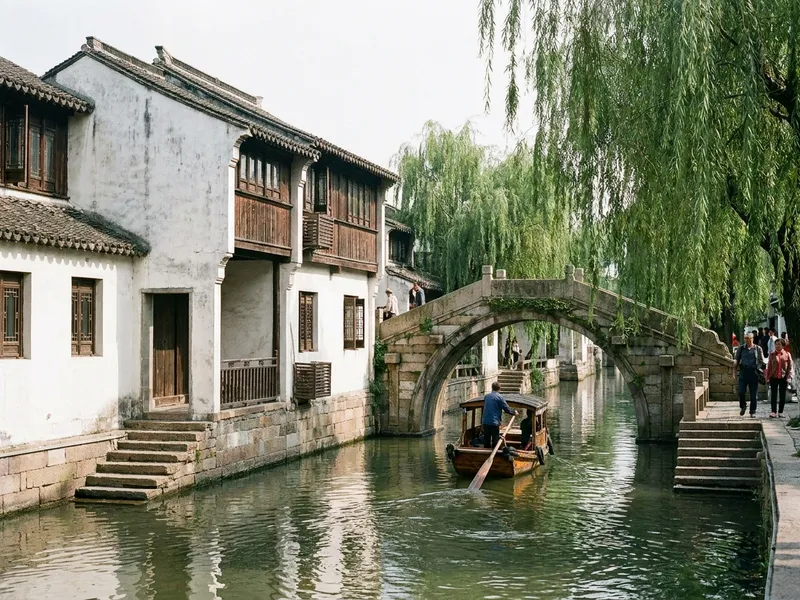
Suzhou sits in the Yangtze River Delta 100 km west of Shanghai and has been a cultural capital of southern China for over 2,500 years. The city is most famous for the Classical Gardens of Suzhou, of which nine are inscribed on the UNESCO World Heritage List, including the Humble Administrators Garden, the Lingering Garden, and the Master of the Nets Garden. The Pingjiang Road historic district preserves a 1,600-meter stretch of the old canal city with whitewashed Ming- and Qing-era houses, stone bridges, teahouses, and silk shops. Suzhou is also the cradle of Kunqu opera (the UNESCO-listed ancestor of Peking Opera), the historical center of Chinese silk production (the Suzhou Silk Museum is one of Chinas best), and a gateway to the Tongli, Zhouzhuang, Luzhi, and Xitang water towns. Most travelers visit Suzhou on a 1-3 day side trip from Shanghai, easily reached by 25-minute high-speed rail; visa-free entry of 30 days applies to most Western passports.
Why Suzhou in 2026.
Suzhou is a 2,500-year-old canal city east of Shanghai, celebrated for its UNESCO-listed Classical Gardens, Pingjiang Road waterway, silk heritage museums, Kunqu opera performances, and the Tongli and Zhouzhuang water towns, offering one of Chinas most refined cultural landscapes within an hour of Shanghai.
Quick Answer
Suzhou sits in the Yangtze River Delta 100 km west of Shanghai and has been a cultural capital of southern China for over 2,500 years. The city is most famous for the Classical Gardens of Suzhou, of which nine are inscribed on the UNESCO World Heritage List, including the Humble Administrators Garden, the Lingering Garden, and the Master of the Nets Garden. The Pingjiang Road historic district preserves a 1,600-meter stretch of the old canal city with whitewashed Ming- and Qing-era houses, stone bridges, teahouses, and silk shops. Suzhou is also the cradle of Kunqu opera (the UNESCO-listed ancestor of Peking Opera), the historical center of Chinese silk production (the Suzhou Silk Museum is one of Chinas best), and a gateway to the Tongli, Zhouzhuang, Luzhi, and Xitang water towns. Most travelers visit Suzhou on a 1-3 day side trip from Shanghai, easily reached by 25-minute high-speed rail; visa-free entry of 30 days applies to most Western passports.
| Best time to visit | April-May for spring blossoms and the Silk Festival; September-October for autumn foliage and the Mid-Autumn moon over Pingjiang Road; avoid the first week of October (Golden Week) and the late-September Mid-Autumn Festival |
|---|---|
| Daily budget | $300 (backpacker) / $800 (mid-range) / $3000+ (luxury) |
| Language | Mandarin (Putonghua) with the local Suzhou Wu dialect among older residents; English is widely spoken in hotels, the Classical Gardens, the Suzhou Museum, and Pingjiang Road tourist areas |
| Currency | CNY (¥); Visa, Mastercard, and American Express accepted at hotels, malls, and most restaurants via Alipay and WeChat Pay Tour Card |
| Time zone | China Standard Time (UTC+8), no daylight saving time |
| Last updated | 2026-06-14 |
Want a Suzhou plan built for you?
What is Suzhou: Why Suzhou Deserves a Visit?
Suzhou is one of the most culturally rich cities in China and one of the easiest to reach, sitting just 100 km west of Shanghai on the Beijing-Shanghai high-speed rail corridor. The city has been a cultural and economic capital of the lower Yangtze region for 2,500 years and is the historical center of Chinese garden design, silk production, Kunqu opera, and the Wu school of classical painting. Most visitors know Suzhou for two images: the whitewashed walls and gray-tiled roofs of the Pingjiang Road canal district, and the layered pavilions, lotus ponds, and rockeries of the Humble Administrators Garden. Both images are UNESCO-recognized and well-deserving of the hype. But Suzhou is far more than a classical postcard. It is a working city of 13 million people and a high-tech powerhouse — the Suzhou Industrial Park is one of Chinas most successful Singaporean-style development zones, home to the 302-meter Gate of the Orient towers, the Suzhou Center (one of the worlds largest malls), and the research campuses of Microsoft, Nvidia, AMD, and dozens of biotech firms. For independent travelers, Suzhou offers something Shanghai cannot: a slower pace, a 2,500-year-old water-city streetscape, the finest concentration of classical gardens in China, the cradle of Kunqu opera, and a dozen water towns within an hours drive, all reachable in under 30 minutes from central Shanghai by HSR. Two to three days is the ideal length of stay — one day for the Classical Gardens and Pingjiang Road, a second for the Suzhou Museum and Hanshan Temple, and a third for Tongli or Zhouzhuang water town.
What is the history of Suzhou: From Spring-and-Autumn Capital to Silk Capital?
Suzhou was founded in 514 BC by the King of Wu as the capital of the state of Wu. Its original city walls and moat still define the layout of the old town. The city grew steadily through the Han, Tang, and Song dynasties, becoming one of the wealthiest prefectures in imperial China by the 11th century. The Grand Canal, completed in the Sui dynasty in 610 AD, linked Suzhou to Beijing and Hangzhou and transformed it into the commercial and silk capital of the Yangtze Delta. The Ming dynasty (1368-1644) was Suzhous golden age: the citys population reached 1 million, more than any city in Europe at the time, and it produced most of the imperial silk supply. The Classical Gardens of Suzhou were built or expanded during this period by retired scholar-officials who sought to recreate their ideals of landscape in miniature — the Humble Administrators Garden dates to 1513, and the Lingering Garden to 1593. The Qing dynasty brought the refinement of Kunqu opera (a UNESCO Intangible Cultural Heritage, recognized in 2001) and the rise of the Suzhou School of Chinese painting. The Taiping Rebellion of 1860-1864 devastated the city and destroyed many of its finest gardens; the surviving gardens were extensively restored in the late Qing and early Republican era. After 1949, Suzhou industrialized rapidly but retained its old town and garden heritage under municipal protection. The 1992 founding of the Suzhou Industrial Park with Singapore as a partner transformed the eastern half of the city into a high-tech and financial hub, and the 2006 opening of the IM Pei-designed Suzhou Museum brought global attention to the citys classical-modern synthesis. Today Suzhou is one of Chinas wealthiest cities by GDP per capita and a UNESCO Creative City of Design (2014).
What is the geography and climate of Suzhou, and when should I visit?
Suzhou sits in the Yangtze River Delta on the southern bank of the Yangtze River, 100 km west of Shanghai and 175 km southeast of Nanjing. The municipality covers 8,488 square kilometers, although the urban core clusters along the ancient canals of the old town and the modern skyline of the Suzhou Industrial Park. The terrain is exceptionally flat — Suzhou sits on the Yangtze alluvial plain and the citys highest natural point is only 350 meters above sea level. The city is famous for its network of canals: there are over 200 km of navigable waterways within the urban area, and the Pingjiang Road and Shantang Street districts still preserve the Ming-dynasty canal layout. Suzhou has a humid subtropical climate with four distinct seasons and is on the same latitude as New Orleans, Charleston, and Marrakech. Summers (June-August) are hot and humid, with average July highs of 32°C and lows of 25°C, frequent afternoon thunderstorms, and the East Asian monsoon bringing typhoon-influenced rain bands from the Pacific. Winters (December-February) are mild by northern Chinese standards, with January averaging daytime highs of 8°C and nighttime lows of 1°C; snow is rare and melts within hours. Spring (March-May) is short and rainy, with the East Asian plum-rain front in April-June bringing persistent light rain and humidity. Autumn (September-November) is the best season by a wide margin: warm dry days, cool nights, the Mid-Autumn Festival moon over Pingjiang Road, and the maple and gingko foliage in the Classical Gardens. The best months are April-May and September-October, with the caveat that the first week of October (National Day Golden Week, October 1-7) brings enormous domestic crowds; the late-September Mid-Autumn Festival and the late-April to early-May Labor Day holiday are similarly busy.
How to Get There: Flights, Trains, and the Shanghai-Suzhou HSR
Suzhou does not have its own major airport; most international travelers arrive through Shanghai Hongqiao (SHA) or Shanghai Pudong (PVG). From Pudong, the Shanghai Maglev to Longyang Road Station connects to metro line 2 to Hongqiao, then HSR to Suzhou — total journey about 90 minutes. From Hongqiao, the Beijing-Shanghai HSR connects directly to Suzhou Railway Station (in the old town, on metro line 4) and Suzhou North Railway Station (in the SIP, on metro line 2), with journey times of 25 minutes from Hongqiao and 5-15 minutes between trains during peak hours. Second-class tickets cost ¥40, first-class ¥65, business class ¥125. The HSR runs from 6am to 10pm, with up to 200 daily services. From Nanjing, the HSR takes 1 hour 30 minutes and costs ¥110 second class. From Hangzhou, the HSR takes 1 hour 15 minutes and costs ¥90. Suzhou has four main railway stations: Suzhou Station (central, on metro line 4, in the old town), Suzhou North Station (for most HSR services, in the SIP), Suzhou Industrial Park Station (in the eastern SIP), and Suzhou West Station (mostly conventional rail). Within the city, the metro has 6 operational lines and 200+ stations covering the main attractions. The Humble Administrators Garden is on Line 1 at Beisita Pagoda Station, the Lingering Garden on Line 2 at Shantang Street Station, the Suzhou Museum and Pingjiang Road on Line 1 at Lindun Road Station, and the Hanshan Temple on Line 1 at Hanshan Temple Station. For travelers from outside Shanghai, Wuxi Sunan Shuofang International Airport (WUX) is 50 km northwest of Suzhou and has domestic flights to most major Chinese cities; a coach service connects WUX to Suzhou Railway Station in 90 minutes for ¥50. From the airport, a private car to central Suzhou costs ¥400-500 and takes 60-90 minutes.
How do I get around Suzhou: Metro, Taxi, DiDi, and Canal Boats?
Suzhou has a modern, well-organized public transport system. The metro is the workhorse: 6 lines, 200+ stations, ¥2-7 per ride depending on distance, English and Chinese signage, and clean air-conditioned cars. The metro runs from roughly 6am to 11pm, with frequencies of 3-7 minutes during peak hours and 8-12 minutes at off-peak times. A reloadable Suzhou Tong transportation card can be bought at any station for ¥20 (refundable deposit) and works on the metro, buses, the tourist canal boats, and the Hangzhou-Suzhou tourist bus. Taxis in Suzhou are metered and reasonable; flag-fall is ¥11 for the first 3 km and ¥2.5 per additional km (¥3.5 at night), and an average cross-city ride costs ¥30-60. DiDi operates throughout the city and is the safest and most foreigner-friendly option; the English-language app works smoothly, fares are typically 10-20% lower than taxi meters, and the GPS tracking means you cannot be overcharged. Always insist on the meter or use DiDi; unmarked cabs at the railway stations occasionally overcharge tourists. Suzhou is one of the best cities in China for cycling: the flat terrain, the dedicated bike paths along Pingjiang Road and the Grand Canal, the Jinji Lake waterfront, and the Taihu Lake shore all reward two wheels. Bike share is available through Meituan Bike and HelloRide (¥1.5 per 30 minutes via the WeChat app). Canal boats are a unique Suzhou experience: the Pingjiang Road canal boats (¥80 per person, 40-minute loop) and the Shantang Street boats (¥80) glide through the heart of the old town under the guidance of a pole-propelled boatman. For day trips to Tongli, Zhouzhuang, Luzhi, or Xitang water towns, tourist coaches depart from Suzhou North Station Bus Terminal (¥20-50 round-trip) or you can hire a private driver for ¥400-600 per day.
Where should I stay in Suzhou?
Suzhous accommodation is concentrated in four areas, each with a distinct character. The Guanqian Street and Pingjiang Road area in the heart of the old town is the most atmospheric and the best for first-time visitors. Boutique hotels and restored Ming- and Qing-era mansions cluster here: the Scholars Hotel Suzhou (¥700, in a restored Qing courtyard mansion), the Pingjiang Mansion (¥1,200, a luxury heritage hotel on Pingjiang Road), and the Suzhou Garden Hotel (¥800, near the Humble Administrators Garden) are all within walking distance of the major gardens and the Pingjiang Road canal. Mid-range options along Guanqian Street include the Holiday Inn Express Suzhou City Center (¥450), the Citadines Suzhou Xinghai (¥400), and a number of locally run 3-star hotels from ¥250-400. The Jinji Lake and Suzhou Industrial Park area east of the old town is the modern skyline, with the international business hotels that serve the SIPs multinational tenants. The W Suzhou (¥1,500), the Kempinski Hotel Suzhou (¥1,100), the Hilton Suzhou (¥900), and the Novotel Suzhou SIP (¥600) are all on or near Jinji Lake, within walking distance of the Suzhou Center Mall and the Gate of the Orient. The Shantang Street area south of the old town has a slightly grittier feel but excellent value: the Suzhou Shantang House (¥350), the Mingtown Soul Hotel (¥400), and the Soul Hotel Suzhou (¥300) are popular mid-range choices. For backpackers, the Suzhou Blue Knights International Youth Hostel (¥60-120 per bed) near Guanqian Street and the Tongli Ancient Town Youth Hostel (¥80-150) in Tongli water town are the best options. Book at least 2 weeks ahead during the Spring Festival, Golden Week, and the Mid-Autumn Festival. Whatever you choose, request a garden-view or canal-view room if available — they cost ¥100-200 more but make the stay.
What are the top attractions in Suzhou?
Suzhous signature attraction is the Humble Administrators Garden (Zhuozheng Yuan), a 5.2-hectare Ming-dynasty garden and the largest of the UNESCO-listed Classical Gardens of Suzhou, built in 1513 by Wang Xianchen, a retired magistrate of the imperial court. The garden is centered on a 1-hectare lotus pond with three islands connected by zigzagging bridges — a Taoist technique to keep evil spirits from crossing water — and is divided into three thematic sections: the Eastern Section of woodlands and pavilions, the Central Section of the pond and main halls, and the Western Section of the 49-maple Eastern Forest. Best visited in spring for the peonies or in autumn for the maples; allow 2-3 hours and budget ¥90 entry. The Lingering Garden (Liu Yuan) is a 2.3-hectare Qing-dynasty masterpiece from 1593, famous for its 700-meter covered walkway where 200 latticed windows frame a constantly shifting view of the landscape. Considered the finest example of Qing-era garden design, it costs ¥45 entry. The Master of the Nets Garden (Wangshi Yuan) is the smallest UNESCO garden at just 0.5 hectares but the most refined; it is famous for its nightly Kunqu opera performance (¥100 extra, book ahead) and the Yellow Crane Tower at its center. Pingjiang Road is the 1,600-meter stretch of the old canal city preserved as a pedestrian street, with whitewashed Ming- and Qing-era houses, 17 stone bridges, teahouses, silk shops, and the rhythmic sound of pole-propelled boats passing through the canal. Free to enter, open 24 hours. The Suzhou Museum, designed by IM Pei (the Suzhou-born architect of the Louvre Pyramid) and opened in 2006, integrates traditional whitewashed walls and gray tiled roofs with modern geometric forms and houses a world-class collection of Ming and Qing furniture, calligraphy, and porcelain. Free but advance booking required. Other standouts include Tiger Hill with the 7-story 48-meter leaning Yunyan Pagoda (built in 961, 2.5 degrees off vertical, ¥80), the Suzhou Silk Museum (free, with live silkworm displays), Tongli water town 18 km south (¥100 includes 4 heritage sites), and the 302-meter Gate of the Orient towers on Jinji Lake.
What local food should I try in Suzhou?
Suzhou cuisine is one of the four great traditions of Chinese cooking (alongside Shandong, Sichuan, and Cantonese) and is famous for its emphasis on fresh ingredients, sweet-savory flavors, careful knife work, and refined presentation. The local cuisine, known as Su cai, is characterized by slightly sweeter flavors than neighboring Shanghai cuisine, an emphasis on river fish and freshwater shellfish from the Yangtze and Taihu Lake, and seasonal ingredients such as Yangcheng Lake hairy crabs in autumn. The most famous Suzhou dish is Songshu Guiyu (squirrel-style mandarin fish) — a freshwater carp scored in a cross-hatch pattern, deep-fried until the flesh fans out like a squirrels tail, and served with a sweet-and-sour tomato sauce. It is the signature dish of the Songhelou restaurant (founded 1757). Other classics include Biluochun green tea (grown on the Dongting Mountain of Taihu Lake, one of Chinas ten most famous teas), Yangcheng Lake hairy crabs (only in October-December, prized for their roe and paired with Shaoxing wine), Xiefen (crab-roe dumplings served at the Songhelou Crab Festival), sweet osmanthus rice cakes (gui hua gao), and the Suzhou-style mooncakes served at the Mid-Autumn Festival. For street food, Pingjiang Road and Shantang Street have dumpling stalls, noodle shops, and the famous Su-style sugar porridge (tang zhou). The local restaurant scene has a handful of standouts: Songhelou (1757, the most famous traditional restaurant) on Guanqian Street, the Deyue Building (De Yue Lou) for refined Su cuisine in a Ming-era mansion, the Tongli Boat Restaurant for canal-side dining in Tongli water town, the Pine & Crane Restaurant for vegetarian Buddhist cuisine, and the Xinshifu for affordable Su staples. The Pingjiang Road teahouses (Mingfu Tea House, Chens Teahouse, the Floating Willow Teahouse) serve Biluochun tea with traditional Suzhou snacks in canal-side settings.
What is a good 1- to 3-day itinerary for Suzhou?
A one-day Suzhou itinerary centers on the Humble Administrators Garden, the Suzhou Museum, Pingjiang Road, and the Master of the Nets Garden. Start at the Humble Administrators Garden at opening time (7:30am in summer, 8am in winter) to beat the crowds; spend 2-3 hours exploring the lotus pond, the Eastern Forest, and the 49-maple grove. Walk 10 minutes north to the Suzhou Museum (book a free timed-entry ticket online) for IM Peis masterpiece and the Ming-Qing collections. Lunch at Songhelou on Guanqian Street for Songshu Guiyu (squirrel fish) and Biluochun tea. In the afternoon, walk to Pingjiang Road and explore the canal, take a 40-minute canal boat ride (¥80), and visit the Kunqu Opera Museum and the Suzhou Silk Museum. End the day at the Master of the Nets Garden for the night tour with Kunqu opera (¥180 with the performance). Three Days in Suzhou: Day 1 as above. Day 2: Start at the Lingering Garden at opening time, spend 90 minutes exploring the 700-meter covered walkway. Take a taxi to Tiger Hill for the leaning Yunyan Pagoda and the 1,000-year-old gingko tree (¥80). Lunch near Tiger Hill, then visit Hanshan Temple (¥20) and the nearby Maple Bridge — the site of the famous Tang-dynasty poem. In the evening, take a sunset canal cruise on Shantang Street. Day 3: Take a day trip to Tongli water town (18 km south, ¥100 entry includes 4 sites; tours from ¥200 or take bus 4 from Suzhou Railway Station). Explore the Tuisi Garden, the Three Bridges, the Pearl Pagoda, and the canal-side Ming-era houses; have lunch at the Tongli Boat Restaurant and return to central Suzhou by 5pm. End the day with a visit to the Jinji Lake waterfront and the Gate of the Orient towers at sunset. Optional Day 4: Visit Zhouzhuang (one of Chinas most famous water towns, 38 km southeast), Luzhi (a 1,300-year-old water town, 25 km east), or Xitang (in Zhejiang Province, 70 km south). Or stay in Suzhou for a Suzhou Bay Taihu Lake day trip, with the Suzhou Bay Museum, the Taihu Lake Lighthouse, and the lakeside bike path.
What practical information do I need for Suzhou: Visa, Money, Connectivity, and Language?
Visa: Most Western passport holders (US, UK, EU, Australia, Canada, Japan, South Korea, New Zealand, Singapore) can visit China visa-free for up to 30 days. Suzhou is covered under the same policy as Shanghai. China also offers 240-hour visa-free transit through Shanghai Pudong or Hongqiao airports if you are continuing to a third country, with Suzhou covered as a destination. Check the latest rules with your nearest Chinese consulate before booking. Money and Payment: The currency is the Chinese Yuan Renminbi (CNY, ¥), with an exchange rate of roughly ¥7.2 to US$1. Cash works everywhere. Alipay and WeChat Pay both accept foreign Visa, Mastercard, and American Express cards via the Tour Card feature — set this up before arrival through the Alipay app. WeChat Pay works similarly. Most mid-range and luxury hotels, restaurants, and shops accept both. The Pingjiang Road silk shops and some teahouses are cash-only. ATMs are widespread and accept foreign cards; ICBC, Bank of China, and 7-Eleven ATMs all work. SIM Cards and Connectivity: Buy a China Unicom or China Mobile tourist SIM at the Shanghai airports for ¥80-150 with 10-30 GB of data valid for 7-30 days. eSIM is supported on most modern iPhones and Androids. Public Wi-Fi is patchy; hotel Wi-Fi is reliable. A VPN is needed to access Google, Gmail, Facebook, Instagram, YouTube, and Western news sites — install and test yours before arrival. Language: Standard Mandarin (Putonghua) is the official language and is understood everywhere. The local Suzhou dialect is a member of the Wu Chinese family and is mutually unintelligible with Mandarin — older residents speak it among themselves. English is widely spoken in hotels, museums, the Classical Gardens, and the major tourist sites; elsewhere it is rare. Keep a translation app on your phone. Electricity and Plugs: 220V, 50Hz, with Type A, C, and I plugs. Bring a universal adapter. Time zone is China Standard Time (UTC+8), with no daylight saving time. Tap water is not drinkable.
What are the best day trips from Suzhou?
Suzhous location in the heart of the Yangtze River Delta makes it an ideal base for several rewarding day trips. The most popular are the water towns of Tongli, Zhouzhuang, Luzhi, and Xitang. Tongli is 18 km south of Suzhou and the closest; it has 15 km of canals, 49 stone bridges, and the UNESCO-listed Tuisi Garden. Zhouzhuang, 38 km southeast, is the most famous water town in China, with the 600-year-old Double Bridge and well-preserved Ming-era houses. Luzhi, 25 km east, is a 1,300-year-old water town with the Baoshen Temple and a beautiful canal-side walking path. Xitang, 70 km south in Zhejiang Province, is famous for its 104 bridges and the spectacular night view of the lanterns reflecting in the canal. For travelers with more time, a day trip to Shanghai by HSR takes 25 minutes and opens the Bund, the French Concession, the Shanghai Tower, the Yu Garden, and the Shanghai Museum. Wuxi, 50 km northwest, has the UNESCO-listed Grand Canal heritage site, the Lihu Lake park, the Turtle Head Peninsula with its cherry blossoms in spring, and the filming location for the Final Destination franchise. Hangzhou, 175 km south, is the home of West Lake (UNESCO World Heritage) and the Longjing tea plantations. Nanjing, 200 km northwest, is the historical capital of China with the Sun Yat-sen Mausoleum, the Ming-era city wall, and the Nanjing Massacre Memorial Hall. Shanghai Disneyland, 90 minutes by HSR plus metro, is an option for families. For a more active excursion, the Taihu Lake shore (Suzhou Bay) has a 20-km bike path, the Suzhou Bay Museum (the worlds fifth-largest museum by area), and the Taihu Lake Lighthouse.
What cultural etiquette and practical tips should I know?
Suzhou is one of the easiest Chinese cities in which to navigate cultural differences. As a long-standing center of culture, scholarship, and refined living, the city is comparatively low-key and tolerant. A few practical pointers help visitors blend in. Tipping is not customary in restaurants or taxis; some high-end restaurants add a 10-15% service charge. Round up the fare or hand the driver the small change if you want to acknowledge good service, but do not insist. Chopsticks should never be stuck vertically into a bowl of rice — this is associated with funeral incense. Use the serving chopsticks or the reverse end of your own to take food from shared plates. Smoking is restricted indoors and at tourist sites but still common on the street; most restaurants have smoking sections. The legal drinking age is 18; Suzhou local beers include the Tsingtao (brewed in Shandong but widely available), the Master Kong Beer, and a small craft brewery scene. Bargaining is expected at the Pingjiang Road silk shops and the Shantang Street antique stalls but not in restaurants or shops with fixed prices. When entering a temple, cross the threshold with one foot only (not both), avoid pointing at the Buddha statues, and ask before photographing worshippers. The Hanshan Temple, the Xiyuan Temple, and the Kaiyuan Temple have functioning Buddhist communities; visitors are welcome at services and the morning chanting. Personal space is closer than in the West, especially in markets and on the metro, but staring is not considered rude. Suzhous Kunqu opera halls expect quiet attention — unlike Peking opera, Kunqu is meditative and refined, with whispered commentary. Finally, always carry your passport: hotels must register foreign guests with the local police within 24 hours of check-in, and you may need to show your passport when buying train tickets, entering certain museums, or registering for a SIM card.
Top attractions
Humble Administrators Garden (Zhuozheng Yuan)
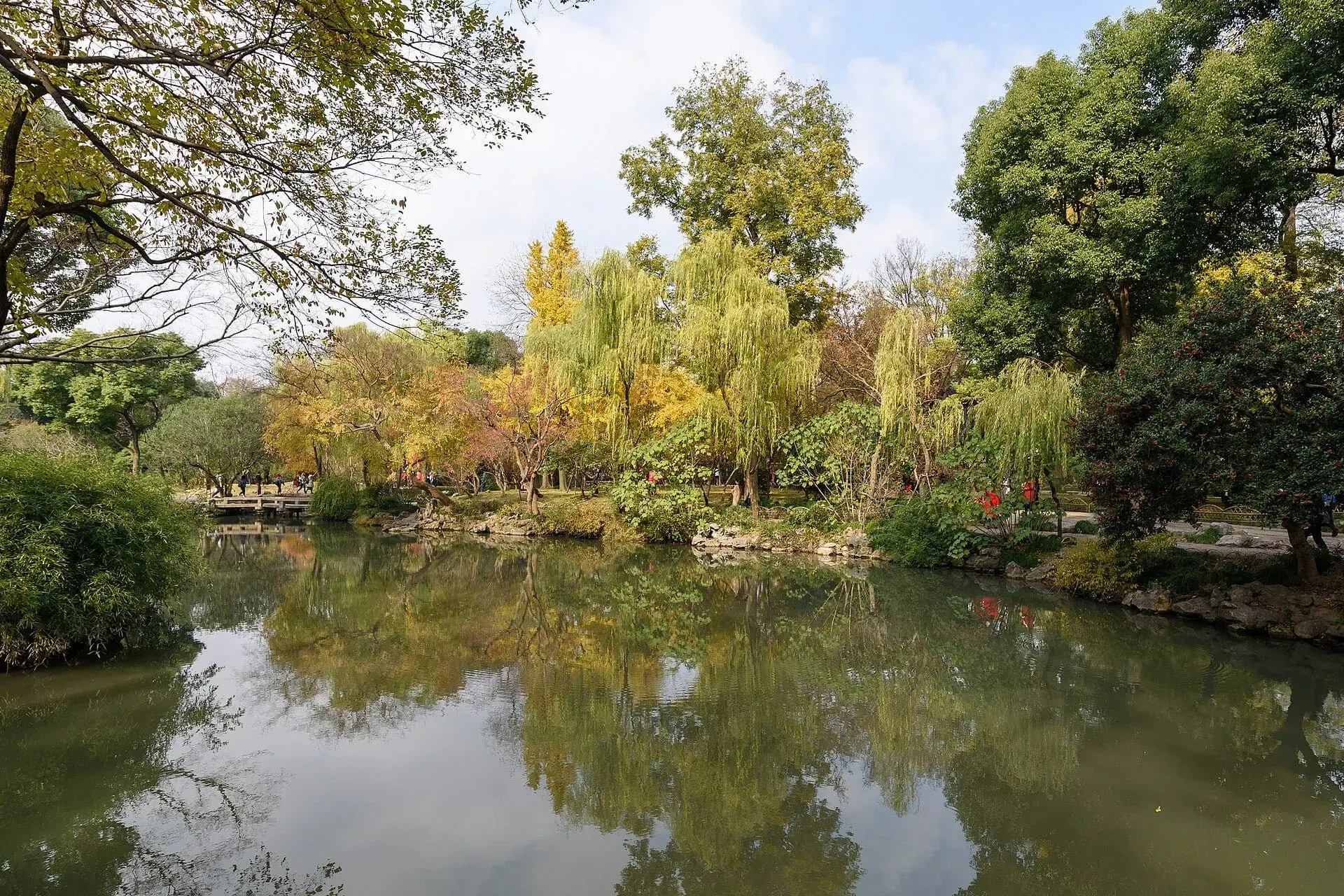
A 5.2-hectare Ming-dynasty garden and the largest of the UNESCO-listed Classical Gardens of Suzhou, built in 1513 by a retired magistrate and centered on a 1-hectare lotus pond, the Eastern Forest of 49 maples, and a 30-meter bonsai collection. Best visited in spring for the peonies or in autumn for the maples; allow 2-3 hours.
Wikimedia Commons · CC-BY-SA
Lingering Garden (Liu Yuan)
A 2.3-hectare Qing-dynasty garden and the second UNESCO-listed Classical Garden, famous for its 700-meter covered walkway with 200 latticed windows framing a constantly shifting view of the landscape. Considered the finest example of Qing-era garden design; allow 90 minutes.
Wikimedia Commons · CC-BY-SA
Master of the Nets Garden (Wangshi Yuan)
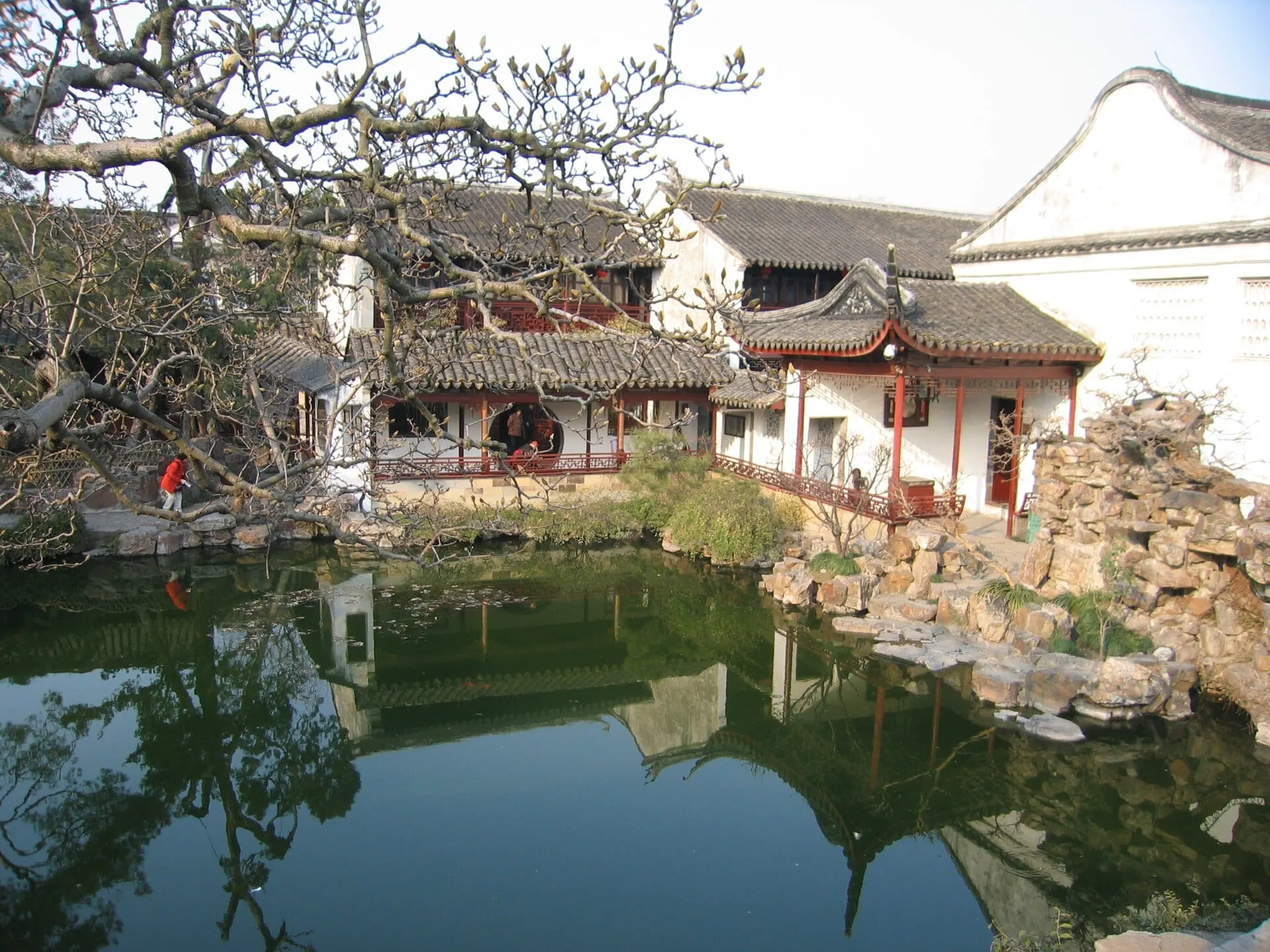
A 0.5-hectare garden and the smallest UNESCO-listed Classical Garden, considered by many garden historians the finest example of Suzhou garden art. Famous for its night tour (only one of the UNESCO gardens open after dark) and its Kunqu opera performances; allow 90 minutes plus the optional night show.
Wikimedia Commons · CC-BY-SA
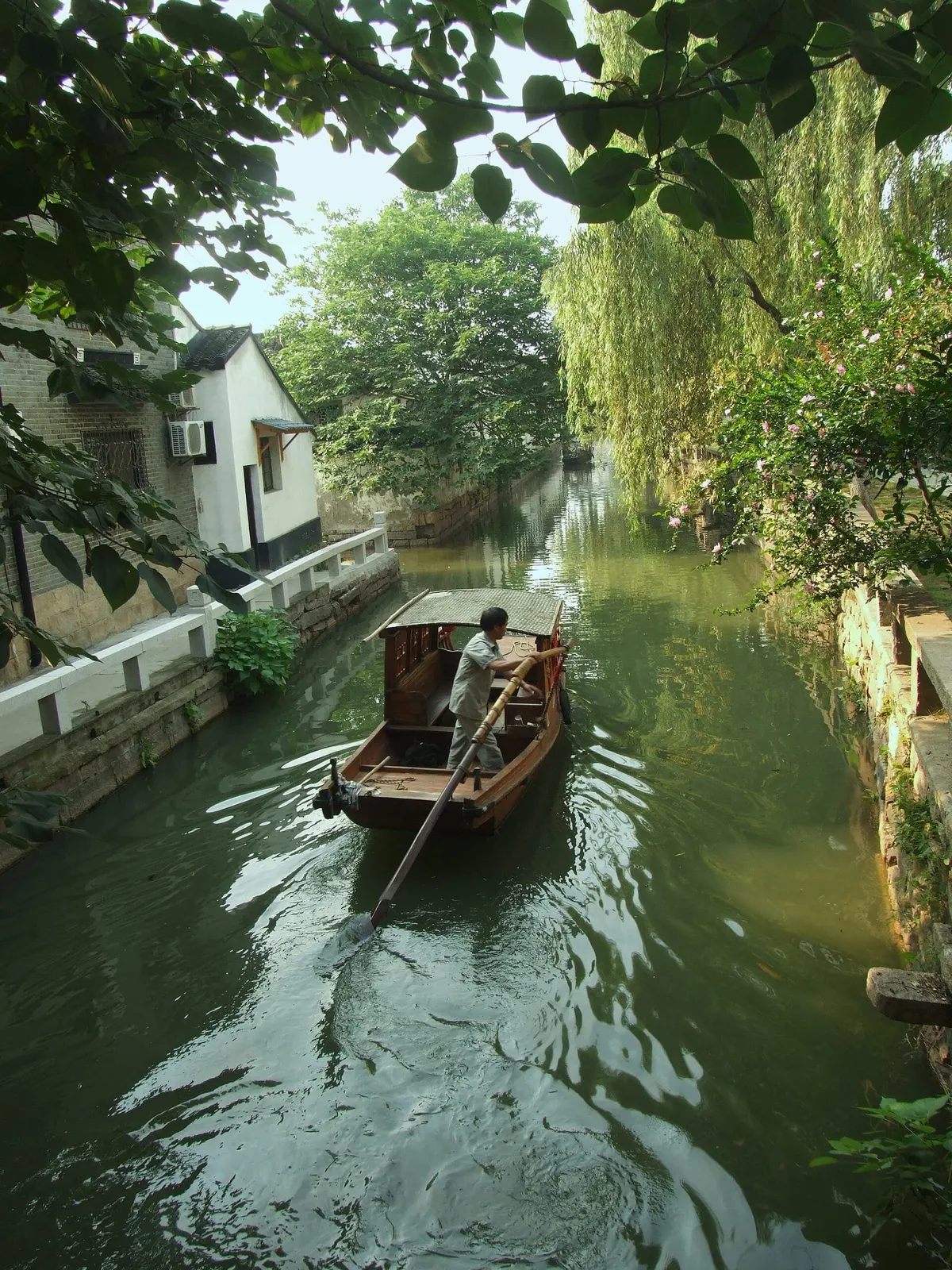
Pingjiang Road (Pingjiang Lu)
A 1,600-meter stretch of the old canal city preserved as a pedestrian street, with whitewashed Ming- and Qing-era houses, 17 stone bridges, teahouses, silk shops, calligraphy stalls, and the rhythmic sound of pole-propelled boats passing through the canal. Free to enter, open 24 hours.
Wikimedia Commons · CC-BY-SA
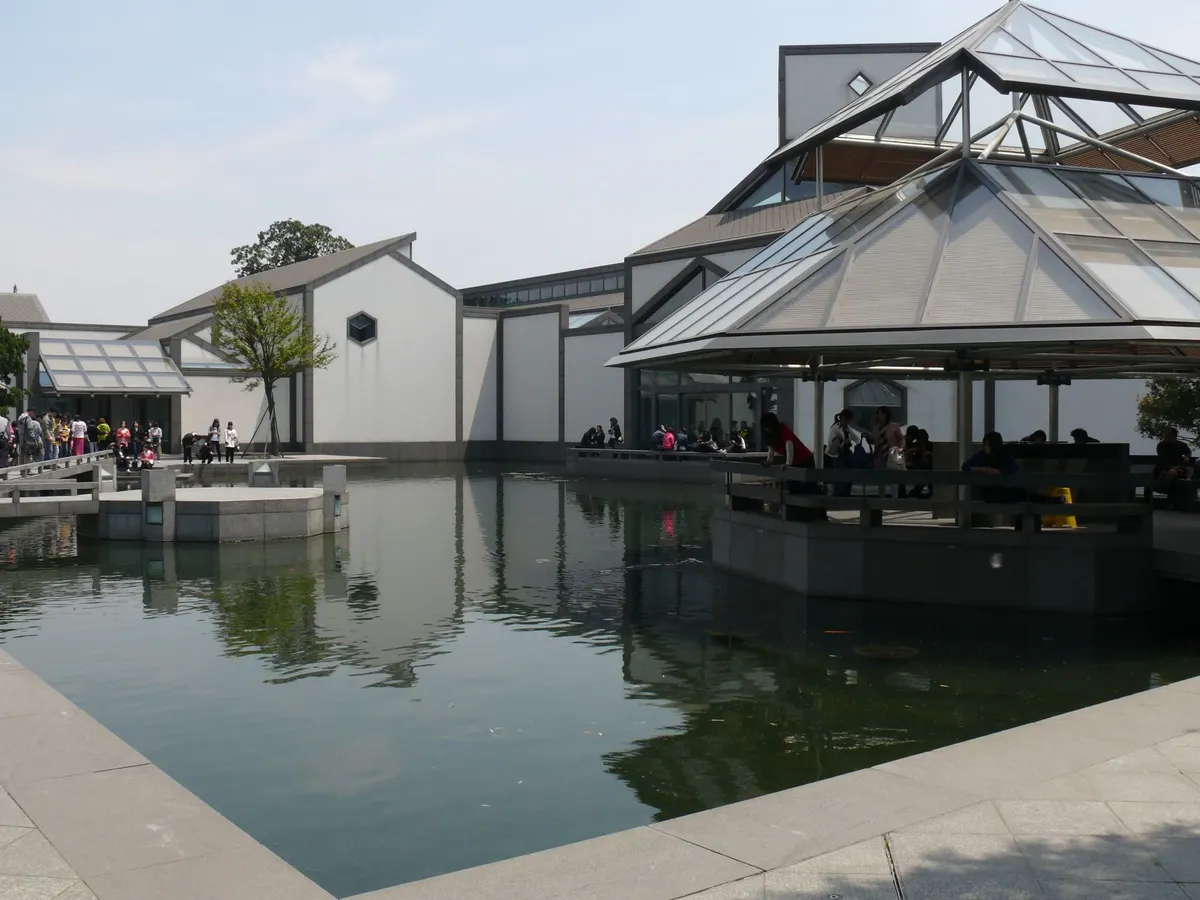
Suzhou Museum (IM Pei)
A 10,500-square-meter museum designed by IM Pei (the Suzhou-born architect of the Louvre Pyramid) and opened in 2006, integrating traditional Suzhou whitewashed walls and gray tiled roofs with modern geometric forms. Houses a world-class collection of Ming and Qing furniture, calligraphy, and porcelain. Free admission but advance booking required.
Wikimedia Commons · CC-BY-SA
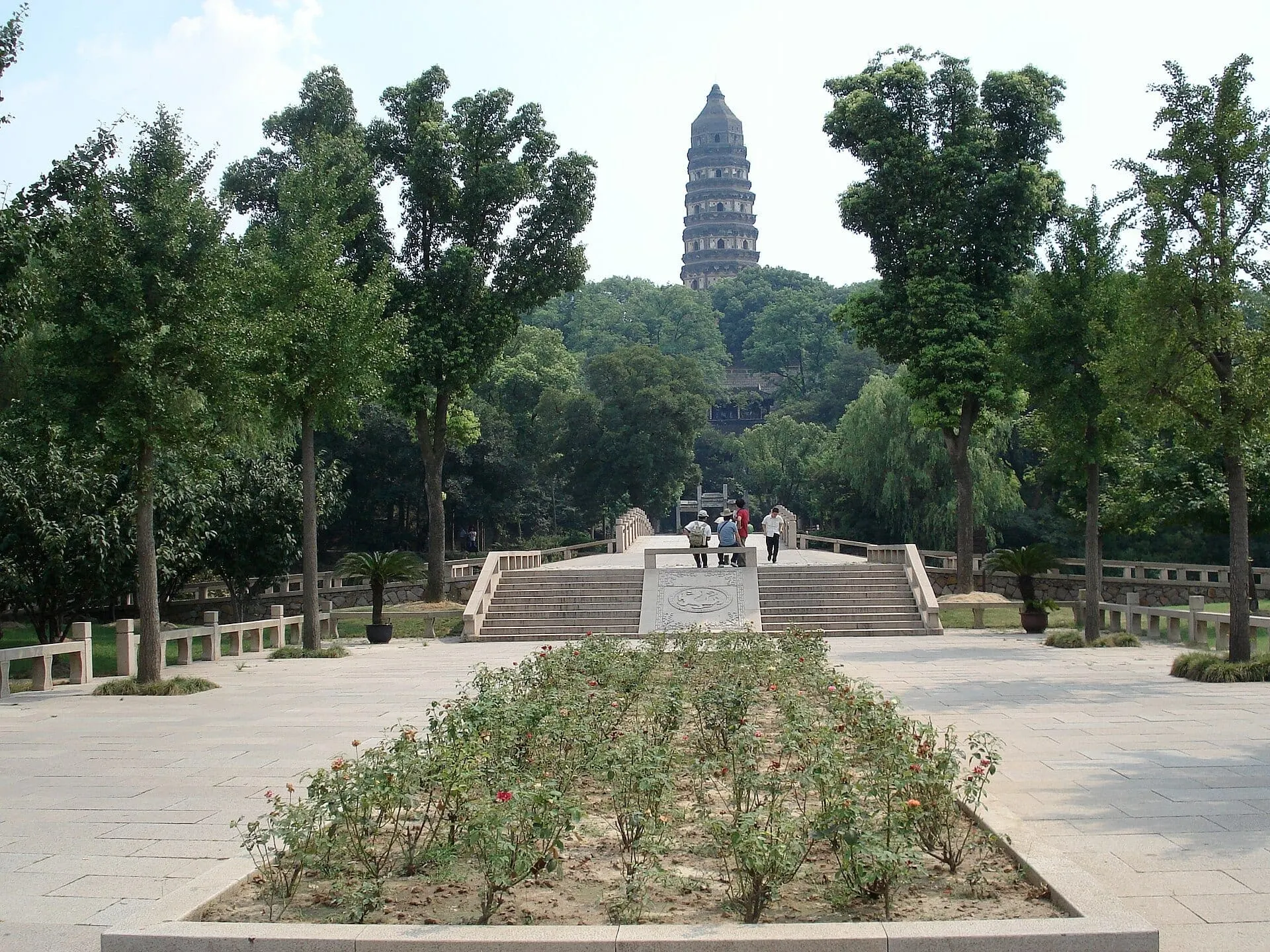
Tiger Hill (Huqiu)
A 36-meter hill crowned by the 7-story 48-meter leaning Yunyan Pagoda (the Leaning Tower of China, built in 961 and 2.5 degrees off vertical). Surrounded by Ming-era stone carvings, bonsai gardens, and a 1,000-year-old gingko tree. The most well-known sight of Suzhou. Entry ¥80.
Wikimedia Commons · CC-BY-SA
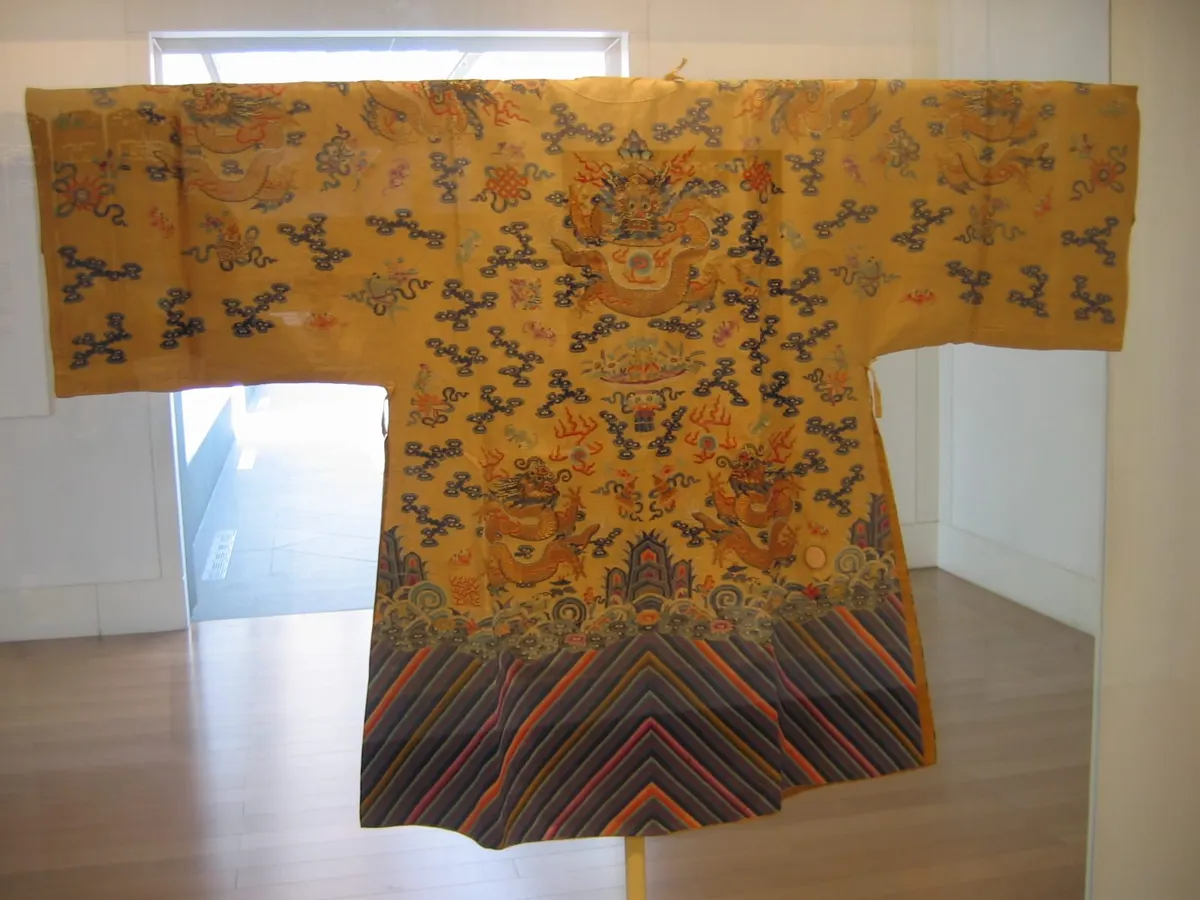
Suzhou Silk Museum
A 6,000-square-meter museum tracing 5,000 years of Chinese silk history, with live silkworm displays, traditional handlooms, and a working embroidery workshop. Demonstrations of silk reeling, weaving, and Su embroidery (one of Chinas four great embroidery traditions). Free admission. Best combined with the Pingjiang Road silk shops.
Wikimedia Commons · CC-BY-SA
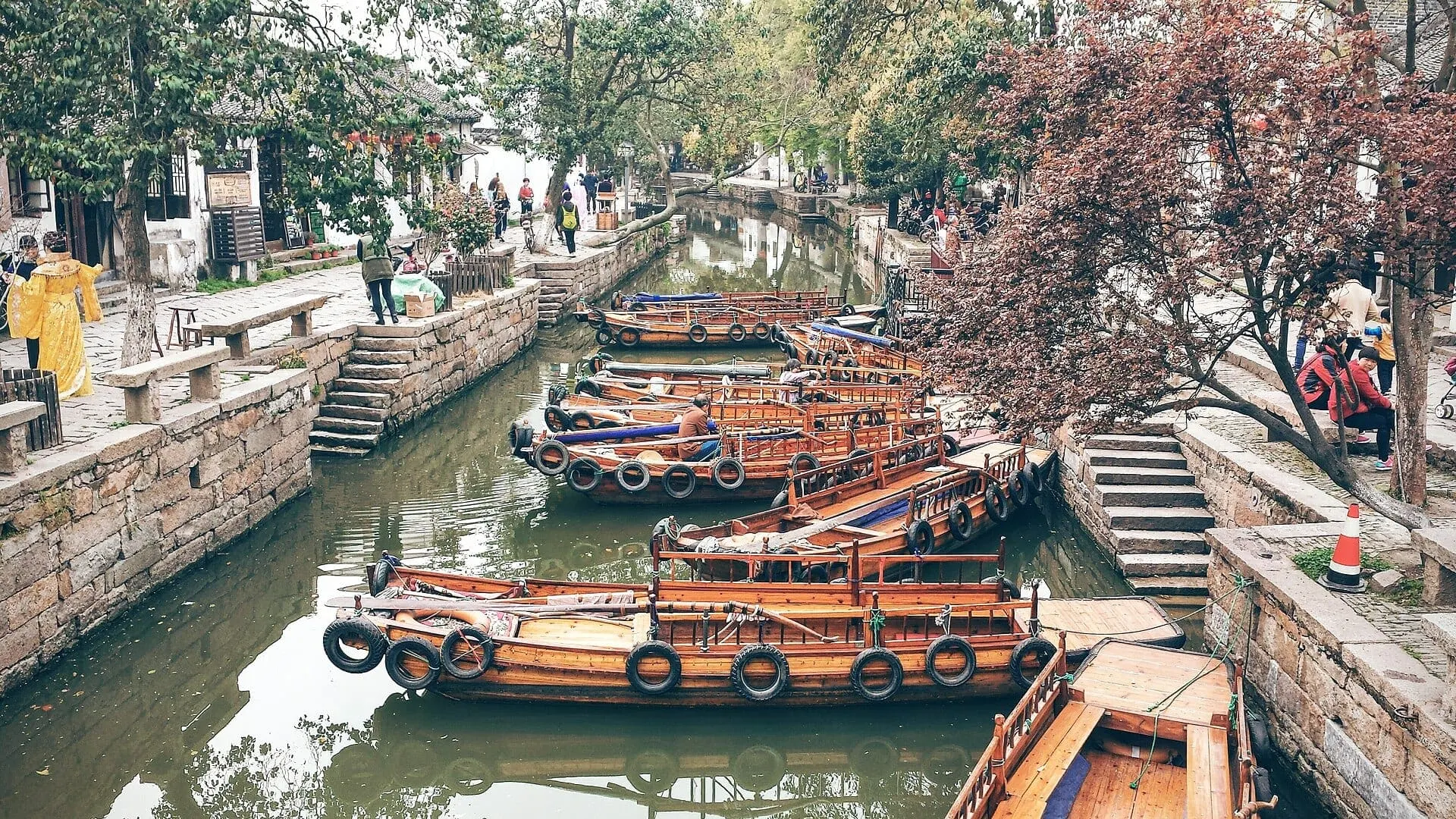
Tongli Water Town
A 1,000-year-old water town 18 km south of Suzhou, with 15 km of canals, 49 stone bridges, and the UNESCO-listed Tuisi Garden. Best explored at dawn or sunset when the day-trippers have gone; overnight stays in canal-side guesthouses are highly recommended. Entry ¥100 includes 4 heritage sites.
Wikimedia Commons · CC-BY-SA
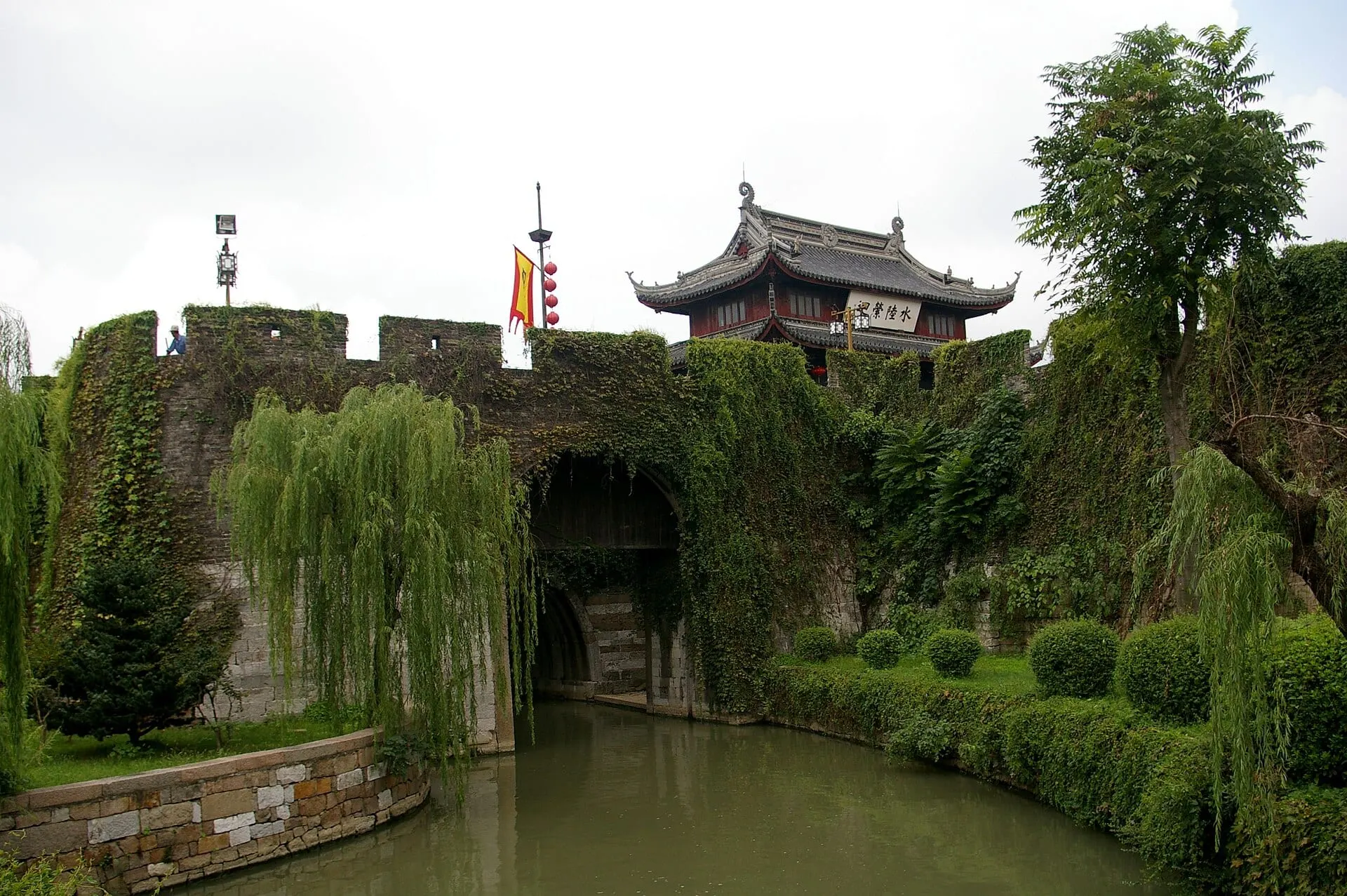
Panmen Gate (Pan Men)
The oldest surviving city gate in Suzhou, built in 514 BC during the Spring and Autumn period, with the only remaining land-and-water city gate complex in China. Includes the 1,000-year-old Ruiguang Pagoda, the Wu Gate Bridge (the largest stone arch bridge in the city), and a section of the original city wall. Entry ¥40.
Wikimedia Commons · CC-BY-SA
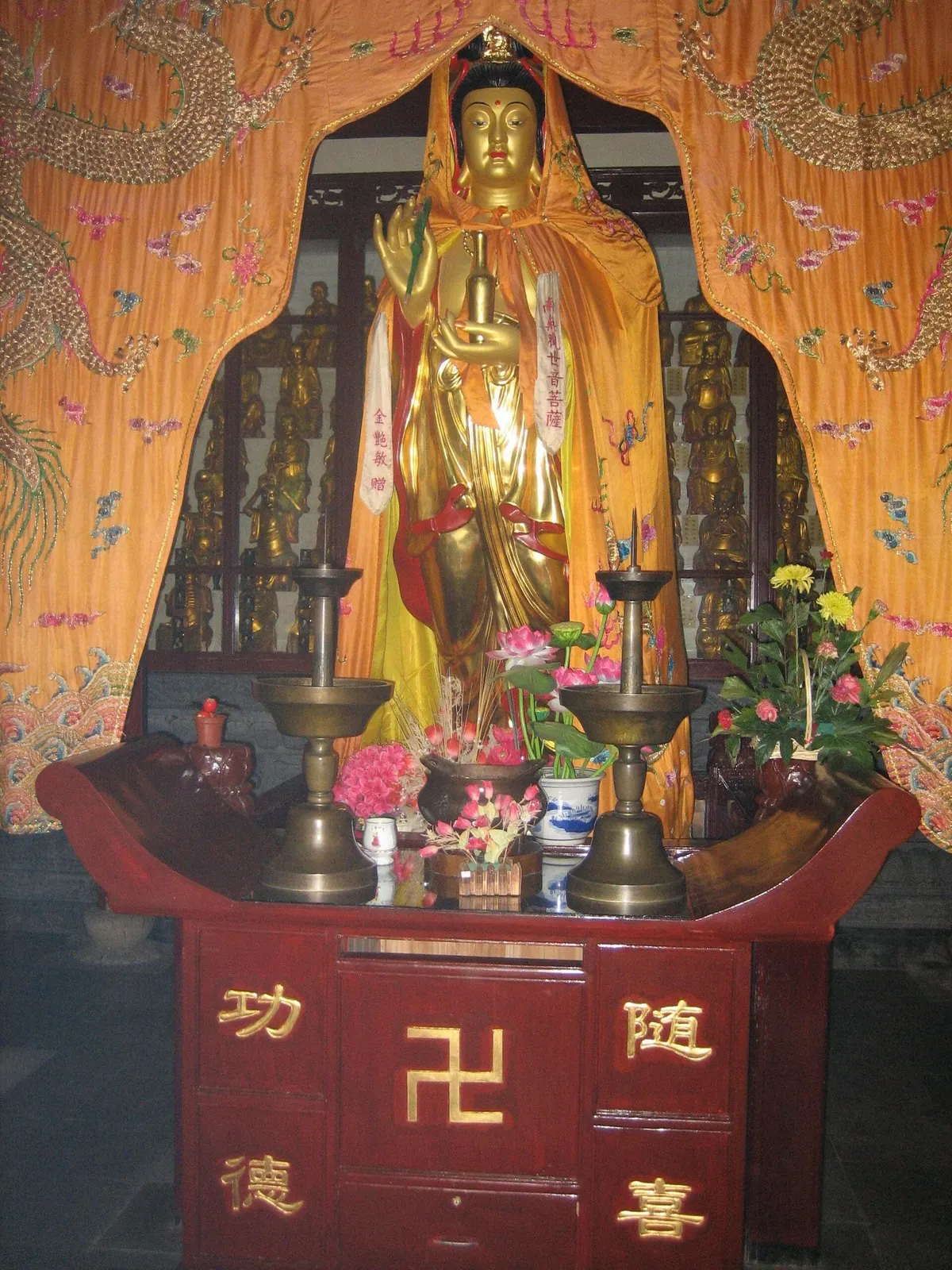
Hanshan Temple (Cold Mountain Temple)
A 1,500-year-old Buddhist temple famous for its bell ringing at midnight on New Years Eve (the subject of the Tang-dynasty poem Maple Bridge Night Mooring by Zhang Ji). The temple houses a large bronze bell, Ming-era frescoes, and the stone boat of Zhang Ji. Entry ¥20.
Wikimedia Commons · CC-BY-SA
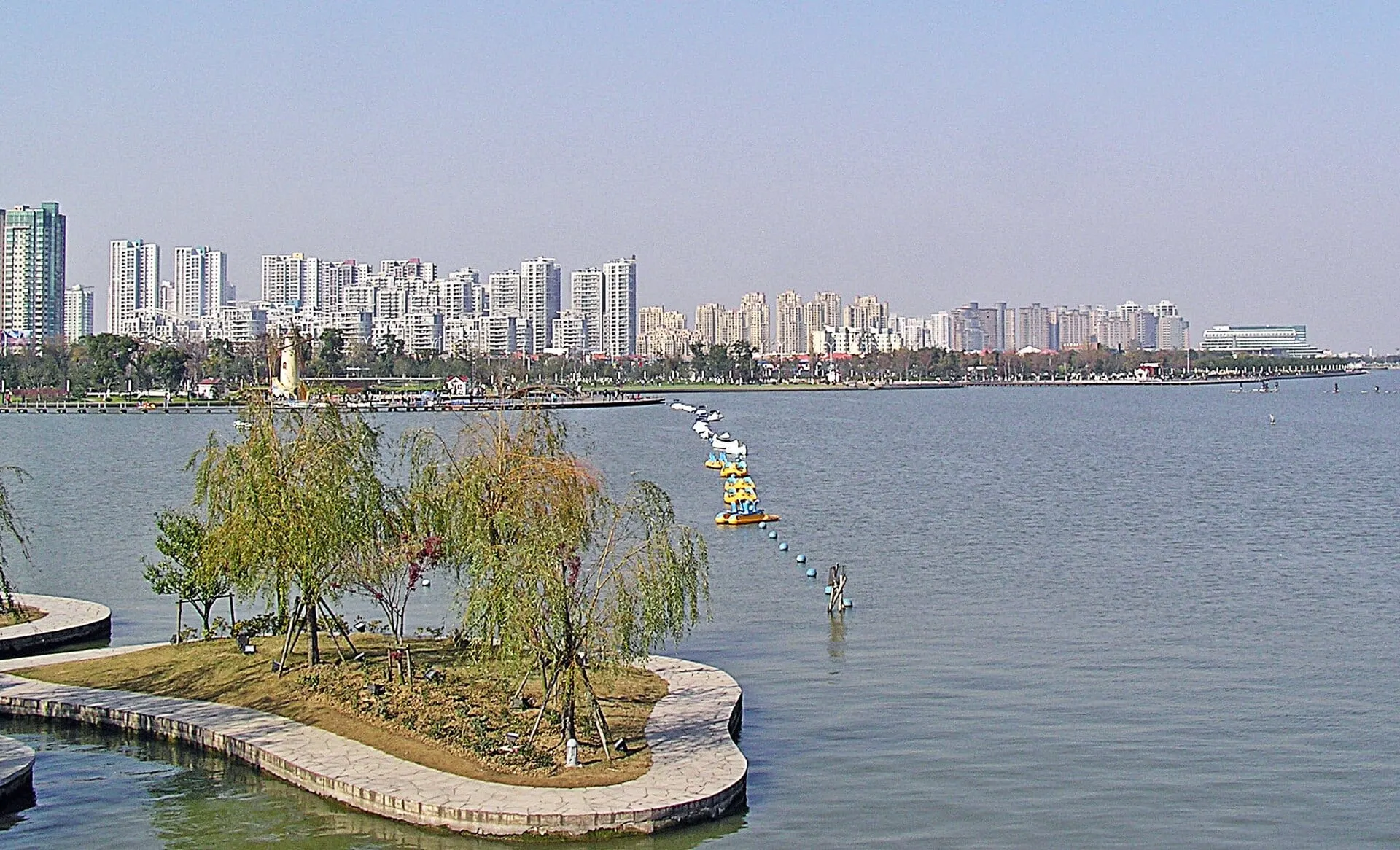
Jinji Lake (Jin Ji Hu)
A 7-square-kilometer lake in the Suzhou Industrial Park (SIP) that anchors the citys modern skyline, with the 302-meter Gate of the Orient (the W-shaped twin towers), the Suzhou Center Mall (one of the worlds largest), and the Suzhou Ferris Wheel. Best at sunset for skyline views. Free.
Wikimedia Commons · CC-BY-SA
Shantang Street (Shan Tang Jie)
A 3,600-meter-old street and canal parallel to Pingjiang Road, built in 825 AD by the Tang-dynasty poet Bai Juyi when he was governor of Suzhou. Lined with restored Ming- and Qing-era shops, teahouses, opera theaters, and the restored Calligraphy and Painting of the Ming and Qing Dynasties Museum. Free; boat rides ¥80.
Wikimedia Commons · CC-BY-SA
STAY
Where to stay in Suzhou
Pick a base that matches the trip you want — imperial-central for sightseeing, hutong belt for character, Chaoyang for nightlife, or Qianmen for budget.
Humble Administrator's Garden (Zhuo Zheng Yuan)
UNESCO classical Chinese garden — 5 acres of pavilions, koi ponds, and carefully framed views.
#humble-administrators-gardenPingjiang Road (Pingjiang Lu)
A 1.6-km canal-side pedestrian street — the historical heart of Suzhou.
#pingjiang-road
Problems travelers hit in Suzhou
- Why is my Alipay not working?You linked a foreign Visa or Mastercard to Alipay but every transaction is rejected at the merchant.
- My China visa was denied — what now?Your L visa application was refused at the Chinese consulate and your trip is in 2–4 weeks.
- My passport was lost or stolen in China — what do I do?Your passport is gone (theft or loss) and you're in mainland China without travel documents.
- Why can't I book on 12306 with my foreign card?You tried to book a high-speed rail ticket on 12306.cn and your foreign Visa/Mastercard is rejected at checkout.
- Why is my VPN not working in China?You arrived in China, opened your VPN, and it will not connect at all or connects but no traffic loads.
- Why can't I book a Tibet trip on my own?You try to book Lhasa flights and hotels yourself but the booking fails, or you're turned away at the Lhasa airport without a permit.
Compare Suzhou with
Book activities in Suzhou
These are licensed tour operators and booking platforms we've vetted independently. Booking through these links may earn us a commission — see our affiliate disclosure. This never affects our editorial recommendations or the price you pay.
Frequently asked questions
Do I need a visa to visit Suzhou?
How many days do I need in Suzhou?
When is the best time to visit Suzhou?
How do I get from Shanghai to Suzhou?
How do I pay for things without a Chinese bank account?
Is Suzhou safe for tourists?
Show all 41 FAQs
What is the best local food in Suzhou?
What is Kunqu opera and where can I see it?
How does Suzhou compare to Hangzhou for tourism?
Which Suzhou garden is the best?
Is Tongli water town worth visiting?
Where should I stay in Suzhou?
How much does a trip to Suzhou cost?
Can I visit Suzhou on a cruise stop?
What is Suzhou silk and how do I buy it?
Is Suzhou worth visiting with kids?
What is the leaning tower of China?
Can I see Suzhou in winter?
What should I pack for a Suzhou trip?
Do I need to book the Classical Gardens in advance?
Are the Suzhou Classical Gardens accessible for wheelchairs?
What is Biluochun tea and where can I try it?
Can I take a canal boat ride in Suzhou?
What is the difference between Tongli and Zhouzhuang water towns?
Is the Suzhou Museum by IM Pei free to visit?
How do I book Classical Garden tickets step by step?
What is the Grand Canal's significance in Suzhou and can I visit it?
What is the best walking route along Pingjiang Road?
How do I combine Suzhou with Shanghai and Hangzhou in one trip?
Is Zhouzhuang water town worth visiting and how do I get there?
What is Luzhi water town and how does it compare to Tongli and Zhouzhuang?
Where can I watch a live Kunqu opera performance in Suzhou?
What makes the Suzhou Museum by IM Pei architecturally special?
Can you suggest a detailed 3-day Suzhou itinerary?
What are the best photo spots in Suzhou?
How do I get around Suzhou using public transport?
Is Suzhou a good destination for solo travelers?
What local Suzhou dishes should I try and where should I eat them?
Are there good day trips from Suzhou to Hangzhou?
What is the Suzhou silk industry and where can I learn about it?
What should I know about visiting Suzhou during Chinese holidays?
References

Written by
NihaoVisit EditorialRelated guides & destinations
Guide
China in April 2026: Peak Spring, Qingming Festival, and the Best Month for Gardens
April is peak spring across China — the best month for Suzhou gardens, Hangzhou’s West Lake, Guilin karst scenery, and Yunnan. Mild temperat
Guide
Best Places to Visit in China in Spring 2026: Blossoms, Mild Weather, and Where to Go
Spring (March–May) is one of China’s two best travel seasons. Top picks: Hangzhou for West Lake blossoms, Suzhou for classical gardens in bl
Destination
Suzhou
Suzhou is a destination in China. Placeholder summary — founder fills in real verified facts.