Cảnh Đức Trấn
[VI placeholder] Jingdezhen — TL;DR bằng vi sẽ được bổ sung.
Why Cảnh Đức Trấn in 2026.
[VI placeholder] Jingdezhen — Tóm tắt bằng vi sẽ được bổ sung.
Quick Answer
[VI placeholder] Jingdezhen — TL;DR bằng vi sẽ được bổ sung.
| Worth visiting | Absolutely, if you have any interest in craft, art, or history — making pottery in the porcelain capital is a one-of-a-kind China experience. |
|---|---|
| Recommended days | 2-3 days |
| Best time to visit | March-May and September-November. Summers are hot and humid (30-38°C). Avoid Chinese public holidays when domestic tourism spikes. |
| Daily budget | $35 (backpacker) / $100 (mid-range) / $270+ (luxury) |
| Family friendly | Yes — pottery-making workshops are excellent for children aged 5+, and the Taoxichuan Art Center has wide open spaces. The kiln museums are engaging for all ages. |
| Solo friendly | Yes — compact, safe, and the pottery workshop culture is naturally solo-friendly. Excellent for a creative, hands-on travel experience. |
| Airport | Jingdezhen Luojia Airport (JDZ) — domestic flights from Beijing (2h), Shanghai (1.5h), Guangzhou (2h), Shenzhen (2h). About 8 km from the city center. |
| High-speed rail | Yes — Jingdezhen North station (景德镇北站). Nanchang (1h), Hangzhou (2.5h), Shanghai (4.5h), Wuhan (2.5h), Huangshan (1h). |
| Language | Mandarin with local Gan dialect (赣语). English is rare outside the Taoxichuan Art Center and international-oriented ceramic studios. |
| Currency | CNY (¥) — Alipay and WeChat Pay accepted everywhere in the city center. Cash useful for small village workshops. |
| Time zone | China Standard Time (UTC+8) |
| Last updated | 2026-06-18 |
Want a Cảnh Đức Trấn plan built for you?
Top attractions

Imperial Kiln Museum (御窑博物院, Yùyáo Bówùyuàn)
Built directly over the Ming and Qing imperial kiln site where porcelain was fired exclusively for the emperor. The museum's architecture is striking — vaulted brick forms inspired by traditional kiln shapes. The exhibits show the evolution of Jingdezhen porcelain from the Song dynasty onward, with shards from the imperial kiln (only perfect pieces were sent to Beijing; everything else was smashed and buried). Exceptionally well-curated with English signage. ¥60 as of June 2026.
Wikimedia Commons · CC-BY-SA
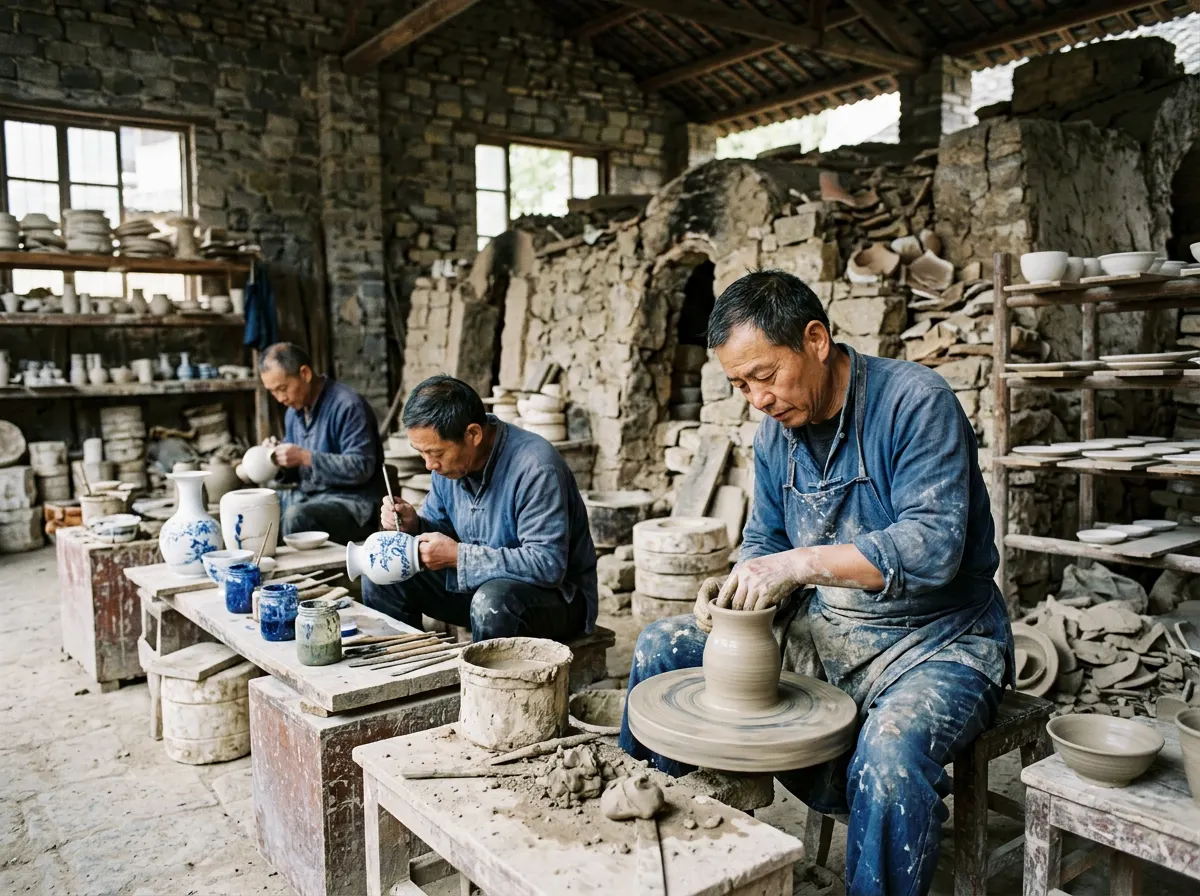
Ancient Kiln Folk Customs Museum (古窑民俗博览区, Gǔyáo Mínsú Bólǎnqū)
A living museum where master craftsmen demonstrate every stage of traditional porcelain-making — clay preparation, throwing, trimming, underglaze painting, glazing, and wood-firing — in reconstructed Ming and Qing workshop buildings. The highlight is the wood-fired dragon kiln (龙窑, lóngyáo) and the gourd-shaped kiln (葫芦窑, húlu yáo), still fired for demonstrations. The master potters here are genuine artists, many with 40+ years of experience. ¥95.
Wikimedia Commons · CC-BY-SA
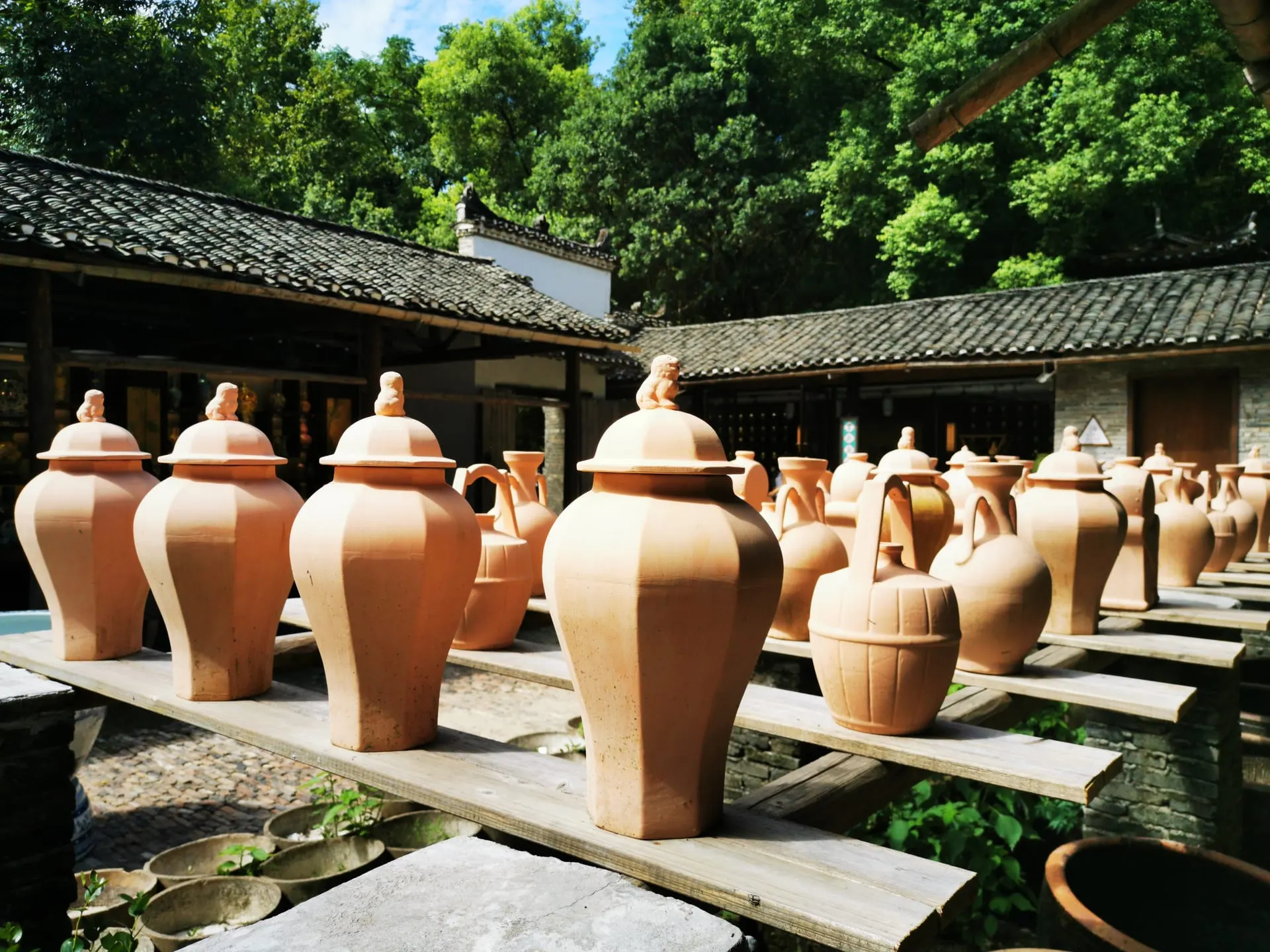
Taoxichuan Art Center (陶溪川文创街区, Táoxīchuān Wénchuàng Jiēqū)
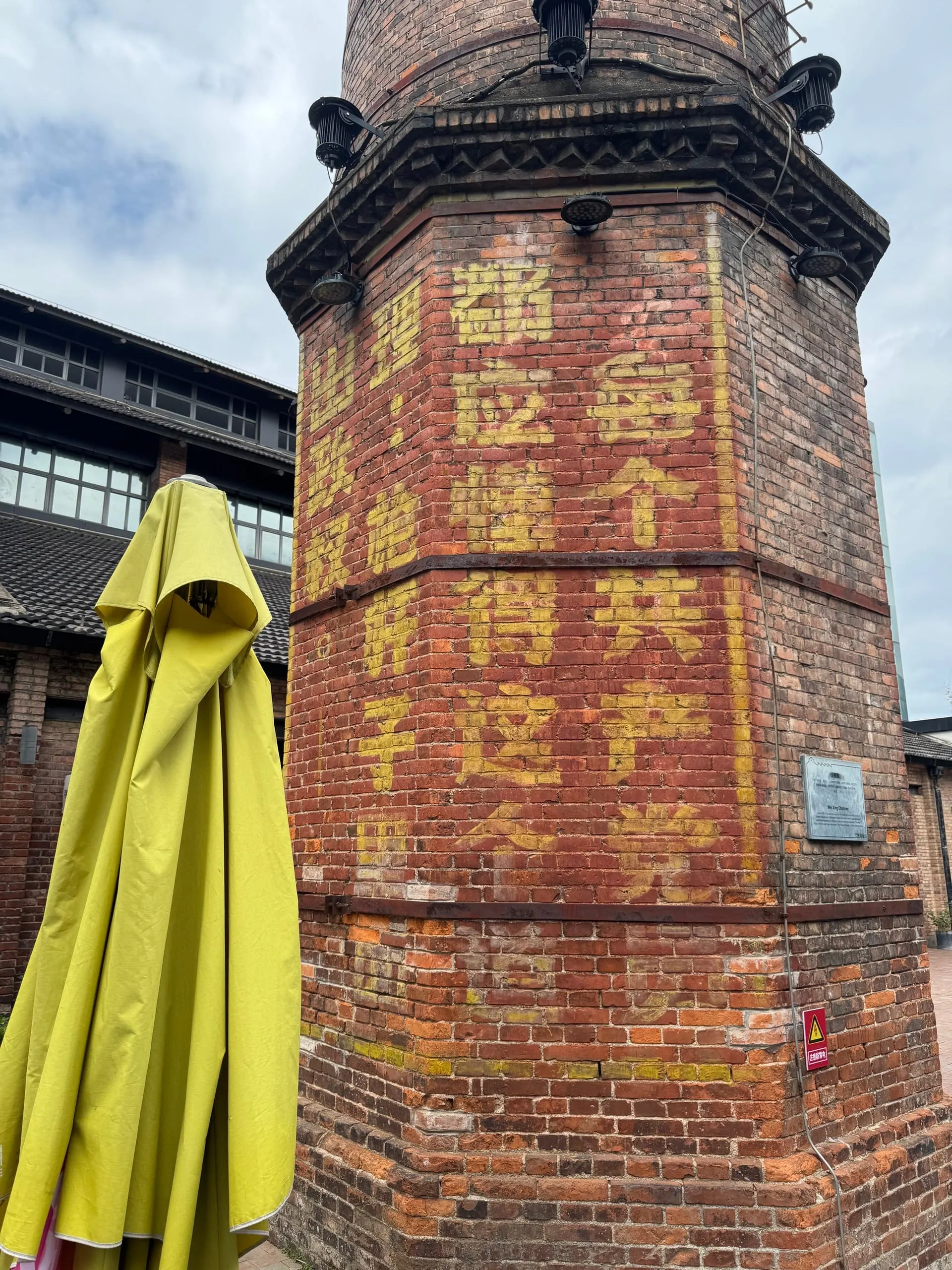
A former state-owned ceramic machinery factory (the Yuzhou Porcelain Factory, built 1958) transformed into Jingdezhen's creative hub: galleries, artist studios, ceramic shops, cafes, craft beer bars, and a weekend creative market. The red-brick factory buildings with sawtooth roofs have been beautifully preserved. Free entry; individual galleries and workshops charge separately. The Saturday creative market (周六创意集市) is the best time to visit.
Wikimedia Commons · CC-BY-SA
Sanbao International Ceramics Village (三宝国际陶艺村, Sānbǎo Guójì Táoyì Cūn)
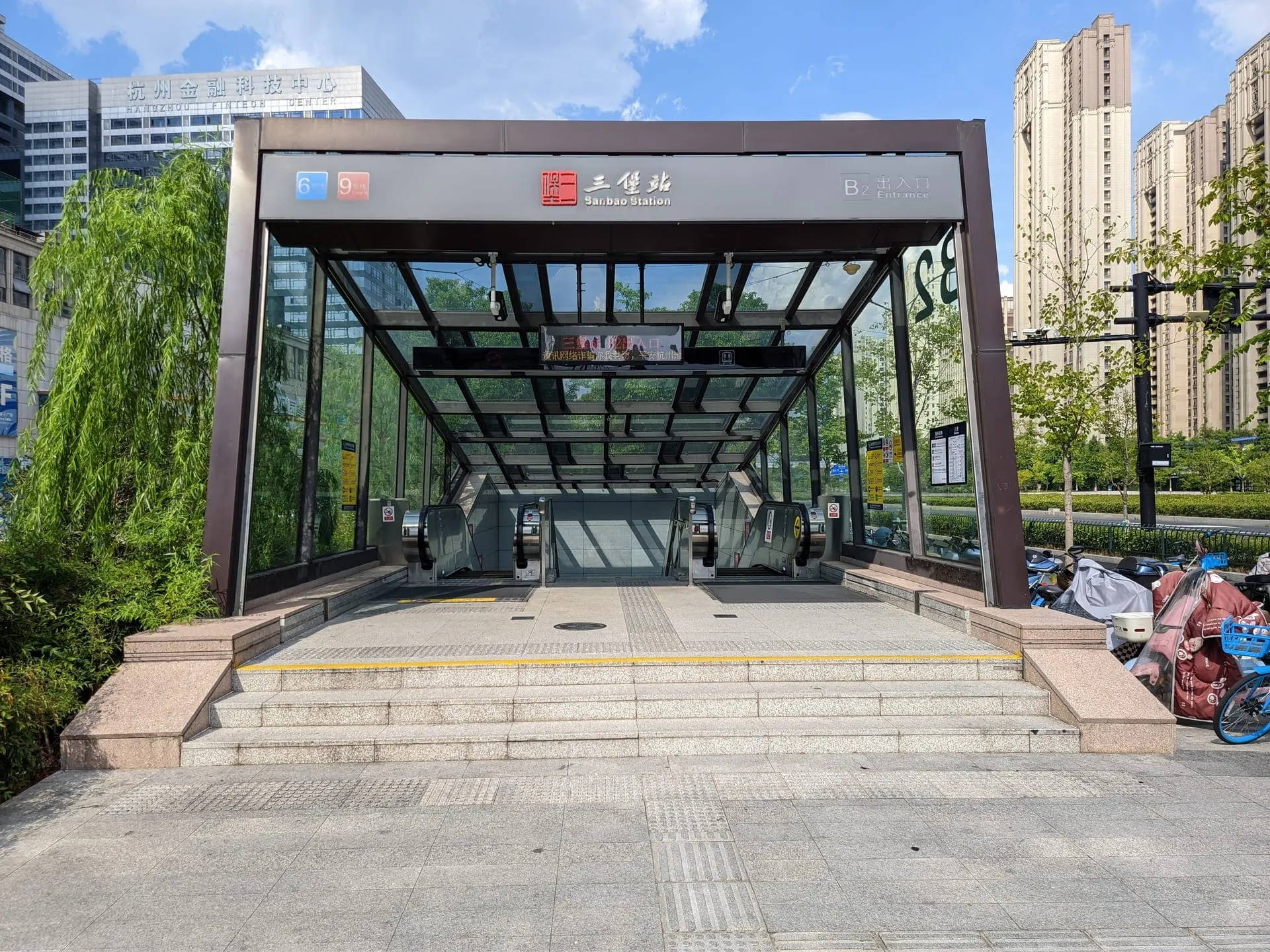
A scenic valley about 10 km southeast of the city center, home to dozens of artist studios, kilns, and galleries set among bamboo groves and tea terraces. Founded in the 1990s by ceramic artist Jackson Li as an international residency program, Sanbao now hosts artists from around the world. The architecture mixes traditional Jiangxi farmhouses with contemporary studio spaces. Free to walk around; individual studio visits by invitation or arrangement. The Sanbao Ceramic Art Institute offers multi-day workshops.
Wikimedia Commons · CC-BY-SA
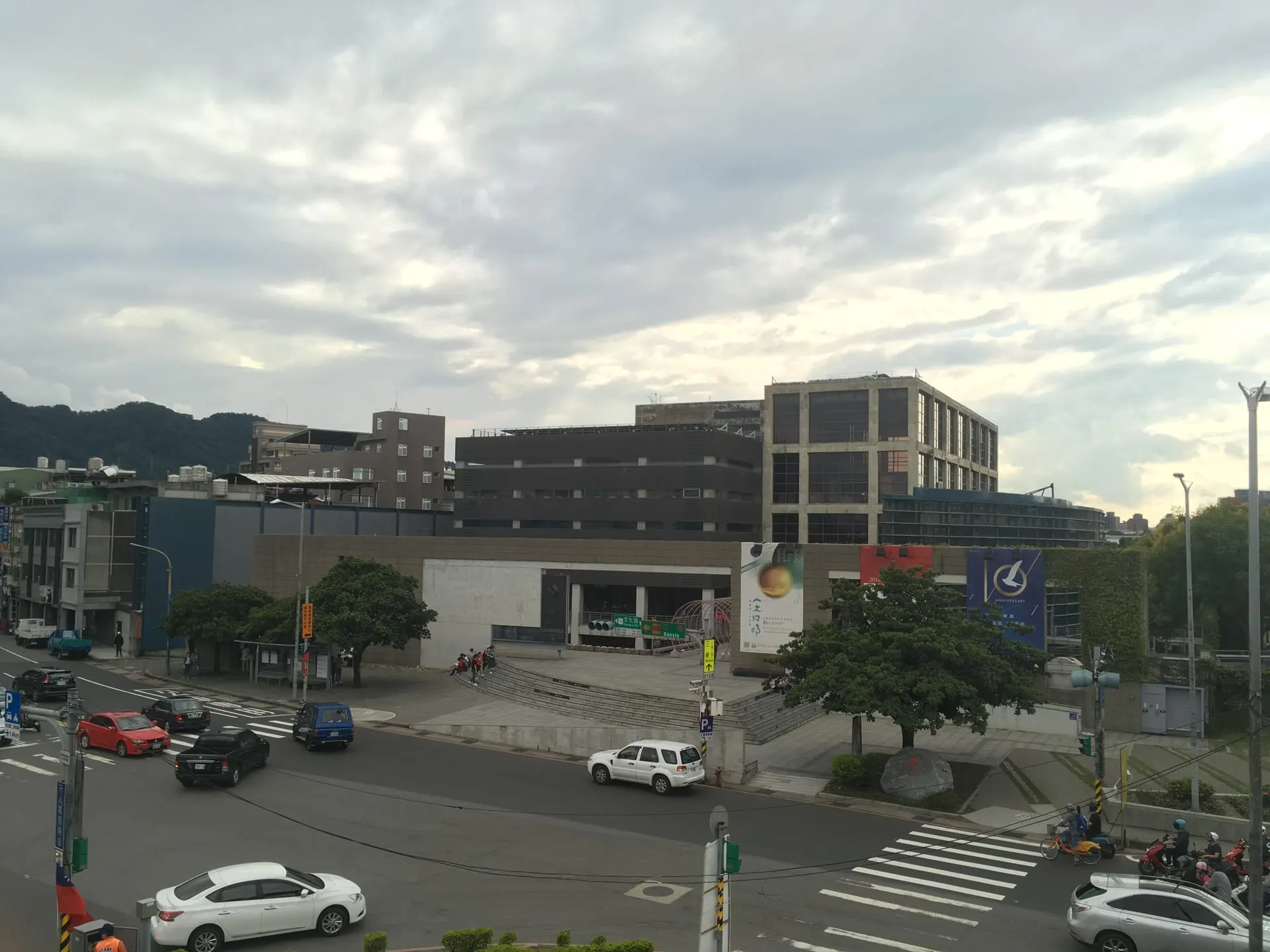
China Ceramics Museum (中国陶瓷博物馆, Zhōngguó Táocí Bówùguǎn)
China's largest ceramics museum, with over 30,000 pieces spanning 2,000 years of Chinese ceramic history. The collection traces the full evolution of Jingdezhen porcelain — celadon (青瓷, qīngcí), qingbai ware (青白瓷), blue-and-white (青花, qīnghuā), copper-red (釉里红, yòulǐhóng), famille rose (粉彩, fěncǎi) — with masterpieces from every dynasty. Modern Jingdezhen artists are also well-represented. Free entry; allow 2-3 hours.
Wikimedia Commons · CC-BY-SA
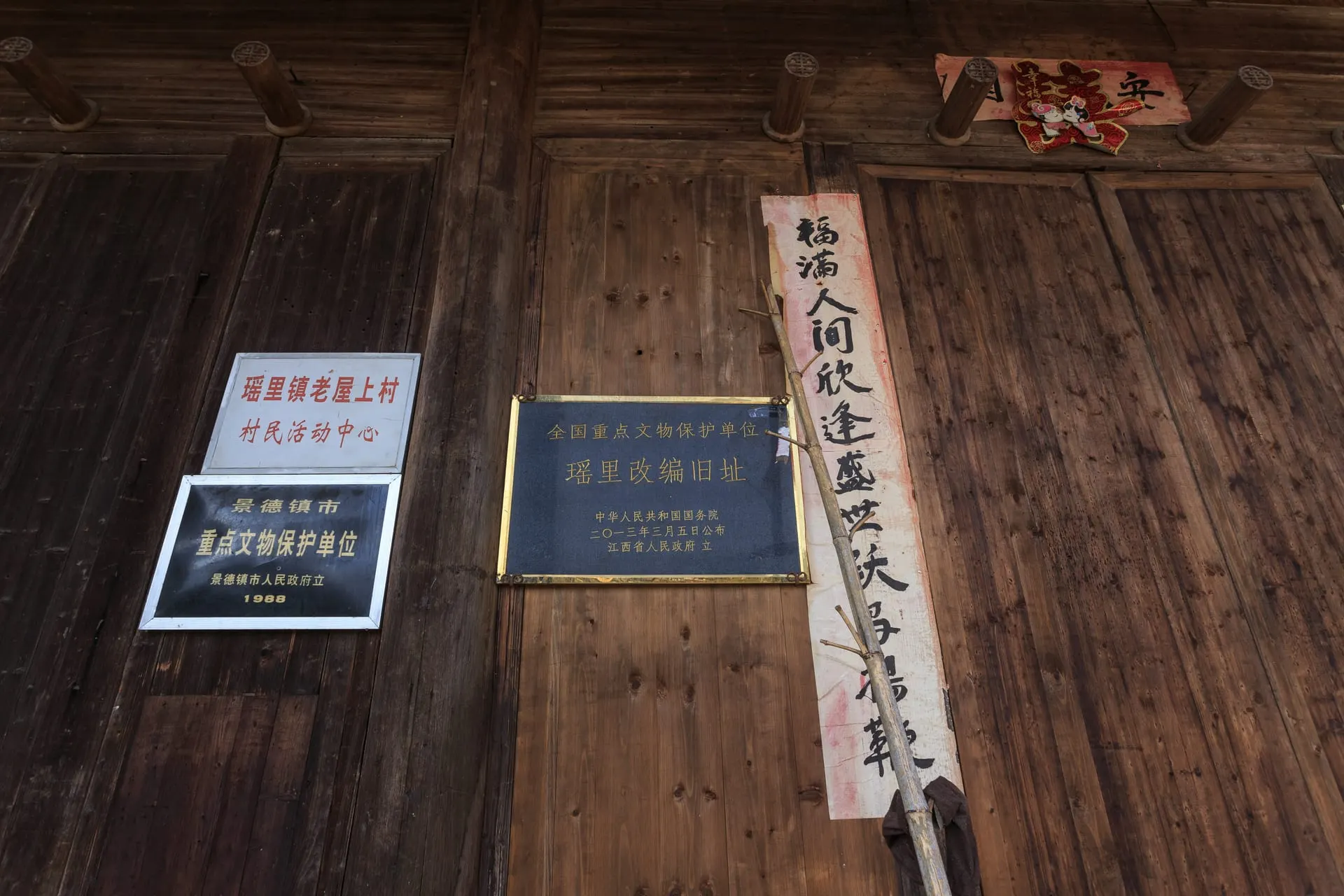
Yaoli Ancient Town (瑶里古镇, Yáolǐ Gǔzhèn)
A well-preserved ancient town about 50 km northeast of Jingdezhen, dating to the Western Han dynasty (206 BCE). Yaoli was historically important as a source of kaolin clay (高岭土, gāolǐngtǔ) — the essential ingredient in true porcelain — and the surrounding hills were mined for centuries. The town has Ming and Qing houses, stone-paved lanes, a covered bridge, and a beautiful river setting. Less commercialized than Fenghuang or Wuzhen. ¥80 for the town and surrounding scenic area. A full-day trip from Jingdezhen (1 hour by bus or taxi).
Wikimedia Commons · CC-BY-SA
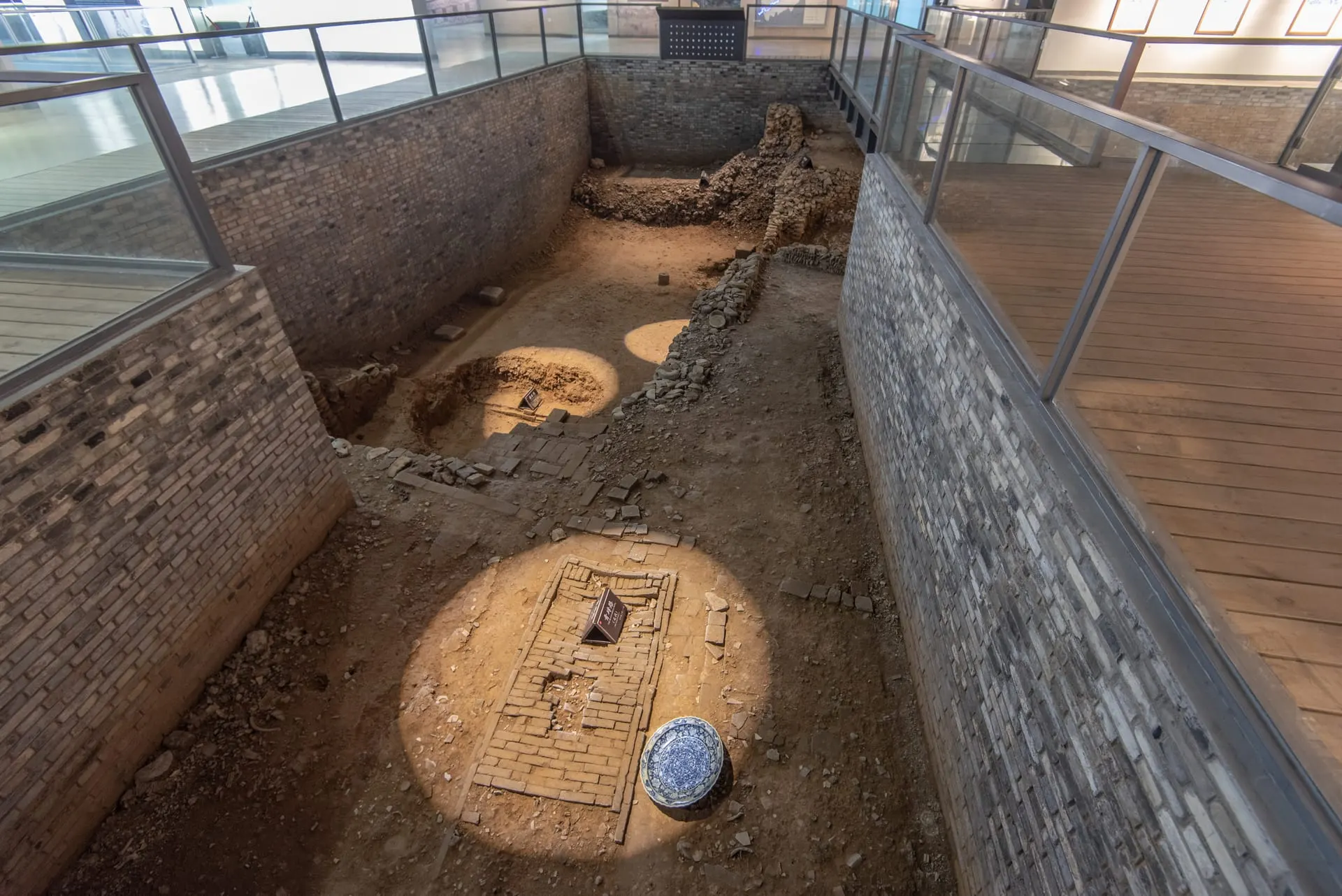
Hutian Ancient Kiln Site (湖田古窑址, Hútián Gǔyáo Zhǐ)
The excavated ruins of a Song and Yuan dynasty kiln complex that operated from the 10th to 14th centuries. Hutian was one of Jingdezhen's most important early production centers, famous for its qingbai (bluish-white) porcelain. The site includes kiln foundations, workshop floors, and piles of excavated shards that illustrate the evolution of Jingdezhen techniques. A smaller, quieter alternative to the Ancient Kiln Museum for those interested in the archaeology. ¥30. About 4 km southeast of the city center.
Wikimedia Commons · CC-BY-SA
STAY
Where to stay in Cảnh Đức Trấn
Pick a base that matches the trip you want — imperial-central for sightseeing, hutong belt for character, Chaoyang for nightlife, or Qianmen for budget.
Taoxichuan / City Center
The creative hub in a converted 1950s ceramic factory — galleries, studios, shops, cafes, bars, and the Saturday Creative Market
#taoxichuanOld Town / Imperial Kiln Area
Historic lanes, the Imperial Kiln Museum, small guesthouses, and traditional ceramic supply shops
#old-townSanbao Ceramics Valley
A scenic valley 10 km southeast with international artist studios, bamboo groves, tea terraces, and the Ceramic Art Institute
#sanbaoCeramic Institute / East City
The area around Jingdezhen Ceramic University with student studios, cheap restaurants, the China Ceramics Museum, and the Hutian kiln site
#ceramic-instituteYaoli Ancient Town
A well-preserved Ming-Qing town 50 km northeast — stone lanes, covered bridges, kaolin mining heritage, and mountain scenery
#yaoli
ITINERARIES
Sample itineraries from Cảnh Đức Trấn
Three ready-made routes, from a 1-day imperial sprint to a 5-day deep dive. Copy the day-by-day plan and adapt to your own pace.
- 1 DAY
One-Day Jingdezhen Essentials
A packed day covering the Imperial Kiln Museum, the Ancient Kiln Folk Customs Museum with a pottery class, and Taoxichuan. Best on a Saturday for the creative market.
- Transit visitors
- Weekend trips from Shanghai/Hangzhou/Nanchang
- Tight schedules
- Day 01
Morning
Start at the Imperial Kiln Museum at 09:00 (¥60, 2 hours). The morning light through the vaulted brick architecture is beautiful. Then taxi to the Ancient Kiln Folk Customs Museum (arrive by 11:30). Watch the master demonstrations — throwing, painting, glazing — and try the 1-hour pottery wheel experience (¥100).
Afternoon
Lunch near the museum. Afternoon: Taoxichuan Art Center (2-3 hours). If Saturday, the Creative Market (opens 14:00) is the highlight — browse young artists' stalls, buy ceramics, enjoy the atmosphere. If a weekday, explore the permanent galleries and ceramic shops.
Evening
Dinner at one of Taoxichuan's converted-factory restaurants. Craft beer at a bar in the complex. One more gallery walk after dark — the red-brick factory buildings are beautifully lit.
- 2 DAYS
Two-Day Jingdezhen Immersion (Recommended)
The ideal Jingdezhen visit: museums, pottery-making, Sanbao Ceramics Village, and the Saturday market if timing aligns. This covers the essential craft, history, and contemporary art dimensions.
- First-time visitors
- Art and craft enthusiasts
- Weekend trips
- Culture seekers
- Day 01
Morning
Imperial Kiln Museum (09:00-11:00, ¥60). Then DiDi to the Ancient Kiln Folk Customs Museum (11:30-14:00, ¥95) — watch the master demonstrations and try the pottery wheel experience (¥100 for 1 hour).
Afternoon
Late lunch. Afternoon: China Ceramics Museum (free, 15:00-17:00) for the full sweep of Chinese ceramic history. 30,000+ pieces, excellent English labels, and a calm, air-conditioned space.
Evening
Dinner near Renmin Square for authentic Jiangxi food — order porcelain chicken (瓷泥煨鸡, pre-order if possible). Walk through the city center. If it's a Saturday evening, Taoxichuan for the creative market and bar scene.
- Day 02
Morning
If it's a Saturday and you missed the market on Day 1, start at Taoxichuan. Otherwise: pottery class at a Taoxichuan studio (¥128 for 1.5 hours, book the day before) — this is the hands-on experience that makes Jingdezhen special. Then shop the Taoxichuan ceramic galleries for tea ware and small pieces.
Afternoon
Lunch of Jingdezhen cold rice noodles (景德镇凉粉). Afternoon: DiDi to Sanbao Ceramics Village (30 min, ¥30-50). Walk the valley — visit open studios, see artists at work, photograph the bamboo groves and tea terraces. Visit the Sanbao Ceramic Art Institute gallery. Tea at a valley tea house.
Evening
Return to the city. Dinner at a family-run restaurant on the Ceramic Institute food street — cheap, authentic, and full of student energy. Buy a few last ceramic pieces. Depart or stay a second night.
- 3 DAYS
Three-Day Jingdezhen Deep Dive with Yaoli
Three days adds the historic mining town of Yaoli, a more relaxed pottery class, or deeper exploration of Sanbao. Perfect for those who want to fully absorb the ceramic culture.
- Slow travelers
- Ceramics enthusiasts
- History buffs
- Photographers
- Day 01
Morning
Imperial Kiln Museum (09:00-11:00). DiDi to Ancient Kiln Folk Customs Museum (11:30-14:00) for master demonstrations and pottery wheel experience.
Afternoon
Lunch. China Ceramics Museum (15:00-17:00) for the historical collection. Late afternoon: browse the ceramic supply streets — Lianshe North Road — for the working-potter side of Jingdezhen.
Evening
Taoxichuan for dinner and evening gallery walk. If Saturday, the Creative Market.
- Day 02
Morning
Pottery class at Taoxichuan or Sanbao (book ahead). Then Taoxichuan gallery shopping — buy tea ware, small vases, studio pieces.
Afternoon
DiDi to Sanbao Ceramics Village (30 min). Walk the valley, visit studios, tea at a bamboo-grove tea house. If interested, arrange a longer studio visit or artist conversation (through your guesthouse).
Evening
Dinner near the Ceramic Institute — student restaurants, cheap and authentic. Night market snacks (cold rice noodles, yanshui ba).
- Day 03
Morning
Full-day excursion to Yaoli Ancient Town (1 hour by DiDi, ¥80 entry). Walk the Ming-Qing stone lanes, cross the covered bridge, visit the kaolin mining museum. Lunch in Yaoli: mountain vegetables, river fish, cured ham.
Afternoon
Explore the Yaoli scenic area — the surrounding hills have hiking trails, waterfalls, and former kaolin mining sites. Return to Jingdezhen by late afternoon.
Evening
Final evening in Jingdezhen. One more walk through Taoxichuan, one more gallery, one more cold beer. Pack your ceramics carefully for travel.
BUDGET
What a Cảnh Đức Trấn trip costs
Per-person, per-day costs across three spending tiers. Excludes international flights and visa fees.
| Line item | Backpacker | Mid-range | Luxury |
|---|---|---|---|
| Accommodation (per night) | $8 | $40 | $120 |
| Museum tickets (Imperial Kiln + Ancient Kiln) | $22 | $22 | $22 |
| Pottery class (1.5 hours) | $18 | $18 | $35 |
| Meals (per day) | $10 | $25 | $60 |
| Local transport (DiDi/taxi, per day) | $5 | $12 | $25 |
| Yaoli day trip (transport + entry) | $25 | $45 | $80 |
| Ceramics shopping (small pieces) | $10 | $40 | $150 |
| Shipping pottery home (international) | $15 | $25 | $30 |
| Total per day | $113 | $227 | $522 |
$ USD per person per day, before international flights and visas. Last verified: Q3 2026.
STAY SAFE
Emergency contacts in Cảnh Đức Trấn
Save these three numbers before you board the plane. China uses different hotlines than most countries — there's no 911.
- POLICE
110
- AMBULANCE
120
- FIRE
119
- TOURIST HOTLINE
12301 (China National Tourism Administration hotline)
- ENGLISH-SPEAKING ER
Jingdezhen People's Hospital (景德镇市人民医院) — basic emergency services only. For serious conditions, transfer to Nanchang (1h by HSR) or Shanghai is essential.
Problems travelers hit in Cảnh Đức Trấn
- Why is my Alipay not working?You linked a foreign Visa or Mastercard to Alipay but every transaction is rejected at the merchant.
- My China visa was denied — what now?Your L visa application was refused at the Chinese consulate and your trip is in 2–4 weeks.
- My passport was lost or stolen in China — what do I do?Your passport is gone (theft or loss) and you're in mainland China without travel documents.
- Why can't I book on 12306 with my foreign card?You tried to book a high-speed rail ticket on 12306.cn and your foreign Visa/Mastercard is rejected at checkout.
- Why is my VPN not working in China?You arrived in China, opened your VPN, and it will not connect at all or connects but no traffic loads.
- Why can't I book a Tibet trip on my own?You try to book Lhasa flights and hotels yourself but the booking fails, or you're turned away at the Lhasa airport without a permit.
Book activities in Cảnh Đức Trấn
These are licensed tour operators and booking platforms we've vetted independently. Booking through these links may earn us a commission — see our affiliate disclosure. This never affects our editorial recommendations or the price you pay.
References

Related guides & destinations
Guide
How We Research 2026: NihaoVisit’s Methodology for China Travel Information
How NihaoVisit sources, verifies, and maintains 700+ pages of China travel information — our source hierarchy, fact-checking process, update
Guide
Fact-Checking Log 2026: Verified China Travel Information — NihaoVisit
A public log of fact-checking verification passes on NihaoVisit, showing what was verified, when, and against which sources — covering visa
Guide
Best Time to Visit China 2026: Month-by-Month Weather, Crowds, and Prices
The best time to visit most of China is April–May and September–October. Winter (Dec–Feb) is cold but cheap; summer (Jun–Aug) is hot and cro
Guide
VPN for China 2026: Which VPNs Work, eSIM Alternatives, and the Complete Pre-Trip Checklist
Most Western apps and websites are blocked in mainland China. A reliable VPN is essential for Google, Gmail, WhatsApp, Instagram, and most n
Guide
China SIM Card and eSIM Guide 2026: Stay Connected Without WeChat
A Chinese SIM or eSIM lets you use mobile data, maps, and ride-hailing without WiFi. Here is how to get one, the cost, and which provider to
Guide
Solo Female Travel in China 2026: Safety, Tips, and Real Experiences
China is one of the safer destinations for solo female travelers. Petty theft is rare, violent crime against tourists is extremely uncommon,