Lạp Tát
[VI placeholder] Lhasa — TL;DR bằng vi sẽ được bổ sung.
Why Lạp Tát in 2026.
[VI placeholder] Lhasa — Tóm tắt bằng vi sẽ được bổ sung.
Quick Answer
[VI placeholder] Lhasa — TL;DR bằng vi sẽ được bổ sung.
| Best time to visit | April–June and September–October (clear skies, open roads). Avoid winter when mountain passes close. |
|---|---|
| Daily budget | $80 (backpacker) / $220 (mid-range) / $550+ (luxury) |
| Language | Tibetan and Mandarin; English only via your tour guide and at top hotels |
| Currency | CNY (¥) — cash is essential; card acceptance is very limited outside Lhasa |
| Time zone | China Standard Time (UTC+8) |
| Last updated | 2026-06-15 |
Want a Lạp Tát plan built for you?
Top attractions
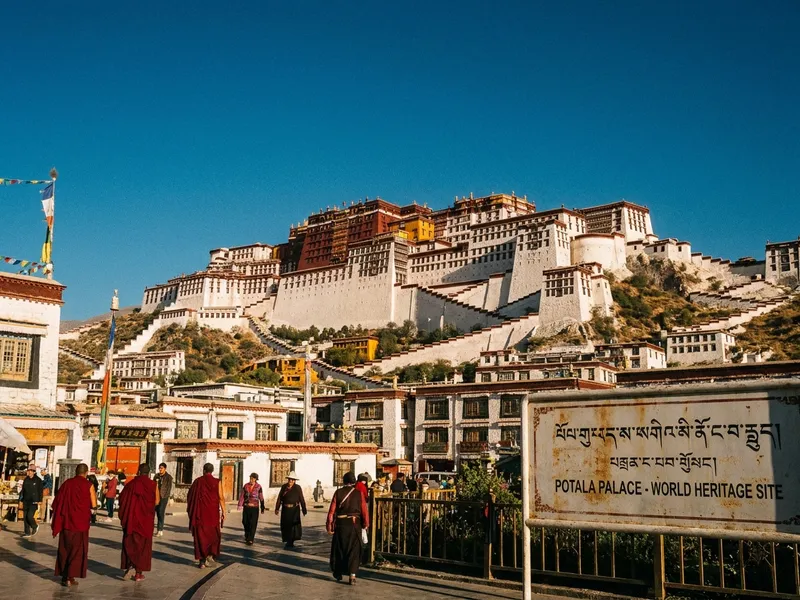
Potala Palace (布达拉宫)
The 13-storey, 1,000-room palace-fortress built in 1645 on Red Hill, former winter seat of the Dalai Lamas and a UNESCO World Heritage Site. ¥200; limited daily entry slots, allow 2–3 hours, book in advance.
Wikimedia Commons · CC-BY-SA
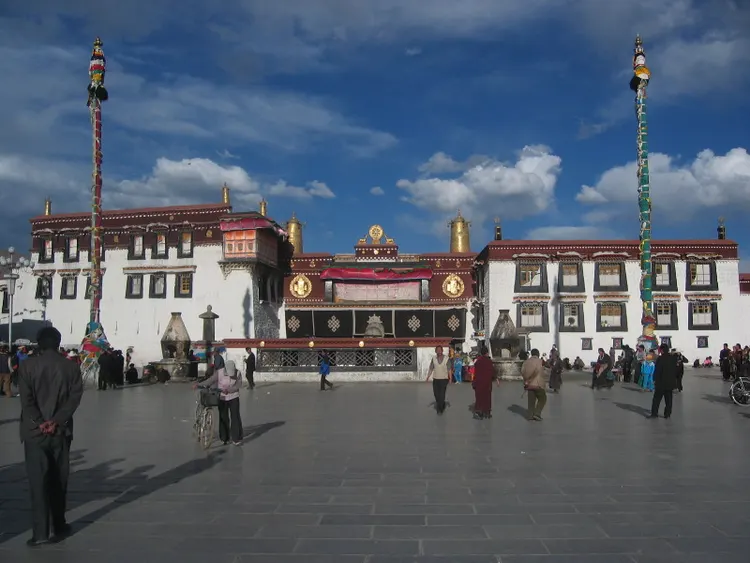
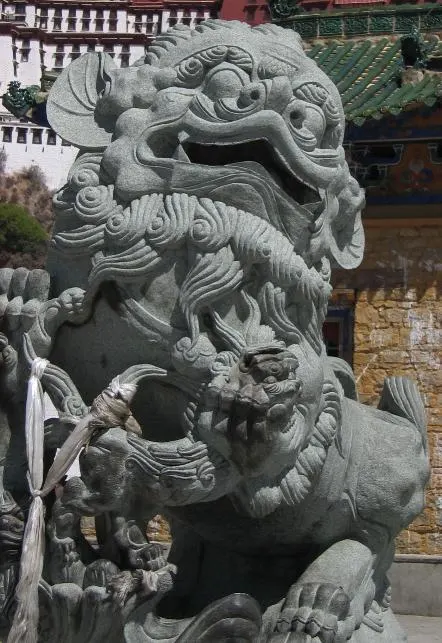
Jokhang Temple (大昭寺)
Founded 647, the most sacred temple in Tibetan Buddhism, housing the Jowo Shakyamuni statue. ¥85. The spiritual centre around which all of Lhasa revolves. Allow 1.5 hours.
Wikimedia Commons · CC-BY-SA
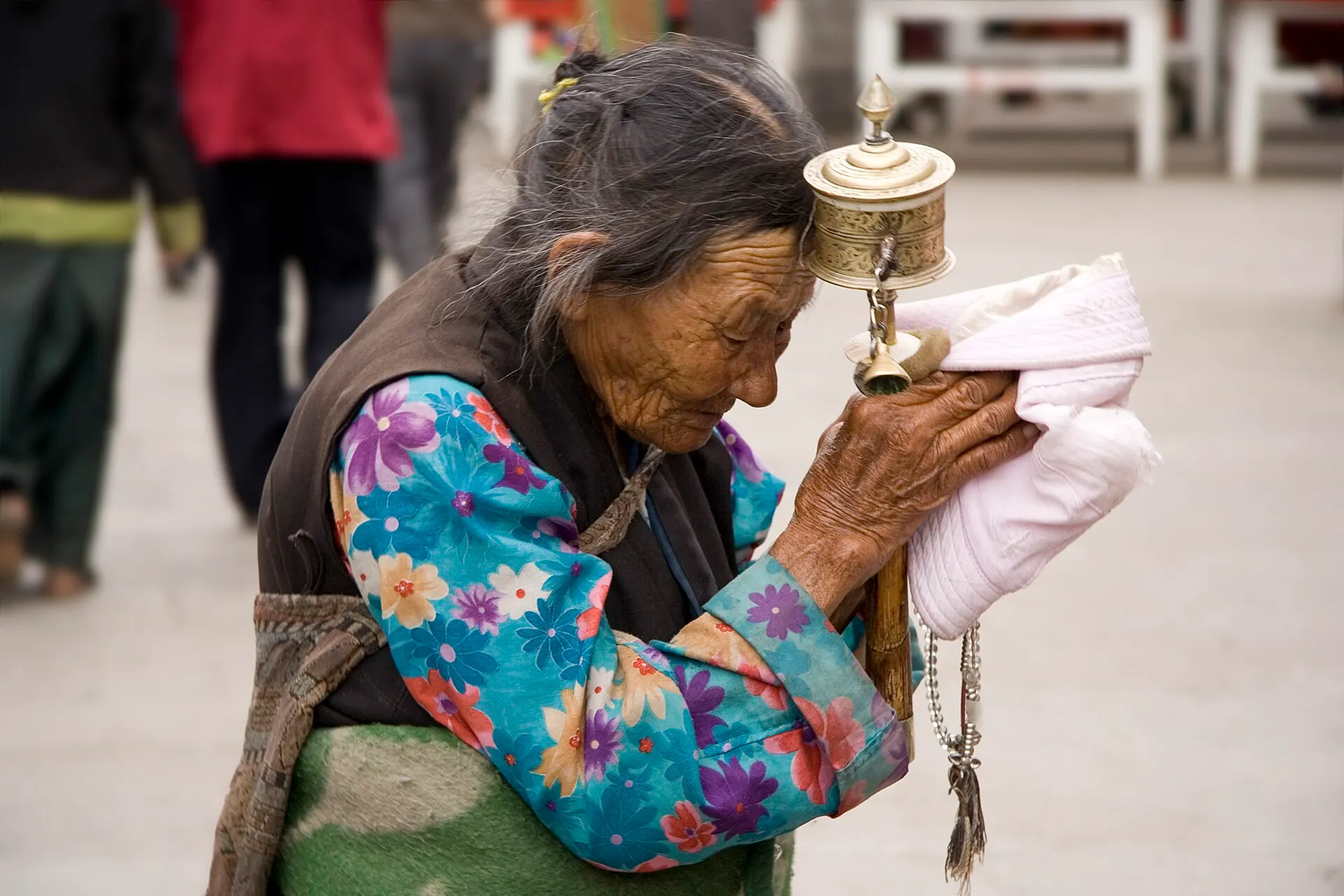
Barkhor Street (八廓街)
The pilgrim circuit around the Jokhang, where Tibetan devotees perform kora (clockwise circumambulation) from dawn. Markets, prayer-wheel shops, teahouses. Free; donations welcome.
Wikimedia Commons · CC-BY-SA
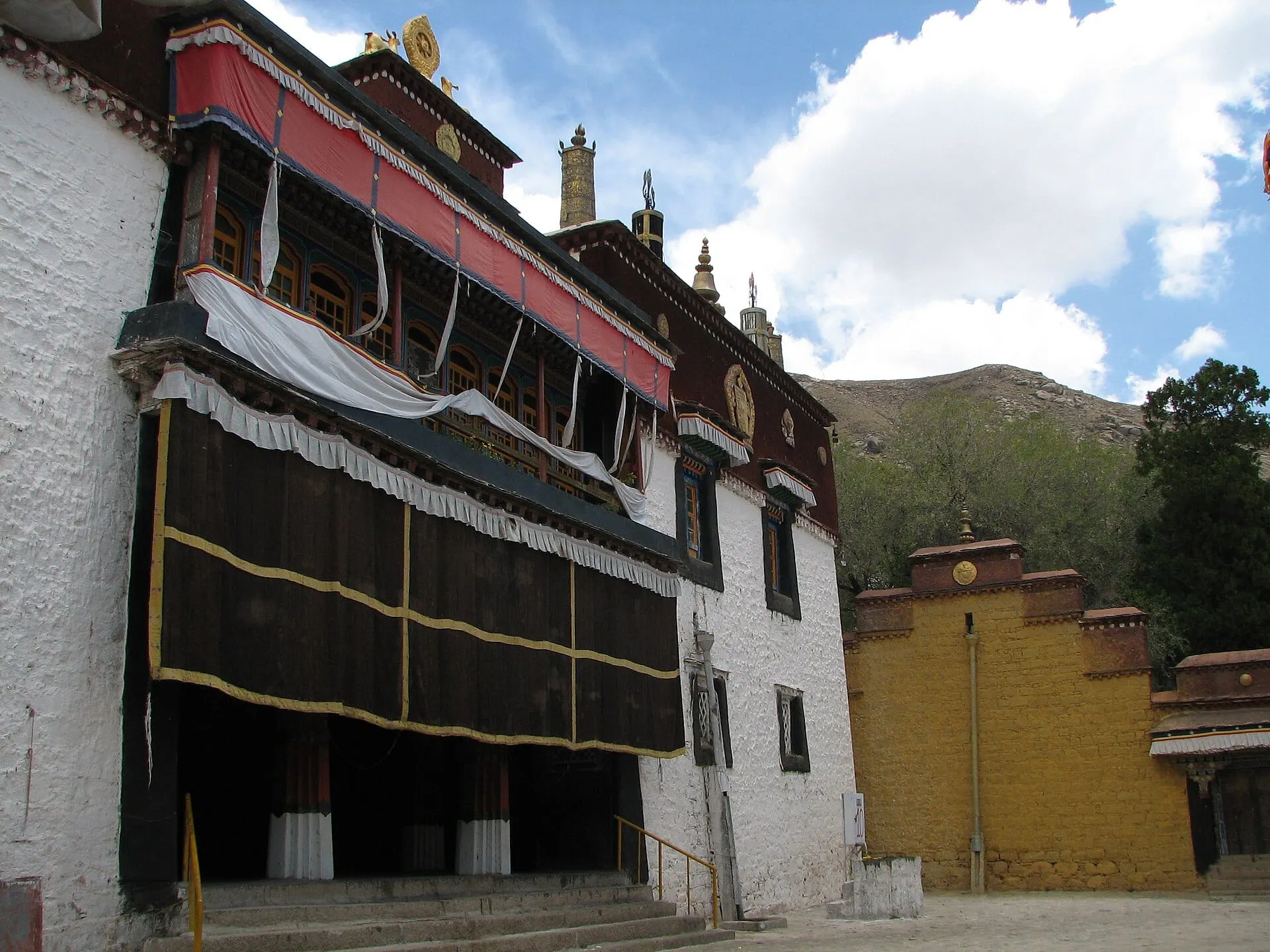
Sera Monastery (色拉寺)
One of the three great Gelug-school monasteries, famous for the daily monk debating sessions in the courtyard (3–5 pm). ¥50, 5 km north of Lhasa.
Wikimedia Commons · CC-BY-SA
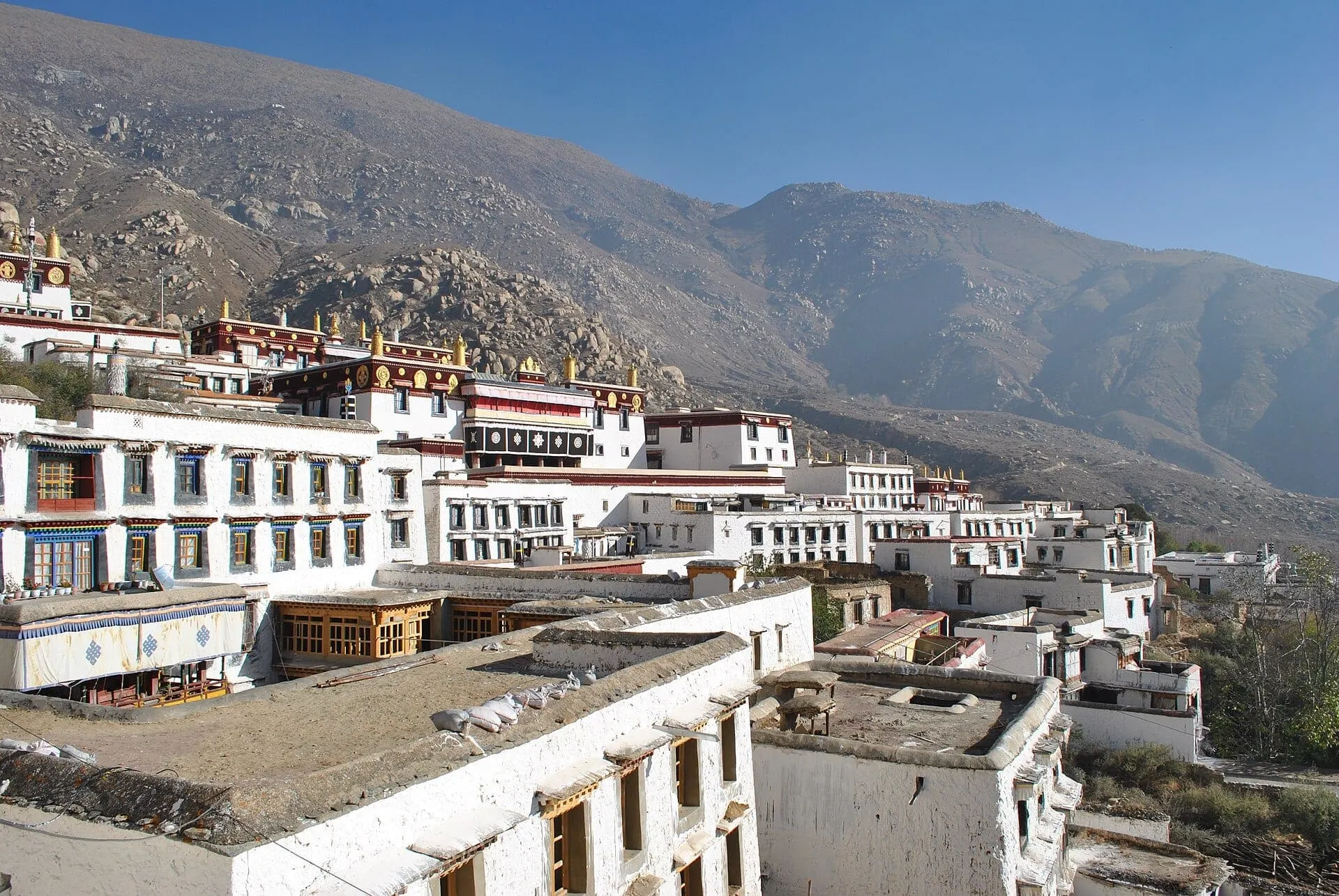
Drepung Monastery (哲蚌寺)
Once the largest monastery in the world, home to 10,000 monks at its peak, founded 1416. ¥50, 8 km west. Dramatic hillside setting.
Wikimedia Commons · CC-BY-SA
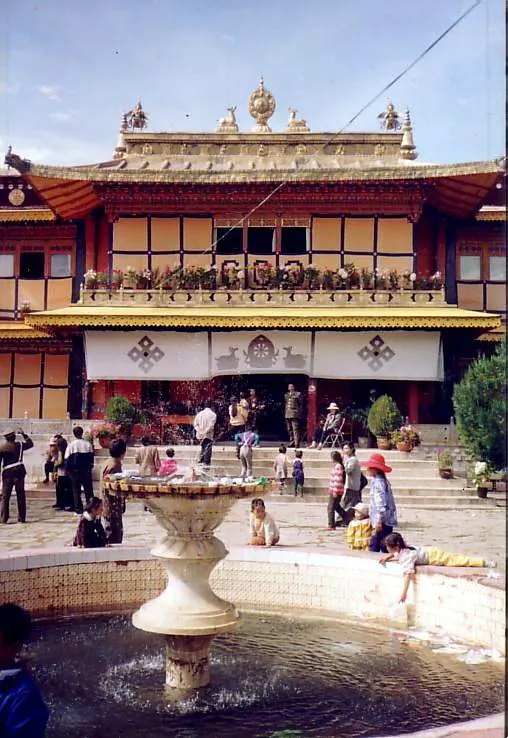
Norbulingka (罗布林卡)
The Dalai Lamas’ former summer palace and garden, a UNESCO site of pavilions, pools, and parks. ¥60. The site of the Sho Dun (Yogurt) Festival each summer.
Wikimedia Commons · CC-BY-SA
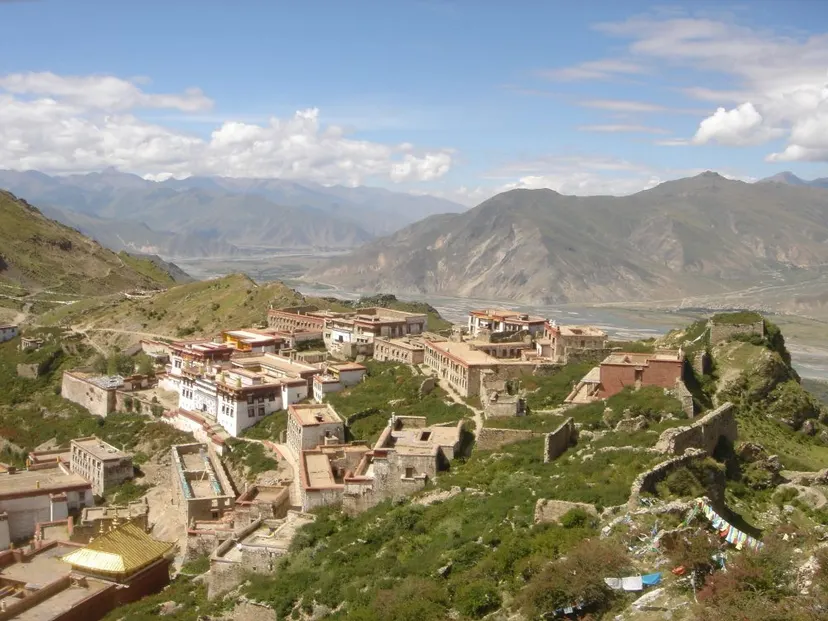
Ganden Monastery (甘丹寺)
Founded 1409 by Tsongkhapa, the head monastery of the Gelug school, dramatically set on a ridge 40 km east of Lhasa. ¥45. Combine with the Ganden kora hike.
Wikimedia Commons · CC-BY-SA
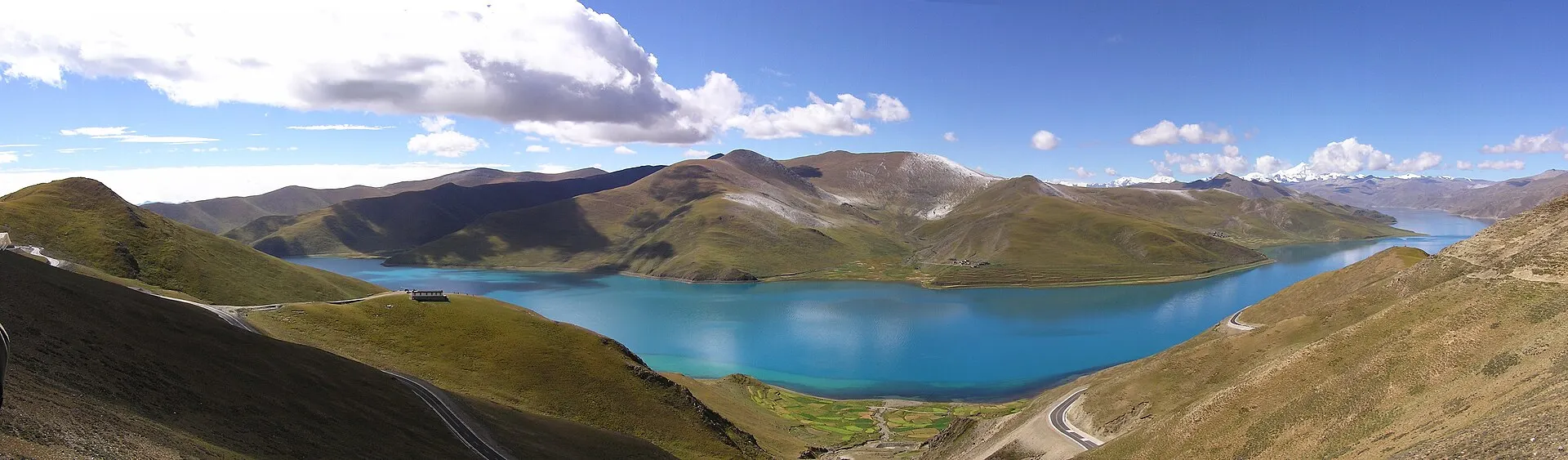
Yamdrok Lake (羊卓雍错)
A sacred turquoise high-altitude lake at 4,440 m, reached by the Kamba La pass. One of Tibet’s three holy lakes. A half-day or full-day excursion from Lhasa.
Wikimedia Commons · CC-BY-SA
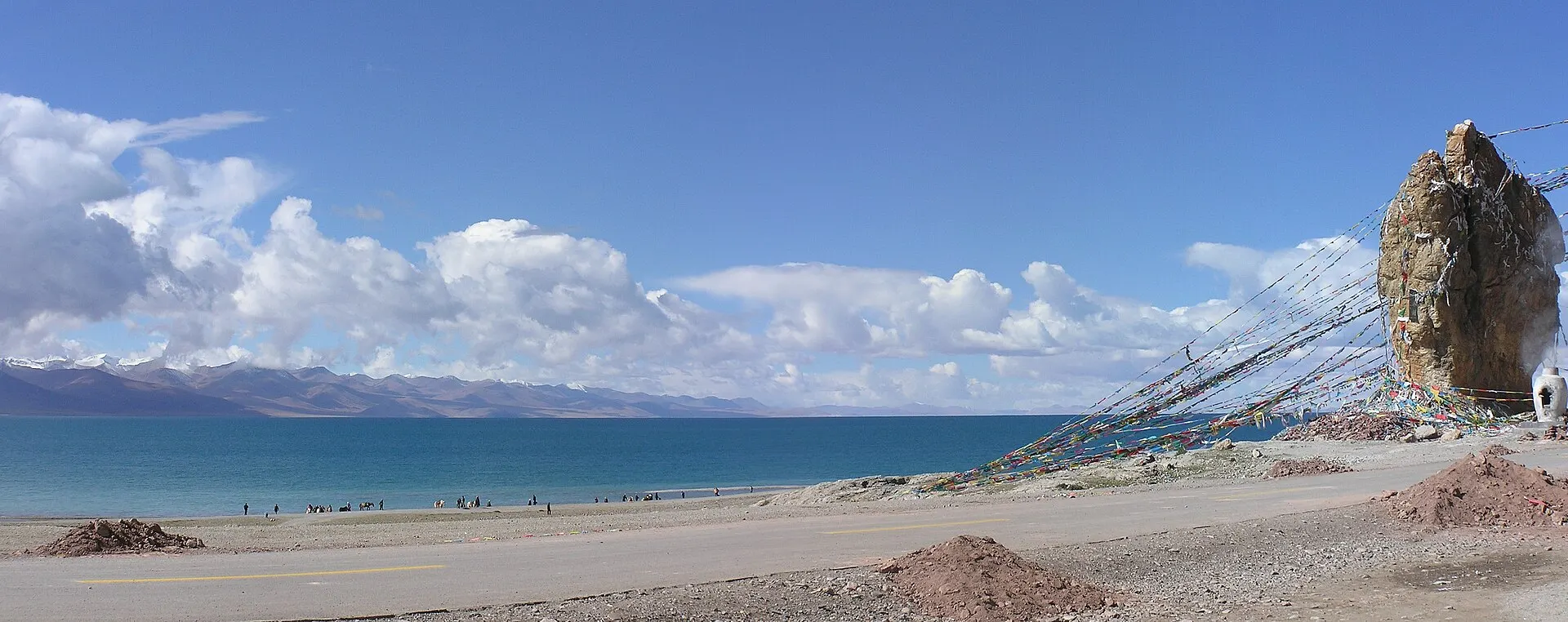
Namtso Lake (纳木错)
The ‘Heavenly Lake’ at 4,718 m, one of the highest salt lakes on earth and one of Tibet’s three holy lakes. A long but spectacular day trip or overnight.
Wikimedia Commons · CC-BY-SA
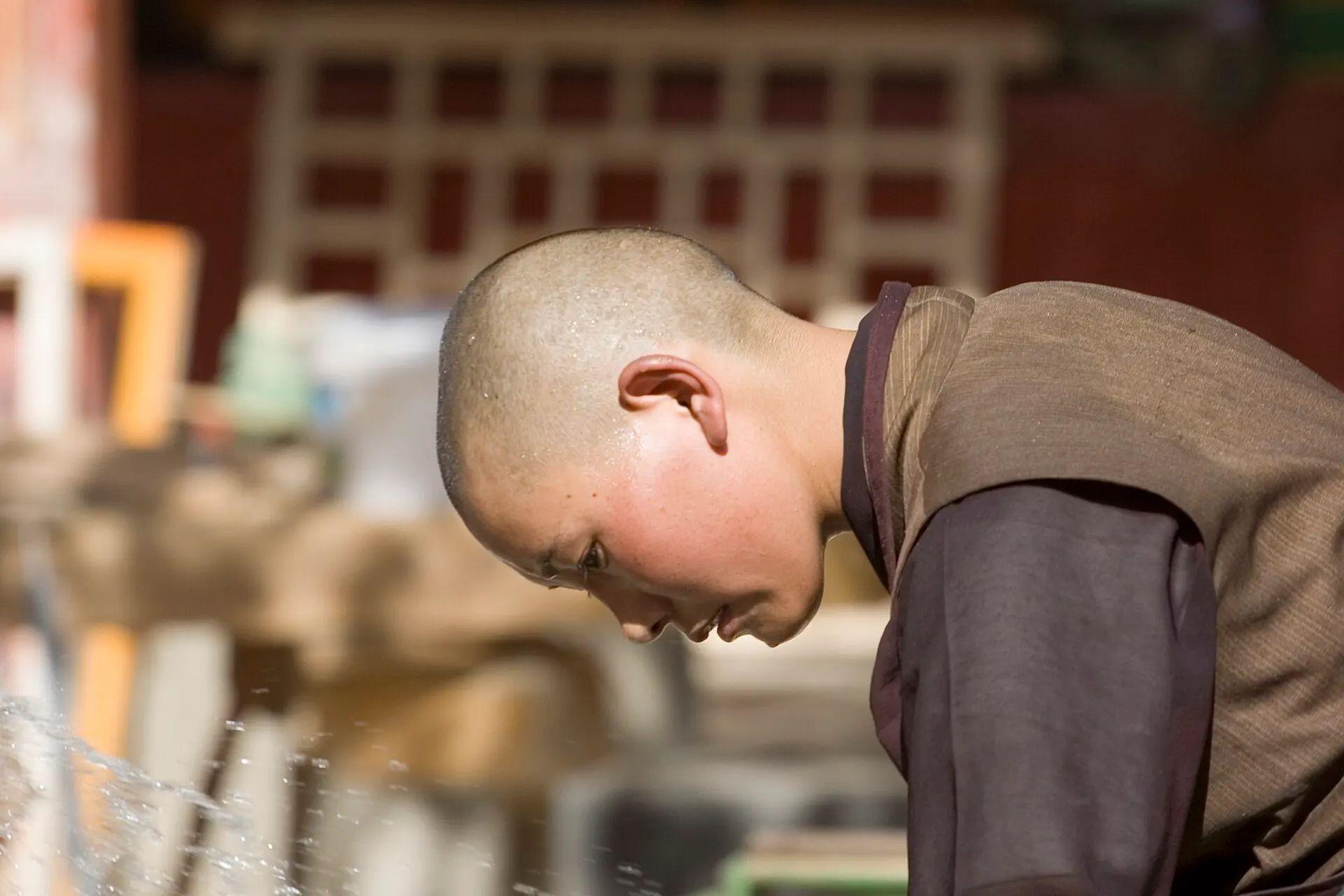
Ani Tsankhung Nunnery (阿尼仓空寺)
A 15th-century nunnery in the Lhasa old town, one of the few active nunneries, with a meditation cave used by the 7th Dalai Lama. Quiet and intimate.
Wikimedia Commons · CC-BY-SA
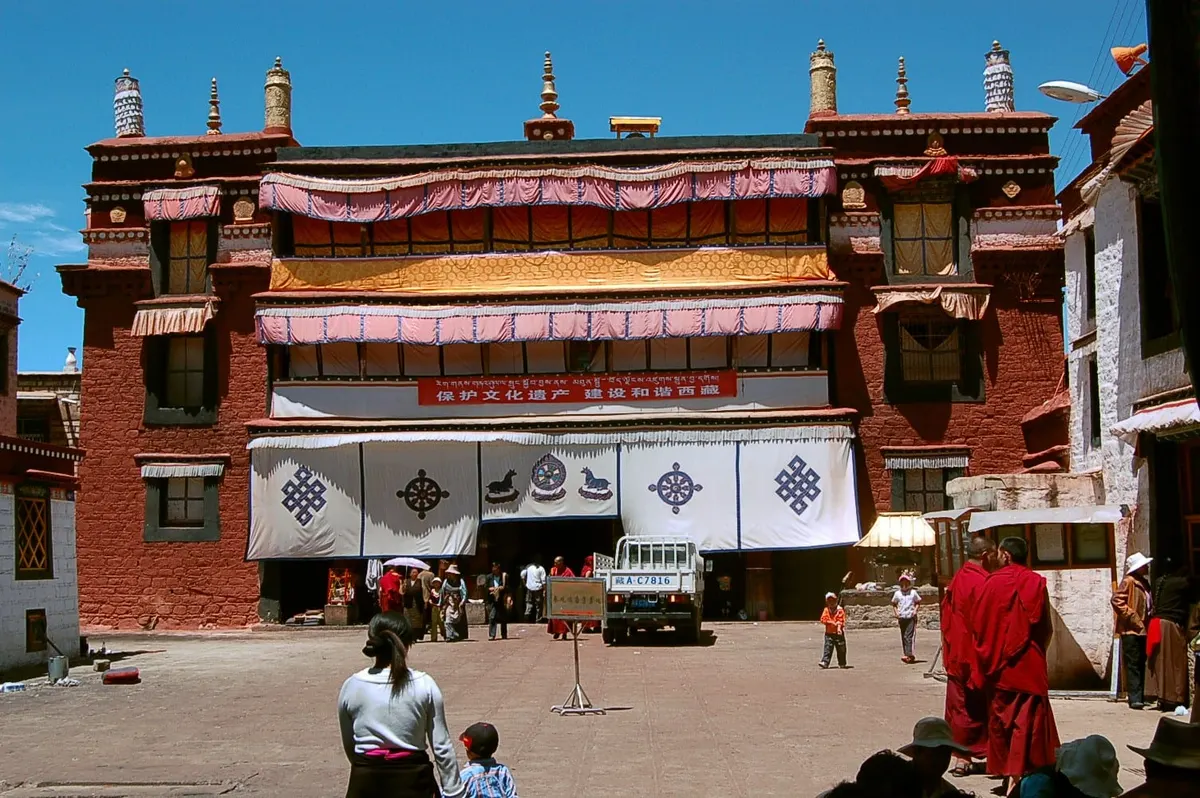
Ramoche Temple (小昭寺)
A 7th-century temple second in sanctity only to the Jokhang, in the old Tibetan quarter. Houses the Jowo Mikyö Dorje statue. ¥20.
Wikimedia Commons · CC-BY-SA
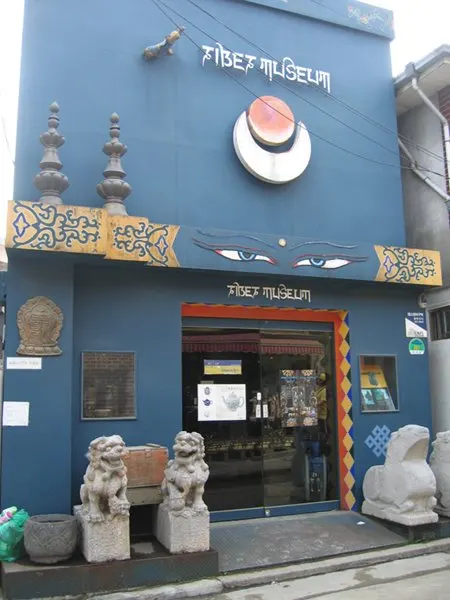
Tibet Museum (西藏博物馆)
A modern museum on Lhasa’s history, art, and culture, near the Potala. Free or ¥20. The best orientation to the region’s 6,000-year story.
Wikimedia Commons · CC-BY-SA
STAY
Where to stay in Lạp Tát
Pick a base that matches the trip you want — imperial-central for sightseeing, hutong belt for character, Chaoyang for nightlife, or Qianmen for budget.
Barkhor / Old City
The pilgrimage circuit, Tibetan craft shops, rooftop teahouses, and guesthouses around Jokhang
#barkhorPotala District
Hotels with Potala views, the palace square, and the Tibet Museum nearby
#potalaEast Lhasa
Modern hotels, Chinese restaurants, and the new train station area
#lhasa-east
ITINERARIES
Sample itineraries from Lạp Tát
Three ready-made routes, from a 1-day imperial sprint to a 5-day deep dive. Copy the day-by-day plan and adapt to your own pace.
- 1 DAY
Lhasa Essentials (4 Days)
The minimum Lhasa stay — acclimatisation plus the three unmissable sights. Designed to pair with a 1-day arrival.
- Travellers adding Lhasa to a broader China trip
- Short-leave visitors
- Those unable to do the Everest overland
- Day 01
Morning
Arrive by flight or Qinghai-Tibet Railway; transfer to hotel; complete rest — no sightseeing, gentle walk only
Afternoon
Continue rest; hydrate (3–4 L water); light carbohydrate meal; no alcohol
Evening
Tea-house afternoon on the Barkhor — sit, watch pilgrims, acclimatise; early to bed
- 2 DAYS
Lhasa Cultural Immersion (6 Days)
The standard Lhasa-focused trip — full acclimatisation, all major monasteries, and a day trip to Yamdrok Lake.
- First-time Tibet visitors
- Cultural travellers
- Photographers
- Day 01
Morning
Arrive; rest only — no sightseeing, no stairs, no exertion
Afternoon
Continue resting; gentle Barkhor stroll with guide; sweet tea in a teahouse
Evening
Light dinner; avoid alcohol; drink 3–4 L of water through the day
- Day 02
Morning
Potala Palace timed entry (morning slot); climb the stone stairway slowly; explore chapels and the 5th Dalai Lama's golden stupa (2–3 hours)
Afternoon
Norbulingka summer palace and gardens — a gentle walk after the Potala climb
Evening
Tibetan dinner with yak momos and thenthuk noodle soup; early night
- 3 DAYS
Lhasa + Everest Base Camp (10 Days)
The classic Lhasa-and-Everest trip — culture, monasteries, high passes, and the north face of Everest.
- Adventure travellers
- Bucket-list seekers
- Those with 10+ days
- Day 01
Morning
Arrive Lhasa; rest and hydrate
Afternoon
Barkhor gentle walk with guide
Evening
Teahouse dinner; no alcohol
- Day 02
Morning
Potala Palace (morning timed entry)
Afternoon
Norbulingka and Tibet Museum
Evening
Tibetan dinner in the old town
- Day 03
Morning
Jokhang Temple and Barkhor market; Sera Monastery for the 3 pm monk debate
Afternoon
Drepung Monastery hillside walk
Evening
Rest; prepare for the overland journey starting tomorrow
BUDGET
What a Lạp Tát trip costs
Per-person, per-day costs across three spending tiers. Excludes international flights and visa fees.
| Line item | Backpacker | Mid-range | Luxury |
|---|---|---|---|
| Tour package (incl. guide, permits, transport) | $100 | $200 | $400 |
| Accommodation (per night) | $25 | $80 | $300 |
| Meals (3 per day) | $15 | $40 | $100 |
| Attraction tickets (Potala, Jokhang) | $30 | $40 | $60 |
| Daily essentials | $10 | $20 | $50 |
| Total per day | $180 | $380 | $910 |
$ USD per person per day, before international flights and visas. Last verified: Q3 2026.
STAY SAFE
Emergency contacts in Lạp Tát
Save these three numbers before you board the plane. China uses different hotlines than most countries — there's no 911.
- POLICE
110
- AMBULANCE
120
- FIRE
119
- TOURIST HOTLINE
12301
Problems travelers hit in Lạp Tát
- Why is my Alipay not working?You linked a foreign Visa or Mastercard to Alipay but every transaction is rejected at the merchant.
- My China visa was denied — what now?Your L visa application was refused at the Chinese consulate and your trip is in 2–4 weeks.
- My passport was lost or stolen in China — what do I do?Your passport is gone (theft or loss) and you're in mainland China without travel documents.
- Why can't I book on 12306 with my foreign card?You tried to book a high-speed rail ticket on 12306.cn and your foreign Visa/Mastercard is rejected at checkout.
- Why is my VPN not working in China?You arrived in China, opened your VPN, and it will not connect at all or connects but no traffic loads.
- Why can't I book a Tibet trip on my own?You try to book Lhasa flights and hotels yourself but the booking fails, or you're turned away at the Lhasa airport without a permit.
Compare Lạp Tát with
Book activities in Lạp Tát
These are licensed tour operators and booking platforms we've vetted independently. Booking through these links may earn us a commission — see our affiliate disclosure. This never affects our editorial recommendations or the price you pay.
References

Related guides & destinations
Guide
China Itineraries 2026: 7, 10, and 14-Day Plans That Actually Work
A 7-day trip focuses on the Golden Triangle (Beijing/Xi’an/Shanghai). A 10-day trip adds Chengdu or Guilin. A 14-day trip covers the north a
Guide
How We Research 2026: NihaoVisit’s Methodology for China Travel Information
How NihaoVisit sources, verifies, and maintains 700+ pages of China travel information — our source hierarchy, fact-checking process, update
Guide
Fact-Checking Log 2026: Verified China Travel Information — NihaoVisit
A public log of fact-checking verification passes on NihaoVisit, showing what was verified, when, and against which sources — covering visa
Guide
Best Time to Visit China 2026: Month-by-Month Weather, Crowds, and Prices
The best time to visit most of China is April–May and September–October. Winter (Dec–Feb) is cold but cheap; summer (Jun–Aug) is hot and cro
Guide
VPN for China 2026: Which VPNs Work, eSIM Alternatives, and the Complete Pre-Trip Checklist
Most Western apps and websites are blocked in mainland China. A reliable VPN is essential for Google, Gmail, WhatsApp, Instagram, and most n
Guide
China SIM Card and eSIM Guide 2026: Stay Connected Without WeChat
A Chinese SIM or eSIM lets you use mobile data, maps, and ride-hailing without WiFi. Here is how to get one, the cost, and which provider to