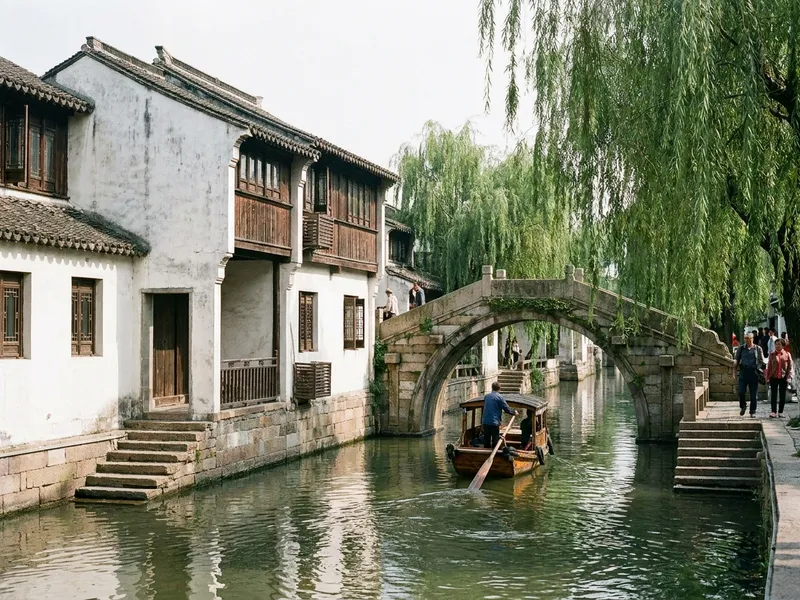
Tô Châu
[VI placeholder] Suzhou — TL;DR bằng vi sẽ được bổ sung.
Why Tô Châu in 2026.
[VI placeholder] Suzhou — Tóm tắt bằng vi sẽ được bổ sung.
Quick Answer
[VI placeholder] Suzhou — TL;DR bằng vi sẽ được bổ sung.
| Best time to visit | April-May for spring blossoms and the Silk Festival; September-October for autumn foliage and the Mid-Autumn moon over Pingjiang Road; avoid the first week of October (Golden Week) and the late-September Mid-Autumn Festival |
|---|---|
| Daily budget | $300 (backpacker) / $800 (mid-range) / $3000+ (luxury) |
| Language | Mandarin (Putonghua) with the local Suzhou Wu dialect among older residents; English is widely spoken in hotels, the Classical Gardens, the Suzhou Museum, and Pingjiang Road tourist areas |
| Currency | CNY (¥); Visa, Mastercard, and American Express accepted at hotels, malls, and most restaurants via Alipay and WeChat Pay Tour Card |
| Time zone | China Standard Time (UTC+8), no daylight saving time |
| Last updated | 2026-06-14 |
Want a Tô Châu plan built for you?
Top attractions
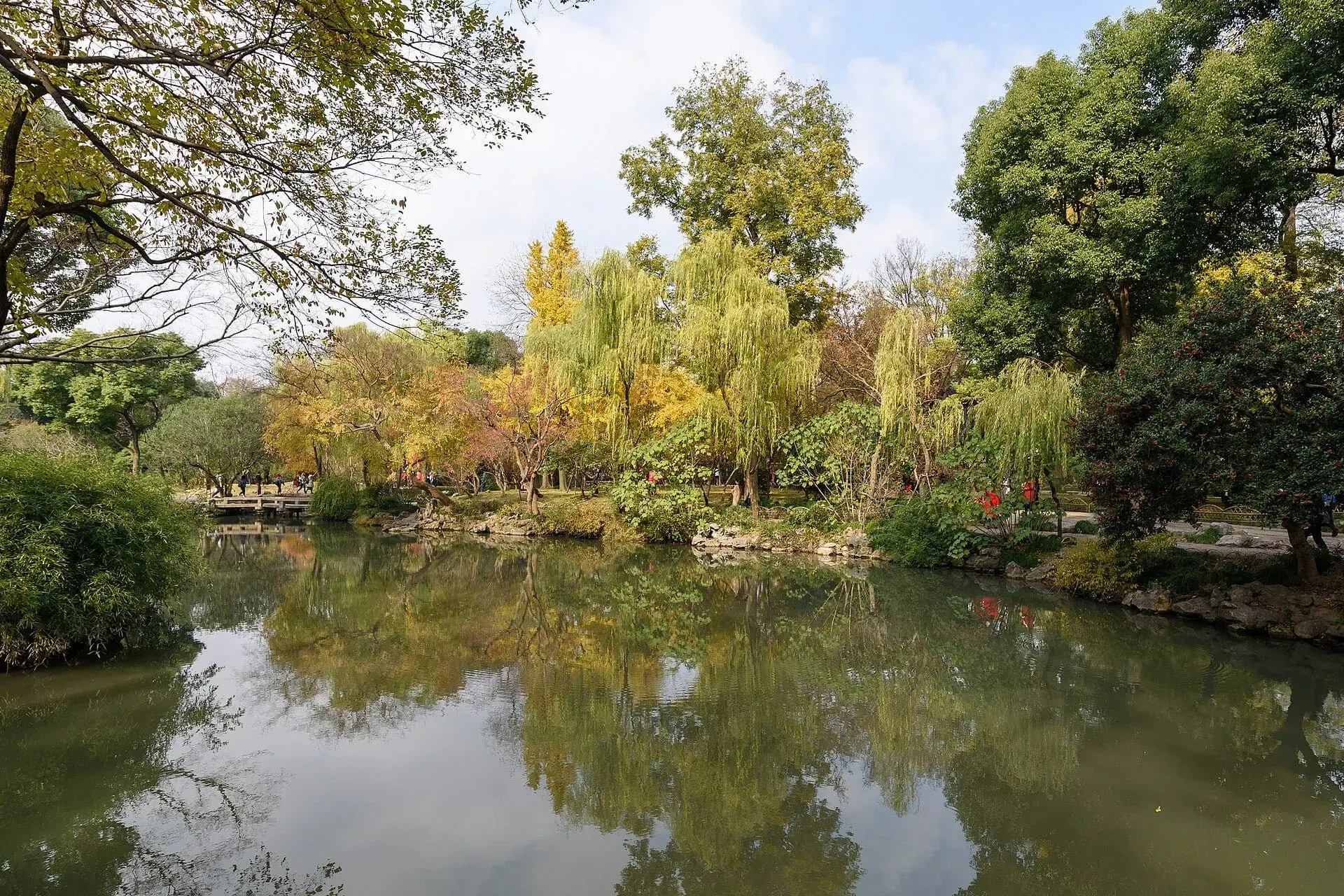
Humble Administrators Garden (Zhuozheng Yuan)
A 5.2-hectare Ming-dynasty garden and the largest of the UNESCO-listed Classical Gardens of Suzhou, built in 1513 by a retired magistrate and centered on a 1-hectare lotus pond, the Eastern Forest of 49 maples, and a 30-meter bonsai collection. Best visited in spring for the peonies or in autumn for the maples; allow 2-3 hours.
Wikimedia Commons · CC-BY-SA
Lingering Garden (Liu Yuan)
A 2.3-hectare Qing-dynasty garden and the second UNESCO-listed Classical Garden, famous for its 700-meter covered walkway with 200 latticed windows framing a constantly shifting view of the landscape. Considered the finest example of Qing-era garden design; allow 90 minutes.
Wikimedia Commons · CC-BY-SA
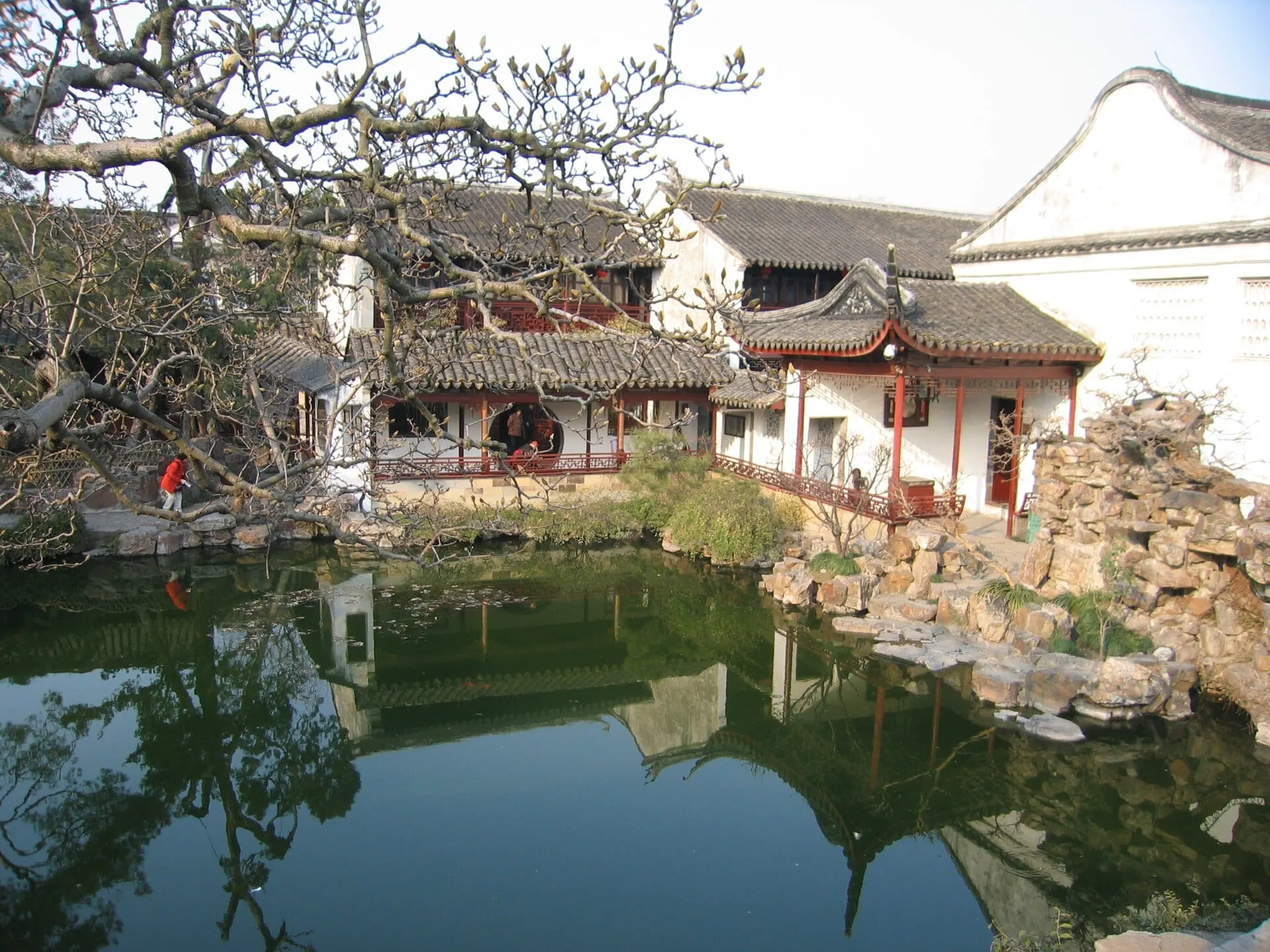
Master of the Nets Garden (Wangshi Yuan)
A 0.5-hectare garden and the smallest UNESCO-listed Classical Garden, considered by many garden historians the finest example of Suzhou garden art. Famous for its night tour (only one of the UNESCO gardens open after dark) and its Kunqu opera performances; allow 90 minutes plus the optional night show.
Wikimedia Commons · CC-BY-SA
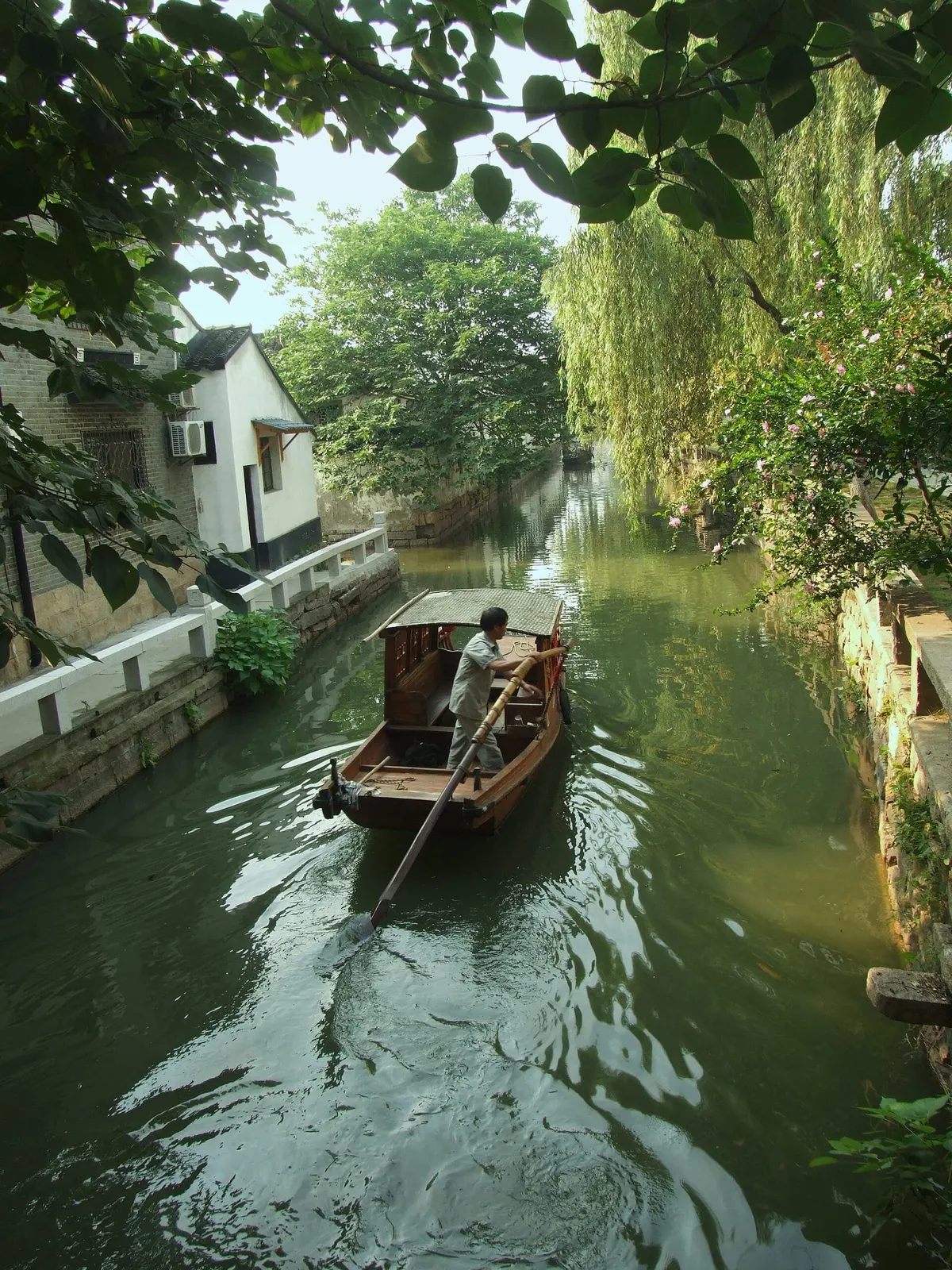
Pingjiang Road (Pingjiang Lu)
A 1,600-meter stretch of the old canal city preserved as a pedestrian street, with whitewashed Ming- and Qing-era houses, 17 stone bridges, teahouses, silk shops, calligraphy stalls, and the rhythmic sound of pole-propelled boats passing through the canal. Free to enter, open 24 hours.
Wikimedia Commons · CC-BY-SA
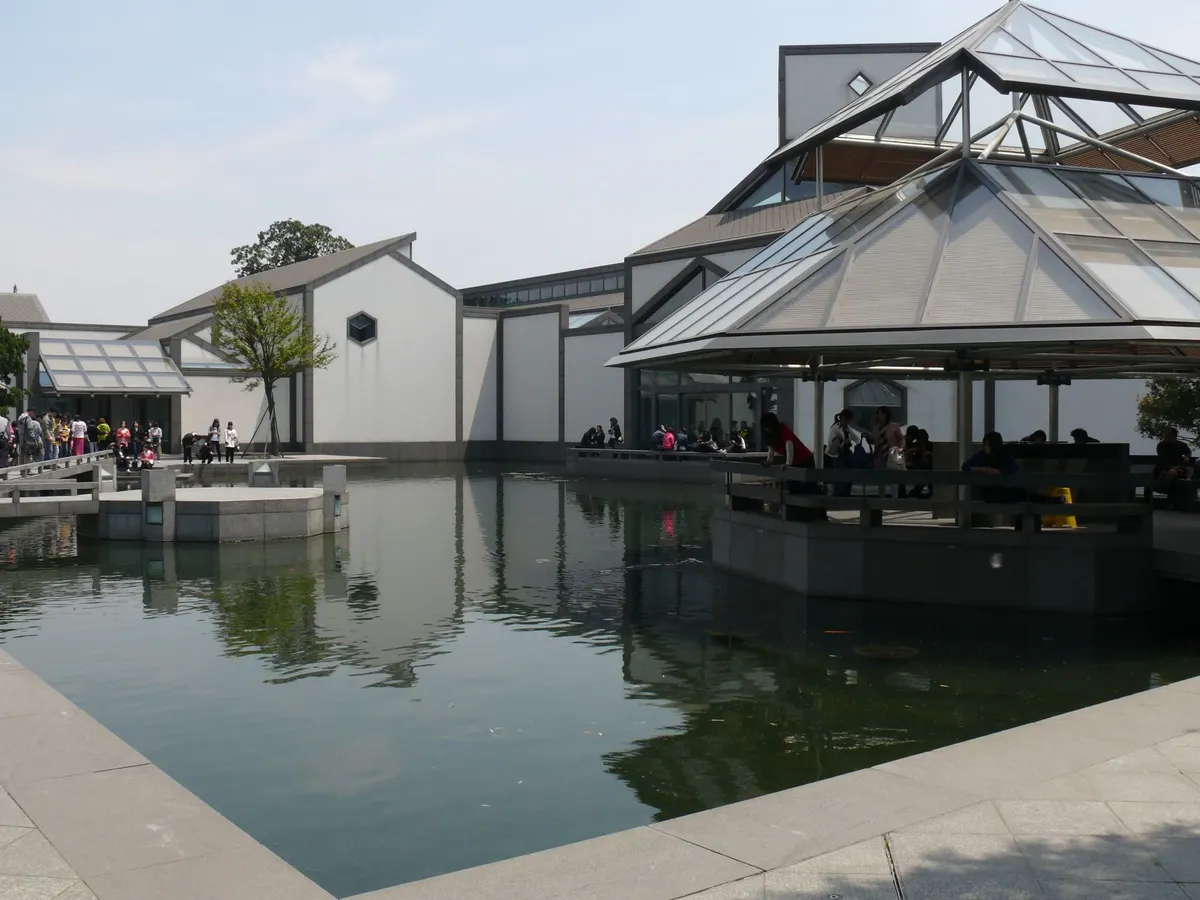
Suzhou Museum (IM Pei)
A 10,500-square-meter museum designed by IM Pei (the Suzhou-born architect of the Louvre Pyramid) and opened in 2006, integrating traditional Suzhou whitewashed walls and gray tiled roofs with modern geometric forms. Houses a world-class collection of Ming and Qing furniture, calligraphy, and porcelain. Free admission but advance booking required.
Wikimedia Commons · CC-BY-SA
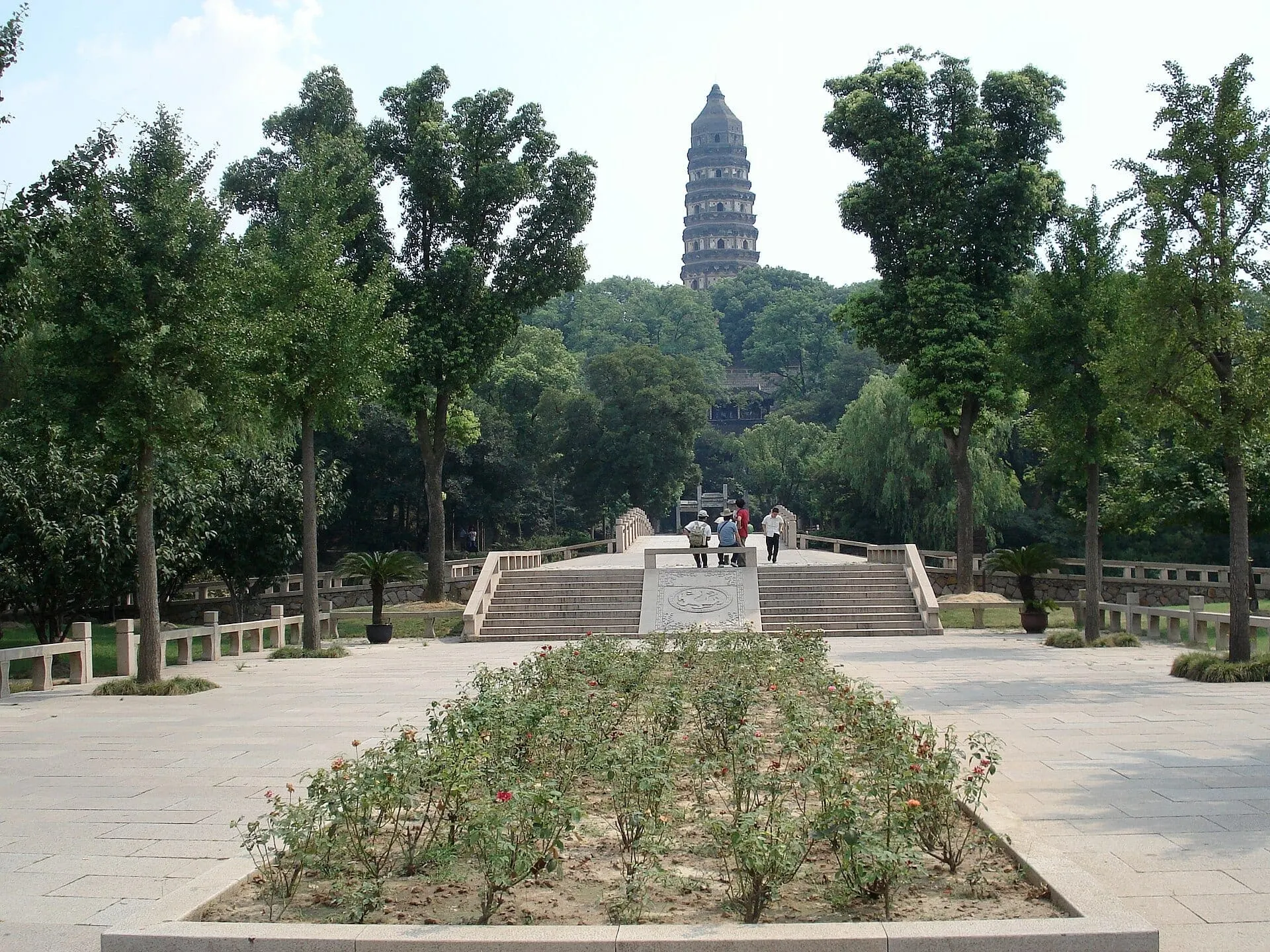
Tiger Hill (Huqiu)
A 36-meter hill crowned by the 7-story 48-meter leaning Yunyan Pagoda (the Leaning Tower of China, built in 961 and 2.5 degrees off vertical). Surrounded by Ming-era stone carvings, bonsai gardens, and a 1,000-year-old gingko tree. The most well-known sight of Suzhou. Entry ¥80.
Wikimedia Commons · CC-BY-SA
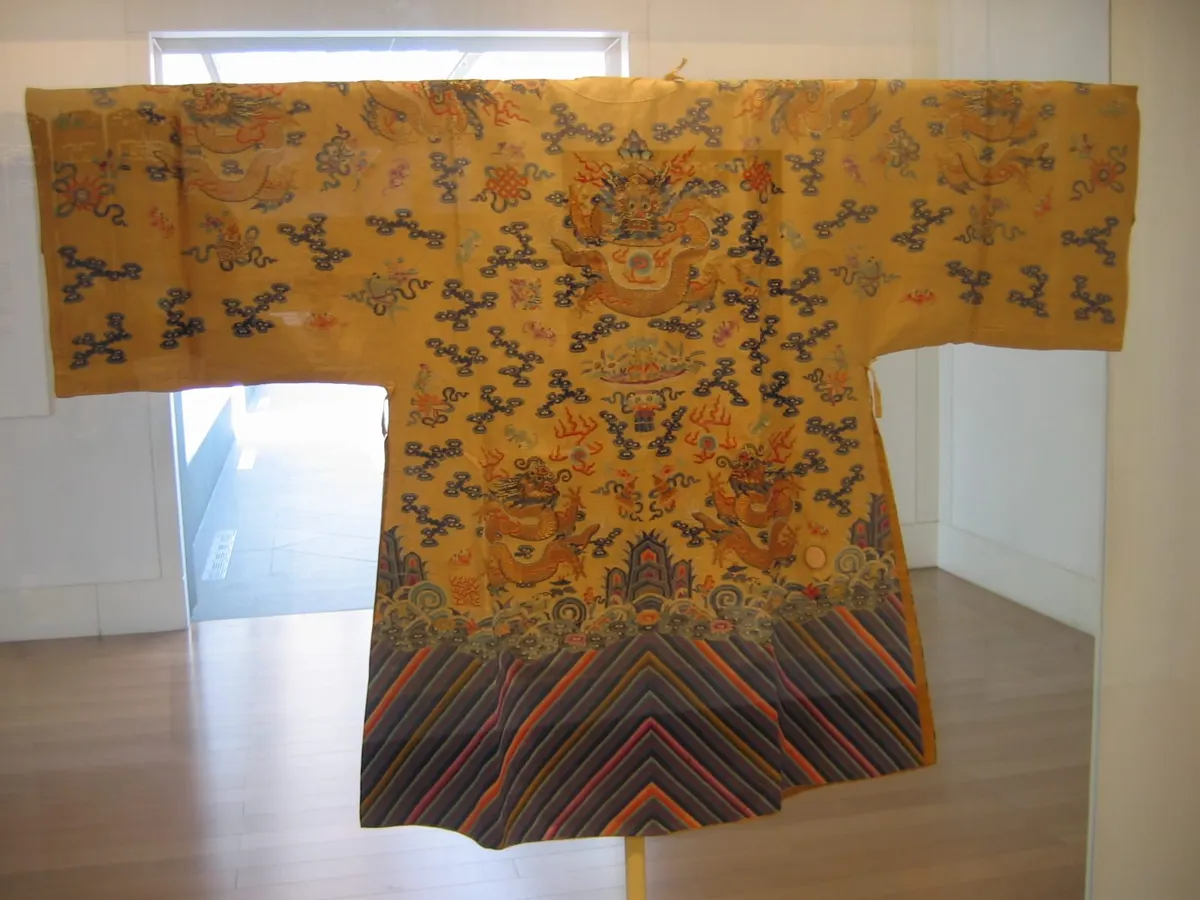
Suzhou Silk Museum
A 6,000-square-meter museum tracing 5,000 years of Chinese silk history, with live silkworm displays, traditional handlooms, and a working embroidery workshop. Demonstrations of silk reeling, weaving, and Su embroidery (one of Chinas four great embroidery traditions). Free admission. Best combined with the Pingjiang Road silk shops.
Wikimedia Commons · CC-BY-SA
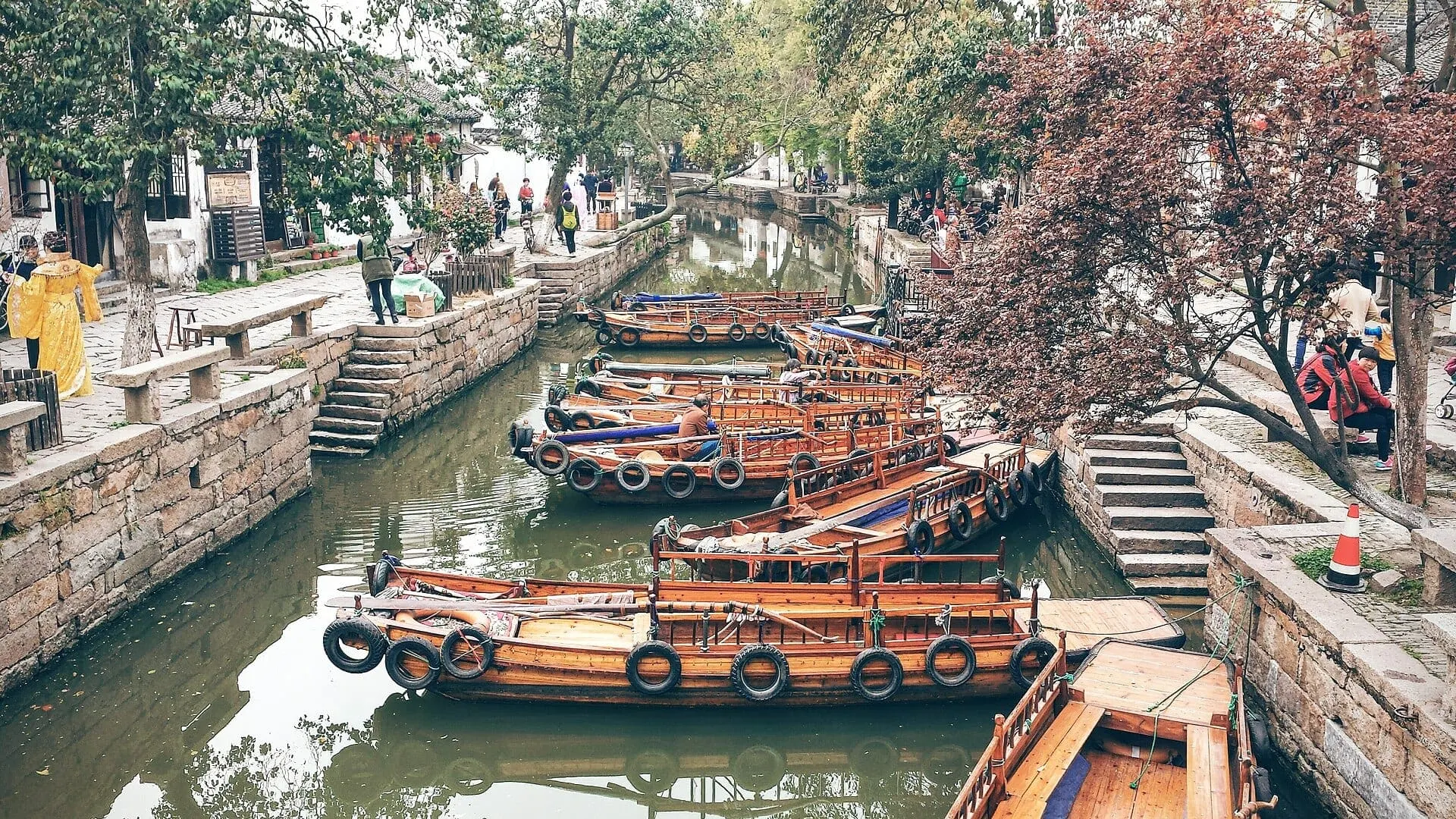
Tongli Water Town
A 1,000-year-old water town 18 km south of Suzhou, with 15 km of canals, 49 stone bridges, and the UNESCO-listed Tuisi Garden. Best explored at dawn or sunset when the day-trippers have gone; overnight stays in canal-side guesthouses are highly recommended. Entry ¥100 includes 4 heritage sites.
Wikimedia Commons · CC-BY-SA
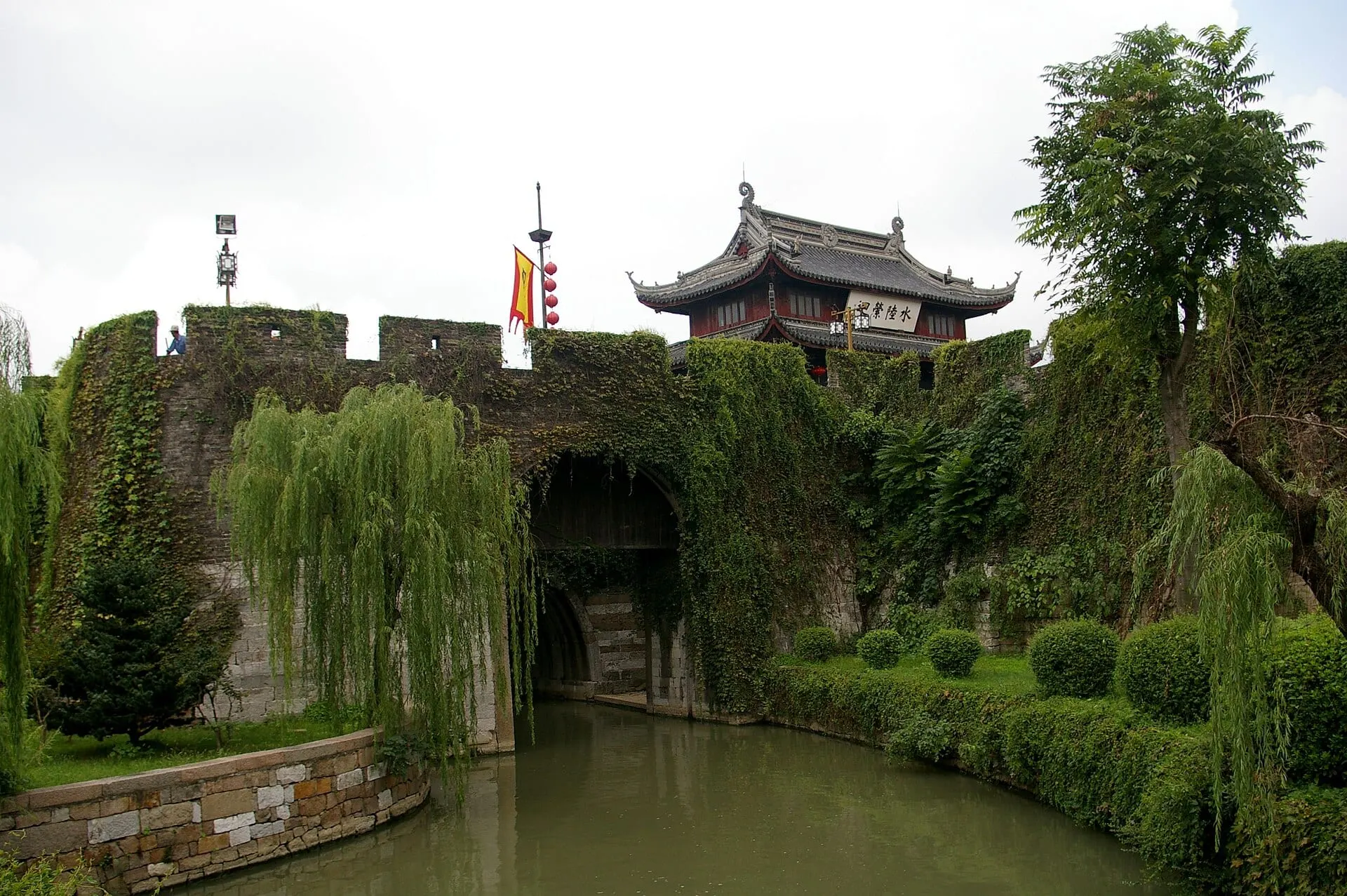
Panmen Gate (Pan Men)
The oldest surviving city gate in Suzhou, built in 514 BC during the Spring and Autumn period, with the only remaining land-and-water city gate complex in China. Includes the 1,000-year-old Ruiguang Pagoda, the Wu Gate Bridge (the largest stone arch bridge in the city), and a section of the original city wall. Entry ¥40.
Wikimedia Commons · CC-BY-SA
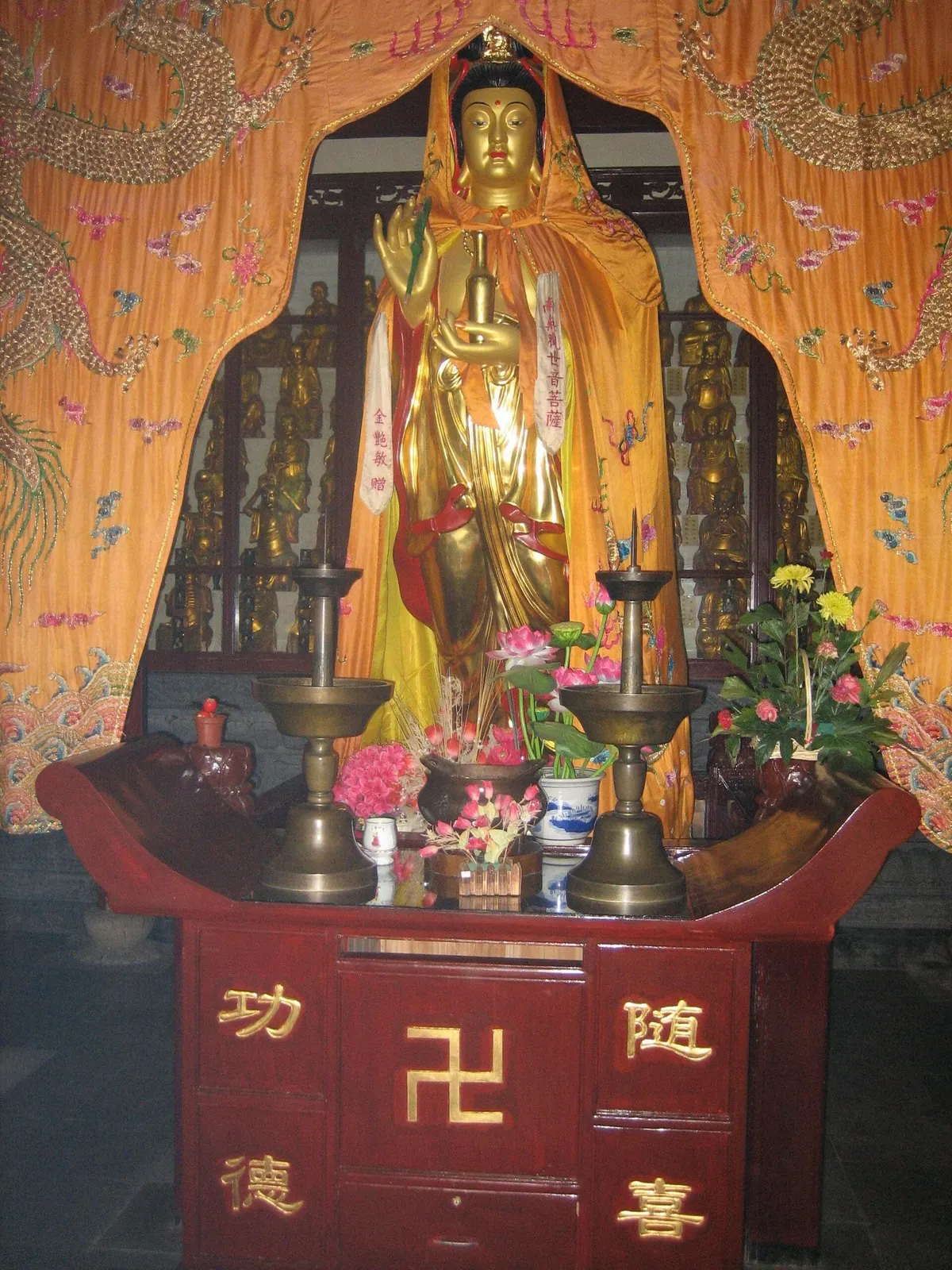
Hanshan Temple (Cold Mountain Temple)
A 1,500-year-old Buddhist temple famous for its bell ringing at midnight on New Years Eve (the subject of the Tang-dynasty poem Maple Bridge Night Mooring by Zhang Ji). The temple houses a large bronze bell, Ming-era frescoes, and the stone boat of Zhang Ji. Entry ¥20.
Wikimedia Commons · CC-BY-SA
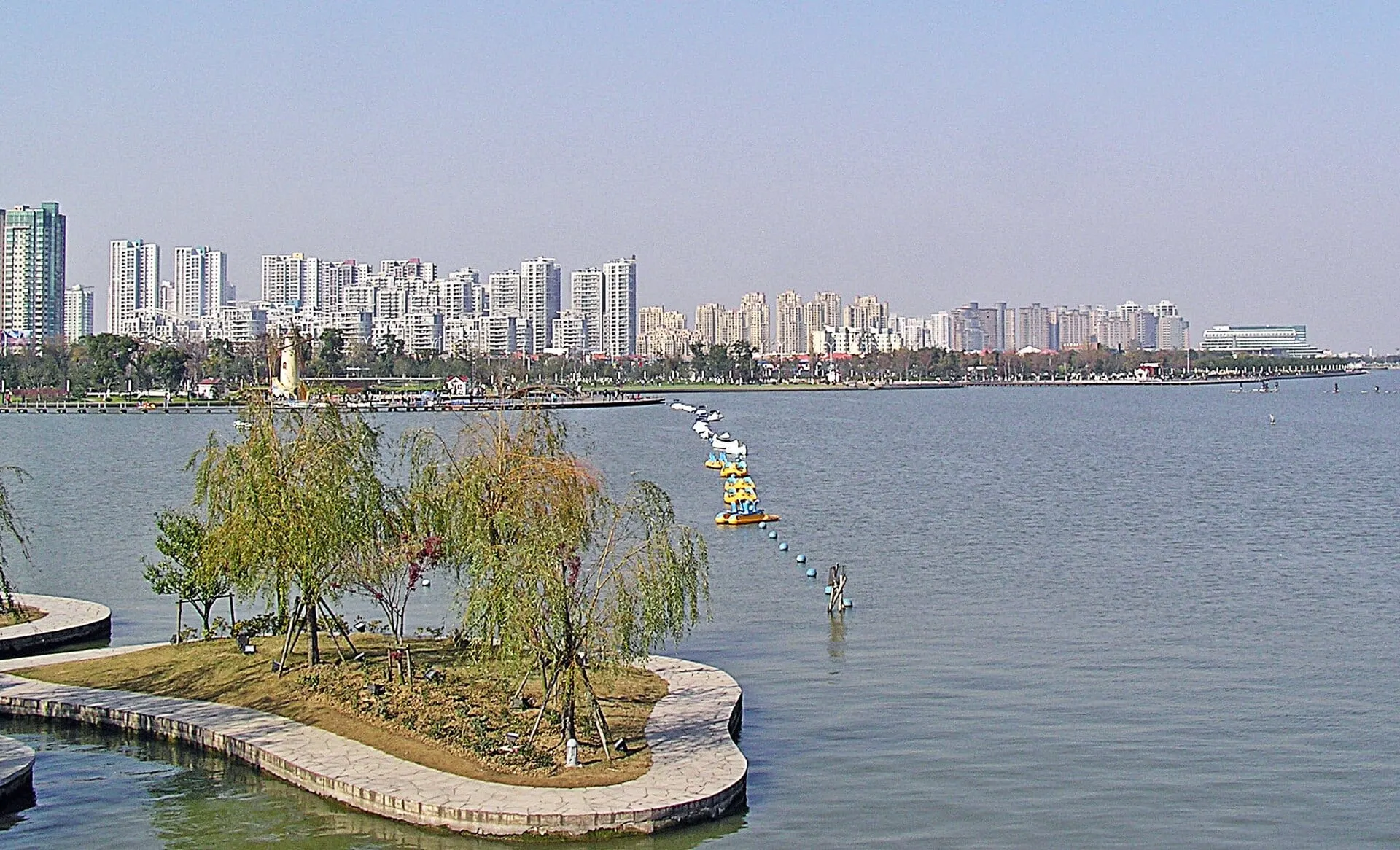
Jinji Lake (Jin Ji Hu)
A 7-square-kilometer lake in the Suzhou Industrial Park (SIP) that anchors the citys modern skyline, with the 302-meter Gate of the Orient (the W-shaped twin towers), the Suzhou Center Mall (one of the worlds largest), and the Suzhou Ferris Wheel. Best at sunset for skyline views. Free.
Wikimedia Commons · CC-BY-SA
Shantang Street (Shan Tang Jie)
A 3,600-meter-old street and canal parallel to Pingjiang Road, built in 825 AD by the Tang-dynasty poet Bai Juyi when he was governor of Suzhou. Lined with restored Ming- and Qing-era shops, teahouses, opera theaters, and the restored Calligraphy and Painting of the Ming and Qing Dynasties Museum. Free; boat rides ¥80.
Wikimedia Commons · CC-BY-SA
STAY
Where to stay in Tô Châu
Pick a base that matches the trip you want — imperial-central for sightseeing, hutong belt for character, Chaoyang for nightlife, or Qianmen for budget.
Humble Administrator's Garden (Zhuo Zheng Yuan)
UNESCO classical Chinese garden — 5 acres of pavilions, koi ponds, and carefully framed views.
#humble-administrators-gardenPingjiang Road (Pingjiang Lu)
A 1.6-km canal-side pedestrian street — the historical heart of Suzhou.
#pingjiang-road
Problems travelers hit in Tô Châu
- Why is my Alipay not working?You linked a foreign Visa or Mastercard to Alipay but every transaction is rejected at the merchant.
- My China visa was denied — what now?Your L visa application was refused at the Chinese consulate and your trip is in 2–4 weeks.
- My passport was lost or stolen in China — what do I do?Your passport is gone (theft or loss) and you're in mainland China without travel documents.
- Why can't I book on 12306 with my foreign card?You tried to book a high-speed rail ticket on 12306.cn and your foreign Visa/Mastercard is rejected at checkout.
- Why is my VPN not working in China?You arrived in China, opened your VPN, and it will not connect at all or connects but no traffic loads.
- Why can't I book a Tibet trip on my own?You try to book Lhasa flights and hotels yourself but the booking fails, or you're turned away at the Lhasa airport without a permit.
Compare Tô Châu with
Book activities in Tô Châu
These are licensed tour operators and booking platforms we've vetted independently. Booking through these links may earn us a commission — see our affiliate disclosure. This never affects our editorial recommendations or the price you pay.
References

Written by
NihaoVisit EditorialRelated guides & destinations
Guide
China in April 2026: Peak Spring, Qingming Festival, and the Best Month for Gardens
April is peak spring across China — the best month for Suzhou gardens, Hangzhou’s West Lake, Guilin karst scenery, and Yunnan. Mild temperat
Guide
Best Places to Visit in China in Spring 2026: Blossoms, Mild Weather, and Where to Go
Spring (March–May) is one of China’s two best travel seasons. Top picks: Hangzhou for West Lake blossoms, Suzhou for classical gardens in bl