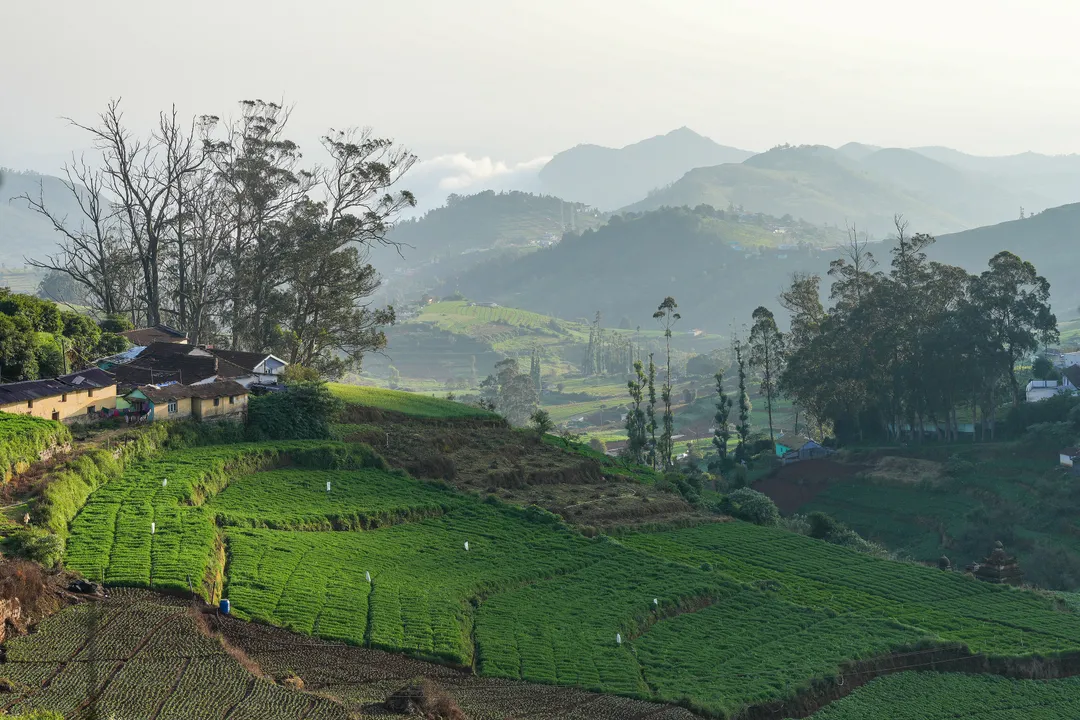
Huaihua at a Glance
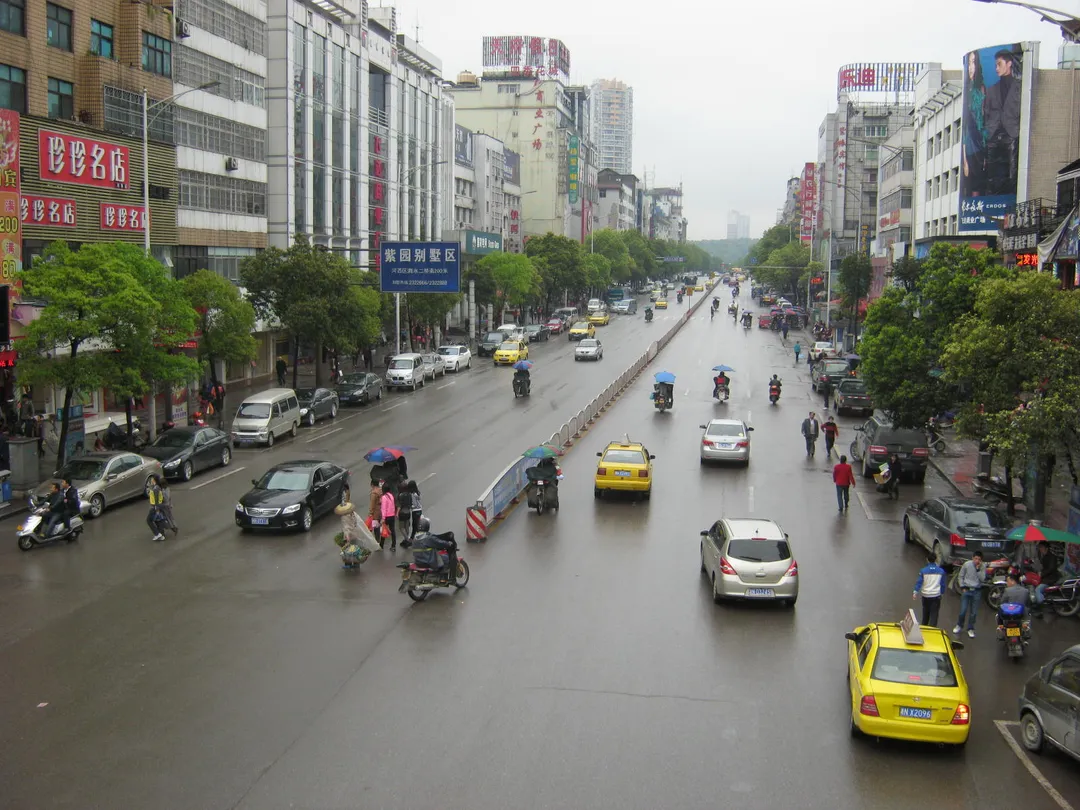
Huaihua is the rail city in western Hunan that holds three of the province's best-kept historical quarters in one 2-3 day loop. The axis runs west and south: Qianyang, at the Wu-Shui confluence about 50 km from downtown, is a county town that claims 2,200-plus years of walls and honors the Tang poet Wang Changling with its riverside Furong Tower; Hongjiang, 70 km southeast at the Yuan-Wu confluence, is the ancient merchant port whose flagstone lanes still string together 380-plus Qing and Republican buildings — banks, oil houses and escort-agency courtyards; and Zhijiang, 35 km west, keeps the archway of 1947 that records the surrender talks of August 1945, beside a 250-metre wind-rain bridge first raised in the 1590s.
This guide gives you the order to see things in, the trains that get you there, and the costs: a mid-range day runs 500-1000 CNY per person including a 300-600 CNY hotel, and a backpacker can hold the line at 40.
Why Huaihua
Huaihua's argument is that modern China's southwest interior is best read through its old trade arteries, and the Yuan river was the artery. Timber, oil, tung and gunpowder moved down it to the Yangtze for centuries, and the river ports grew into the merchant towns that the province now protects: Qianyang as the garrison-and-scholars town, Hongjiang as the money-and-goods mart, Zhijiang as the place where the war of resistance was formally ended at the archway of 1947. The modern city itself is a railway junction of the twentieth century — a working town, not a pretty one — but the quarters it serves are among the least tampered-with in Hunan.
The rail web frames it: high-speed trains link Huaihua with Changsha in under 2 hours — the capital's version is in our Changsha guide, the neighboring corridor stop in Shaoyang — and the Hunan guide covers the province around them. The honest trade-offs: English signage is thin, the quarters are spread 35-70 km apart so you will ride buses or chartered cars, and rain is a fair-weather companion here — pack for it.
Qianyang Old City and Furong Tower
Qianyang (黔阳古城) is the oldest of the three: a walled county town at the Wu-Shui confluence, about 50 km from downtown, that counts 2,200-plus years of urban history. The grid of flagstone lanes keeps Ming-and-Qing houses in use — barbers, coffin shops, tofu makers — rather than staging them. The riverside signature is Furong Tower (芙蓉楼), the pavilion raised to honor Wang Changling, the Tang poet posted here as magistrate of Longbiao, whose lines about the city's ice-hearted friendships are still taught to every Chinese schoolchild.
Give the old city a morning: the gates and lanes at opening, the tower and the confluence viewpoint before the tour buses, and the local tofu kitchens for lunch.
Hongjiang Ancient Merchant Town
Hongjiang (洪江古商城), 70 km southeast at the Yuan-Wu confluence, is the reason commercial-history travellers come to Huaihua. The old port keeps more than 380 buildings from the Qing and Republican eras — banks (piaohao), oil houses, brokerages and the walled courtyards of the escort agencies that guarded the shipments — strung along steep flagstone lanes that climb the river bluff. The buildings are the exhibits: courtyards open into counters, account rooms and living quarters, and the town reads like a working ledger of inland trade.
Half a day is right. Walk the main lane slowly, look up for the name boards, and finish with river-fish lunch at the confluence before the road back.
Zhijiang: the 1945 Surrender Site and the Wind-Rain Bridge
Zhijiang, 35 km west of downtown, carries the heaviest history. The memorial archway of 1947 records the surrender talks of August 1945 — the Japanese capitulation in this theater was received here, and the compound around the arch explains the sequence room by room. The 5-day plan adds the Flying Tigers museum beside the 1930s airfield, which documents the American air units stationed through the war years.
The light note belongs to the Longjin wind-rain bridge (龙津风雨桥): about 250 metres of covered bridge across the river, first raised in the 1590s and rebuilt in recent decades, still carrying market traffic. Walk it slowly, then take the riverside lunch of Zhijiang duck that the trip data recommends before the evening train.
Day Trips: Changsha, Shaoyang and the Western Hills
- Changsha. Under 2 hours east by HSR: the capital's museums, night streets and Orange Isle — see the Changsha guide.
- Shaoyang. The neighboring corridor stop to the east — see Shaoyang.
- Fenghuang and the Miao country. South of Huaihua, the famous river town makes a natural extension by road; the Hunan guide frames the whole province.
A Two-Day Plan (and a Third)
- Day 1 — Qianyang. Morning road to the old city (about 50 km), gates and lanes, Furong Tower at the confluence, tofu lunch, back downtown for the night market.
- Day 2 — Hongjiang. Full morning and early afternoon in the merchant town, 380-plus buildings along the flagstone lanes, river fish at the Yuan-Wu confluence.
- Day 3 — Zhijiang. The 1947 archway and surrender compound in the morning, the 250-metre Longjin wind-rain bridge, Zhijiang duck by the river, evening train out.
Our 3-day Huaihua trip builder lays this out hour by hour, and the 5-day and 7-day versions fold in the Flying Tigers museum and the Ming-Qing courtyards of Gaoyi village.
Getting There: HSR, Road and Local Transport
Huaihua South is the high-speed station on the Shanghai–Kunming corridor; the city also keeps conventional rail. Downtown transport is taxis and DiDi; the three quarters each need a road leg — about 50 km to Qianyang, 70 km to Hongjiang, 35 km to Zhijiang.
| Route | Time | Typical cost |
|---|---|---|
| Changsha → Huaihua South (HSR) | under 2 h | corridor fare |
| Downtown → Qianyang (road) | about 1 h | bus or chartered car |
| Downtown → Hongjiang (road) | about 1.5 h | bus or chartered car |
| Downtown → Zhijiang (road) | about 40 min | bus or taxi |
| Taxi across downtown | 10-15 min | short fare |
Keep the Chinese name of your destination written down — drivers rarely read English.
Where to Stay
Stay downtown between the station and the city museum for the arrival night, then decide by route: mid-range hotels in this band run about 300-600 CNY a night, business chains cluster near the stations for early departures, and the old quarters themselves offer simple guesthouses if you want to wake up inside the flagstone lanes. Book ahead for the national holidays of early May and early October.
What to Eat in Huaihua
Western Hunan eats smoked and cured: cured pork and sausages over smoky fires, sour-and-hot fish from the rivers, sticky-rice dishes of the Miao and Dong kitchens, and the three town specialties — Qianyang's tofu, Hongjiang's river fish, and the Zhijiang duck that gives the riverside lunch its reason. The downtown night market covers the first-timer's checklist.
Mobile payment works nearly everywhere — Alipay with an international card covers restaurants and stalls — but carry 50-100 CNY in small notes for the old quarters' smallest shops.
What a Day Costs
| Item | Price | Notes |
|---|---|---|
| Mid-range hotel | 300-600 CNY/night | downtown or old-quarter guesthouse |
| Meals | 100-200 CNY/day | tofu lunches to duck dinners |
| Local transport | 30-60 CNY/day | plus road legs to the quarters |
| Attractions | 50-150 CNY/day | compound and bridge tickets |
Match this against our roster's estimate for the city: accommodation 300-600 CNY, food 100-200 CNY, transport 30-60 CNY and tickets 50-150 CNY, for a mid-range total of 500-1000 CNY per person per day. A backpacker day on buses and noodle shops lands near 40; the luxury ceiling is about 300 and buys few upgrades in a region this unpretentious.
When to Go
April-May and September-November are the comfort windows: mild, green, and the flagstone lanes at their least slippery. Summer is hot and humid with the rest of Hunan — the covered bridge earns its name — and winter is damp without being severe. Avoid the national holiday weeks of early May and early October, when Hongjiang's lanes become a single file.
Practical Tips
- Payment: link an international card to Alipay or WeChat Pay before arrival, and keep 50-100 CNY in small notes for the old quarters.
- eSIM: a tourist data eSIM (about 5-30 USD) avoids the phone-shop passport queue; install a VPN before you fly, since Google, WhatsApp and Instagram are blocked on the mainland.
- The three quarters sit 35-70 km apart — one quarter per half-day, and plan the road legs the night before.
- Rain is normal here: shoes with grip, and the lanes stay slick after even light showers.
- Emergencies: police 110, ambulance 120, fire 119, national tourist hotline 12301.
Frequently Asked Questions
How many days do I need in Huaihua?
Two full days cover the west-and-south axis at a comfortable pace — one for Qianyang, one for Hongjiang — and the third day adds Zhijiang with the surrender site and the wind-rain bridge. A fifth adds the Flying Tigers museum and Gaoyi village's courtyards.
How do I get from Changsha to Huaihua?
High-speed trains run the Shanghai–Kunming corridor from Changsha to Huaihua South in under 2 hours, with departures through the day. Buy on the 12306 app or at the station with a passport; outside the holiday peaks there is no reservation drama.
Which of the three old quarters should I prioritize?
Hongjiang, if you only choose one: 380-plus Qing and Republican buildings strung along flagstone lanes is the densest historical fabric in western Hunan. Qianyang is the oldest and quietest; Zhijiang carries the heaviest twentieth-century history and the most walkable bridge.
What happened at Zhijiang in 1945?
The surrender talks of August 1945, in which Japanese forces in this theater capitulated, were conducted at Zhijiang; the memorial archway of 1947 records them, and the compound's exhibit rooms walk through the sequence. The nearby airfield hosts the Flying Tigers museum on the American air units of the war years.
Is the Longjin bridge worth a stop?
Yes — about 250 metres of covered wind-rain bridge, first raised in the 1590s, still carrying market traffic across the river. Pair it with the surrender compound and a riverside lunch of Zhijiang duck for an easy half-day, 35 km west of downtown.
Do I need cash in Huaihua?
Mostly no: Alipay or WeChat Pay linked to an international card covers restaurants, taxis and most stalls. Keep 50-100 CNY in small notes — the old quarters' smallest shops and some bus fares still prefer cash, and small notes solve it instantly.
What should I eat in Huaihua?
Western-Hunan standards: cured pork over smoky fires, sour-and-hot river fish, Miao and Dong sticky-rice dishes, and the three town specialties — Qianyang tofu, Hongjiang river fish, Zhijiang duck. Eat where the local queue is; the downtown night market is the reliable evening answer.
Useful Phrases
| Chinese | Pinyin | Meaning |
|---|---|---|
| 你好 | nǐhǎo | hello |
| 谢谢 | xièxie | thank you |
| 多少钱 | duōshǎo qián | how much |
| 怀化 | Huáihuà | Huaihua |
| 黔阳古城 | Qiányáng Gǔchéng | Qianyang Old City |
| 洪江古商城 | Hóngjiāng Gǔshāngchéng | Hongjiang merchant town |
| 芷江 | Zhǐjiāng | Zhijiang |
| 风雨桥 | fēngyǔqiáo | wind-rain bridge |
Final Notes
Every figure above — Qianyang's 2,200-plus years and its 50 km road, Hongjiang's 380-plus buildings and its 70 km, the 1945 surrender talks and the 1947 archway at 35 km, the 250-metre bridge first raised in the 1590s and the 1930s airfield of the Flying Tigers — was checked in October 2026 against our trip-days data for the city and cross-referenced with our published itineraries. Prices move; reconfirm within a fortnight of travel.
- Source: China National Tourism Administration — policy and seasonal notices.
- Source: Trip.com — live train and hotel listings for cross-checks.
Last verified 2026-10-16.