중국 음식 vs 일본 음식
Chinese food vs Japanese food compared for tourists: variety, spice level, vegetarian options, cost, Michelin recognition, foreigner accessibility, and which cuisine to prioritize on an Asia trip.
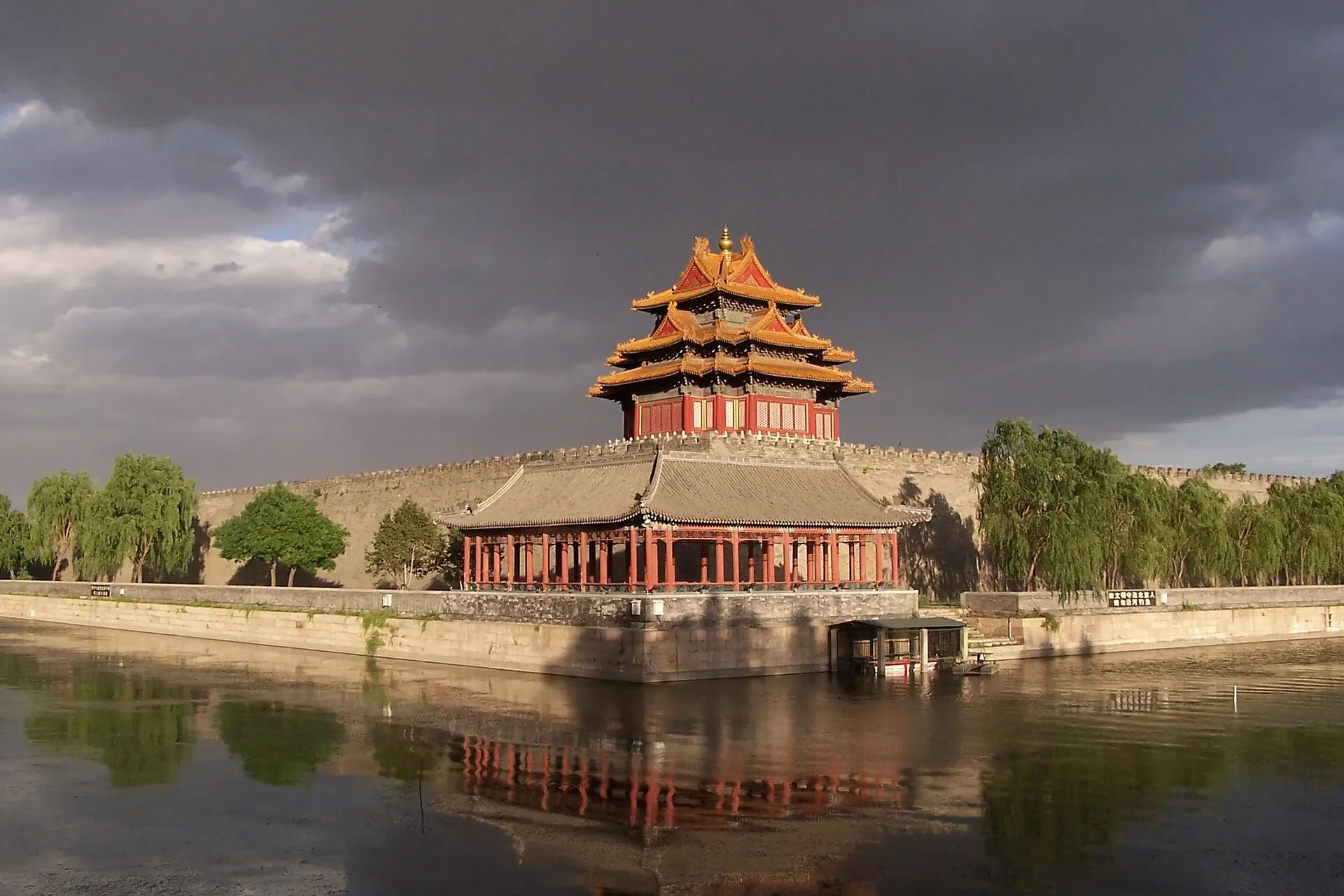
Chinese Cuisine
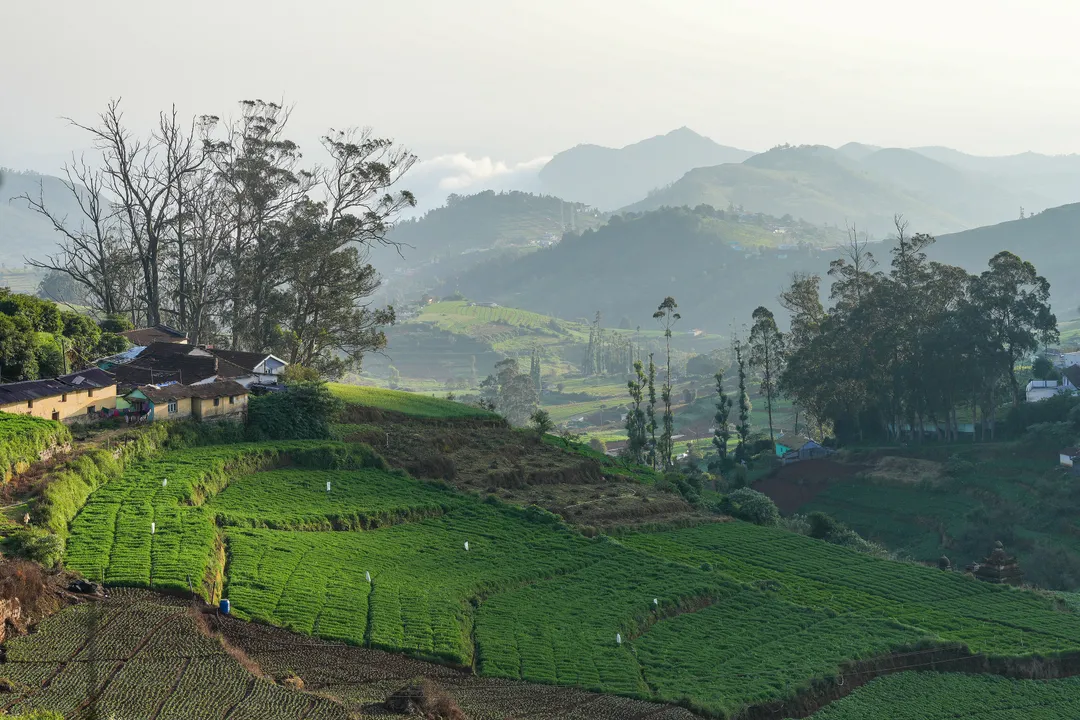
Japanese Cuisine
Quick Answer
Which is the better choice, Chinese Cuisine or Japanese Cuisine?
Japanese Cuisine이(가) 이러한 종류의 결정에 가장 중요한 기준에서 앞서 있습니다. Travelers who value consistency and refinement 및 Vegetarians (shojin ryori is a formal tradition) 다른 쪽도 여전히 완전히 유효한 선택입니다 — 여행에 맞는 것을 선택하세요.
5가지 기준, 10점 만점 채점
각 점수는 편집자가 2박 유료 숙박에서 블라인드 평가한 평균입니다.
Variety & regional range
Variety & regional range: 왼쪽이(가) 이 축에서 승리.
Spice tolerance required
Spice tolerance required: 오른쪽이(가) 이 축에서 승리.
Signature dishes tourists actually eat
Signature dishes tourists actually eat: 진정한 동점 — 양쪽 모두 동등한 성능.
Vegetarian-friendly
Vegetarian-friendly: 오른쪽이(가) 이 축에서 승리.
Cost (mid-range meal)
Cost (mid-range meal): 왼쪽이(가) 이 축에서 승리.
Overall: 중국 8.2 · 일본 8.2
심층 분석
점수 너머 — 이 둘이 실제로 다른 점.
Variety & regional range
8 great cuisines + dozens of regional sub-cuisines. Sichuan (mala), Cantonese (dim sum), Hunan (dry-spicy), Jiangsu (delicate), Shandong (seafood), Fujian (soup), Zhejiang (fresh), Anhui (wild). Every province eats differently.
Washoku (traditional) is more unified — regional variations exist (Osaka street food vs Kyoto kaiseki vs Hokkaido seafood) but the range is narrower than China's 8-cuisine system.
Spice tolerance required
Varies massively — Cantonese is mild, Sichuan is numbing-spicy (mala), Hunan is pure-chili hot. You can eat entirely mild in Guangzhou or Shanghai; you cannot avoid spice in Chengdu or Changsha.
Mild overall. Wasabi with sushi is the main heat. Ramen can be rich but rarely spicy. Japanese food is gentler on the stomach — no equivalent of a Sichuan hotpot that makes you sweat.
Signature dishes tourists actually eat
Peking duck, xiaolongbao (soup dumplings), dim sum, mapo tofu, kung pao chicken, dan dan noodles, hotpot, char siu, wonton soup, fried rice. Widely familiar and easy to order.
Sushi, sashimi, ramen, tempura, tonkatsu, udon, soba, okonomiyaki, takoyaki, yakitori. Equally accessible and widely loved.
Vegetarian-friendly
Patchy. Buddhist vegetarian tradition exists (temple restaurants) but most everyday dishes use pork fat, oyster sauce, or dried shrimp. Tofu is abundant but often cooked with meat. Vegetarian-specific restaurants exist mainly in tier-1 cities.
Shojin ryori (Buddhist vegetarian) is a formalized cuisine. Tofu, seaweed, mushrooms, pickles, rice — a vegetarian can eat extraordinarily well in Japan. Many ramen shops have vegetarian broths now.
Cost (mid-range meal)
¥30–80 ($4–11) for a filling meal in most cities. Street food ¥5–20. High-end banquet ¥200–500/person. The value-for-money ratio is exceptional.
¥1,000–2,500 ($7–18) for a mid-range lunch set. Ramen ¥800–1,200. Sushi dinner ¥3,000–10,000+. Consistently 2–3x more expensive than Chinese food at equivalent quality.
Japanese Cuisine을(를) 선택했습니다.
Japanese Cuisine이(가) 이러한 종류의 결정에 가장 중요한 기준에서 앞서 있습니다. Travelers who value consistency and refinement 및 Vegetarians (shojin ryori is a formal tradition) 다른 쪽도 여전히 완전히 유효한 선택입니다 — 여행에 맞는 것을 선택하세요.
Booking, Trip, Klook, Viator, GetYourGuide, Agoda에서 가격 확인 · 양쪽 모두 정상 요금을 지불했습니다.
지금 예약
확인한 모든 플랫폼의 실시간 요금.
이 링크로 예약하시면 수수료를 받을 수 있습니다. 편집 추천에는 영향을 미치지 않습니다.
자주 묻는 질문
이 비교가 나온 후 독자가 가장 많이 보낸 질문.
Which is better, Chinese or Japanese food?
Neither is better — they are different. Chinese food has more variety (8 regional cuisines, radically different flavor profiles), bolder flavors, and is cheaper. Japanese food is more refined, more consistent, and has higher international prestige (more Michelin stars). Most food-focused travelers prioritize Chinese food for range and Japanese food for precision.
Is Chinese food spicier than Japanese food?
Some Chinese cuisines are vastly spicier (Sichuan mala, Hunan chili heat). But Cantonese, Jiangsu, and Zhejiang cuisines are mild — comparable to or milder than Japanese food. China is not uniformly spicy; the spice is region-dependent.
Can vegetarians eat well in China vs Japan?
Japan is significantly easier for vegetarians. Shojin ryori (Zen Buddhist cuisine) is fully vegetarian and widely available at temples. China has Buddhist vegetarian traditions too, but everyday restaurant food uses animal products in stocks and sauces. Vegetarian-specific restaurants exist in China's tier-1 cities but require research.
Is Chinese food healthier than Japanese food?
Japanese food is generally considered healthier — less oil, more raw/prepared dishes, smaller portions, more fish. Chinese food varies massively: steamed Cantonese dishes are very healthy; Sichuan hotpot soaked in chili oil is not an everyday meal. Both cuisines use fresh ingredients extensively.
How much does a good meal cost in China vs Japan?
China: ¥30–80 ($4–11) for a satisfying mid-range meal. Street food ¥5–20. Japan: ¥1,000–2,500 ($7–18) for a lunch set. Dinner ¥3,000–8,000. Japan is 2–3x more expensive at equivalent quality. Both offer extreme high-end options (¥1,000+/person).
Can I find good Japanese food in China?
Yes — tier-1 cities (Shanghai, Beijing, Guangzhou, Shenzhen) have excellent Japanese restaurants at all price points. Shanghai's Gubei district has a large Japanese expat community and dozens of authentic Japanese restaurants. Quality drops sharply outside major cities.
최종 업데이트: