이 페이지는 보관되어 더 이상 업데이트되지 않습니다. 최신 가이드: 최신 가이드 보기
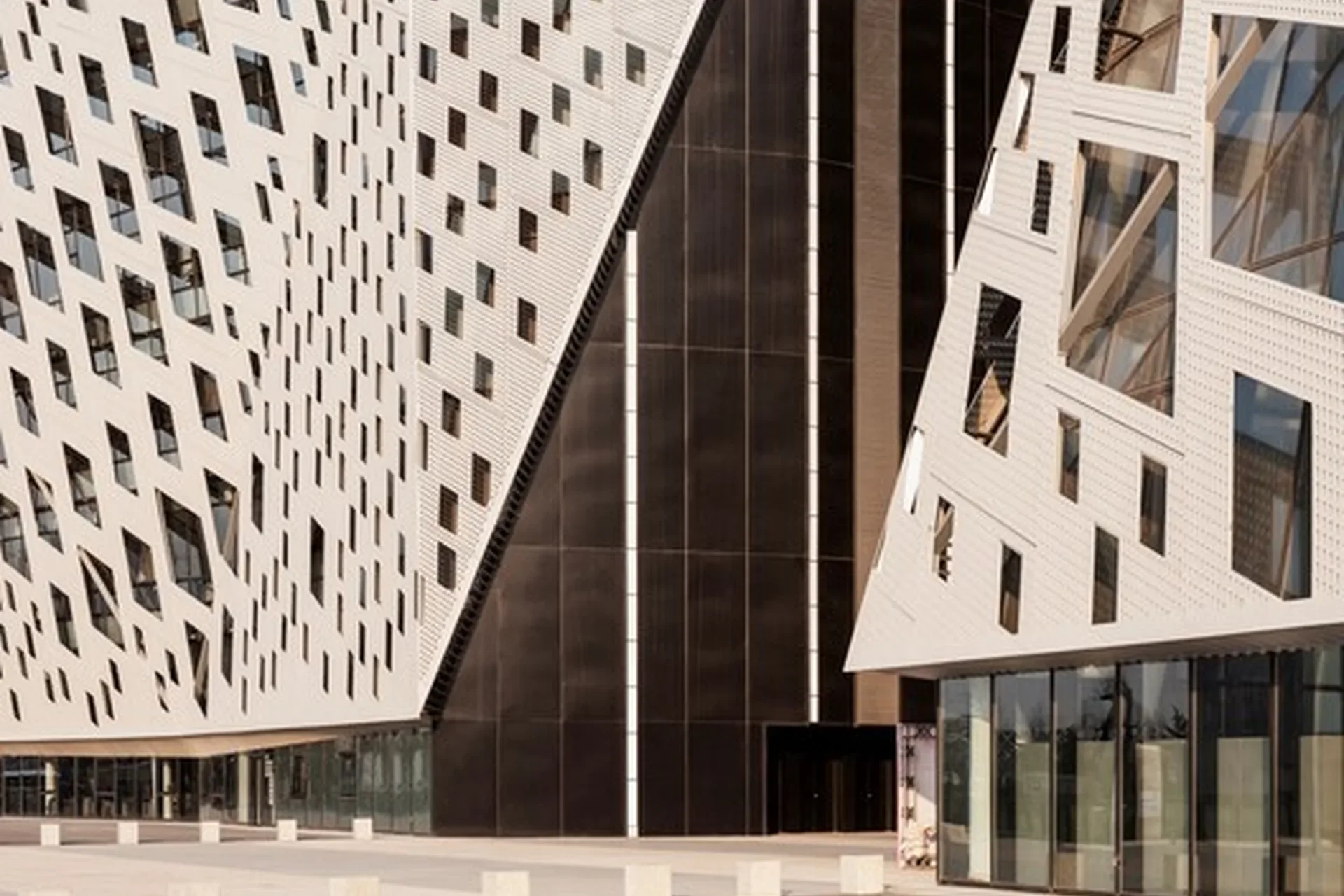
산둥성박물관
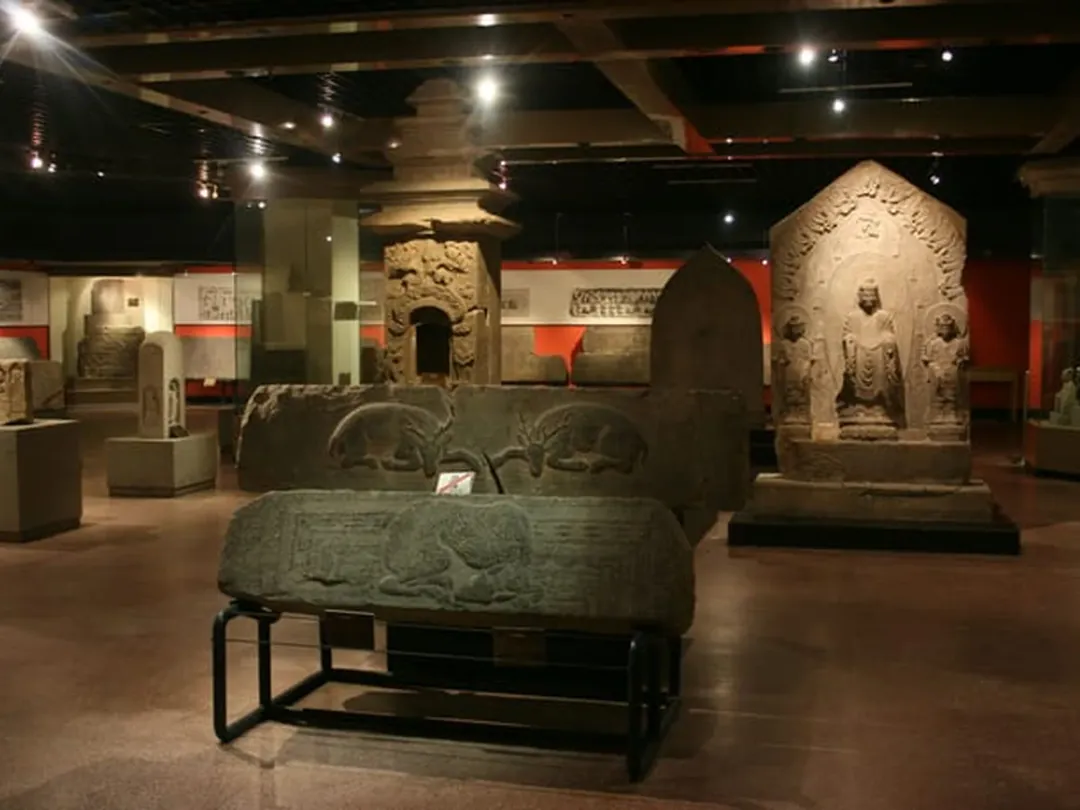
산둥성박물관은 2010년 지난에 개관해 1954년 옛 박물관을 대체했으며, 공자의 고향 성에서 가장 큰 문화 시설이 되었다. 산둥 고고학이 독특한 이유는 이 성이 동주(東周), 특히 제·노 두 나라의 중심지였고, 공자와 맹자의 출생지였으며, 중원(허난) 전통과 다른 여러 특색 있는 신석기 문화의 터전이었기 때문이다. 핵심 소장품은 다음과 같다. 다원커우·다더우쯔 신석기 문화(기원전 5000~3000년)의 산둥 연안 특유의 흑도와 매장 풍습, 제·노 양국의 문서를 포함한 산둥 최대 규모의 명문 서주 청동기 컬렉션, 유명한 산둥 옥 매장 전통인 한대 옥의(玉衣), 그리고 롱싱사·볜윈사 유적의 불교 석조물.
Jinan · 역사 박물관2026-10-19
빠른 답변
산둥성박물관에 갈 가치가 있나요?
공자의 고향 성의 박물관 — 산둥 고유의 다원커우/다더우쯔 신석기 문화와 서주 청동기 명문이 강점. 2026년 확인.
핵심 정보
| 분류 | 역사 |
|---|---|
| 입장료 | 무료. 여권 필수. 남문에서 현장 발권 가능. |
| 관람 시간 | 9:00-17:00(마지막 입장 16:00). 월요일 휴관. |
| 권장 관람 시간 | 2.5-3.5시간. |
| 방문 최적기 | 4~6월과 9~10월. 지난의 여름(6~8월, 35°C 이상)은 덥고 습하며 겨울(12~2월, -5~8°C)은 춥다. 봄과 가을이 이상적이다. |
| 교통 방법 | 지하철 3호선으로 성박물관역(省博物馆站)에서 A출구. 버스 18, 43, 63, 110, 123, 150, 151, 165, 202번으로 산둥박물관 정류장 하차. 지난 기차역에서 DiDi 이용 시 ¥20-30. 지난동역에서는 ¥25-40. |
| 영어 안내 표지 | 부분 |
방문해야 할 이유
다원커우/다더우쯔 신석기 흑도 컬렉션은 이 문화 관련 중국에서 가장 중요한 소장품이다 — 산둥 연안 신석기 사람들은 정교한 도기, 옥 조각, 매장 풍습을 갖춘 독자적 문명을 발전시켰고, 이는 이후 산둥(제/노) 청동기 시대 문명의 토대가 되었다. 서주 청동기 명문 컬렉션은 공자의 고국(노와 제)의 역사를 그들 자신의 말로 기록한다.
소장품 하이라이트
- 다원커우/다더우쯔 신석기 흑도 — 산둥 특유의 연안 신석기 문화의 5000년 된 흑토기와 부장품. 유명한 '달걀 껍질' 흑토잔 포함
- 제·노 양국의 서주 청동기 명문 — 공자의 고국(노)과 강국 제의 역사를 그들 자신의 말로 기록한 명문 청동기
- 한대 옥의(玉衣) — 산둥 한나라 무덤에서 출토된 옥의. 옥으로 시신을 보존하는 풍습에 따른 것
- 불교 석조 갤러리 — 산둥 롱싱사·볜윈사 유적의 석비와 석굴 파편. 5~8세기
- 산둥 '달걀 껍질' 흑도 — 다원커우 문화의 놀랍도록 얇은 흑토잔. 일부 벽 두께는 0.5mm 미만으로 신석기 도기의 기술적 경이
- 제나라 청동 편종 — 전국시대 제나라의 완전한 청동 종 세트. 2500년을 거쳐 조율되어 연주 가능
팁
- 다밍후(大明湖)와 취수정 일대와 결합해 전통적인 지난 문화의 오후를 만들 수 있다 — 지난은 '봄의 도시'(泉城)로 유명하다
- 유가·공자 관련 전시관은 2층 — 취푸(공자의 고향, 지난에서 버스로 1.5시간) 방문 계획이 있다면 필수적인 배경지식
- 지난의 유명한 샘물 문화 — 박물관 관람 전후로 허후천(黑虎泉)에서 샘물을 맛볼 것
- 다원커우 도기 전시관은 1층 — 단체 관광객보다 먼저 이른 시간에 갈 것
- 박물관 서점은 뛰어나며 산둥 흑도 복제품도 판매한다
자주 묻는 질문
다원커우 문화란 무엇인가?
다원커우 문화(기원전 5000~3000년)는 산둥과 장쑤 연안을 중심으로 한 신석기 문화다. 특징은 신석기 문화 중 가장 정교한 흑도, 정교한 옥 조각, 나무 관 매장 풍습, 그리고 초기 옥총·옥벽 예기이다. 이후의 다더우쯔 문화(룽산문화, 기원전 3000~1900년)는 이 전통을 다듬어 유명한 '달걀 껍질' 흑토잔을 만들었다. 산둥성박물관은 다원커우/다더우쯔 유물의 세계 최대 컬렉션을 보유하고 있다.
산둥박물관은 취푸(공자) 사묘와 비교하면 어떤가?
지난의 산둥성박물관은 산둥 지역 전체의 모든 시대 고고학과 미술을 보여준다. 취푸의 사묘(공자묘·공부·공림/삼공)는 공자와 유가 전통에만 초점을 맞춘다. 공자 이전의 고고학(신석기·상·주)은 박물관에서, 유가 전통 자체는 취푸에서 시작하라.
산둥 흑도의 특별한 점은?
산둥의 다원커우·다더우쯔 흑도(黑陶)는 중국 신석기 문화의 도기 중 가장 정교하다. 다더우쯔기의 '달걀 껍질' 흑토잔은 벽 두께가 0.5mm에 이른다 — 4000년간 세계 어디에서도 견줘이 없는 기술적 성취다. 이들은 일용품이 아니라 상층 신분을 나타내는 부장품이었다.
영어 표지판이 있는가?
부분적으로 — 다원커우 도기와 서주 청동기 구역에 영어 라벨이 있다. 한대 옥기와 불교 구역의 영어는 제한적이다. 2026년 기준 영어 오디오 가이드는 없다.
지난 박물관 방문과 취푸(공자)를 결합할 수 있는가?
있다 — 지난에서 취푸까지 버스나 고속철도로 1.5시간이다. 전형적 일정은 다음과 같다. 1일차 오전 지난의 산둥박물관 + 오후 다밍후, 2일차 취푸의 삼공(三孔) — 공자묘·공부·공림 — 에서 하루 종일.
함께 읽기
Jinan의 다른 즐길 거리
바오투 천
지난을 대표하는 카르스트 명승. 정자와 샘연못이 어우러진 소박한 정원 한복진에서 하루 최대 24만 입방미터의 샘물이 솟습니다. 1-2시간, 인근 다밍호와 함께 둘러보세요.
다밍호
지난(濟南) 시내 한가운데 있는 46헥타르 도심 호수. 입장 무료이며 90분이면 둘레를 걸을 수 있고, 바오두 천 옆 구시가지 성벽 안쪽에 자리해 연꽃 시즌(7-8월)에 가장 사진이 잘 나옵니다.
Daming Lake
Jinan's spring-fed lake at the north end of the classic spring walk: lotus ponds, willow causeways, pavilions and lake views of the old city — free, open late, 1 km from Baotu Spring.
산둥 박물관
산둥성 박물관은 소장품 4만 점 이상으로 2500년 된 청동 조개 모양 잔과 9미터 공룡을 보유. 2-3시간 관람, 신분증 제시 시 무료 입장.
천불산
해발 288m 봉우리에 오르면 절벽에 새겨진 130여 점의 당대 석불을 볼 수 있습니다. 케이블카와 싱궈찬사(興國禪寺) 포함 2.5시간을 잡으세요.