
Luzhou at a Glance
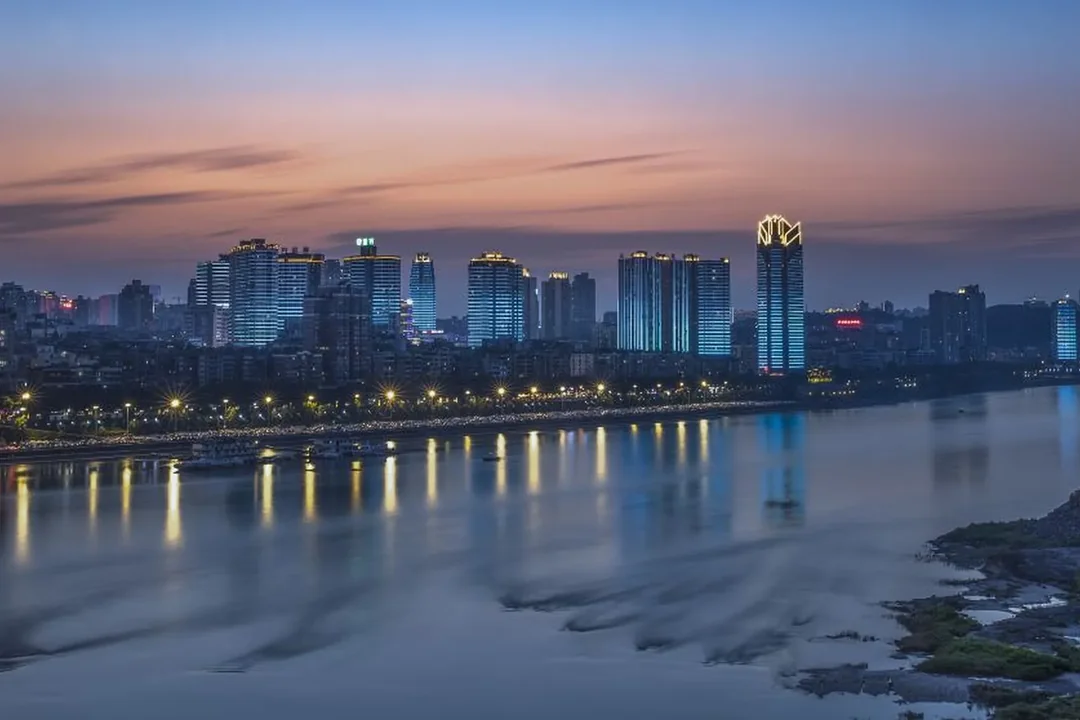
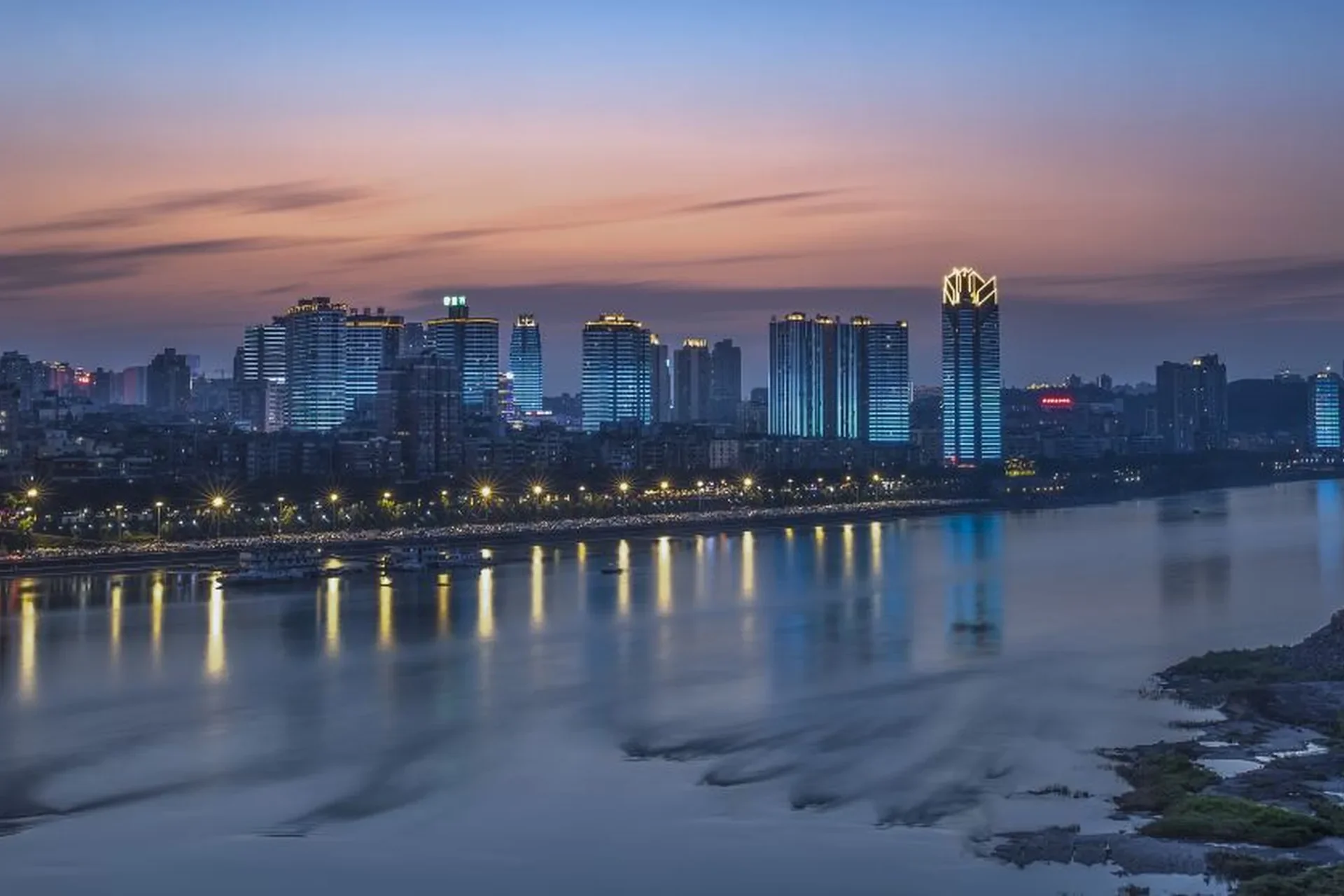
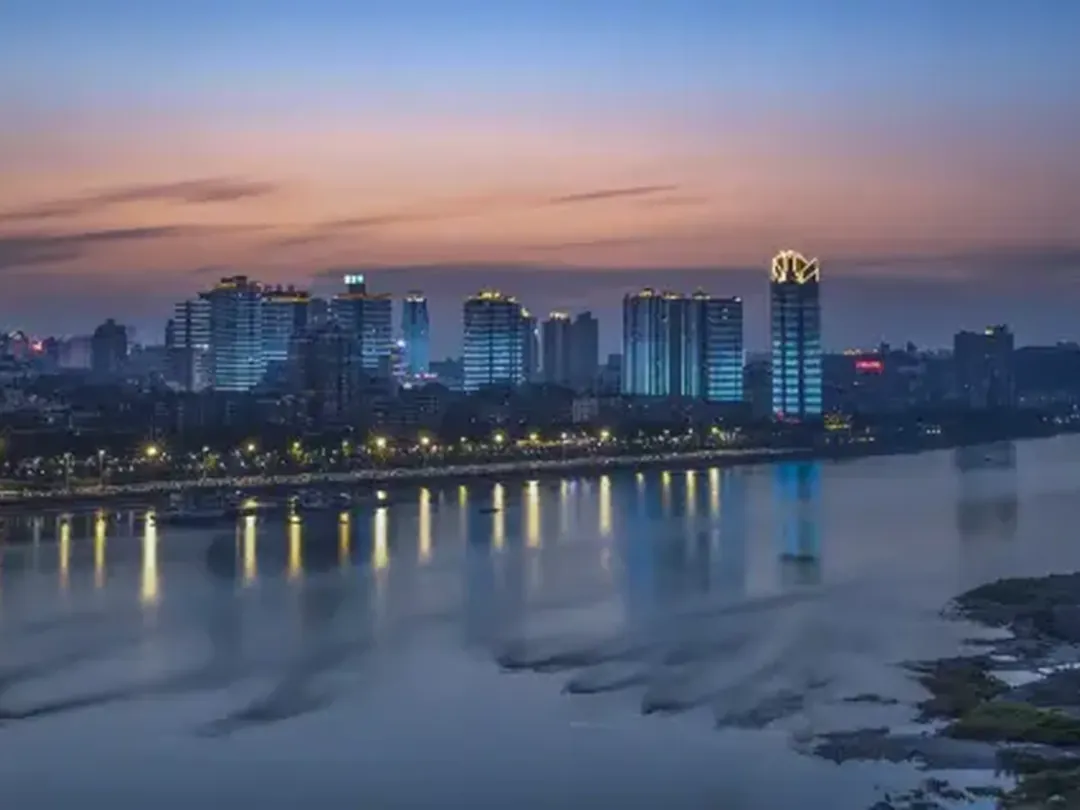
Luzhou is the Wine City (酒城) — the Sichuan river town at the confluence of the Yangtze and the Tuo where strong-aroma baijiu was born and has never left. Its fame is one product: Luzhou Laojiao, distilled from fermentation cellars that have worked continuously since 1573 and were listed among China's protected monuments in 1996. The city itself is unhurried: a riverside promenade under the skyline in the photo, a Ming-era white pagoda in the old centre, a longan grove by the water, and a temple-dotted hill called Fangshan to the southwest. Give it two days, three if you want the wine at cellar pace: day one covers the old city, the cellars and the pagoda; day two drifts through Zhangba longan grove along the river; day three climbs Fangshan and closes with a Sichuanese farewell dinner.
The numbers: a mid-range day runs 500-1000 CNY per person including a 300-600 CNY hotel; Luzhou joined the high-speed rail network in 2021, on the line running toward Zigong and Chengdu; and the cellars have been working for over 450 years.
Why Luzhou
Luzhou is a working town that happens to hold one of Chinese liquor's sacred sites, and it treats the product as civic identity rather than a stage set. The baijiu economy is visible everywhere — the smell of fermenting grain drifts across parts of the centre, the cellars sit minutes from downtown, and restaurant shelves are a museum of local labels. Between tastings, the city rewards the slow kind of traveller: riverside walks, old streets of grey tile and lanterns, and the kind of teahouse afternoons Sichuan is quietly proud of.
The trade-offs: Luzhou has no headline monument beyond the cellars themselves, English signage is thin, and the sights sprawl across a road-connected city. What you get is real Sichuan river life at prices well below Chengdu's, and the strongest-aroma baijiu on earth at its source.
The 1573 Cellars and the Old City
The National Cellars (国宝窖池) — the mud-lined fermentation pits in continuous use since 1573, in the first year of the Ming Wanli reign — are the reason wine people know the city's name. Microbes older than the United States live in the cellar mud, and the baijiu labelled 1573 is drawn from them. The cellar compound sits in the old city within a short taxi ride of the centre; visits pair the pits with the baijiu history halls, and tastings follow. Around them, the old centre keeps its white Baoen Pagoda, the riverside parks and the morning markets where the day starts with noodles.
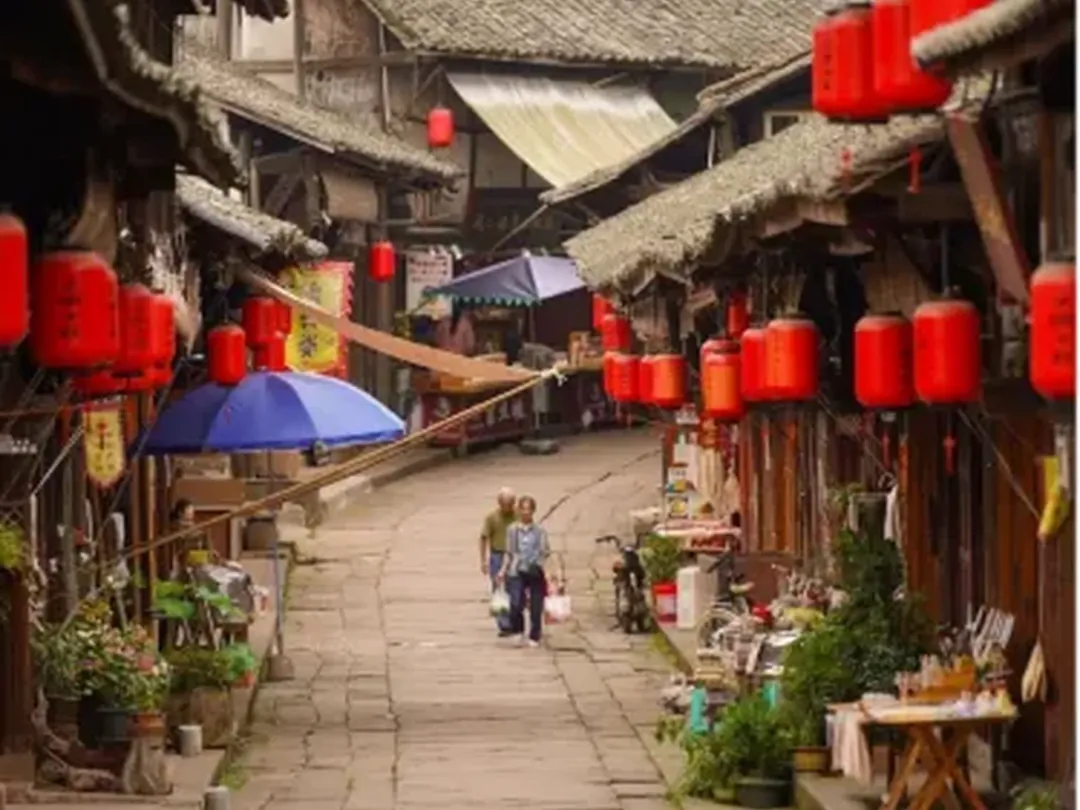
After the cellars, walk the old lanes: flagstone streets under grey-tile eaves, red lanterns and open-fronted shops, the Sichuan small-town rhythm that bigger cities rebuilt away. Eat where the queues are local — the city's river-fish restaurants and skewer counters do the explaining better than any sign.
Zhangba Longan Grove and the River
Zhangba Longan Grove (张坝桂圆林) stretches along the Yangtze bank southeast of the centre: old longan trees, banyan allées and paths that run beside the wide river — the same water in the photo at the top of this guide. It is the city's green lung and its favourite weekend stroll; rent nothing, walk an hour or three, and finish at the riverside teahouses where the bamboo chairs face the water. In late summer the groves hang heavy with longan, and vendors sell them by the bag at the gate.
Fangshan: the Temple Hill
Southwest of the city, Fangshan (方山) folds a cluster of temples into forested slopes — a half-day climb past halls, courtyards and stone paths, with the plain and its rivers opening below. It is a working monastery hill rather than a ticketed attraction, which is the politest way of saying: go on a weekday, walk slowly, and let the afternoon tea in the temple courtyards stretch. Pair it with a late train or an early dinner back in town.
What to Eat in Luzhou
The kitchen is Sichuan river-town strong:
- River fish — the Yangtze tributaries' catch, boiled in chili-oil broths; the city's sit-down signature.
- Baijiu-marinated dishes — the kitchen and the cellar share a shelf: pork trotters and chicken in liquor-heavy marinades.
- Skewers and griddle — the evening street default, 1-3 CNY a stick.
- Baijiu itself — the tasting room pour, or the labelled bottle to carry; the 1573 tier is the city's flagship.
Count 60-120 CNY a day for eating well; the fish dinner with a small pour of the local spirit is the city on a plate.
A Three-Day Plan
- Day 1 — the wine city core. National Cellars and the baijiu halls in the morning, Baoen Pagoda and the old lanes after lunch, the riverside promenade and skyline at dusk (as in the photo above).
- Day 2 — the river. Zhangba Longan Grove for the morning walk, riverside teahouses after lunch, skewer streets after dark.
- Day 3 — the hill. Fangshan's temples and forest paths, back for a farewell fish dinner and the evening train.
The hour-by-hour versions live in our 3-day Luzhou trip builder, and the 5-day and 7-day routes fold in Chengdu and the Sichuan loop.
Getting There: HSR, Airport and Local Transport
Luzhou joined the high-speed network in 2021: trains run toward Zigong and onward toward Chengdu, which puts the provincial capital within about 2 hours. The city's Yunlong airport serves the main Sichuan and Chongqing routes. Inside the city, taxis are cheap and the core sights sit within short rides of each other; the grove and Fangshan need half-day charters or buses.
| Route | Time | Notes |
|---|---|---|
| Chengdu → Luzhou (train, via Zigong) | about 2 h | line opened 2021 |
| Chongqing → Luzhou (road) | about 2.5-3 h | expressway |
| Luzhou station → old city | 15-20 min by taxi | short hop |
| Old city → National Cellars | 10 min by taxi | the 1573 pits |
| City → Zhangba Longan Grove | 15-25 min by taxi | riverside park |
| City → Fangshan | about 1 h by road | half-day trip |
Keep the Chinese name of your destination written down — 泸州 for the city, 国宝窖池 for the cellars — as drivers rarely read English.
Where to Stay
Stay between the old city and the riverfront: mid-range hotels run 300-600 CNY a night, the cellars and the pagoda are short rides away, and the evening promenade is at the door. Hotels near the train station suit early departures toward Chengdu. There is no high-season crush here — book normally, and earlier only for the first week of October.
What a Day Costs
| Item | Price | Notes |
|---|---|---|
| National Cellars visit | mid-range fee | pits, halls and tasting |
| Baoen Pagoda | free to low | old-city landmark |
| Zhangba Longan Grove | free to low | riverside walking |
| Fangshan | low fee | temple hill, weekday best |
| Mid-range hotel | 300-600 CNY/night | old city or riverfront |
| Meals | 100-200 CNY/day | river fish to skewers |
| Local transport | 30-60 CNY/day | taxis; charters extra |
| Attractions | 50-150 CNY/day | one headliner a day |
Match this against our roster's estimate for the city — accommodation 300-600 CNY, food 100-200 CNY, transport 30-60 CNY and tickets 50-150 CNY — for a mid-range total of 500-1000 CNY per person per day. A backpacker day on hostels, buses and noodle shops lands near 40; the luxury ceiling is about 300.
When to Go
April-May and September-October are the comfort windows; autumn is also baijiu season, when the new distillate runs and the cellar towns smell like their product. Summer is hot and humid on the river; winter is mild and grey. The only avoid-window is the first week of October, when the whole country travels.
Practical Tips
- Payment: link an international card to Alipay or WeChat Pay before arrival; keep 50-100 CNY in small notes for the skewer stalls.
- eSIM: a tourist data eSIM (about 5-30 USD) avoids the phone-shop passport queue; install a VPN before you fly, since Google, WhatsApp and Instagram are blocked on the mainland.
- Tastings: cellar visits end with samples — pace the day, and keep the water going.
- Old streets: morning light suits the flagstone lanes; evenings belong to the riverside.
- Emergencies: police 110, ambulance 120, fire 119, national tourist hotline 12301.
Frequently Asked Questions
How many days do I need in Luzhou?
Two cover the wine city: the cellars, the old city and the riverside, plus the longan grove. The third adds Fangshan's temple hill. One day holds the cellars and a riverside evening if you arrive early.
Why is Luzhou called the Wine City?
Because strong-aroma baijiu was born here and never left. The National Cellars — mud fermentation pits in continuous use since 1573 — anchor the industry, and the baijiu labelled 1573 is drawn from them. The city's identity, smell and souvenir shelves all follow.
Can visitors see the 1573 cellars?
Yes: the cellar compound sits in the old city, a short taxi ride from the centre, with the pits, history halls and a tasting. Book ahead in holiday weeks and bring your passport for entry.
How do I get from Chengdu to Luzhou?
By train on the line opened in 2021, running via Zigong — about 2 hours — or by expressway coach from Chongqing in about 2.5-3 hours. Luzhou's Yunlong airport covers the main provincial routes. Buy train tickets on the 12306 app with a passport.
Is Zhangba Longan Grove worth a morning?
Yes, especially in late summer when the longans hang heavy. The grove runs along the Yangtze bank with old trees and riverside paths; it is the city's favourite stroll and pairs naturally with an afternoon in the riverside teahouses.
What should I eat in Luzhou?
River fish in chili-oil broth as the sit-down meal, baijiu-marinated trotters and chicken as the cellar's kitchen cousins, and griddle skewers at 1-3 CNY a stick for the evening. Eating well costs 60-120 CNY a day.
Do I need cash in Luzhou?
Mostly no: Alipay or WeChat Pay linked to an international card works across the city, the cellars and the grove. Keep 50-100 CNY in small notes for the oldest skewer stalls and the market vendors.
Useful Phrases
| Chinese | Pinyin | Meaning |
|---|---|---|
| 你好 | nǐhǎo | hello |
| 谢谢 | xièxie | thank you |
| 多少钱 | duōshǎo qián | how much |
| 泸州 | Lúzhōu | Luzhou, the Wine City |
| 国宝窖池 | Guóbǎo Jiàochí | the National Cellars of 1573 |
| 张坝桂圆林 | Zhāngbà Guìyuánlín | Zhangba Longan Grove |
| 方山 | Fāngshān | Fangshan temple hill |
| 报恩塔 | Bào'ēn Tǎ | Baoen Pagoda |
| 浓香型 | nóngxiāng xíng | strong-aroma baijiu |
Final Notes
Every figure above — the cellars of 1573, their 1996 monument listing, the 2021 rail link toward Zigong and Chengdu, the roughly 2-hour run from Chengdu, the 450-plus years of continuous fermentation, and the 500-1000 CNY daily band — was checked in October 2026 against our Luzhou trip-days data and published listings. Prices move; reconfirm within a fortnight of travel. The Wine City does not shout: it pours. Walk the river at dusk, stand over pits older than most nations, and let the strongest aroma in Chinese liquor explain the town to you.
- Source: China National Tourism Administration — policy and seasonal notices.
- Source: Trip.com — live train and hotel listings for cross-checks.
Last verified 2026-10-16.