- Home
- Silk Road (China)
- 14 days
14 Days on the Silk Road
The full corridor, Xi'an to Urumqi — Maijishan, Lanzhou and Bingling, Wuwei, Zhangye, Jiayuguan, Dunhuang's west line, then Hami and Turpan into Xinjiang. Every province crossing labelled.
Quick Answer
Is 14 days enough for Silk Road (China)?
14 days lets you go beyond Silk Road (China)'s core into neighborhoods, food markets, and one or two day trips at a relaxed pace.
14-day Silk Road (China) itinerary at a glance
Use our full Silk Road (China) travel guide as the base and adapt it to 14 days. Keep the city's three signature attractions as the backbone; fill the rest with neighborhood walks, food markets, and an easy day trip.
Xi'an — army & Huaqing
The roughly 8,000-figure army east of the city, then the Huaqing pools under Mount Li. Xi'an has its own page with full itineraries — today is the overture to the westbound line.
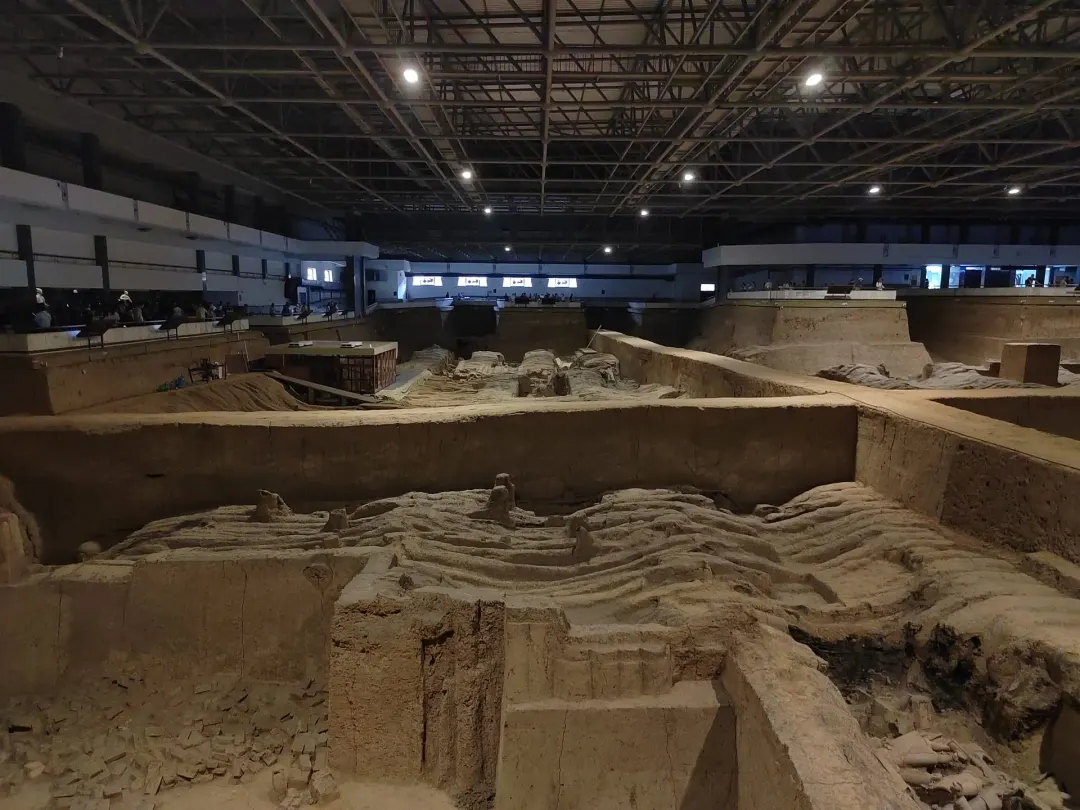
- terracotta army
- huaqing palace
Xi'an — wall, museum & quarter
Nearly 14 kilometres of Ming wall by bike, the Silk Road galleries at the Shaanxi History Museum (reserve ahead), and dinner in the Muslim Quarter. Pack for a morning departure into Gansu.
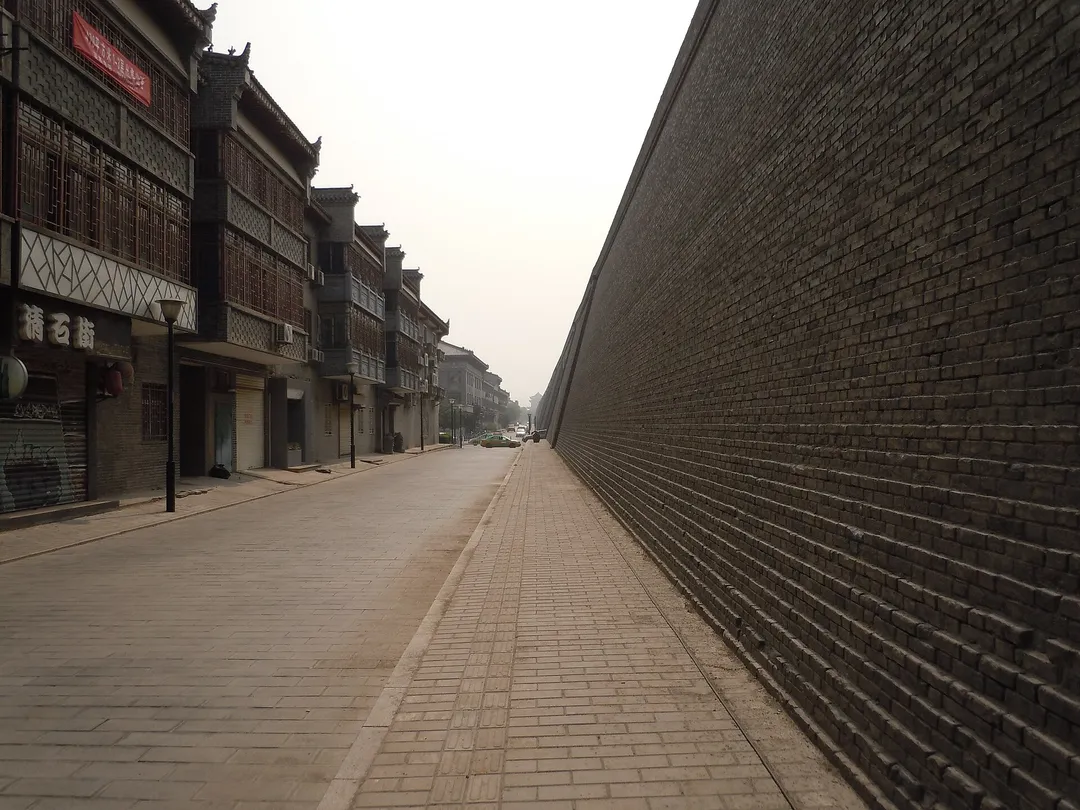
- xian city wall
- shaanxi history museum
- muslim quarter
Into Gansu — Maijishan
High-speed rail, about 1.5 hours — first province crossing, honestly labelled. Maijishan's 221 caves and more than 10,000 clay sculptures date from around 384-417 on a 142-metre hill, Silk Roads World Heritage since 2014. Overnight in Tianshui.
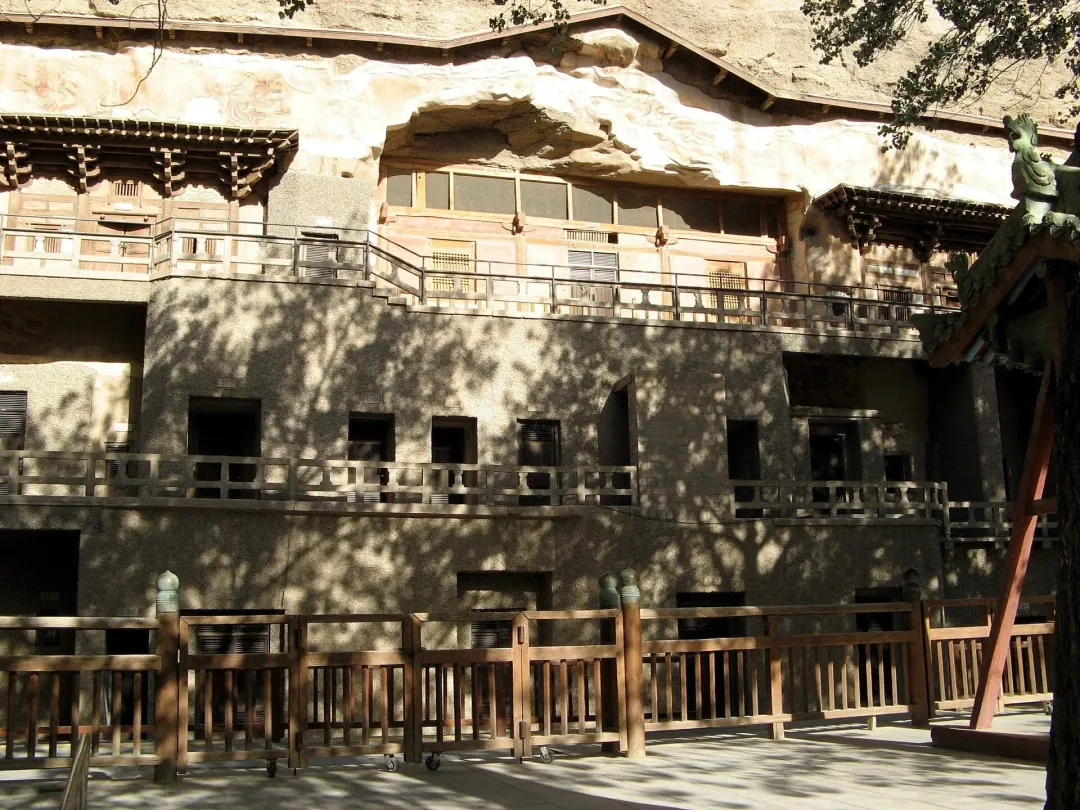
- tianshui maijishan grottoes
Tianshui temples, evening rail to Lanzhou
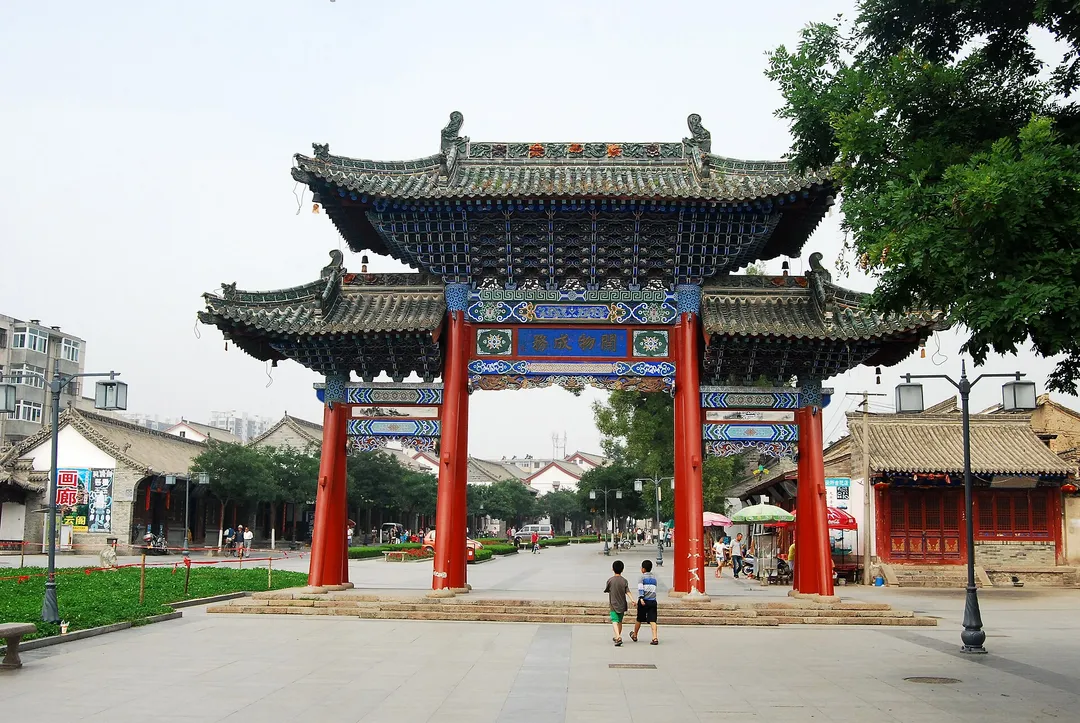
The Fuxi Temple of 1483-1484 and the Yuquan Guan on the north slope, guagua for lunch, then about 1.5 hours by evening rail up the Wei valley to Lanzhou.
- tianshui fuxing temple
- tianshui yuquan guan
Lanzhou — museum & river line
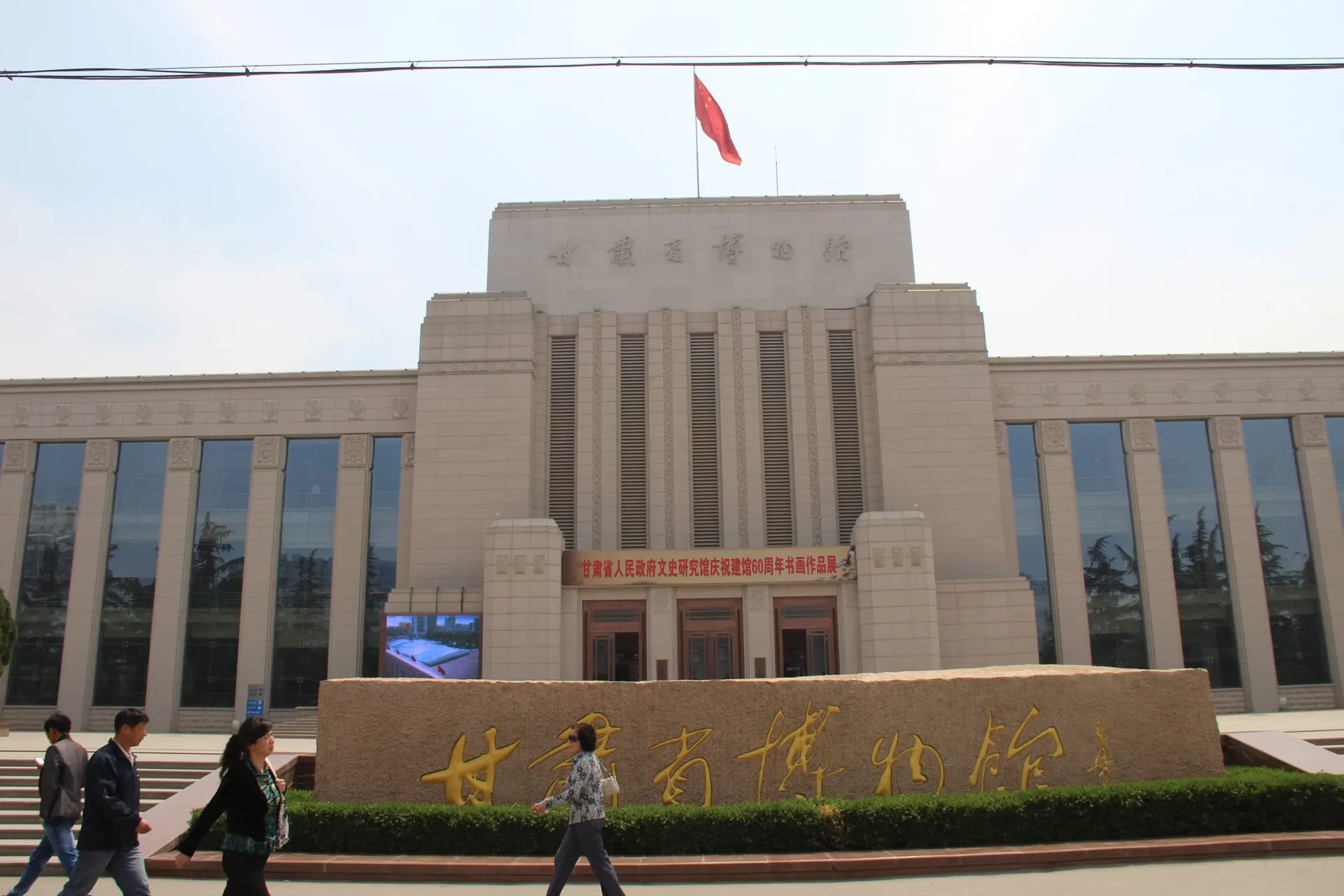
The 34.5-centimetre Bronze Galloping Horse of 1969 and the Silk Road galleries, then the 234-metre iron bridge of 1909 and the riverside evening. Lanzhou has its own page for a deeper stay.
- lanzhou gansu provincial museum
- lanzhou zhongshan bridge
Bingling temple (Yongjing day)
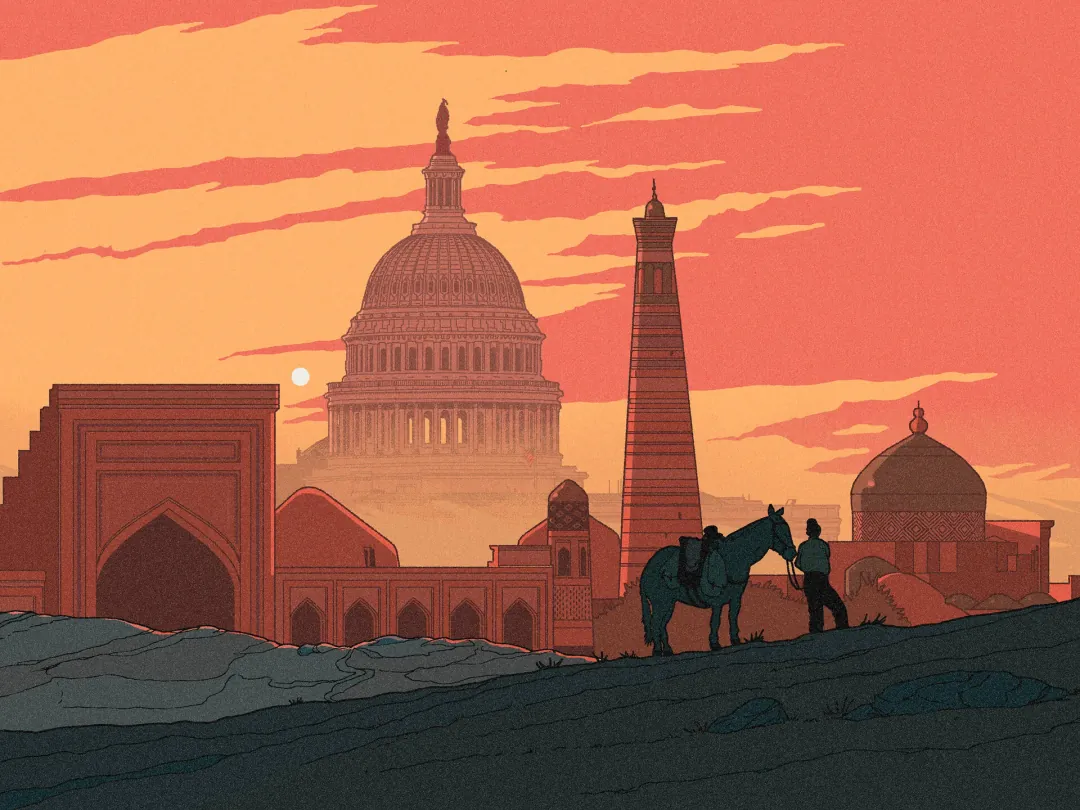
Honestly labelled neighbouring-prefecture day — Bingling sits in Yongjing County under Linxia, some 75 kilometres out plus a boat across the Liujiaxia reservoir. About 183 niches; inscriptions here run back to 420. Return to Lanzhou for the night.
- silk road bingling temple
Wuwei — corridor mouth
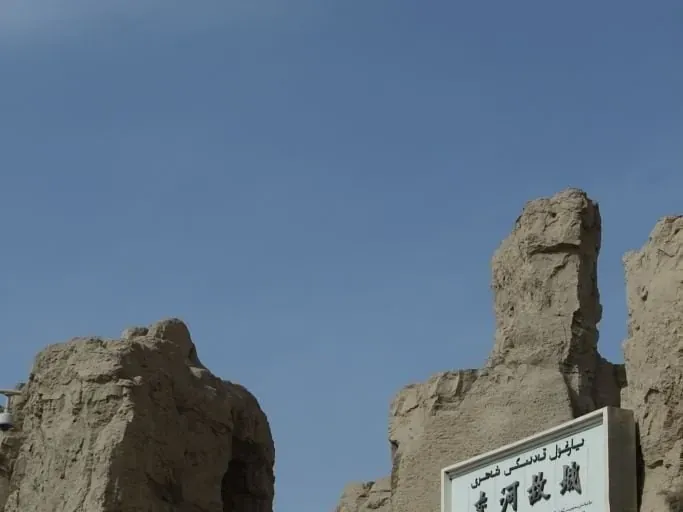
About two hours northwest into Wuwei — no dedicated page on this site, so these notes carry the detail. The 1969 Leitai find spot of the Bronze Galloping Horse and the 1437 Confucian temple with the 1094 Xixia stele.
- silk road leitai tomb
- silk road wuwei confucian temple
Zhangye — reclining Buddha & Danxia
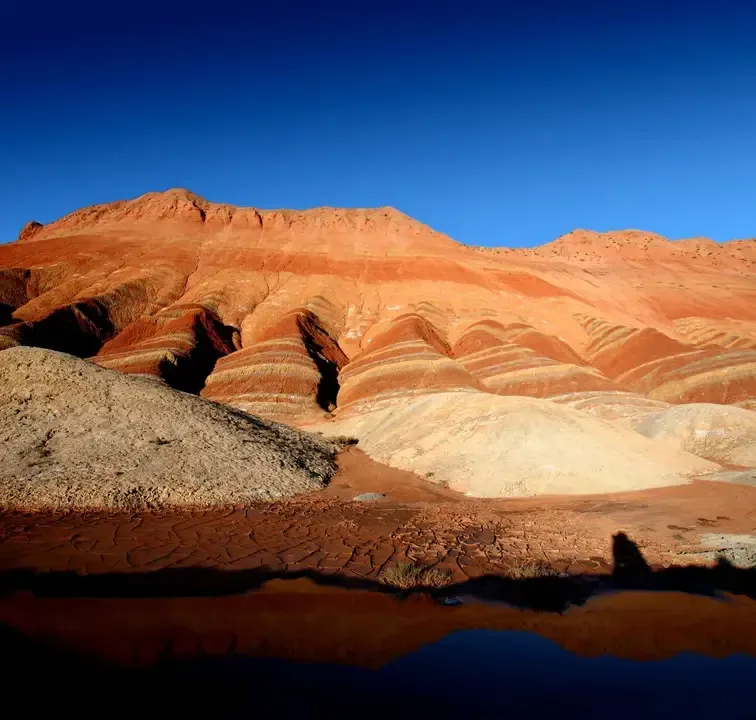
An hour further west — the 34-metre reclining Buddha sculpted in 1098, then sunset across the rainbow Danxia — some 50 square kilometres of Cretaceous red beds carved by wind and water.
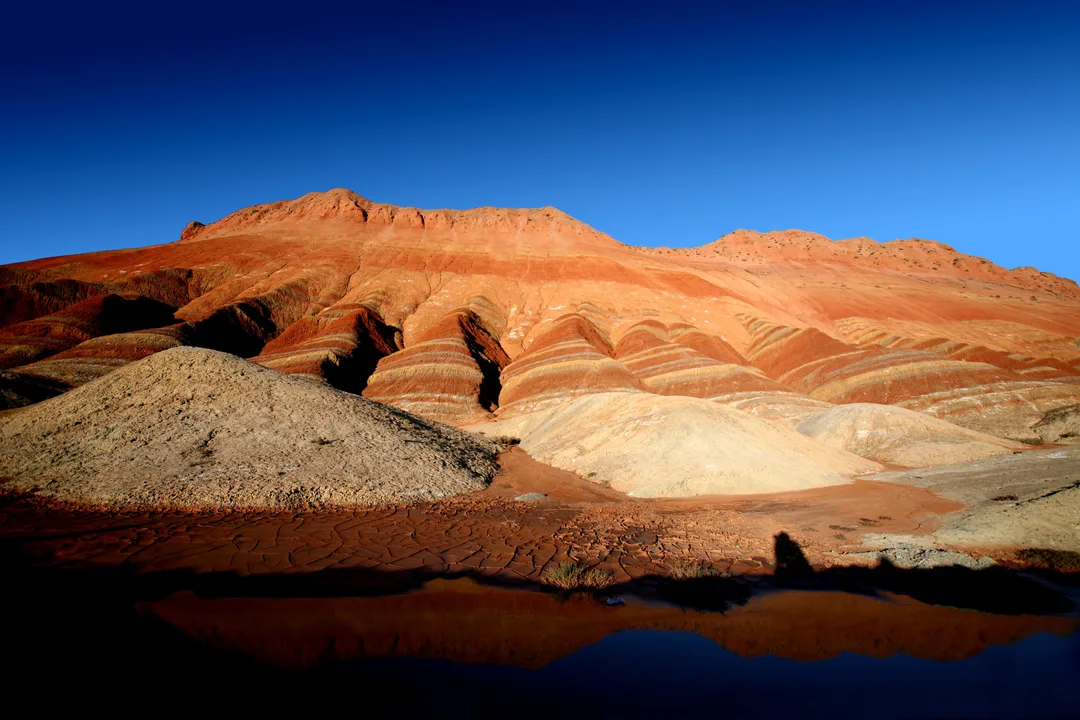
- zhangye giant buddha temple
- zhangye danxia
Matisi, rail to Jiayuguan
South about 60 kilometres into Sunan county (honestly labelled — Zhangye's autonomous county) for cliff temples and tunnel halls, then an evening 40-minute rail hop to Jiayuguan.
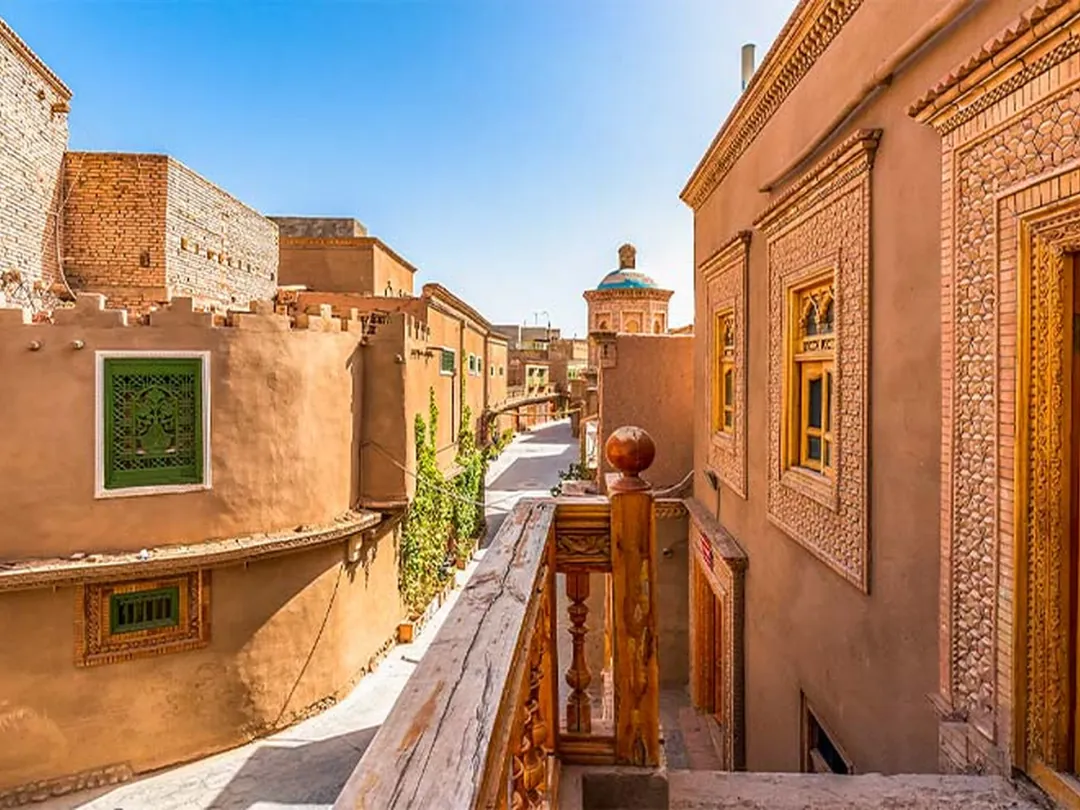
- zhangye matisi
Jiayuguan — pass & overhanging wall
A full pass day — the 1372 fort with walls near 10 metres, the cliff wall at about 45 degrees, and the first beacon on the Taolai river cliff. The museum under the walls fills any spare hour.
- jiayuguan pass
- jiayuguan overhanging wall
- jiayuguan first beacon
Dunhuang — Mogao & the dunes
Around three hours by rail to Dunhuang. Pre-booked Mogao — 735 caves, about 45,000 square metres of murals, UNESCO since 1987 — then the Mingsha dunes and Crescent Spring from late afternoon.
- dunhuang mogao grottoes
- dunhuang mingsha crescent spring
Dunhuang west line
A long loop of about 180 kilometres each way — the Han-era Yumen Pass stockade first, then the Yadan wind-carved yardangs, better known as the phantom city. Return through the Han great-wall remnants west of town.
- dunhuang yumen pass
- dunhuang yadan geopark
Hami — into Xinjiang
Second province crossing, honestly labelled — around four hours by rail from Dunhuang into Hami. The domed royal tombs of the Hami rulers enfeoffed from 1697, the rebuilt royal palace quarter, and the city museum's melon-culture hall. Hami melons in season.
- silk road hami royal tombs
- silk road hami museum
Turpan ruins, on to Urumqi
An early rail leg of about 1.5 hours to Turpan, where Jiaohe — a city carved from raw earth some 2,000 years ago, Silk Roads UNESCO listing 2014 — and the karez well galleries fill the day. Evening high-speed rail, about one hour, into Urumqi; its own page picks up from there.
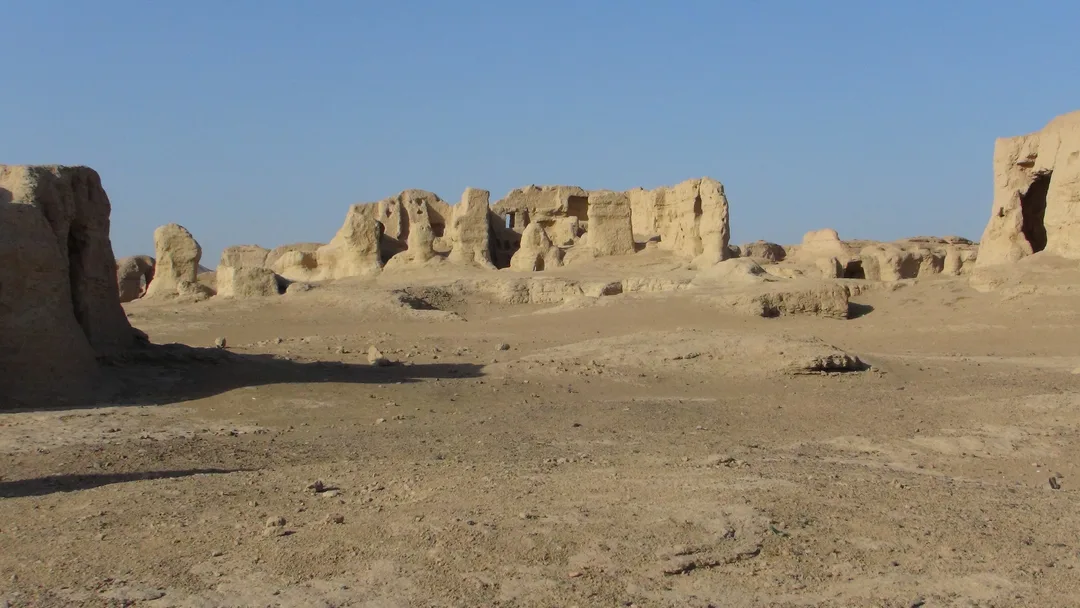
- jiaohe ancient city
- karez wells
Budget for 14 days in Silk Road (China)
| Tier | Per day | 14 days total |
|---|---|---|
| Backpacker | USD $50–$80 | USD $700–$1,120 |
| Mid-range | USD $100–$200 | USD $1,400–$2,800 |
| Luxury | USD $300+ | USD $4,200+ |
Useful tools
Book your Silk Road (China) trip
We may earn a commission when you book through these links. This does not affect our editorial recommendations.
Frequently asked questions
What is the daily budget for Silk Road (China)?
Do I need a visa to visit Silk Road (China)?
How do I get from the airport to the center of Silk Road (China)?
Can I use 14 days for both Silk Road (China) and a side trip?
Is Silk Road (China) safe for tourists?
See also: Silk Road (China) travel guide, China visa 2026, China trip cost.