Changchun · history museum

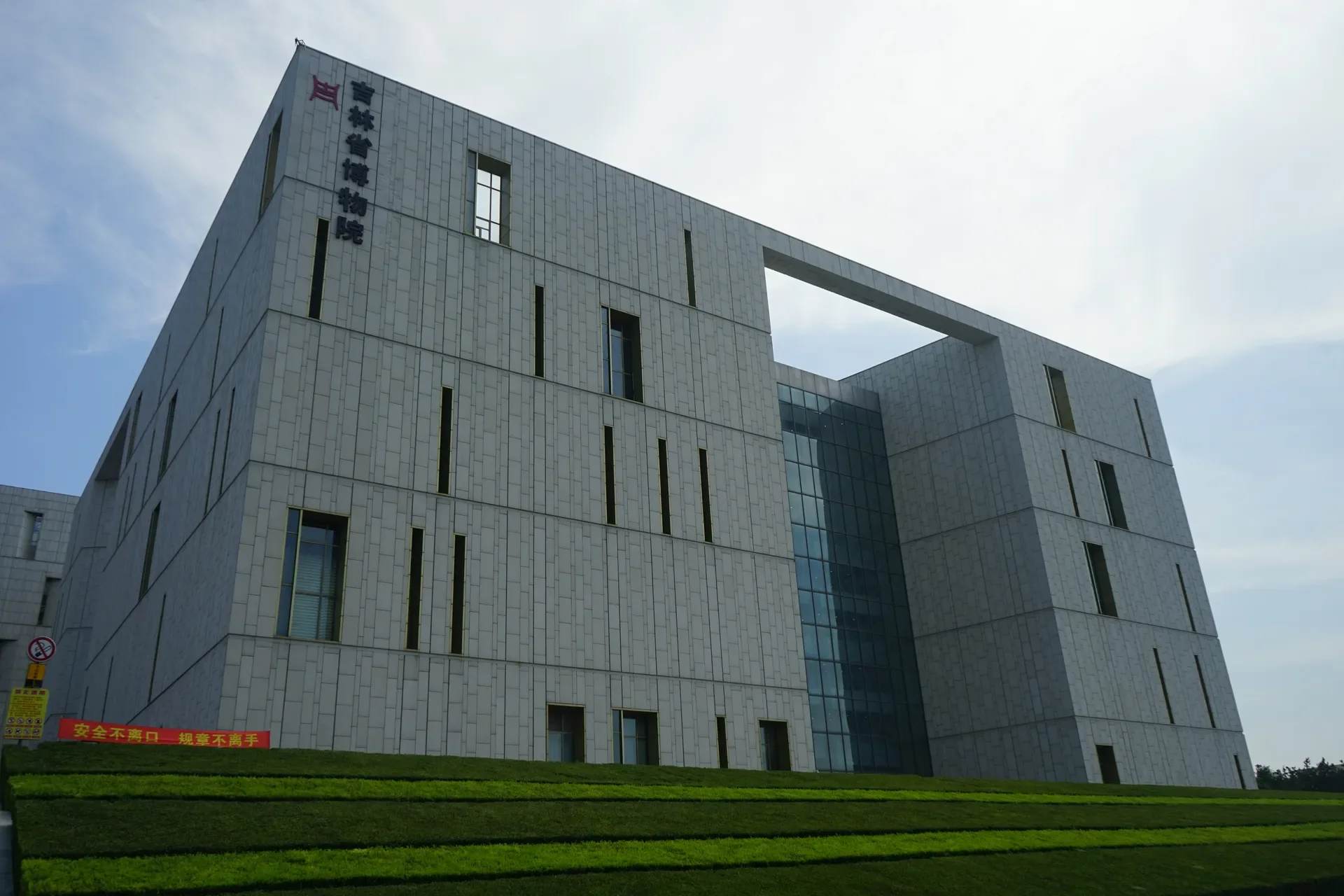
Jilin Provincial Museum (吉林省博物馆, Jílín Shěng Bówùguǎn)

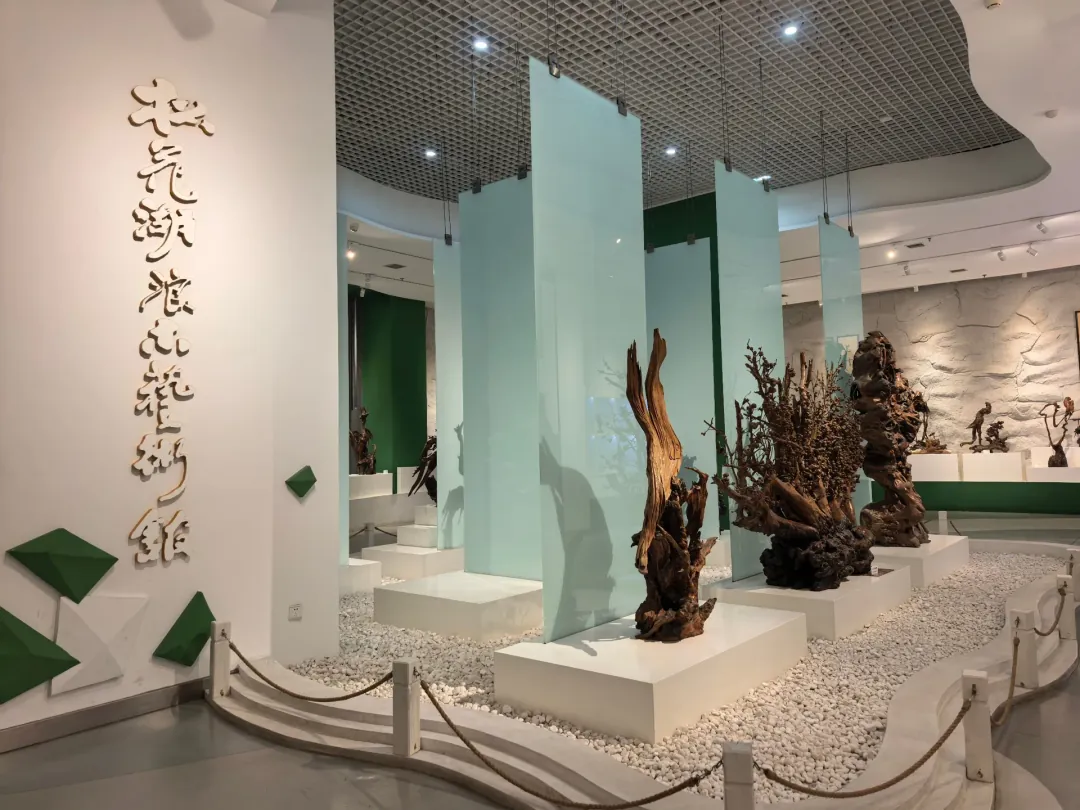
The Jilin Provincial Museum (吉林省博物馆) is located in Changchun, the capital of Jilin Province in Northeast China, near the border with North Korea and Russia. Jilin's unique position — sandwiched between Russia, North Korea, and the rest of China — gives the museum a distinctive cross-border cultural scope. The museum's collections cover: (1) Manchu cultural heritage — Jilin was the heartland of the Manchu people who founded the Qing Dynasty; (2) Korean ethnic minority culture — Jilin has China's largest Korean ethnic minority community (Chaoxianzu / 朝鲜族); (3) the Japanese occupation and Manchukuo period — Changchun was the capital of the Japanese puppet state of Manchukuo (1932-1945); (4) Changbai Mountain geology and ecology — specimens from the Changbai (长白山) Mountain that is sacred to both Chinese and Korean cultures.

Last updated:

Jilin Provincial Museum travel photo

Quick Answer

Is Jilin Provincial Museum worth visiting?

Northeast China's museum at the Korean border — documenting the Manchu origins, Korean ethnic minority culture, Japanese occupation history (Manchukuo), and the Changbai Mountain ecosystem. Free.

Quick facts

Categoryhistory
TicketFree. Passport required. Walk-in from the main gate.
Hours9:00-16:00 (last entry 15:30). Closed Mondays.
Recommended duration1.5-2.5 hours.
Best time to visitMay through September. Changchun has extreme continental winters (November-March, -20°C to -5°C) and warm summers (20-28°C, June-August). Winter visits are feasible for the museum itself but the real draw of Jilin is the Changbai Mountain (长白山) which is best visited June-September.
How to get thereBus routes 9, 25, 62, 104, 111, 156, 224, 228, 230, 234, 255, 264, 276 to Jilin Museum stop (博物馆站). From Changchun Railway Station by DiDi: ¥15-25. From Changchun Longjia International Airport: ¥60-80.
English signagepartial

Why visit

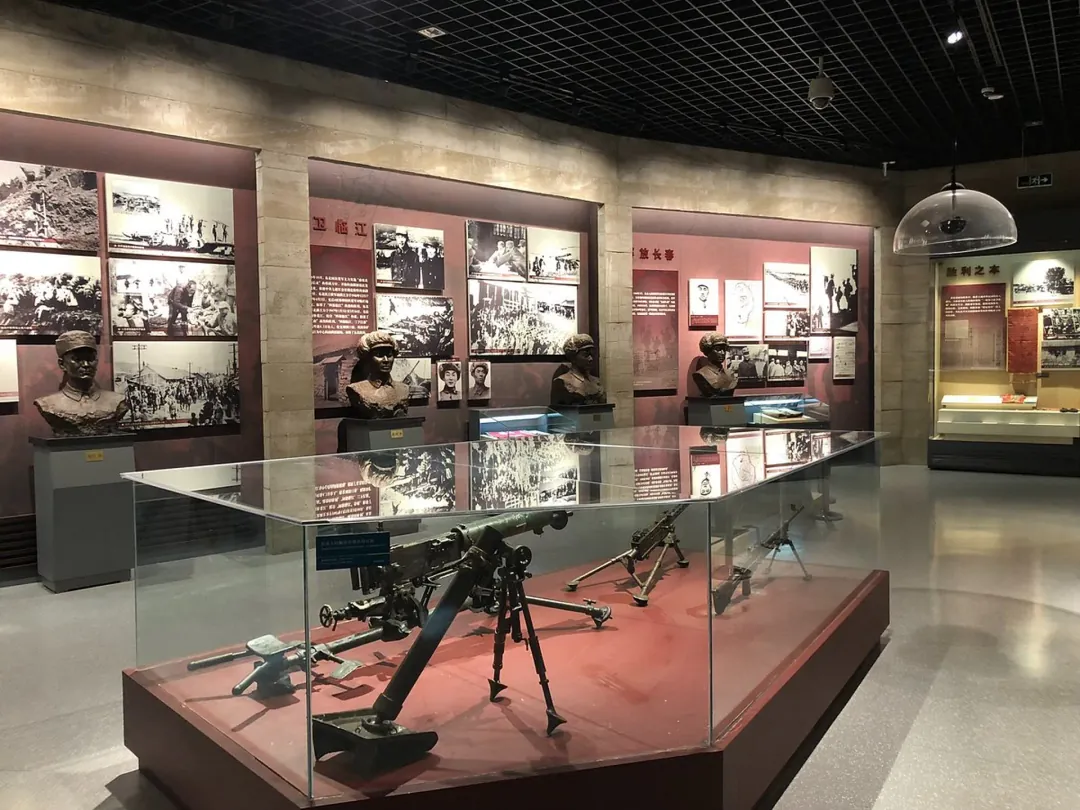
The Manchukuo period documentation is the most historically significant — Changchun was designed as a showpiece capital for Japan's puppet state and the museum has archival photographs and documents that are difficult to find elsewhere. The Korean ethnic minority cultural section is also unique in China for showing the traditions of the Chaoxianzu (Chinese Koreans).

Collection highlights

Tips

Frequently asked questions

What was Manchukuo?

Manchukuo (满洲国, 1932-1945) was a Japanese puppet state in Northeast China, installed after Japan's 1931 invasion and dissolved after Japan's 1945 defeat. Its capital was Changchun (then called Hsinking / 新京). The last Chinese emperor Puyi was installed as its emperor. The state was used by Japan to legitimize its occupation of Northeast China. The museum has extensive documentation of this period, which is sensitive in both Chinese and Japanese historical narratives.

What is the difference between this museum and the Manchukuo Imperial Palace?

The Jilin Provincial Museum (吉林省博物馆) is the general provincial museum showing Jilin's entire history including the Manchukuo period. The Manchukuo Imperial Palace (伪满皇宫博物院) is the actual palace building where Puyi lived and governed as emperor — a separate museum in the same city. Both should be visited together.

Who are the Chinese Koreans (Chaoxianzu)?

The Chaoxianzu (朝鲜族, "Korean ethnic group") are ethnic Koreans who have lived in Jilin and Heilongjiang provinces for generations. With a population of about 2 million, they are one of China's 56 recognized ethnic groups. They maintain distinct Korean language, food, and cultural traditions. The museum's Korean section is the most comprehensive display of Chaoxianzu culture in China.

Does Jilin Provincial Museum have English signage?

Partial — the Manchu and Korean cultural sections have some English. The Manchukuo section has limited English. No English audio guide as of 2026.

Is Changchun worth visiting for a day?

Yes — combine a morning at Jilin Provincial Museum + Manchukuo Imperial Palace + afternoon at Changchun Film Studio (长影) or the local zoo. Then move on to Changbai Mountain or back to Shanghai/Beijing.

Read next

Sources