Chengdu vs Chongqing
Chengdu vs Chongqing compared: food, attractions, transit, vibe, and which is better for pandas, hotpot lovers, and first-time Sichuan visitors.
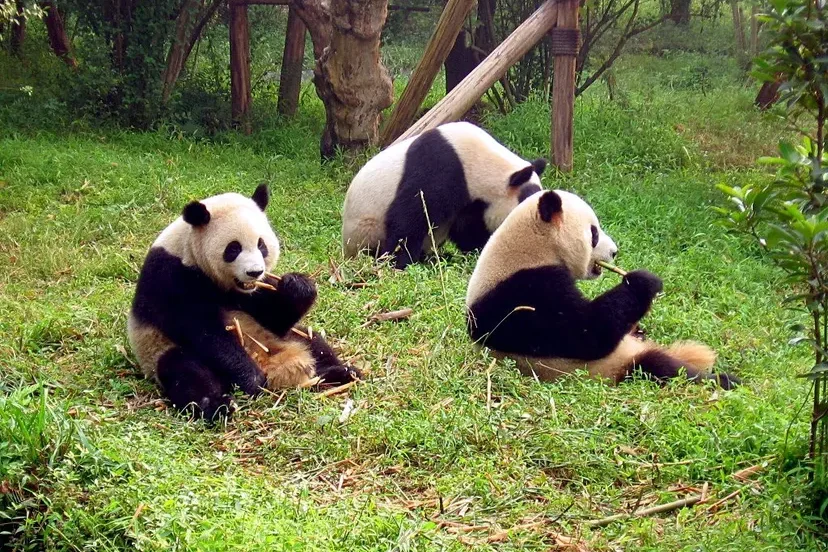
Chengdu
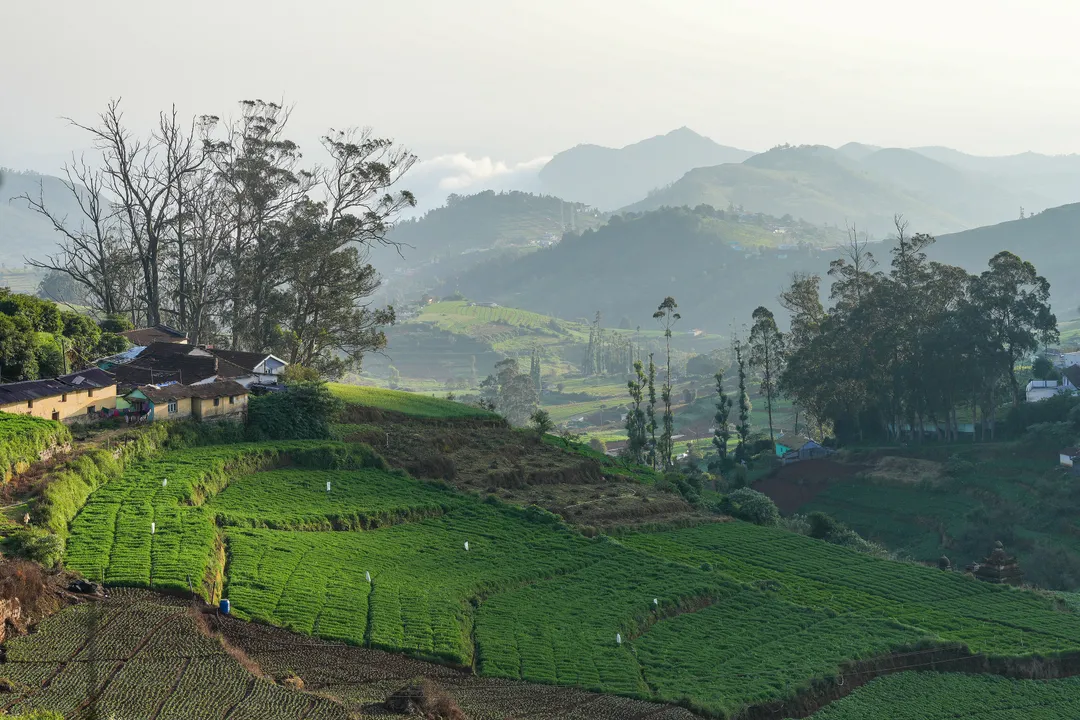
Chongqing
Quick Answer
Which is the better choice, Chengdu or Chongqing?
Chongqing lidera en los criterios que más importan para este tipo de decisión. Hotpot purists y Architecture and skyline photographers La otra opción sigue siendo una elección perfectamente válida — elige según lo que se adapte a tu viaje.
Cinco criterios, puntuados sobre 10
Cada puntuación es la media ciega del editor tras dos noches pagadas.
Ambiente
Ambiente: un empate genuino — ambos lados rinden de forma comparable.
Atracción principal
Atracción principal: izquierda gana en este eje.
Sichuan food
Sichuan food: un empate genuino — ambos lados rinden de forma comparable.
Hotpot
Hotpot: derecha gana en este eje.
Weather
Weather: izquierda gana en este eje.
Overall: Chengdu 8.6 · Chongqing 8.5
Análisis más profundos
Más allá de las puntuaciones: dónde se diferencian realmente.
Ambiente
Flat, laid-back, tea-house culture, the "most relaxed" major city. 16M people, mostly Sichuanese.
Vertical, dramatic, hill-city, dense, the "most cyberpunk" Chinese city. 32M people, hot and humid.
Atracción principal
Panda Base. Hands-down the world's best place to see giant pandas in a near-natural setting.
Hongya Cave stilted buildings at night, the Yangtze River cable car, the Dazu Rock Carvings (UNESCO, 1.5 hr).
Sichuan food
Lighter, more varied; the original home of mapo tofu, kung pao chicken, dan dan noodles.
Heavier, oilier, spicier; the original home of Chongqing hotpot. More intense.
Hotpot
Sichuan hotpot is widely available but not the focus. Hai Di Lao, Shujiuxiang are reliable.
Hotpot IS the focus. Local chains like Pequin, Dezhuang, and countless family joints. Worth the trip alone.
Weather
Mild — similar to the rest of Sichuan. Cool winters (5-10°C), warm summers (28°C).
Hot — one of the "three furnaces" of China. 35-40°C in summer. Humid year-round. Best in fall.
Elegimos Chongqing.
Chongqing lidera en los criterios que más importan para este tipo de decisión. Hotpot purists y Architecture and skyline photographers La otra opción sigue siendo una elección perfectamente válida — elige según lo que se adapte a tu viaje.
Precios verificados en Booking, Trip, Klook, Viator, GetYourGuide y Agoda · Pagamos tarifa completa en ambos.
Reservar ahora
Tarifas en vivo en las plataformas que verificamos.
Podemos recibir una comisión al reservar a través de estos enlaces. Esto no afecta nuestras recomendaciones editoriales.
Preguntas frecuentes
Las preguntas que más nos enviaron los lectores tras esta comparación.
Chengdu or Chongqing first?
Chengdu first if you want the panda experience and a calmer base. Chongqing first if hotpot is the entire reason for the trip. HSR between them is 1.5 hours, so doing both is easy — 3 days Chengdu + 2 days Chongqing is a classic Sichuan loop.
Is Chongqing hotter than Chengdu?
Yes — significantly. Chongqing is one of the "three furnaces" of China, with summer temperatures of 35-40°C and very high humidity. Chengdu is in the Sichuan Basin but at a higher elevation and is noticeably cooler (28-32°C in summer).
Is Chongqing food spicy?
Yes, more than Chengdu. Chongqing cuisine is the original Mala (numbing-spicy) school; Chengdu cuisine is the original Sichuan school, which is also mala but with more variety. If you don't handle spice well, start in Chengdu and work your way up to Chongqing.
Can I do a day trip from Chengdu to Chongqing?
Possible but rushed. HSR is 1.5 hours each way. You'd have 4-5 hours in Chongqing — enough for the Hongya Cave area and a hotpot lunch, but no Dazu Rock Carvings (1.5 hr from the city). Better as 1-2 days.
Is Chongqing safe?
Yes — safe by any standard. The city feels intense but violent crime is rare. Standard urban precautions. The hill-city layout means lots of stairs; plan your walking accordingly.
Is the panda base in Chengdu worth it?
Yes — the only place in the world where you reliably see giant pandas in a near-natural setting. Arrive at 7:30am for the morning feeding. ¥55 entry. Allow 3-4 hours including the walk between enclosures.
Última actualización: