Cantón vs Shenzhen
Guangzhou vs Shenzhen compared: food, culture, modernity, shopping, cost, family-friendliness, and which Pearl River Delta city is better for foodies, tech tourists, and first-time Guangdong visitors.
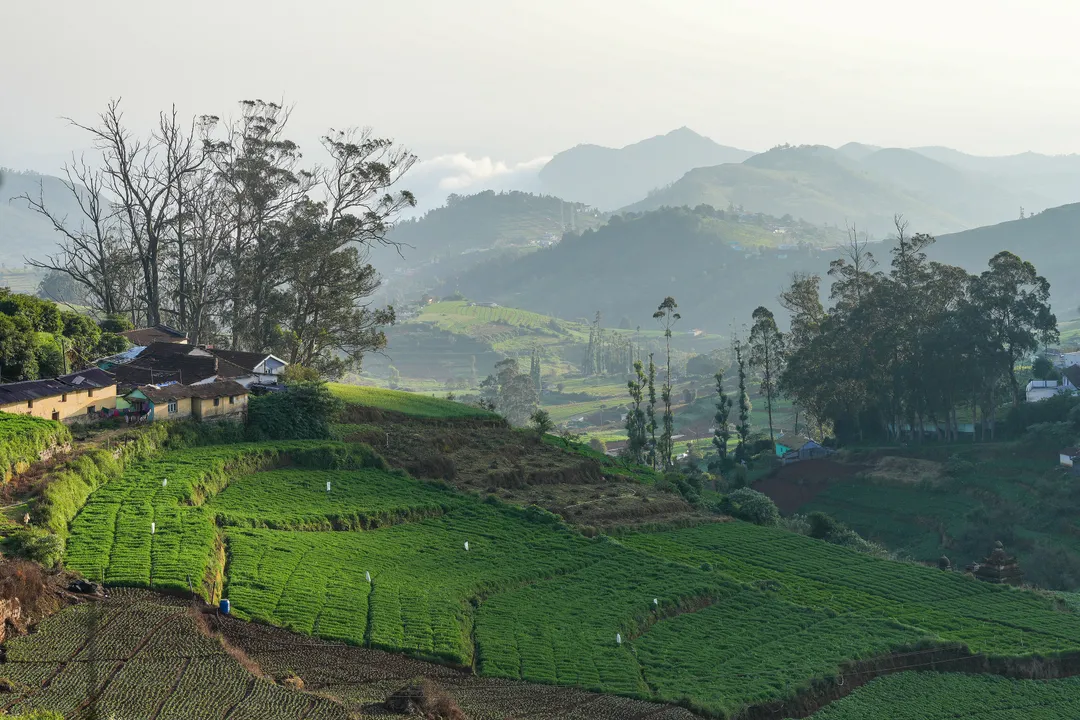
Guangzhou
Shenzhen
Quick Answer
Which is the better choice, Guangzhou or Shenzhen?
Shenzhen lidera en los criterios que más importan para este tipo de decisión. Families (Window of the World + Happy Valley + OCT East) y Tech tourists (Huaqiangbei, Huawei HQ, DJI flagship store) La otra opción sigue siendo una elección perfectamente válida — elige según lo que se adapte a tu viaje.
Cinco criterios, puntuados sobre 10
Cada puntuación es la media ciega del editor tras dos noches pagadas.
Food scene
Food scene: izquierda gana en este eje.
Cultural depth
Cultural depth: izquierda gana en este eje.
Modernity
Modernity: derecha gana en este eje.
Shopping
Shopping: un empate genuino — ambos lados rinden de forma comparable.
Cost (mid-range / day)
Cost (mid-range / day): izquierda gana en este eje.
Overall: Cantón 8.8 · Shenzhen 8.5
Análisis más profundos
Más allá de las puntuaciones: dónde se diferencian realmente.
Food scene
Cantonese cuisine at its source. Dim sum (点心) in the morning — har gow (虾饺), siu mai (烧卖), cheung fun (肠粉). Roast goose (烧鹅) with crispy skin. Wonton noodle soup (云吞面). Guangzhou is China's undisputed food capital — this is not up for debate among Chinese people.
A serviceable modern food scene. Good international options (the expat-heavy Nanshan district has solid Western food). Cantonese food exists but is watered down compared to Guangzhou. The city eats for fuel, not for pleasure.
Cultural depth
2,200+ years of history. The Chen Clan Ancestral Hall (陈家祠, ¥10) is an architectural masterpiece of Lingnan carving. Shamian Island (沙面) has 19th-century European concession buildings. Cantonese opera (粤剧) still performs at the Cantonese Opera Art Museum.
Effectively zero traditional culture — the city was founded in 1980. The cultural attractions are Dafen Oil Painting Village (大芬油画村, an art reproduction hub) and OCT-LOFT (a creative park in a converted factory). Modern, not traditional.
Modernity
Zhujiang New Town (珠江新城) is a gleaming CBD. Canton Tower (广州塔, 600m, ¥150 observation deck) anchors the skyline. Modern Guangzhou is impressive — it just is not the whole story.
One of the most futuristic cities anywhere. The Ping An Finance Centre (599m, ¥200 observation deck) was the world's 4th tallest building. All-electric taxi fleet. Facial recognition payments everywhere. If you want to see what 2040 looks like, come here.
Shopping
Wholesale markets are Guangzhou's superpower. The Baima Garment Market (白马服装市场) is the largest in China. Zhanxi Road (站西路) for watches and accessories. Haizhu Square for electronics. Not glamorous but unbeatable for volume and price.
Huaqiangbei (华强北) in Shenzhen is the world's largest electronics market — a kilometer of malls selling every component, gadget, and accessory imaginable. For designer retail, MixC (万象城) and COCO Park are glossy and vast.
Cost (mid-range / day)
¥400–600 ($55–85). Hotels ¥200–400. Dim sum breakfast ¥40–60/person. Roast goose dinner ¥100–150. Great value for a tier-1 city.
¥500–700 ($70–100). Hotels ¥300–500. Meals ¥50–100. Slightly pricier than Guangzhou, mostly driven by higher hotel rates in the central districts.
Elegimos Shenzhen.
Shenzhen lidera en los criterios que más importan para este tipo de decisión. Families (Window of the World + Happy Valley + OCT East) y Tech tourists (Huaqiangbei, Huawei HQ, DJI flagship store) La otra opción sigue siendo una elección perfectamente válida — elige según lo que se adapte a tu viaje.
Precios verificados en Booking, Trip, Klook, Viator, GetYourGuide y Agoda · Pagamos tarifa completa en ambos.
Reservar ahora
Tarifas en vivo en las plataformas que verificamos.
Podemos recibir una comisión al reservar a través de estos enlaces. Esto no afecta nuestras recomendaciones editoriales.
Preguntas frecuentes
Las preguntas que más nos enviaron los lectores tras esta comparación.
Guangzhou or Shenzhen for first-time visitors?
Guangzhou for food and culture. Shenzhen for modernity and families. The cities are 30 minutes apart by HSR (¥75 second class) so doing both is trivial. A sensible 4-day split: 2–3 days Guangzhou (dim sum, Chen Clan Hall, Shamian Island, Pearl River night cruise) + 1–2 days Shenzhen (Huaqiangbei, one theme park, Shenzhen Bay Park at sunset).
Is Guangzhou's food really the best in China?
Yes — and I say this having eaten extensively across China. The dim sum culture alone justifies the trip: har gow (¥20–35 per basket), cheung fun (¥12–18), egg tarts (¥10–15). Cantonese cuisine is the most internationally recognized Chinese cuisine, and Guangzhou is where it is done at its highest level. Bing Sheng (炳胜) on Tianhe East Road does the most consistent roast goose in the city.
Is Shenzhen boring?
For culture, yes — there is essentially none. For technology and futurism, absolutely not. Huaqiangbei electronics market is a sensory overload that no other city offers. The Ping An Finance Centre observation deck at sunset is impressive. Shenzhen is not a city you visit for "old China" — it is a city you visit to see where China is heading.
How do I get from Guangzhou to Shenzhen?
HSR from Guangzhou South to Shenzhen Futian: 30 minutes, ¥75 second class. From Guangzhou East to Shenzhen (Luohu): 1 hour, ¥80. Trains run every 10–20 minutes. Both stations connect directly to the metro.
Can I use Guangzhou as a base for Hong Kong?
Yes but Shenzhen is better. Guangzhou → Hong Kong West Kowloon by HSR is 48 minutes (¥215 second class). Shenzhen → Hong Kong is 14 minutes (¥80). If Hong Kong is a big part of your trip, stay in Shenzhen and day-trip to Guangzhou (or vice versa).
What is there to do in Shenzhen with kids?
Window of the World (世界之窗, ¥220 adults, ¥110 kids) has 130+ miniature landmarks — cheesy but kids genuinely enjoy it. OCT East (东部华侨城) is a mountain resort with a tea theme park and cable cars. Shenzhen Bay Park (深圳湾公园) is a 13 km waterfront promenade with playgrounds. Happy Valley (欢乐谷, ¥230) is a standard theme park with roller coasters.
Última actualización: