Saltar al contenido principal
nihaovisit

Comparison

Lhasa vs Shangri-La: ¿Qué destino de cultura tibetana es mejor?

Lhasa es el corazón del budismo tibetano con el Palacio de Potala. Shangri-La es más accesible (menor altitud) y ofrece cultura tibetana con mejores rutas de senderismo. Lhasa para peregrinación, Shangri-La para aire libre + cultura.

Comparison·Updated 2026-07-08
7axes compared
7FAQ answered
2related comparisons
71+comparisons live
12 langstranslated
2026rates verified

TL;DR verdict

Quick Answer

Lhasa vs Shangri-La: which should you pick?

For most travelers, Shangri-La is the safer pick — but the other side wins on the axes that matter most.

For most travelers, Shangri-La is the safer pick — but the other side wins on the axes that matter most for Shangri-La.

Side-by-side comparison

LhasaShangri-La VERDICT
Altitude3.650 m (11.975 ft). La mayoría de los visitantes necesitan de 2 a 3 días para aclimatarse.3.200 m (10.500 ft). Ligeramente más bajo; la mayoría de los visitantes se adaptan en 1-2 días.
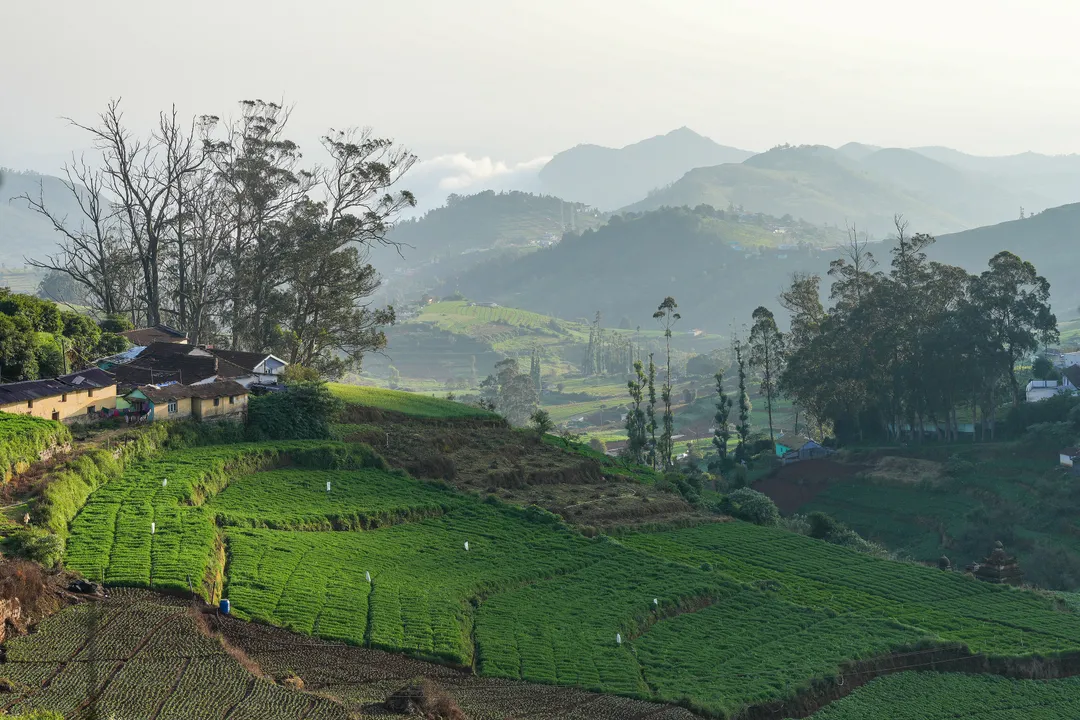
Tibetan culture depthCorazón del budismo tibetano. Hogar del Dalai Lama (actualmente en el exilio), el Panchen Lama y los principales monasterios.La cultura tibetana está presente pero diluida por la influencia han china y el turismo. Es más una puerta de entrada que un destino.
Must-seePalacio de Potala (UNESCO), Templo Jokhang, debates en el Monasterio Sera, circuito de peregrinación de la calle Barkhor.Monasterio Songzanlin (Pequeño Potala), Parque Nacional Pudacuo, casco antiguo de Dukezong.
AccessibilityVuelo al Aeropuerto de Lhasa Gonggar (3,5 horas desde Pekín). Se requiere el Permiso de Viaje a Tíbet para ciudadanos no chinos.Vuelo al Aeropuerto Diqing Shangri-La (1,5 horas desde Kunming). No se requiere permiso para la ciudad de Shangri-La (solo para áreas tibetanas remotas).
Permit requiredSÍ — Permiso de Viaje a Tíbet (permiso TIBET-2). Debe gestionarse a través de un operador turístico con 2-4 semanas de antelación. No se permite viajar de forma independiente.NO — Shangri-La se encuentra en la provincia de Yunnan. Se permite viajar de forma independiente sin restricciones.
Tourist crowdsModerado. Muchos peregrinos chinos pero menos turistas occidentales debido a los requisitos del permiso.Mucho. Destino popular de fin de semana desde Kunming. El casco antiguo se llena los fines de semana.
Cost$100-200/día incluyendo el permiso. Más alto debido al permiso y la infraestructura limitada.$80-150/día. Precios estándar de Yunnan.

Weighted score bars

Bar length reflects the per-axis evidence length; the winner of each axis is highlighted in terra-cotta.

Altitude

Shangri-La wins

Lhasa

Shangri-La

Tibetan culture depth

Lhasa wins

Lhasa

Shangri-La

Must-see

Lhasa wins

Lhasa

Shangri-La

Accessibility

Shangri-La wins

Lhasa

Shangri-La

Permit required

Shangri-La wins

Lhasa

Shangri-La

Tourist crowds

Lhasa wins

Lhasa

Shangri-La

Cost

Shangri-La wins

Lhasa

Shangri-La

Final score

54vs46

Based on 7 weighted axes. Shangri-La edges ahead by 1 of 7.

Pros

  • Visitantes primerizos curiousos por el Tíbet (no se requiere permiso)
  • Senderistas y amantes del aire libre (Montaña Nevada Meili, pueblo de Yubeng)
  • Viajeros con poco tiempo
  • Quienes desean una muestra de la cultura tibetana sin el riesgo de la altitud

Cons

  • Viajeros espirituales (el corazón del budismo tibetano)
  • Viajeros con experiencia en grandes altitudes
  • Quienes pueden tramitar permisos y unirse a tours
  • Viajeros con 1 semana o más para una adecuada aclimatación

Why travelers pick each side

Here's who each destination suits best — pick the side that matches your trip.

Choose Lhasa if you are

Lhasa

Top reasons to pick this side

  • Viajeros espirituales (el corazón del budismo tibetano)
  • Viajeros con experiencia en grandes altitudes
  • Quienes pueden tramitar permisos y unirse a tours

Choose Shangri-La if you are

Shangri-La

Top reasons to pick this side

  • Visitantes primerizos curiousos por el Tíbet (no se requiere permiso)
  • Senderistas y amantes del aire libre (Montaña Nevada Meili, pueblo de Yubeng)
  • Viajeros con poco tiempo

The verdict

Lhasa is better for

  • Viajeros espirituales (el corazón del budismo tibetano)
  • Viajeros con experiencia en grandes altitudes
  • Quienes pueden tramitar permisos y unirse a tours
  • Viajeros con 1 semana o más para una adecuada aclimatación

Shangri-La is better for

  • Visitantes primerizos curiousos por el Tíbet (no se requiere permiso)
  • Senderistas y amantes del aire libre (Montaña Nevada Meili, pueblo de Yubeng)
  • Viajeros con poco tiempo
  • Quienes desean una muestra de la cultura tibetana sin el riesgo de la altitud

Frequently asked questions

¿Lhasa o Shangri-La para quienes visitan la cultura tibetana por primera vez?
Shangri-La — no requiere permiso, menor altitud, acceso más fácil. Lhasa es la experiencia tibetana "auténtica", pero requiere un permiso, 2-3 días de aclimatación y un tour. Si puedes gestionar el trámite del permiso, Lhasa es la experiencia más profunda.
¿Necesito un Permiso de Viaje al Tíbet para Shangri-La?
No — Shangri-La se encuentra en la provincia de Yunnan, no en la Región Autónoma del Tíbet. Los viajes independientes están totalmente permitidos. Solo necesitas un permiso para Lhasa, el monte Kailash y otras zonas remotas del Tíbet.
¿Cuánto tiempo debería aclimatarme en Lhasa?
2-3 días como mínimo. Descansa al llegar, evita el alcohol, bebe agua y considera tomar Diamox (medicamento para el mal de altura). Muchos viajeros dedican 4-5 días en Lhasa para aclimatarse y explorar.
¿Cuál es la mejor época para visitar Lhasa?
De abril a octubre. Mayo-junio y septiembre-octubre son los mejores (temperaturas suaves, cielos despejados). El invierno (nov-feb) es frío y algunos monasterios cierran. Evita el Año Nuevo Chino.
¿El mal de altura es un riesgo real en Lhasa?
Sí — a 3.650 m, entre el 60% y el 80% de los visitantes experimentan algunos síntomas (dolor de cabeza, fatiga, dificultad para respirar). La mayoría se aclimata en 1-2 días. Los casos graves (HAPE o HACE) son poco frecuentes, pero requieren un descenso inmediato.
¿Cómo es Shangri-La en invierno?
Frío pero hermoso — temperaturas: -5 a 5°C. Nieve en las montañas, menos turistas, precios más bajos. Algunas casas de huéspedes cierran. El Monasterio Songzanlin luce impresionante bajo la nieve. Con 2-3 días es suficiente.
¿Puedo visitar Lhasa y Shangri-La en un mismo viaje?
Sí, pero requiere tiempo y planificación. Vuela a Lhasa (vuelo Kunming-Lhasa 2,5 h), pasa 5-6 días aclimatándote y explorando, luego vuela Lhasa-Kunming (2,5 h), y después Kunming-Shangri-La (1 h). Total: mínimo 10-12 días.

12 related comparisons

Editor-curated, then same-category, then the rest of the catalog.

Chengdu vs Xi'an

Chengdu for slow-paced food and panda travel, Xi'an for ancient Silk Road history. Both are essential for a 10–14 day China route — pick based on whether food or history ranks higher for you.

Shanghai vs Shenzhen

Shanghai for historic Bund + international food scene, Shenzhen for tech-themed travel and the Pearl River Delta gateway. Both are 20M+ megacities with excellent transit.

Beijing vs Hong Kong

Beijing for imperial China depth, Hong Kong for English-friendly infrastructure and the Pearl River Delta. Different visa rules, different vibes.

Shanghai vs Hong Kong

Shanghai for bigger skyline and inland China access; Hong Kong for English-first infrastructure, food variety, and visa simplicity. Both are major financial hubs.

Chengdu vs Guilin

Chengdu for Sichuan food + panda base, Guilin for the most iconic Chinese landscape. Different trip archetypes — choose based on whether you prefer urban food or natural scenery.

Beijing vs Chengdu

Beijing for imperial history + Great Wall, Chengdu for food + pandas + slower pace. Both are essential — choose based on your first-trip priority.

Hong Kong vs Singapore

Hong Kong for Cantonese food + Pearl River Delta access; Singapore for English-first + ASEAN gateway. Both are 90-day visa-free for most Westerners.

Shanghai vs Hangzhou

Shanghai for the Bund, skyline, and international buzz. Hangzhou for West Lake, tea plantations, and a slower pace just 45 minutes away by HSR. Many travelers do both.

Xi'an vs Nanjing

Xi'an for the Terracotta Army and Silk Road history. Nanjing for the Ming city wall, Sun Yat-sen's mausoleum, and a calmer ancient capital. Both are essential for China history.

Beijing vs Shanghai

Beijing for the iconic China checklist — Great Wall, Forbidden City, Temple of Heaven. Shanghai for a gentler entry with better English, international food, and walkable neighborhoods. Most first-timers start in Beijing; nervous or food-focused travelers should start in Shanghai.

Guilin vs Zhangjiajie

Guilin for the classic Chinese landscape painting come to life — karst peaks reflected in the Li River, bamboo rafts, and rice terraces. Zhangjiajie for the dramatic, otherworldly sandstone pillars that inspired Avatar's floating mountains. Both are UNESCO-listed; choose by the kind of scenery you want.

Xi'an vs Beijing

Beijing for the political center, Great Wall, and imperial grandeur. Xi'an for the Terracotta Army, Silk Road, and 3,000 years of continuous history. Most first-timers do both — but if you only have time for one, here's how to choose.

Quick facts — Lhasa vs Shangri-La

Side-by-side reference for the 5 metrics travelers weigh most.

MetricLhasaShangri-La
Axes compared7 axes · winner: Shangri-La
FAQ answered7 of the most-asked questions
Wikipedia reference
Categorycity · 70+ comparisons live
Last verified2026 rates · editor-reviewed monthly

Still deciding?

Tell us your travel dates and priorities — we'll help you choose and send a personalized plan within 24 hours.