Mutianyu vs Badaling vs Jinshanling
Mutianyu vs Badaling vs Jinshanling compared: distance from Beijing, crowd levels, hiking difficulty, scenery, and which is best for first-timers, hikers, and photography.
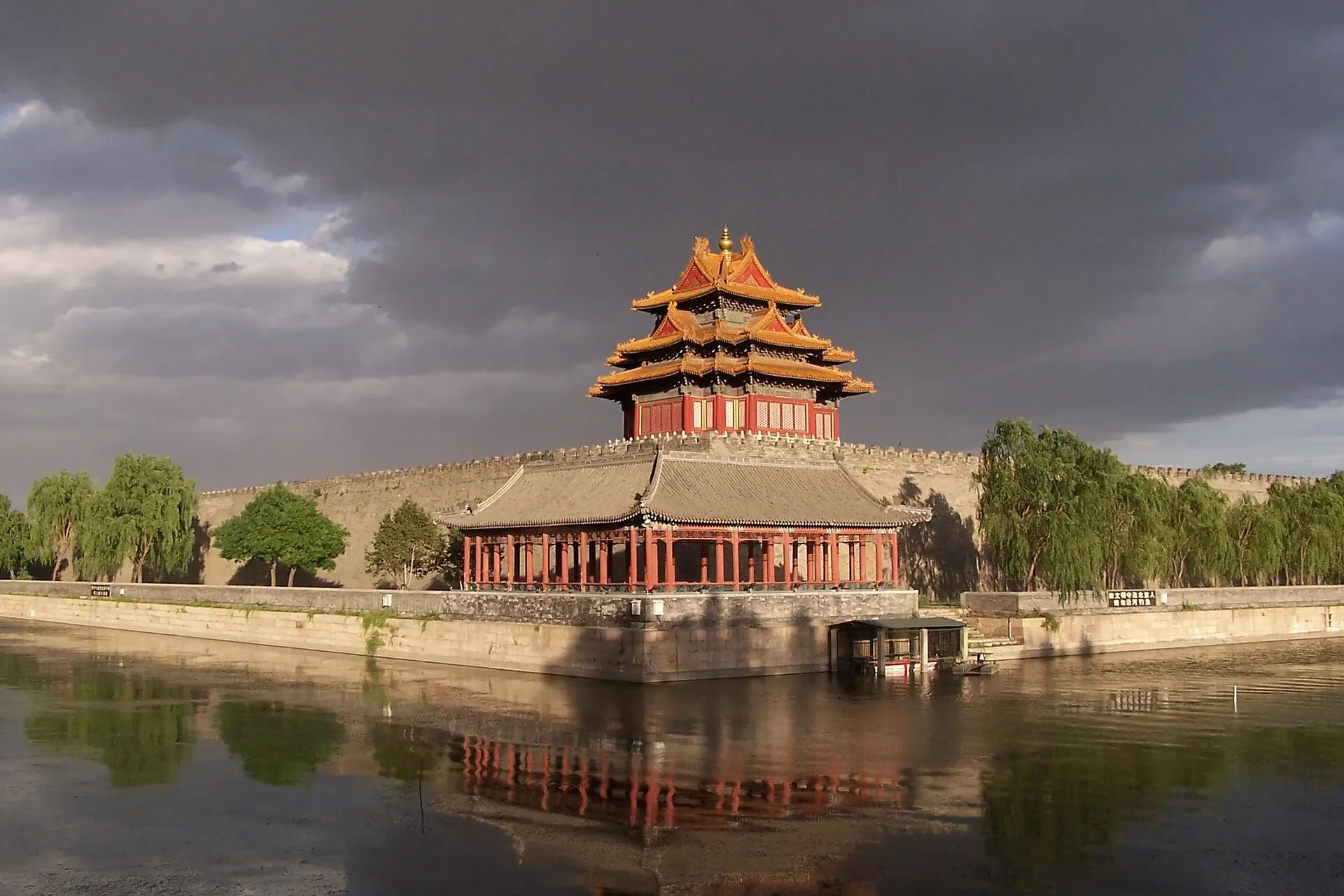
Mutianyu
Jinshanling
Quick Answer
Which is the better choice, Mutianyu or Jinshanling?
Jinshanling lidera en los criterios que más importan para este tipo de decisión. Serious hikers (10 km Jinshanling to Simatai is the most rewarding hike) y Repeat visitors who want a different experience La otra opción sigue siendo una elección perfectamente válida — elige según lo que se adapte a tu viaje.
Cinco criterios, puntuados sobre 10
Cada puntuación es la media ciega del editor tras dos noches pagadas.
Distance from Beijing
Distance from Beijing: izquierda gana en este eje.
Crowd level
Crowd level: derecha gana en este eje.
Restoration
Restoration: un empate genuino — ambos lados rinden de forma comparable.
Cable car + toboggan
Cable car + toboggan: izquierda gana en este eje.
Hiking difficulty
Hiking difficulty: izquierda gana en este eje.
Overall: Mutianyu 9.1 · Badaling 8.8
Análisis más profundos
Más allá de las puntuaciones: dónde se diferencian realmente.
Distance from Beijing
70 km. 1.5-2 hours by car or tour bus.
125 km. 2.5-3 hours by car. Longer than Mutianyu.
Crowd level
Moderate. Less crowded than Badaling but busier than Jinshanling.
Low. The least crowded of the three. Popular with photographers.
Restoration
Fully restored. Smooth stone steps, easy walking. Good for all fitness levels.
70% restored + 30% wild wall. Original crumbling stones alongside restored sections. The most authentic experience.
Cable car + toboggan
YES — cable car up + toboggan down. Unique and fun. ¥120 round-trip or ¥100 with toboggan.
YES — cable car on both ends (or one end + hike the other). No toboggan.
Hiking difficulty
Easy-moderate. The restored wall is wide and even.
Moderate-hard. 10.5 km from Jinshanling to Simatai. Steep climbs in wild sections. 4-6 hours.
Elegimos Jinshanling.
Jinshanling lidera en los criterios que más importan para este tipo de decisión. Serious hikers (10 km Jinshanling to Simatai is the most rewarding hike) y Repeat visitors who want a different experience La otra opción sigue siendo una elección perfectamente válida — elige según lo que se adapte a tu viaje.
Precios verificados en Booking, Trip, Klook, Viator, GetYourGuide y Agoda · Pagamos tarifa completa en ambos.
Reservar ahora
Tarifas en vivo en las plataformas que verificamos.
Podemos recibir una comisión al reservar a través de estos enlaces. Esto no afecta nuestras recomendaciones editoriales.
Preguntas frecuentes
Las preguntas que más nos enviaron los lectores tras esta comparación.
Which Great Wall section is best for first-timers?
Mutianyu — it has the best balance of scenery, accessibility, and amenities. The cable car and toboggan make it accessible for all fitness levels. The wall is fully restored and the 22 watchtowers provide plenty of variety.
Is Badaling worth visiting?
Mostly no for Western tourists — it's 60 km from Beijing, extremely crowded (80,000+ daily visitors in peak season), and mostly tour groups. The wall itself is short and the setting less dramatic. Chinese tourists love it; Western travelers are usually disappointed. Skip it for Mutianyu or Jinshanling.
How hard is the Jinshanling to Simatai hike?
Moderate-hard. 10.5 km, 4-6 hours, elevation gain 500m. Steep climbs in the wild (unrestored) sections. Some parts require scrambling over loose stones. Not recommended for casual walkers. Bring water and snacks.
Can I do Mutianyu and Jinshanling in one day?
No — they're 2 hours apart by car. Pick one. Most first-timers do Mutianyu. Serious hikers do Jinshanling. If you have 2 days, you could do both, but it's a long day each.
What is the toboggan at Mutianyu?
A 2-minute stainless steel toboggan slide from the wall down to the valley. Unique to Mutianyu — the only Great Wall section with one. ¥100 for one-way (cable car up + toboggan down). Kids love it. Most adults find it fun too.
When is the best time to see the Great Wall?
April-May (green hills, wildflowers) and September-October (autumn colors, fewer crowds than summer). Winter (Dec-Feb) offers snow scenes but it's brutally cold. Avoid Chinese holidays — the wall is packed.
Última actualización: