Xi'an vs Pekín
Xi'an vs Beijing compared: history depth, attractions, food, transport, crowd levels, and which is better for first-timers, history buffs, and foodies.
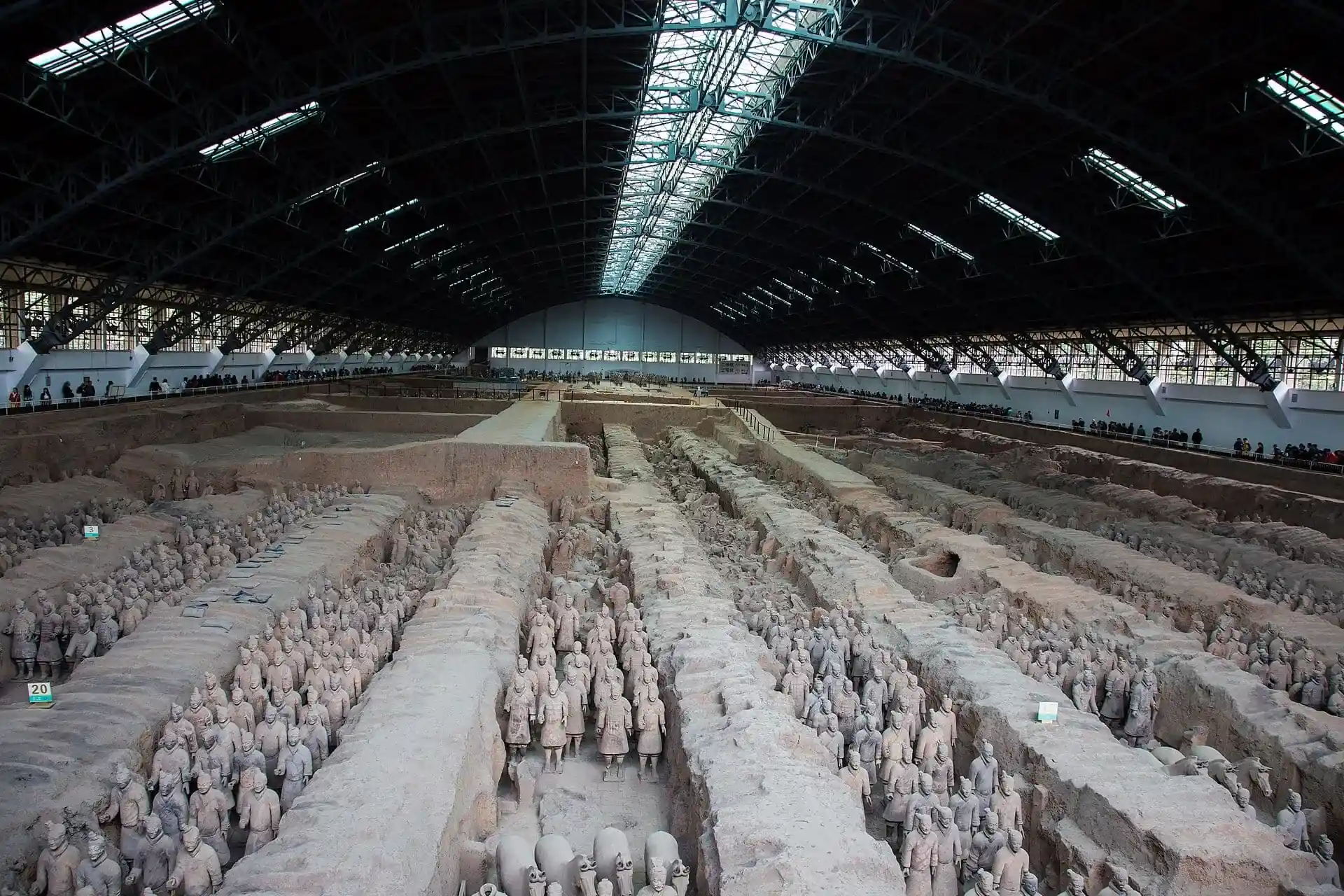
Xi'an
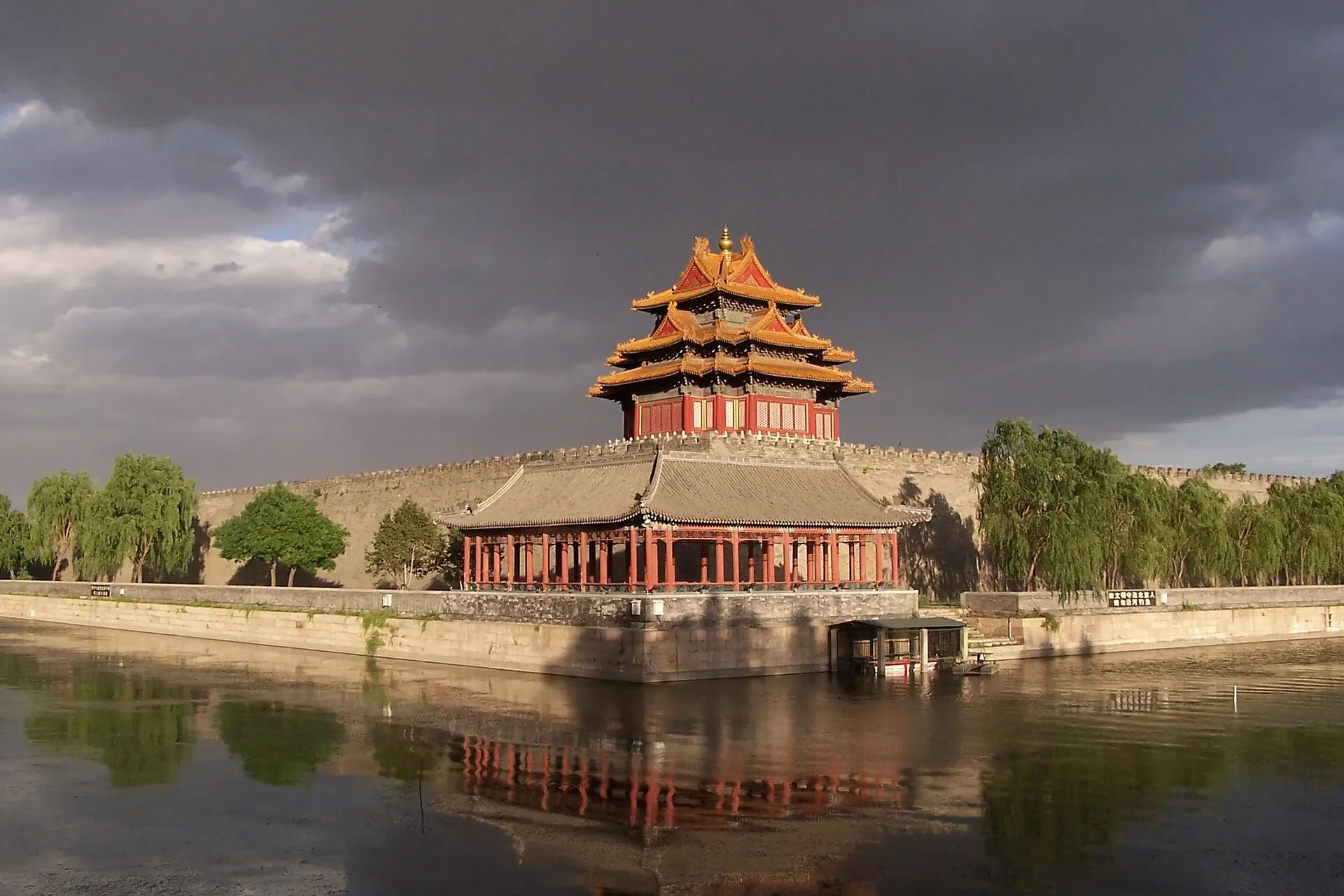
Beijing
Quick Answer
Which is the better choice, Xi'an or Beijing?
Beijing lidera en los criterios que más importan para este tipo de decisión. Politics and modern history buffs y Great Wall hikers La otra opción sigue siendo una elección perfectamente válida — elige según lo que se adapte a tu viaje.
Cinco criterios, puntuados sobre 10
Cada puntuación es la media ciega del editor tras dos noches pagadas.
Age
Age: un empate genuino — ambos lados rinden de forma comparable.
Must-see
Must-see: un empate genuino — ambos lados rinden de forma comparable.
History depth
History depth: izquierda gana en este eje.
Food scene
Food scene: un empate genuino — ambos lados rinden de forma comparable.
Crowd levels
Crowd levels: izquierda gana en este eje.
Overall: Xi'an 8.4 · Pekín 8.1
Análisis más profundos
Más allá de las puntuaciones: dónde se diferencian realmente.
Age
3,000+ years. 13 dynasties' capital. The oldest of China's great cities.
~3,000 years. Capital since Kublai Khan (Yuan Dynasty, 1271).
Must-see
Terracotta Army (UNESCO), Ming city walls (best-preserved in China), Muslim Quarter street food.
Forbidden City (UNESCO), Great Wall at Mutianyu, Temple of Heaven, hutongs.
History depth
3,000+ years of continuous habitation. Where Chinese civilization began (Zhou Dynasty).
850 years as the political center. Last 500 years of imperial history.
Food scene
Shaanxi cuisine: biangbiang noodles, roujiamo (Chinese hamburger), lamb skewers, dumplings.
Peking duck, zhajiangmian, hotpot, jianbing street crepes, imperial cuisine.
Crowd levels
Moderate. Less international tourism than Beijing. Weekend crowds at Terracotta Army.
High. Forbidden City alone gets 80,000+ daily visitors in peak season. The Great Wall is packed on weekends.
Elegimos Beijing.
Beijing lidera en los criterios que más importan para este tipo de decisión. Politics and modern history buffs y Great Wall hikers La otra opción sigue siendo una elección perfectamente válida — elige según lo que se adapte a tu viaje.
Precios verificados en Booking, Trip, Klook, Viator, GetYourGuide y Agoda · Pagamos tarifa completa en ambos.
Reservar ahora
Tarifas en vivo en las plataformas que verificamos.
Podemos recibir una comisión al reservar a través de estos enlaces. Esto no afecta nuestras recomendaciones editoriales.
Preguntas frecuentes
Las preguntas que más nos enviaron los lectores tras esta comparación.
Should I visit Beijing or Xi'an first?
Beijing first — it's the most common entry point, has the international airport hub, and the Great Wall and Forbidden City are the more famous "China" experiences. Xi'an fits naturally as the second or third stop on a Golden Triangle itinerary.
How do I get from Beijing to Xi'an?
HSR from Beijing West to Xi'an North: 4.5-6 hours, 25+ trains per day, ¥515 second class. The fastest is the G-train at 4.5 hours. Flying is similar time door-to-door but more hassle.
Is Xi'an worth a day trip from Beijing?
No — Xi'an is 1,100 km from Beijing. The HSR takes 4.5+ hours each way, leaving no time for sightseeing. Plan at least 2 days for Xi'an (1 day Terracotta Army, 1 day city).
How many days do I need in Xi'an?
2 days for the essentials (Terracotta Army + city walls + Muslim Quarter + Tang Dynasty show). 3 days allows Big Wild Goose Pagoda, Famen Temple, and the Han Yang Ling tomb. Add 1 day for Mount Hua if you have time.
Is Xi'an safe for tourists?
Yes — very safe. The Muslim Quarter is busy but well-patrolled. Main risks: aggressive touts at the Terracotta Army, and counterfeit Tang Dynasty souvenirs in tourist shops.
Is Xi'an more authentic than Beijing?
Yes in some ways — Xi'an has fewer English speakers, more local character, and the street food is more local (fewer international chains). For travelers seeking the "real China" experience, Xi'an is a stronger choice.
Última actualización: