이 페이지는 보관되어 더 이상 업데이트되지 않습니다. 최신 가이드: 최신 가이드 보기
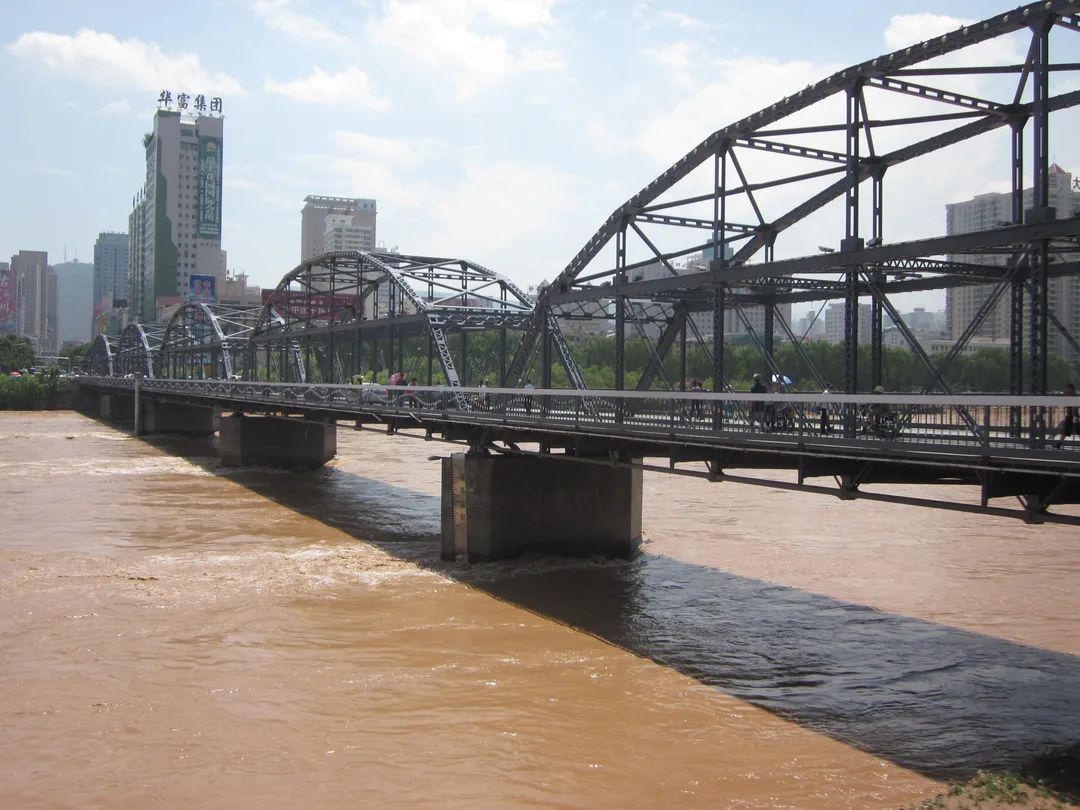
중산교中山桥
중산교(中山橋)는 란저우 시내에서 황허를 건너는 길이 234m 강철 다리로, 시안-란저우 철도 연장 사업의 일환으로 1907년 독일 엔지니어들이 지었습니다. 황허에 놓인 최초의 영구 교량이자 수십 년간 란저우의 유일한 도하 통로였습니다. 다리는 선명한 붉은색으로 칠해져——갈색 강물과 회색 란저우 스카이라인과 극명한 대비를 이룹니다. 오늘날 보행자 전용이며, 강과 북안의 바이탑산(白塔山)을 찍는 방문객들이 늘어서 있습니다.
Lanzhou · 여행 가이드2026-10-19
빠른 답변
중산교에 갈 가치가 있나요?
황허 최초의 철교(1907년)——지금은 보행 산책로가 된, 중국 두 번째로 긴 강에 놓인 란저우 시내의 유명한 붉은 다리. 무료. 30분.
핵심 정보
| 입장료 | 무료 |
|---|---|
| 관람 시간 | 24시간 개방 |
| 권장 관람 시간 | 건너기와 사진에 30분. 바이탑산 공원과 함께면 2~3시간. |
| 방문 최적기 | 저녁엔 황허 노을. 봄가을은 기온이 쾌적합니다. |
| 교통 방법 | 지하철 1호선 시관스쯔(西关什字)역——남문까지 200m. 란저우 기차역에서: 버스 1번 또는 31번(1위안, 20분). |
| 영어 안내 표지 | 있음 |
| 휠체어 접근 | 있음 |
| 건설 | 1907년(청대, 독일 엔지니어) |
| 길이 | 234m |
| 형식 | 강철 아치교 |
| 옛 이름 | 중산교(1922년 정식 명명) |
| 현황 | 2014년부터 보행자 전용 |
볼거리와 체험
다리는 란저우 분지에서 강폭이 가장 좁은 지점에서 황허를 건너, 남안 구도심과 북안 바이탑산(白塔山)을 연결합니다. 현재의 다리는 수백 년간 운영된 나루터를 대체했으며, 상하류 수백 킬로미터에서 유일한 도하점이었습니다. 강철 구조물은 독일에서 제작되어 톈진으로 선적된 뒤 철도와 소수레로 란저우까지 운반되었습니다——20세기 초 물류의 위업입니다.
여기의 강물은 대개 기대하는 탁한 격류가 아닙니다——란저우의 황허는 비교적 맑고(2023년 수십 년 만에 2급 수질), 도시는 양안 강변 공원에 막대한 투자를 해왔습니다. 북문 뒤 바이탑산(白塔山)은 작은 공원으로 12세기 불탑이 있으며 다리와 강을 내려다봅니다.
2014년 보행자 전용 전환은 논쟁적이었습니다——그전까지 백 년 넘게 현역 도로교였으므로——하지만 체험은 훨씬 나아졌습니다: 차가 없으니 다리 한가운데 서서 양방향 강경을 마음껏 찍을 수 있습니다.
교통 방법
지하철 1호선 시관스쯔역——다리 남문까지 도보 200m. 란저우 기차역에서: 1번 또는 31번 버스(1위안, 20분). 란저우 시내에서 디디: 15~20위안.
포토 스팟
- 남안 강변에서 다리 전체를——갈색 물 위에 걸린 유명한 붉은 다리
- 다리 한가운데서 북쪽 바이탑산 바라보기
- 저녁——다리는 붉게 점등되고 강변 공원도 조명됩니다
- 바이탑산 정상——위에서 내려다보는 다리의 파노라마
팁
- 다리를 건넌 뒤 바이탑산(白塔山)에 오르세요——정상까지 20분이고 다리와 강의 최고 전망
- 간쑤성 박물관(무료, 2시간, 지하철 1호선)과 묶어 란저우 반나절로
- 다리와 강변 공원은 저녁(18~20시)이 가장 분위기 있고, 점등되며 현지인이 산책합니다
- 란저우 명물 소고기 국수(란저우 라몐) 유명 지점들이 다리에서 도보 거리에 있습니다
주요 사기 수법
- 황허의 비공식 유람선——흐름이 작은 배에는 너무 셉니다
자주 묻는 질문
란저우에서 황허를 건너는 유일한 방법인가요?
아니요——이제 여러 다리가 있지만 중산교가 가장 중심적이고 역사적 의미가 큽니다. 보행자 전용이며 산책로를 갖춘 유일한 다리입니다.
바이탑산은 무엇인가요?
바이탑산(白塔山)은 황허 북안, 중산교 바로 북쪽의 작은 산 공원입니다. 정상에 수차례 재건된 12세기 티베트 불교 탑이 있으며 다리와 강의 파노라마를 내려다봅니다. 입장 무료. 오르는 데 30~45분 보세요.
중산교 방문 최적 시간은?
저녁(18~20시)이 가장 분위기 있습니다——다리가 붉게 점등되고 현지인들이 강변 산책에 모입니다. 다리에서 보는 일몰이 특히 인상적입니다. 봄가을이 걷기 가장 쾌적한 기온입니다.