Ningbo · Visitor Guide

Tianyi Pavilion (天一阁, Tiānyī Gé)

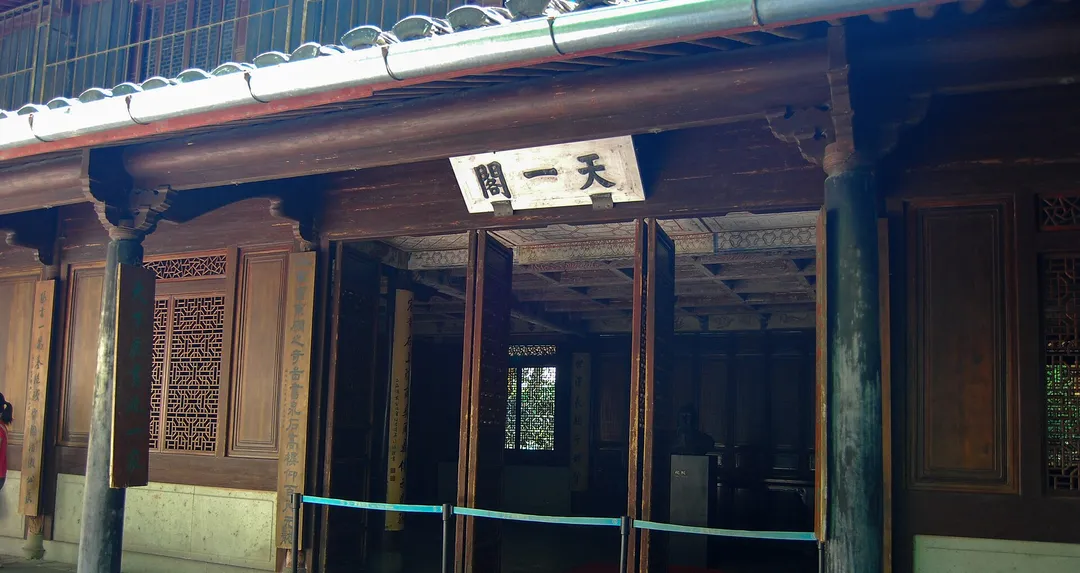
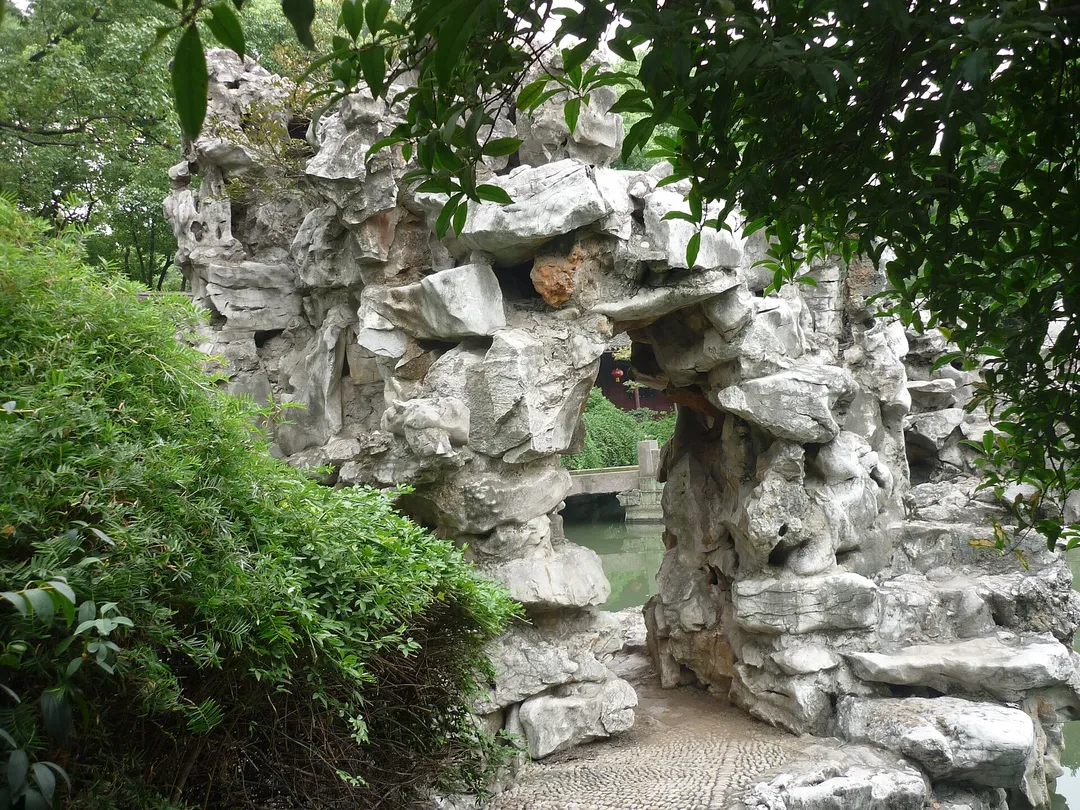
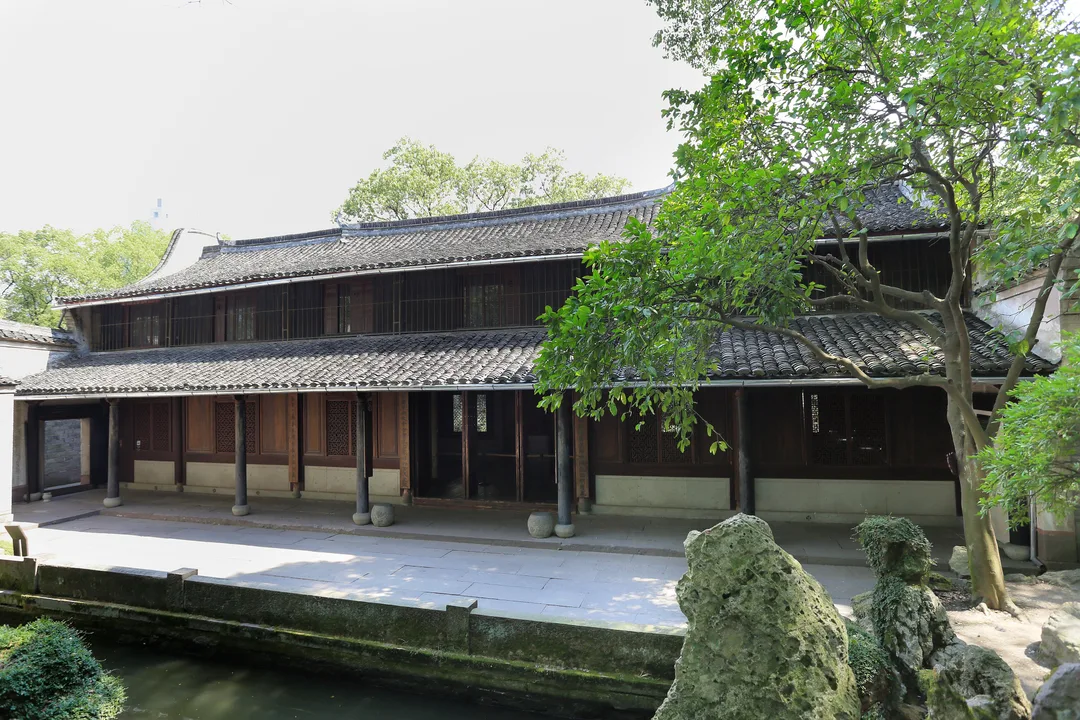
Tianyi Pavilion (天一阁) is the oldest surviving private library in China, founded in 1561 by Fan Qin, a Ming dynasty scholar-official and bibliophile, on his estate in Ningbo. The library was built around a core collection of 70,000 books and has been expanded and preserved continuously since. The complex now includes the original Ming dynasty library building, the Qin family residence (with a secondary library of 80,000 more books), several traditional gardens, and the Bao family's residence. UNESCO inscribed it on the Memory of the World Register in 2003.

Last updated:

Tianyi Pavilion travel photo

Quick Answer

Is Tianyi Pavilion worth visiting?

China's oldest private library, founded 1561 by Fan Qin, with 70,000 antique books in a Ming dynasty garden. ¥30. 1–2 hours. UNESCO Memory of the World site. A scholarly sanctuary in the Zhejiang coast.

Quick facts

Ticket¥30 (as of 2026); children under 1.4m free. Combined ticket with nearby GuLou ¥40.
Hours08:30–17:30 (April–October), 08:30–17:00 (November–March). Closed Monday.
Recommended duration1–2 hours.
Best time to visitSpring (March–May) and autumn (September–November) for comfortable temperatures. Weekday mornings for quiet scholarly atmosphere. Avoid Chinese public holidays.
How to get thereCity Bus 2, 9, 10, 202, 371 to Tianyi Ge (天一阁站). Metro Line 1 to Dongmen (东门口) Station, Exit A, then 10-minute walk. A DiDi within Ningbo costs ¥10–15.
English signageyes
Wheelchair accessiblelimited
Founded1561 by Fan Qin (范钦)
Original collection70,000 antique books
Current total800,000+ books (including added collections)
UNESCO statusMemory of the World Register, 2003
Architecture styleMing dynasty scholar garden + Qing dynasty additions
Location

What to expect

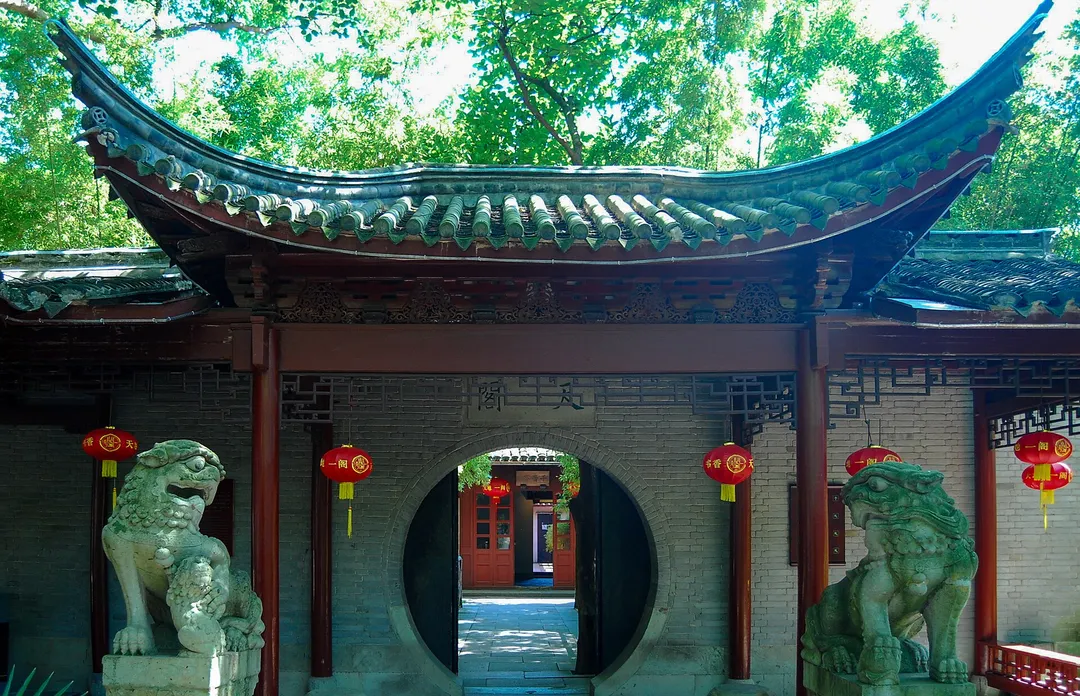
Tianyi Pavilion was built in 1561 by Fan Qin, a scholar-official who spent his career collecting books. He designed the garden and library according to the principles of yin-yang and the Five Elements: the name "Tianyi" refers to the primordial unity of heaven and earth, and the design includes a pool (representing water) and a fire-proof layout — a deliberate measure, given that most private libraries of the era were destroyed by fire. The original Ming building has survived intact and still houses its original core collection. The library's famous inscription "Qin shi tianyi" (秦氏天一阁) carved above the entrance gate was written by a Qing dynasty calligrapher.

After the Fan family's fortunes declined, the library was preserved through a series of difficult periods, including a dramatic episode during the Taiping Rebellion when the family evacuated the books to Shanghai for safekeeping. The collection was returned and expanded over subsequent generations, and the Fan family's private residence and the adjacent Bao family residence were incorporated into the complex. Today the site covers 23,000 m² and includes the original Fan residence, the library proper, the Qin family residence, and the Bao family residence — each with their own gardens, pavilions, and collections.

How to get there

City Bus 2, 9, 10, 202, or 371 to Tianyi Ge stop. Metro Line 1 to Dongmen (东门口) Station, Exit A — the pavilion is a 10-minute walk north. A DiDi within Ningbo costs ¥10–15.

Best photo spots

Tips

Scams to avoid

Frequently asked questions

Is Tianyi Pavilion worth visiting?

Yes — it is the oldest surviving private library in China, a UNESCO Memory of the World site, and a beautifully preserved scholar garden. The history of how Fan Qin's books survived fires, wars, and political upheaval is a story in itself.

How long do I need?

1–2 hours. The garden and library complex is manageable in 90 minutes at a good pace.

Is Tianyi Pavilion wheelchair accessible?

Partially. The main paths are accessible, but the original library interior and some stepped garden areas are not.

Read next

Other things to do in Ningbo

Sources