Xuedou Mountain雪窦山
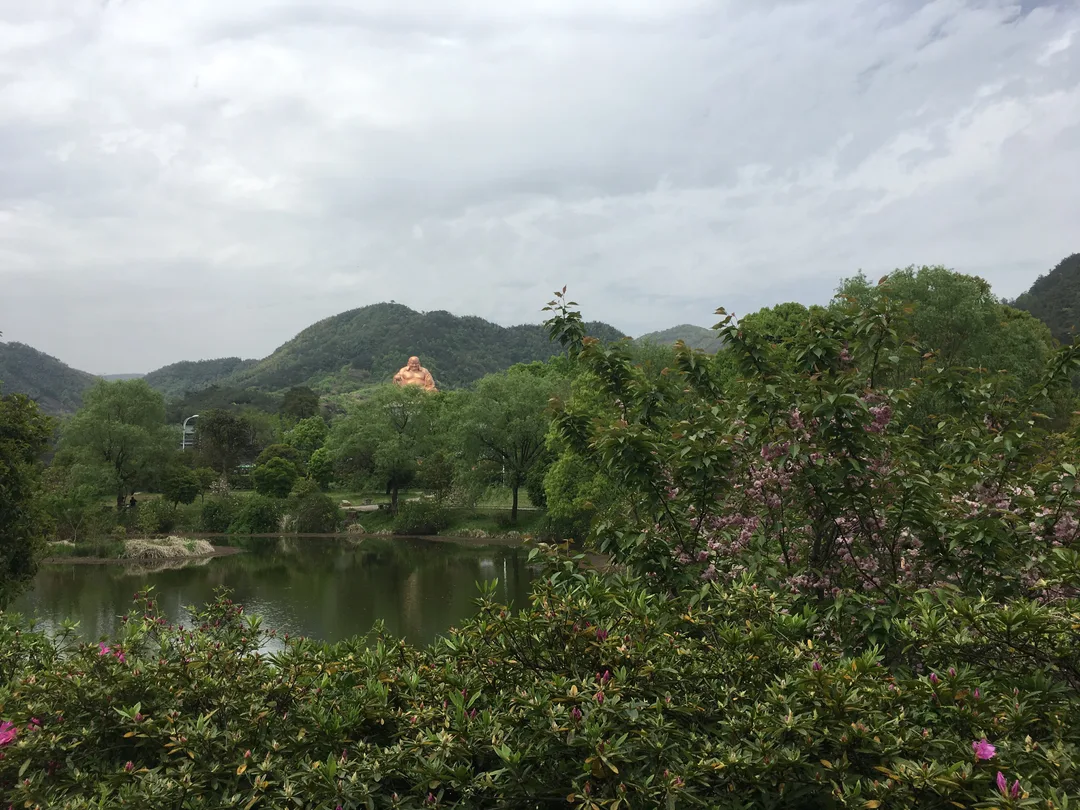
Xuedou Mountain sits in Yin County (Yinxian), the western lobe of Ningbo, and ranks among the Four Sacred Buddhist Mountains of Chinese folk tradition — the others being Wutai, Emei, and Jiuhua. Its main draw is the 56.74 m bronze Maitreya (the Laughing Buddha) at Chanyuan Temple, surrounded by forested ridges, waterfalls, and cliff paths. It is one of Zhejiang's most-visited nature-Buddhism combinations and gets noticeably quieter midweek.
Ningbo · Visitor Guide2026-10-18

Quick Answer
Is Xuedou Mountain worth visiting?
Xuedou Mountain is a roughly 52 km² Buddhist peak about 50 km southwest of Ningbo city center, capped by a 56.74 m bronze Maitreya statue.
Quick facts
| Ticket | 150 CNY entrance + 30 CNY scenic bus + 50 CNY round-trip cable car = ~230 CNY per person (as of 2026, verify at ticket window — peak holiday surcharges sometimes apply). |
|---|---|
| Hours | 08:00–17:00, last cable car up around 16:00. Closes on occasional winter maintenance days; check before going in February. |
| Recommended duration | Full day — 8 to 10 hours including transport from Ningbo. Cable car plus three main valleys (Sanxie, Xuedou, Qianzhu) realistically need 5–6 hours on-site. |
| Best time to visit | Late March to mid-May and mid-September to late November. Avoid Golden Week (Oct 1–7) and the first three days of Chinese New Year — parking and cable-car queues exceed 90 minutes. Summer is hot and humid; winter can ice up the cliff paths after rain. |
| How to get there | Metro Line 1 to Xujiacao Changle (徐家漕长乐) then a DiDi ~50 km, ~CNY 180–220; OR Ningbo Railway Station south square direct tourist bus 988 (every 30 min, ~CNY 35, 70 min). Self-drive via G15 expressway to Yin exit is fastest on weekdays. |
| English signage | Partial |
| Wheelchair accessible | No |
| Area | ~52 km² scenic area, peak elevation 800 m |
| Buddha height | 56.74 m bronze Maitreya, completed 2008 |
| Buddhist status | One of China's Four Sacred Buddhist Mountains (folk tradition, not UNESCO) |
| Distance from Ningbo | ~50 km southwest, 60–80 min by car |
| Temple founded | Chanyuan Temple rebuilt in current form 1925, Maitreya statue added 2008 |
| Highest peak | Mingyue Peak (明月峰), 800 m |
What to expect
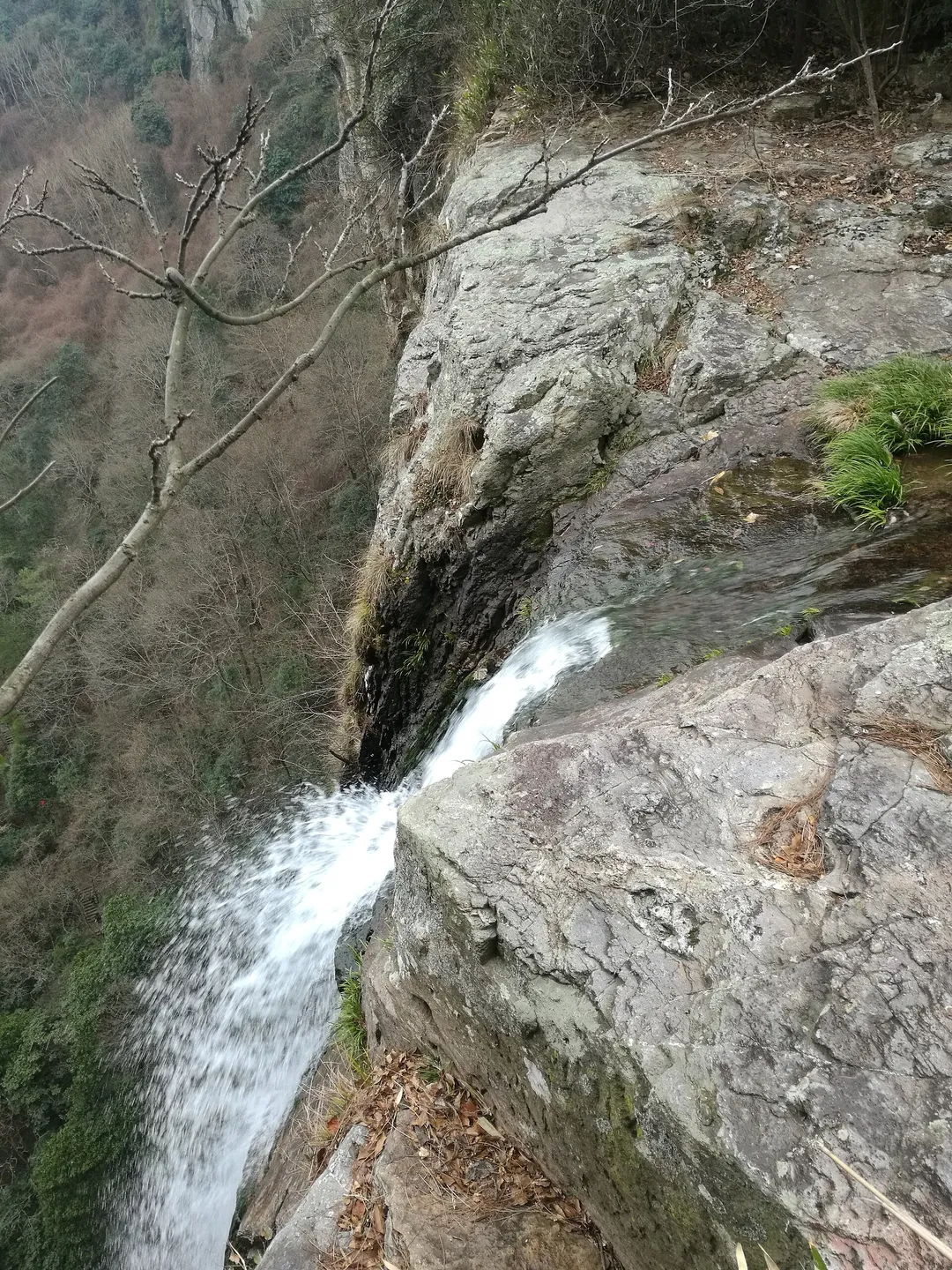
What to expect: most visitors take the scenic bus from the entrance gate to the Xuedou Valley trailhead, then walk the 2 km plank-and-stone loop past Niutou Shan waterfalls, transfer to the cable car, and walk 15 minutes up to the giant Maitreya at Chanyuan Temple. The Three Valleys (Sanxie, Xuedou, Qianzhu) take more time than most day-trippers budget — pick one or two rather than racing all three. The summit Maitreya sits on a broad plaza with a small museum and a vegetarian noodle counter; the statue is hollow and you can climb inside to a viewing platform at chest height, which is the part most guidebooks skip.
History and significance: Xuedou Mountain has been a Buddhist site since the Tang dynasty, but the current Maitreya statue is entirely modern — completed in 2008 after nine years of construction, funded largely by overseas Chinese donations through the Singapore Buddhist Federation. It sits at the geographic center of the Four Sacred Mountains of Chinese folk Buddhism (Wutai, Emei, Putuo, and Xuedou's Maitreya), which gives the site a soft legitimacy but no UNESCO or state-level religious ranking — local monks are quick to clarify that the "four mountains" designation is devotional, not official.
Practical reality: weekday crowds are modest (a few thousand visitors per day), weekends in autumn draw 15,000–25,000 and cable-car queues hit 60–90 minutes after 10:00. The cable car closes in high winds without warning — a non-trivial risk if you only have one day. Mobile signal (China Mobile) is reliable, but food inside the scenic area is expensive and mediocre: plan to eat in Yin town before or after, not at the summit. There is no wheelchair-accessible path beyond the bus drop-off; the Buddha plaza has one ramp but the cliff trails are stone steps.
How to get there
From Ningbo city center, three reasonable options: (1) Tourist bus 988 from the south square of Ningbo Railway Station (宁波站南广场), runs every 30 min from 07:00 to 16:30, fare CNY 35, 70 min direct to the scenic-area entrance. (2) Metro Line 1 to Xujiacao Changle Station (徐家漕长乐站, Exit B), then a DiDi ~50 km — 60 to 80 min on the G15 expressway, expected fare CNY 180–220 each way. (3) Self-drive via G15 Shenhai Expressway, exit at Yin (鄞), then County Road 33 — about 60 min from central Ningbo outside peak hours. From Fenghua district it is only ~30 km; bus 25 runs to the scenic gate for CNY 10. Return buses stop running around 17:30 — do not miss the last 988, taxis back to Ningbo are scarce and surge-priced.
Best photo spots
- The Maitreya Buddha plaza at 09:00 with low-angle morning sun on the bronze — the face is fully lit and the parking lot is still empty.
- Niutou Shan waterfall bridge, looking upstream: the spray creates a permanent rainbow between 11:00 and 14:00 in summer.
- Qianzhu (Thousand Bamboo) Valley boardwalk, mid-section: vertical bamboo lines with a sliver of sky, works in any weather.
- Inside the Maitreya statue at the chest-level viewing platform, looking out through the Buddha's "eyes" — almost no one knows this is open to visitors.
Tips
- Buy the bundled ticket (entrance + bus + cable car) at the gate — separate tickets exist but you'll waste 30 minutes lining up twice.
- Cable car queues after 10:30 on weekends exceed one hour; arrive at the gate by 08:00 and you'll be on the summit by 09:30.
- Vegetarian noodle counter near the Maitreya is overpriced (CNY 35–45) and average — better to bring your own snacks, water, and a packed lunch.
- Wear shoes with real grip: the cliff paths stay wet under tree cover and several tourists turn ankles every week, especially in the Three Valleys section.
- If you have time, the small museum beneath the Buddha has a free 20-minute audio guide (Chinese only) explaining the 2008 construction — most foreign visitors walk past it.
Scams to avoid
- Unofficial "guides" at the bus station and at the scenic-area gate offering to skip the cable-car queue — there is no fast pass, they will collect CNY 50–100 and disappear.
- Aggressive incense sellers near Chanyuan Temple push CNY 200 "blessing packages"; the temple itself charges nothing and the incense counter inside is clearly priced.
- Drivers at Yin exit offering "discount" return-taxi rides to Ningbo around 16:00 — fix a price in writing, otherwise the meter can run to CNY 350+ on a slow evening.
Frequently asked questions
How tall is the Xuedou Mountain Maitreya Buddha?
56.74 meters (about 186 feet) of bronze on a stone pedestal, completed in 2008 after roughly nine years of work. You can climb inside to a viewing platform at chest height.
What is the entrance ticket price for Xuedou Mountain in 2026?
Expect about CNY 150 for the entrance plus CNY 30 for the scenic bus and CNY 50 round-trip for the cable car, totaling roughly CNY 230 per person; verify at the gate, since peak-period surcharges appear occasionally.
Is Xuedou Mountain a UNESCO World Heritage Site?
No. It is one of the Four Sacred Buddhist Mountains in Chinese folk tradition (with Wutai, Emei, and Jiuhua), but the listing is devotional rather than official, and it is not on the UNESCO World Heritage list.
How long do I need at Xuedou Mountain?
A full day, 8 to 10 hours including the round trip from Ningbo. On-site, plan 5–6 hours if you want to see one or two of the Three Valleys plus the Maitreya Buddha.
What is the easiest way to get from Ningbo to Xuedou Mountain without a car?
Tourist bus 988 from the south square of Ningbo Railway Station, every 30 minutes, CNY 35, about 70 minutes direct to the entrance gate. The last return bus leaves around 17:30.
Can I take the metro to Xuedou Mountain?
No direct metro. Take Metro Line 1 to Xujiacao Changle Station (徐家漕长乐, Exit B) and then a DiDi about 50 km — 60 to 80 minutes and roughly CNY 180–220 each way.
Is Xuedou Mountain accessible for wheelchairs or strollers?
Only partially. The bus drop-off, Maitreya plaza, and one short ramp at the Buddha base are accessible, but every cliff path, valley boardwalk, and the cable-car station involve stone steps — there is no wheelchair route beyond the main plaza.
When is the best time to visit Xuedou Mountain?
Late March to mid-May for spring foliage, and mid-September to late November for autumn colors and cooler hiking. Avoid Golden Week (October 1–7) and the first three days of Chinese New Year, when cable-car queues regularly exceed 90 minutes.
Are there English signs and audio guides at Xuedou Mountain?
Partial. Major trail signs and the cable-car station have English, but valley trail markers and the small museum audio guide are Chinese-only. Bring a translation app if you want the historical detail.
Can I climb inside the Maitreya Buddha statue?
Yes. There is a stair inside the statue leading to a viewing platform at roughly chest height, with windows looking out through the Buddha's "eyes." Access is included in the entrance ticket and is almost always empty.
Read next
Other things to do in Ningbo
Ningbo Museum
Wang Shu's prize-winning Ningbo Museum covers 30,000 m² of regional history and is one of China's most architecturally distinctive civic museums — plan 2 to 3 hours, and entry is free.
Tianyi Pavilion
China's oldest private library, founded 1561 by Fan Qin, with 70,000 antique books in a Ming dynasty garden. ¥30. 1–2 hours. UNESCO Memory of the World site.
Tianyi Pavilion
China's oldest surviving private library, founded in 1561 by Fan Qin during the Ming dynasty, with 30 CNY entry (verify) and easily worth 2–3 hours for the gardens alone.