Zhangye · natural museum
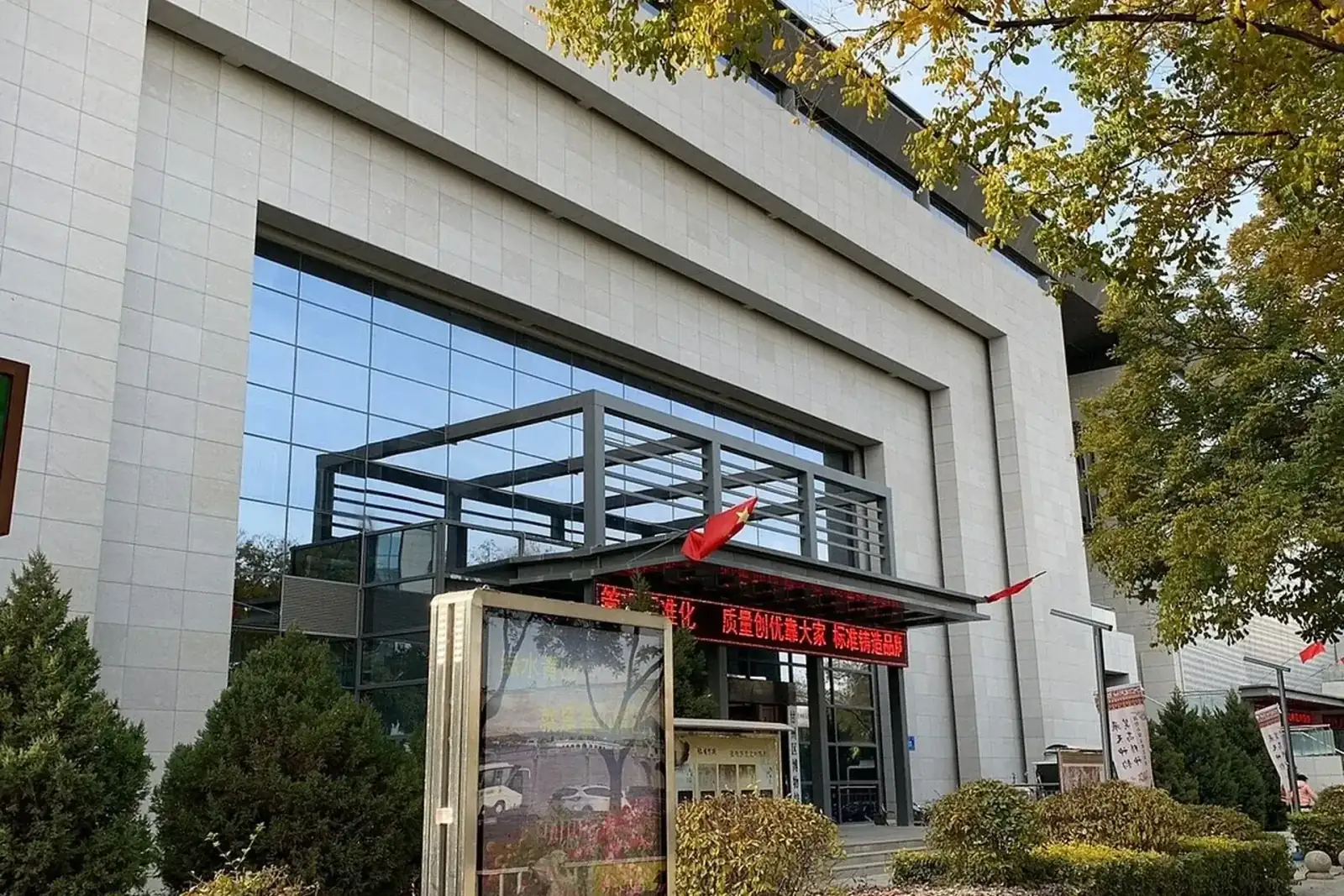
Zhangye Danxia Geological Museum (张掖七彩丹霞博物馆, Zhāng Yè Qīcǎi Dānxiá Bówùguǎn)
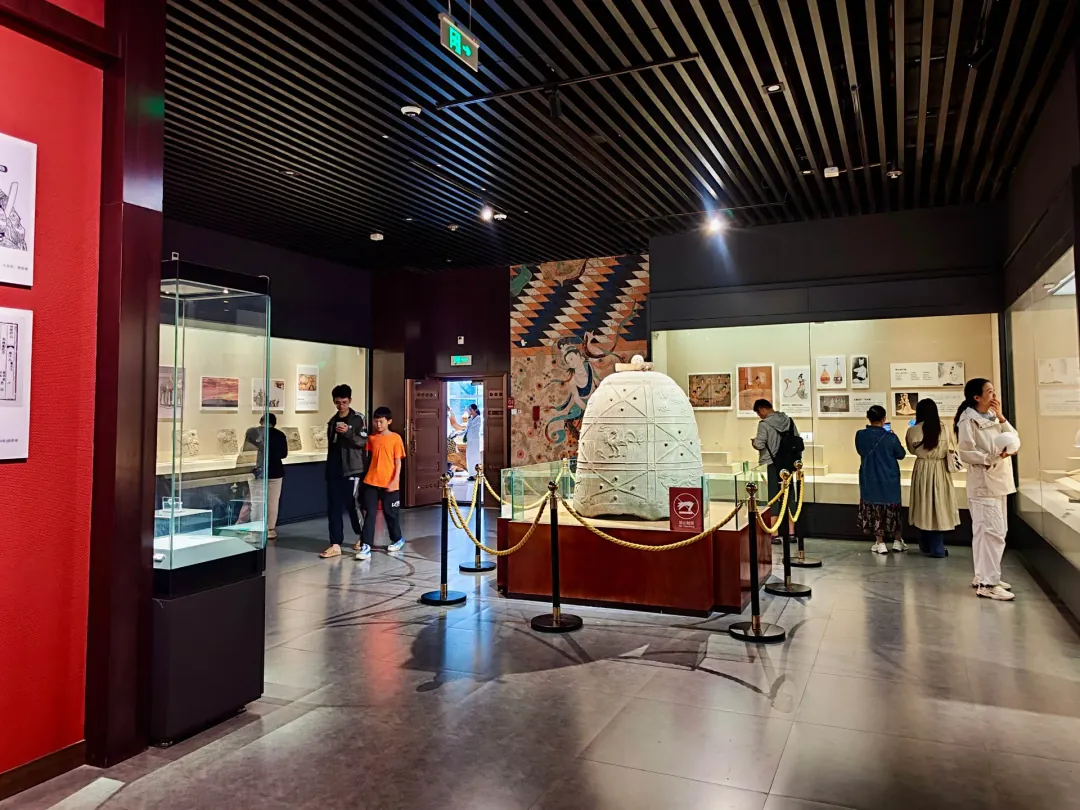
The Zhangye Danxia Geological Museum (张掖七彩丹霞博物馆) is at the entrance to the Zhangye Danxia Scenic Area (张掖七彩丹霞旅游景区), which contains the world's most spectacular examples of Cretaceous-era "Danxia" (丹霞) red-colored sandstone formations. The museum explains: (1) the geological process that created the colorful sandstone - 100 million years of sedimentary deposition and tectonic uplift; (2) the unique mineral composition that creates the red, orange, yellow, green, and blue bands; (3) the biology of the Qilian Mountains ecosystem; (4) the Silk Road history of the Zhangye area.
Last updated:

Quick Answer
Is Zhangye Danxia Geological Museum worth visiting?
China's most colorful geological museum at the edge of the Rainbow Mountain (七彩丹霞) - the world's most spectacular Cretaceous sandstone formations. ¥80 combined with scenic area.
Quick facts
| Category | natural |
|---|---|
| Ticket | ¥80 (includes scenic area + museum). Children under 1.4m or 6 years old free. Tickets via the official website or at the gate. |
| Hours | Scenic area: 6:00-20:00 (summer), 7:00-18:00 (winter). Museum: 8:30-18:00. The scenic area is open year-round. |
| Recommended duration | 2-4 hours including the scenic area. |
| Best time to visit | June through September - the colors are most vivid after rain and before winter. Summer has long daylight hours allowing visits until 20:00. Winter is cold (below freezing at night) but the Danxia formations are still visible in daylight. Avoid Chinese holidays when the site is extremely crowded. |
| How to get there | The Danxia Scenic Area is 40km west of Zhangye city. Bus 1 (旅游专线1号线) departs from Zhangye Railway Station (张掖站) and Zhangye West Station (张掖西站) near the city center. Bus fare: ¥10-15. DiDi from Zhangye city: ¥80-120 one-way. |
| English signage | partial |
Why visit
The Zhangye Danxia formations are one of the most visually spectacular geological phenomena in China - the multi-colored sandstone mountains look like a painter's palette dropped across a mountain landscape. The museum provides the geological context that makes the experience more meaningful.
Collection highlights
- "Rainbow Mountain" (七彩山) formations - the most colorful section of the Danxia with bands of red, orange, yellow, green, blue, and purple sandstone
- Geological cross-section display - showing the 100-million-year layered deposition of sandstone that creates the colorful bands
- "Five-Color Platform" (五彩台) viewpoint - the highest viewpoint in the scenic area with panoramic views of the Danxia formations
- Silk Road archaeology context - the museum explains the Zhangye area's role as a key Silk Road stop between the Hexi Corridor and Dunhuang
- Window (窗棂) Danxia formations - distinctive pillar-like Danxia formations that resemble window frames carved by 25 million years of wind erosion
- Sunset viewing platform - the best sunset viewing spots in the Danxia area, considered among the most beautiful sunsets in China
Tips
- The best light for viewing the colors is in the morning (8:00-11:00) and evening (17:00-20:00) - midday sun makes colors look washed out
- The site has multiple platforms connected by boardwalks - the full loop takes 2-3 hours
- Bring sun protection - there is little shade in the Danxia area
- Photography is excellent with a phone camera - no special equipment needed
- Combine with the Binggou (冰沟) Danxia - a second Danxia area with more distinctive pillar formations, 20km north
- Zhangye is on the high-speed rail line between Lanzhou (west) and Dunhuang (west) - it is easy to include in a Gansu itinerary
- The nearby Mogao Grottoes-type experience is the Maijishan (麦积山) Cave temples - 5 hours by train from Zhangye
Frequently asked questions
How were the Danxia formations created?
The Danxia formations are 100 million years old - Cretaceous-period sandstone deposited in layers that were later uplifted by tectonic activity. The different colors (red, orange, yellow, green, blue) come from different iron oxide and mineral content in each layer. 25 million years of wind and water erosion carved them into the distinctive pillars, cliffs, and towers visible today.
Is Zhangye Danxia the same as the Rainbow Mountains in Peru?
No - they are different geological phenomena. Zhangye Danxia is Cretaceous sandstone in China's Qilian Mountains. The Rainbow Mountains in Peru (Vinicunca) are a glacial mountain whose colors come from different mineral deposits. Both are visually spectacular but have completely different geological origins.
Does the museum have English signage?
Partial - the museum has some English labels. The scenic area has limited English. No English audio guide as of 2026.
Can I visit Zhangye and Dunhuang together?
Yes - Zhangye is 2 hours by high-speed train from Dunhuang. The ideal combined itinerary is: Day 1 arrive Zhangye, afternoon/evening Danxia; Day 2 morning Zhangye Danxia + museum + afternoon train to Dunhuang.
Read next
Other things to do in Zhangye
Giant Buddha Temple (Dafo Temple)
China's largest indoor reclining Buddha (34.5 m) sleeps in a 1,770 m² Western Xia hall built in 1098. ¥40. Allow 60–90 minutes, half a day if you also visit the attached Zhangye Museum.
Mati Temple
A 1,600-year-old cliff-carved Buddhist grotto complex 65 km south of Zhangye, best experienced in a long day that includes the vertiginous Thirty-Three Heavens climb and a Jinta Temple side trip.
Zhangye Danxia National Geopark
Striped sandstone hills in red, yellow, green, and blue spread across a 510 km² UNESCO Global Geopark — the result of 24 million years of mineral deposition folded on its side. Allow 3-4 hours and arrive by 14:00 so you reach Platform 4 for the sunset color shift.