This page is archived and no longer updated — see the current guide: See the current guide
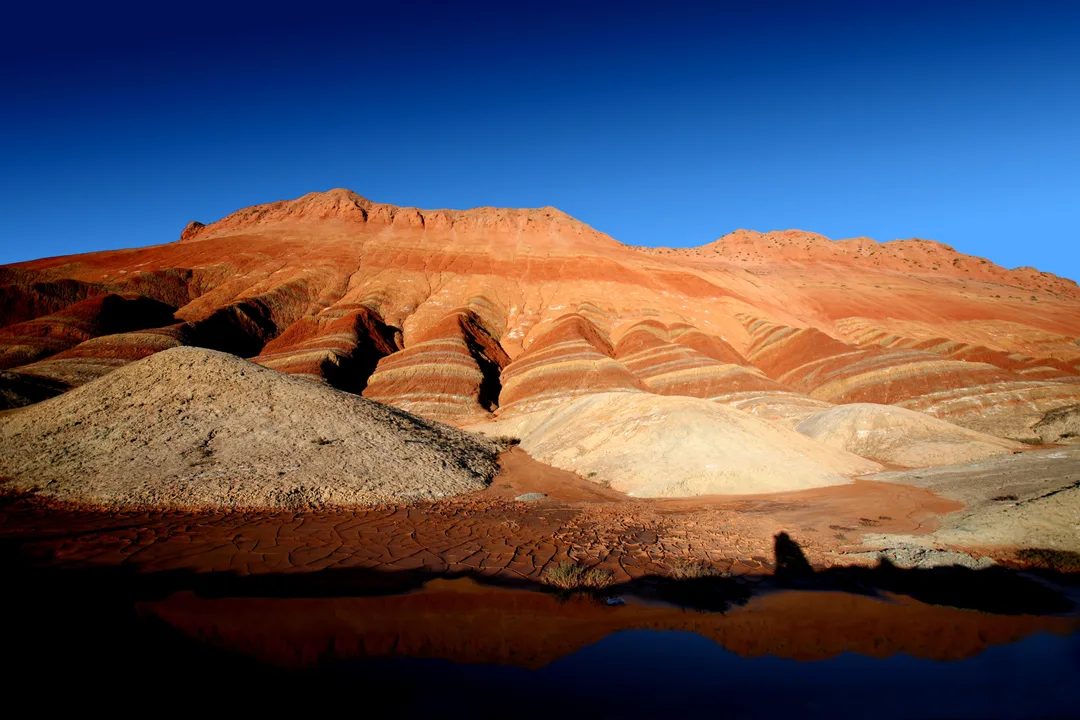
Zhangye Danxia Landform (Rainbow Mountains)张掖丹霞
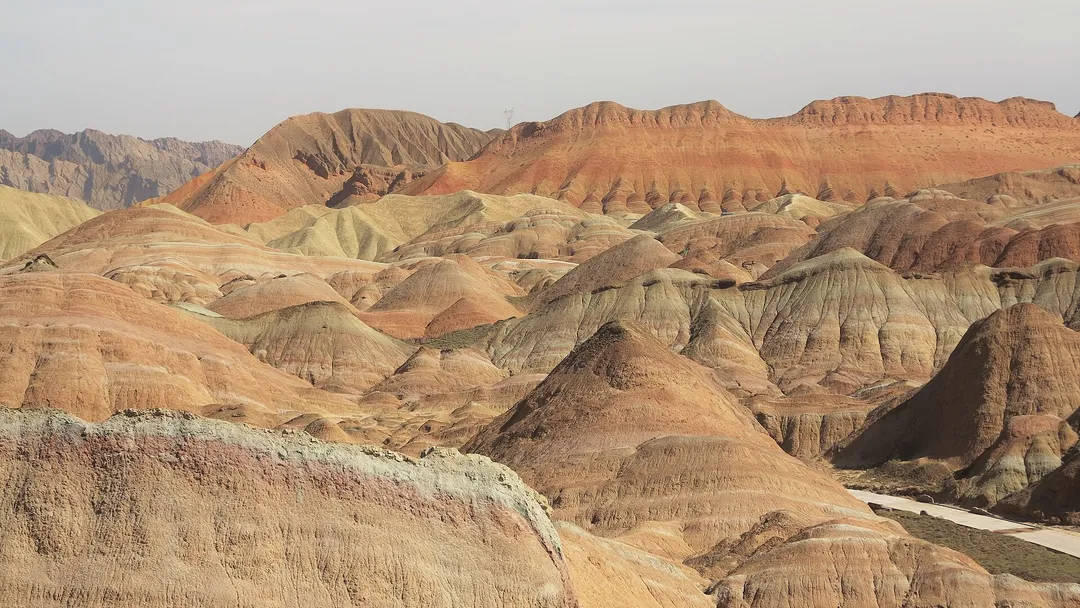
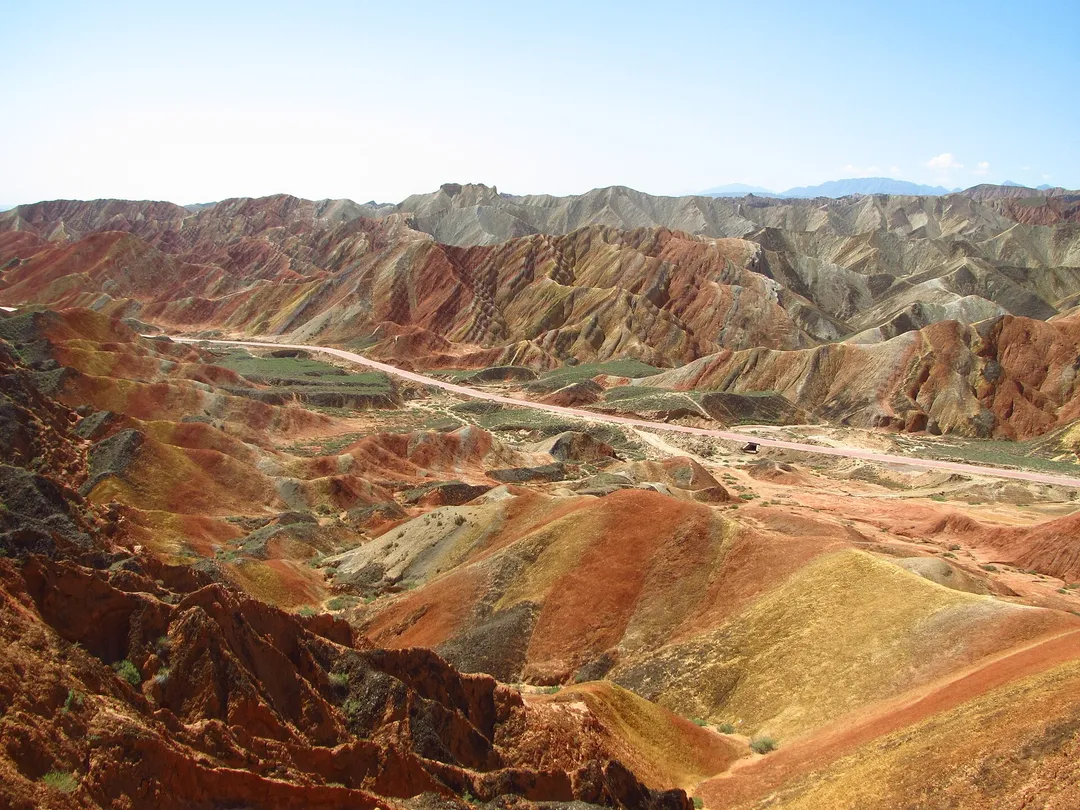
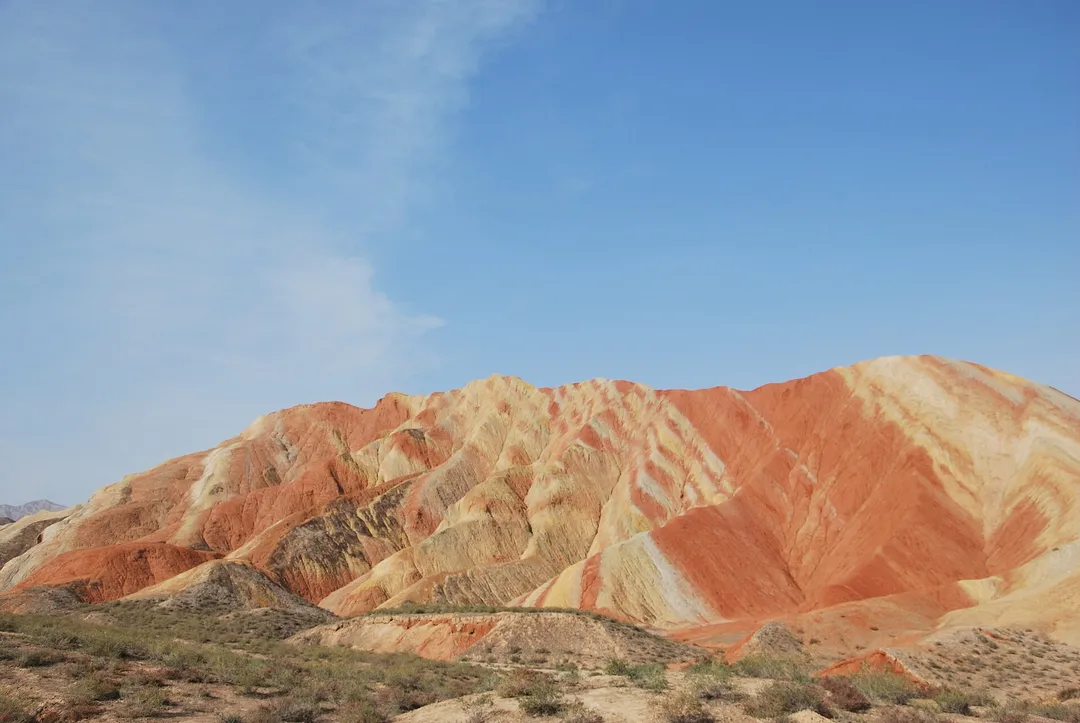
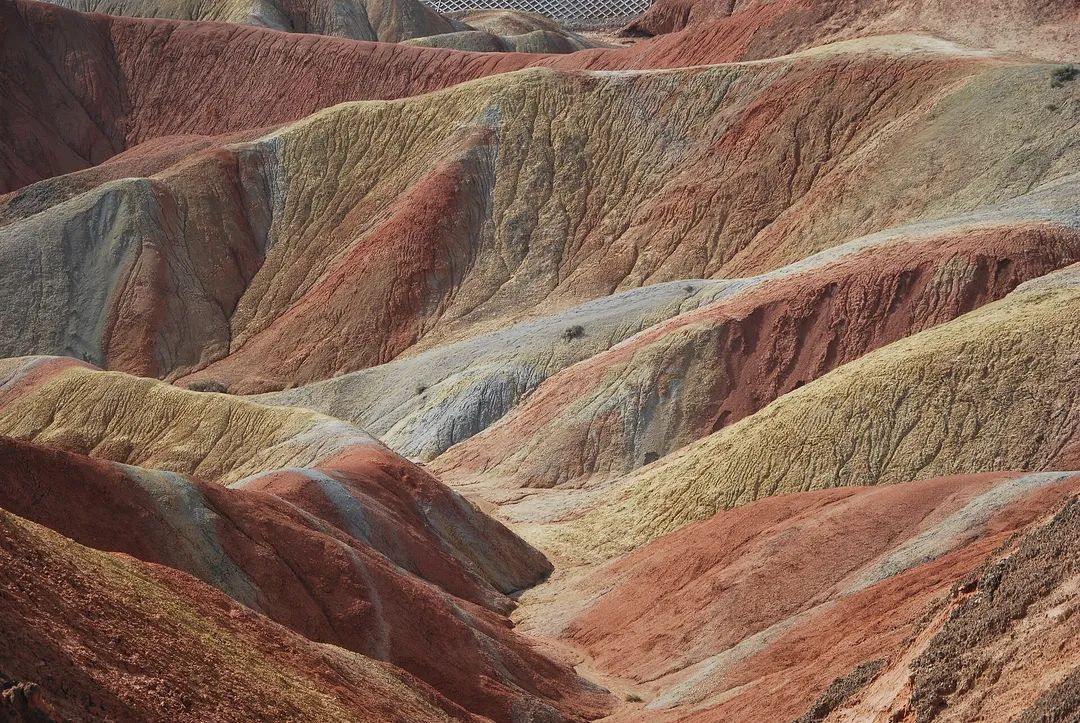
Zhangye Danxia (also called Rainbow Mountains) is a 510 km² area of red sandstone and mineral deposits formed 24 million years ago, eroded into the most vividly colored rock formations in the world. The colored stripes — red, orange, yellow, green, blue — come from iron oxide, limonite, and other minerals deposited in layers over millions of years. It was inscribed as part of the China Danxia UNESCO site in 2010. The park has 4 viewing platforms connected by shuttle bus; Platform 4 at sunset is the definitive photo.
Zhangye · Visitor Guide2026-10-19
Quick Answer
Is Zhangye Danxia Landform (Rainbow Mountains) worth visiting?
China's most photographed geological wonder — rainbow-striped mountains formed 24 million years ago. UNESCO. ¥75. Best at sunset. 3-4 hours.
Quick facts
| Ticket | ¥75 (includes shuttle bus). |
|---|---|
| Hours | 6:30-19:00 (summer) / 7:00-18:00 (winter). |
| Recommended duration | 3-4 hours including shuttle bus between platforms. |
| Best time to visit | Sunset (Platform 4 — the colors are most vivid in late afternoon golden light). June-September for clearest skies. After rain — the colors are more saturated. |
| How to get there | HSR to Zhangye West Station from Lanzhou (3h) or Xi'an (5h). Bus from station to Danxia: 40 min (¥10). Taxi: ¥80-100. DiDi from Zhangye city: 40 min. |
| English signage | Partial |
| Wheelchair accessible | Partial |
| Formed | 24 million years ago |
| Area | 510 km² |
| UNESCO | 2010 (China Danxia) |
| Platforms | 4 viewing areas connected by shuttle |
What to expect
Zhangye Danxia is the most vividly colored landscape in China — stripes of red, orange, yellow, green, and blue sandstone folded and eroded into waves of color. The colors are real (not Photoshopped), but their intensity depends on light: midday sun washes them out; late afternoon golden light makes them glow. After rain, the colors deepen dramatically. The park is well-organized: shuttle buses rotate between 4 platforms. Platform 4 at sunset is where every famous photo is taken.
How to get there
HSR to Zhangye West Station (3h from Lanzhou, 5h from Xi'an). Bus from station: 40 min, ¥10. Taxi: ¥80-100. From Zhangye city: DiDi 40 min, ¥60-80. Most Silk Road tours include Zhangye between Lanzhou and Jiayuguan.
Best photo spots
- Platform 4 at sunset — the classic rainbow panorama
- Platform 2 — closer to the formations, good for detail shots
- Platform 1 — the widest panorama, best in morning light
Tips
- Arrive at 15:00-16:00 and go straight to Platform 4 for sunset
- Check weather — the colors are dramatically better after rain and on clear days
- A polarizing filter helps reduce glare on the sandstone
- The shuttle bus system is efficient — you can't walk between platforms
Scams to avoid
- "Private viewing spots" offered by drivers — the only viewpoints are the 4 platforms, all accessible by park shuttle
Frequently asked questions
Are the colors really that vivid?
Yes — the mineral layers are naturally colored (iron oxide = red, limonite = yellow, chlorite = green). However, photos you see online are typically taken at sunset with enhanced saturation. The real colors are impressive but slightly more muted than the most viral photos. After rain, the colors are noticeably more vivid.
How do I get to Zhangye Danxia?
HSR to Zhangye West Station. Bus to Danxia: 40 min, ¥10. Or taxi ¥80-100. Most visitors arrive as part of a Silk Road tour (Lanzhou → Zhangye → Jiayuguan → Dunhuang).
Best time of day?
Sunset (17:00-19:00 in summer) at Platform 4. The golden light makes the colors pop. Morning light at Platform 1 is also good. Midday sun is harsh and washes out the colors.
How much time do I need?
3-4 hours including shuttle buses. The park is efficient — buses run every 5-10 minutes between platforms. Allow 30-45 min at each platform.
Read next
Other things to do in Zhangye
Giant Buddha Temple (Dafo Temple)
China's largest indoor reclining Buddha (34.5 m) sleeps in a 1,770 m² Western Xia hall built in 1098. ¥40. Allow 60–90 minutes, half a day if you also visit the attached Zhangye Museum.
Mati Temple
A cliff complex of 1,600-year-old grottoes in alpine grassland 65 km from Zhangye, with a horseshoe print attributed to a heavenly horse in one grotto.
Mati Temple
A 1,600-year-old cliff-carved Buddhist grotto complex 65 km south of Zhangye, best experienced in a long day that includes the vertiginous Thirty-Three Heavens climb and a Jinta Temple side trip.