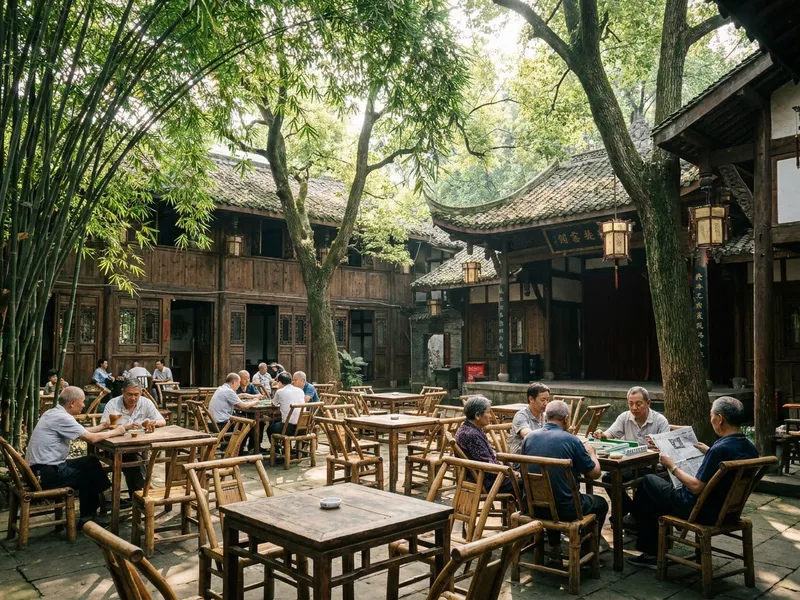
Choose Sichuan if you are
Sichuan
Top reasons to pick this side
- Feinschmecker scharfer Gerichte
- Abenteuerlustige Esser
- Alle, die Chengdu oder Chongqing besuchen
Comparison
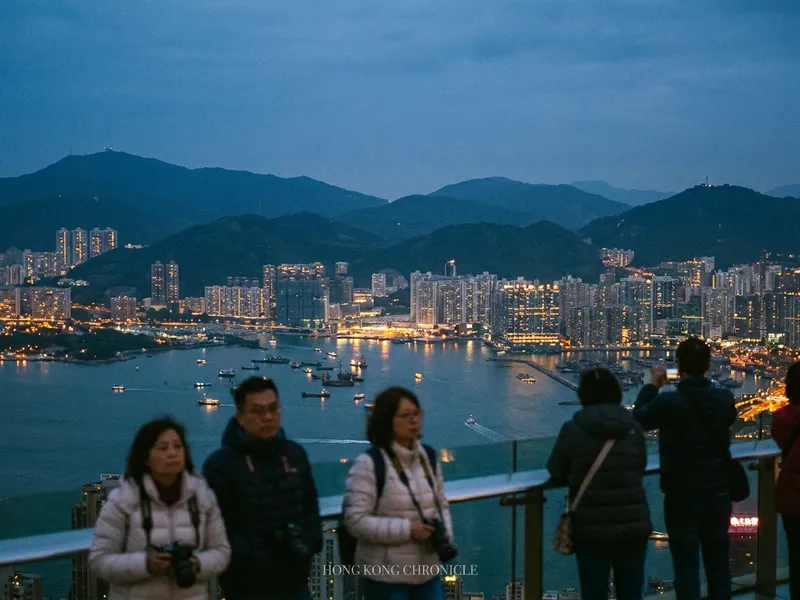
Sichuan für betäubend-scharfe Hitze (Mala) und kräftige Aromen. Kantonesisch für delikates Dim Sum, Bratfleisch und Meeresfrüchte. Zwei der acht großen Küchen Chinas – sehr unterschiedlich.
TL;DR verdict
Quick Answer
For most travelers, Cantonese is the safer pick — but the other side wins on the axes that matter most.
For most travelers, Cantonese is the safer pick — but the other side wins on the axes that matter most for Cantonese.
| Sichuan | Cantonese VERDICT | |
|---|---|---|
| Flavor profile | Betäubend-scharf (mala) — Sichuan-Pfeffer + Chili. | Fein, frisch, leicht gewürzt — unterstreicht die Zutat. |
| Spice level | Sehr scharf — mala-Schärfe baut sich über die Mahlzeit auf. | Mild — Chilipaste auf Wunsch dazu. |
| Signature dishes | Mapo-Tofu, Kung-Pao-Hähnchen, Dan-Dan-Nudeln, Hotpot, zweimal gekochtes Schweinefleisch. | Dim Sum, Char Siu, gebratene Gans, Wonton-Nudeln, Congee. |
| Region | Chengdu, Chongqing, Provinz Sichuan. | Kanton, Hongkong, Shenzhen, Provinz Guangdong. |
| Cooking style | Pfannengericht, Schmoren, Hotpot, trockenes Braten. | Dämpfen, Braten, sanftes Köcheln — bewahrt die Frische. |
| Vegetarian-friendly | Eingeschränkt – viele Gerichte verwenden Schweinefett oder getrocknete Garnelen. | Besser – buddhistische vegetarische Tradition; gedämpftes Gemüse, Tofu, Pilze. |
| Foreigner accessibility | Stark in Chengdu/Chongqing; sonst eher lückenhaft. | Universell – Chinatowns weltweit sind kantonesisch geprägt. |
Bar length reflects the per-axis evidence length; the winner of each axis is highlighted in terra-cotta.
Flavor profile
tie
Sichuan
Cantonese
Spice level
tie
Sichuan
Cantonese
Signature dishes
tie
Sichuan
Cantonese
Region
tie
Sichuan
Cantonese
Cooking style
tie
Sichuan
Cantonese
Vegetarian-friendly
Cantonese wins
Sichuan
Cantonese
Foreigner accessibility
Cantonese wins
Sichuan
Cantonese
Final score
Based on 7 weighted axes. Cantonese edges ahead by 2 of 7.
Pros
Cons
Here's who each destination suits best — pick the side that matches your trip.
Choose Sichuan if you are
Top reasons to pick this side
Choose Cantonese if you are
Top reasons to pick this side
Editor-curated, then same-category, then the rest of the catalog.
Chengdu vs Chongqing
Chengdu for pandas, traditional Sichuan food, and the most relaxed major city in China. Chongqing for the dramatic hill-city skyline, Chongqing hotpot, and the Yangtze River setting. Both are essential for Sichuan food; choose by vibe.
Chengdu vs Xi'an
Chengdu for slow-paced food and panda travel, Xi'an for ancient Silk Road history. Both are essential for a 10–14 day China route — pick based on whether food or history ranks higher for you.
Hong Kong vs Shanghai
Hong Kong is a Special Administrative Region with its own visa regime, English-language default, and Cantonese culture. Shanghai is the mainland's most international city. Both are dense, food-obsessed, and Asian finance centers — but very different in feel.
China vs Vietnam
Vietnam for visa simplicity and Southeast Asia warmth, China for history, HSR network, and food diversity. Both are excellent value but quite different experiences.
China vs South Korea
South Korea for visa simplicity, K-culture, and food quality; China for sheer scale of history, HSR, and regional cuisine variety.
VPN vs eSIM
eSIM for data connectivity, VPN for Western app access. They solve different problems — most travelers need both.
China vs India
China for infrastructure, food safety, and HSR efficiency. India for spirituality, color, and lower costs. Both overwhelm — pick based on your travel style.
China vs Taiwan
Taiwan for English-friendly infrastructure, night markets, and visa simplicity. Mainland China for scale, HSR, and historical depth. Different visa rules apply.
China vs Indonesia
China for imperial history, HSR connectivity, and eight regional cuisines. Indonesia for Bali beaches, Komodo dragons, and Borobudur. Very different trips at similar price points.
China vs Philippines
China for ancient history and HSR efficiency. Philippines for English-friendly island-hopping, diving, and the cheapest beach travel in Asia.
China vs Malaysia
China for ancient history and HSR scale. Malaysia for English-friendly infrastructure, multi-cultural food (Malay, Chinese, Indian), and visa simplicity.
China vs Singapore
China for scale, history, and HSR connectivity. Singapore for English-first infrastructure, hawker food, and the easiest first Asia trip. Very different price points.
Side-by-side reference for the 5 metrics travelers weigh most.
| Metric | Sichuan | Cantonese |
|---|---|---|
| Axes compared | 7 axes · winner: Cantonese | |
| FAQ answered | 4 of the most-asked questions | |
| Wikipedia reference | — | — |
| Category | travel · 70+ comparisons live | |
| Last verified | 2026 rates · editor-reviewed monthly | |
Tell us your travel dates and priorities — we'll help you choose and send a personalized plan within 24 hours.