Choose China if you are
China
Top reasons to pick this side
- Pelancong dengan anggaran terbatas (30-50% lebih murah daripada Jepang)
- Pecinta kuliner yang suka berpetualang (variasi masakan daerah)
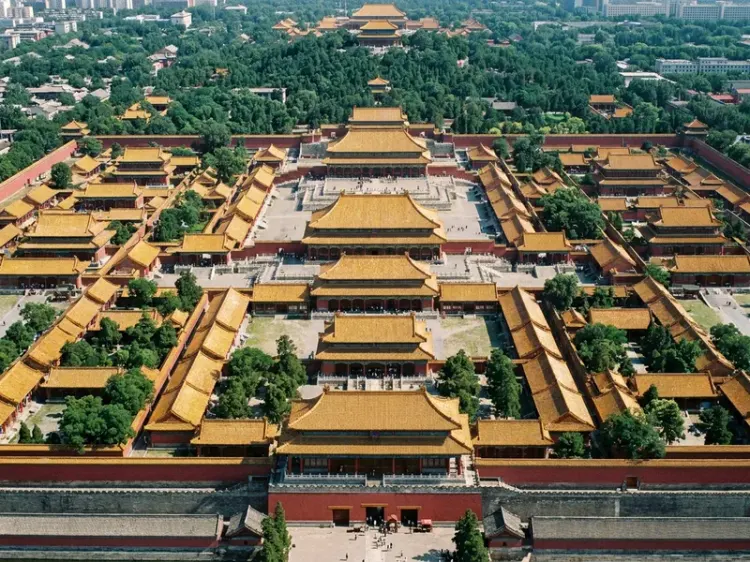
- Penggemar sejarah (5.000 tahun vs 2.000)
Comparison
Tiongkok untuk lanskap dramatis, sejarah 5.000 tahun, dan masakan paling beragam di dunia. Jepang untuk presisi, kehalusan, dan infrastruktur paling efisien di dunia. Keduanya luar biasa. Pendatang baru ke Asia sering memilih Jepang; pelancong dengan anggaran terbatas memilih Tiongkok.
TL;DR verdict
Quick Answer
For most travelers, Japan is the safer pick — but the other side wins on the axes that matter most.
For most travelers, Japan is the safer pick — but the other side wins on the axes that matter most for Japan.
| China | Japan VERDICT | |
|---|---|---|
| Biaya (perjalanan 10 hari kelas menengah) | $2.500-3.500 (tidak termasuk penerbangan internasional). 30-50% lebih murah daripada Jepang. | $3.500-5.500 (tidak termasuk penerbangan internasional). Biaya hidup lebih tinggi, nilai tukar yuan terhadap yen lebih lemah. |
| Visa | Bebas visa 30 hari untuk 38+ negara (per 2026). AS, Inggris, Kanada, Australia, sebagian besar UE. | Bebas visa 90 hari untuk 68+ negara (per 2026). Lebih banyak negara yang memenuhi syarat, durasi lebih lama. |
| Internet | Google, Gmail, YouTube, Instagram, WhatsApp, Facebook SEMUA DIBLOKIR. VPN diperlukan. | Internet terbuka. Tanpa pembatasan. Cukup bawa pocket WiFi atau SIM. |
| Tingkat bahasa Inggris | Terbatas di luar hotel dan tempat wisata. Alipay, DiDi memiliki antarmuka bahasa Inggris. Aplikasi terjemahan Pleco sangat penting. | Cukup luas di kota-kota. Stasiun kereta, restoran, dan museum sering kali memiliki signage dalam bahasa Inggris. |
| Pembayaran | Alipay atau WeChat Pay diperlukan untuk sebagian besar transaksi. Uang tunai jarang. Kartu asing dapat digunakan melalui Alipay Tour Card. | Uang tunai masih umum di toko-toko kecil. Kartu IC untuk transportasi. Kartu internasional diterima secara luas. |
| Transportasi umum | Jaringan HSR terbesar di dunia (45.000+ km). Beijing ke Shanghai: 4,5 jam. Sistem metro yang murah. | Jaringan kereta kelas dunia. Shinkansen (kereta peluru). Tokyo ke Kyoto: 2,5 jam. Sangat bersih. |
| Variasi kuliner | 8 masakan hebat yang mencakup 34 provinsi. Sichuan, Kanton, Hunan, dll. — gaya regional yang sangat berbeda. | Sushi, ramen, tempura, kaiseki — sangat elegan, tetapi variasi regionalnya lebih sedikit. Tokyo vs Kyoto: perbedaan yang halus. |
| Kedalaman sejarah | 5.000+ tahun sejarah yang berkelanjutan. Tembok Besar, Kota Terlarang, Tentara Terracotta, Jalur Sutra. | 2.000+ tahun. Kuil-kuil di Kyoto, kastil samurai, budaya geisha. Arsitektur historis yang paling terawat di luar Eropa. |
Bar length reflects the per-axis evidence length; the winner of each axis is highlighted in terra-cotta.
Biaya (perjalanan 10 hari kelas menengah)
China wins
China
Japan
Visa
Japan wins
China
Japan
Internet
Japan wins
China
Japan
Tingkat bahasa Inggris
Japan wins
China
Japan
Pembayaran
Japan wins
China
Japan
Transportasi umum
Japan wins
China
Japan
Variasi kuliner
China wins
China
Japan
Kedalaman sejarah
China wins
China
Japan
Final score
Based on 8 weighted axes. Japan edges ahead by 2 of 8.
Pros
Cons
Here's who each destination suits best — pick the side that matches your trip.
Choose China if you are
Top reasons to pick this side
Choose Japan if you are
Top reasons to pick this side
Editor-curated, then same-category, then the rest of the catalog.
China vs Vietnam
Vietnam for visa simplicity and Southeast Asia warmth, China for history, HSR network, and food diversity. Both are excellent value but quite different experiences.
China vs South Korea
South Korea for visa simplicity, K-culture, and food quality; China for sheer scale of history, HSR, and regional cuisine variety.
VPN vs eSIM
eSIM for data connectivity, VPN for Western app access. They solve different problems — most travelers need both.
China vs India
China for infrastructure, food safety, and HSR efficiency. India for spirituality, color, and lower costs. Both overwhelm — pick based on your travel style.
China vs Taiwan
Taiwan for English-friendly infrastructure, night markets, and visa simplicity. Mainland China for scale, HSR, and historical depth. Different visa rules apply.
China vs Indonesia
China for imperial history, HSR connectivity, and eight regional cuisines. Indonesia for Bali beaches, Komodo dragons, and Borobudur. Very different trips at similar price points.
China vs Philippines
China for ancient history and HSR efficiency. Philippines for English-friendly island-hopping, diving, and the cheapest beach travel in Asia.
China vs Malaysia
China for ancient history and HSR scale. Malaysia for English-friendly infrastructure, multi-cultural food (Malay, Chinese, Indian), and visa simplicity.
China vs Singapore
China for scale, history, and HSR connectivity. Singapore for English-first infrastructure, hawker food, and the easiest first Asia trip. Very different price points.
China vs Thailand
Thailand for visa ease, beaches, and first-time Asia warmth. China for 5,000 years of history, HSR, and the deepest regional food variety in Asia. Two different trips.
China vs Vietnam
Vietnam for visa simplicity, lower costs, and Southeast Asia warmth. China for 5,000 years of history, HSR connectivity, and deeper food variety.
Sichuan vs Cantonese
Sichuan for numbing-spicy heat (mala) and bold flavors. Cantonese for delicate dim sum, roast meats, and seafood. Two of China's eight great cuisines, very different.
Side-by-side reference for the 5 metrics travelers weigh most.
| Metric | China | Japan |
|---|---|---|
| Axes compared | 8 axes · winner: Japan | |
| FAQ answered | 7 of the most-asked questions | |
| Wikipedia reference | — | — |
| Category | travel · 70+ comparisons live | |
| Last verified | 2026 rates · editor-reviewed monthly | |
Tell us your travel dates and priorities — we'll help you choose and send a personalized plan within 24 hours.