이 페이지는 보관되어 더 이상 업데이트되지 않습니다. 최신 가이드: 최신 가이드 보기
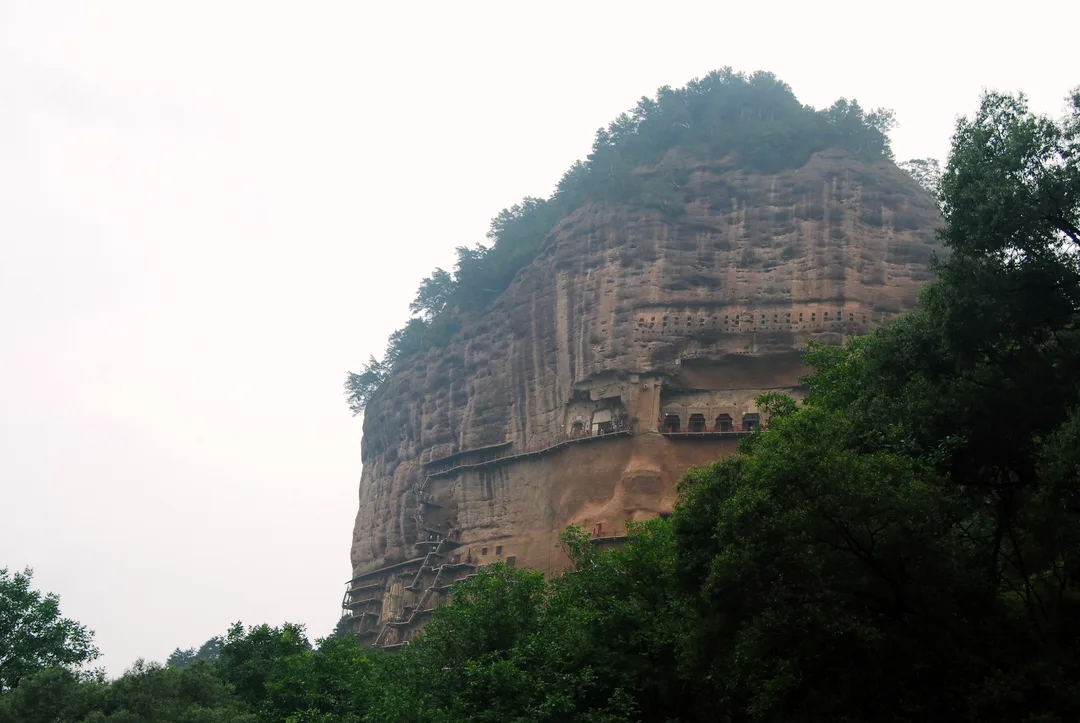
마이지산 석굴麦积山石窟
마이지산(麦积山)은 먀오가오굴(둔황), 윈강 석굴(대동), 룽먼 석굴(루양)과 함께 중국 4대 고대 불교 석굴 중 하나입니다. 굴들은 4세기부터 19세기에 걸쳐 유문 응회암 절벽에 파여 놀라운 수직 불교 미술 회랑이 되었습니다—221개 굴, 1만 점이 넘는 조각상, 1,000제곱미터가 넘는 벽화. 주변 평야에서 홀로 솟은 산의 모습이 시각적으로 극적입니다. 톈수이 시내 남동쪽 30km에 위치합니다.
Tianshui · 여행 가이드2026-10-19
빠른 답변
마이지산 석굴에 갈 가치가 있나요?
중국 4대 고대 불교 석굴 중 하나. 절벽에 221개 굴, 1만 점 이상의 조각상. 입장료 ¥90. 시안에서 2시간.
핵심 정보
| 입장료 | 1인 ¥90 (2026년 기준). 학생과 노인 반값. 케이블카: 편도 ¥15, 왕복 ¥25. |
|---|---|
| 관람 시간 | 8:00–17:00 (여름), 8:30–16:30 (겨울). |
| 권장 관람 시간 | 반나절 (톈수이 시내 이동 포함 3–4시간). |
| 방문 최적기 | 봄(4–6월)과 가을(9–10월)은 날씨가 쾌적하고 촬영 빛이 좋습니다. 여름은 덥습니다. 겨울은 춥고 일부 굴은 폐쇄. 중국 공휴일은 피하세요—사람이 가득 찹니다. |
| 교통 방법 | 톈수이 시내 중심에서 톈수이 기차역에서 34번 또는 37번 버스로 마이지산 정류장까지(¥10, 약 50분). 디디로 ¥60–80, 40분. 명소는 톈수이 시내에서 남동쪽 30km입니다. |
| 영어 안내 표지 | 부분 |
| 휠체어 접근 | 없음 |
| 굴 | 절벽에 파인 221개 굴 |
| 조각상 | 1만 점 이상의 불상 |
| 조성 시기 | 4–19세기 (1,500년 연속 조각) |
| 암석 | 유문 응회암—조각하기 쉬우면서 내구성 있음 |
| 접근 | 절벽면의 목책로 네트워크 (여러 차례 재건) |
볼거리와 체험
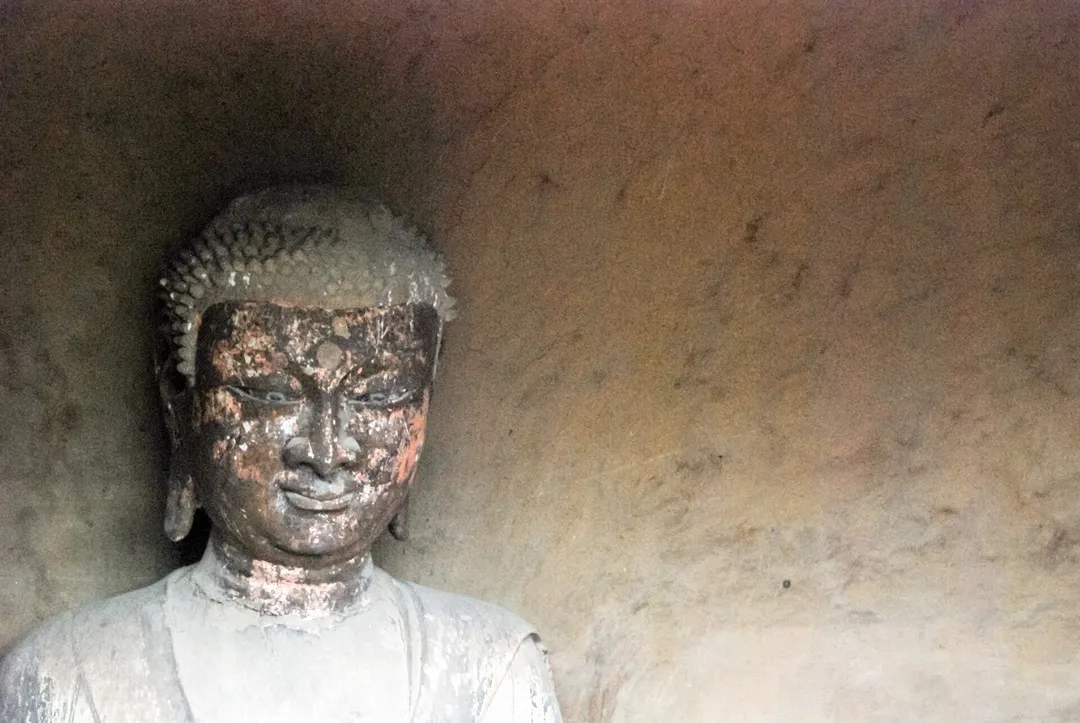
마이지산은 간쑤 남동부의 완만한 구릉에서 갑자기 솟은 고립된 유문 응회암 봉우리로, 톈수이 남동쪽 30킬로미터에 있습니다. 산 이름은 '짚더미 산'이라는 뜻—건초 더미를 닮은 모양 때문입니다. 마이지의 절벽은 굴 파기에 자연이 준 선물입니다: 유문 응회암은 기본 도구로도 조각할 만큼 부드럽지만 공기에 노출되면 단단해져 내구성 있는 구조가 됩니다. 1,500년에 걸쳐 승려들이 절벽에 221개 굴을 파고 그 안에 점토·회반죽·돌로 만든 수만 점의 불상을 채웠습니다.
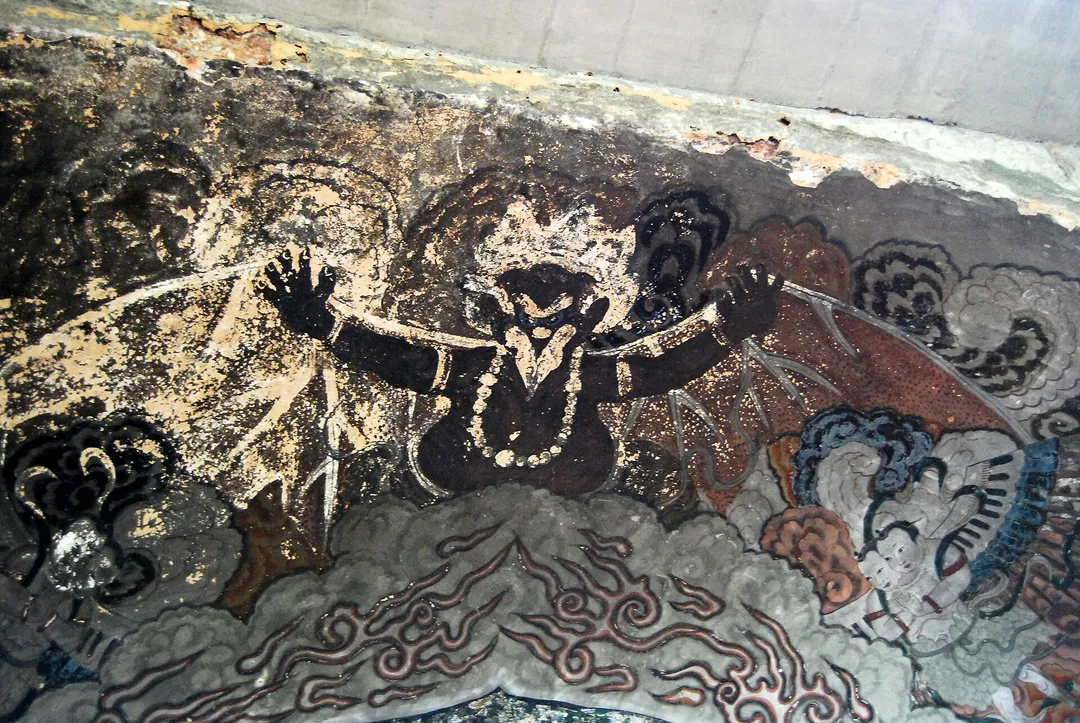
굴들은 다섯 주요 조성기를 거쳐 4세기부터 명·청에 이르는 중국 불교 미술의 변천을 보여 줍니다. 가장 이른 북위(서기 386–534년) 굴들은 강한 중앙아시아 영향을 받은 검소하고 길쭉한 형상이 특징입니다. 수나라 굴(581–618년)은 더 인간적인 중국 형식으로의 전환을 표시합니다. 당나라 굴(618–907년)이 가장 많고 예술적으로 정교합니다—크고 밝은 굴 안에 정교한 불상, 보살상, 화려한 벽화가 가득합니다.
석굴군은 목책로(栈道, 잔다오)로 접근합니다. 6세기에 처음 지어지고 이후 여러 번 재건된 이 책로는 절벽면을 따라 구불구불 올라가 여러 높이에서 굴 입구를 지나갑니다. 가장 높은 책로에서 주위 풍경을 내려다보면 어지러울 정도입니다. 옛 목책로는 놀라운 공학 업적이었습니다—일부 구간은 골 바닥에서 수백 미터 위의 공중에 외팔지로 걸려 있었습니다.
교통 방법
톈수이 기차역이나 시내 중심에서 34번 또는 37번 버스로 마이지산 정류장까지(¥10, 약 50분). 톈수이 시내에서 디디로 ¥60–80, 40분. 명소는 시내에서 남동쪽 30km입니다.
포토 스팟
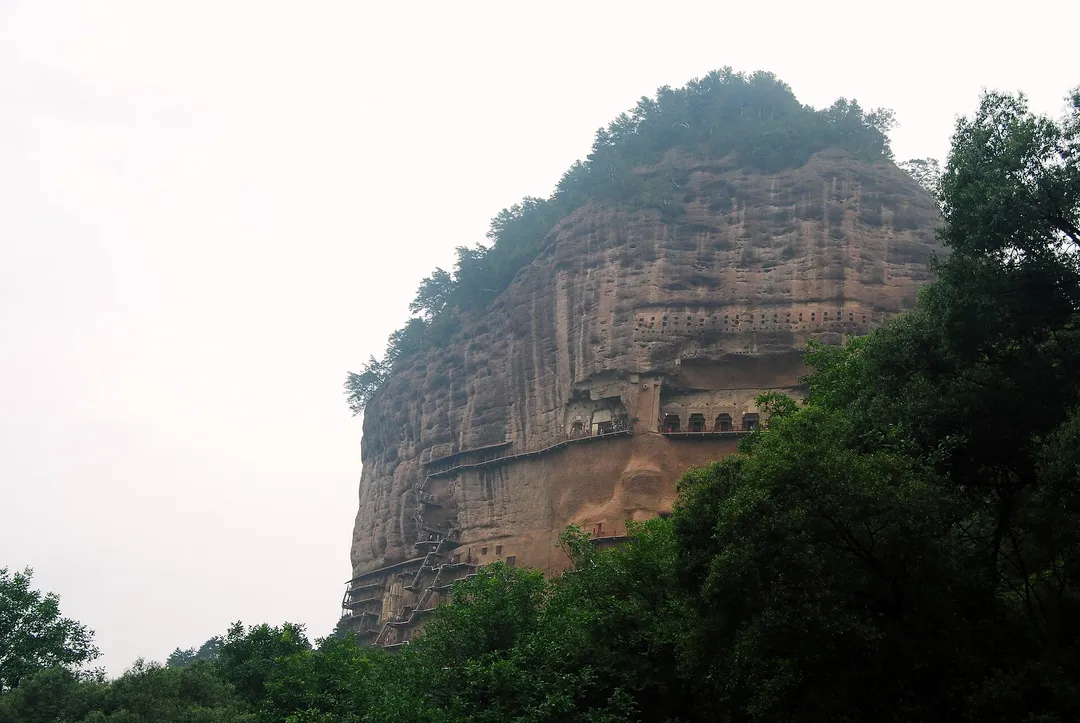
- 골 바닥에서 올려다본 마이지산의 파노라마—절벽면에 굴 입구가 보이는 고립된 봉우리
- 가장 높은 전망대에서 본 목책로 네트워크—절벽을 오르는 어지러운 잔다오
- 당나라 굴 내부—화려한 벽화와 정교한 불상
- 산 기슭의 계절 폭포(계절성)—비 온 뒤 여름이 최적
팁
- 톈수이에서 이르게 출발하세요—10:00이면 단체 관광객이 차고; 8:00 개장 시간에 맞추면 가장 분위기 있는 방문이 됩니다
- 고소공포증이 있다면 목책로는 무리—일부 구간은 좁고 노출되어 골 바닥 수백 미터 위입니다
- 케이블카(편도 ¥15)는 중간 높이 전망대까지 데려가 가파른 오르막을 줄여 줍니다
- 돌아와서 시내의 톈수이 푸시 사원(伏羲庙)과 함께—두 명소가 자연스러운 하루 일정이 됩니다
- 근처 푸시 사원은 버스로 45분—톈수이에서 1박하는 것도 고려하세요
주요 사기 수법
- 입구에서 굴 안내를 제안하는 '비공식 가이드'—공식 오디오 가이드(¥30)의 해설이 즉석 설명보다 낫습니다
- 명소 근처 개인 업자들이 주장하는 '특별 접근' 투어—굴은 누구에게나 같고 특별 접근은 존재하지 않습니다
자주 묻는 질문
마이지산은 갈 가치가 있나요?
네—중국 4대 불교 석굴 중 하나이자 유네스코 세계유산입니다. 그 배경(간쑤 시골의 극적인 고립된 봉우리)이 굴 자체만큼 인상적입니다. 톈수이에서 반나절을 잡으세요.
마이지산은 윈강, 룽먼과 비교하면 어떤가요?
각기 개성이 있습니다. 윈강(대동)은 가장 오래된 굴과 가장 강한 중앙아시아 영향. 룽먼(루양)은 가장 세련된 당나라 조각상. 마이지는 가장 극적인 자연 환경과 가장 접근하기 쉬운 수직 배치가 매력입니다. 시간이 된다면 셋 모두 갈 가치가 있습니다.
목책로는 안전한가요?
책로는 정기적으로 재건되며 구조적으로 튼튼합니다. 다만 일부 구간은 좁고 노출되어 심한 고소공포증에는 부적합합니다. 어지러운 구간은 상층에 있고 하층은 더 안정적입니다.
마이지산은 휠체어 접근이 되나요?
아니요. 절벽면의 목책로 시스템은 휠체어 사용자가 이용할 수 없습니다. 골 바닥과 방문자 센터 구역은 접근 가능합니다.
마이지산에 얼마나 시간이 필요한가요?
현지에서 2–3시간. 톈수이에서의 이동 시간까지 합치면 반나절(총 4–5시간)을 잡으세요.