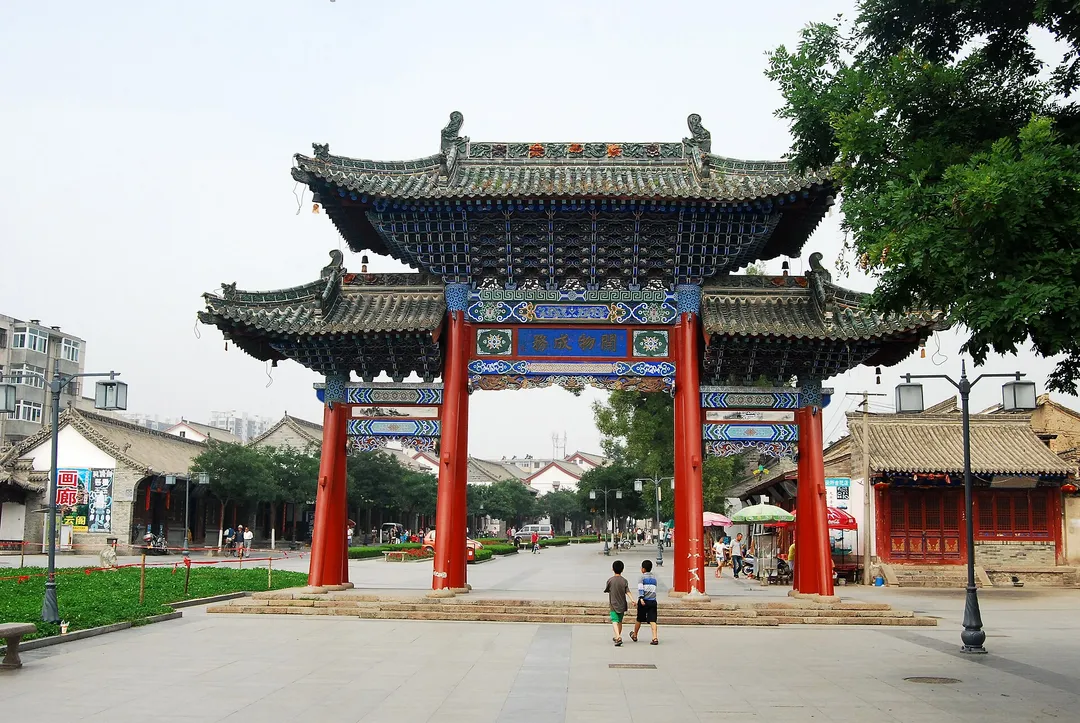
Fuxing Temple (Fuxi Temple)伏羲庙
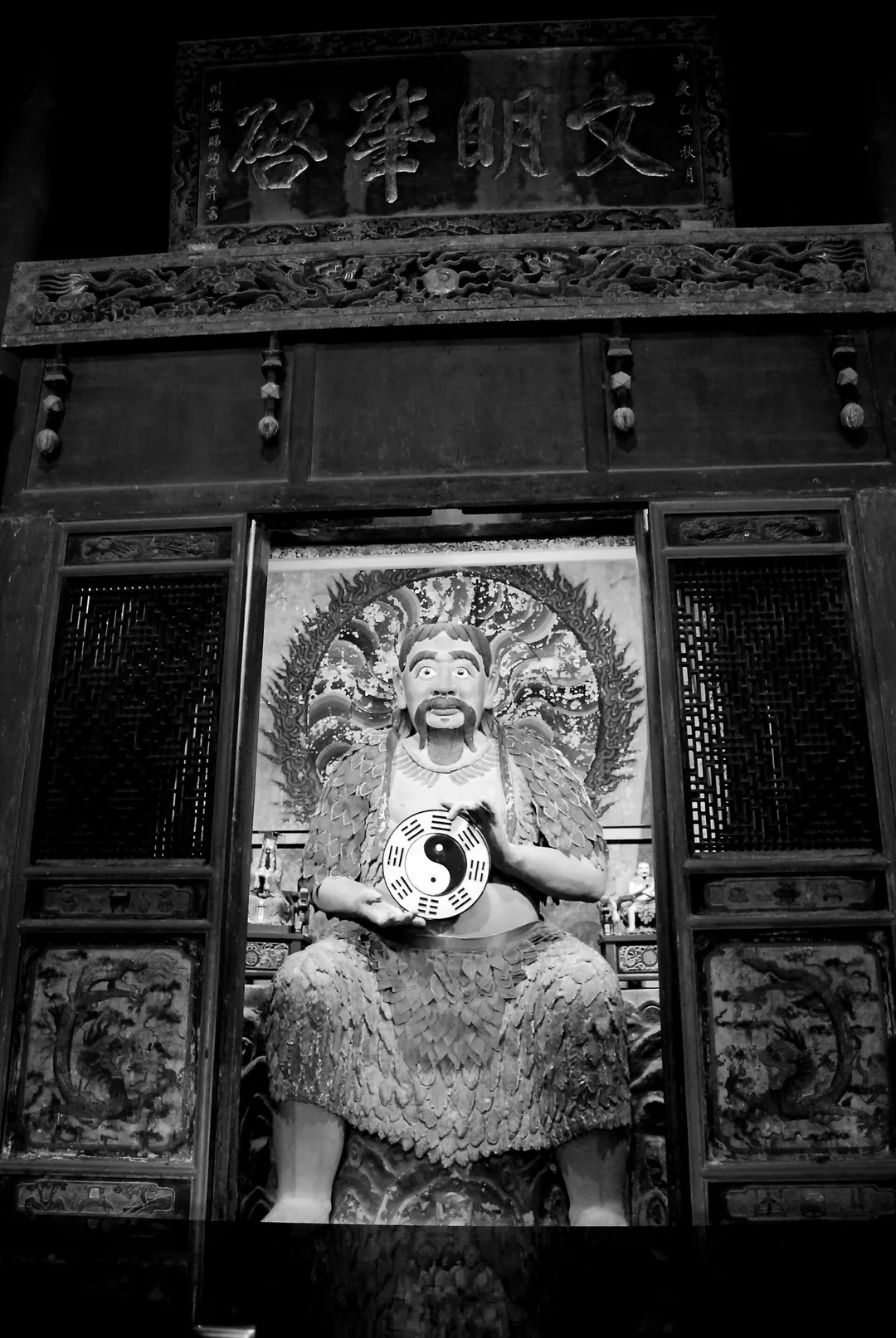
The Fuxing Temple (伏羲庙) is a temple in central Tianshui dedicated to Fuxi (伏羲), the legendary primordial ruler in Chinese mythology who is credited with inventing the I Ching (Book of Changes), the bagua trigrams, and the Chinese writing system. Fuxi is one of the Three Sovereigns (三皇) of ancient Chinese legend, and Tianshui is considered to be his birthplace. The temple, originally built during the Ming Dynasty and rebuilt multiple times since, is notable for its unusual layout — the main hall is positioned on a north-south axis perpendicular to the typical temple orientation, supposedly following a bagua (eight trigrams) arrangement.
Tianshui · Visitor Guide2026-10-18
Quick Answer
Is Fuxing Temple (Fuxi Temple) worth visiting?
Temple dedicated to Fuxi, the legendary inventor of the I Ching and Chinese writing system. In central Tianshui. Free entry; 1–2 hours for the unique architectural layout.
Quick facts
| Ticket | Free entry (as of 2026). Donation-based entry to the bagua garden. |
|---|---|
| Hours | 8:00–18:00 (summer), 8:30–17:30 (winter). |
| Recommended duration | 1–2 hours. |
| Best time to visit | Early morning for atmospheric temple rituals. Weekday mornings for quiet visit. Spring and autumn for pleasant weather. The temple is rarely crowded. |
| How to get there | Located in central Tianshui — walking distance from most city center locations. Take Bus 1, 3, 6, 7, 9, 13, 14, or 84 to Fuxi Temple (伏羲庙) stop. A DiDi within Tianshui costs ¥10–15. |
| English signage | Partial |
| Wheelchair accessible | Partial |
| Deity | Fuxi (伏羲) — legendary inventor of the I Ching and Chinese writing |
| Founded | Ming Dynasty (current buildings mostly Qing Dynasty) |
| Unique layout | Main hall on north-south axis following bagua arrangement |
| Cultural significance | Tianshui considered Fuxi's birthplace |
| Festival | Annual Fuxi cultural festival (September) |
What to expect
Fuxi (伏羲) is one of the most ancient figures in Chinese mythology — a primordial sovereign said to have ruled in the 3rd millennium BC. According to legend, Fuxi invented the eight trigrams (八卦, bagua) that form the basis of the I Ching, observed the patterns of nature to create the Chinese writing system, established marriage customs, and taught people to fish and hunt. He is considered one of the creators of Chinese civilization. Tianshui in Gansu Province is identified in ancient texts as Fuxi's birthplace, making the Fuxing Temple here one of the most culturally significant sites in the Chinese folk religion tradition.
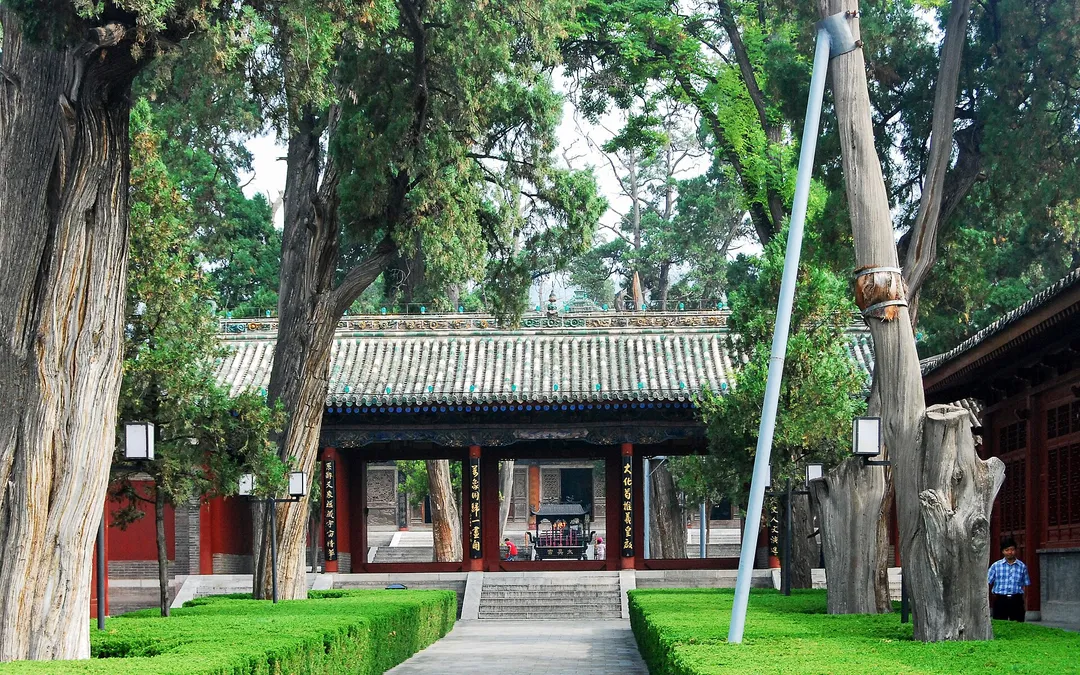
The current temple complex dates mostly from the Qing Dynasty (17th–20th century) with Ming Dynasty origins. Its most distinctive feature is its unusual orientation: the main hall is positioned on a north-south axis, while most Chinese temple halls run east-west. This unusual layout is said to reflect the bagua arrangement — the eight trigrams invented by Fuxi — with the eight directions corresponding to the eight trigrams. The temple is surrounded by an ancient cypress tree grove, some of which are estimated to be over 500 years old.
The temple complex includes a gate hall, the main hall (大殿), a bagua garden, and a small museum displaying artifacts related to Fuxi and the I Ching. Worshippers come to pay respects to Fuxi, especially during the annual Fuxi cultural festival in September, when Tianshui hosts large celebrations with traditional music, dance, and ritual offerings. The temple is a living religious site, not primarily a tourist attraction — the atmosphere is authentic and local.
How to get there
The temple is in central Tianshui, a short walk from Tianshui's main commercial district. Bus routes 1, 3, 6, 7, 9, 13, 14, and 84 all stop at the Fuxi Temple (伏羲庙) stop near the temple's south gate. From Tianshui Railway Station, take Bus 6 or 84 for 15 minutes.
Best photo spots
- The main hall from the courtyard — the unusual north-south orientation is visible
- The ancient cypress trees in the temple courtyard — gnarled trunks over 500 years old
- The bagua (eight trigrams) arrangement visible in the temple's floor plan
- The Fuxi bronze statue at the temple entrance — the legendary figure with serpent tail
Tips
- Combine with a visit to the Maiji Mountain Grottoes (30 km away) — both can be done in one day with an early start
- Visit early morning (8:00 AM) to see worshippers performing morning rituals
- The temple is free and uncrowded — a good complement to the paid Maiji Mountain grottoes
- Look for the bagua (eight trigram) arrangement in the floor tiles — it is easiest to see from the upper walkway
- The small museum inside the temple has English labels explaining Fuxi's mythology — worth 20 minutes
Scams to avoid
- "Fortune-telling" operators inside the temple who approach visitors and demand payment — ignore them; the temple does not endorse these operators
Frequently asked questions
Who was Fuxi?
Fuxi (伏羲) is one of the Three Sovereigns of ancient Chinese legend, credited with inventing the I Ching (Book of Changes), the eight trigrams (bagua), and the Chinese writing system. He is considered a cultural ancestor in Chinese tradition and is worshipped as a deity.
What is the unusual temple layout?
Most Chinese temples have halls oriented on an east-west axis. The Fuxing Temple has its main hall on a north-south axis, said to reflect the bagua arrangement — the eight trigrams invented by Fuxi — with the eight directions corresponding to the trigrams.
Is the Fuxing Temple wheelchair accessible?
Partially. The main courtyard areas are accessible, but the main hall interior and some side passages have thresholds and narrow areas. The bagua garden is accessible.
How does this temple compare to other Fuxi temples in China?
Tianshui is identified in ancient texts as Fuxi's birthplace, making this temple one of the most culturally significant Fuxi temples in China. Other Fuxi temples exist in Henan and other provinces, but Tianshui's temple has the longest continuous history.
What can I combine this with?
The Maiji Mountain Grottoes are 30 km away and can be visited on the same day. The Fuxing Temple is best in the morning, with Maiji Mountain in the afternoon. An overnight stay in Tianshui is recommended.
Read next
Other things to do in Tianshui
Maiji Mountain Grottoes
One of China's four great ancient Buddhist cave temple sites. 221 caves, 10,000+ sculptures on a cliff face. ¥90 entry. 2 hours from Xi'an.
Xianren Cliff (Immortal Cliff)
Mountain valley with Buddhist temples and a seasonal waterfall, 50 km from Tianshui. Great for hiking and scenery. ¥40 entry. Combine with Maiji Mountain.
Southern and Northern Residences (Nanbei Zhaizi)
Best-preserved Ming-Qing dynasty residential complex in western China. Free entry. Two grand courtyard houses with distinctive Gansu architecture. 30 minutes from Maiji Mountain.