This page is archived and no longer updated — see the current guide: See the current guide
Shapotou沙坡头
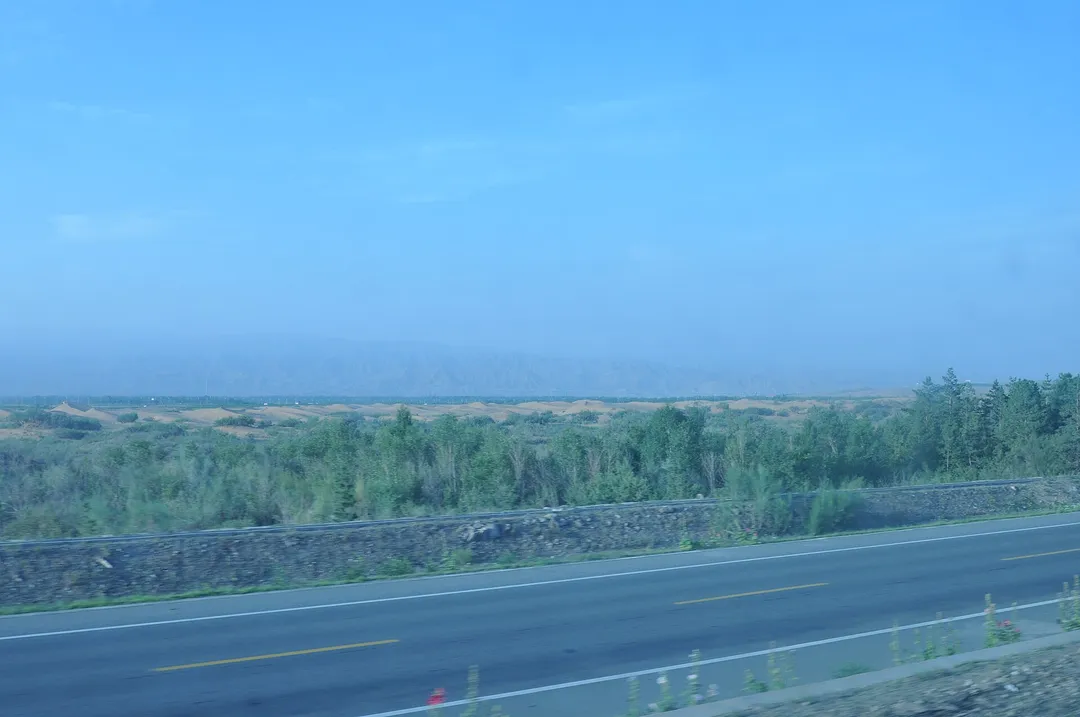
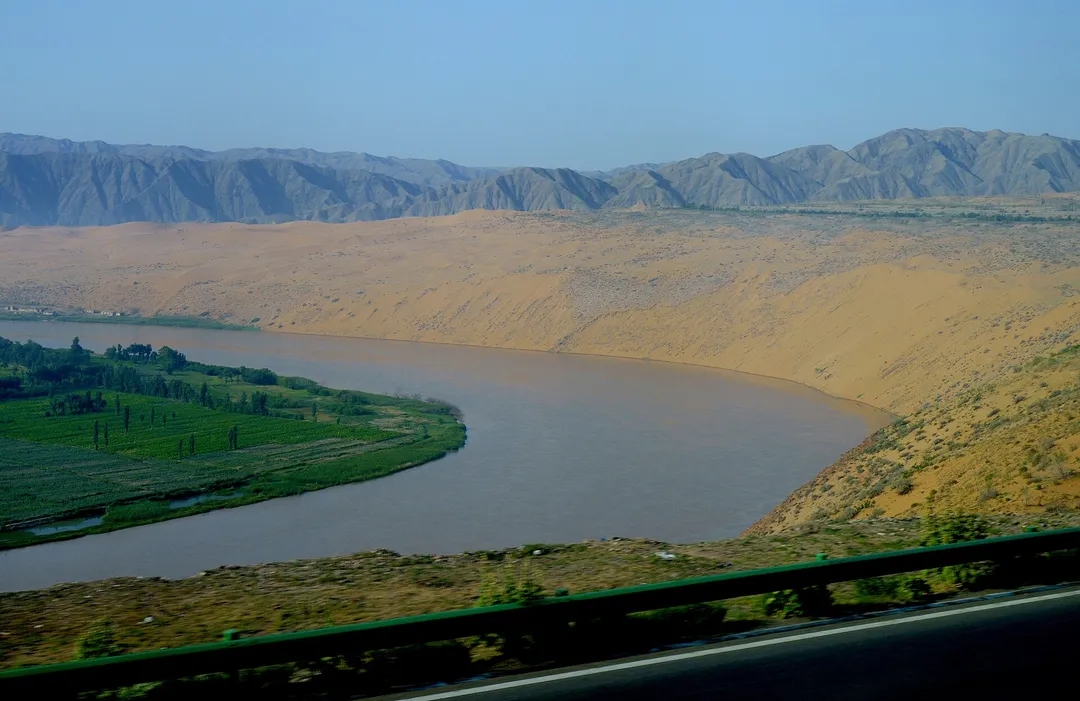
Shapotou (沙坡头), 20 km west of Zhongwei in Ningxia, is where the southeastern edge of the Tengger Desert runs straight into a sharp bend of the Yellow River. It earned global notice not as scenery but as engineering: from 1956 a Chinese Academy of Sciences research station here developed straw-checkerboard sand barriers that stopped migrating dunes from burying the Baotou–Lanzhou railway — work that won a 1994 UNEP Global 500 award. Today it is a 5A scenic area selling camel treks, sheepskin-raft floats, and a 100 m sand-slide on top of that fixed dune field.
Zhongwei · Visitor Guide2026-10-19
Quick Answer
Is Shapotou worth visiting?
China's most famous desert-meets-river park, where the Tengger dunes drop ~100 meters to a Yellow River bend — ¥80 entry plus per-ride fees, plan 4–6 hours.
Quick facts
| Ticket | ¥80 entry (as of 2026); activities sold separately — camel ride ~¥80, sheepskin raft ~¥100, sandboard ~¥40, zipline ~¥40–60, so a full activity day runs ¥300–400. |
|---|---|
| Hours | Roughly 08:00–18:00 daily in peak season (Apr–Oct), with shorter winter hours; most desert activities pause Nov–Mar. The sand-slide and zipline shut down during sandstorms (mainly Mar–May). |
| Recommended duration | 4–6 hours for entry plus 2–3 activities; a full day if you add the river raft and camel trek. Most visitors day-trip from Yinchuan or Zhongwei. |
| Best time to visit | May–June and September–October: 15–28°C, low wind, clean light on the dunes. Avoid the Oct 1–7 National Day holiday (sand-slide queues top an hour) and March–May, when sandstorms shut the outdoor rides. |
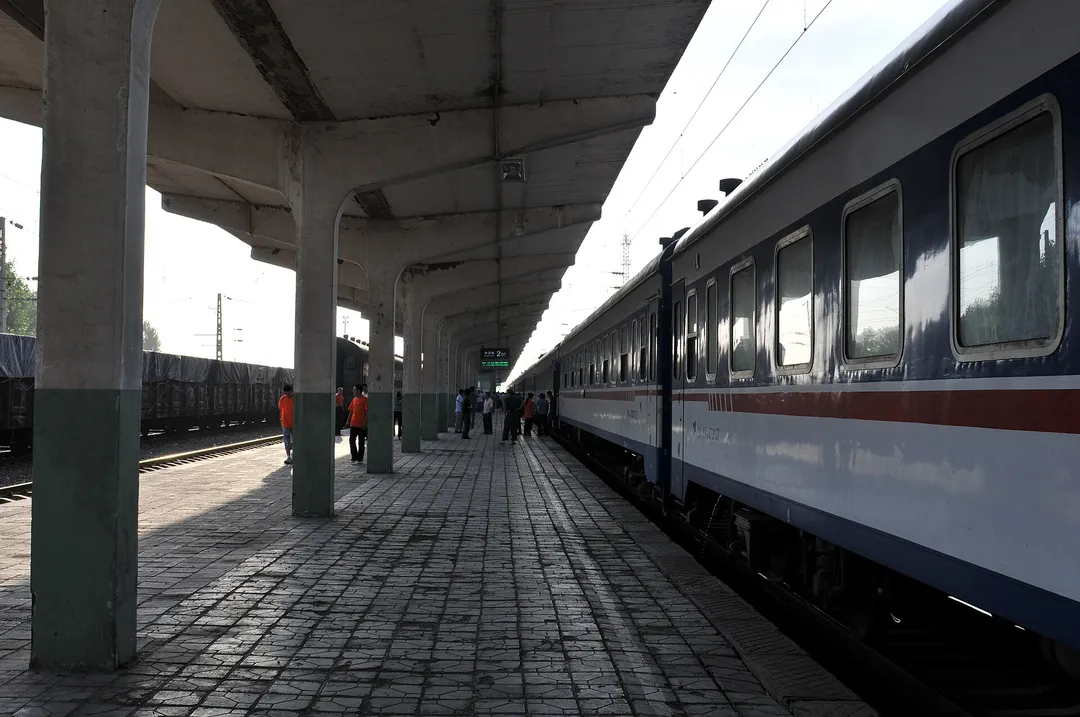
| How to get there | Nearest hub: Yinchuan (INC airport). Take high-speed rail Yinchuan → Zhongwei South (~1 h, ¥80–100), then a 20-min taxi (¥30–40) to the gate. From Zhongwei city center, DiDi/taxi to Shapotou is ¥30–40 and ~20 min. By road from Yinchuan it is ~2.5 h; the HSR is faster. No metro — Zhongwei is a small city. |
| English signage | Partial |
| Wheelchair accessible | Partial |
| Location | 20 km west of Zhongwei, Ningxia Hui Autonomous Region |
| Scenic rating | National 5A scenic area |
| Sand-slide dune | ~100 m high — one of China's largest |
| Research station | Founded 1956 (Chinese Academy of Sciences); tourism park developed from the 1980s |
| Key achievement | Straw-checkerboard sand barriers protect the Baotou–Lanzhou railway (opened 1958); UNEP Global 500 award, 1994 |
| Entry fee | ¥80 (as of 2026); activities sold separately |
What to expect
Shapotou is two landscapes stapled together: a ~100-meter wall of Tengger dune sliding into a slow bend of the Yellow River, with a working railway threaded between them. You pay ¥80 at the gate, then pay again per activity — a camel trek along a dune ridge (~¥80, 30 min), a sheepskin-raft float across the river on about 14 inflated sheepskins lashed to a wooden frame (~¥100, 20 min), and the headline sand-slide, where you sit on a board and slide ~100 m down the slip-face toward the river flats (~¥40). Add a zipline that crosses from dune top to river bank. It is a packaged desert playground, not wilderness — staff wave flags, queues form, and the dunes are partly fixed and re-shaped for sliding.
The reason this place exists at all is sand control, not tourism. In 1956 the Chinese Academy of Sciences set up a desert research station here to stop the Tengger's migrating dunes from burying the Baotou–Lanzhou railway (opened 1958), the first railway to cross a Chinese desert. The station's straw-checkerboard method — 1 m × 1 m grids of wheat-straw pushed halfway into the sand — cut wind speed at the surface enough to anchor the dunes and let scrub take hold; the technique is now used across China's drylands. UNEP gave the station its Global 500 Roll of Honour award in 1994. The tourism park was layered on top of that fixed dune field from the 1980s onward, so the dunes you slide down are, in effect, a managed scientific success story with a ticket booth.
The honest caveat: this is a heavily commercialized domestic-tourism site, and in peak season (summer weekends, Oct 1–7) the sand-slide queue alone can eat an hour. English is scarce — Ningxia sees very few foreign visitors, so bring park and activity names in Chinese characters and a translation app. The desert-control museum near the entrance is the under-visited gem and explains the railway story far better than the activity stations. Avoid March–May, when sandstorms shut the outdoor rides and turn the air orange. If you want raw desert, the dunes run hundreds of kilometers west into the Tengger — but for a single day of sand, water, and a genuinely unusual piece of engineering history, Shapotou delivers.
How to get there
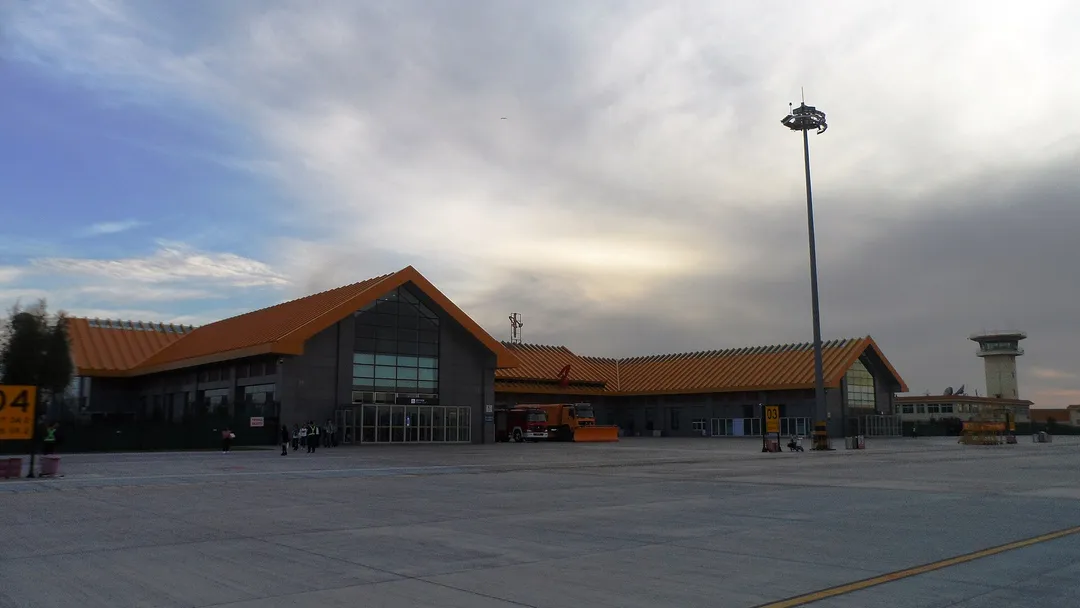
Shapotou sits 20 km west of Zhongwei city. There is no metro — Zhongwei is a small prefecture-level city. Most travelers base in Yinchuan (INC airport) and day-trip: take high-speed rail from Yinchuan station to Zhongwei South (中卫南), about 1 hour, ¥80–100 one way, several trains daily on the Yinchuan–Lanzhou HSR line. From Zhongwei South, a DiDi or taxi to the Shapotou gate is ~20 minutes and ¥30–40 — agree the fare or use the app. From Zhongwei city center it is the same ~20 min / ¥30–40. Some Zhongwei hotels run shuttle buses to the park in peak season; ask at check-in. Zhongwei's own Shapotou Airport (ZHY) has a handful of flights from Xi'an and Beijing but is rarely the convenient option. By road from Yinchuan it is ~2.5 hours on G2012; the HSR is faster. Inside the park, shuttle carts and a cableway connect the desert area and the river area for small extra fees.
Best photo spots
- The dune crest at the top of the sand-slide — desert framing the Yellow River bend below, best at sunset (~18:00) when the sand goes orange.
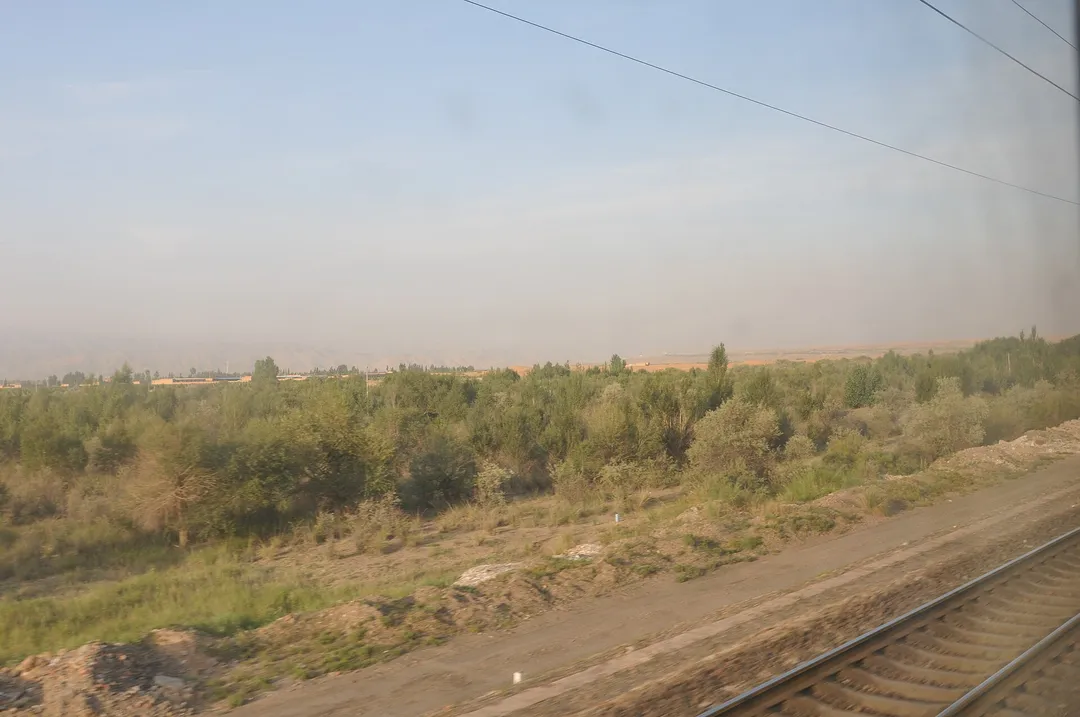
- The Baotou–Lanzhou railway cutting through the fixed dunes, shot from the observation deck near the sand-control museum — a train passing with dunes on both sides is the signature image.
- The sheepskin raft on the river, shot from the bank as it drifts past the dune slip-face — the inflated-skin raft against yellow water and sand is the most unusual frame.
- The straw-checkerboard grid close-up near the museum — 1 m × 1 m straw squares half-buried in sand, the actual object that won the 1994 UNEP award.
Tips
- Go early — gates open ~08:00; the sand-slide queue is short before 10:00 and brutal after lunch. Book the first train from Yinchuan if you are day-tripping.
- Wear closed shoes you don't mind ruining, or rent the orange gaiters sold at the gate. Sand gets into everything; phone and camera switches will grind if you don't bag them.
- Budget per-activity, not per-entry. The ¥80 ticket gets you in, but the camel, raft, sand-slide, and zipline are each ~¥40–100; decide upfront or you will spend ¥400 without noticing.
- Spend 30 minutes in the desert-control museum near the entrance — it is the part that explains why the railway still runs, and it is almost empty while everyone queues for camels.
- If you are visiting Oct 1–7 (National Day), expect 1-hour queues everywhere and higher activity prices; a normal weekday in late September is cooler, cheaper, and nearly empty by comparison.
Scams to avoid
- Activity-package touts outside the gate sell 'discount' combo tickets that often cost the same as — or more than — buying at the official window, and sometimes omit the activity you actually wanted. Buy inside at the official counter.
- Unlicensed drivers at Zhongwei South station quote ¥80–100 for the 20-minute ride to the park (the real DiDi fare is ¥30–40). Ignore them and order through the DiDi app, or agree ¥40 before getting in.
- Photo hustlers at the camel and raft stations offer 'free' pictures, then demand ¥50–100 for the print or scan afterward. Decline unless you have agreed a price first.
Frequently asked questions
How much does Shapotou cost?
Entry is ¥80 (as of 2026), but that only gets you through the gate. Activities are sold separately: camel trek ~¥80 for 30 min, sheepskin raft ~¥100 for ~20 min, sand-slide ~¥40, zipline ~¥40–60. A visitor who does three activities pays roughly ¥300–350; a full day with everything can reach ¥400+.
How do I get to Shapotou from Yinchuan?
Take high-speed rail from Yinchuan station to Zhongwei South (中卫南), about 1 hour and ¥80–100, with several trains daily on the Yinchuan–Lanzhou HSR line. From Zhongwei South, a DiDi or taxi to the park gate is ~20 minutes and ¥30–40. Total door-to-door from central Yinchuan is roughly 2 hours one way, so it works as a long day trip.
How long should I spend at Shapotou?
4–6 hours covers entry plus 2–3 activities. Add an hour if you want both the camel trek and the raft. Most people arrive mid-morning and leave by late afternoon; the sand-slide is best done before the after-lunch queue builds.
What is the sheepskin raft (羊皮筏子)?
A traditional Yellow River raft made of about 14 inflated, sewn-shut sheepskins lashed to a wooden frame — a design used on this river for over 2,000 years. At Shapotou the ride is ~20 minutes and ~¥100 per person, crossing the river bend below the dunes. It is slow, stable, and the single most distinctive thing here.
When is the best time of year to visit?
May–June and September–October, when it is 15–28°C, the wind is low, and the light on the dunes is clean. Avoid March–May sandstorms (outdoor rides close) and the Oct 1–7 National Day holiday (hour-long queues). Winter (Nov–Mar) is cold and most activities are paused.
Why is Shapotou scientifically important?
In 1956 a Chinese Academy of Sciences station here developed straw-checkerboard sand barriers — 1 m × 1 m wheat-straw grids pushed into the dunes — that stopped the Tengger's migrating sand from burying the Baotou–Lanzhou railway (opened 1958), the first railway to cross a Chinese desert. The station won a UNEP Global 500 environmental award in 1994, and the technique is now standard across China's drylands.
Is Shapotou suitable for children or elderly visitors?
Partially. The river area, museum, cableway, and flat paths are manageable for older visitors and young kids. The 100 m sand-slide, camel trek, and zipline are not — the slide requires climbing the dune in loose sand, and the raft is a low, open craft. Wheelchair access is limited to the developed river zone; the dunes themselves are not accessible.
Is there English signage or English-speaking staff?
Limited. Ningxia sees very few foreign tourists, so most signage is Chinese-only and staff speak little English. The sand-control museum has some English panels, but bring park and activity names in Chinese characters and a translation app. A guide is worth it if you want the science explained.
Can I visit Shapotou and the Western Xia Tombs in one day?
Not comfortably — the Western Xia Imperial Tombs are near Yinchuan, ~200 km and 2–3 hours from Zhongwei by road or HSR. Do the Tombs on a separate Yinchuan day. A realistic Shapotou day is: morning HSR from Yinchuan, 5 hours in the park, evening train back, or stay overnight in Zhongwei.
What should I wear and bring?
Closed shoes (or rent the orange sand gaiters at the gate), a hat, sunglasses, and sunscreen — the desert sun is strong and there is almost no shade. Bag your phone and camera against blowing sand, carry water, and avoid white clothing, which stains orange. In spring a buff or mask helps if the wind picks up.