Quick answer
Shanghai's metro (20+ lines, one of the world's longest networks) is paid three ways: the official Metro 大都会 app QR code (works for visitors, pays via Alipay/WeChat), a physical Shanghai Public Transportation Card from any station service center, or single-journey tickets from machines (CNY 3–15). A 24-hour pass costs CNY 18 and a 72-hour pass CNY 45. Last verified October 11, 2026.
Why this matters in 2026
Shanghai runs one of the planet's largest metro systems — 800+ kilometers of lines plus the Maglev — moving around 10 million riders a day with trains every 2–5 minutes at peak. The system is effortless once you pick the right ticket medium, and mildly annoying if you don't: machines prefer Chinese coins and QR payments, the guard gates are fast (0.5 seconds per person at rush hour — dawdle and you feel it), and fare logic is distance-based from CNY 3 up to CNY 15 on the longest rides. Visitors who set up the QR code on day one never think about it again; visitors who queue for single tickets twice a day lose 10–20 minutes daily.
Key facts at a glance
- Fares: CNY 3 (0–6 km) up to CNY 15; the fare is distance-based, exits are flat
- Metro 大都会 app: official QR riding app; top up or link Alipay/WeChat — the visitor-proof option
- Physical card: Shanghai Public Transportation Card (交通卡), buy at station service centers, rechargeable, works on buses/taxis/ferries too; phone NFC version needs no deposit
- Passes: 24-hour CNY 18, 72-hour CNY 45 — unlimited rides, worth it from roughly 8+ rides
- Maglev: separate fare — CNY 50 single, CNY 80 round trip (airline-boarding-pass discount available)
Step-by-step walkthrough
Step 1: Choose your medium on day one
Best for most visitors: the Metro 大都会 app (App Store/Android, English option available) — register with a phone number, bind Alipay or WeChat Pay, and ride by scanning the green QR gate. Physical card suits people avoiding apps; single tickets suit once-only riders.
Step 2: Set up the QR code in five minutes
Open 大都会 → register (accepts international numbers) → 支付/ payment → choose Alipay or WeChat as the deduction channel. Your ride QR refreshes automatically; hold it at the gate's scanner window and walk through at normal pace.
Step 3: Or buy the physical card
Station service centers (人工服务) sell 交通卡 for a small refundable deposit (cash works). Tap in and out the same as the QR. Keep it — the card also pays buses, ferries, and some taxis, and leftover value is refundable at service centers minus handling.
Step 4: Read the fare and routing logic
Fare follows the traveled distance, not the line count: CNY 3 covers 0–6 km, and the display on machines shows the exact fare to any station. Transfers inside the paid area are free — follow the transfer signs (换乘) without exiting. The airport link and Maglev price separately.
Step 5: Ride like a Shanghainer
Stand right, walk left on escalators; let passengers off before boarding; the first and last cars are usually emptiest. Trains run from roughly 05:30 to 23:00–00:00 depending on line. Google your exit number in advance — big stations (People's Square: 20 exits) can swallow 10 minutes.
Step 6: Handle the edge cases
Insufficient balance at exit? Service windows at every gate bank top you up. Lost physical card? It is anonymous — treat value as spent. QR not loading underground? The gates' scanner retries; step back, let the refresh complete, or use the offline QR fallback in the app.
Common scenarios and use cases
1. A 4-day city trip
72-hour pass (CNY 45) plus Metro 大都会 as backup: unlimited rides cover 6–10 trips a day itineraries (Old Town → French Concession → Pudong) without ever thinking about fares.
2. The Pudong Airport express
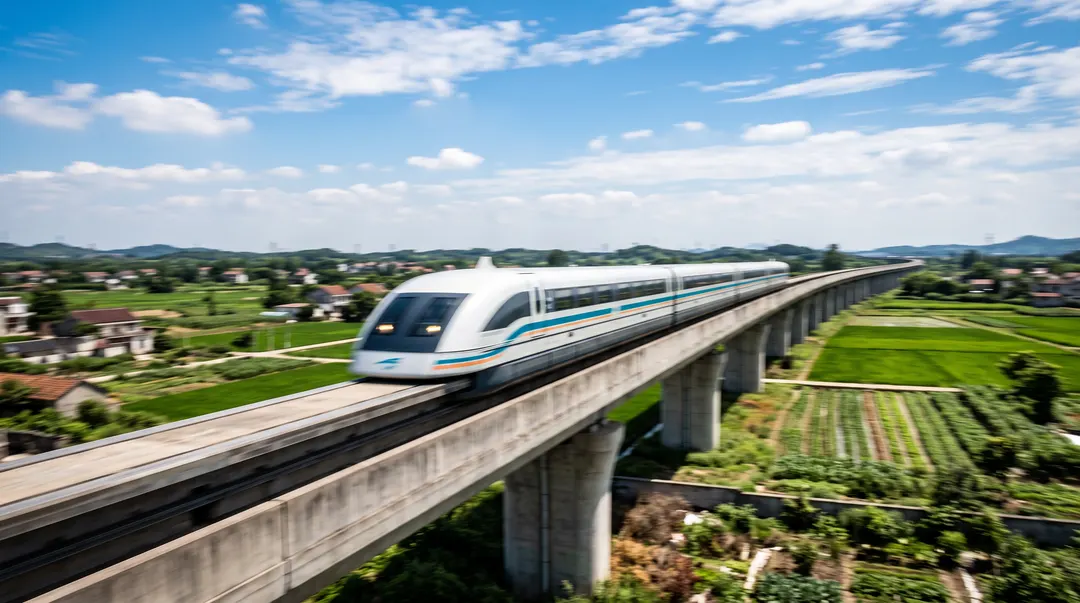
Maglev from Longyang Road: 8 minutes at up to 300 km/h, CNY 50 (discounted with a same-day flight ticket to CNY 40), then Line 2 into town. Metro-only: Line 2/airport link, CNY 7–8, about 60–75 minutes.
3. Arriving late at night
Lines thin out after 22:00; last trains leave around 23:00–00:00 by line. Beyond that, taxis (CNY 30–80 central) or ride-hailing. Check the last-train time in the metro app before dinner, not after.
4. Traveling with kids and luggage
Children under 1.3 m ride free with an adult. Suitcases ride free; the wide-aisle gates (加宽闸机) at each station take prams and big bags — ask staff, they will route you.
Costs and pricing breakdown
- Single ride: CNY 3–15 by distance
- 24-hour pass: CNY 18
- 72-hour pass: CNY 45
- Physical card deposit: small refundable fee at service centers
- Maglev: CNY 50 single / CNY 80 round trip (same-day flight-ticket discount available)
- Taxi comparison (5 km central): CNY 20–30 vs metro CNY 3–4
Pitfalls to avoid
- Queueing for single tickets daily: two trips a day on machines costs 10–20 minutes — the QR code exists precisely to end this.
- Exiting to transfer: transfers stay inside the paid area; if you find yourself tapping out, you took the wrong passage — re-enter and follow 换乘 signs.
- Assuming the card works in other cities unchanged: Shanghai's 交通卡 runs on the national 交通联合 standard, so it does work across most big cities — but check the logo on the card.
- Riding past last train: the 23:00–00:00 ceiling catches dinner-and-dessert planners; a 25-minute line 2 gap means a taxi.
- Paying the Maglev fare with metro money: it is a separate system at Longyang Road — budget CNY 50 each way unless you hold a same-day boarding pass.
Alternatives and trade-offs
- Alipay/WeChat built-in transit codes: also work at Shanghai gates (选择"出行"里的上海地铁乘车码); one fewer app, same fares.
- Physical 交通卡: zero battery dependence, works on buses/taxis; requires cash/service-center trips.
- Day passes: best 3+ rides per day; poor value for 1–2 trips.
- Taxi/Didi for short hops: 3–4 metro stops with luggage often costs less in time than two transfers; CNY 20–40.
Local context and customs
Shanghai's metro is the city's living room at rush hour — quiet, fast, and ruthlessly orderly by national standards: queue lines on the platform, right-side escalator discipline (left side is for walking, and locals will move past you), phone-silence in the morning crush. The 大都会 app launched in 2018 and killed the ticket-queue culture within two years; today you will mostly share the machines with tourists. Announcements run Mandarin-English; morning rush feels dense but never rough — the city's reputation for queueing was largely built on these platforms. And the Maglev, though touristy, remains a working commute: half your co-passengers at 08:00 are flying for business.
Verifying current information
Fares are stable; pass prices and app features change occasionally. Last verified October 11, 2026. Reconfirm through:
- Shanghai Metro official: https://service.shmetro.com — fares, first/last trains, pass terms
- The 大都会 app's notice board: feature and payment updates
- Station service centers: printed fare tables and pass sales
- Your hotel front desk: nearest station, exits, and last-train warnings for tonight
Putting it all together
Install 大都会 on the airport metro ride in, bind Alipay, and you are done — QR in, QR out, CNY 3–15 a ride. Add the 72-hour pass only if your plan is metro-heavy (it pays off at 8+ rides), keep CNY 30 cash for the one station whose machines are moody, and treat the Maglev as a separate CNY 50 thrill rather than part of the metro. That is the entire Shanghai transit learning curve — about ten minutes, once.
FAQ
Do I need a Chinese phone number for the 大都会 app?
No — international numbers register fine. The QR code generates without a Chinese SIM once payment is bound.
Can I use Alipay's built-in transit code instead?
Yes — Alipay and WeChat both issue Shanghai metro QR codes under their 出行/transit sections. Same fares, same gates.
Does the Shanghai card work in Beijing?
Most 交通联合-branded cards do ride other cities' systems. Check for the 交通联合 logo; otherwise keep QR as backup.
Is there a tourist card?
The 24/72-hour passes are the tourist product — unlimited rides, no deposit. Physical souvenir cards exist at service centers but offer no fare advantage.
What if my phone dies?
Service centers and ticket machines still sell single tickets; gates accept them like any rider. Carry CNY 10–20 in coins/notes for exactly this.
How crowded does it really get?
Line 2 and Line 1 at 08:30–09:30 are dense but moving; you will wait one train at most. Off-peak and weekends feel almost empty.
Are there first-class or women-only cars?
No. Shanghai's metro is single-class; there are no women-only carriages on the network.
Can I bring a bicycle or a pet?
Folding bikes bagged are tolerated off-peak; full bikes and pets (except service animals) are not. Violins yes, cymbals debatable — the size limit rules.