Quick answer
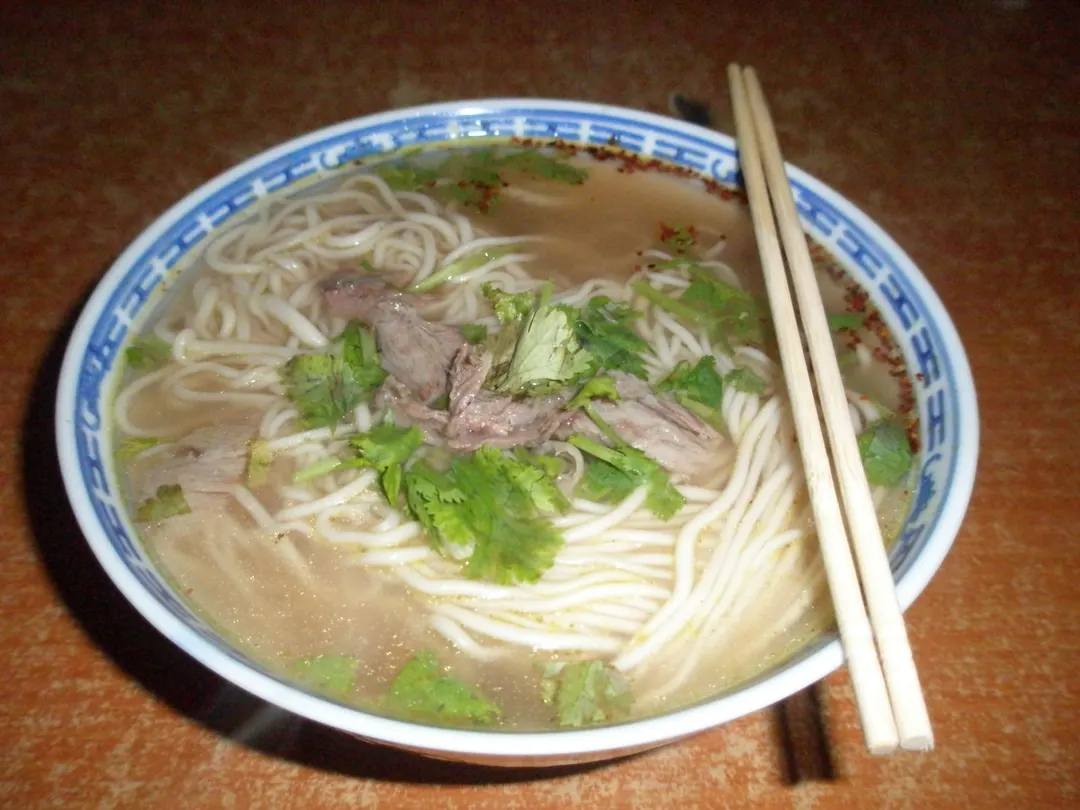
China eats at least a dozen distinct noodle traditions, and they map cleanly onto cities: Lanzhou for beef noodles (CNY 9–15), Shanxi for knife-cut noodles, Wuhan for hot-dry noodles (CNY 5–10), Suzhou for simmered topping noodles, Guangzhou for wonton noodles. Order by the city you are in, eat Lanzhou noodles before 10:00 like a local, and slurp freely. This guide was last verified on October 11, 2026.
Why this matters in 2026
"Noodles" in China is not one dish but a map. Wheat north of the Yangtze, rice south — and along the wheat belt, every city guards its own bowl with real pride. A traveler who orders "beef noodles" in Lanzhou gets a clear broth breakfast that has nothing to do with the oil-slicked dish of the same name elsewhere. Knowing five or six regional styles turns an ordinary lunch (CNY 8–20) into the cheapest sightseeing of the trip; not knowing them means eating the same bowl of mediocre noodles in every city and wondering what the fuss is about.
Key facts at a glance
- Lanzhou beef noodles (兰州牛肉面): clear beef broth, CNY 9–15 a bowl, most shops close by 14:30
- Shanxi knife-cut noodles (刀削面): CNY 8–18, shaved straight into the pot, pork or tomato-egg sauce
- Wuhan hot-dry noodles (热干面): CNY 5–10, sesame-paste breakfast noodle, eaten standing up
- Suzhou-style noodles (苏式面): CNY 15–45, separate broth and toppings, summer sees the cold "枫镇" white-broth version
- Cantonese wonton noodles (云吞面): CNY 15–30, alkaline egg noodles, fish-broth base, small bowls by design
Step-by-step walkthrough
Step 1: Match the noodle to the city
Northwest: Lanzhou beef noodles, Xinjiang laghman (拌面, CNY 20–35). Central: Wuhan hot-dry, Henan stewed mutton noodles (烩面, CNY 15–30). East: Suzhou and Shanghai, refined broths and scallion-oil (葱油拌面, CNY 10–20). Southwest: Chongqing xiaomian (小面, CNY 8–15) and Sichuan dandan noodles (担担面, CNY 10–20). South: Cantonese wonton noodles.
Step 2: Learn the width code in Lanzhou
Broth, radish, chili oil, garlic sprouts, and noodles must be "one clear, two white, three red, four green, five yellow". You order by noodle thickness: 毛细 (hair-thin) through 大宽 (broad). 二细 is the safe default. Adding "肉蛋双飞" adds beef and a marinated egg for roughly CNY 7–12 extra.
Step 3: Time your visit
Lanzhou beef noodle shops sell out by early afternoon — many stop serving around 14:00–14:30 and open at 06:00. Wuhan's hot-dry noodles are a 07:00–09:00 street breakfast. Suzhou noodle shops peak at opening; the first broth of the day is considered the best.
Step 4: Order like a local
At Suzhou-style shops you order broth plus a numbered topping (浇头) from the wall board — braised pork (焖肉) is the classic. In Chongqing ask "二两" (a 150–200 g portion) unless you are very hungry. In Guangzhou, wonton noodles come in deliberately small bowls; add a second order, not a larger one.
Step 5: Eat and season at the table
Taste before adding. Chili oil, vinegar, and garlic are table condiments everywhere north of the Yangtze. Slurping is normal and practical — the noodles are served hot and cool fastest in a mouthful.
Step 6: Pay and leave
Pay first at the counter (CNY 8–20 cash or QR code), take the ticket stub to the noodle line, and carry your bowl to a shared table. Turnover is fast; lingering over one bowl past 20 minutes in a busy shop earns looks.
Common scenarios and use cases
1. A morning in Lanzhou
Arrive at a famous shop before 09:00, order 二细 with 肉蛋双飞 (about CNY 20 total), stand or share a table, and finish before the broth quality dips after 11:00.
2. A Suzhou afternoon
Order 奥灶面 or a summer 枫镇大肉面 (CNY 25–45): white broth, braised pork belly, served with fastidious timing. Eat the topping first or dunk it in the broth — both camps exist.
3. A Wuhan commute
Join the 07:30 queue at a street stall, take your CNY 6 bowl in a paper sleeve, and eat standing while walking, folding the alkaline noodles onto your chopsticks before the sesame paste drips.
4. Vegetarian traveler
Ask for 素面 (vegetarian noodles, CNY 8–15 at temple and neighborhood shops). Shanghai's scallion-oil noodles and Sichuan's 素小面 are reliably meat-free; confirm the broth is vegetable, not chicken.
Costs and pricing breakdown
- Street/local noodle bowl: CNY 5–15 (Wuhan, Lanzhou, Chongqing)
- Neighborhood noodle restaurant: CNY 15–30 with a small side
- Suzhou-style with premium topping: CNY 25–45
- Xinjiang laghman plate: CNY 20–35, noodle refills usually free
- Airport/mall franchise bowl: CNY 30–55, noticeably worse
- Extra toppings (egg, braised beef): CNY 3–12 each
Pitfalls to avoid
- Confusing 兰州拉面 with 兰州牛肉面: outside Lanzhou many "Lanzhou lamian" shops are unrelated franchises; in Lanzhou itself the dish is officially beef noodles (牛肉面).
- Arriving at 18:00 for Lanzhou beef noodles: most famous shops close by mid-afternoon. Breakfast is the real thing.
- Ordering spice you cannot handle: Chongqing xiaomian defaults to spicy; say 微辣 (mild) or 免辣 (none) when ordering.
- Expecting a big bowl in Guangzhou: wonton noodle bowls are intentionally small — the point is texture, not volume.
- Judging by storefront: the best Lanzhou bowls come from cramped halal shops with queues, not from glass-front chains.
Alternatives and trade-offs
- Noodle museums and food streets: Lanzhou has a beef-noodle museum and themed shops; fun context, average bowls — eat your real bowl at an ordinary neighborhood shop.
- Chain noodle brands: consistent hygiene and English-friendly menus in malls, at 2–3 times the price of the street original.
- Cooking classes: Lanzhou and Xi'an offer 2–3 hour noodle-pulling classes (CNY 200–400) if you want to take the skill home.
- Convenience-store bowls: CNY 6–12 instant fresh noodles; a genuine late-night fallback, not a substitute.
Local context and customs
Wheat noodles are breakfast food across the northwest and central China — the bowl you eat at 07:00 is the benchmark, and dinner versions are the compromise. Lanzhou beef noodle culture is a point of civic pride: the city has standardized the "five colors" formula and publishes official shop ratings. In Suzhou, noodle timing borders on religion — locals debate the first-broth advantage (头汤面) seriously. In Guangzhou, the alkaline bounce of bamboo-pole noodles (竹升面) is the whole point. Wherever you are, the counter-noodle-line-ticket system is the same: pay, queue, carry, share a table, leave.
Verifying current information
Shops close, move, and change hands constantly. Last verified October 11, 2026. Reconfirm through:
- Dianping (大众点评): https://www.dianping.com — opening hours and "must-order" tags
- Local food bloggers on WeChat/Xiaohongshu: fastest source for new shop openings
- Your hotel front desk: ask "哪家的牛肉面最地道" — you will get a named shop, not a chain
- Railway-station area shops: convenient but rarely the city's best
Putting it all together
Plan one noodle breakfast per city: Lanzhou before 09:00, Wuhan standing at a stall, Suzhou at opening time. Carry CNY 10–30 in change or a working QR code, learn the four words 二细 / 微辣 / 素面 / 打包, and let the city's default bowl be your default order. In a 10-day trip across four noodle cities you will spend under CNY 200 total and taste more regional China than in a week of restaurant dinners.
FAQ
Is Lanzhou beef noodle soup halal?
In Lanzhou, essentially all beef noodle shops are halal-certified Muslim establishments. Elsewhere, look for the 清真 green sign on the storefront.
What is the best noodle thickness in Lanzhou?
二细 (medium-thin) is the crowd default: enough body to hold broth, thin enough to cook through in seconds. 大宽 suits people who want chew.
Can I get noodles without cilantro?
Yes — say 不要香菜 (bù yào xiāngcài). It is the single most common request at every noodle counter.
Are noodles a full meal or a side?
A full meal. A CNY 10–15 bowl with its toppings is a standard lunch; adding an egg or a cold dish makes it a big one.
Why do Wuhan noodles feel dry?
热干面 has no soup by design: pre-cooked alkaline noodles are reheated and tossed in sesame paste, soy, and pickled vegetables. Add chili or vinegar at the table if it feels heavy.
Do shops take foreign cards?
Mostly no — noodle shops run on WeChat Pay/Alipay QR codes and small cash. Set up mobile payment or carry CNY 20–50 in notes.
What if the shop has no English menu?
Point at what others are eating, or show a photo from Dianping. Noodle counters are used to gestures; the width/size words are printed on the wall in most Lanzhou shops.
Is it rude to leave broth?
No rule either way in the north. In Suzhou, finishing the broth is the compliment; a few centimeters left is completely normal.