Quick answer
The Water-Splashing Festival (泼水节, pōshuǐjié) is the Dai New Year, held every year on April 13–15. The biggest celebration is in Jinghong, capital of Xishuangbanna prefecture in southern Yunnan: three days of ceremonies, dragon-boat races on the Lancang (Mekong) river, and street-wide water fights in which everyone — visitors included — gets thoroughly soaked. Getting doused is a blessing, not an attack. I have been to two festival weeks in Jinghong and this guide covers what actually happens and how to enjoy it.
Why this matters in 2026
Jinghong effectively shuts down for its biggest party of the year: the prefecture declares a public holiday, the city center turns into a water-fight zone on April 14–15, hotels sell out weeks in advance, and prices triple. Travelers who arrive without bookings, dry bags, or a sense of the etiquette end up watching from a cafe instead of joining in. A little preparation decides whether this is a highlight or a soggy ordeal.
Key facts at a glance
- Dates: April 13–15 every year (Dai calendar New Year); splashing peaks on April 14–15
- Main venue: Jinghong, Xishuangbanna (西双版纳), Yunnan; also celebrated in Dehong (Ruili, Mangshi)
- Program: opening rituals and temple ceremonies on the 13th, dragon-boat races on the Lancang river, market fairs, lantern releases, then the city-wide water fights
- Gear: water guns and basins are sold on every corner for CNY 10–40; bring a waterproof phone pouch
- Getting there: fly to Xishuangbanna Gasa Airport (JHG) or take the high-speed rail from Kunming (about 3.5 hours)
Step-by-step walkthrough
Step 1: Book two months out
Festival-week hotels in Jinghong sell out early and rates jump from CNY 100–250 to CNY 300–800. Book rooms with easy outdoor access — you will be wet every time you go in and out.
Step 2: Pack for soaking
Quick-dry clothes, strapped sandals, a dry bag or waterproof pouch for your phone, and nothing that stains. Skip suede, leather, and anything paper. A change of clothes per day is not a luxury.
Step 3: Get to Jinghong
Fly to JHG (about 1 hour from Kunming) or ride the HSR from Kunming (roughly 3.5 hours, CNY 140–220 second class). During the festival both fill up; reserve as soon as booking opens.
Step 4: Watch the ceremonies first
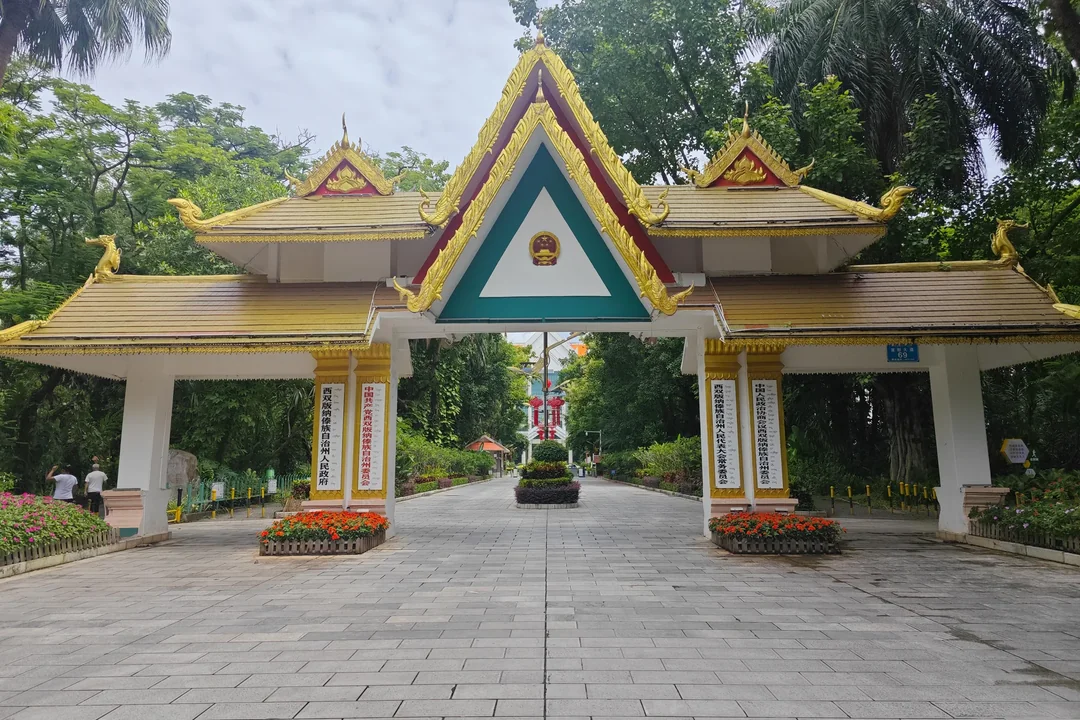
Morning of April 13–14 belongs to the rituals: Buddhist ceremonies at Manting Park and the temples, the dragon-boat races on the Lancang river, and the Dai cultural fair. They give the water fights their meaning.
Step 5: Join the splashing
From midday on April 14–15 the streets around the city center become one open water fight. Buy a basin or a water gun, expect to be drenched within minutes, and splash back gently. Target shoulders and backs, never faces.
Step 6: Dry off and see the rest
Evenings bring the Starlight Night Market at Gaozhuang, riverside lantern releases, and Dai food. Recovery days fit well around it: Wild Elephant Valley, the Dai Ethnic Garden, or Mengle Temple.
Common scenarios and use cases
1. Photographer or content creator
Waterproof housings or a cheap action camera are worth more than your main camera. Some splashers spare people with visible pro cameras, but count on getting wet anyway.
2. Family with children
Daytime side streets and hotel courtyards are calmer than the main drag. Kids love it; bring goggles and a dry base layer, and keep the main-square scrums to the adults.
3. Budget traveler
Hostels and guesthouses fill first. Consider staying in Mantianhong or across the river and walking in. Buy your water gun at a local shop rather than the festival stalls to save half.
4. Extending the trip
Pair the festival with southern Yunnan: the tea mountains around Menghai, the botanical garden, or a slow loop through Pu'er coffee country before heading back to Kunming.
Costs and pricing breakdown
- Water gun: CNY 10–40; plastic basin CNY 5–10
- Waterproof phone pouch: CNY 10–20
- Hotel, festival week: CNY 300–800 (vs CNY 100–250 off-season)
- Kunming–Jinghong HSR: about CNY 140–220 second class
- Kunming–Jinghong flight: CNY 300–600 one way in festival week
- Manting Park / Dai Ethnic Garden entry: about CNY 40–60 each
Pitfalls to avoid
- Splashing monks, elders, babies, or anyone driving or riding: the water is a blessing for those on foot and playing — not for people who cannot opt out.
- Using dirty or ice-cold water: warm, clean water only. Ice water reads as hostile and locals will call it out.
- Carrying valuables into the crowd: phones drown by the dozens every festival. Leave passports and wallets at the hotel; carry a pouch and small cash.
- Wearing slippery flip-flops: the streets become rivers. Strapped sandals save you from falls.
- Planning to drive in the center on April 14–15: roads jam or close; walk or take a hotel-arranged drop-off at the edge of the zone.
Alternatives and trade-offs
- Dehong (Ruili, Mangshi): the same Dai festival with a fraction of the tourist crowd; fewer English speakers and hotels, but a more local feel.
- Thailand's Songkran (also mid-April): the same tradition at international scale; choose it if you want bigger parties, choose Jinghong for culture-first celebration.
- The week after: the festival dates are fixed, but Dai villages stay lively into late April with none of the crush.
- Skip the scrum entirely: watch the dragon boats and ceremonies, then base yourself at a riverside cafe — many locals over 40 do exactly that.
Local context and customs
Water marks washing away the old year and blessing the person you soak, which is why the gentlest splashes — a fingertip dip on an elder's shoulder — carry the most meaning. The festival comes from the Dai calendar and is shared by the De'ang and Achang peoples; in Jinghong it now belongs to everyone in the city. Dress respectfully around temples, ask before photographing ceremonies up close, and accept the tea you are offered at village homes. The polite greeting for the holiday is 新年快乐 or simply a smile before you splash.
Verifying current information
Festival programming and transport schedules shift each year. Confirm the latest through:
- Xishuangbanna prefecture government (xsbn.gov.cn): official festival notices and road closures
- Yunnan culture and tourism department: event calendars and safety notices
- 12306: HSR ticket release for Kunming–Jinghong around the festival
- Your guesthouse in Jinghong: the most reliable source for street schedules and splash zones
- Recent traveler reports: forums for the current year's crowd levels
Putting it all together
The winning formula is: book two months out, fly into JHG with a dry bag, watch the April 13–14 ceremonies, then join the April 14–15 water fights with a basin and a dry phone. Splash gently, respect the opt-outs, and dry off at the night market. In my experience the travelers who enjoy it most are the ones who surrender to being soaked instead of defending their outfit.
FAQ
When is the Water-Splashing Festival in 2026?
April 13–15, as every year. The biggest street water fights run April 14–15 in Jinghong, with ceremonies opening the festival on the 13th.
Where is the best place to experience it?
Jinghong in Xishuangbanna for the full scale; Ruili or Mangshi in Dehong for a smaller, more local version.
Will I really get completely soaked?
Yes. Treat your phone, passport, and wallet accordingly — dry bags are the single best purchase of the trip.
How do I get to Xishuangbanna?
Fly to Xishuangbanna Gasa Airport (JHG), or take the high-speed train from Kunming, about 3.5 hours. Book both early for festival week.
Is it suitable for children?
Yes, with judgment: side streets and hotel courtyards in the morning, the main-square scrums left to teenagers and adults.
What should I wear?
Quick-dry clothes and strapped sandals. You will be wet for three days; choose fabrics that dry overnight.
Can I opt out of being splashed?
Mostly — step into shops or cover your camera, and most splashers will pass you by. But on the main streets April 14–15, some soaking is unavoidable; that is the point.
Is the water clean?
Generally yes — tap-warm water from basins and guns. Avoid anyone using dyed or filthy water; locals police that themselves.