Quick answer
Chinese street food is mostly safe when you apply three filters: the stall is busy (turnover is freshness), locals are queueing, and the food is cooked in front of you at high heat. Skip pre-cut fruit, lukewarm trays, and ice in cheap drinks; drink bottled water. A full night-market dinner runs CNY 10–30 a person. I have eaten street food across 11 provinces since 2022 with one bad afternoon to show for it — and that one came from a slow stall, which is the lesson.
Why this matters in 2026
Street food is where the best eating in China happens — jianbing at 7 a.m., skewers at midnight — and hygiene standards have improved visibly with licensing and market supervision. The risk profile is predictable and mostly about temperature and turnover, not exotic hazards: things held warm too long, raw things that should have stayed cold, and water you didn't order bottled. Travelers who avoid street food entirely lose the most memorable meals of the trip; travelers who follow three rules rarely lose a day to their stomach.
Key facts at a glance
- The queue rule: high turnover means nothing sits long enough to go wrong — pick the stall with locals waiting
- Cooked-to-order: watch the wok or grill; high flame and fresh oil are the safety system
- Water: bottled or boiled only; tap water is not potable
- Safe bets: jianbing, baozi, grilled skewers (cooked through), boiled malatang, roasted sweet potato
- Handle with care: pre-cut fruit, raw seafood, cold dressed dishes at empty stalls
Step-by-step walkthrough
Step 1: Choose the stall by its queue
Turnover is the whole system — busy means ingredients bought fresh that morning and nothing lingering. Two stalls side by side: the one with locals is your dinner, however unremarkable its sign.
Step 2: Watch the cooking
Order things made on flame or steam in front of you. Fresh oil runs light and shimmers; oil dark as soy sauce means a week of reuse. Bubbling woks, hissing grills, and steaming stacks are the green lights.
Step 3: Order the safe-bet dishes
Jianbing (griddled to order), baozi (steamed through), chuan'r (skewers grilled until the juices run clear), malatang (boiled in front of you), roasted sweet potato (baked in its skin). These are street classics precisely because heat does the safety work.
Step 4: Manage condiments and spice
Chili oil goes on by the spoonful — ask for 微辣 (wēi là, "mildly spicy") to start. Shared condiment jars at busy stalls turn over too fast to matter; skip the barely-touched ones at slow stalls.
Step 5: Handle drinks right
Bottled water (CNY 2–3), hot soy milk, or sealed drinks. Skip the ice in freshly blended juice from scrappy stalls — the ice is the risk, not the fruit.
Step 6: Eat it soon
Street food is at its best — and safest — within minutes. Takeaway for later is fine if you eat within an hour or two; do not "save" cooked street food in a warm hotel room overnight.
Common scenarios and use cases
1. Xi'an's Muslim Quarter
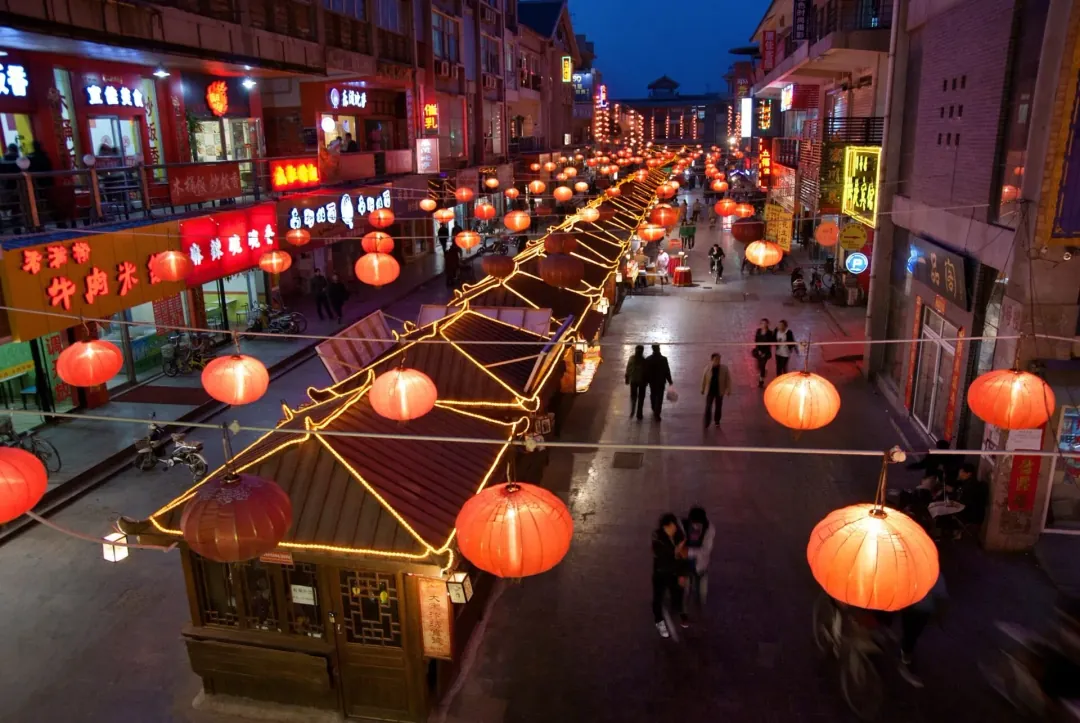
Roujiamo (CNY 10–15), yangrou paomo, and grilled lamb skewers — busy blocks here turn over beautifully. For a less touristy version, locals send you to Yongxingfang food hall two kilometers north.
2. Chengdu's side streets
Chuan chuan (skewers boiled in spicy broth), sweet-water noodles, and rabbit heads for the committed. The dan dan noodles at a market stall that runs out by 8 p.m. is the safety system in action.
3. Beijing night markets
Lamb skewers, tanghulu (candied hawthorn), and jianbing guozi. The famous tourist strips are fun but price-inflated; the stalls beside office towers at lunch are the locals' real street-food scene.
4. If you have a sensitive stomach
Grilled and boiled only, fully cooked, nothing raw or cold-dressed; bottled drinks without ice; peel-your-own fruit from the fruit stall (not the pre-cut cups). This conservative kit still leaves you most of the cuisine.
Costs and pricing breakdown
- Jianbing: CNY 8–15
- Roujiamo: CNY 10–15
- Skewers: CNY 2–5 each; a filling round is CNY 20–30
- Tanghulu: CNY 10–20
- Bottled water: CNY 2–3 (convenience store), CNY 5+ (tourist zones)
- Stomach kit at a pharmacy (ORS + loperamide): CNY 20–40
Pitfalls to avoid
- Pre-cut fruit plates in summer: cut melon sitting at ambient temperature is the single most reliable stomach-ender. Buy whole fruit and peel it.
- Lukewarm braised trays (卤味): the danger zone is exactly lukewarm. Either piping hot or from a fridge with a turnover line.
- Ice in street-blended juice: the syrup and ice buckets at slow stalls are the weak link. Ask 无冰 (wú bīng, "no ice").
- Raw seafood away from the coast: inland "sashimi" and raw shellfish are the wrong region for that dish. Cooked crab and prawns, always.
- Judging stalls by looks alone: a rusty cart with a queue beats a spotless stall with none. Cleanliness matters, but turnover matters more.
Alternatives and trade-offs
- Mall food courts: the same dishes behind inspected kitchens at food-court prices — the low-risk version of any dish you want.
- Meituan/Eleme delivery: rated kitchens with public hygiene scores; filter for 4.5+ and recent reviews.
- Hotel breakfast on the sick day: congee and steamed buns; gentle, safe, and free with most rooms.
- If you do get sick: oral rehydration salts (补液盐) and rest for most cases. See a clinic for fever above 38.5°C, symptoms past 48 hours, or blood — international clinics (United Family, Raffles) in tier-1 cities take travel insurance; carry your policy details.
Local context and customs
Vendors display their food-safety license and health certificate by law — the framed paper on the cart is real and current. Locals eat street food daily; the aunt judging the skewers ahead of you is the quality control you are benefiting from. Markets are family operations, stalls are inherited, and regulars order without words. If you point at what the person before you ordered, you will get the good version — and usually a grin at the attempt.
Verifying current information
Markets close, relocate, and get renovated constantly. Confirm the latest through:
- Dianping (大众点评): current stall-level ratings and photos — filter by "recent"
- 12315 hotline: the market-supervision complaint line that keeps vendors honest
- City food-street official accounts: hours and relocation notices for major markets
- Your hotel or hostel host: they know which famous street has gone tourist-only this year
- Travel clinic before departure: your specific risk profile and vaccinations
Putting it all together
Follow the queue, order what moves over flame or steam, drink bottled, skip pre-cut fruit and street ice, and keep a CNY 30 pharmacy kit in your bag for the unlikely day it matters. In my experience the street food rule collapses into one habit: eat where the line is, and you will eat the best meals of your trip without spending a day in the hotel.
FAQ
Is street food in China safe?
Mostly, yes — the busy-queue, cooked-to-order stalls are as safe as restaurants. The realistic risks are temperature and water, both easy to manage.
Can I drink tap water in China?
No. Drink bottled or boiled water; brush your teeth with bottled water if your stomach is sensitive.
What about ice in drinks?
Skip it at street stalls and small eateries; chain coffee and tea shops use filtered ice and are fine.
Which dishes should I try first?
Jianbing for breakfast, roujiamo for lunch, skewers and malatang for the night market. All cooked in front of you, all cheap.
What should I do about traveler's diarrhea?
Oral rehydration salts, water, rest. Over-the-counter loperamide works at pharmacies (药店). Escalate to a clinic for high fever or symptoms beyond 48 hours.
Are famous night markets tourist traps?
The famous ones (Wangfujing in Beijing) lean touristy and priced up. Walk two streets over from any attraction and prices halve and quality rises.
Are there good vegetarian street options?
Yes — 素 (sù) means vegetarian; grilled tofu, veggie skewers, baozi with vegetable fillings, and roasted sweet potatoes are everywhere.