Quick answer
Chinese temples are working places of worship, not just photo stops, and a few rules keep you welcome: dress with shoulders and knees covered, step over thresholds instead of standing on them, keep your voice low inside the halls, and follow the locals' lead with incense. Photography is usually fine in courtyards but restricted inside the halls. Most faux pas are forgiven when you show effort — locals will gently point you the right way.
Why this matters in 2026
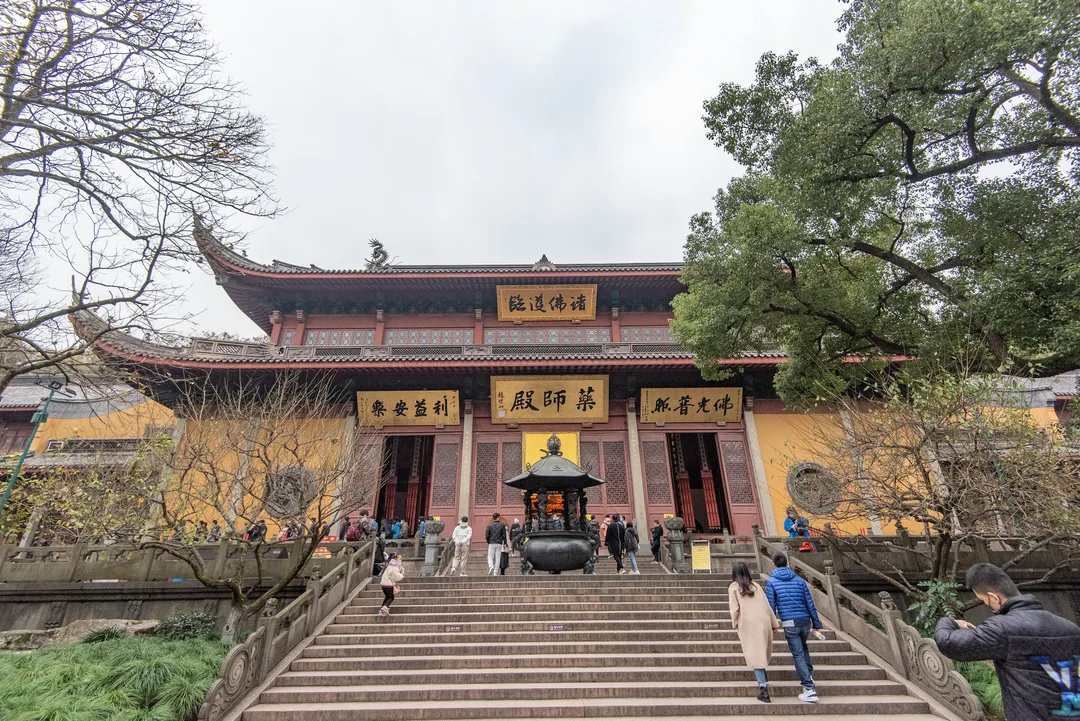
China's great temples — Yonghe Temple (Lama Temple) in Beijing, Jade Buddha Temple in Shanghai, Lingyin Temple in Hangzhou, Giant Wild Goose Pagoda in Xi'an — draw millions of visitors a year, and most are active monasteries where people pray before work. Behaving like a visitor at a museum (loud commentary, flash photography, posing in front of altars) marks you out immediately, while a traveler who bows, lights three sticks of incense, or simply waits quietly earns friendly nods. The rules also differ subtly between Buddhist, Taoist, and Confucian sites, which is exactly what this guide untangles.
Key facts at a glance
- Dress code: shoulders and knees covered; no strict shoe-removal in Chinese temples
- Incense: three sticks is the standard offering; light from the candle, never from another person's burning incense
- Thresholds: step over the high wooden door sills, never stand or tread on them
- Photography: fine in courtyards, usually prohibited inside halls and of statues — look for signs
- Entrance fees: typically CNY 10–50; incense is often included or handed out free at the burner
- Circumambulation: walk clockwise around pagodas, stupas, and prayer wheels
Step-by-step walkthrough
Step 1: Dress before you go
Cover shoulders and knees and wear shoes you can slip in and out of easily. There is no uniform enforcement for foreign visitors, but revealing clothing draws disapproving looks at active worship sites.
Step 2: Enter through the side doors
The large central gate is traditionally reserved for the abbot and for ceremonial use — use the side entrances. Step over the wooden threshold, not on it; treading on a threshold is considered disrespectful.
Step 3: Light incense the standard way
Take three sticks, light them from the candle flame at the burner, and extinguish any flame with a gentle wave — never blow them out and never light one stick from another person's. Hold them at forehead height, bow three times toward the main hall, then stand them upright in the large burner.
Step 4: Move through the halls quietly
Keep your voice low, silence your phone, and leave food and drink outside. Do not point your feet at Buddha statues when sitting, and never touch or climb on statues, altars, or the railings around them.
Step 5: Photograph with restraint
Courtyards, roofs, and architecture are generally fine. Inside the halls, look for no-photo signs or ask staff; if people are praying, shoot from behind or wait. Never use flash on statues or murals.
Step 6: Give only if you want to
The 功德箱 (gongde, merit) box near each altar accepts voluntary donations — a few yuan is plenty. There is no tipping-style expectation, and nobody will press you to give.
Common scenarios and use cases
1. Visiting Yonghe Temple (Beijing)
Entrance CNY 25 includes a set of free incense sticks handed out at the first courtyard — use those rather than bringing your own. Work through the halls in order, ending at the 18-meter standing Buddha of the Future in the Wanfu Pavilion.
2. Joining worship at a busy temple
Watch the order of operations first: locals light incense at the outdoor burner, bow toward the main hall, then move inside. Follow the same flow, keep to the sides, and never walk directly in front of someone mid-prayer.
3. Visiting a Confucian temple (Beijing, Qufu)
Confucian temples such as the Beijing Temple of Confucius or the temple and cemetery at Qufu function more like heritage sites — no incense protocol, but the same quiet, no-touching, no-climbing rules apply. Steles and ancient trees are often protected: look, don't lean.
4. Meeting a monk
Greet with palms pressed together (合十) and a slight bow rather than a handshake. Do not touch monks or their robes, ask before photographing them, and keep conversations outside the halls. At vegetarian refectories (素斋), a small donation is the custom.
Costs and pricing breakdown
- Yonghe Temple (Beijing): CNY 25, free incense included
- Jade Buddha Temple (Shanghai): CNY 20
- Lingyin Temple (Hangzhou): CNY 30 plus the Feilai Feng Scenic Area ticket (CNY 45)
- Giant Wild Goose Pagoda (Xi'an): CNY 25–30; pagoda climb extra CNY 25–30
- Incense: usually included with admission or free at the burner; outside sticks should be left with your shoes if the temple bans them
- Donation (gongde box): CNY 1–10, entirely voluntary
Pitfalls to avoid
- Standing or treading on thresholds: step over the high wooden sills — they symbolically keep out trouble, and feet on them are a marked disrespect.
- Lighting incense from someone else's sticks: always use the candle at the burner; passing fire stick-to-stick is a faux pas.
- Flash photography of statues and murals: light damages pigments, and flash inside halls is prohibited almost everywhere.
- Posing with your back or feet toward a Buddha statue: step aside to take photos; do not turn your back or point your soles at the altar.
- Treating a worship hall as a photo studio: no staged shoots, no sitting on railings, no drones over temple grounds without a permit.
Alternatives and trade-offs
- Confucian and heritage sites: Beijing Temple of Confucius, Qufu's temple complex, and Shanghai's Confucian Temple offer the architecture with a lighter worship protocol.
- Early morning visits: arriving at opening (usually 07:00–08:00) means working monasteries at their most atmospheric and the thinnest crowds.
- Licensed guides: a 1–2 hour guided tour (CNY 200–400) decodes iconography — hand gestures, guardian statues, roof beasts — you would otherwise walk past.
- Temple fairs (庙会): visit during Chinese New Year for the festival atmosphere, but expect heavy crowds and strict one-way flows.
Local context and customs
Buddhist, Taoist, and Confucian sites coexist and often share conventions: bow rather than point, keep the altar side of halls quiet, and move clockwise around pagodas, stupas, and prayer wheels. Monks are ordinary people doing a job of practice — a nod and 合十 greeting is appreciated, and questions asked politely are usually answered in slow, simple Mandarin or by nearby volunteers. Offering meat is inappropriate at Buddhist temples; fruit, flowers, and vegetarian items are the norm if you bring an offering at all.
Verifying current information
Opening hours, ticket prices, and photography rules change with restoration work and festivals. Confirm the latest details through:
- China National Tourism Administration: http://www.cnta.gov.cn
- Official temple websites: Yonghe Temple, Lingyin Temple, and Jade Buddha Temple publish hours and ticket policies
- On-site signs: photography and incense rules are posted at each hall entrance
- Reddit r/China and r/travelchina: recent visitor reports on crowds and rules
- Your hotel concierge: most temple-adjacent hotels know the current access rules
Putting it all together
The single rule that covers almost everything: watch the worshippers and follow their lead. Dress covered, enter by the side door, step over thresholds, light three sticks if you wish, keep halls quiet, and treat statues as sacred objects rather than backdrops. If you catch yourself about to pose with your back to a Buddha, step aside instead. Every temple visit gets easier, and by the second or third site the incense routine feels natural.
FAQ
Do I need to take off my shoes in Chinese temples?
Usually no. Unlike temples in Thailand or Japan, Chinese Buddhist and Taoist temples let you keep your shoes on, except in rare meditation halls or sutra rooms where a sign asks you to remove them.
How many incense sticks should I light?
Three is the standard: one for the Buddha, one for the Dharma, and one for the sangha. Light them from the candle flame, hold at forehead height while bowing, then place them upright in the large burner.
Can I take photos inside temple halls?
Outdoor courtyards are generally fine. Photography inside the main halls and of Buddha statues is often prohibited — look for no-photo signs or ask a member of staff. Never use flash on statues or murals.
Is there an entrance fee for temples in China?
Most active temples charge CNY 10–50 (Yonghe Temple CNY 25, Jade Buddha Temple CNY 20, Lingyin Temple CNY 30 plus the Feilai Feng park ticket). Incense is usually included or provided free at the burner.
What should I wear to a Chinese temple?
Cover shoulders and knees, and choose closed shoes you can walk in. There is no strict enforcement for foreign visitors, but revealing clothing draws disapproving looks and may be refused at active worship sites.
Can I watch or join the worship?
Watching quietly from the side is fine, and anyone may light incense and bow. Follow the crowd's order: light incense at the burner, bow toward the main hall, then visit side halls. Do not walk directly in front of people who are praying.
How do I interact with monks?
Greet with palms pressed together (合十) and a slight bow rather than a handshake. Do not touch monks or their robes — special rules apply to contact with nuns. Ask before photographing them, and keep conversations outside the halls.
What is a gongde box?
The 功德箱 (merit box) is the donation box near each altar. Dropping in a few yuan is entirely voluntary; there is no pressure to give, and no tipping-style expectation.