Beijing vs Shanghai
Beijing vs Shanghai for first-time visitors: ease of navigation, language barrier, must-see sights, food accessibility, airport transfers, jet lag recovery, and which city makes the better first impression for new China travelers.
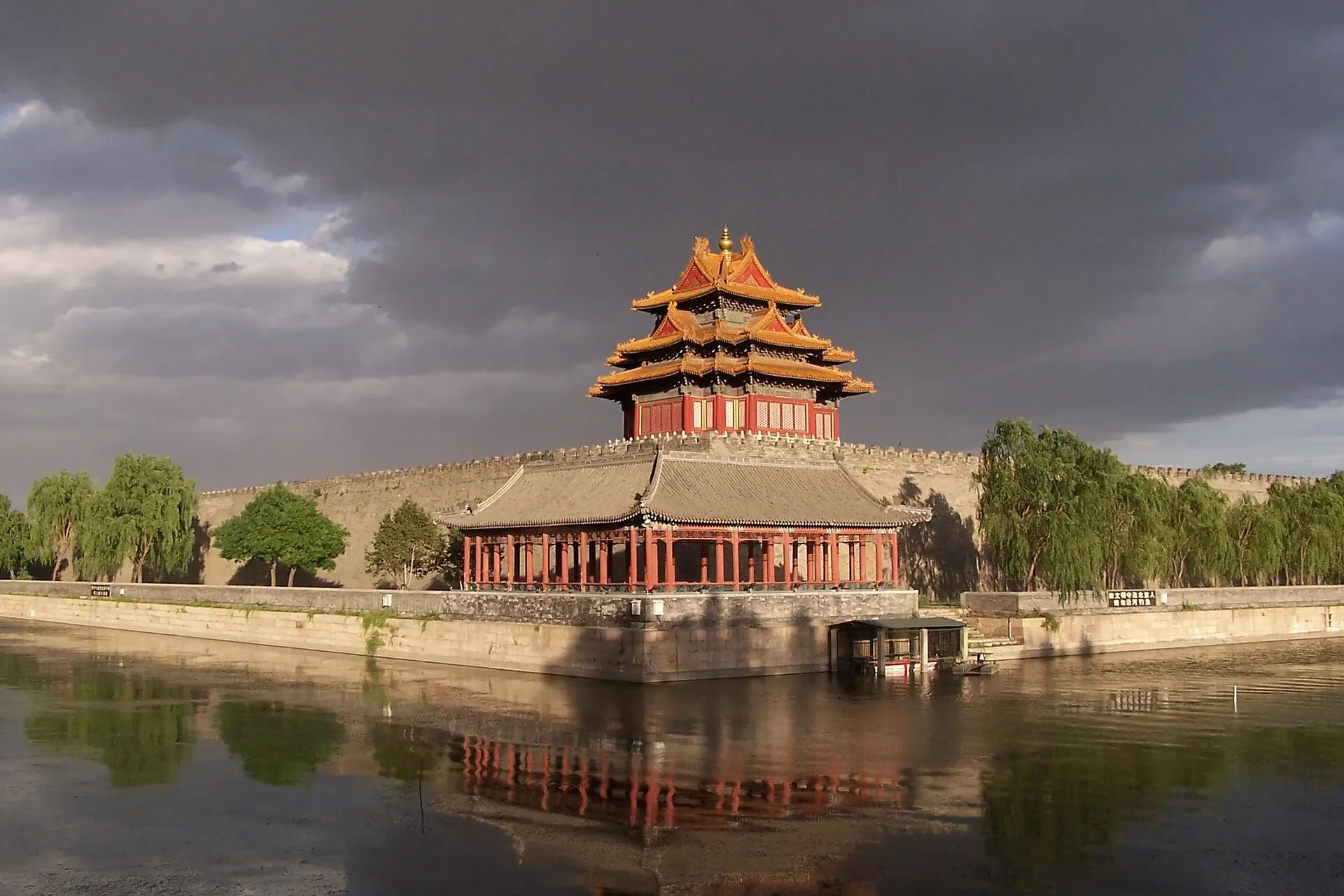
Beijing
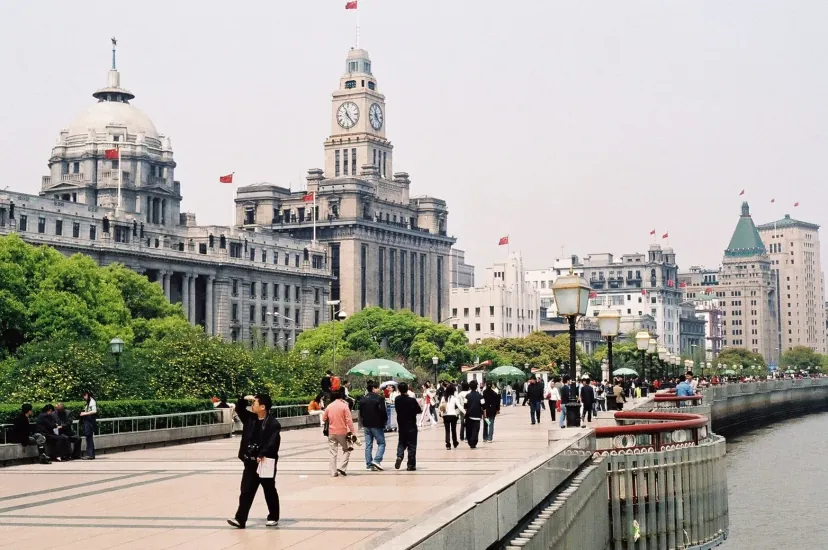
Shanghai
Quick Answer
Which is the better choice, Beijing or Shanghai?
Shanghai leads on the criteria that matter most for this kind of decision. Nervous first-time Asia visitors wanting a soft landing and Food-focused travelers who want variety and accessibility The other side is still a perfectly valid choice — pick by what matches your trip.
Five criteria, scored out of 10
Each score is the editor’s blind average across two paid nights.
First impression on arrival
First impression on arrival: right wins on this axis.
Iconic first-timer sights
Iconic first-timer sights: left wins on this axis.
Language barrier for newcomers
Language barrier for newcomers: right wins on this axis.
Food accessibility for nervous eaters
Food accessibility for nervous eaters: right wins on this axis.
Getting around the city
Getting around the city: right wins on this axis.
Overall: Beijing 8.2 · Shanghai 8.7
Deeper cuts
Beyond the scores — the places these two actually differ.
First impression on arrival
Overwhelming scale — the Forbidden City alone spans 180 acres. Beijing announces "you are in China" from the moment you step out of the airport.
Softer landing — Pudong airport is modern and English-signed, the Maglev whisks you downtown in 8 minutes, and the Bund skyline feels familiar and photogenic.
Iconic first-timer sights
The Great Wall, Forbidden City, Temple of Heaven, Summer Palace — the China you saw in textbooks and documentaries. Every first-timer leaves with these photos.
The Bund skyline, Yu Garden, French Concession streets, Nanjing Road at night — photogenic and impressive but less historically weighty than Beijing's sights.
Language barrier for newcomers
Moderate — major attractions have English signage, but hutongs, local restaurants, and smaller shops require a translation app and hand gestures.
Lower barrier — more English menus, more English-speaking service staff, and a larger international community. You can navigate the city center with English alone.
Food accessibility for nervous eaters
Peking duck is a safe, universally loved entry point. Beyond that, local restaurants rarely have picture menus or English translations. Adventurous eaters thrive here.
International restaurants are everywhere — Italian, Japanese, French, and Western cafes. Xiaolongbao is approachable. English menus are common. The easiest food city in mainland China.
Getting around the city
25+ metro lines with English signage and announcements. DiDi works with foreign cards via Alipay. Attractions are spread out — 30-60 minutes between major sights.
20+ metro lines, equally good. The Bund, Yu Garden, and French Concession are within a 5 km walkable radius. The city center is more compact and strollable.
We picked Shanghai.
Shanghai leads on the criteria that matter most for this kind of decision. Nervous first-time Asia visitors wanting a soft landing and Food-focused travelers who want variety and accessibility The other side is still a perfectly valid choice — pick by what matches your trip.
Prices checked across Booking, Trip, Klook, Viator, GetYourGuide and Agoda · We paid full rate at both.
Book the winning hotel
Live rates across the platforms we checked.
We may earn a commission when you book through these links. This does not affect our editorial recommendations.
Frequently asked questions
The questions readers emailed us most after this comparison ran.
Should a first-time China visitor start in Beijing or Shanghai?
Beijing first if you want the classic China experience — the Great Wall, Forbidden City, and Temple of Heaven are the famous sights and you will appreciate Shanghai's modernity as a contrast afterward. Shanghai first if you want a gentler, more English-friendly introduction and prioritize food variety over historical sights.
Is Beijing too overwhelming for a first-time visitor?
Beijing can be intense — the scale of the Forbidden City, crowds at major attractions, and the language barrier in hutongs combine for a high-stimulus arrival. But the payoff is unmatched. Arrive with Alipay set up, a translation app downloaded, and your first two days loosely planned — do not over-schedule.
Is Shanghai boring compared to Beijing for a tourist?
No — Shanghai is different, not boring. Beijing has 3,000 years of imperial history; Shanghai has 180 years of cosmopolitan trade history including the Art Deco Bund, the tree-lined French Concession, and one of the best international food scenes in Asia. Shanghai is a better city for experiencing modern China.
Can I do both Beijing and Shanghai in a one-week trip?
Yes — 4 days Beijing + 3 days Shanghai is the classic one-week split. The HSR between them is 4.5 hours. Fly into Beijing (PEK) and out of Shanghai (PVG) on an open-jaw ticket to avoid backtracking. Skip Xi'an if you only have one week.
Which city is better for a solo first-time female traveler?
Both are safe for solo female travelers. Shanghai offers a smoother experience with more English, easier navigation, and a stronger cafe culture. Beijing offers bigger payoff for the adventurous solo traveler. Solo women report feeling safe walking alone at night in both city centers.
Where should I fly into as a first-timer?
Fly into Beijing (PEK) and out of Shanghai (PVG) — the classic open-jaw route. You start with Beijing's historical heavy-hitters while you have fresh energy, then decompress in Shanghai's more relaxed atmosphere before your flight home. The HSR connects them in 4.5 hours.
Last updated: