nihaovisit

Comparison

Spring vs Autumn Travel in China 2026: Which is the Best Season?

Spring (March–May) brings cherry blossoms, mild temperatures, and fresh green landscapes — but also spring rain and sandstorms in the north. Autumn (September–November) delivers crisp blue skies, golden foliage, and the most reliable weather of the year — but also Golden Week crowds in early October. For most travelers, autumn is the safer bet. For flower chasers and garden lovers, spring is essential.

Comparison·Updated 2026-07-19
8axes compared
8FAQ answered
3related comparisons
71+comparisons live
12 langstranslated
2026rates verified

TL;DR verdict

Quick Answer

Spring (Mar–May) vs Autumn (Sep–Nov): which should you pick?

For most travelers, Autumn (Sep–Nov) is the safer pick — but the other side wins on the axes that matter most.

For most travelers, Autumn (Sep–Nov) is the safer pick — but the other side wins on the axes that matter most for Autumn (Sep–Nov).

Side-by-side comparison

Spring (Mar–May)Autumn (Sep–Nov) VERDICT
Weather reliabilityVariable. March can be cold (5–15°C in Beijing). April is pleasant (15–25°C). May is warm (20–30°C). Rain increases through the season. Northern sandstorms possible in March–April.The most reliable weather window in China. September is warm (20–28°C), October is perfect (15–25°C), November cools (5–15°C). Dry, sunny, low humidity. Fewer weather disruptions than any other season.
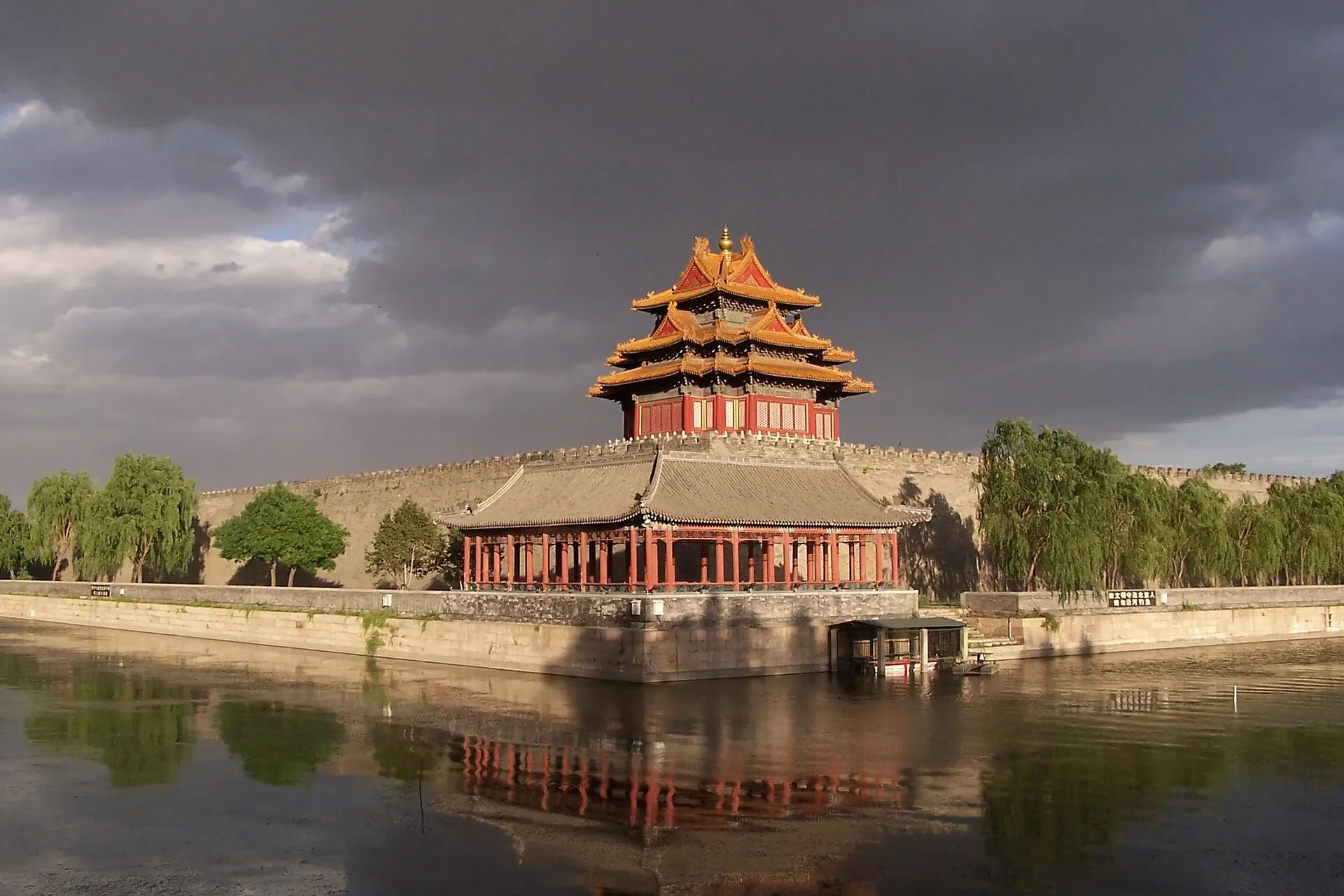
SceneryCherry blossoms (late March–early April), peach blossoms, rapeseed fields (Luoping, March), fresh green everywhere. The landscape looks reborn. Gardens in Suzhou and Hangzhou are at their peak.Golden and red autumn foliage — the Great Wall snaking through crimson forests, Jiuzhaigou's technicolor lakes reflecting gold leaves, Yellow Mountain's granite peaks above a sea of color. More dramatic than spring.
CrowdsModerate — Qingming Festival (early April) brings domestic tourism spikes. May Day (May 1–5) is very busy. Otherwise, spring is a shoulder season with manageable crowds.Extreme in early October — Golden Week (Oct 1–7) is the busiest travel week of the year. Everything is packed, prices double, tickets sell out. After October 10, it is perfect: beautiful weather and thin crowds.
FestivalsQingming Festival (Tomb Sweeping Day, early April) — families visit ancestral graves, spring outings. May Day (May 1–5) — a national holiday, more about travel than tradition. Peony Festival in Luoyang (mid-April to early May).Mid-Autumn Festival (September/October, lunar calendar) — mooncakes, lanterns, family reunions. National Day Golden Week (Oct 1–7) — massive celebrations, flag-raising at Tiananmen. Osmanthus Festival in Hangzhou.
CostModerate. Qingming and May Day see hotel price spikes (30–50%). Outside those periods, spring is a shoulder season with reasonable prices. Flights are cheaper than autumn.Expensive during Golden Week (prices double or triple). Outside Oct 1–7, autumn is mid-range — slightly pricier than spring for hotels, similar for domestic flights.
Best regions in this seasonJiangnan (Hangzhou, Suzhou, Nanjing) for gardens in bloom. Yunnan (Kunming, Dali) for eternal spring plus flowers. Guilin/Yangshuo for green karst peaks and mild temperatures. Luoping for rapeseed fields (February–March).Beijing (Great Wall in autumn foliage is world-class). Jiuzhaigou (the autumn colors are the reason to visit). Yellow Mountain (granite + gold). Western Sichuan (Tagong, Yading) for clear skies and golden grasslands.
PhotographySoft light, misty mornings, fresh greens and pinks. West Lake at dawn in April mist is iconic. Rapeseed fields in Luoping are a drone photographer's dream. The palette is pastel and romantic.Crisp light, deep blue skies, gold-and-red foliage. The Great Wall at Mutianyu in late October is the most photographed scene in China. The clarity and contrast are better than spring's haze.
Air qualityMixed. Northern China (Beijing, Xi'an) can have sandstorms in March–April. Southern China is generally clear. Improving as spring progresses.The best air quality of the year in northern China. Summer humidity has cleared, winter heating has not started yet. Beijing in October often has genuinely blue skies. Best time for clear photos.

Weighted score bars

Bar length reflects the per-axis evidence length; the winner of each axis is highlighted in terra-cotta.

Weather reliability

Autumn (Sep–Nov) wins

Spring (Mar–May)

Autumn (Sep–Nov)

Scenery

tie

Spring (Mar–May)

Autumn (Sep–Nov)

Crowds

Spring (Mar–May) wins

Spring (Mar–May)

Autumn (Sep–Nov)

Festivals

tie

Spring (Mar–May)

Autumn (Sep–Nov)

Cost

Spring (Mar–May) wins

Spring (Mar–May)

Autumn (Sep–Nov)

Best regions in this season

tie

Spring (Mar–May)

Autumn (Sep–Nov)

Photography

Autumn (Sep–Nov) wins

Spring (Mar–May)

Autumn (Sep–Nov)

Air quality

Autumn (Sep–Nov) wins

Spring (Mar–May)

Autumn (Sep–Nov)

Final score

54vs46

Based on 8 weighted axes. Autumn (Sep–Nov) edges ahead by 1 of 8.

Pros

  • Photographers (best light, clearest skies, autumn foliage)
  • Northern China visitors (Beijing, Xi'an, Great Wall)
  • Jiuzhaigou and western Sichuan (autumn colors are the peak season for a reason)
  • Travelers who want reliable weather (lowest rain probability)

Cons

  • Flower and garden lovers (cherry blossoms, peonies, rapeseed)
  • Budget travelers (lower prices outside holidays)
  • Jiangnan region visitors (gardens are at their peak)
  • Travelers who prefer soft, pastel landscapes

Why travelers pick each side

Here's who each destination suits best — pick the side that matches your trip.

Choose Spring (Mar–May) if you are

Spring (Mar–May)

Top reasons to pick this side

  • Flower and garden lovers (cherry blossoms, peonies, rapeseed)
  • Budget travelers (lower prices outside holidays)
  • Jiangnan region visitors (gardens are at their peak)

Choose Autumn (Sep–Nov) if you are

Autumn (Sep–Nov)

Top reasons to pick this side

  • Photographers (best light, clearest skies, autumn foliage)
  • Northern China visitors (Beijing, Xi'an, Great Wall)
  • Jiuzhaigou and western Sichuan (autumn colors are the peak season for a reason)

The verdict

Spring (Mar–May) is better for

  • Flower and garden lovers (cherry blossoms, peonies, rapeseed)
  • Budget travelers (lower prices outside holidays)
  • Jiangnan region visitors (gardens are at their peak)
  • Travelers who prefer soft, pastel landscapes
  • Yunnan itineraries (spring is eternal there)

Autumn (Sep–Nov) is better for

  • Photographers (best light, clearest skies, autumn foliage)
  • Northern China visitors (Beijing, Xi'an, Great Wall)
  • Jiuzhaigou and western Sichuan (autumn colors are the peak season for a reason)
  • Travelers who want reliable weather (lowest rain probability)
  • Anyone who can avoid Golden Week (Oct 1–7)

Frequently asked questions

When is the single best month to visit China?
October (after the 7th) is the single best month — perfect temperatures (15–25°C in most of China), blue skies, autumn foliage, and manageable crowds once Golden Week ends. October 10–31 is the sweet spot. Late April and May are the spring equivalent.
Is spring or autumn better for visiting Beijing?
Autumn (October) is the best time for Beijing — crisp blue skies, the Great Wall in golden foliage, comfortable walking weather. Spring (April) is good but sandstorms are possible in March–April and the skies are hazier. If you can only visit Beijing once, do it in October.
When are China's cherry blossoms?
Late March to early April, depending on the city and latitude. Wuhan's cherry blossoms (Wuhan University, East Lake) peak around March 20–April 5. Kunming's bloom earlier (late February). Beijing's bloom later (early April). The window is short — about 2 weeks per location.
What is Golden Week and should I avoid it?
Golden Week (October 1–7) is China's National Day holiday — 1.4 billion people travel simultaneously. Attractions are packed, hotels double or triple in price, HSR tickets sell out weeks ahead, and the Great Wall becomes a human river. If you have flexibility, avoid China entirely during this week. If you cannot, book everything 4+ weeks in advance.
Is spring a good time for hiking in China?
Yes — temperatures are mild (15–25°C), the landscape is green, and wildflowers are blooming. Tiger Leaping Gorge (Yunnan), Yellow Mountain (Anhui), and the Longji Rice Terraces (Guilin) are all excellent in April–May. Avoid late May in southern China — the rainy season begins.
Which season is better for photography in China?
Autumn for clarity and drama — October light is golden, skies are deep blue, and autumn foliage adds color. Spring for atmosphere — April mist over West Lake, cherry blossom petals on water, rapeseed fields in fog. Autumn wins for technical quality; spring wins for mood.
What is the weather like in China in September vs November?
September: warm (20–30°C), still humid in the south, the tail end of typhoon season on the southeast coast. November: cool (5–15°C north, 10–20°C south), dry, crisp. September is summer-lite; November is winter-lite. October is the Goldilocks month between them.
Can I combine spring and autumn destinations in one trip?
Not in one short trip — China is too large. But a 3-week trip in April could cover Beijing (spring blossoms in the hutongs), Luoyang (Peony Festival), Hangzhou (West Lake in spring), and Guilin (green karst peaks). A 3-week October trip could cover Beijing (autumn Great Wall), Jiuzhaigou (autumn colors), Yellow Mountain (sunrise above gold forests), and Yangshuo (harvest season in the rice paddies).

12 related comparisons

Editor-curated, then same-category, then the rest of the catalog.

Beijing vs Shanghai

Beijing for imperial history, the Great Wall, and hutong culture. Shanghai for skyline views, French Concession cafes, and xiaolongbao. Most first-timers do both — here is how to choose if you only have time for one.

China vs Japan

China wins on cost and scale. Japan wins on infrastructure, signage, and ease. Both reward a 7-10 day trip.

China vs Vietnam

Vietnam for visa simplicity and Southeast Asia warmth, China for history, HSR network, and food diversity. Both are excellent value but quite different experiences.

China vs South Korea

South Korea for visa simplicity, K-culture, and food quality; China for sheer scale of history, HSR, and regional cuisine variety.

VPN vs eSIM

eSIM for data connectivity, VPN for Western app access. They solve different problems — most travelers need both.

China vs India

China for infrastructure, food safety, and HSR efficiency. India for spirituality, color, and lower costs. Both overwhelm — pick based on your travel style.

China vs Taiwan

Taiwan for English-friendly infrastructure, night markets, and visa simplicity. Mainland China for scale, HSR, and historical depth. Different visa rules apply.

China vs Indonesia

China for imperial history, HSR connectivity, and eight regional cuisines. Indonesia for Bali beaches, Komodo dragons, and Borobudur. Very different trips at similar price points.

China vs Philippines

China for ancient history and HSR efficiency. Philippines for English-friendly island-hopping, diving, and the cheapest beach travel in Asia.

China vs Malaysia

China for ancient history and HSR scale. Malaysia for English-friendly infrastructure, multi-cultural food (Malay, Chinese, Indian), and visa simplicity.

China vs Singapore

China for scale, history, and HSR connectivity. Singapore for English-first infrastructure, hawker food, and the easiest first Asia trip. Very different price points.

China vs Thailand

Thailand for visa ease, beaches, and first-time Asia warmth. China for 5,000 years of history, HSR, and the deepest regional food variety in Asia. Two different trips.

Quick facts — Spring (Mar–May) vs Autumn (Sep–Nov)

Side-by-side reference for the 5 metrics travelers weigh most.

MetricSpring (Mar–May)Autumn (Sep–Nov)
Axes compared8 axes · winner: Autumn (Sep–Nov)
FAQ answered8 of the most-asked questions
Wikipedia reference
Categorytravel · 70+ comparisons live
Last verified2026 rates · editor-reviewed monthly

Still deciding?

Tell us your travel dates and priorities — we'll help you choose and send a personalized plan within 24 hours.