Choose Xi'an if you are
Xi'an
Top reasons to pick this side
- Geschichtsbegeisterte, die Tiefe suchen (3.000+ Jahre vs. 850)
- Feinschmecker (Xi'an ist die unterschätzte kulinarische Hauptstadt)
- Erstbesucher, die weniger Menschenmassen bevorzugen
Comparison
Peking als politisches Zentrum, für die Chinesische Mauer und kaiserliche Pracht. Xi'an für die Terrakotta-Armee, die Seidenstraße und 3.000 Jahre ununterbrochener Geschichte. Die meisten Erstbesucher machen beides – aber wenn du nur Zeit für eines hast, erfährst du hier, wie du dich entscheidest.
TL;DR verdict
Quick Answer
For most travelers, Xi'an is the safer pick — but the other side wins on the axes that matter most.
For most travelers, Xi'an is the safer pick — but the other side wins on the axes that matter most for Xi'an.
| Xi'an | Beijing | |
|---|---|---|
| Age | 3.000+ Jahre. Hauptstadt von 13 Dynastien. Die älteste der großen Städte Chinas. | ~3.000 Jahre. Hauptstadt seit Dschingis Khan (Yuan-Dynastie, 1271). |
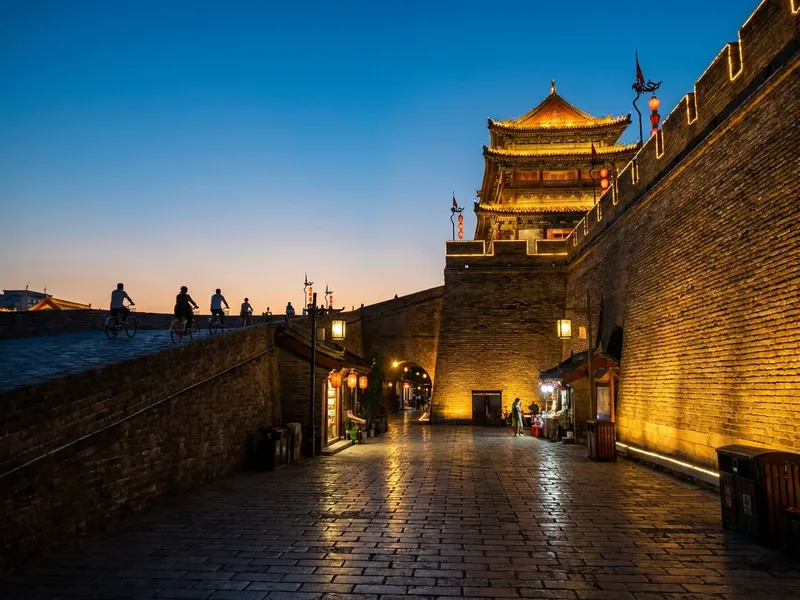
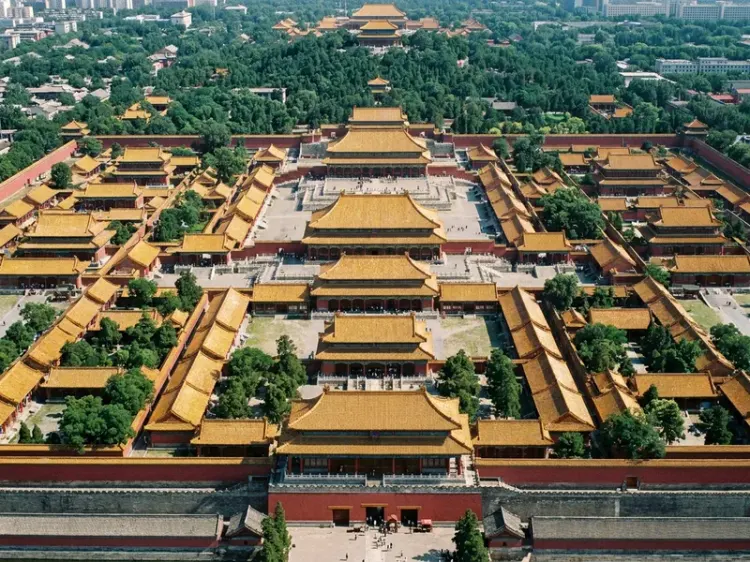
| Must-see | Terrakotta-Armee (UNESCO), Ming-Stadtmauern (am besten erhaltene Chinas), Streetfood im Muslimischen Viertel. | Verbotene Stadt (UNESCO), Chinesische Mauer bei Mutianyu, Himmelstempel, Hutongs. |
| History depth | 3.000+ Jahre durchgehende Besiedlung. Wo die chinesische Zivilisation begann (Zhou-Dynastie). | 850 Jahre als politisches Zentrum. Letzte 500 Jahre kaiserlicher Geschichte. |
| Food scene | Shaanxi-Küche: Biangbiang-Nudeln, Roujiamo (chinesischer Hamburger), Lamm-Spieße, Teigtaschen. | Pekingente, Zhajiangmian, Feuertopf, Jianbing-Crêpes von der Straße, kaiserliche Küche. |
| Crowd levels | Mäßig. Weniger internationaler Tourismus als Peking. Wochenendandrang bei der Terrakotta-Armee. | Hoch. Allein die Verbotene Stadt verzeichnet in der Hochsaison täglich 80.000+ Besucher. Die Chinesische Mauer ist am Wochenende überfüllt. |
| Cost (mid-range / day) | 80–120 $/Tag. Etwas günstiger als Peking. | 100–150 $/Tag. Etwas teurer. |
| HSR from Shanghai | 6 Stunden direkt. Weniger bequem als Peking. | 4,5 Stunden direkt. Die beliebteste HSR-Strecke der Welt. |
| Walking-friendly | Die Stadtmauern aus der Ming-Zeit sind zu Fuß oder mit dem Rad befahrbar (14 km-Rundkurs, Fahrradverleih 54 ¥). Die Altstadt ist kompakt und flach. | Hutongs sind fußläufig, aber die Stadt ist weitläufig. Die Verbotene Stadt erfordert ausgiebiges Gehen (3–4 Stunden). |
Bar length reflects the per-axis evidence length; the winner of each axis is highlighted in terra-cotta.
Age
tie
Xi'an
Beijing
Must-see
tie
Xi'an
Beijing
History depth
Xi'an wins
Xi'an
Beijing
Food scene
tie
Xi'an
Beijing
Crowd levels
Xi'an wins
Xi'an
Beijing
Cost (mid-range / day)
Xi'an wins
Xi'an
Beijing
HSR from Shanghai
Beijing wins
Xi'an
Beijing
Walking-friendly
Xi'an wins
Xi'an
Beijing
Final score
Based on 8 weighted axes. Xi'an edges ahead by 3 of 8.
Pros
Cons
Here's who each destination suits best — pick the side that matches your trip.
Choose Xi'an if you are
Top reasons to pick this side
Choose Beijing if you are
Top reasons to pick this side
Editor-curated, then same-category, then the rest of the catalog.
Beijing vs Shanghai
Beijing for imperial history, the Great Wall, and hutong culture. Shanghai for skyline views, French Concession cafes, and xiaolongbao. Most first-timers do both — here is how to choose if you only have time for one.
Mutianyu vs Jinshanling
Mutianyu for the best all-around experience (scenic + accessible). Badaling is closest and most crowded. Jinshanling is the best for serious hikers. Choose based on your time and fitness level.
Chengdu vs Xi'an
Chengdu for slow-paced food and panda travel, Xi'an for ancient Silk Road history. Both are essential for a 10–14 day China route — pick based on whether food or history ranks higher for you.
Shanghai vs Shenzhen
Shanghai for historic Bund + international food scene, Shenzhen for tech-themed travel and the Pearl River Delta gateway. Both are 20M+ megacities with excellent transit.
Beijing vs Hong Kong
Beijing for imperial China depth, Hong Kong for English-friendly infrastructure and the Pearl River Delta. Different visa rules, different vibes.
Shanghai vs Hong Kong
Shanghai for bigger skyline and inland China access; Hong Kong for English-first infrastructure, food variety, and visa simplicity. Both are major financial hubs.
Chengdu vs Guilin
Chengdu for Sichuan food + panda base, Guilin for the most iconic Chinese landscape. Different trip archetypes — choose based on whether you prefer urban food or natural scenery.
Beijing vs Chengdu
Beijing for imperial history + Great Wall, Chengdu for food + pandas + slower pace. Both are essential — choose based on your first-trip priority.
Hong Kong vs Singapore
Hong Kong for Cantonese food + Pearl River Delta access; Singapore for English-first + ASEAN gateway. Both are 90-day visa-free for most Westerners.
Shanghai vs Hangzhou
Shanghai for the Bund, skyline, and international buzz. Hangzhou for West Lake, tea plantations, and a slower pace just 45 minutes away by HSR. Many travelers do both.
Xi'an vs Nanjing
Xi'an for the Terracotta Army and Silk Road history. Nanjing for the Ming city wall, Sun Yat-sen's mausoleum, and a calmer ancient capital. Both are essential for China history.
Beijing vs Shanghai
Beijing for the iconic China checklist — Great Wall, Forbidden City, Temple of Heaven. Shanghai for a gentler entry with better English, international food, and walkable neighborhoods. Most first-timers start in Beijing; nervous or food-focused travelers should start in Shanghai.
Side-by-side reference for the 5 metrics travelers weigh most.
| Metric | Xi'an | Beijing |
|---|---|---|
| Axes compared | 8 axes · winner: Xi'an | |
| FAQ answered | 7 of the most-asked questions | |
| Wikipedia reference | — | — |
| Category | city · 70+ comparisons live | |
| Last verified | 2026 rates · editor-reviewed monthly | |
Tell us your travel dates and priorities — we'll help you choose and send a personalized plan within 24 hours.