Esta página está archivada y ya no se actualiza — consulta la guía actual: Ver la guía actual
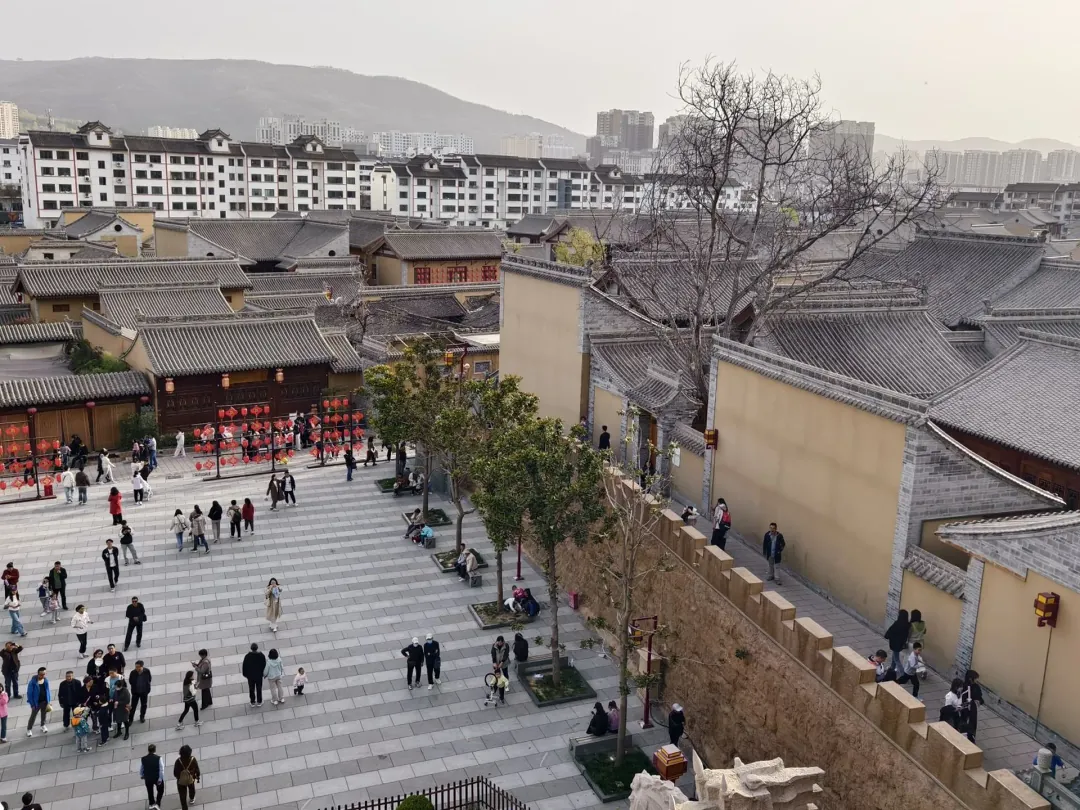
Southern and Northern Residences (Nanbei Zhaizi)南北宅子
Las Residencias Sur y Norte (Nanbei Zhaizi) son dos casas-patio adyacentes de las dinastías Ming y Qing en el centro de Tianshui que, juntas, forman el mejor ejemplo conservado de arquitectura residencial tradicional del oeste de China en la región. La Residencia Sur data de la dinastía Ming (finales del siglo XVI) y la Norte de la dinastía Qing (siglo XVIII). Ambas lucen el estilo distintivo de Gansu: muros encalados de blanco, estructuras de madera oscura, aleros vuelcos y tallas de madera elaboradas. El conjunto es gratuito y ofrece una mirada rara a la arquitectura doméstica histórica de esta parte de China.
Tianshui · guía de visita2026-10-19
Respuesta rápida
¿Merece la pena visitar Southern and Northern Residences (Nanbei Zhaizi)?
El conjunto residencial de los Ming y Qing mejor conservado de China occidental. Entrada gratuita. Dos mansiones señoriales de patio con la arquitectura característica de Gansu. A 30 minutos de Maiji Mountain.
Datos rápidos
| Entrada | Entrada gratuita (a fecha de 2026). |
|---|---|
| Horario | 8:30–17:30 (martes a domingo). Cerrado los lunes. |
| Duración recomendada | 1–2 horas. |
| Mejor época para visitar | Las mañanas de diario, para una visita tranquila. Primavera y otoño por el clima agradable. Evita las fiestas públicas chinas. Es menos conocida que Maiji Mountain y rara vez se llena. |
| Cómo llegar | Está en el centro de Tianshui, en la calle Mingguan (Minquan Lu). Toma los autobuses 2, 3, 6, 7, 9 o 14 hasta la parada Nanbei Zhaizi. Un DiDi dentro de Tianshui cuesta ¥10–15. La residencia queda a 15 minutos a pie de la plaza principal de Tianshui. |
| Señalización en inglés | Parcial |
| Acceso en silla de ruedas | No |
| Residencia Sur | dinastía Ming (finales del siglo XVI) |
| Residencia Norte | dinastía Qing (siglo XVIII) |
| Estilo arquitectónico | residencial de Gansu: muros blancos, madera oscura, aleros vuelcos |
| Importancia | el conjunto residencial Ming-Qing mejor conservado del oeste de China |
| Ubicación | centro de Tianshui, calle Mingguan |
Qué esperar
Las Residencias Sur y Norte son dos casas señoriales de patio que representan la cúspide de la arquitectura residencial de Tianshui durante las dinastías Ming y Qing. La Residencia Sur fue construida a finales del siglo XVI, en la dinastía Ming, por una rica familia de comerciantes y apenas ha cambiado desde entonces. Sigue la traza tradicional china de la casa-patio: una serie de patios conectados dispuestos sobre un eje norte-sur, con las estancias principales orientadas al sur para captar el máximo sol. La Residencia Sur se considera la más valiosa arquitectónicamente de las dos.
La Residencia Norte fue construida en el siglo XVIII, durante la dinastía Qing, por una familia de funcionarios, y refleja la estética más ornamentada del periodo Qing: tallas de madera más elaboradas en las ménsulas y los marcos de las puertas, patrones cerámicos más decorativos y estancias más amplias. Entre las dos, las residencias abarcan 300 años de evolución arquitectónica en el oeste de China.
El estilo residencial de Gansu se caracteriza por gruesos muros encalados (que aislan del frío invierno), estructuras de madera oscura, aleros vuelcos y ménsulas de madera tallada. El clima de esta parte de Gansu — inviernos fríos, veranos calurosos — moldeó la arquitectura de forma decisiva. Las residencias están rodeadas por la vida cotidiana del centro de Tianshui: callejones estrechos, tiendas pequeñas y vida local.
Cómo llegar
Las residencias están en la calle Mingguan (Minquan Lu), en el centro de Tianshui, a 15 minutos a pie de la plaza principal. Las líneas de bus 2, 3, 6, 7, 9 y 14 paran en Nanbei Zhaizi. Desde la estación de tren de Tianshui, toma el bus 6 durante 15 minutos.
Mejores puntos fotográficos
- La puerta principal de la Residencia Sur: marco de madera tallada y llamadores de puerta
- El patio central de la Residencia Sur: la perspectiva clásica del patio chino
- Los juegos de ménsulas (dougong) de la Residencia Norte, de época Qing: tallas elaboradas
- La fachada a la calle Mingguan: casas-tienda tradicionales con aleros vuelcos
Consejos
- Combínalo con el Templo Fuxing (a 5 minutos a pie): ambos son gratis y encajan en un medio día natural
- La Residencia Sur (Ming) es la más importante arquitectónicamente: empieza por ahí
- Ve de mañana entre semana para más atmósfera: el complejo lo usan organizaciones culturales locales y puede haber actos
- Fíjate en los paneles de madera tallada de puertas y ventanas: la artesanía es excepcional
- La calle Mingguan cercana es buen sitio para encontrar artesanía local y snacks de Tianshui
Estafas que evitar
- No hay estafas reseñables en este sitio patrimonial gratuito y discreto
Preguntas frecuentes
¿Cuánto tiempo necesito en las residencias?
De una a dos horas para una visita a fondo. El conjunto no es grande, pero los detalles arquitectónicos premian la observación tranquila.
¿La Residencia Sur es más antigua que la Norte?
Sí: la Residencia Sur data de finales de la dinastía Ming (siglo XVI). La Norte se construyó en la dinastía Qing (siglo XVIII). Representan 300 años de evolución arquitectónica.
¿Es accesible en silla de ruedas?
No. Los edificios históricos tienen umbrales, pasos estrechos y escaleras interiores que impiden el acceso en silla de ruedas.
¿Qué tiene de distintiva la arquitectura residencial de Gansu?
Se adapta al clima de la región: inviernos fríos y veranos calurosos. Los gruesos muros encalados aportan aislamiento, las estructuras de madera oscura son duraderas y los aleros vuelcos dan sombra en verano. El estilo es menos ornamentado que el residencial del sur de China, pero más robusto.
¿Qué hay por los alrededores?
El Templo Fuxing (Fuxi Miao) está a 5 minutos a pie, en la misma calle. Las Grutas de Maiji Mountain quedan a 30 km y requieren una excursión de medio día aparte.
Leer después
Otras cosas que hacer en Tianshui
Maiji Mountain Grottoes
Uno de los cuatro grandes complejos antiguos de cuevas budistas de China. 221 cuevas y más de 10.000 esculturas en una pared de acantilado. Entrada ¥90. A 2 horas de Xi'an.
Xianren Cliff (Immortal Cliff)
Valle con templos budistas y una cascada de temporada a 50 km de Tianshui. Ideal para senderismo y paisajes. Entrada: ¥40. Combínalo con Maiji Mountain.
Fuxing Temple (Fuxi Temple)
Templo dedicado a Fuxi, el legendario inventor del I Ching y del sistema de escritura chino. En el centro de Tianshui. Entrada gratuita. Un trazado arquitectónico singular. Verificado en 2026.
Museos en Tianshui
Museo de las Cuevas de Maijishan
El museo de uno de los cuatro grandes conjuntos rupestres budistas de China, las grutas de Maijishan, con más de 10.000 imágenes budistas. 90 yuanes.
Museo de Tianshui
El museo de la antigua civilización de Gangu y del contexto de las grutas de Maijishan. Reserve una hora.