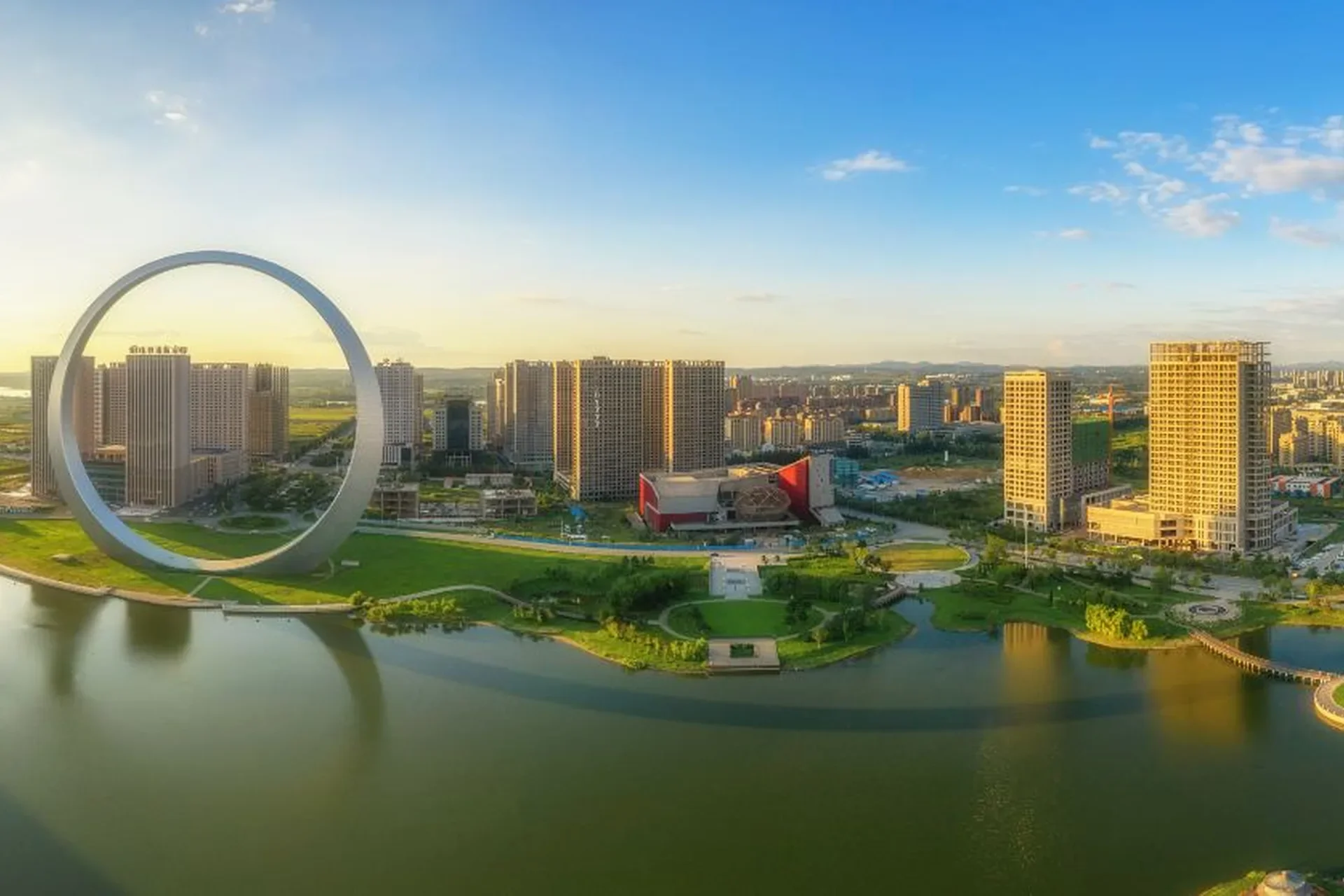
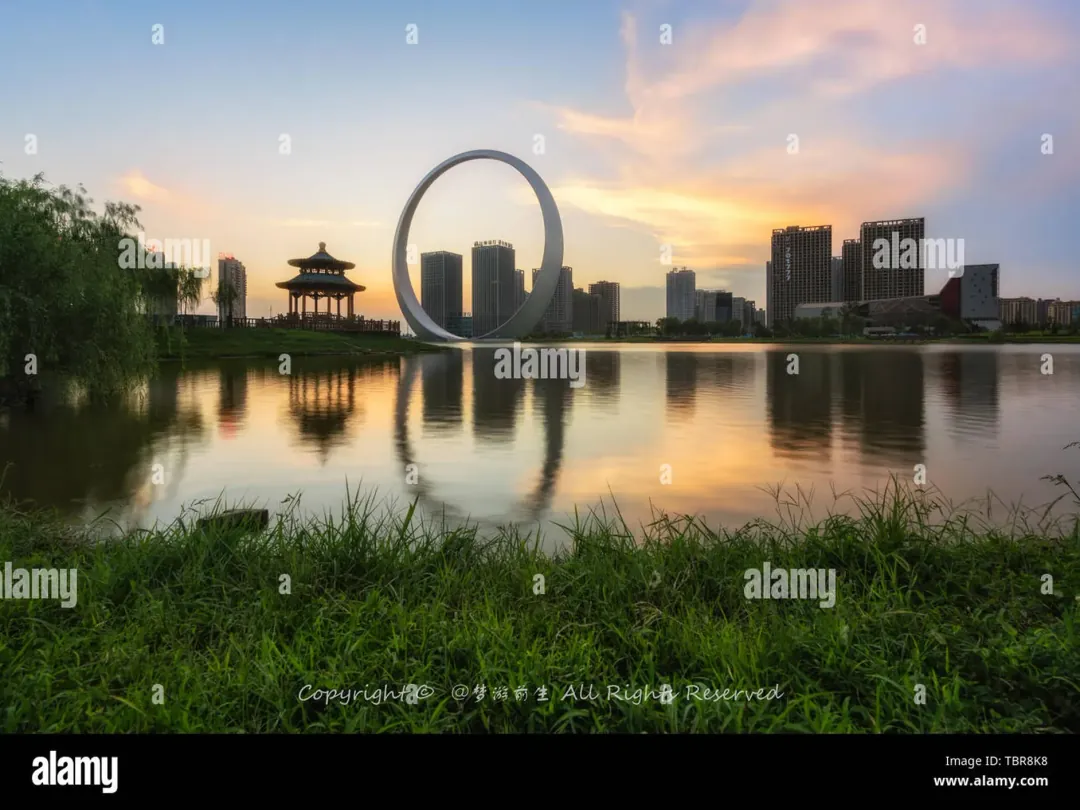
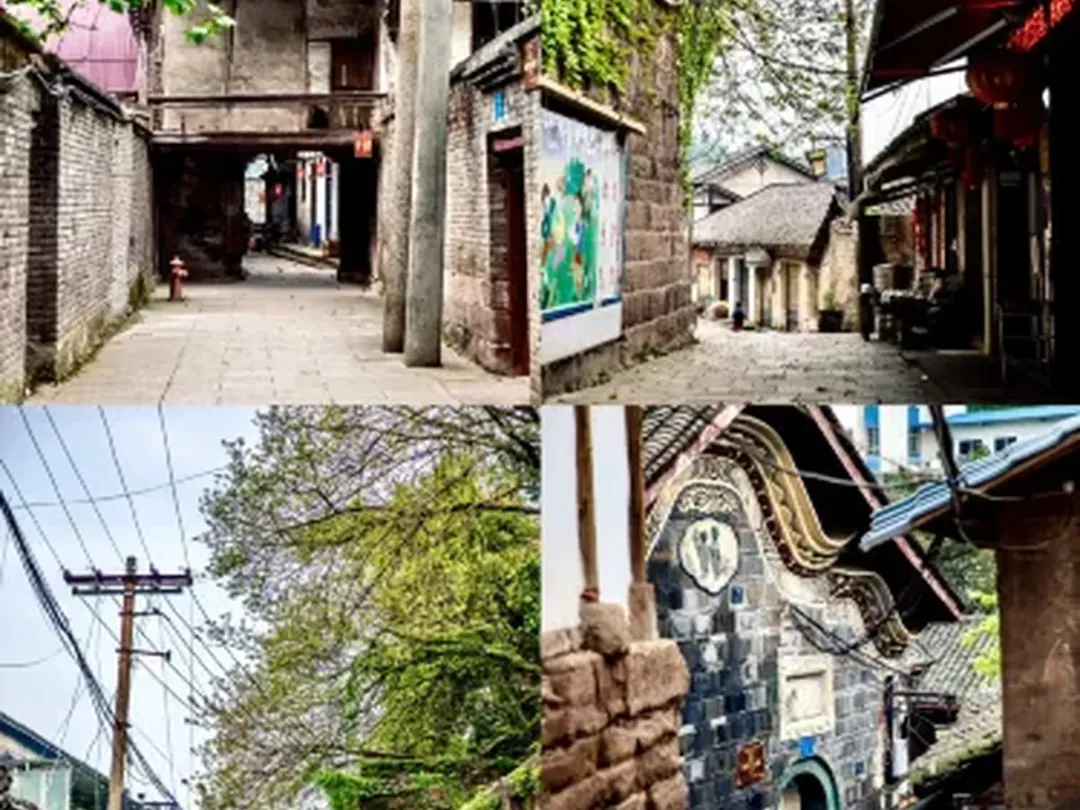
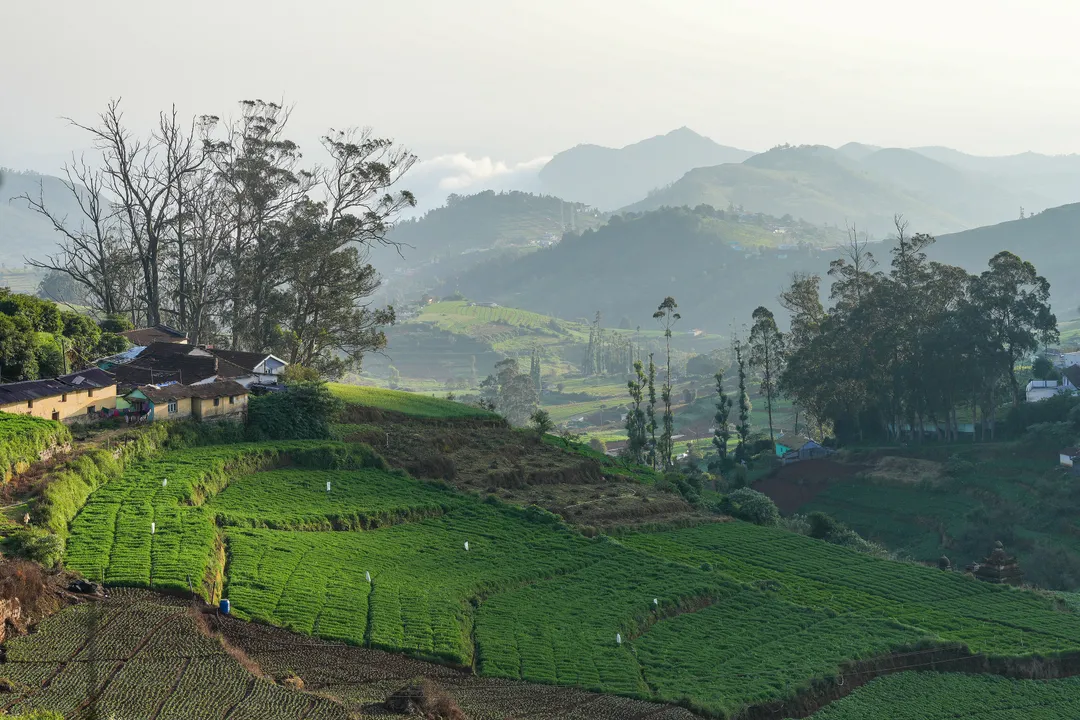
Summary
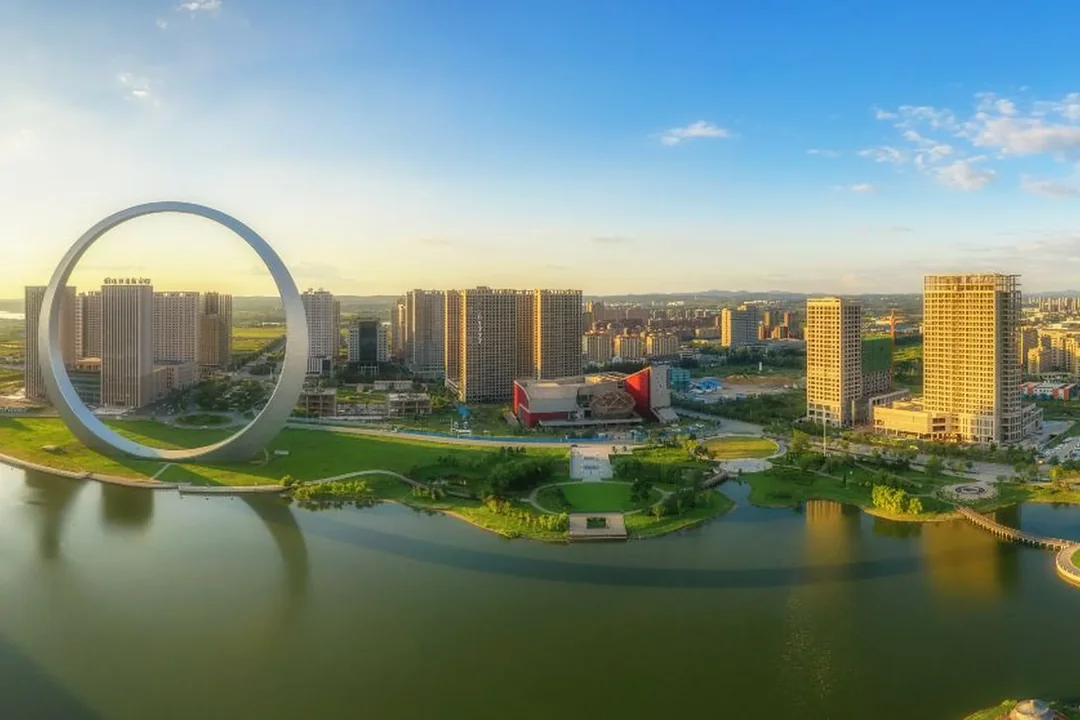
This guide introduces Fushun (抚顺) — a city in Liaoning. Recommended stay: 2-3 days.
We focus on the practical decisions a first-time or repeat visitor needs: when to come, how long to stay, what to budget, and which neighborhoods to prioritise. The content is assembled from the city-roster data and is meant as a navigation skeleton — for editorial-grade writing, see our flagship guides.
Why Fushun
Fushun sits in Liaoning and is one of the destinations in our coverage map. It rewards visitors who plan ahead and budget for the local specialties. The recommended stay of 2-3 days gives enough time to see the headline attractions and absorb the local rhythm.
Top Attractions
- Fushun city centre
- Local museum and heritage precinct
- Surrounding natural scenery
For full attraction details, see the dedicated attraction pages.
Where to Stay
For first-time visitors, stay near the central area to minimise transit time. Backpacker hostels cluster near transit hubs; mid-range hotels offer the best value for two-night stays; luxury options include international chains. Book at least two weeks ahead in peak season.
Gastronomy
Local specialties reflect Liaoning's regional cuisine. Use mobile payment (Alipay / WeChat Pay) for convenience; carry small cash for vendors who don't take cards. Eat where locals queue.
Practical Information
Mobile payment: Alipay with international card works. SIM: tourist eSIM recommended (Airalo 5-30 USD). ATM: ICBC, Bank of China widely available. English signage limited outside main attractions.
When to Go
Best seasons: spring (April-May) and autumn (September-October). Avoid Chinese national holidays (early February, early May, early October) due to extreme crowds.
Itinerary Suggestions
A 2-3 days stay covers the headline attractions. Add a day for a side trip to surrounding scenic areas. For deeper exploration, combine with a multi-city itinerary.
Beyond the Highlights
Fushun rewards visitors who wander. Side trips to nearby natural areas, smaller towns, and local markets add depth. Local festivals (lunar new year, mid-autumn) offer cultural immersion but require advance booking.
Reflections
The best Fushun trips balance headline sights with everyday moments — a morning at the main attraction, an afternoon in a quiet neighbourhood, an evening meal where locals go. This guide is a starting point; the rest is up to you.
Glossary of Useful Terms
| Chinese | Pinyin | Meaning |
|---|---|---|
| 你好 | nǐhǎo | hello |
| 谢谢 | xièxie | thank you |
| 多少钱 | duōshǎo qián | how much |
Emergency Contacts
- Police: 110
- Ambulance: 120
- Fire: 119
- Tourist hotline: 12301
Additional Resources
- Nearby cities in the same province: see related links at the top
- Trip planning: see the trip-days tool
Final Reflections
Fushun offers a focused window into regional Chinese life. We hope this guide helps you plan a trip that suits your time and interests. Updated 2026-09-01.