- Home
- Great Wall
- Best Time to Visit the Great Wall — Month-by-Month Guide
Best Time to Visit the Great Wall — Month-by-Month Guide
April-May and September-October are the best months: mild weather (15-25°C), clear skies, and fall foliage. June-August is hot and crowded.
great-wall2026-10-27
At a glance
- Region
- Beijing & Hebei
- Category
- topic
- Difficulty
- easy
- Best for
- Trip planners, Photographers, Weather-conscious travelers
- Tickets
- N/A
- Length
- N/A
- Duration
- 5-10 min read
- Category
- topic
Overview
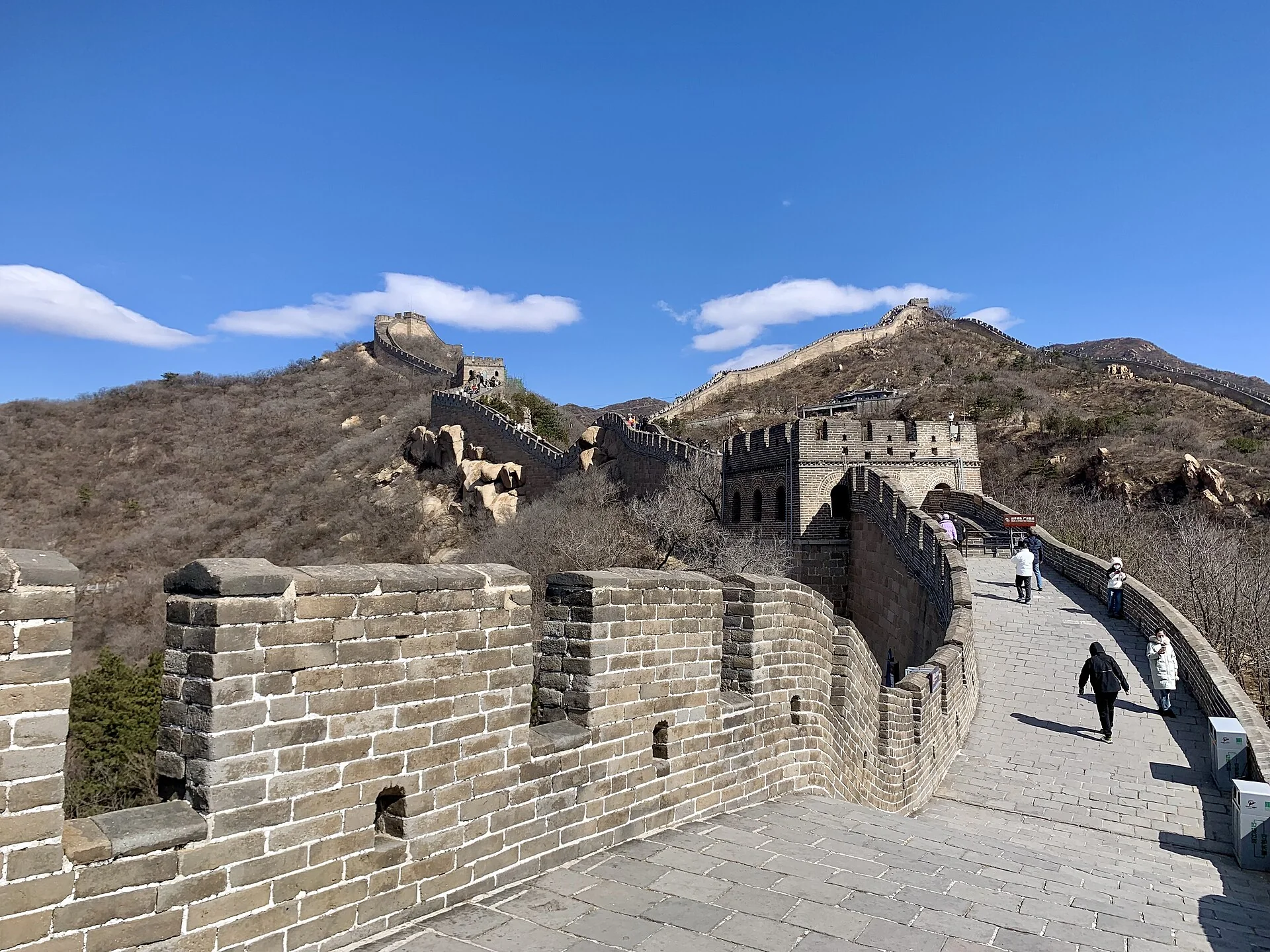
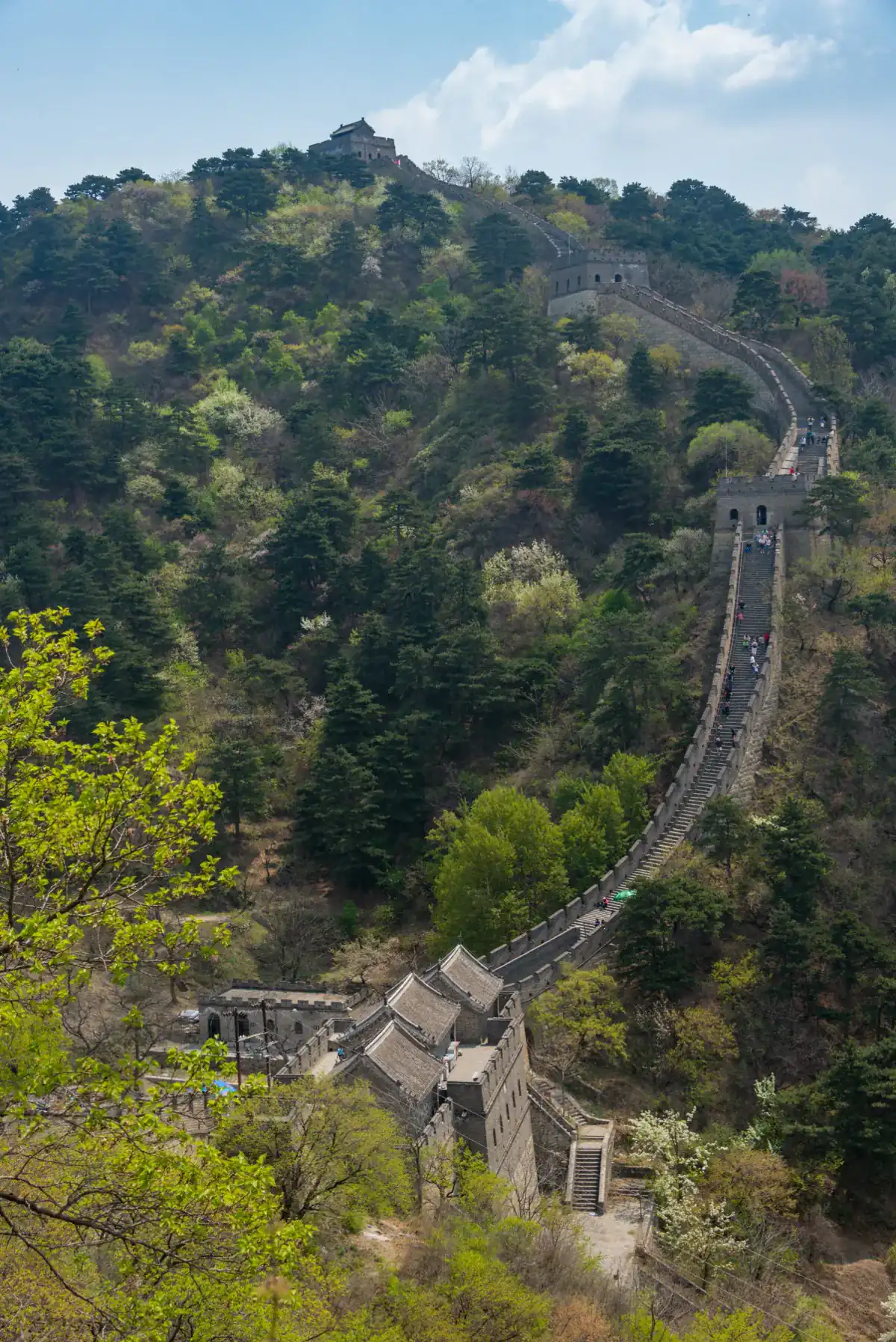
The Great Wall experience changes dramatically by season. Spring (April-May): 15-25°C, green hills, moderate crowds — the ideal window. Summer (June-August): 30-38°C, high humidity, peak crowds (80,000+ daily at Badaling), occasional thunderstorms. Autumn (September-October): 10-22°C, crisp air, fall colors on the surrounding mountains — the best photography season. Winter (November-March): -10 to -15°C, snow on the wall, almost no visitors — magnificent solitude but dress for extreme cold. I visited Mutianyu in late October 2024 and the golden larch trees against the grey stone were dramatic. Chinese National Holidays (first week of October, first week of May) are the absolute worst times — the wall becomes a solid line of people.
Highlights
- April-May: 15-25°C, green mountains, moderate crowds — best overall window
- September-October: 10-22°C, fall colors, crisp air — best for photography
- November-March: -10 to -15°C, snow, empty walls — best for solitude
- June-August: 30-38°C, peak crowds, thunderstorms — least recommended
- Chinese New Year (Jan/Feb): cold but festive, some sections have lantern displays
- Golden Week (Oct 1-7): wall becomes impassable — avoid at all costs
Tips
- Book tickets 7 days in advance via WeChat mini-program "八达岭长城" (Bādálǐng Chángchéng) for Badaling in peak season
- Arrive before 8 AM in peak season — by 10 AM the wall is packed
- In winter, bring hand warmers (暖宝宝 nuǎnbǎobǎo, ¥5-10 at any convenience store) and wear thermal layers
- Autumn weekends are almost as busy as summer weekdays — go on a Tuesday or Wednesday if possible
- Check AQI (air quality index) before going — the wall is much less scenic above 150 AQI
FAQs
What is the best month to visit the Great Wall?
October. Temperatures are 10-22°C, skies are clear, and the autumn foliage turns the surrounding mountains gold and red. Second best: April. Avoid July-August (heat + crowds) and Chinese National Holidays.
Can I visit the Great Wall in winter?
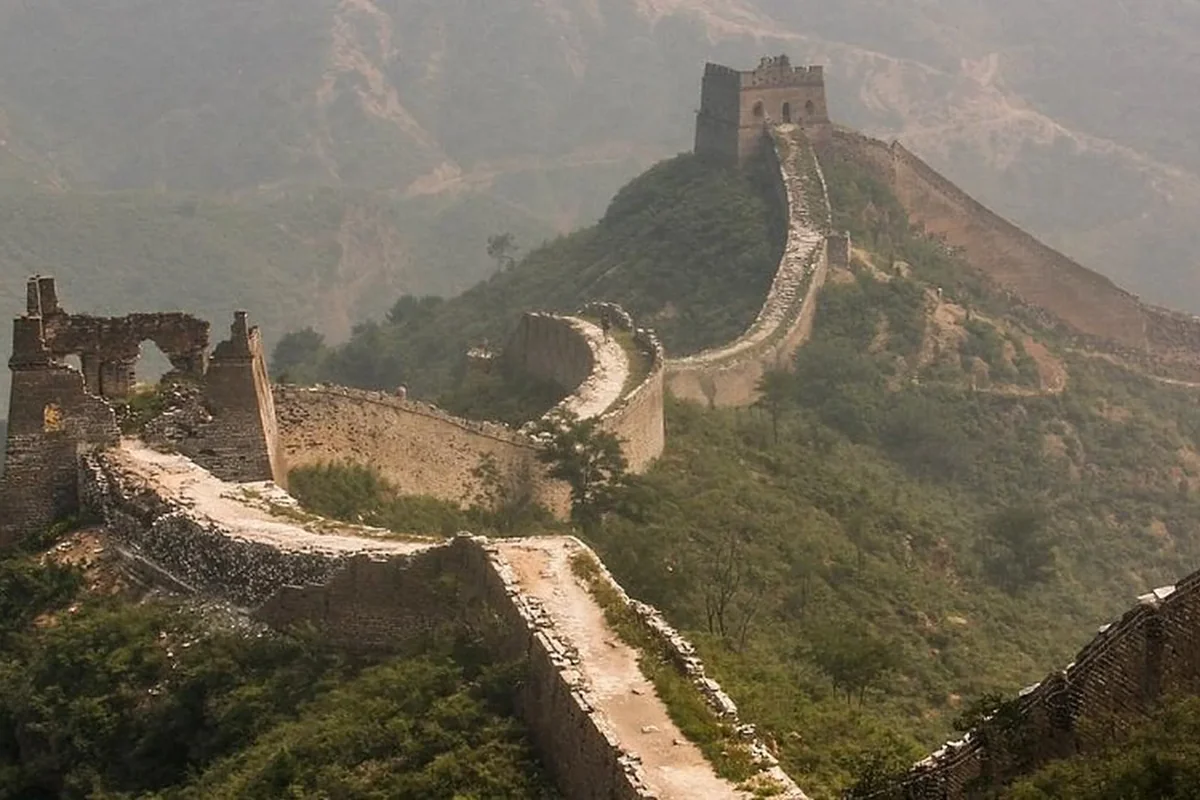
Yes — and it is impressive. Temperatures drop to -10 to -15°C but the wall is nearly empty. Snow on the battlements creates striking photos. Mutianyu and Badaling stay open year-round. Some wild sections (Jiankou, Gubeikou) become dangerous in ice and snow.
Is the Great Wall open during Chinese New Year?
Yes, all major sections remain open. Badaling and Mutianyu are open 365 days a year. Some smaller sections may have reduced hours. The wall is quiet during Spring Festival (most Chinese travel home, not to tourist sites).
When is the Great Wall least crowded?
Weekdays in November-February (excluding Chinese New Year). You can walk for 20+ minutes without seeing another person at Mutianyu or Jinshanling in deep winter. Early mornings (before 8:30 AM) are quiet even in peak season.
Does the Great Wall close for rain or snow?
Major sections (Badaling, Mutianyu) rarely close. Wild sections may be impassable after heavy snow. Cable cars at Mutianyu close in winds above 25 km/h. Check the section's official WeChat account for real-time closure notices.