- Home
- Great Wall
- Great Wall at Huanghuacheng
Great Wall at Huanghuacheng
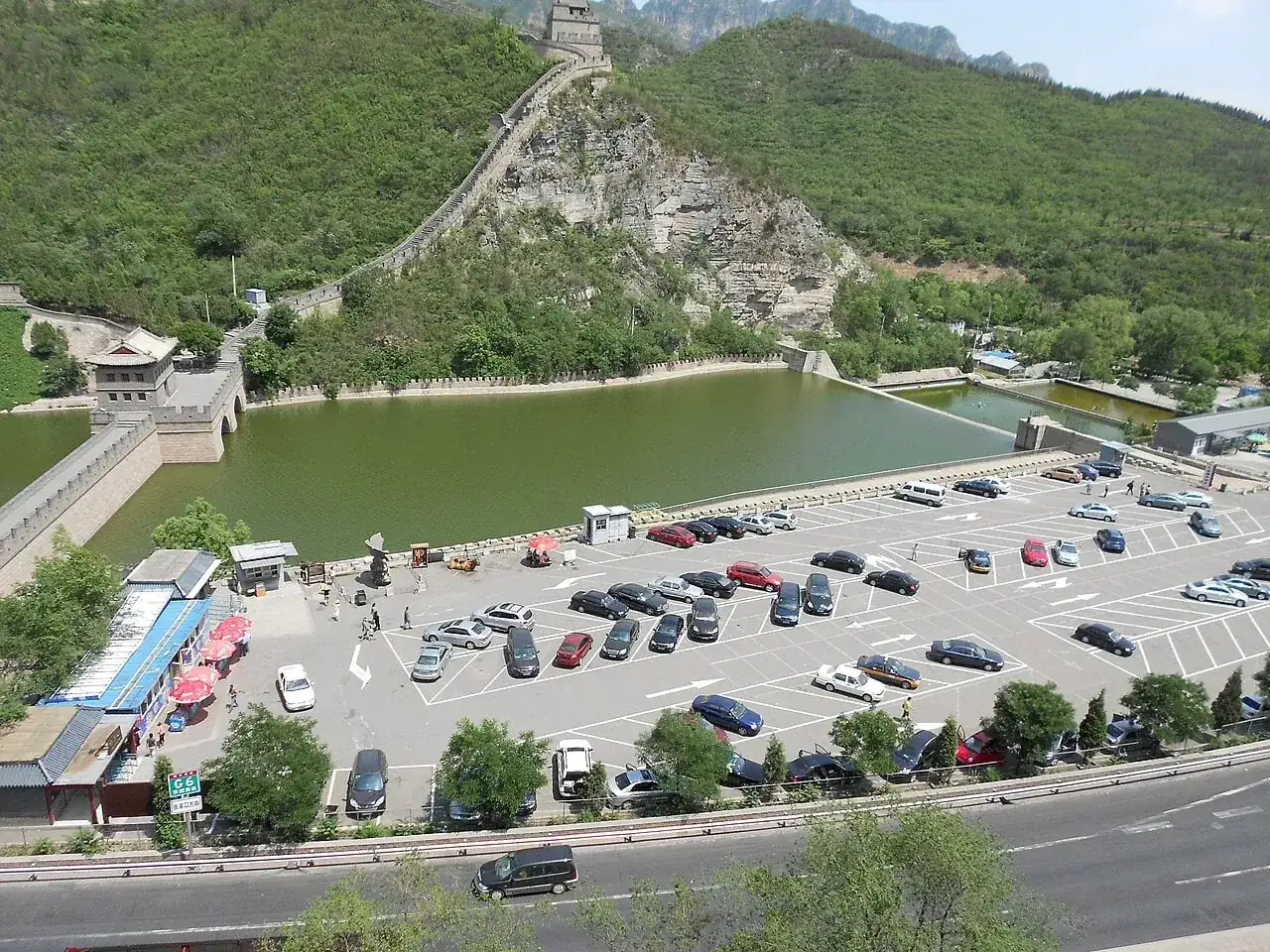
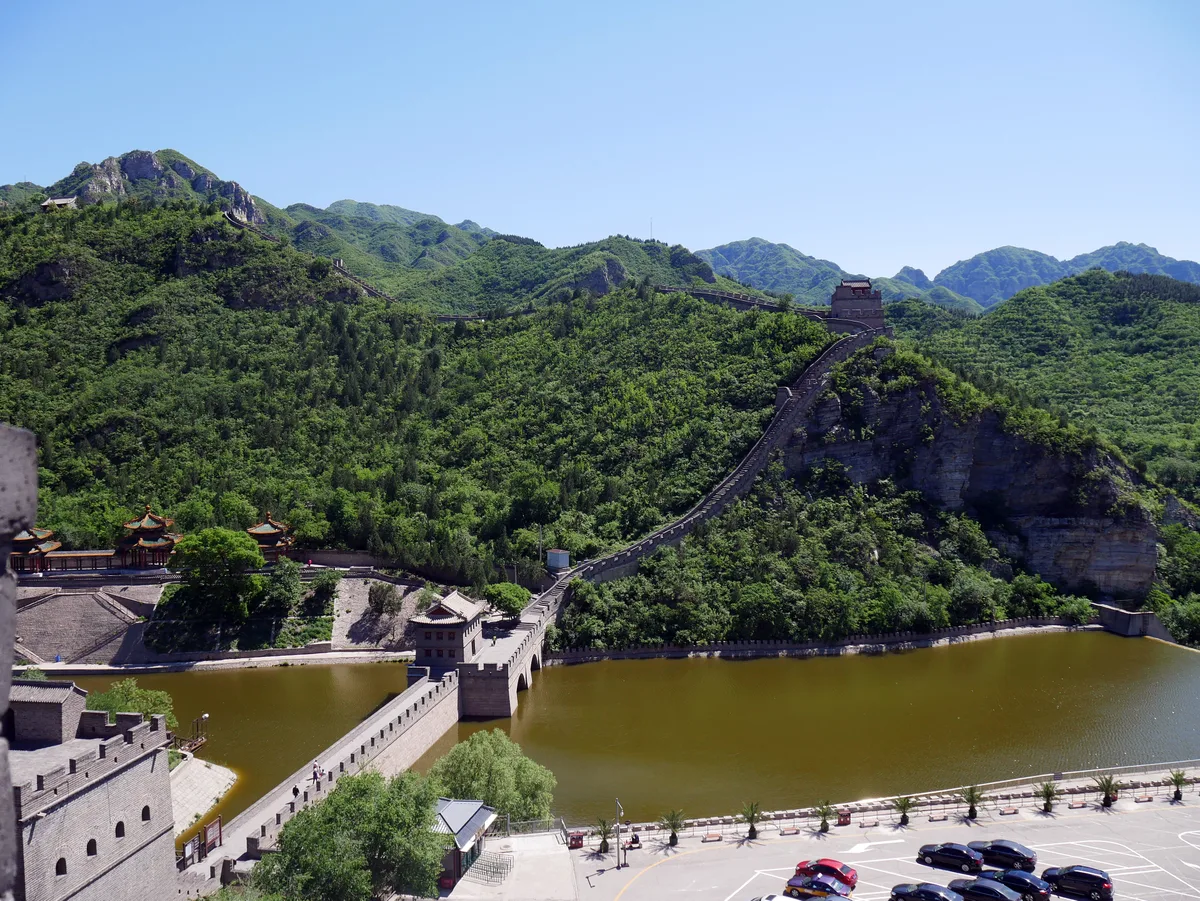
The "Yellow Flower" wall where the Great Wall disappears into a reservoir. Restored and unrestored sections with unique water-wall scenery — watchtowers rising straight from the lake.
great-wall2026-10-27
At a glance
- Region
- Beijing (Huairou District)
- Category
- section
- Difficulty
- moderate
- Best for
- Photographers, Families with older kids, Nature lovers, Unique scenery seekers
- Tickets
- ¥45 (Apr–Oct); ¥35 (Nov–Mar). Combo ticket with boat ride on the reservoir: ¥90. Kayak rental at the reservoir (summer): ¥200/hour for a double kayak. Parking: ¥10.
- Length
- ~3 km open to visitors (restored section); ~5 km total including wild eastern stretch
- Duration
- 2–3 hours on the restored wall. 4–5 hours including the wild section. Add 1.5 hours each way from Beijing.
- Category
- section
Overview
Huanghuacheng (黄花城, Huánghuāchéng — "Yellow Flower City") is the only Great Wall section partially submerged in a reservoir. Three sections of wall enter the water and re-emerge on the opposite shore, creating a scene you will not find anywhere else on the 21,000 km wall system. Located about 80 km north of Beijing in Huairou District, the section gets its name from the yellow wildflowers that bloom on the hillsides in late spring. The western stretch is restored and walkable; the eastern stretch is wild. In summer you can kayak or stand-up paddleboard on the reservoir and paddle under the wall — I did this in August 2024 and the scale of the submerged towers from water level is surreal.
Highlights
- Water Wall (水长城, Shuǐ Chángchéng) — three sections of wall that enter and exit the reservoir
- Submerged watchtowers visible through the water on clear days
- Chestnut orchard at the base — some trees are 600+ years old, planted by Ming Dynasty garrison soldiers
- Kayaking and SUP under the Great Wall (summer only)
- Yellow wildflowers (黄花, huánghuā) carpeting the hills in May–June
Tips
- Visit in May–June for the yellow flowers that give the section its name
- The reservoir kayak is a gimmick but genuinely fun — worth the ¥200 for the perspective
- The wild eastern section beyond the reservoir has no railings and loose stone — not for young kids
- There is a glass bridge across the reservoir (¥30 extra) — skip it, the view from the wall is better
- Avoid weekends in summer — the reservoir area fills with Beijing families picnicking
FAQs
Can you really see the Great Wall underwater at Huanghuacheng?
Yes — three sections of Ming Dynasty wall are submerged in the reservoir, built when the dam was completed in 1974. On clear days you can see watchtower foundations beneath the surface. The water level varies by season; spring (before rainy season) offers the best visibility.
Is Huanghuacheng good for kids?
The restored western section is fine for children 8+ — the steps are moderate and the wall is wide. The boat ride on the reservoir is a hit with younger kids. Avoid the wild eastern section with children. The whole area is more relaxed than Badaling or Mutianyu.
How do I get to Huanghuacheng without a car?
Bus 916 Express from Dongzhimen to Huairou (1.5 hours, ¥6), then minibus H21 from Huairou to Huanghuacheng (45 min, ¥5). Total: ~2.5 hours, ¥12. On weekends there are direct tourist buses from Dongzhimen (¥40 round-trip). A DiDi from central Beijing costs ¥200–300 one-way.
When is the best time to visit Huanghuacheng?
Late May to mid-June for yellow wildflowers. July–August for kayaking (the reservoir is swimmable). October for autumn foliage reflecting in the water. Winter is quiet but the reservoir freezes and the wild section is icy.