

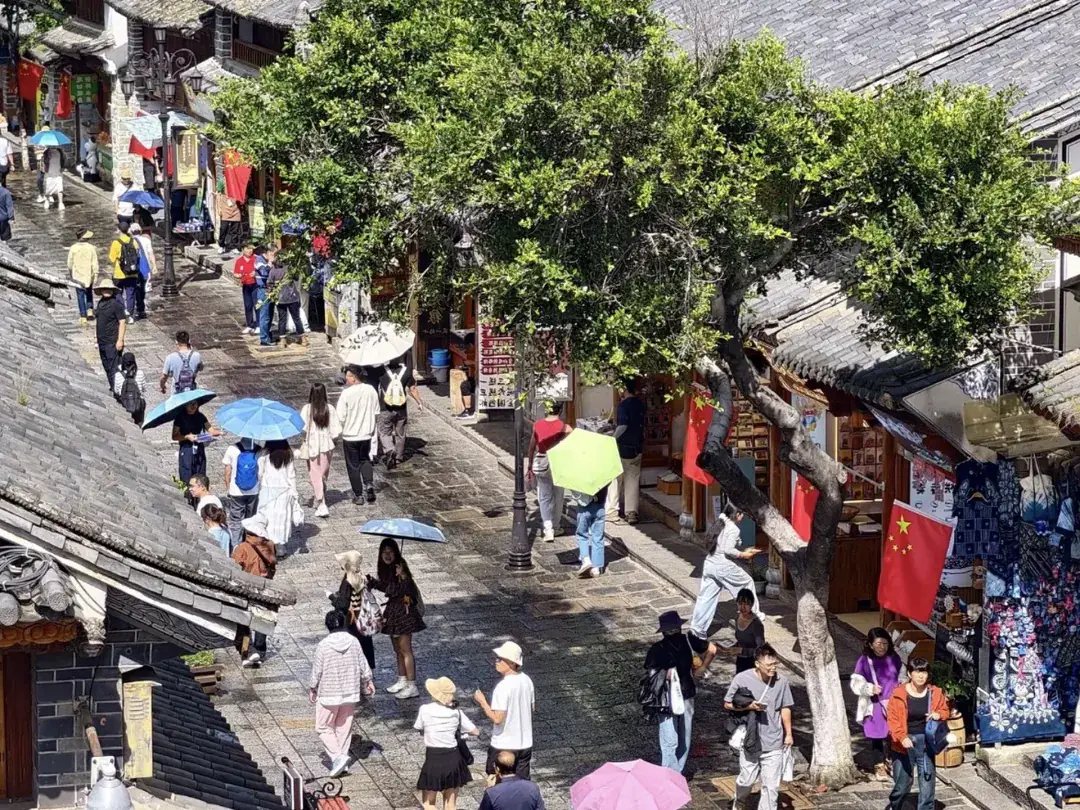

Haidong at a Glance
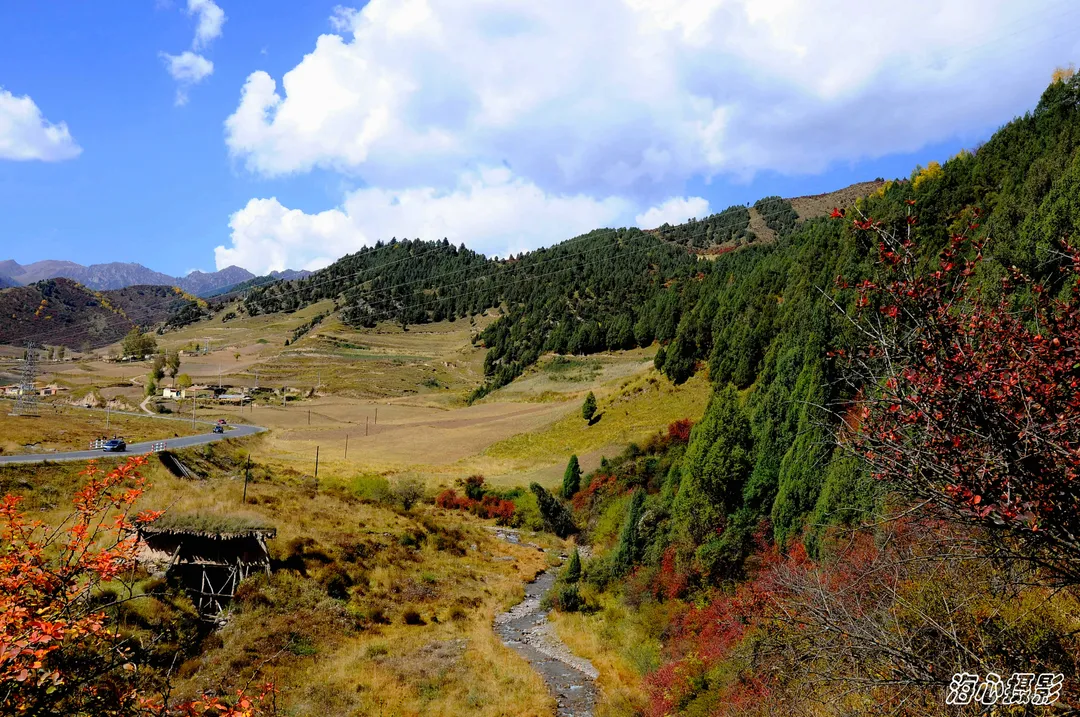
Give Haidong two days, three if you go south to Xunhua. The prefecture is the farmland-and-river belt that sits just east of Xining — the name literally means "east of the lake" — and it is where Qinghai keeps its oldest things: painted pottery dug out of more than 1,700 tombs at Liuwan, a Ming imperial temple whose plaque was written in 1392, the Tu homeland park at Huzhu rated 5A at the national level, and Xunhua, the only Salar autonomous county in China. None of it is more than about two hours from the valley floor, and almost none of it appears on foreign itineraries. This guide covers the practical decisions: what to see in two or three days, how the valley's trains and roads work, what a day costs, and what to eat between sights.
Why Haidong
Most visitors meet Haidong without noticing it: the high-speed line from Lanzhou to Xining crosses the prefecture, and the Yellow River's upper valley runs beside it. Stopping here instead of rolling through buys you three things. First, depth: the Hehuang — "Yellow River" — valley held farming settlements thousands of years before Xining mattered, and the museums here hold the evidence. Second, breathing room: the valley's sights see a fraction of the crowds that pack Kumbum Monastery or Qinghai Lake, at a fraction of the cost. Third, food: Hehuang yogurt and hand-pulled lamian are the valley's daily currency, eaten where the queues are local.
The honest trade-offs: this is a region of county towns and museum-grade sites, not one blockbuster panorama; English is thin; and distances, while short by Qinghai standards, still run on mountain roads. Haidong pairs naturally with our Xining guide — a short HSR hop down the line — and with Lanzhou across the border in Gansu. The provincial frame is in our Qinghai guide.
Liuwan's Painted Pottery and Qutan Temple
Base yourself near Ledu, the prefecture's old cultural center, for the two headline sites. At Liuwan, the cemetery dig of the 1970s opened more than 1,700 tombs and brought up tens of thousands of painted vessels, some of them thousands of years old — one of the largest painted-pottery finds in China, and the reason the valley's cultures are called a cradle of that craft. The site museum walks you from burial jars to the painted geometries that archaeologists still argue over; an unhurried visit runs 1.5-2 hours.
Elsewhere in Ledu stands Qutan Temple, begun in the Ming Hongwu reign — the imperial plaque over its gate dates to 1392 — a courtyard complex built in the palace style of the dynasty's early years, which is why it gets called a small imperial temple on the plateau. The halls, murals and steles reward a slow hour, and the visit is a factual one: a working heritage site rather than a performance. The two sites make one full day with a noodle lunch in Ledu town between them.
Huzhu: the Tu Homeland Park
About an hour north of the valley floor, Huzhu County is home to the Tu (土族), one of Qinghai's smaller ethnic groups, and to the Tu homeland park that carries a national 5A rating. The park's centrepiece is the wheel-swing — a wooden turnstile of swings that performers ride in costume — plus courtyard museums covering Tu wedding customs, and tastings of the local highland-barley liquor. Plan half a day: the performances run on a fixed schedule, the courtyards fill the gaps between them, and the drive up and back takes about two hours door to door from the valley. It is the easiest ethnic-culture day in the prefecture — built for visitors, but honest about what it documents.
Xunhua: China's Salar County and Mengda Lake
A long, honest day south brings you to Xunhua, the only Salar autonomous county in China, some two hours away by road. The Salar arrived from Central Asia centuries ago, and the camel-spring courtyard at the county seat tells the settlement legend in plain terms: the white camel, the Quran and the spring that decided where the people settled. The county's other draw sits above the valley — Mengda lake, a forested cirque at about 2,500 m holding roughly 20 hectares of water, reached on foot through woods that feel closer to Sichuan than to the plateau. Give Xunhua a full day and leave time for the Salar kitchens on the county streets; combine the lake only in high summer, when the road is reliably open.
The Lajia Site and the World's Oldest Noodles
East of the valley in Minhe County lies Lajia, a settlement wiped out by earthquake and flood about 4,000 years ago — a Bronze Age Pompeii of people caught in a single moment. Among the finds, recovered in 2002, were noodle-like strands preserved in an overturned bowl, often called the world's oldest noodles: millet, four millennia old. The site's story is presented at the excavation area and in museum displays, and it reframes what you eat in the valley — the hand-pulled lamian in every Haidong street is the modern end of a very old line. If your schedule is tight, this is the site to trade away; if you care about archaeology, it is the reason to add a fifth day.
A Three-Day Plan (and a Fifth)
- Day 1 — the Ledu pair. Liuwan's painted pottery in the morning, Qutan Temple after lunch, noodle supper in Ledu. Both sites sit close enough to the county town for a taxi base.
- Day 2 — north to Huzhu. The Tu homeland park for the wheel-swing performances and the barley-liquor tasting; back to the valley for the night market streets of Ping'an, where the rebuilt Hehuang folk street assembles old-style courtyards, noodle shops and yogurt sellers around a market loop.
- Day 3 — south to Xunhua. The camel-spring courtyard in the morning, Salar lunch in the county seat, Mengda lake in the afternoon if the season allows; depart afterwards from the HSR stations along the valley.
- Day 4-5, if you have them. Add Minhe's Lajia site in the east and a slow day for the valley's food streets. Our 3-day Haidong itinerary runs this hour by hour, and the 5-day version folds in both.
Getting There and Around
The whole prefecture hangs off Xining's airport, Caojiabao (XNN), and off the Lanzhou-Xining high-speed line, which crosses the valley with stations at the county towns. The full Lanzhou-Xining leg runs 1-1.5 hours for ¥58; Haidong's stations sit partway, and Xining is under half an hour from the valley stations. County-to-county travel works by bus and DiDi; distances between the sights in this guide run from about 25 km to about 100 km, so plan one base at a time rather than shuttling.
| Route | Time | Typical cost |
|---|---|---|
| Lanzhou → Xining (HSR through the valley) | 1-1.5 h | ¥58 |
| Valley station → Xining (HSR) | under 30 min | short-haul fare |
| Valley floor → Huzhu Tu homeland park (car) | about 1 h each way | day hire or DiDi |
| Valley floor → Xunhua county (car) | about 2 h each way | day hire or DiDi |
| Ledu town → Liuwan / Qutan Temple (taxi) | 20-40 min | local fare |
| XNN airport → valley (via Xining) | about 1-1.5 h total | airport link + HSR |
There is no metro here and no reason to rent a car unless you are continuing deeper into Qinghai — drivers are cheap by the day. Keep every destination written in Chinese; drivers in the valley counties rarely read English.
Where to Stay
Stay in one of the county towns on the valley floor — Ledu for the pottery and the temple, Ping'an for the folk street and the best transport links — in mid-range Chinese chains; the roster's accommodation band of 300-600 CNY a night is the safe planning number, and county-town pricing often comes in under it. There is no international hotel in the prefecture; if you need one, sleep in Xining and day-trip. July-August is regional high season on the plateau, so book one to two weeks ahead; the national holiday weeks of early May and early October are the only windows that genuinely jam.
What to Eat in Haidong
The valley eats from the Hehuang playbook. Start with the yogurt — thick, tart, sold in ceramic bowls with a skin of yellowed cream; add sugar, it needs it. Then lamian: hand-pulled noodles in clear beef broth, the Lanzhou craft carried on in every county town, around ¥10-15 a bowl. Highland-barley liquor (青稞酒) is the local drink, tasted warm in Huzhu and poured at every Salar table in Xunhua. Street snacks run to roasted potato wedges with chili and the plateau's breads. Eat where the queues are local and carry 50-100 CNY in small notes for the older stalls; payment is Alipay/WeChat everywhere else.
What a Day Costs
| Item | Price | Notes |
|---|---|---|
| Site entry | ¥50-150/day | roster band; most individual tickets are modest |
| Mid-range hotel | 300-600 CNY/night | roster band; county towns often lower |
| Meals | 100-200/day | lamian lunches to Salar dinners |
| Local transport | 30-60/day | DiDi and buses; day hires billed extra |
| HSR valley → Xining | short-haul fare | part of the ¥58 Lanzhou-Xining leg |
The roster's all-in frame for the city is 500-1,000 CNY per person per day at mid-range — accommodation 300-600 CNY, food 100-200 CNY, local transport 30-60 CNY and attraction tickets 50-150 CNY. The valley's cheap tickets and street-level eating mean many days land below that frame; a day built around a hired driver to Huzhu or Xunhua is the one that pushes back toward the top of it.
When to Go
June-September is the core season: the high country is open, Mengda's woods are green, and the valley escapes the worst heat of lowland China. Spring (April-May) and autumn (September-October) suit the valley-floor days — museums, temples, food streets — while the mountain roads get unreliable outside the warm months. Avoid the national holidays (early February, early May, early October): the valley is thin on hotels and they fill with domestic travel first.
Practical Tips
- Payment: link an international card to Alipay or WeChat Pay before arrival; keep 50-100 CNY in small notes for older stalls and rural drivers.
- eSIM: a tourist data eSIM (about 5-30 USD) avoids the phone-shop passport queue; install a VPN before you fly, since Google, WhatsApp and Instagram are blocked on the mainland.
- Altitude: the valley floor sits high enough to feel — walk easy on the first day and carry water; Mengda's lake at about 2,500 m adds a short, steep walk.
- English is scarce. Screenshot every address in Chinese and learn the three phrases in the table below.
- ATMs: ICBC and Bank of China machines in every county town.
- Emergencies: police 110, ambulance 120, fire 119, national tourist hotline 12301.
Frequently Asked Questions
How many days do I need in Haidong?
Two days cover the valley core — Liuwan, Qutan Temple, the Huzhu park and Ping'an's folk street. The third day is what makes the trip: Xunhua and the camel spring two hours south. Add a fourth or fifth only for the Lajia site and slow food days; one day is enough for Liuwan plus Qutan if you are based in Xining.
How do I get to Haidong from Xining or Lanzhou?
By high-speed rail: the Lanzhou-Xining line crosses the prefecture and the full leg runs 1-1.5 hours for ¥58, with Haidong stations partway along. From Xining the valley stations are under 30 minutes. The airport for the region is Xining Caojiabao (XNN), linked to the valley by rail and road.
Is the Tu homeland park worth it if I am not into performances?
Yes, with expectations set: it is a built heritage park with scheduled shows, not a living village. The wheel-swing, the courtyard museums and the barley-liquor tasting fill half a day well, and the 5A rating reflects how well run it is. If you want unscripted culture, Xunhua's county streets are the better spend of a day.
Can I visit Mengda lake in winter?
Unreliable. The cirque sits at about 2,500 m and the access road outside the June-September window is weather-dependent; in the cold months treat it as closed and spend the day on the valley floor instead.
What should I eat first in Haidong?
Hehuang yogurt in the morning, a ¥10-15 bowl of beef lamian at noon, and a Salar table in Xunhua if your route takes you south — with the highland-barley liquor poured alongside. The street snacks to watch for are chili-oil potato wedges and the plateau's baked breads.
Do I need cash in Haidong?
Mostly no: Alipay or WeChat Pay linked to an international card works at hotels, restaurants and ticket windows in the county towns. Keep 50-100 CNY in small notes anyway for older stalls, rural drivers and the smallest noodle shops.
Useful Phrases
| Chinese | Pinyin | Meaning |
|---|---|---|
| 你好 | nǐhǎo | hello |
| 谢谢 | xièxie | thank you |
| 多少钱 | duōshǎo qián | how much |
| 海东 | Hǎidōng | Haidong |
| 柳湾 | Liǔwān | Liuwan (pottery site) |
| 瞿昙寺 | Qútán Sì | Qutan Temple |
| 互助 | Hùzhù | Huzhu (Tu county) |
| 循化 | Xúnhuà | Xunhua (Salar county) |
| 老酸奶 | lǎosuānnǎi | thick local yogurt |
| 拉面 | lāmiàn | hand-pulled noodles |
Final Notes
Every figure above — the 1,700-plus tombs at Liuwan, Qutan's 1392 plaque, the hour to Huzhu and the two hours to Xunhua, Mengda's 2,500 m and 20 hectares, Lajia's 4,000-year-old noodles recovered in 2002, the ¥58 Lanzhou-Xining leg and the 300-600 CNY day — was checked in October 2026 against our city roster data and the Haidong trip itineraries. Prices move; reconfirm within a fortnight of travel. Give the valley two real days and it pays you back quietly: pottery older than the dynasties, an imperial plaque on the plateau, a wheel-swing turning in Huzhu, and a bowl of noodles with four millennia behind it.
- Source: China National Tourism Administration — policy and seasonal notices.
- Source: Qinghai Provincial Government — prefecture and county notices.
- Source: Trip.com — live hotel and rail listings for cross-checks.
Last verified 2026-10-14.