피아노 박물관钢琴博物馆
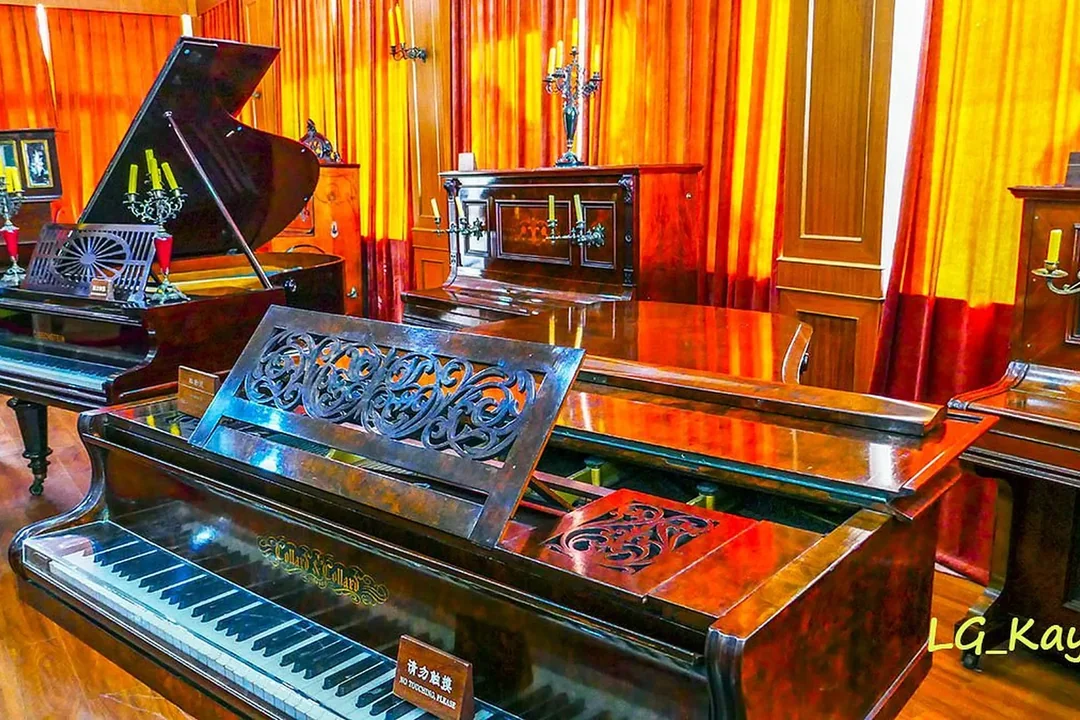
구랑위 피아노 박물관은 18~20세기 앤티크 피아노 100대 이상을 모은 세계 최대의 공공 컬렉션으로, 쇼팽의 벗이 소유했던 1843년 브로드우드 그랜드도 전시합니다. 입장은 ¥20입니다.
Xiamen · 여행 가이드2026-10-18
빠른 답변
피아노 박물관에 갈 가치가 있나요?
차 없는 구랑위에 있는 세계 최대의 공공 피아노 컬렉션. 18~20세기 앤티크 피아노. 입장 ¥20.
핵심 정보
| 입장료 | 1인 ¥20(2026년 기준). 구랑위 페리와 결합 티켓 이용 가능. 신장 1.2m 미만 어린이 무료. |
|---|---|
| 관람 시간 | 8:00–17:30(여름), 8:30–17:00(겨울), 유지보수로 월요일 휴관. |
| 권장 관람 시간 | 1~1.5시간. |
| 방문 최적기 | 차분하게 보려면 평일 아침 개관 직후. 샤먼 방문이라면 봄과 가을. 월요일(휴관)과 구랑위가 붐비는 주말은 피하세요. |
| 교통 방법 | 박물관은 구랑위 섬 안에 있습니다 — 먼저 샤먼 둔두 부두(东渡码头)나 숭위 부두(嵩屿码头)에서 페리를 타세요(구랑위 항목 참조). 박물관은 구랑위 페리 터미널에서 남쪽으로 주요 해안 산책로를 따라 도보 10분. |
| 영어 안내 표지 | 있음 |
| 휠체어 접근 | 부분 |
| 전시 피아노 | 앤티크 악기 100대 이상 |
| 가장 오래된 피아노 | 1843년 브로드우드 그랜드(쇼팽의 지인 소유였던) |
| 수집가 | 후이이다(Hu Yida) 가문 |
| 1전시관 | 서양식 목재 피아노 |
| 2전시관 | 철골 피아노와 자동 연주 피아노 |
볼거리와 체험
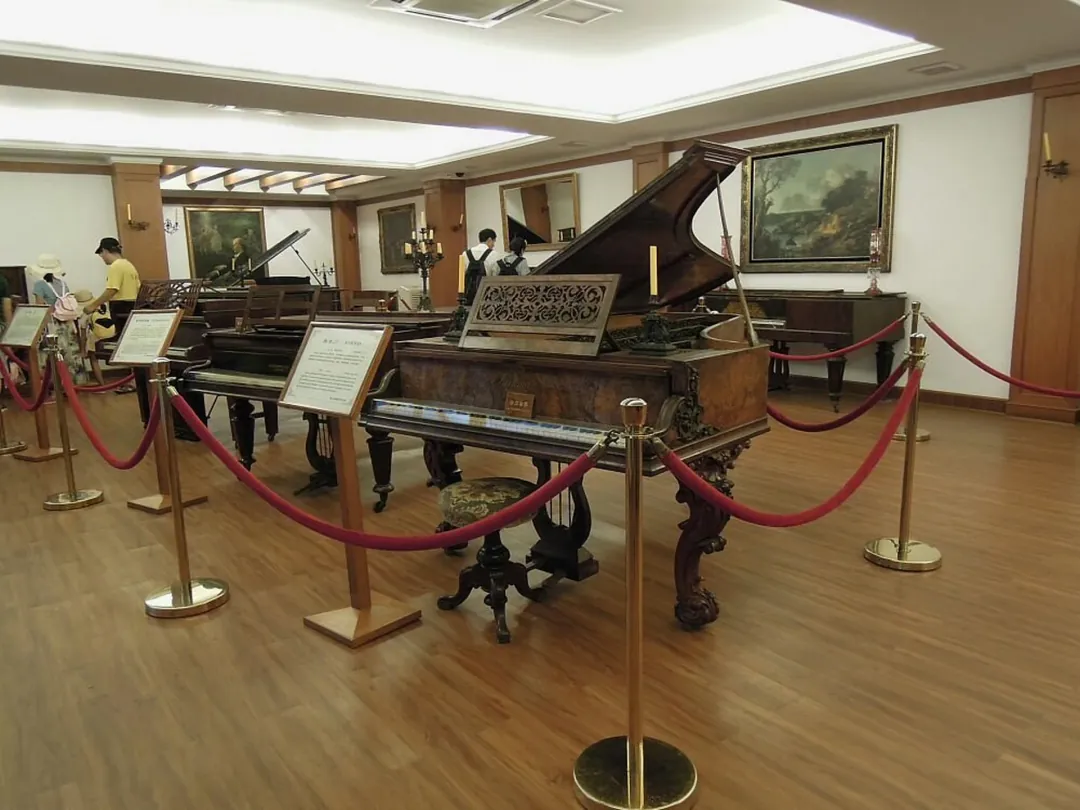
구랑위 피아노 박물관은 샤먼 출신 피아노 수집가 후이이다(Hu Yida)가 2000년에 설립했습니다. 후는 수십 년간 세계 곳곳에서 희소하고 역사적으로 중요한 피아노를 찾아다녔습니다. 그의 개인적 열정에 다른 수집가들의 기증이 더해져 구랑위의 두 개로 이어진 전시관에 100대가 넘는 악기를 전시하는 놀라운 컬렉션이 완성되었습니다. 박물관은 기네스 세계 기록에 세계 최대의 공공 피아노 컬렉션으로 인정받았습니다.
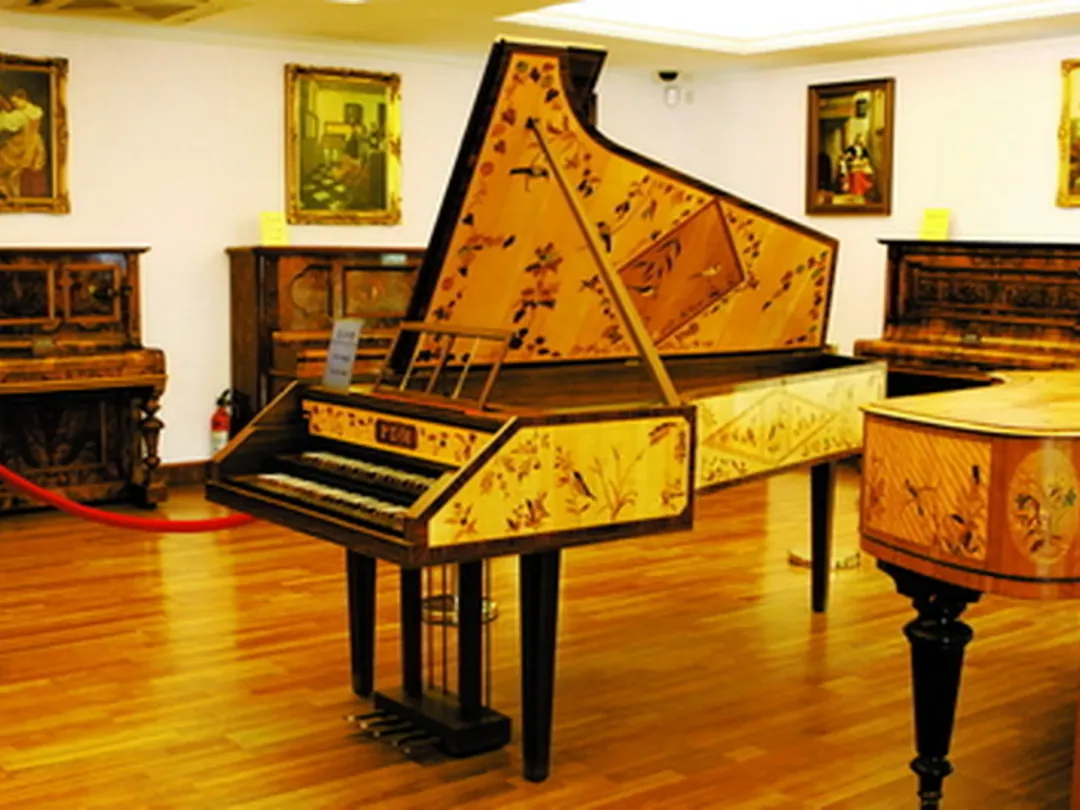
첫 번째 전시관에는 19세기 목재 프레임 피아노가 전시되어 있습니다 — 피아노가 악기인 동시에 가구였던 시대의 섬세하고 예술품 같은 악기들입니다. 여기서 백미는 1843년 브로드우드 그랜드 피아노로, 같은 종류 중 가장 오래된 현존 피아노 중 하나이며 프레데리크 쇼팽의 가까운 지인이 소유했던 것입니다. 두 번째 전시관에는 19세기 말과 20세기 초의 철골 피아노 — 더 무겁고, 더 크고, 구조적으로 현대 피아노에 더 가까운 — 가 있으며, 프로그램대로 저절로 연주하는 자동 연주 피아노도 볼거리입니다.
박물관이 구랑위에 자리한 것은 섬 자체의 음악 유산과 어울리기 때문입니다. 20세기 초 구랑위는 '피아노의 섬'으로 알려졌습니다. 외국 거주자와 부유한 중국인 가정이 피아노를 소유했고, 많은 가정이 자녀에게 개인 과외로 피아노를 가르쳤습니다. 교회 오르간, 피아노 독주회, 실내악은 섬 생활의 일상이었습니다. 박물관은 이 유산을 보존하고 전시하는 역할을 하고 있습니다.
교통 방법
페리로 구랑위까지 가세요(페리 정보는 구랑위 항목 참조). 구랑위 페리 터미널에서 남쪽으로 주요 연안 산책로를 따라 약 10분 걷습니다. 박물관은 섬 중앙 도로의 오른쪽(서쪽), 수정화원 근처에 있습니다. 산책로에서도 독특한 지붕선이 보입니다.
포토 스팟
- 1전시관의 1843년 브로드우드 그랜드 피아노 — 박물관에서 가장 많이 찍히는 악기
- 2전시관의 빅토리아 시대 업라이트 피아노 열 — 화려한 목재 케이스와 채색 패널
- 박물관 건물 외관과 섬의 유럽풍 건축
- 자동 연주 피아노 시연 구역 — 다이내믹한 컷에 좋습니다
팁
- 평일 아침 개관(8:00) 시간에 맞춰 가면 거의 독점적으로 관람할 수 있습니다
- 월요일은 휴관 — 구랑위 일정을 그에 맞춰 세우세요
- 수정화원(菽庄花园)과 일광암(日光岩)과 결합 — 세 곳 모두 도보 10분 이내
- 두 전시관 사이의 작은 정원 안뜰을 찾아보세요 — 조용하고 자연광이 좋은 숨은 명소
- 영어 오디오 가이드는 매표소에서 ¥20
주요 사기 수법
- 박물관 자체에 뚜렷한 사기는 없지만 섬에서 가짜 '통합권'을 파는 상인에게 주의하세요 — 티켓은 박물관 공식 매표소에서 구매하세요
자주 묻는 질문
피아노 박물관에서 얼마나 시간이 필요한가요?
꼼꼼히 보면 1~1.5시간. 크지 않지만 피아노마다 읽을 만한 설명 패(중국어와 영어)가 있습니다. 오디오 가이드를 더하면 체험이 길어집니다.
박물관은 휠체어 이용이 가능한가요?
부분적으로. 두 전시관 모두 1층은 이용 가능합니다. 다만 피아노 전시 사이 좁은 통로와 2전시관 상층은 휠체어로 접근할 수 없습니다. 특별한 접근성 요건이 있다면 방문 전에 박물관 직원에게 연락하세요.
관 내에서 사진을 찍을 수 있나요?
네, 개인 용도의 촬영은 허용됩니다. 플래시는 삼가 주세요 — 앤티크 악기를 손상시킬 수 있습니다. 삼각대는 허용되지 않습니다.
피아노 연주를 들을 수 있나요?
이따금 주말과 공휴일에 뮤지션의 라이브 시연이 열립니다. 도착하면 게시판에서 그날 일정을 확인하세요. 2전시관의 자동 연주 피아노는 15분마다 짧은 곡을 저절로 연주합니다.
피아노 애호가가 아니어도 갈 가치가 있나요?
네 — 악기는 음악적 대상인 동시에 예술 작품입니다. 19세기 피아노의 화려한 채색 케이스, 상감 세공, 조각된 다리는 연주하지 못해도 시각적으로 인상적입니다. 섬이라는 배경(구랑위의 '피아노의 섬' 유산)이 문화적 깊이를 더합니다.
함께 읽기
Xiamen의 다른 즐길 거리
구랑위
차 없는 섬. 식민지 건축, 피아노 박물관, 바닷가 정취. 샤먼에서 페리로. 하루 종일이 최적.
환다오루
샤먼 섬을 도는 43km 해안 경관 도로. 자전거가 최고. 무료. 해변, 야자수, 바다 전망.
난푸투오 사
샤먼(厦門) 우라오펑(五老峰) 기슭의 불교 사찰. 입장 무료. 경내에 사찰 채식 식당 있음. 중국에서 가장 활발한 사찰 중 하나. 2026년 확인.
샤먼 대학
중국에서 가장 아름다운 대학 캠퍼스 중 하나. 식민지 시대 양식의 건축, 호수, 야자수 가로수길. 산책은 무료. 2026년 확인.
쩡쭤안
옛 어촌 마을이 관광 먹자골목으로 변신. 좁은 골목에 로컬 간식과 저예산 호스텔이 즐비. 자유롭게 걸을 수 있는 무료 명소.