Gulangyu Island鼓浪屿
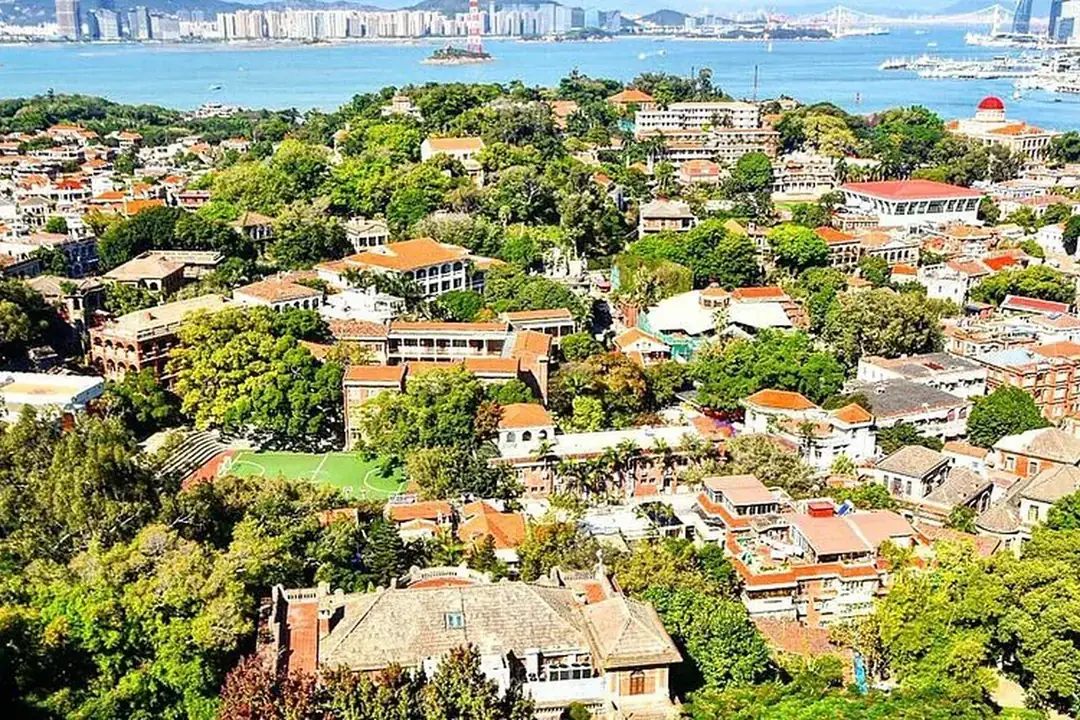
Gulangyu is a small car-free island off the coast of Xiamen, famous for its colonial-era architecture, piano heritage, and relaxed island atmosphere. The island can be explored on foot in a few hours, though many visitors spend a full day soaking in the European-style streets, seaside promenade, and shade of banyan trees. A ferry from Xiamen's Dongdu Pier is the only practical access point.
Xiamen · Visitor Guide2026-10-18

Quick Answer
Is Gulangyu Island worth visiting?
Car-free island with colonial architecture, piano museum, and seaside charm. Ferries from Xiamen (¥35 round trip). Best for a full day of 5–8 hours with ferry crossings.
Quick facts
| Ticket | Ferry: ¥35 (ordinary), ¥50 (priority) round trip (as of 2026). Island itself is free to walk. Piano Museum: ¥20. Koxinga Palace: ¥15. |
|---|---|
| Hours | Ferry departures every 20 minutes: 7:10–17:20 from Xiamen, 7:00–18:00 return. Island is walkable 24 hours. Piano Museum: 8:00–17:30. |
| Recommended duration | Full day (5–8 hours with ferry crossings). |
| Best time to visit | Spring and autumn for mild weather. Avoid summer typhoons and winter fog. Weekends are crowded — weekday mornings are best. |
| How to get there | Ferry from Xiamen Dongdu Pier (东渡码头) or Songbai Pier (嵩屿码头). Take Metro Line 2 to Dongdu Pier station. Tickets purchased via "Xiamen Ferry" mini-program on WeChat or at the dock. |
| English signage | Partial |
| Wheelchair accessible | No |
| Island area | 1.88 km² |
| Piano collection | 100+ antique pianos at Piano Museum |
| Car-free | No motor vehicles (carts and electric buggies for goods only) |
| UNESCO status | Historic International Settlement (2017) |
| Nickname | "Piano Island" (钢琴之岛) |
What to expect
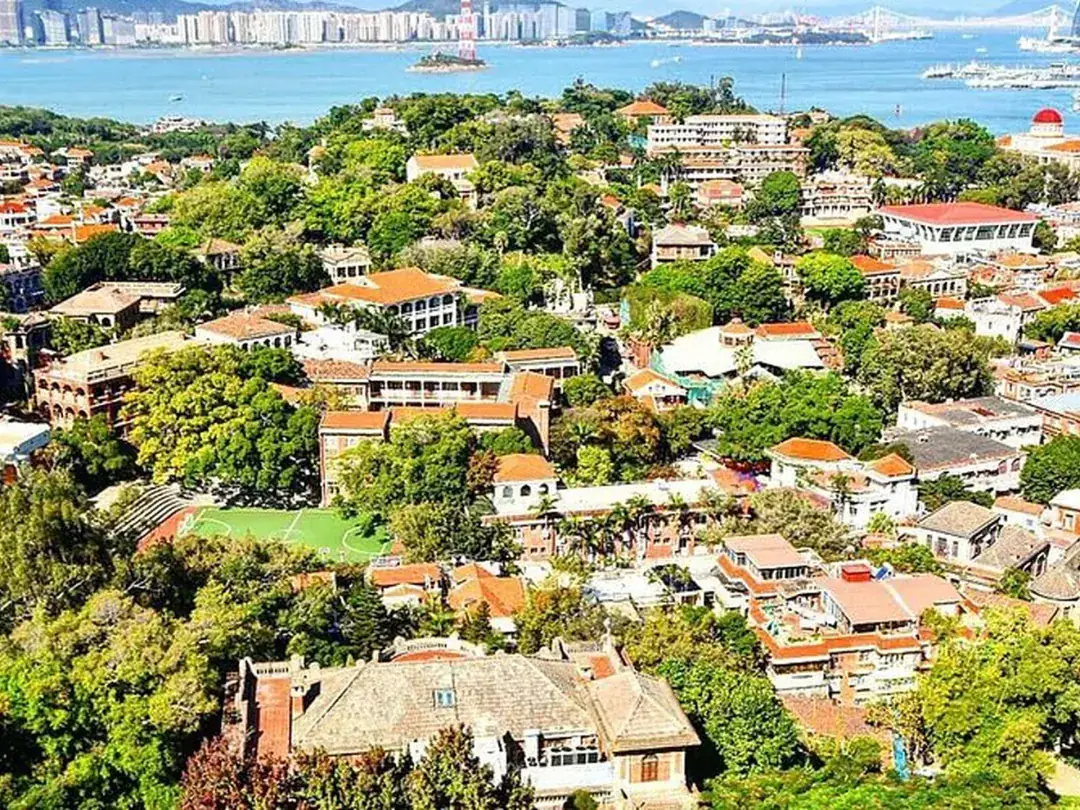
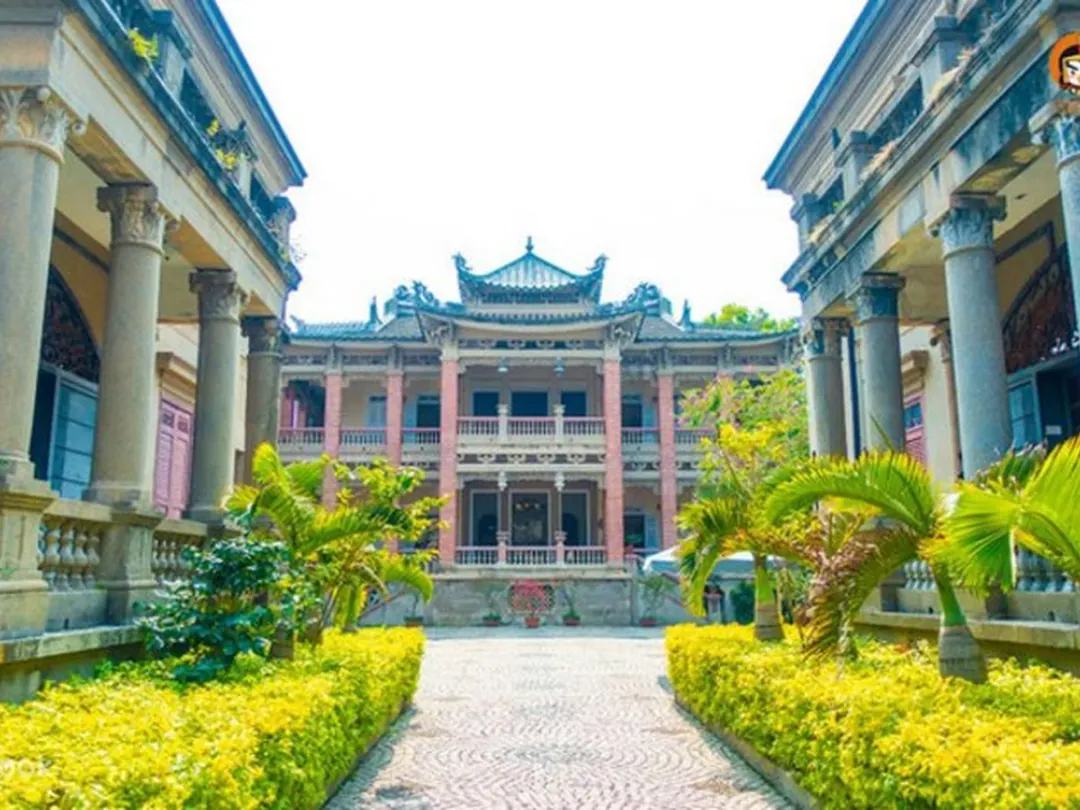
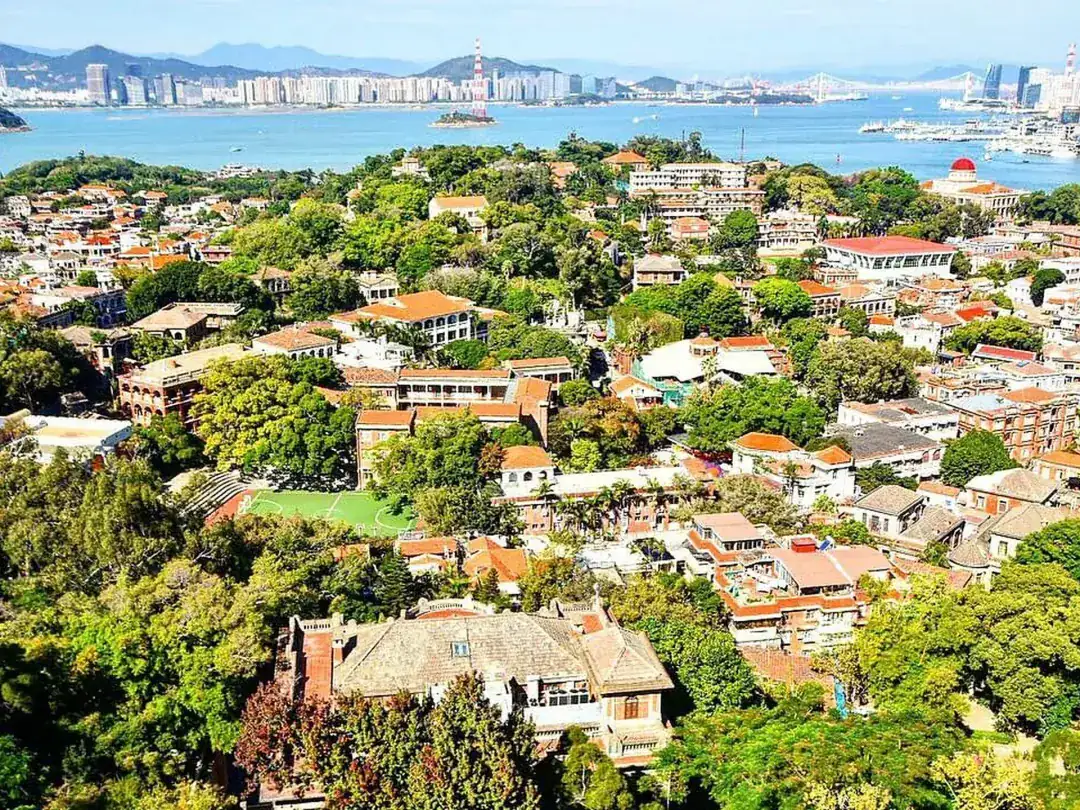
Gulangyu was established as a foreign concession in 1903, when Xiamen opened to international trade. British, French, American, Dutch, Spanish, and Portuguese consulates, churches, schools, and mansions sprouted across the hillside. The island's hilly terrain, banyan-shaded lanes, and sea breezes created an environment distinctly different from mainland Xiamen — and it attracted missionaries, merchants, and musicians. The result is an eclectic mix of Gothic Revival churches, Spanish Mediterranean villas, British colonial manors, and tropical Asian shop-houses all within walking distance of each other.
The island earned its nickname "Piano Island" from the large number of pianos owned by foreign families and missionaries in the early 20th century. The Gulangyu Piano Museum, founded by a local piano collector, displays over 100 antique instruments including a rare 1843 Broadwood grand piano. Music education remains strong here; many locals play piano, and street performances are common. The island also has an organ hall and hosts an annual international piano festival each October.
The car-free policy means the island is pleasantly quiet at night, with only the sound of waves and occasional organ music from the Shuzheng Garden. The island's seaside promenade on the southwest side offers views of Xiamen's skyline across the water. Bring comfortable walking shoes — the island's steep hills and cobblestone lanes can be tiring by afternoon.
How to get there
Take Metro Line 2 to Dongdu Pier (东渡码头), then purchase a ferry ticket (¥35 ordinary / ¥50 priority). The 20-minute crossing arrives at the Gulangyu Terminal near the island's northern tip. Alternatively, depart from Songbai Pier (嵩屿码头) on the western side for a longer crossing with sea views. Return ferries run until 18:00.
Best photo spots
- The view from日光岩 (Sunlight Rock) summit — panoramic view of Xiamen Bay and the island
- The colonial corridor along泉州路 (Quanzhou Road) — European facades and banyan canopies
- The seaside promenade at港仔后海滨 (Gangzaihou Beach) — skyline backdrop, especially at sunset
- The organ-shaped Shuzheng Garden pagoda near the south beach
Tips
- Book ferry tickets via the "Xiamen Ferry" WeChat mini-program at least 1 day ahead, especially on weekends and holidays
- Start early — arrive at Dongdu Pier by 8:30 AM to beat tour groups
- Get a map at the ferry terminal — GPS signal is unreliable on the island's narrow lanes
- Visit the Piano Museum first thing in the morning when it's quiet
- Stay for sunset at Gangzaihou Beach, then take the last ferry back (18:00)
Scams to avoid
- "Official guides" at the ferry terminal who offer to show you around for a fee — the island is best explored independently with a map
- Fake ticket sellers near Dongdu Pier — always buy tickets at the official booth or via the WeChat mini-program
- Overpriced "special" coconut juice and fruit on the island — prices are 3-4x higher than mainland; bring your own water
Frequently asked questions
Do I need to book ferry tickets in advance?
Yes, especially on weekends, public holidays, and summer. Book via the "Xiamen Ferry" WeChat mini-program or at Dongdu Pier ticket office. Ordinary class (¥35) is usually sufficient. Priority class (¥50) has shorter queues.
Can I bring a bicycle or electric scooter?
No. Gulangyu is entirely car-free. You can rent a small electric golf-cart style buggy for ¥200-300 per hour, or simply walk. The island is small enough to cover on foot.
What is the best time to visit Gulangyu?
Weekday mornings (arrive first ferry at 7:10) for the most peaceful experience. Avoid Chinese public holidays and summer typhoon season (July–September). Spring (March–May) and autumn (October–November) offer ideal weather.
Is Gulangyu accessible for wheelchair users?
No. The island's steep hills, cobblestone lanes, and multiple staircases make it inaccessible for wheelchair users. The ferry terminal and some newer attractions have basic ramps, but most of the island is not wheelchair-friendly.
How much time do I need for Gulangyu?
Allow a full day. The ferry crossing takes 20 minutes each way. The island itself takes 4–6 hours to explore meaningfully. If you rush, you can do it in half a day, but you will miss the Piano Museum and many of the scenic lanes.
Read next
Other things to do in Xiamen
Gulangyu Piano Museum
World's largest public piano collection on car-free Gulangyu Island. Antique pianos from the 18th–20th century. ¥20 entry.
Huandao Road (Island Ring Road)
43 km coastal scenic road around Xiamen Island. Best explored by bicycle. Free. Beaches, palm trees, and sea views.
Nanputuo Temple
Buddhist temple at the foot of Wulao Peak, Xiamen. Free entry; the vegetarian restaurant on site is a draw. One of China's most active monasteries; allow 2–3 hours.
Xiamen University
Often called China's most beautiful campus: colonial-era architecture, lakes, palm-lined avenues. Free entry with ID registration; campus museums ¥10–20. Allow 2–3 hours.
Zengcuoan Ancient Village
Former fishing village turned tourist food street. Narrow lanes, local snacks, and budget hostels. Free to walk through; 1–2 hours, best as an evening food walk.
Museums in Xiamen
Gulangyu Organ Museum
Asia's finest organ museum on Gulangyu Island — with concerts at 10:00, 12:00, 14:00, 16:00.
Gulangyu Maritime Museum
Gulangyu Island's museum documenting the UNESCO-listed colonial island's 140-year history as a piano island and treaty port. Free (island entry ¥50-100 for non-residents).