This page is archived and no longer updated — see the current guide: See the current guide
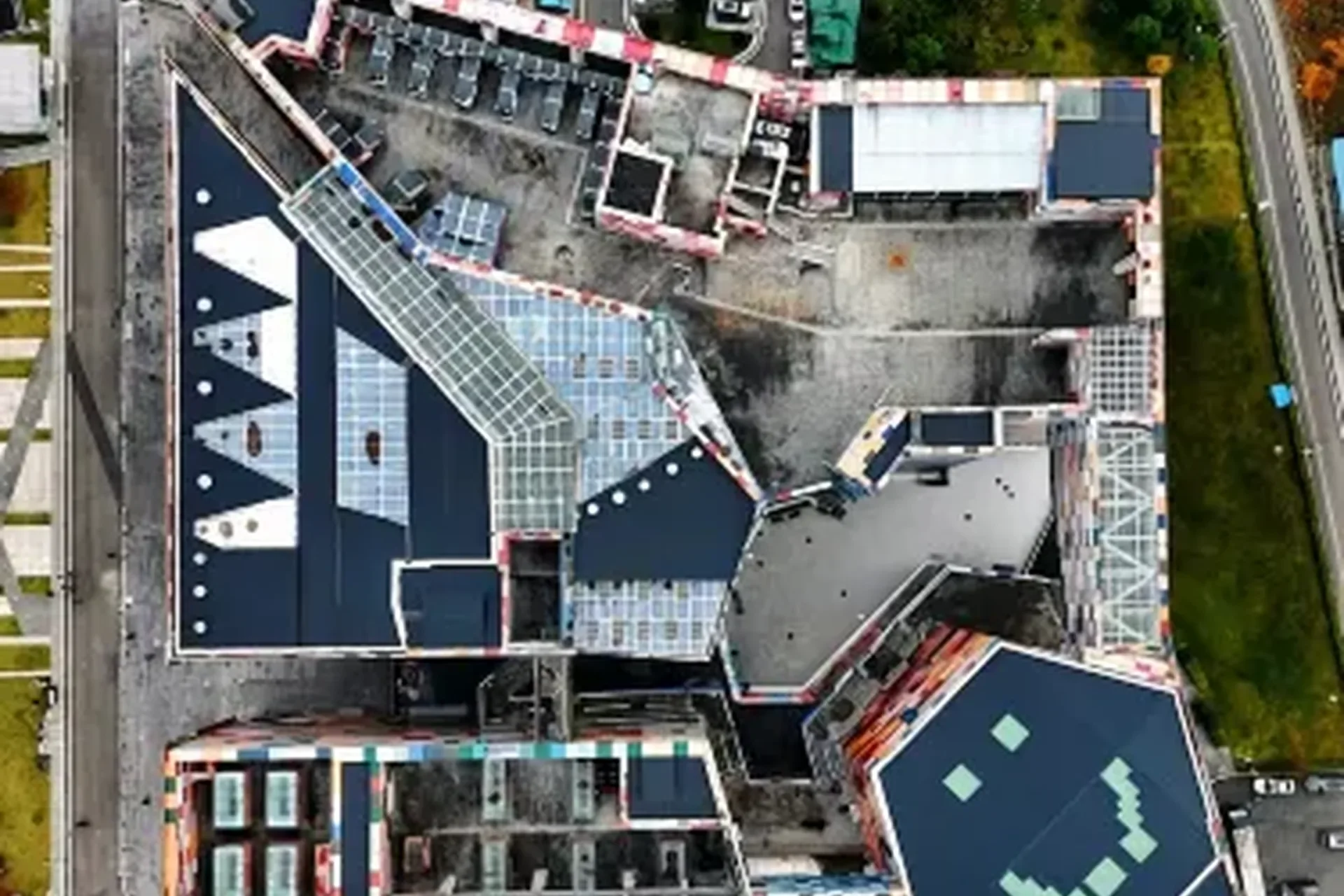
Guizhou Provincial Museum
The Guizhou Provincial Museum (贵州省博物馆) in Guiyang is the cultural institution for China's poorest and most geographically isolated province. Guizhou is almost entirely karst landscape — limestone mountains, underground rivers, natural bridges, and cave systems — which has created unique conditions for preserving minority cultures and archaeological sites. The museum's four main collection areas are: (1) Dong and Miao minority cultural heritage — costumes, musical instruments, silver ornaments, and daily objects from Guizhou's 17 million ethnic minority people; (2) karst geology and ecology — geological specimens and maps explaining Guizhou's unique karst landscape and cave systems; (3) prehistoric and archaeological finds — including the 30,000-year-old "Guizhou Man" fossils and Paleolithic sites; (4) the "Flying Tigers" (飞虎队) WWII Huaxing route archaeology — objects and documents from the WWII American volunteer pilots who flew over the Hump (驼峰) airlift route over Guizhou.
Guiyang · history museum2026-10-19
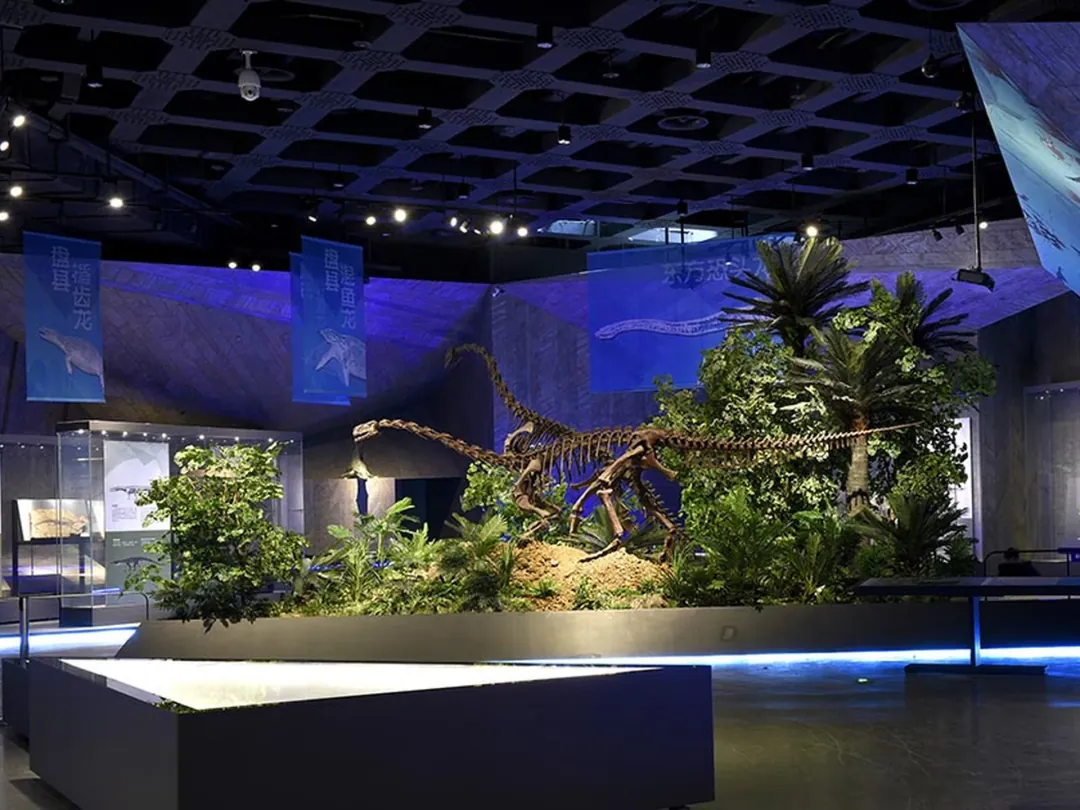
Quick Answer
Is Guizhou Provincial Museum worth visiting?
Guizhou's flagship museum in Guiyang, covering Dong and Miao minority cultures, karst geology and Huaxing underground-river archaeology; verified in 2026.
Quick facts
| Category | history |
|---|---|
| Ticket | Free. Passport required. Walk-in from the main gate. |
| Hours | 9:00-17:00 (last entry 16:00). Closed Mondays. |
| Recommended duration | 1.5-2.5 hours. |
| Best time to visit | March through October. Guizhou has mild temperatures year-round (10-25°C) but is famous for gray skies and drizzle. Summer (June-August) is the wettest season and flash floods in karst areas are possible. Spring (March-May) is pleasant. Autumn is also good. |
| How to get there | Metro Line 1 or 2 to People's Square Station (人民广场站), Exit A. Bus routes 1, 2, 8, 14, 15, 17, 20, 23, 26, 29, 30, 32, 33, 41, 48, 52, 63, 65, 74, 77, 208, 235 to Guizhou Museum stop. From Guiyang Railway Station by DiDi: ¥15-25. From Guiyang Longdongbao International Airport: ¥40-60. |
| English signage | Partial |
Why visit
The Dong and Miao silver ornament collections are among the most visually impressive in China — Guizhou's ethnic minorities have some of the most elaborate traditional costumes and silver jewelry in the world. The karst geology section provides essential scientific context for Guizhou's unique landscape, which is best explored at Huangguoshu Waterfall (黄果树瀑布) and the Zhijin Cave (织金洞).
Collection highlights
- Dong and Miao silver ornament collections — impressive silver crowns, necklaces, and ornamental garments worn by Dong and Miao women during festivals, among the most elaborate traditional silverwork in the world
- Guizhou karst geology model — a large geological relief model explaining the formation of Guizhou's karst landscape including the famous Huangguoshu Waterfall and Zhijin Cave
- Miao "Grand Song" (侗族大歌) instruments — the musical instruments used in the Dong people's famous polyphonic choral tradition recognized by UNESCO as Intangible Cultural Heritage
- "Guizhou Man" (贵州人) hominid archaeology — stone tools and fossils from the 30,000-year-old Guizhou Man archaeological site
- Flying Tigers (飞虎队) WWII objects — documents and personal objects from the WWII American volunteer pilots of the "Flying Tigers" who flew the "Hump" airlift route over the Himalayas from India to China, with connections to Guizhou
- Ancient boat and navigation objects from the BT-67 route — artifacts from the underground river archaeology documenting ancient river trade routes through Guizhou's karst landscape
Tips
- Combine with the Huangguoshu Waterfall (黄果树瀑布) — China's most famous waterfall, 2 hours by bus from Guiyang
- The Miao and Dong cultural sections are the most visually impressive — prioritize them
- Guizhou is one of China's most underrated food destinations — Guiyang's "sour soup" (酸汤鱼) and grilled skewers (烙锅) are nationally famous
- The "Hump" airlift WWII history section is unique and connects to the Flying Tigers route through Guizhou
- Combine with the "Grand Song of the Dong People" performance if available during your visit
- Guizhou's cave systems (织金洞, 双河洞) are world-class — the museum provides geological context before visiting them
Frequently asked questions
What makes Guizhou's ethnic minority cultures distinctive?
Guizhou has 17 million ethnic minorities (about 38% of the population), including Miao (苗族), Dong (侗族), Buyei (布依族), and Yi (彝族). The Miao and Dong are known for: (1) impressive silver ornament costumes — Miao women wear up to 20kg of silver during festivals; (2) the Dong "Grand Song" (侗族大歌) — a polyphonic choral tradition unique in the world, recognized by UNESCO; (3) the Miao "Huashan" (花山) rock art; (4) the "Jiuzhai" (九寨) ancient zongzi (sticky rice) culture.
What is the "Hump" airlift route?
During WWII, after Japan cut the Burma Road, the US Air Force (Flying Tigers / 飞虎队) flew supplies over the Himalayas ("The Hump") from India to China. Some routes passed over Guizhou. The museum has documents and objects from this period.
How does Guizhou's karst compare to Guangxi's?
Guizhou and Guangxi both have extensive karst landscapes but Guizhou's karst is more dramatic (higher mountains, deeper caves). Guangxi's karst is more accessible (Guilin karst, Yangshuo). Guizhou's karst includes the world's deepest cave systems (Miao Room / 苗厅) and some of China's highest waterfalls. The Guizhou Museum provides geological context before visiting.
Does Guizhou Provincial Museum have English signage?
Partial — the ethnic minority sections have some English. The karst geology section has limited English. No English audio guide as of 2026.
Is Guizhou worth visiting beyond the museum?
Unquestionably — Guizhou is China's most underrated tourist province. Huangguoshu Waterfall, Zhijin Cave (China's longest cave), the Miao villages of Xijiang (西江千户苗寨, the largest Miao village in China), and the Dong villages of Zhanli (肇兴侗寨) are all world-class. Guizhou receives fewer international tourists than neighboring Yunnan or Guangxi.
Read next
Other things to do in Guiyang
Qianling Mountain Park
Qianling Mountain Park is a roughly 426-hectare forested park in central Guiyang with Hongfu Temple (1672), Qianling Lake, a zoo, and 500-plus free-roaming macaques.
Qingyan Ancient Town
A 648-year-old Ming military-garrison town 30 km south of Guiyang, ringed by a stone wall with four fortified gates.
Xiaoqikong Scenic Area
Xiaoqikong (小七孔) is the emerald-water, seven-arch-bridge centerpiece of the Libo karst — Guizhou's slice of the South China Karst UNESCO site inscribed in 2007.